

In the ever-evolving food service industry, plastic food containers play a critical role for businesses like bubble tea shops, restaurants, food trucks, and catering services. With increasing demand for customizable packaging solutions, understanding the landscape of manufacturers and suppliers, the range of products available, and the essential materials and safety standards is vital for informed decision-making. This article will navigate through the three key aspects of the plastic food container market, unraveling insights about leading manufacturers and suppliers, common product types and specifications, and the importance of material safety standards. Each chapter will equip you with the knowledge needed to enhance your business offerings and ensure customer satisfaction.
Power Players and Local Pivots: The Global-Chinese Landscape of Plastic Food Containers
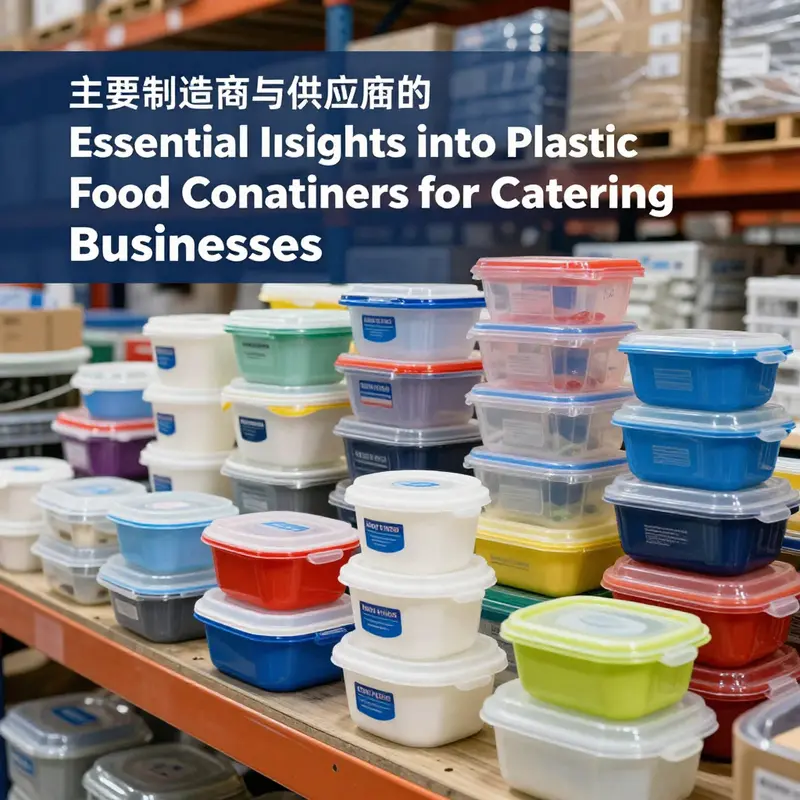
The market for plastic food containers sits at a crossroads where global scale meets local scale, where the efficiency of multinational packaging groups intersects with the agility and rising influence of domestic producers. In the narrative of modern packaging, this mix of dominance and dynamism shapes product lines, pricing, and the speed at which new materials and designs move from concept to consumer. On the global stage, a handful of corporations have built networks that span continents, offering an integrated suite of containers, lids, seals, and process technologies. Their strength lies not just in the breadth of their catalog but in the depth of their capital resources, their access to advanced extrusion, thermoforming, and molding technologies, and their ability to optimize across complex, multi-site supply chains. These firms often persevere by investing in research and development, expanding capacity in response to demand swings, and delivering consistent quality that large food manufacturers rely on for brand protection, shelf life, and regulatory compliance. The scale they command translates into stable supply, reliable import channels, and the capacity to meet the needs of clients who require not just a container but a packaging solution that integrates barrier properties, durability, and food safety standards across markets with divergent regulatory regimes.
Within this global panorama, several names repeatedly surface as indicators of the market’s direction. Amcor, Alpla, Sealed Air, Huhtamaki, and Mondi stand out for their breadth of product families, their geographic diversification, and their ability to tailor solutions for both premium and high-volume segments. These firms are known for longer product lifecycles, broader portfolios that extend beyond single-use items into more sophisticated packaging ecosystems, and a reputation for reliability that is crucial in the highly demanding food sector. Likewise, companies such as Reynolds, Dart, Silgan, and the various entities within the RPC lineage continue to shape the market through a combination of traditional rigid plastics, innovative barrier systems, and evolving service models that emphasize just-in-time production, customization, and efficiency. Together, the top ten global manufacturers command a meaningful portion of the market, reflecting a broader pattern of concentration where scale becomes a strategic advantage. Recent market analyses indicate that the leading ten players account for roughly a third of global share, underscoring both the power of these incumbents and the pressure on mid-tier players to differentiate through niche capabilities, service excellence, or speed to market.
This global framework sits alongside a robust, increasingly capable Chinese manufacturing ecosystem that has emerged as a force in its own right. The domestic market has historically leveraged cost advantages, large upstream supply networks, and rapid adoption of automated manufacturing technologies. In recent years, the market structure in China has become more concentrated, with a clear move toward a few large players that can mobilize extensive capacity and integrate supply chains to serve both local demand and international orders. This trend has been observed by market analysts who track the evolution of a tiered landscape in which “hidden champions” and established brands compete with global names that operate through joint ventures and strategic partnerships. The domestic axis of this evolution is being driven by firms that prioritize scale, process efficiency, and the ability to rapidly implement design changes for large-volume customers, including foodservice brands and quick-service networks. In this environment, local champions are increasingly capable of providing integrated packaging solutions—from basic containers to multi-compartment meal-prep systems and sealed, heat-resistant options—while also pursuing international expansion via e-commerce platforms and cross-border distribution.
Within this domestic expansion, several Chinese players have risen to prominence and defined expectations for service, customization, and reliability. Xintianli, for example, is frequently highlighted as an industry-driven “hidden champion” whose output and sales presence have climbed steadily, driven by partnerships with well-known brands and a reputation for steady growth. Other leading firms such as Hebei Boqiang and Beijing Yuekang anchor the upper tier of the market, with Ningbo Linhua providing strong regional presence in the eastern corridor that serves large consumer and commercial users. Beyond these names, a broader cadre of manufacturers and suppliers—some longstanding in the domestic scene and others operating as international-grade producers with local facilities—contributes to a diverse supply network that supports both ODM/OEM operations and more straightforward, high-volume production lines. It is this combination of domestic prowess and foreign exposure that makes the Chinese market both a driver of pricing dynamics and a critical source of innovation for the global packaging system.
In the broader product mix, the material canvas remains largely dominated by well-understood polymers, with polypropylene (PP) taking the lead in many durable, heat-tolerant containers. PP’s robust performance at typical food-service temperatures—often between 100 and 120 degrees Celsius for hot-fill or microwaving scenarios—has made it a workhorse. It is valued for its balance of strength, clarity when needed, and recyclability, qualities that align with both consumer expectations and regulatory frameworks that increasingly emphasize end-of-life considerations. Polystyrene (PS) still appears in certain segments, especially where weight reduction or cost constraints dominate, though its relatively lower heat resistance keeps it from universal adoption in heated applications. PET and related materials play a pivotal role in transparent packaging and display-oriented containers, supporting product visibility in retail contexts. Across these materials, the industry has aligned with safety standards that are widely recognized across markets: FDA compliance in the United States for food-contact suitability, SGS testing reports to verify performance in various conditions, and ISO certifications that signal a company’s systematic approach to quality management, environmental responsibility, and occupational safety.
The material choices and safety commitments feed directly into the market’s broader trajectory toward sustainability. Even as plastics remain central to modern food packaging, the conversation increasingly centers on how to balance performance with environmental responsibility. Lead players at both global and Chinese scales are not merely selling containers; they are selling systems that address shelf life, waste reduction, and energy use in manufacturing. The carbon footprint of production lines, the energy sources powering those lines, and the systems in place for waste recovery—whether through recycling streams or chemical/reprocessing pathways—are now standard discussion points in procurement strategies. In this context, the top players differentiate themselves not only through product performance but through credible decarbonization roadmaps, investments in cleaner energy, and collaborations aimed at building more circular container ecosystems. The discourse around carbon neutrality has become an essential dimension of competitive advantage, and it informs decisions about capacity expansion, supplier consolidation, and the adoption of cleaner technologies in both mature markets and developing manufacturing hubs.
As the market contends with these pressures, the business models behind packaging supply shift in meaningful ways. Domestic and international buyers increasingly demand customization aligned with brand identity, regulatory labeling, and market-specific packaging requirements. This demand fuels ODM (original design manufacturing) and OEM (original equipment manufacturing) capabilities, enabling clients to imprint logos, add tamper-evident features, or tailor尺寸 and compartment layouts to specific meal-prep or catering needs. The growing appetite for customization dovetails with a trend toward sustainability, as many brands are seeking packaging solutions that reduce material usage, optimize seal integrity, and improve recyclability or compostability where feasible. Such shifts are visible in both ends of the spectrum—from the multinational suppliers that fine-tune their offering through global design centers to the Chinese players who leverage scale and rapid prototyping to deliver iterative, design-led options to domestic and overseas customers.
The cross-border dynamic is particularly notable in the rise of direct factory-to-consumer pathways. Cross-border e-commerce platforms and global trade channels have enabled Chinese producers to service the North American, European, and Middle Eastern markets with an efficiency matched by few other regions. The model—often described in industry circles as a form of “factory direct” supply—helps suppliers offer competitive pricing without sacrificing the reliability of established quality-management practices. This channel strategy is complemented by a growing emphasis on branding, packaging aesthetics, and consumer-facing storytelling that positions plastic containers not as disposable goods but as parts of a coherent, value-driven packaging system. In this sense, the market’s evolution is not simply about who can produce the most containers, but about who can offer integrated, end-to-end solutions that meet safety, performance, and sustainability criteria across diverse consumer groups.
Amid these macro dynamics, a more nuanced tension persists: the ongoing competition between lightweight, low-cost plastic solutions and more sustainable alternatives that may rely on recycled content, post-consumer waste streams, or even alternative materials where feasible. This tension has stimulated a spectrum of responses—from investments in recycled polypropylene (rPP) and post-consumer recyclate (PCR) to improvements in energy efficiency across production lines and better collector systems for recycling. It has also encouraged the packaging industry to rethink product design, enabling multi-use and durable formats that can be refurbished or reprocessed at the end of life. At the same time, a substantial portion of the market continues to rely on conventional, single-use containers for reasons of convenience, cost, or specific functional needs related to food safety, shelf stability, and logistics. In short, the market’s trajectory reflects a continuum rather than a binary choice—an ongoing negotiation between performance, cost, and sustainability across a global supply chain.
The internal landscape—the interplay between global giants and Chinese champions—also informs the service models that underpin the market’s day-to-day operations. Multinational leaders offer established service levels, extensive distribution networks, and predictable supply timelines that many large foodservice brands demand. Chinese leaders, by contrast, bring rapid prototyping, scalable manufacturing capacity, and a high degree of customization, often at favorable price points. The result is a market where buyers can balance cost with speed, risk with resilience, and standardization with localization. The presence of a robust domestic Chinese manufacturing base also means that supply risks associated with geopolitical tensions or freight disruptions can be mitigated by alternative sourcing that remains close to home, while still allowing access to the capital and technology of the global leaders when needed. In practice, procurement teams increasingly pursue dual-sourcing strategies, securing a blend of global best practices and regional competencies to meet year-round demand across multiple regions and channels.
For readers who are exploring this topic through a sustainability lens, the evolution toward responsible packaging is not merely a moral or regulatory requirement—it is a strategic market signal. The movement toward reusable, recyclable, or recyclable-ready designs aligns with consumer expectations, retailer standards, and national or regional policy goals that aim to curb plastic waste. In parallel, the design and supply chain decisions that bring new containers to market are increasingly scrutinized for their life-cycle impacts, from raw material extraction through end-of-life processing. This intensifying scrutiny has practical consequences: suppliers must demonstrate traceability, offer transparent composition data, and collaborate with customers and recyclers to ensure container streams are recoverable and properly processed. In this environment, the capacity to show credible environmental performance becomes a differentiator alongside traditional metrics of manufacturing quality, price competitiveness, and service reliability. And while the discourse around carbon neutrality remains challenging and multi-faceted, it is clear that the leading players—both global majors and Chinese leaders—are incorporating decarbonization into their core strategic narratives and product roadmaps.
The landscape described above is not static. It evolves as new entrants calibrate their capabilities, as automation and digitalization transform production lines, and as regulatory regimes adapt to the realities of modern packaging. The combination of concentrated leadership in both global and Chinese markets, together with a growing tide of customization and sustainability initiatives, suggests a market that will continue to attract investment and attention. Factories expand to meet rising demand, automation accelerates throughput and precision, and data-driven quality control becomes a cornerstone of customer confidence. The interplay between large, established manufacturers and nimble, scale-focused domestic players will keep pushing the market toward more integrated, efficient, and responsible packaging solutions. The stakes extend beyond margins and share prices; they touch the very frameworks by which food safety, waste management, and consumer convenience are delivered in households and commercial kitchens around the world.
No discussion of this market would be complete without acknowledging a simple, overarching truth: the plastic food container industry is a conduit for broader economic and cultural patterns. It mirrors how global supply chains, domestic industrial policies, and consumer behavior co-evolve. It reflects the enduring tension between convenience and sustainability, between standardized mass production and bespoke packaging designs, and between the relentless drive for lower costs and the increasingly vocal demand for responsible resource use. In this sense, the chapter on major manufacturers and suppliers is less a catalog of names and more a lens on how a critical everyday technology—food containment and preservation—performs across geographies, industries, and time. It reveals how the world’s largest packaging powers, together with the most capable local players, are not simply competing for market share but shaping the very conventions of how food is stored, transported, and enjoyed in a world where safety, efficiency, and environmental accountability are inseparable priorities.
As readers consider future chapters, this global–local synthesis serves as a foundation for understanding how decisions made in boardrooms and on factory floors translate into the everyday packaging encounters that define modern life. The next sections will turn from the broad market map to the technologies and process innovations behind the containers themselves—how materials engineering, sealing technologies, and design optimization affect performance in real-world settings, from home kitchens to international supply chains.
disposable-700ml-kraft-paper-bowl-take-out-octagonal-rectangle-paper-bowl
External resource for broader context: For a framework of packaging standards and sustainability benchmarks that inform these market dynamics, see https://www.iso.org/standards.html.
The Language of Plastic: Common Types and Specifications in Food Containers
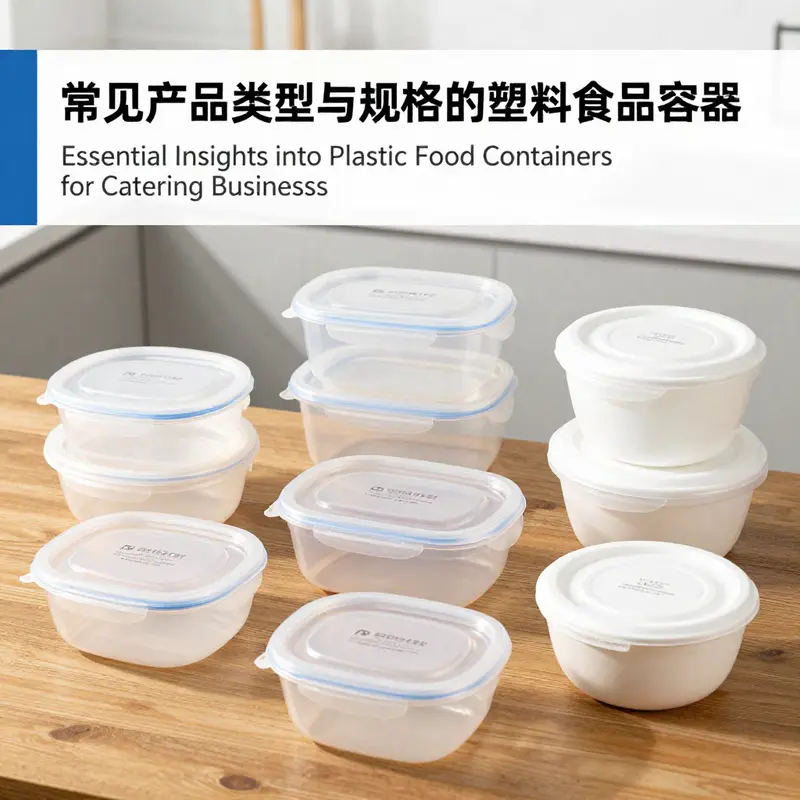
Plastic food containers surround meals in countless ordinary moments, yet the choices behind each box, bottle, or lid reveal a precise conversation among material science, manufacturing capability, and safety standards. The everyday act of packing a lunch, serving a takeout, or storing leftovers becomes a choreography of design decisions. These decisions shape how a container performs under heat, how well it preserves flavors, and how easily it can be recycled after use. The landscape is not a simple catalog of shapes; it is a layered system where function, form, and fidelity to safety must align. In this chapter, the discussion stays focused on the common types and the core specifications that govern how plastic containers do their work. By tracing the logical links between what a container is made from, how it is built, and what it is intended to do, we can better understand why certain options fit particular foods, occasions, and lifecycles. The result is a practical map for choosing containers that balance performance with responsibility, whether for home meals, restaurant service, or bulk storage in commercial settings.
Among the broad families used in food service and home storage, the multi compartment meal prep box stands out for enabling portion control and organized diets. The five or three compartment variants typically place a central well with smaller pockets around it, each designed to hold sauces, grains, proteins, or toppings without cross-contact. The external dimensions around 231 by 231 millimeters and a height near 45 millimeters strike a balance between compact storage and enough headroom for a complete meal. Capacity commonly lands near 1500 milliliters, ample for a substantial lunch or a carefully arranged dinner in a takeout context. This design is not merely about containment; it is a workflow instrument. It supports meal prepping rituals, patient dietary plans, and family routines that hinge on predictable portions. The material choice for these boxes matters as much as the layout. A container that seals well and resists odor transfer helps keep vegetables crisp, sauces contained, and flavors distinct. The ongoing conversation between lid design and wall stiffness determines whether a tray can survive a busy morning rush or a late-night chore of cleaning and reuse. In short, the meal prep box embodies a philosophy: structure and surface must work together to support healthy eating, convenience, and sustainable use.
Square and round takeout boxes illustrate another facet of packaging that emphasizes ruggedness and reliable sealing. A well-engineered lid and a body designed for stacking reduce spill risk during transit. The geometry of these boxes is not decorative; it shapes how they fit into a restaurant’s logistics chain and a consumer’s grip during handoff. The sealing system—often a gasket integrated into the lid—expands contact with the container rim to minimize air exchange and leakage. Through these features, sauces stay where they belong, soups arrive hot but intact, and the likelihood of cross-contamination decreases. The materials selected for this sector must withstand repeated handling, temperature fluctuations, and the occasional surge of heat from food that has just left the kitchen. Durability under microwaving and dishwasher cycles (when approved) further defines the practical life of these products. The design also factors in stackability and nesting, reducing space in storage and during transportation. A robust seal, a predictable fit, and a confident visual clarity together communicate quality to both service staff and customers, reinforcing trust in a brand’s packaging system.
Foam containers offer a distinct lineage within plastic packaging. Often built from polystyrene or related foams, they trade durability for light weight and a certain insulating performance. They are a common choice when mass-produced, quick-service efficiency and low cost are paramount. However, heat tolerance is a central consideration. For many uses, polypropylene—labeled with the resin code 5—carries higher heat resistance and is compatible with a wider range of temperatures, including some microwave applications depending on the specific design. It is not unusual for the container body to be one polymer and the lid another, such as a PP body paired with a PET lid. This split in materials highlights a practical nuance: high-temperature compatibility cannot be assumed when components come from different material families. In microwaves, the rule remains strict: heat only those parts explicitly labeled as microwave safe, and remove lids to prevent steam buildup. The takeaway is not to demonize any single material but to recognize that performance, safety, and cost come from a careful mix tailored to a given use case. This nuance is essential for chefs and packaging engineers who must align the product with both culinary needs and consumer safety expectations.
Airtight containers underscore a key objective in modern packaging: preserving freshness while minimizing cross-contact. Seals with gaskets or silicone rings deliver a tight barrier that limits air infiltration and moisture loss. The benefit is twofold. For leftovers, flavors stay more intense and textures more intact, while for transport, the risk of leaks and odor transfer recedes. In restaurant settings, airtightness supports hygiene goals by reducing exposure to ambient air during handling and distribution. The importance of a reliable seal becomes even more pronounced when meals travel long distances or endure varied climates. At the same time, designers must consider the thermal realities of the seal material. Repeated exposure to high heat, aggressive detergents, and frequent opening and closing can erode gasket performance. Thus, every airtight design is a negotiation: maximize barrier properties while ensuring compatibility with cleaning regimes and user habits. The net effect is a container that improves usability and safety across the full cycle of preparation, transport, and storage.
Beverage containers, including water cups and drink bottles, illuminate how material choice must match the dynamic needs of liquids. PET is the workhorse here: a clear, stiff polymer that provides good barrier properties and a light footprint. PET bottles commonly support beverages and show up in a myriad of sizes that suit quick service and takeout models. The heat tolerance of PET, however, is modest—roughly up to 70 degrees Celsius—limiting its use to cold or mildly warm drinks. Repeated heating or exposure to higher temperatures invites concerns about leaching and distortion. For other applications, polycarbonate has appeared in the past, but safety debates around certain compounds associated with that material have shifted consumer and regulator preferences toward safer alternatives. In practice, this means beverage packaging often prioritizes a straightforward, temperature-appropriate design and disposal path, aligning with consumer expectations for safety and convenience without overstating performance in conditions outside the material’s tested range.
Food wraps and inner films represent the connective tissue of packaging, providing barrier properties without adding bulk. LDPE is a common choice for films and membranes that line boxes or wrap containers. The film layer helps maintain moisture control and food integrity, supporting the overall package’s performance. Yet films are not universal heating aids. They lose strength at higher temperatures, and when used with oily or fatty foods, components can migrate into the food if exposed to heat. Consumers are advised to remove film before reheating and to follow labeling on heat guidance from manufacturers. The film’s role is small but consequential: it protects, it deceives neither by overpromising heat resilience nor by obscuring practical reheating guidance. In production, suppliers must ensure film formulations avoid migration risks and meet regulatory expectations for contact with various foods.
Industrial and commercial storage and handling expand the conversation beyond meals to an entire ecosystem of containers. Turnover boxes and storage crates, often made from polypropylene or high-density polyethylene, must endure heavy use, resist cleaning agents, and withstand frequent washing. Design considerations include grip features for easy handling, ventilation for air circulation in some workflows, and compatibility with shelving and automated systems in warehouses. The choice of wall thickness and the structural geometry of these crates underpins their load-bearing capabilities. A crate with well-timed ribs and corners can endure thousands of cycles of stacking and unloading, while still fitting existing racking and conveyor hardware. In this sector, the emphasis is less on aesthetics and more on durability, washability, and cost per use. The outcome is a robust, reliable component of the cold chain, enabling efficient distribution of perishable goods while reducing damage and waste downstream.
Across these product families, a shared language of specifications guides every choice. External dimensions matter for compatibility with lunch bags, kitchen drawers, and shipment cartons. Internal capacity frames how much food a user can carry or store, with implications for labeling, nutrition guidance, and consumer perception. Wall thickness influences thermal performance, stiffness, and durability, as well as the container’s weight when empty. Many containers incorporate a modular approach to partitioning the interior, enabling practical organization of mixed meals, sauces, or sides. The lid’s design, shape, and closure system determine sealing strength and heat retention. In consumer-grade products, there is often a premium on light weight and straightforward operation; in professional contexts, thicker walls, reinforced lids, and more resilient seals are common to meet higher expectations for repeated use and dishwashing cycles. The rising tide of customization brings ODM and OEM collaborations into the foreground, allowing culinary concepts to become packaging solutions tailored to a brand, a cuisine, or a service model. This trend aligns with the broader movement toward specialized packaging for different dining experiences and dietary patterns, from grab-and-go lunches to prepared meal kits.
The conversation about material families adds a practical taxonomy to the discussion. The five most common families—polypropylene (PP), polystyrene (PS), and polyethylene variants such as PET, LDPE, and HDPE—offer distinct advantages and limitations. PP often supports higher temperatures, typically safe up to about 100–120 degrees Celsius, and is frequently described as microwave and dishwasher friendly when properly designed. PS is lighter and cheaper but loses strength with heat, which makes it more suitable for single-use contexts or cold applications. PET supplies clarity and rigidity, ideal for visible packaging and beverage containers, but not for high heat exposure. LDPE and HDPE offer a balance of flexibility, chemical resistance, and barrier properties that suit films and a wide range of containers. The resin codes themselves can guide consumer interpretation—though the exact performance depends on formulation and additives—while regulatory bodies provide validation through safety certifications and labeling requirements. This material matrix forms the backbone of a packaging engineer’s toolkit, shaping choices from food compatibility and heat resistance to recyclability and disposal pathways.
From a market perspective, sustainability concerns and the pursuit of durability push product development in plastic food containers forward. The appeal of repeat use and clear recycling pathways incentivizes designers to optimize PP-based designs for multiple cycles, while manufacturers increasingly provide transparent guidance on end-of-life options. Consumers expect more than a safe lid; they want packaging that can be responsibly managed after use and that aligns with personal and societal values about waste. Customization remains a powerful driver, as brands seek to imprint their identity on packaging through shapes, colors, logos, and interior dividers that reflect specific meal formats. The rise of cross-border e-commerce accelerates access to diverse markets, pushing standardization where possible while still allowing regional adaptations. The packaging landscape thus becomes a dynamic system where technical feasibility, regulatory compliance, consumer expectations, and environmental considerations continually reshape what kinds of containers are designed, produced, and sold. The result is a diverse ecosystem in which a kitchen-ready box, a carry-friendly bottle, or a pantry-ready crate all reflect a common language of materials, mechanics, and safety.
Choosing a plastic food container is rarely a single, isolated decision. It is a deliberative process that weighs the type of food, the intended storage conditions, the plan for heating or serving, and the journey from kitchen to table to trash bin or recycling stream. For liquids, sealed integrity and heat tolerance are decisive; for salads and dry goods, divider configurations and barrier properties matter; and for fats and oils, material choice and surface chemistry influence flavor integrity over time. The chapters surrounding this topic are designed to help readers see how a simple container emerges from a chain of rational decisions rather than from chance. In the end, every box, bottle, and lid is part of a larger system engineered to align with the food it contains, the user who handles it, and the regulatory environment that validates its safety. For readers seeking a formal anchor on safety and material guidance, the following resource offers official guidance on food-contact materials: https://www.fda.gov/food/food-contact-materials
From Resin to Ready Meal: The Materials and Safety Standards Guiding Plastic Food Containers
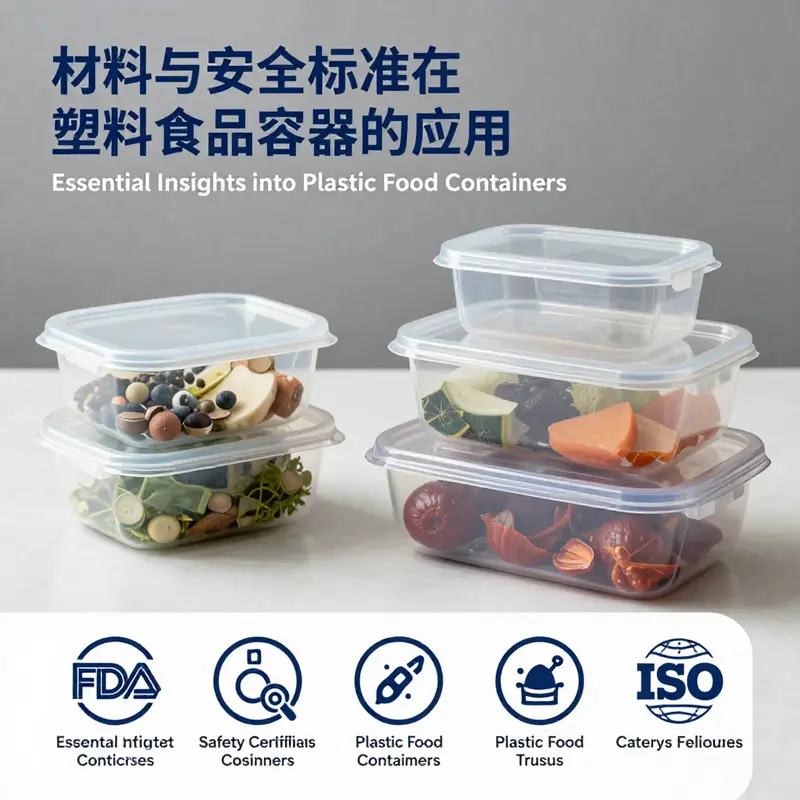
Materials matter more than the color or shape of a plastic food container. The journey from resin to ready meal is defined by the materials chosen, the processes used, and the regulatory gaze that scans each batch for safety. In a market where meals travel from factory lines to kitchens and backpacks in hours, the alchemy of safe packaging rests on two pillars: the materials themselves and the standards that govern their use. The landscape is global, yet the rules are anchored in meticulous testing, risk assessment, and traceability. Because plastic containers touch everyday life so directly, the conversation about their safety cannot be abstract. It must connect chemistry on the one hand with kitchen routines on the other, and with the laws that shape both production and consumption. When a consumer snaps shut a container and slides it into a bag, what is really happening is a quiet negotiation between polymer science, quality control, and governance intended to keep meals pure, untainted, and safe from unexpected changes in flavor, odor, or safety risk.
At the heart of this negotiation are the materials themselves. The most familiar workhorses are polyolefins such as polyethylene (PE) and polypropylene (PP), along with polyesters and a few other polymers chosen for specific tasks. PP stands out for heat tolerance; it can endure temperatures that approach or exceed the upper limits of many microwave or hot-fill use cases. The polymer’s chemical stability and relatively inert surface confer advantages in terms of sanitation and reusability. PE, while gentler in heat resistance, offers excellent impact resistance and flexibility, which can be advantageous for seal integrity and drop resistance in daily use. PET contributes clarity and gas barrier properties that suit display-oriented packaging and certain beverage containers, while PS provides lightness and cost efficiency for single-use applications that do not require high heat resistance. Each polymer has a profile that translates into real-world performance: how well the container holds up during transport, how easily it stacks in a warehouse, how reliably a lid prevents leakage, and how the material interacts with foods during storage, heating, or freezing.
But the choice of polymer cannot be separated from the scientific and regulatory questions that accompany any contact between plastic and food. This is where safety standards and testing regimes become the true gatekeepers. Across major markets, agencies require that materials intended for food contact be demonstrably safe before they reach consumers. In practice, that means a combination of material characterization, migration testing, and compliance documentation that attests to safety across expected use scenarios. The concept is straightforward in theory—limit any migration of potentially harmful substances into food—yet it is complex in execution, because migration depends on many variables: the type of food, fat content, acidity, temperature, time, and even the way a container is washed or heated within a kitchen routine.
In China, one of the most influential references for food contact plastics is a comprehensive standard that governs everything from sensory characteristics to mechanical performance and, critically, migration behavior. The framework emphasizes that products must not impart off-odors, off-flavors, or color changes to food; they must withstand routine handling and meal preparation tasks without structural compromise. The most pivotal component is the migration assessment, which typically includes two key aspects: total migration and specific migration limits. Total migration measures all nonvolatile substances that can migrate from the plastic into a food simulant, while specific migration limits (SMLs) set explicit caps on particular substances that pose known risks, such as certain monomers or additives. The standard also places emphasis on residual monomer content, ensuring that unreacted starting materials and residual catalysts are kept at or below safe thresholds. Together, these elements create a safety envelope around what ends up on a consumer’s plate and in their kitchen.
The regulatory model in China, like in many jurisdictions, reflects a broader international pattern: safety depends not only on the raw material but also on the way it is manufactured, compounded, and processed. It is not enough to claim that a polymer is inherently safe; the production line must demonstrate that the finished container behaves safely under realistic conditions. This requirement aligns with the global concept of good manufacturing practice (GMP) and with the expectation that manufacturers document material compliance, traceability, and quality control measures. Manufacturers that present a credible safety story often pair their materials with evidence from tests conducted by or in collaboration with accredited laboratories and with certifications such as SGS assessments or ISO-based management controls. Those who market to overseas customers frequently carry FDA or EU-aligned attestations, reinforcing a commitment to global standards rather than a narrow domestic view.
The American framework mirrors this precautionary approach. FDA’s model is built on migration testing using a set of standard food simulants that reflect the behavior of foods with varying fat content, acidity, and alcohol levels. Under the FDA guidelines, any protective layer or container material that exceeds permitted migration levels in these simulants cannot be used for food contact. The tests are designed to simulate how a container would behave under typical household reheating, storage, and transport conditions, and the results must demonstrate safety across the full spectrum of intended use. In the European system, the emphasis is on pre-market assessment and ongoing compliance with Regulation 1935/2004, which anchors safety in the requirement that materials are designed, manufactured, and controlled to ensure safe contact with food. The European approach integrates GMP principles and encourages full lifecycle thinking, including end-of-life considerations and recycling compatibility. Taken together, these regulatory architectures share a core objective: the protection of health through evidence-based control of material inputs, processing conditions, and performance characteristics.
This triad of material science, testing, and regulatory oversight informs not only how containers are built but how they should be used. A container that passes migration tests in a laboratory setting may still become a risk if used outside its design envelope. For example, heat overexposure can accelerate the leaching of certain additives, while high-fat or highly acidic foods can differently influence the rate of migration. The guidance about temperatures is pragmatic: even heat-tolerant polymers such as PP have practical limits, and everyday behavior—like microwaving for extended periods or storing very hot food in a container not rated for high temperatures—can degrade both the container and the food quality. The cautions extend to the physical condition of the container: scratches and deep abrasions are more than cosmetic flaws; they create micro-environments where additives might accumulate or migrate more readily, especially under repeated use or aggressive cleaning regimes. The safe path is to respect the product’s intended use: avoid prolonged heating in PS or any container that lacks explicit heat tolerance, avoid storing highly oily or acidic foods in susceptible polymers beyond recommended durations, and replace containers showing wear, discoloration, or deformation rather than attempting to extend their life.
One of the most powerful signals of a container’s safety profile is the presence of clear, verifiable compliance statements on the product. In markets grounded in GB 4806.7-2023 and its equivalents, you will encounter not only a mask of compliance but an evidence trail: test reports from reputable laboratories, labels that reference migration limits or residual content, and documents that demonstrate the supplier’s ability to maintain consistent quality across batches. For manufacturers, this is more than a regulatory hurdle; it is a way to foster consumer confidence in a product category that people rely on daily for meal prep, storage, and transport. The regulatory discourse also nudges the industry toward safer additive use and stronger material reforms. For instance, the cautionary stance toward certain plasticizers and additives is not simply a ban; it is an invitation to explore safer alternatives that meet performance requirements without compromising health. In this sense, the standards incentivize continuous improvement: better barrier properties, improved seal integrity, and more robust recyclability or reusability profiles, all while maintaining a safety-first posture.
The practical implications for product development are clear. Material selection must be guided by the expected food contact scenario, the safety profile of additives, and the anticipated lifecycle. A brand that touts a high-clarity PET container for ready-to-serve meals must also ensure that its processing does not introduce contaminants and that its labeling clearly communicates safe usage, including temperature limits and cleaning instructions. A meal-prep box designed for portioning and stacking must combine mechanical strength with a surface chemistry that minimizes migratory risk, particularly under repeated dishwasher cycles. For packaging designers and manufacturers, the regulatory environment is not a mere compliance checklist; it is a framework for thoughtful design decisions that align performance with safety, environmental responsibility, and consumer trust.
Sustainability trends intersect with safety in meaningful ways. The push toward reusable PP-based systems is tempered by the need to design for repeated use without cumulative migration risk or material fatigue that could undermine performance. The shift toward safer, greener formulations—such as increased use of food-grade recycled content, or the inclusion of PLA-based components where compostable alternatives are feasible—reflects the industry’s broader ambition to reduce environmental impact while maintaining strict safety standards. The ongoing development of high-sensitivity analytical methods promises to sharpen the ability of regulators and manufacturers to detect trace migrants with greater precision, enabling tighter control without imposing unnecessary manufacturing burdens. In parallel, manufacturers are embracing traceability and lifecycle data, building systems that document material provenance, batch-specific compliance, and end-of-life pathways. These advances support the consumer expectation that plastic packaging can be safe, durable, and responsibly managed from cradle to grave.
For readers who are curious about how the packaging ecosystem is evolving toward greener options while maintaining safety, consider a real-world example of an alternative takeout packaging solution that aligns with careful design and responsible material choice. This example illustrates how branding, performance, and environmental considerations can coexist without compromising safety. See this customized design eco-friendly Kraft paper bowl with lid, which demonstrates how packaging designers balance user experience, branding, and sustainability in a way that remains cognizant of safety standards when plastics are not the primary solution. customized-design eco-friendly-1300ml kraft soup-salad paper bowl with lid.
Returning to plastics, the core message remains: the integrity of plastic food containers depends on materials chosen, on rigorous migration testing, and on compliance with well-established safety standards. The interplay among these elements is what keeps the act of storing, reheating, and transporting meals from becoming a hazard to health. The standards are not arbitrary barriers; they are informed guardrails that help ensure that the convenience of modern packaging does not come at the expense of safety. The industry responds by refining formulations, enhancing process controls, and pursuing innovations that reduce risk while expanding possibilities for both consumer convenience and environmental accountability.
Looking ahead, the horizon for materials and safety standards in plastic food containers is shaped by the same forces that drive progress in other high-regulation consumer goods: better science, stronger verification, and more transparent communication with users. The future will likely bring materials that offer superior heat resistance with even lower migration potential, improved recyclability or compostability within safe disposal streams, and enhanced traceability that makes batch-level safety data readily available. As laboratories deploy more sensitive detection technologies, regulators may adjust testing paradigms to reflect real-world usage more accurately, narrowing the gap between laboratory conditions and kitchen realities. For manufacturers, that means ongoing investments in materials science, quality assurance, and cross-border regulatory literacy to support a global market that still demands local safety and consumer trust.
In sum, the path from resin to ready meal is a narrative of care. It is a narrative that recognizes that materials must perform under expected conditions while staying within safe limits for migration and exposure. It is also a narrative that recognizes that standards—whether in China, the United States, or the European Union—are living tools, guiding improvements and enabling safer packaging solutions to scale globally. The consumer ultimately benefits from containers that keep foods fresh, flavors true, and health protected, even as the world looks for ways to reduce waste and embrace smarter, more sustainable packaging options. This is the enduring promise of materials science and safety governance in the realm of plastic food containers: performance, safety, and responsibility walking in step through every meal prepared, packed, and enjoyed.
External reference: FDA guidance on food contact materials can be found here: https://www.fda.gov/food/packaging-labeling-food/fda-food-contact-materials
Final thoughts
Understanding the intricacies of plastic food containers is pivotal for businesses in the catering and food service industry. From recognizing credible manufacturers and suppliers to identifying the diverse product types tailored for various food applications, you can ensure that your choices align with market demands. Furthermore, prioritizing safety standards is essential in delivering quality service. By staying informed, your business can effectively meet customer expectations and remain competitive in a dynamic environment.