

Introduction
In an era where environmental responsibility takes center stage, the beverage industry must rise to the occasion, balancing convenience with sustainability. With consumers increasingly favoring eco-friendly options, the transition to compostable paper coffee cups offers a beacon of hope for businesses ranging from bubble tea shops to restaurants, food trucks, and corporate cafeterias. These cups not only align with the growing demand for greener choices but also reflect a commitment to reducing plastic waste and promoting a healthier planet.
Imagine serving your customers a delicious brew or a vibrant bubble tea in cups that not only look appealing but are also kind to the earth. Compostable paper coffee cups are designed to decompose naturally, minimizing environmental impact and creating a cleaner future one sip at a time. By incorporating these sustainable solutions into your operations, you not only enhance your brand image but also cater to the conscientious consumers who are eager to support businesses aligned with their values.
Join the movement towards environmental stewardship within the food and beverage sector. Explore our selection of paper cups designed for both functionality and eco-friendliness. Let’s embark on this journey together, transforming our industry and setting a shining example for others to follow!
Benefits of Compostable Paper Coffee Cups
Compostable paper coffee cups are an eco-friendly solution that addresses both sustainability and practical needs within the beverage industry. Here’s a closer look at the myriad benefits these cups offer:
Environmental Benefits
- Reduction in Landfill Waste: Made from renewable resources, compostable cups break down in industrial composting facilities within about 90 days, significantly reducing waste in landfills.
- Lower Carbon Footprint: Unlike traditional plastic-lined cups, these cups have a considerably lower carbon footprint during production, as they utilize biodegradable materials like PLA (polylactic acid) derived from cornstarch.
- Conservation of Non-renewable Resources: With their plant-based composition, compostable cups reduce the reliance on petroleum-based products, promoting a more sustainable use of resources.
- Supports a Circular Economy: By facilitating composting, these cups fit seamlessly into a circular economy model that emphasizes reuse and sustainability.
Economic Benefits
- Rising Demand: The increasing consumer preference for eco-friendly options has led to a competitive market for compostable cups, resulting in better pricing and availability compared to traditional options.
- Cost-Effective in the Long Run: Although they may have higher production costs initially, the shift toward sustainable practices can enhance a brand’s image and customer loyalty, potentially leading to increased sales.
- Industry Standards Adoption: As businesses globally adopt stricter sustainability guidelines, using compostable options like these cups can ensure compliance while attracting eco-conscious customers.
Practical Benefits
- Performance: These cups are designed to hold hot beverages effectively without compromising strength or material integrity, making them reliable for everyday use.
- Compatibility with Composting Systems: Compostable paper cups can be effectively processed in both industrial and home compost systems, which not only contributes to waste reduction but can also provide nutrient-rich compost for gardens.
- Ease of Use: For event planners, restaurants, and food trucks, switching to compostable cups simplifies the waste management process by providing a single-use option that aligns with sustainability goals.
In conclusion, switching to compostable paper coffee cups aligns perfectly with the goals of sustainable packaging and responsible consumerism. Not only do they benefit the environment and economy, but they also enhance practical usability in various settings.
Comparing Different Types of Compostable Paper Coffee Cups
In recent years, the demand for sustainable and eco-friendly packaging has surged, particularly in the food and beverage industry. Compostable paper coffee cups are an excellent alternative to traditional plastic and paper cups. Below is a comparison of various types of compostable paper coffee cups available in the market.
| Feature | Single-Wall Paper Cup | Double-Wall Paper Cup | Triple-Wall Paper Cup | Plastic-Free Compostable Cup (PLA-coated) |
|---|---|---|---|---|
| Material Type | Recycled paper with plant-based coating (e.g., PLA) or unbleached kraft paper | Double-layered paperboard with air gap, often coated with PLA or similar biopolymer | Three-layer paperboard with insulating air gaps, coated with compostable materials | 100% biodegradable plant-based material (e.g., cornstarch, bagasse, or sugarcane fiber); no plastic lining |
| Size Options | 4 oz, 6 oz, 8 oz, 12 oz, 16 oz, 2.5 oz | 8 oz, 12 oz, 16 oz, 20 oz | 12 oz, 16 oz, 20 oz, 24 oz | 8 oz, 12 oz, 16 oz, 20 oz |
| Price Range (vs. traditional PE-lined cups) | +15% to +25% higher | +30% to +40% higher | +45% to +60% higher | +50% to +70% higher |
| Sustainability Certifications | FSC Certified, OK Compost INDUSTRIAL, ISO 14001 (optional), Cradle to Cradle (C2C) | FSC Certified, OK Compost INDUSTRIAL, BPI Compostable, ISO 14001 | FSC Certified, OK Compost INDUSTRIAL, BPI Compostable, EU Ecolabel | OK Compost INDUSTRIAL, TÜV Austria, BPI Compostable, USDA BioPreferred |
Note: Prices and certifications are based on 2025-2026 market data from suppliers such as HUAINING XINCHEN PAPER & PLASTIC CO., LTD. and industry reports on sustainable packaging trends. Actual pricing varies by region, order volume, and supplier.
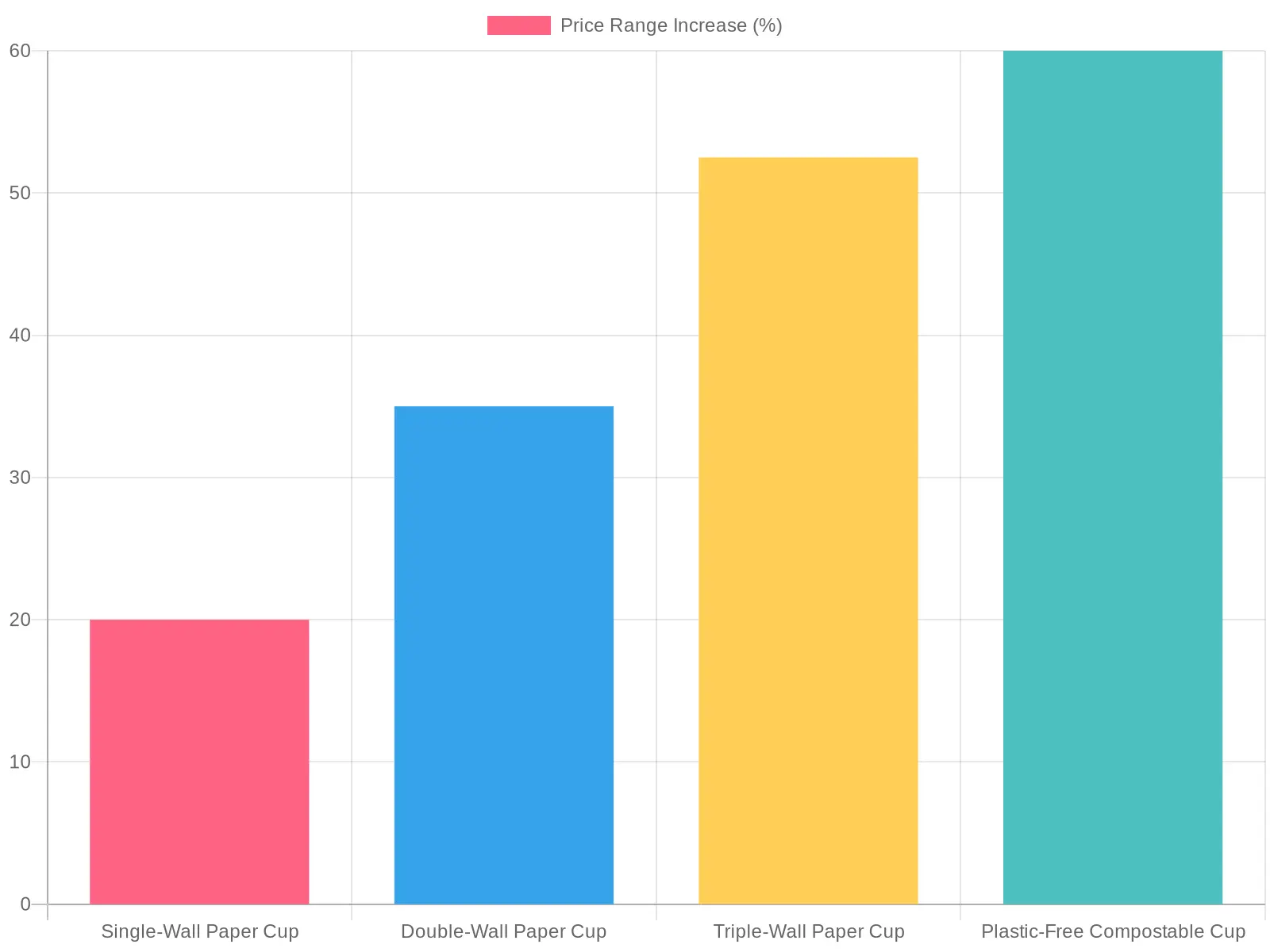
The chart above illustrates the percentage increase in price compared to traditional plastic cups for various eco-friendly cup types.
With the increasing focus on sustainability, selecting compostable coffee cups is a step towards reducing environmental impact. These cups not only serve their purpose effectively but also align with corporate sustainability goals. For more options, you can explore our full selection of paper cups designed for various needs.
Cost Analysis: Compostable Paper Coffee Cups vs. Traditional Options
Switching to compostable paper coffee cups represents not only an environmental choice but also a financially wise decision for businesses ranging from bubble tea shops to event planners. The cost-effectiveness of this transition can be broken down into waste disposal savings and potential funding opportunities for eco-friendly initiatives.
Waste Disposal Savings
As municipalities increasingly push for sustainable waste management, the financial implications of traditional waste disposal methods have become critical. According to a recent analysis, the disposal costs for traditional plastic-coated paper cups can reach approximately 250 Yuan per ton. For a medium-sized café serving about 5,000 cups a month, this equates to an estimated 15,000 Yuan annually in waste management costs.
In contrast, compostable paper cups can be processed through industrial composting facilities, which typically charge about 100 Yuan per ton for disposal. This results in an annual cost of only 6,000 Yuan for compostable cups, yielding a total savings of 9,000 Yuan per year for businesses.
Here’s a detailed comparison:
| Category | Traditional Plastic-Coated Paper Cup | Compostable Paper Cup | Annual Savings |
|---|---|---|---|
| Disposal Cost per Ton | 250 Yuan | 100 Yuan | – |
| Monthly Cup Volume | 5,000 cups | 5,000 cups | – |
| Annual Waste Volume | ~1.2 tons | ~1.2 tons | – |
| Annual Disposal Cost | 15,000 Yuan | 6,000 Yuan | 9,000 Yuan |
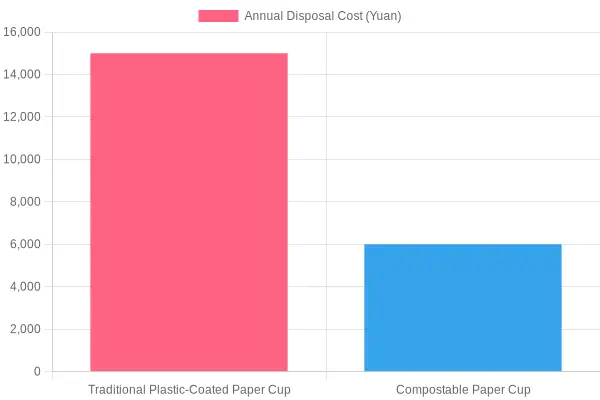
✅ Key Insight: Switching from traditional plastic-coated paper cups to compostable alternatives can notably lower disposal costs while fostering an eco-conscious image.
Potential Funding and Grants
Moreover, many governmental and non-profit organizations are now offering funding opportunities and grants for businesses that adopt sustainable practices. Programs may provide subsidies that partially cover the costs of switching to eco-friendly products. For instance, in certain regions, businesses might receive 80-150 Yuan per ton as incentives for using compostable cups over conventional options.
By leveraging these financial incentives, businesses not only reduce their costs but also partake in a larger movement towards sustainability. It’s wise for café owners and corporate procurement teams to investigate local grants aimed at promoting green initiatives-such funding can significantly offset any additional costs associated with transitioning to compostable materials.
In conclusion, the transition to compostable paper coffee cups is financially advantageous and aligned with a growing consumer demand for sustainability. By adopting eco-friendly options, businesses can reduce waste disposal costs, potentially access funding, and bolster their commitment to environmental stewardship. Learn more about the advantages of paper cup options available at Green Dispopack.
User Testimonials on Compostable Paper Coffee Cups
Many bubble tea shops and food service businesses are recognizing the benefits of switching to compostable paper coffee cups. Here are a few testimonials and insights on how this transition has positively impacted their operations and customer satisfaction:
1. Positive Environmental Impact
According to a report from EcoCup Solutions, bubble tea chains in Hong Kong and Singapore that switched to compostable paper cups achieved a 40% reduction in single-use plastic waste. One bubble tea shop reported a 25% increase in repeat customers after they highlighted their eco-friendly packaging on social media, reinforcing their brand as sustainable and responsible. Learn more about sustainable packaging.
2. Sustainable Practices Drive Resilience
A case study from Hong Kong Food & Beverage Review found that bubble tea shops that adopted sustainable practices, including compostable cups, reported a 30% drop in closure rates in challenging market conditions. These shops also maintained stronger customer loyalty, showing that eco-conscious choices can enhance business stability.
Read more on how sustainable practices impact food service businesses in their overall strategy. Explore more about our products.
3. Customer Trust and Recognition
In a testimonial featured on the Sustainable Cafés Network Blog, a bubble tea shop owner from Vancouver shared that their transition to compostable paper cups not only reduced environmental impact but also significantly increased brand trust among customers. “Our compostable cups became a selling point-not just an expense,” they noted, highlighting the frequent compliments received regarding eco-conscious choices along with being featured in local sustainability awards.
Such recognition enhances the shop’s image and connects with a community increasingly concerned about sustainability.
4. Optimized Design for Packaging Waste Reduction
The Food Service Design Journal reported that a high-volume bubble tea shop in Taipei managed to reduce packaging waste by 50% by reconfiguring their counter designs to accommodate compostable cups seamlessly. This not only improved efficiency but also ensured that sustainability remained at the forefront of their operational strategy.
Conclusion
Switching to compostable paper cups is not just a trend but a substantial step toward sustainability that benefits both businesses and their customers. Enhanced customer satisfaction, increased brand recognition, and a positive environmental impact are just some of the advantages of this trend.
For further details on how these products can help your business thrive in an eco-friendly manner, check out our range of paper packaging options.

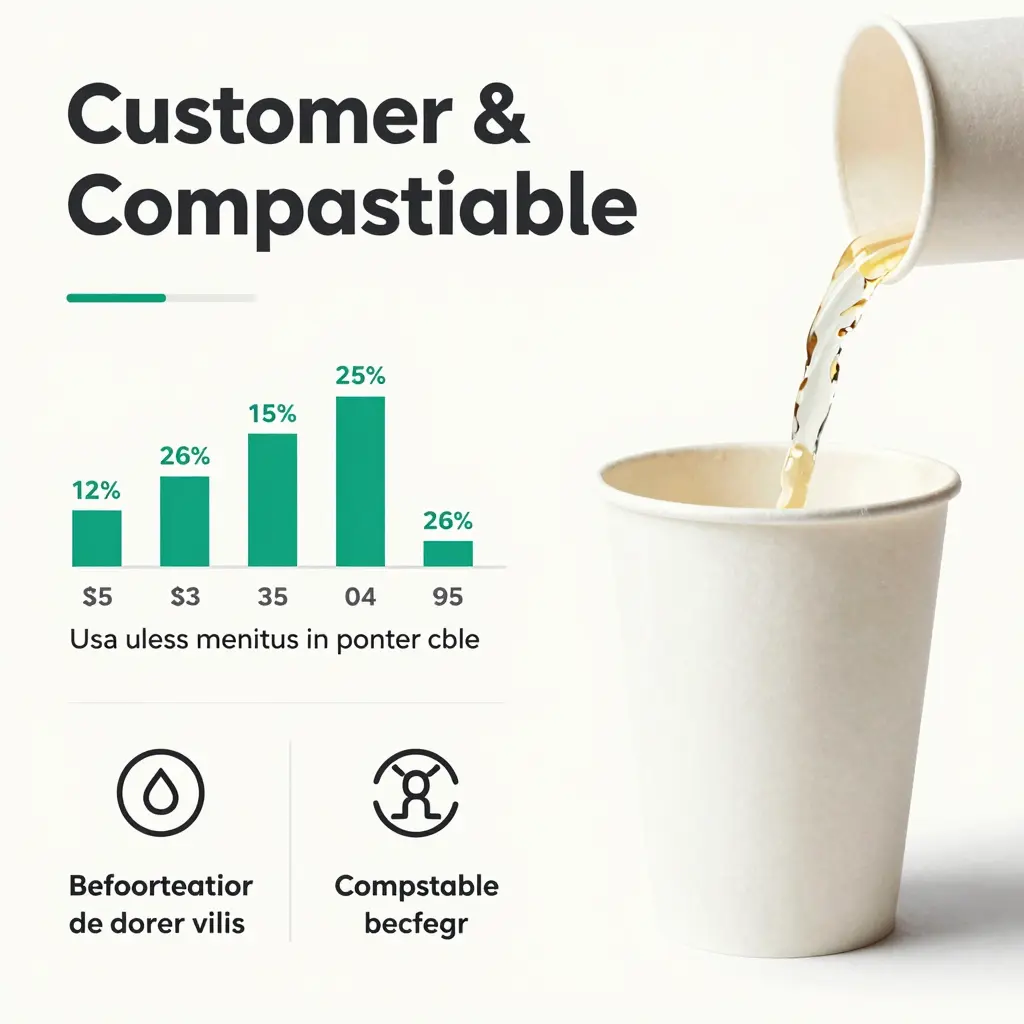
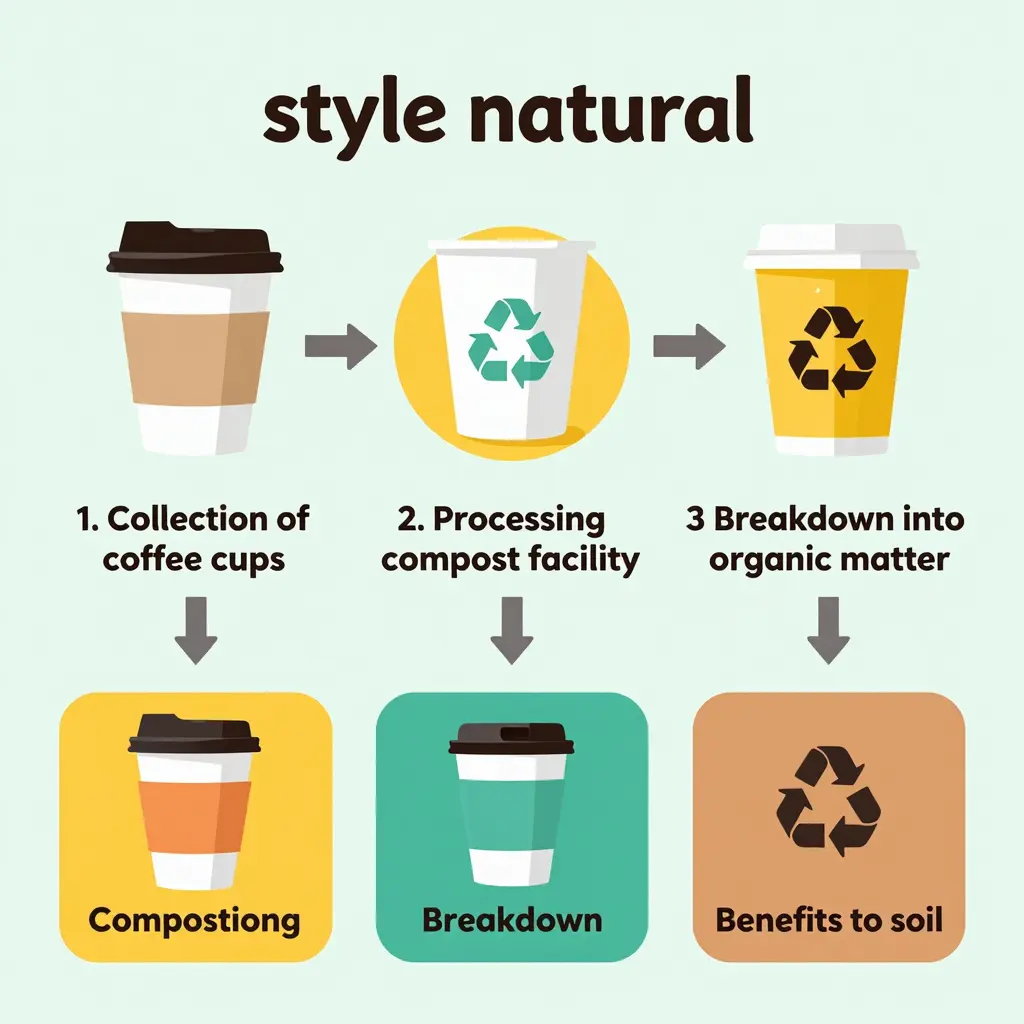
This infographic highlights the journey of a compostable paper coffee cup from its disposal to its beneficial impact on soil. It covers essential stages such as:
- Collection: How disposable coffee cups are gathered for composting.
- Processing: The breakdown process at compost facilities.
- Soil Benefits: How composted material enriches the soil.
This infographic serves as a valuable resource for bubble tea shops, restaurants, and catering services to understand sustainable practices in waste management.
Best Practices for Implementing Compostable Cups
Implementing compostable paper coffee cups can greatly benefit both your business and the environment. Here are some best practices to ensure effective usage and disposal:
1. Select Appropriate Products
Choose compostable cups with reputable certifications, such as ASTM D6400 or EN 13432. It’s crucial to avoid products merely labeled as ‘biodegradable,’ which may not break down effectively in commercial compost settings. For options, check out our compostable paper cups.
2. Establish Proper Disposal Systems
Set up dedicated composting bins that are clearly labeled. Using color-coded bins (e.g., green for compost) helps in reducing contamination. As mentioned in several case studies, bins distinctively labeled can increase the likelihood of proper disposal. For instance, every location could benefit from colorful signage explaining the disposal process.
3. Train Your Staff
Educate your employees about the proper disposal methods and the environmental benefits of using compostable cups. Specific training sessions can address how to sort waste correctly, which is essential in maintaining a clean compost stream. Sharing resources during these trainings helps reinforce the importance of each team member’s role.
4. Engage Customers
Use signage and branding strategies to inform customers about the compostable nature of the cups. This can include messages printed on the cups themselves, encouraging customers to dispose of them in designated compost bins. Additionally, consider utilizing QR codes that link to informative disposal videos to educate customers dynamically.
5. Collaborate with Composting Facilities
To ensure that your compostable cups are effectively processed, partner with local composting facilities. Establishing a relationship enables you to understand their requirements and integrate your disposal practices with their systems.
6. Monitor and Optimize
Regularly assess the effectiveness of your composting program by monitoring disposal rates and contamination. Use this data to make necessary adjustments, keeping in line with studies showing that continuous evaluation leads to better composting outcomes.
7. Promote Sustainability
Incorporate sustainability into your brand’s messaging. Highlight your commitment to reducing waste through compostable products, and actively engage in community events that showcase your contribution to sustainability.
By implementing these best practices, your business can successfully switch to compostable cups, educate staff and patrons, and contribute positively to the environment-strengthening your brand and its sustainability ethos.
“Compostable packaging is not just an alternative to plastic-it’s a critical component of a circular food service economy. When properly managed in industrial composting facilities, these materials break down into nutrient-rich soil without leaving microplastics, significantly reducing environmental harm. However, their success hinges on consumer education and infrastructure access.”
- National Restaurant Association, 2026 Sustainability Report
Using compostable products like paper coffee cups is essential not only for sustainability but for paving the way towards a healthier planet. With increasing consumer demand for eco-friendly options, it’s imperative for businesses in the food service industry to adopt these products. For example, restaurants and beverage chains can significantly reduce their environmental footprint by choosing compostable paper cups.
Conclusion
In summary, compostable paper coffee cups are not only a sustainable choice but also a strategic business advantage for bubble tea shops, beverage chains, restaurants, food trucks, catering services, event planners, and corporate procurement teams. These eco-friendly cups are made from plant-based materials, significantly reducing landfill waste and appealing to an increasing number of eco-conscious consumers-73% of whom prefer brands that prioritize sustainability. Moreover, as municipalities intensify regulations on single-use plastics, shifting to compostable options positions your business ahead of compliance requirements, making it a future-proof investment.
Additionally, adopting compostable cups can enhance your brand image by showcasing your commitment to environmental responsibility. Customers are more likely to remain loyal to a brand that aligns with their values, resulting in improved customer satisfaction and potentially increased sales. With over 40 U.S. cities mandating compostable packaging, businesses that make this switch not only mitigate risks of regulatory penalties but also open up avenues for green certifications and potential tax incentives.
As the compostable packaging market continues to grow-projected to reach over $113 billion by 2030-now is the perfect time to invest in solutions that benefit both your business and the planet. Our paper cup collection includes a variety of compostable options designed to fit your needs.
To explore how our disposable tableware and packaging solutions can be tailored specifically for your business, contact us today for a customized quote. Let’s work together to create a sustainable future, one cup at a time!
Growth Trends in User Adoption Rates of Compostable Products
As the beverage industry increasingly embraces sustainability, the adoption rates of compostable products, especially compostable packaging, have seen notable growth in recent years. According to recent reports, the market for compostable packaging within the food and beverage sector continues to expand, with a focus on reducing plastic waste and enhancing environmental protection.
Adoption Rates by Year
Based on the latest data:
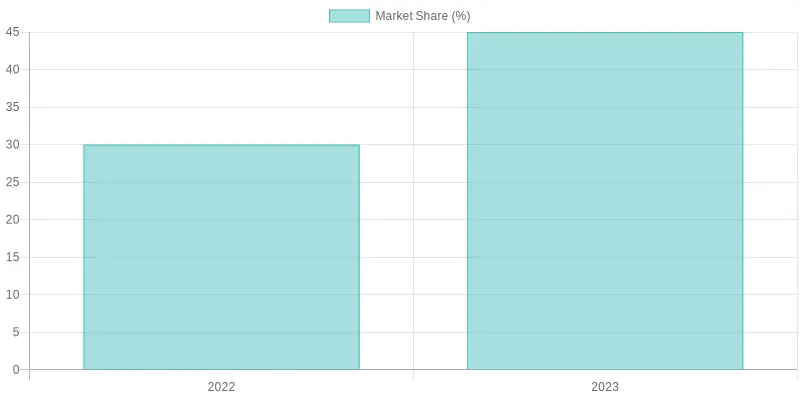
- In 2022, the adoption rate of compostable products in the beverage industry reached around 30%.
- By 2023, this figure surged to approximately 45%. This represents a significant increase in market share, showcasing the industry’s shift towards environmentally friendly packaging solutions.
Factors Driving the Growth:
- Consumer Awareness: Increased environmental consciousness among consumers has made sustainable practices a key selling point for beverage brands.
- Regulatory Changes: Legislation, such as the EU’s ban on certain single-use plastics, has pressured businesses to adopt compostable alternatives.
Chart Overview
To visualize these trends, here is a chart displaying the growth in user adoption rates of compostable products in the beverage industry from 2022 to 2023:
The beverage industry’s commitment to sustainable practices is compelling. If you’re interested in joining this movement, consider exploring options like compostable paper cups and other sustainable packaging solutions offered by Green Dispo Pack.
This ongoing trend not only benefits the environment but also enhances brand loyalty among increasingly eco-conscious consumers, paving the way for a better future in the beverage industry.