
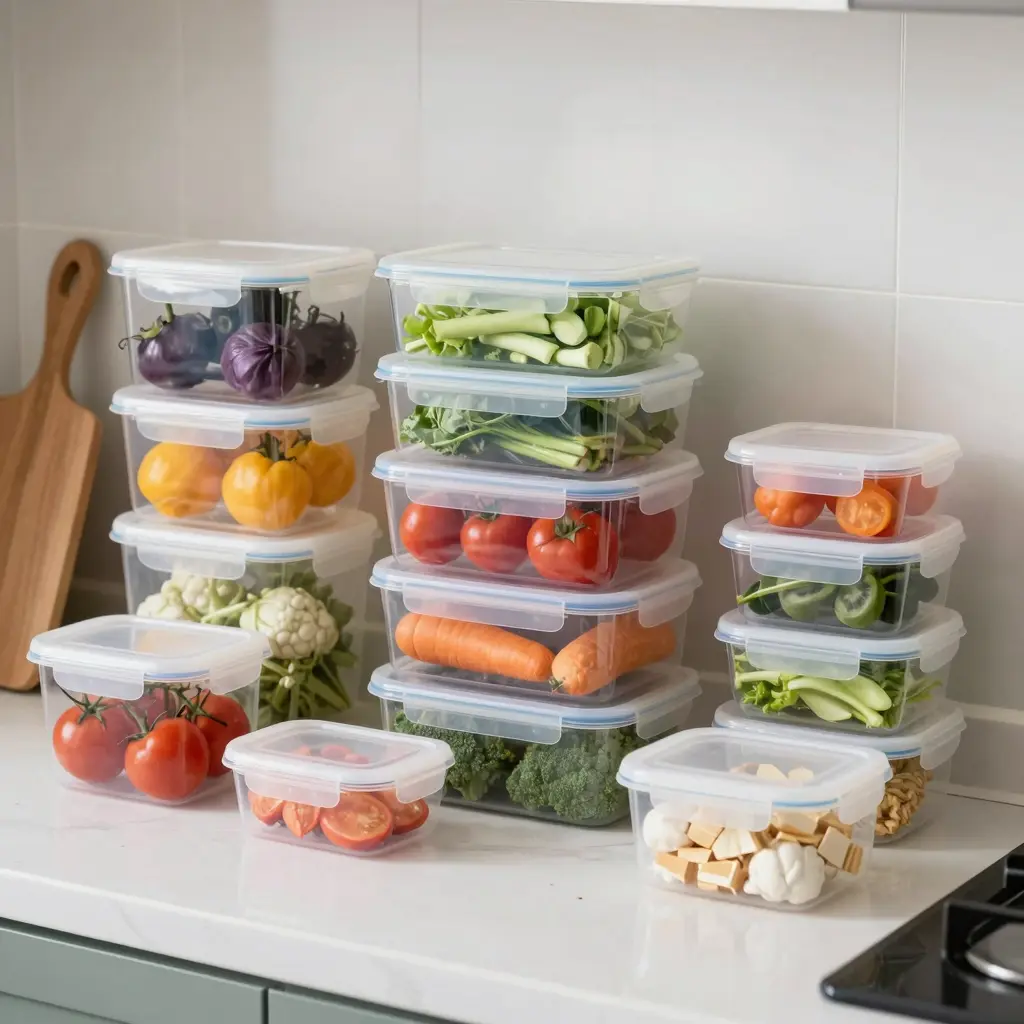
The Essential Role of Food Storage: Why Plastic Containers Matter
In the fast-paced world of food service-whether you run a bustling bubble tea shop, a vibrant restaurant, or a mobile food truck-effective food storage is paramount. Proper storage not only preserves the freshness and flavors of your culinary creations but also ensures food safety, a crucial aspect for any business involved in handling food. Enter plastic containers: the unsung heroes of food storage. These versatile containers offer unbeatable durability, allowing you to store ingredients securely while minimizing waste. The lightweight yet sturdy nature of plastic makes it an ideal choice for both hot and cold food items, ranging from fresh fruits to savory dishes. With their airtight seals, plastic containers help combat spoilage and bacterial growth, safeguarding your food and your customers’ health. For food providers looking to optimize efficiency and uphold the highest standards of food safety, understanding the benefits of plastic containers is not just beneficial-it’s essential. As we dive deeper into the features and advantages of these containers, you’ll find that they’re not just practical; they’re also an investment in the quality and safety of your services. Learn more about our selection of paper packaging options to complement your storage needs.
Advantages of Using Plastic Containers for Food Storage
In the food service industry, particularly for bubble tea shops, restaurants, and catering services, plastic containers have emerged as a preferred choice for food storage. Here are some key advantages:
Safety
- BPA-Free Options: Many plastic containers are available without bisphenol A (BPA), a chemical that can seep into food and beverages. This ensures that stored food remains safe for consumption.
- Non-Toxic Materials: Most plastics used in food containers are made from non-toxic materials, making them a safe choice for food storage.
- Airtight Seals: Quality plastic containers often feature airtight seals that help prevent bacteria and contaminants from entering, preserving food freshness.
Cost-Effectiveness
- Affordable Pricing: Plastic containers tend to be less expensive than glass or metal alternatives. For food businesses on a budget, this affordability is a crucial advantage.
- Bulk Purchasing: Many suppliers, including Green Dispopack, offer bulk purchasing options, which can further reduce costs for businesses needing large quantities.
- Low Maintenance Costs: Being lightweight and durable means that plastic containers are less likely to break, reducing the costs associated with replacing damaged containers compared to fragile glass or ceramics.
Durability
- Impact Resistance: Plastic containers are typically more resistant to shattering than glass, which can be a significant advantage in fast-paced environments like food trucks and catering events.
- Weather Resistance: Many plastic containers are designed to withstand various environmental conditions, making them ideal for outdoor events.
- Longer Lifespan: High-quality plastic containers can last for a long time, offering good value for the investment.
Additional Benefits
- Lightweight: Plastic containers are much lighter than glass or metal, making them easy to handle and transport, which is essential for catering services and food delivery.
- Versatile Use: They can be used for a variety of applications, from storing dry ingredients to serving hot or cold food, which can simplify inventory management for businesses.
For food service businesses looking for eco-friendly options, consider exploring sugarcane food containers that combine durability and sustainability.
In summary, plastic containers offer many advantages for food storage, making them a smart choice for businesses in the food industry. Their safety, cost-effectiveness, and durability align perfectly with operational needs while ensuring the quality and safety of food products.
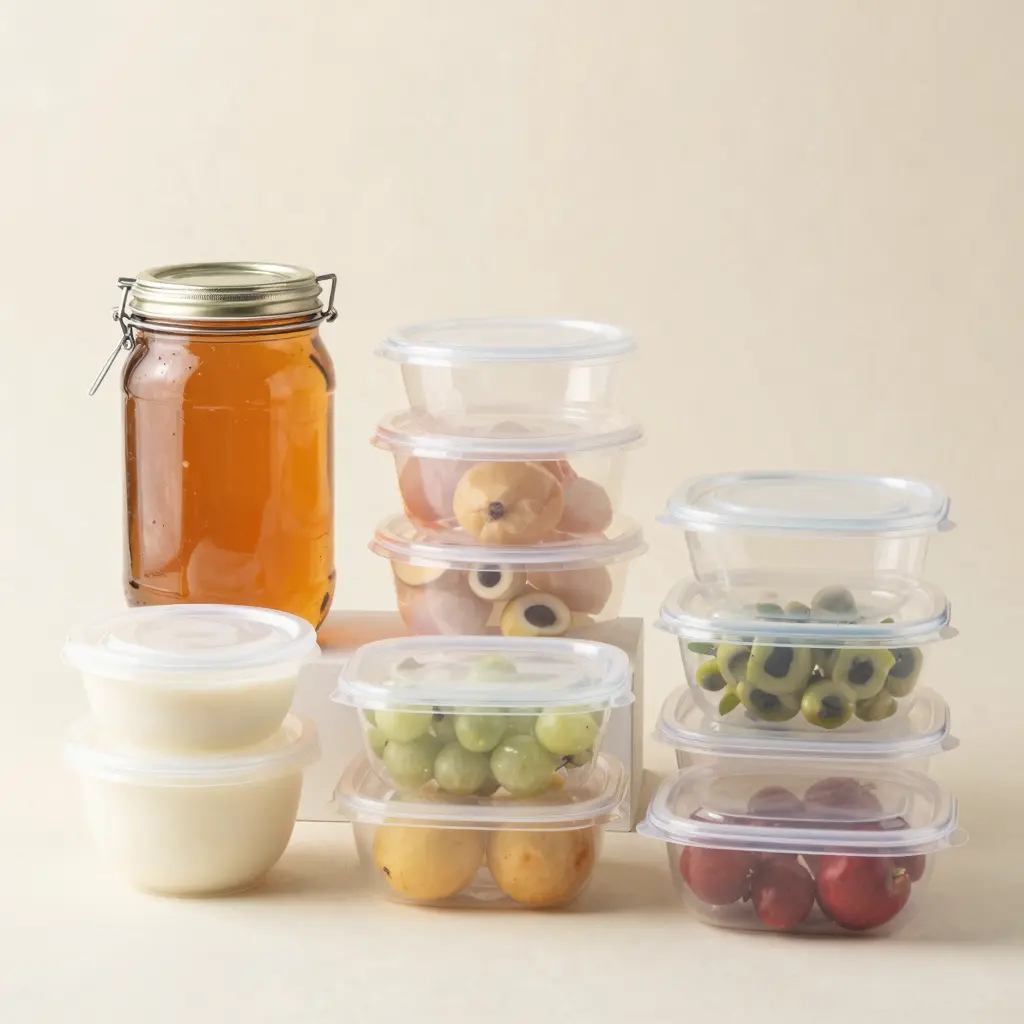
A visual representation of various types of plastic containers commonly used for food storage, including jars, tubs, and take-out containers, appealing to food service businesses.
Comparing Plastic Containers with Glass and Metal
When selecting containers for food storage, it’s essential to understand the benefits and drawbacks of different materials. Below is a comparison of plastic containers with glass and metal regarding weight, cost, safety, and insulation properties:
| Material | Weight (Approx.) | Cost Range | Safety | Insulation Properties |
|---|---|---|---|---|
| Plastic | 100-200 grams | $1 – $30 | Less prone to breaking; some types safe for food. | Good for temperature control; various designs available. |
| Glass | 200-400 grams | $5 – $50+ | Fragile; can react with acidic foods. | Excellent insulation but retains heat/cold longer than plastic. |
| Metal | 300-600 grams | $10 – $70 | Heavier; can rust if not stainless. | Superior for heat retention but may conduct heat. |
Key Observations:
- Weight: Plastic containers are lighter, making them easier to transport.
- Cost: Generally, plastic is the most cost-effective option.
- Safety: Plastic is less likely to break but must be chosen carefully to avoid harmful reactions with food.
- Insulation: While metal provides good insulation for certain applications, plastic has been designed with insulation features for food temperature control.
For more on eco-friendly options, consider exploring sugarcane tableware and paper packaging solutions.
Understanding these differences can help you make informed choices that align with your brand’s values and operational needs!
Environmental Impact of Plastic Containers
Plastic containers are prevalent in various industries, especially in food and beverage services, due to their durability and convenience. However, their environmental impact cannot be overlooked. With the increasing global concerns about sustainability and waste management, it becomes essential to explore the environmental considerations associated with plastic containers, recycling options, and advancements in eco-friendly production methods.
The Environmental Considerations
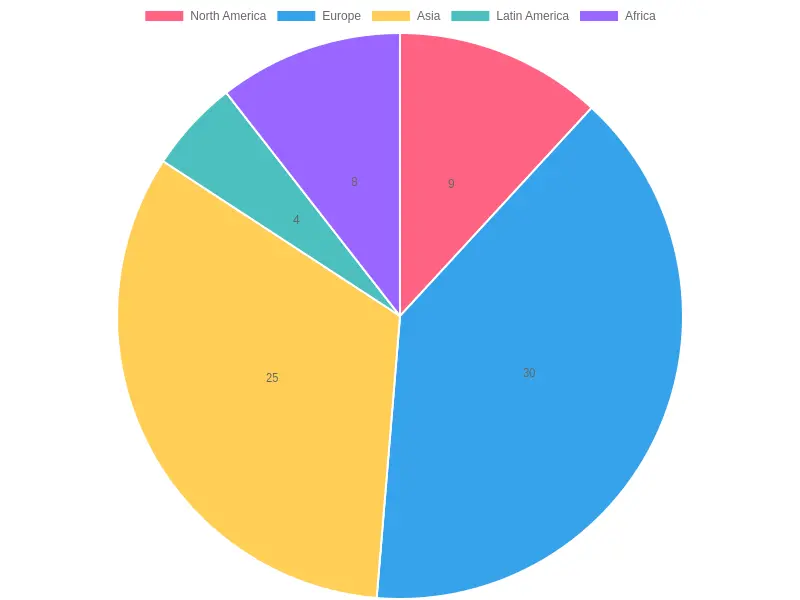
One of the most pressing issues with plastic containers is their contribution to pollution. Plastics are known to take hundreds of years to decompose, leading to significant waste accumulation in landfills and natural habitats. According to data, many regions struggle with low recycling rates, which exacerbate this issue. For example,
| Region | Recycling Rate |
|---|---|
| North America | 9% |
| Europe | 30% |
| Asia | 25% |
| Latin America | 4% |
| Africa | 8% |
Recycling Options
Recycling is a crucial step in mitigating the environmental impact of plastic containers. While recycling processes exist, they vary widely by region. Increased public awareness and city initiatives can significantly improve recycling rates. For instance, in Mexico City, residents will be mandated to separate waste as part of a new initiative aiming to bolster recycling efforts, particularly focused on plastics. Efforts like these reflect a growing trend towards sustainability in waste management.
Advancements in Eco-Friendly Production
In recent years, there have been promising advancements in the development of eco-friendly packaging materials. Biodegradable plastics and bio-based materials are gaining popularity as alternatives to traditional plastics. These materials not only reduce the environmental footprint but are also designed to decompose more readily than conventional plastics. Manufacturers are increasingly investing in research and development to create containers that are both functional and align with sustainability goals.
In conclusion, while plastic containers serve essential functions in food storage and service, their environmental impact necessitates responsible management and innovation. Adopting recycling options and supporting advancements in eco-friendly production can help address the sustainability challenges posed by plastic containers. To create a more sustainable future, businesses and consumers alike must prioritize eco-friendly options and diligent recycling practices. For further information on sustainable packaging options, check out our sustainable paper products.
User Testimonials on the Benefits of Plastic Containers
Many bubble tea shops and restaurants have discovered the significant advantages of using plastic containers in their operations. As one popular bubble tea owner said, “Switching to plastic containers has transformed our service. They’re lightweight, unbreakable, and perfect for our fast-paced environment.” The enthusiasm for plastic containers doesn’t stop there; many restaurant owners have echoed similar sentiments.
Real-World Benefits Include:
-
Lightweight and Portable: “Our staff loves how easy these containers are to handle, especially during busy hours,” shared a manager from a bustling restaurant. They enable quick and efficient service without the fear of breaking.
-
Durability and Safety: A food truck owner noted, “We never have to worry about spills or damage. Our plastic containers hold up fantastic even on bumpy roads!” This durability proves essential in various food service settings.
-
Cost-Effectiveness: Many establishments find that plastic containers present a budget-friendly option. One catering service mentioned, “Switching to plastic saved us a significant amount, which we redirected to our marketing efforts.”
-
Versatile Designs and Seal: A leading bubble tea shop remarked, “The different sizes and shapes of plastic containers let us serve everything from our signature drinks to desserts. Plus, they keep everything fresh!”
These testimonials highlight the widespread satisfaction among food service professionals who choose plastic containers for their convenience, safety, and efficiency. Consider exploring various options like sugarcane food containers to find the perfect fit for your establishment.
Considerations When Choosing Plastic Containers for Food Storage
Selecting the right plastic containers for food storage is crucial, especially for businesses like bubble tea shops, restaurants, and catering services. Below is an unordered list of key factors to consider:
- Material Type: Opt for BPA-free plastics to ensure safety for food contact. Containers made from polypropylene or polyethylene are generally considered safe as they meet established food safety standards.
- Size and Shape: Choose containers that fit well in your refrigerators and storage spaces. Consider the amount of food you typically store. Square or rectangular containers maximize space better than round ones.
- Sealing Capability: Look for airtight seals to keep foods fresh and prevent spills, especially when transporting liquids or pre-prepared dishes.
- Microwave and Dishwasher Safe: If you plan to heat foods directly in the container or clean them in a dishwasher, confirm that they are labeled as microwave and dishwasher safe.
- Transparency: Clear plastic containers allow for easy identification of contents, which is a convenient aspect for restaurants and food trucks that prepare multiple dishes.
- Durability: Choose containers that are sturdy and resistant to cracking or warping, particularly if they will be used frequently in busy environments.
- Safety Standards Compliance: Ensure the containers comply with food safety regulations, such as those outlined by the FDA. Look for certifications or labels that indicate they are food-grade.
- Sustainability: As consumer awareness about the environment grows, consider using recyclable or biodegradable containers to appeal to eco-conscious customers.
By considering these factors, businesses can select plastic containers that not only meet their functional needs but also align with health and safety standards. For those looking for quality options, check out GreenDispoPack’s selection of plastic lids and containers. For additional products, explore our paper packaging options.
Market Trends for Plastic Containers in the Food Service Industry
As we explore the growing market trends for plastic containers, it’s clear that their usage in the food service industry has been on a steady rise. The increasing demand for convenience, coupled with the ever-evolving needs of food establishments, such as bubble tea shops, restaurants, and catering services, has propelled this trend.
The following chart illustrates the projected market value growth for plastic containers from 2023 to 2032, showing a significant increase in demand:
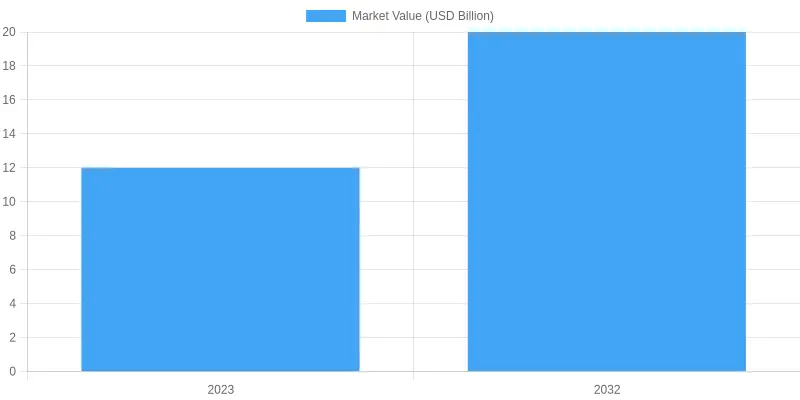
Plastic Container Market Growth Overview:
- 2023: The plastic food container market was valued at approximately USD 12 billion.
- 2032: The market is projected to reach USD 20 billion, driven by factors such as urbanization and increasing disposable incomes.
This strong compound annual growth rate (CAGR) of 5.5% highlights the continuous shift towards more effective and versatile food storage solutions in the industry.
For businesses looking to enhance their offerings, investing in quality plastic food packaging can be a strategic move to meet the growing consumer demand.
In conclusion, the benefits of using plastic containers for food storage are manifold, making them an ideal choice for businesses in the food service industry. Their lightweight and durable nature ensures that food stays fresh and uncontaminated, reducing waste and enhancing overall food safety. Moreover, their moisture-resistant properties help preserve flavors, while the cost-effectiveness of plastic containers makes them accessible for any operation, whether a bustling bubble tea shop or a large catering service.
At Green DispoPack, we understand the unique needs of the food industry, and our range of disposable tableware and packaging solutions is designed to meet those needs effectively. From eco-friendly paper bowls to sustainable sugarcane products, we are committed to providing high-quality, reliable options that can elevate your food presentation while maintaining safety and cost-efficiency. We encourage you to consider our products as you plan your food storage and service needs, ensuring that your operations run smoothly and sustainably.
Are you looking for the perfect solution to elevate your business’s food storage? At Green Dispopack, we understand the unique needs of bubble tea shops, restaurants, food trucks, catering services, event planners, and corporate procurement teams. Our extensive range of high-quality plastic containers and sustainable packaging options are designed to keep your food fresh while ensuring they are both functional and aesthetically pleasing. With our expertise, you can customize your packaging to reflect your brand and meet your operational demands effectively.
Join forces with us and experience tailored solutions that resonate with your customers. Not only do we provide containers perfect for every food item, from our sugarcane food containers to stylish paper bowls for your delicious dishes, but we also guarantee quality and sustainability in our products.
Whether you’re catering a large event or running a busy food truck, we pride ourselves on being a reliable partner who can help you manage your food storage needs seamlessly. Don’t wait to enhance your food service experience-reach out today and discover how we can help you serve your customers with confidence! Together, we can create delicious moments that last beyond the meal!