
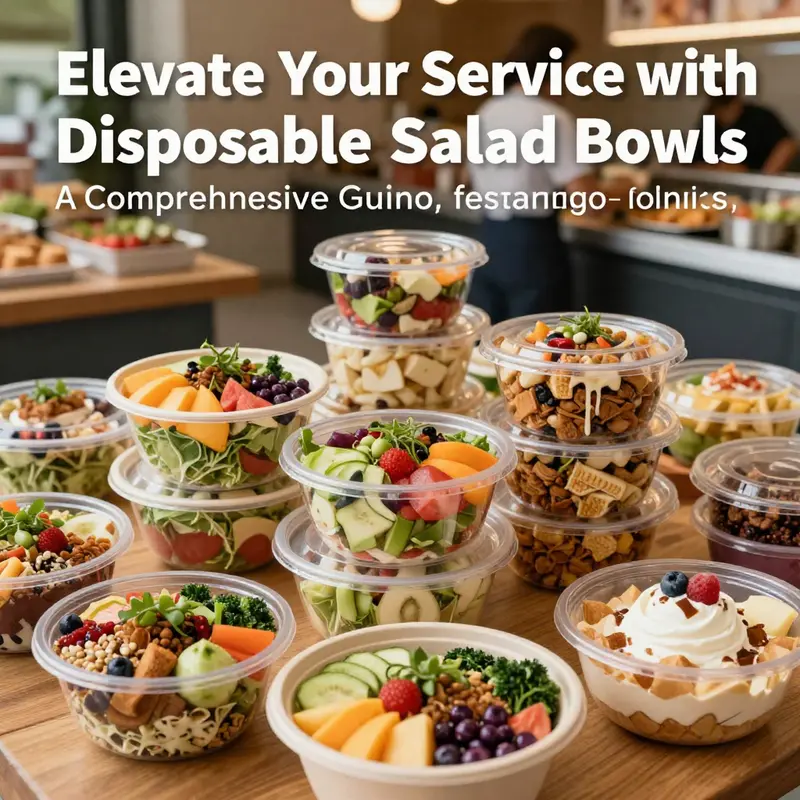
Disposable plastic salad bowls have carved a niche for themselves in the fast-driven food service industry, catering to a variety of needs from restaurants to food trucks. These bowls not only provide convenience and hygiene but also versatility in serving an array of dishes while ensuring safety and excellent presentation. This guide will delve into the various types of plastic salad bowls and their uses, explore distinctive design features, assess the economic impact on the catering industry, discuss environmental considerations, and identify current market trends. Each aspect will illuminate how disposable salad bowls contribute significantly to operational efficiency and customer satisfaction, making them indispensable for virtually any food service business.
Beyond Convenience: A Deep Dive into the Varieties and Uses of Disposable Plastic Salad Bowls
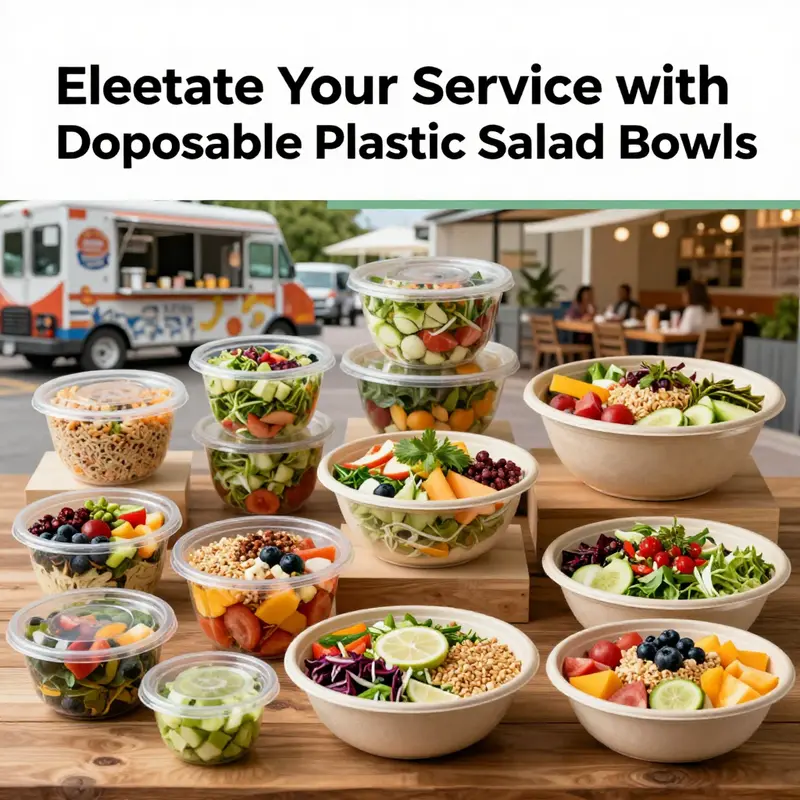
Disposable plastic salad bowls are a core element of contemporary food service, and understanding their variations helps explain why they remain both indispensable and controversial. The choices behind a simple salad container reflect a balance between performance, safety, cost, and end-of-life implications. At a practical level, these bowls range from lightweight, insulating foams to clear, rigid plastics, each crafted to meet different service needs—from cold salads and fruit bowls to hot grains and desserts. The material dictates how well a bowl holds its shape, how easily it travels, and how it interacts with food through temperature changes and moisture. Yet the same properties that make a bowl convenient can shape its environmental footprint, especially when the product is designed for single use. In this chapter, the story of the disposable salad bowl unfolds through four primary material families, followed by a reflection on disposal, recycling realities, and the growing interest in eco-conscious options that still uphold safety and hygiene for food service. The breadth of choice is not arbitrary. It mirrors the spectrum of operational contexts—takeout windows, catering events, buffet lines, and fast-c casual settings—where throughput, presentation, and reliability determine what ends up on a plate and, ultimately, in a waste stream. The polypropylene (PP) and polyethylene terephthalate (PET) options dominate many menus because they strike a practical balance between strength, clarity, and heat tolerance. PP bowls, with their durable, heat-resistant profiles, can hold warm dishes and survive brief microwaving, a feature that is especially valuable in meal-prep scenarios and grab-and-go service. PET bowls, by contrast, are prized for their transparency and barrier properties, which keep salads looking fresh while enabling quick visual confirmation of ingredients. This clarity helps reduce food waste and improve order accuracy by allowing staff and customers to see inside without removing lids. In environments where appearance and communication matter, the appeal of PET is hard to beat, particularly when the aim is to showcase colorful ingredients through a clean, glass-like finish. Yet, PET’s advantages hinge on efficient recycling streams and consumer diligence in cleaning before disposal. The resin code system, the number inside the recycling triangle, serves as a quick guide to end-of-life handling. In everyday practice, a clean PET bowl is typically recyclable through many municipal programs, and its market demand supports a relatively circular loop when residents participate in proper sorting. The PP family, represented by a code 5 symbol, often enjoys broad recycling acceptance, provided containers are clean and free of food residues. PP’s broader temperature tolerance makes it a staple for mixes that might see a brief stint in the microwave or oven, though it’s crucial to follow food-safety guidelines for any heated use. But not all plastics share the same fate. Polystyrene, commonly known as foam or Styrofoam, and the PLA bioplastics present distinct challenges that reverberate through waste streams and policy decisions. Foam bowls are celebrated for their low cost and exceptional insulation, which helps keep cold foods cold and hot foods from softening lids during transport. Unfortunately, their environmental profile is plagued by durability in the natural environment. EPS foam is not typically accepted by most municipal recycling programs, and it often becomes a stubborn contributor to litter and landfill mass. In many places, including notable regulatory contexts, foams are restricted or phased out, reflecting concerns about persistence and potential health considerations when heated. As a result, foam bowls frequently fall into the residual-waste category rather than the recycling bin, unless a specialized facility exists that can handle them. PLA bowls, marketed as compostable or biodegradable, occupy a different niche entirely. They are designed to break down under industrial composting conditions rather than in standard recycling streams. Home composting is rarely sufficient to ensure PLA’s complete degradation, and mixing PLA with regular plastics can contaminate recycling streams, undermining local programs. For this reason, PLA is often treated as residual waste unless the local infrastructure explicitly supports industrial composting. The environmental story of these materials is not merely about disposal; it begins with raw materials, energy use, and the complexity of supply chains. Each choice carries a set of trade-offs—cost versus performance, convenience versus environmental impact, and safety versus end-of-life clarity. In the search for solutions, many manufacturers and users are turning to materials and certifications that emphasize safety, sustainability, and transparency. In the context of food safety, plastic bowls are designed to meet FDA food-grade standards, a baseline that ensures that the material will not leach unsafe substances into food under typical handling conditions. Yet safety is only one side of the equation. The environmental footprint of disposable bowls hinges on more than just the resin type; it extends to production energy, transport emissions, and the fate of the product after use. This broader lens helps explain why some operators are exploring alternatives that balance the convenience of disposables with the goals of waste reduction, even while recognizing that some contexts demand single-use convenience for hygiene and logistics. The decision matrix expands when considering the practical realities of a busy kitchen or a mobile service operation. For example, snap-on or dome-style lids paired with bowls are crafted to minimize spills during transit and keep salads appealing through service windows. Lids contribute to presentation and reduce the likelihood of sauce or dressing leakage, a practical benefit for catering, buffets, and takeout. The challenge, of course, is ensuring that such features do not hinder recycling or composting efforts. The interplay between lids and bowls—their compatibility, sealing performance, and labeling—feeds into a broader question about end-of-life. If a service wants to maintain a straightforward disposal stream, choosing materials with widely accepted recycling streams is a sensible strategy. Conversely, if the operation has access to industrial composting or dedicated recycle facilities, it may broaden its options to include PLA or other compostable variants. In practice, the best approach blends operational realities with local waste-management capabilities. It also benefits from consumer education about rinsing containers and removing food debris, which can significantly improve recycling rates. If a food-service operation is evaluating its packaging strategy, a simple test—how well can the container be cleaned and sorted in the typical post-consumer setting—can reveal a lot about long-term sustainability. For businesses seeking bulk options, the packaging ecosystem offers a spectrum of choices designed for high-volume use, quick turnover, and flexible customization. In this space, the most meaningful gains often come from aligning packaging with regional waste-management infrastructure and consumer expectations rather than chasing the lowest upfront cost. An informed buyer considers not only the container’s performance but also its compatibility with local recycling programs, whether the facility can handle EPS foam or PLA, and what kind of post-use messaging can be provided to diners about proper disposal. A practical step is to look for packaging lines that emphasize recyclability and compostability where appropriate, while also ensuring that the containers meet health-safety standards for the intended use. The narrative of disposable bowls is not a binary tale of plastic versus waste; it is a nuanced discussion about materials, workflows, and community impact. In many cases, the choice of container is a mirror of a business’s broader sustainability commitments. A notable way to illustrate this is to consider transitions that some operators are making from pure plastic disposables toward paper-based or hybrid options that still prioritize hygiene and presentation. For instance, some vendors now offer take-out packaging that pairs durable, microwave-safe liners with kraft-paper bowls and lids, a combination that can reduce plastic use while preserving the practical benefits customers expect. This approach does not eliminate plastic altogether, but it represents a shift toward more sustainable design choices that respect the realities of fast-paced service while acknowledging environmental constraints. When evaluating these trajectories, it helps to ground decisions in clear disposal guidance. Always check the resin identification code and consult local programs to determine whether a given material is recyclable or otherwise appropriate for your community. If there is any doubt, treating foam and many PLA options as non-recyclable in standard streams protects the integrity of recycling systems and reduces contamination. In the end, the dialogue around disposable plastic salad bowls is a dialogue about who we are as cooks, operators, and stewards of resources. It is about balancing the need for clean, safe, appealing servings with the responsibility to minimize waste and support recovery where possible. It is also about recognizing that design and policy evolve. With that awareness, kitchens can make choices that align with both their immediate operational needs and a longer-term commitment to sustainable practices. For readers seeking concrete examples of packaging that aligns with these principles, the broader ecosystem offers accessible paths toward responsible procurement and thoughtful disposal. For a practical reference, see a distributor’s catalog of take-out packaging that includes lightweight, durable bowls with secure lids and options that emphasize recyclability in applicable regions. For further exploration of this topic, external resources on recycling and waste streams provide helpful context: https://www.epa.gov/recycle. And for readers who want a closer look at packaging options that balance function with sustainability in the take-out space, a relevant range of kraft-paper bowls and lids illustrates how paper-based designs can integrate with existing waste-management systems while maintaining food-safety standards. A related, internally linked resource that offers concrete examples of recyclable or compostable options can be found here: disposable 700ml kraft paper bowl take-out. This blend of material science, practical use, and end-of-life planning lays a path for kitchens to navigate the complex landscape of disposable salad bowls without losing sight of hygiene, efficiency, or responsibility. In this light, the future of disposable bowls is not a single material juggernaut but an evolving mix of options designed to fit varying needs, with ongoing innovation aimed at making disposal less burdensome while keeping food safe and appealing for every consumer encounter.
Shaping Convenience: The Design Language of Disposable Plastic Salad Bowls
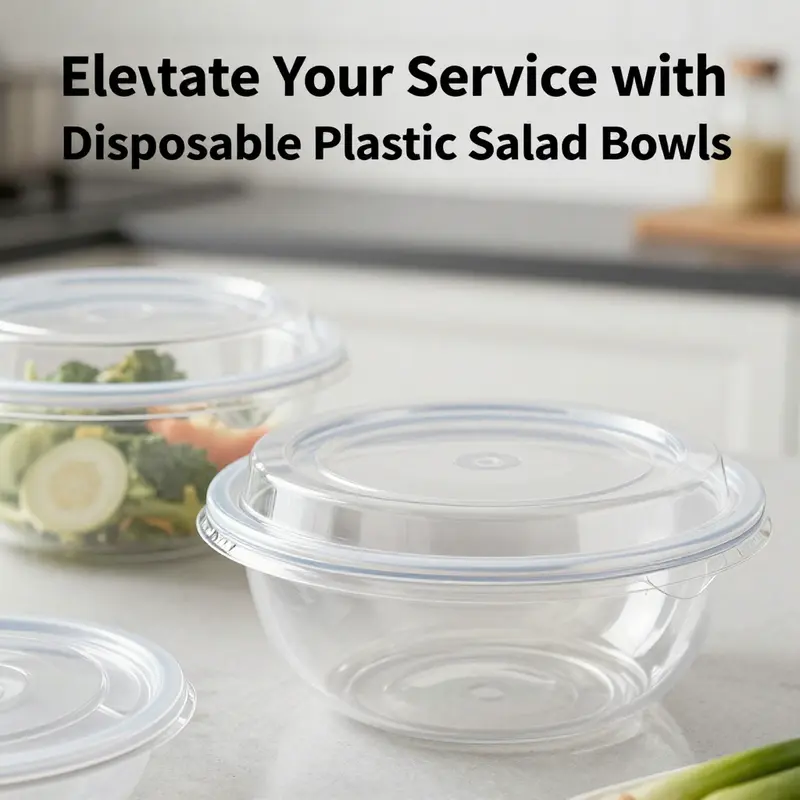
The design features of disposable plastic salad bowls are more than a list of specifications. They are an interconnected system that balances hygiene, efficiency, presentation, and cost in a fast-paced food environment. In practice, the most successful designs translate a kitchen’s daily routines into a physical form that is easy to grab, easy to transport, and easy to dispose of without compromising safety or appearance. This design language starts with simple choices—size, lid, and material—and radiates outward, shaping how meals are assembled, served, and enjoyed across settings from quick-service counters to large catering events. When read together, these choices reveal how disposable plastic bowls become a reliable substrate for countless meals while still contending with concerns about waste and sustainability.
Size and capacity sit at the core of any practical design brief. Medium-sized bowls, typically around 8 to 10 inches in diameter, offer that crucial balance: they accommodate standard salad components, grains, or pasta portions without appearing overly large on a tray and without forcing customers to deal with overflowing toppings. This size also supports efficient portion control for operators who aim to standardize serving quantities, minimize waste, and simplify inventory. Small bowls, often compact in volume, excel as appetizer portions, tasting menus, or dessert servings. They invite a refined, almost gallery-like presentation for sampling menus or upscale buffets where portion control and visual restraint are part of the dining experience. Large bowls are the choice for group servings—family-style platters, catering stations, or event displays—where one vessel can sustain several portions and reduce the need for constant restocking. The degree of thought behind these size tiers lies not in novelty but in how well a vessel supports a diverse range of dishes while maintaining a cohesive service workflow.
Another pivotal design element is the presence or absence of a lid. Lids do more than seal; they curb spillage during transport, preserve the integrity of greens and dressings, and extend the usable life of prepared meals by limiting air exposure. In a busy kitchen or delivery operation, a secure-fitting lid translates into tangible time savings and less product loss. Yet lids also introduce considerations about condensation and texture. When moisture builds up, textures can soften or separate if dressing pools around greens; designers respond with vented or dome configurations that minimize condensation while still offering a clear view of contents. The glass-like clarity of certain plastics enhances visual appeal and helps with quick ingredient verification, a small but meaningful detail that reduces mispicks in fast-paced service lines.
Internal dividers are another design nuance that elevates presentation and portion integrity. They can be fixed or removable, and they help separate dressing, protein, and vegetables without requiring multiple containers. This is especially valuable in meal-prep environments and high-end buffets where the visual separation of components matters as much as the flavors themselves. A divider can preserve the intended texture of crisp vegetables or prevent the mingling of sauces that might otherwise dull a dish’s profile. The presence of an internal divider is a signal that the bowl is not merely a passive receptacle but a curated plate-level experience, designed to keep components distinct while still fitting within a single, disposable vessel.
Material composition is foundational to how these bowls perform in real-world settings. The most common families include polystyrene (PS), polypropylene (PP), and polyethylene terephthalate (PET). Each material carries a distinct set of advantages and drawbacks. PS is lightweight and economical, making it a practical choice for cold or room-temperature dishes where cost is a priority. However, PS can be brittle and less forgiving under impact, and its environmental footprint is often a concern. PP offers greater durability and heat resistance, which broadens usage to include warm or hot foods and makes microwave compatibility more feasible. PP’s resilience also translates into better stiffness during handling, reducing the risk of cracking under pressure. PET is prized for its clarity and shatter resistance, which enhances product visibility and presentation—an important factor when the goal is to showcase colorful ingredients or layered salads. HDPE and foam-based PSF variants appear in more specialized designs, offering insulation and impact resistance for frozen or cold-dense items, though they may carry trade-offs in weight or recyclability.
Beyond these raw materials, the thermal and safety considerations of design cannot be overlooked. The choice of material informs whether a bowl is microwave-safe, freezer-ready, or suited for cold presentations only. This has direct implications for how menus are constructed and how meals travel from kitchen to consumer. Clear communication about safe reheating, storage temperatures, and handling instructions becomes part of the design brief itself. In practice, operators rely on a bin of bowls that can withstand the rigors of a busy service—stacks that won’t deform, lids that seal without warping, and surfaces that resist staining and lingering odors. The aesthetic dimension remains central here; a bowl should be as appealing when full as when stacked on a shelf, with a clean rim, stable base, and a surface that remains easy to wipe down between uses.
Aesthetic considerations, while often subtle, guide why certain bowls feel premium despite their disposability. Some designs emphasize transparency to maximize ingredient visibility, while others lean toward a slightly more opaque appearance that can reduce the visual impact of condensation or fingerprints. The texture and geometry of the exterior—whether crystal-like facets, rounded curves, or a minimalist silhouette—can elevate table settings or buffet lines to a more polished look. This marriage of form and function—how a bowl communicates freshness at a glance and yet remains economical to produce and dispose of—speaks to the broader design philosophy: the bowl should disappear as a conduit and reappear as a stage for the food itself.
Sustainability remains an ever-present undercurrent in the design conversation. Even as disposable plastics fulfill a crucial operational niche, they raise questions about waste, recyclability, and the lifecycle of packaging. Manufacturers increasingly pursue materials that are food-grade, safe, and recyclable, balancing the need for clarity and resilience with the social push toward less waste. This tension pushes designers to consider not only what a bowl can do in the moment but how it fits into a broader system of recovery and reuse. Certifications and compliance with food-safety standards become as integral to the design as the geometry of the bowl, turning packaging choices into a statement about responsibility as well as practicality. In practice, the dialogue between designers, suppliers, and operators often traverses the space between speed, safety, and stewardship, producing solutions that work today and set the stage for better options tomorrow.
The practical implications of these design decisions extend into the operational realities of kitchens, catering services, and take-out-focused venues. A bowl that is easy to stock, easy to assemble, and easy to transport translates to faster service lines, lower labor costs, and more consistent portion control. A dependable lid reduces the likelihood of leaks during transit, and a well-chosen material minimizes the risk of hot-food handling issues while preserving the sensory experience of the dish. For managers concerned with sustainability, the presence of an internal divider or a clearly stated recyclability status can influence how they present their offerings and communicate with customers about disposal. Even the look of a bowl—the way light plays through a transparent PET surface or the way a dome lid showcases the topography of a colorful salad—contributes to the perceived value and quality of a meal in a disposable format.
For readers weighing packaging options, this chapter positions disposable plastic bowls not as a single product but as a design system. It is this system that enables kitchens to scale operations without compromising safety or presentation, while still acknowledging the reality that single-use packaging must be managed responsibly. As designers push for clearer visibility, stronger lids, better insulation, and smarter dividers, the dialogue expands into the realm of alternative materials and hybrid solutions. Even within the plastic family, innovations in polymers and molding techniques continue to refine how bowls perform under stress, how they interact with hot versus cold foods, and how brands can convey a consistent message about quality and care in every bite. If readers are curious about related packaging formats—especially eco-friendly options that might complement or even replace some plastic applications—there is a practical comparison to be explored. For example, see kraft paper bowls with lids as a sustainable counterpart to plastic designs and consider how such options might fit into a broader sustainability strategy. kraft paper bowl with lid
In addition, regulatory and safety contexts provide a ballast to any design discussion. The health and safety frameworks governing food-contact packaging shape what materials are permissible, what claims can be made about safety, and how labeling should communicate handling guidelines. Designers and operators must stay current with evolving standards while preserving the user experience that makes disposable bowls indispensable in busy service settings. The end result is a product that not only serves meals efficiently but also reflects a thoughtful approach to safety, presentation, and environmental responsibility. In the chapters that follow, readers will see how these design principles interact with other dimensions of the packaging ecosystem, from bulk procurement strategies to consumer perceptions of ease and hygiene. The goal is not merely to use disposable bowls, but to choose and deploy them in ways that enhance service quality while supporting broader commitments to responsible packaging.
External context can provide a regulatory anchor for those who want to align their choices with established guidance. For readers seeking deeper regulatory grounding on food-contact packaging, industry standards, and safety considerations, resources from health authorities and regulatory agencies offer practical parameters and references that inform design decisions. For further reading, see the FDA’s guidance on food-contact packaging and substances, which outlines how packaging safety is established and maintained across different materials and use cases. The link below provides a foundational overview that complements the practical design insights shared here and in subsequent chapters.
External resource: https://www.fda.gov/food/packaging-food-contact-substances
The Bottom Line in a Disposable World: Economic Currents Shaping Plastic Salad Bowls in Catering and Food Service
Disposable plastic salad bowls have become more than a convenience; they are a critical lever in the economics of modern food service. In catering, buffets, food trucks, and fast-casual settings, the ability to present food neatly while controlling costs directly affects margins, guest experience, and operational risk. The basic appeal is simple: a consistent, hygienic, transportable vessel that shows the contents clearly and can be disposed of after use. But beneath that simplicity lies a complex economic calculus that operators must navigate as they plan menus, price points, and service formats. In this chapter, we turn to the economic currents that shape decision making around disposable plastic salad bowls, from unit costs and efficiency to scalability, safety, and the looming demands of sustainability. The conversation is not about nostalgia for a reusable ideal, but about understanding how disposables fit into an overall strategy of price discipline, reliability, and brand expectations in a crowded market.
Cost-effectiveness sits at the heart of the disposable model. Per-unit material costs are a primary driver of purchasing choices, especially for events, meal-prep operations, and catering contracts that must cover large guest counts with predictable budgets. The mathematics is straightforward: a lower upfront cost per bowl can translate into thinner profit margins if other variables remain constant. Yet the story becomes more nuanced when you consider the total cost of ownership. In bulk purchases, suppliers offer tiered pricing, which rewards volume but can erode margins if demand is volatile or seasonally driven. The best operators treat price as a component of a broader optimization puzzle that includes packaging integrity, impact on labor, and the costs of waste and spoilage. In practice, this means choosing bowls in a way that minimizes both material waste and the labor spent during assembly, portioning, and cleanup. When sizes are standardized and readily available in large quantities, inventory management becomes more predictable. Operators can avoid the hidden costs of mismatched dimensions, damaged stock, or substitutions that slow down service. The result is a more stable cost structure and a smoother flow of meals from kitchen to plate.
Operational efficiency emerges as another decisive factor. Disposable bowls of uniform size and shape simplify procurement and storage. They align with streamlined prep workflows, allowing staff to grab a consistent vessel without measuring or sorting. This consistency reduces mis-picks, speeds up service, and cuts downtime during peak periods. The efficiency gains extend to the cold chain as well. Secure, snap-on lids reduce spill risk during transport, a common cause of waste and customer complaints. For caterers navigating long distances or multi-stop delivery, the confidence that a lid will seal and limit leakage translates into fewer refunds and negative feedback, which, in turn, protects revenue streams. The ability to pre-pack and stage meals for events or daily offerings lowers labor costs and minimizes downtime between batches. In essence, the operational edge of disposables is not just convenience; it is about predictable throughput, which strengthens capacity planning and helps operators meet service-level promises.
Scalability is the third pillar shaping the economic story. Networks that require rapid, large-scale fulfillment benefit from a supply of bowls that can be counted on, delivered on schedule, and easily integrated into existing workflows. The ability to scale production without investing in reusable dishware, washing facilities, or complex logistics systems represents a substantial capital preservation advantage. For many operators, disposables lower the barrier to entering or expanding service in high-volume contexts. A caterer can quote a large event with confidence because the required tableware is readily available in bulk, and the associated logistics—transport, storage, and disposal—are predictable and manageable. That predictability matters in the budgeting phase, where owners and operators weigh rental costs, labor, and environmental factors against the certainty of a complete, hygienic service. Yet scalability is not without its own pressures. As demand grows, so do waste streams and waste-management costs. This reality underscores the tension between short-term financial benefits and longer-term environmental considerations, a tension that increasingly informs procurement decisions.
Food safety and shelf life are not abstract concerns in this context. Clear, secure lids contribute to the integrity of a product as it moves from kitchen to customer. The ability to safeguard freshness during transit reduces spoilage and the likelihood of returns. From a cost standpoint, this translates into lower product loss, which directly improves the bottom line. In high-volume environments, the difference between a perfectly presented salad and a wilted, compromised cup can be the difference between a satisfied customer and a lost sale. The economics here are about risk reduction as well as wastage minimization. When a business can count on consistent packaging performance, it makes more reliable forecasts about inventory, service levels, and revenue.
However, the landscape is changing under the pressure of environmental regulations and shifting consumer expectations. Traditional plastic bowls remain economically viable in many settings, but there is a growing emphasis on sustainability and certification. Compostable or biodegradable alternatives may incur higher initial costs. Yet many operators view these costs as investments in compliance and brand reputation. The market shift toward eco-conscious practices is not merely a moral stance; it is a strategic response to consumer demand, regulatory scrutiny, and the potential for extended producer responsibility. For some operators, the trade-off is rational: a higher upfront price for a container that aligns with sustainability goals and reduces potential penalties or public-relations risks. Others might pursue dual strategies, using plastic where practicality dictates and paper or compostable options where consumer perception matters most. The economic calculus thus broadens to include lifecycle costs, end-of-life management, and potential partnerships with waste streams that support recycling or composting.
The procurement and supply chain dimension adds another layer. Dependable suppliers, consistent lead times, and robust stock levels help guard against shortages that can disrupt service and erode trust. In a market where every hour of delay can translate into lost sales, the reliability of packaging becomes a strategic asset. Conversely, supply disruptions or price spikes can ripple through menus, forcing a reevaluation of portion sizes, menu engineering, or service formats. Good procurement practice involves not just price search but risk assessment: evaluating supplier financial stability, the quality of raw materials, and the resilience of distribution networks. In models where bulk orders are common, the ability to cushion volatility through contractual agreements and flexible delivery windows becomes a competitive advantage. The economics of disposables, therefore, are inseparable from supply chain strategy, and strong sourcing practices can reduce total costs through fewer substitutions, fewer returns, and steadier service.
The economics of disposable bowls also interact with varying operator profiles. A small cafe aiming for quick service and high turnover may prioritize price and speed, accepting a simple packaging line with minimal processing. A large caterer, by contrast, must balance cost, consistency, and risk management across dozens of simultaneous events. In both cases, the underlying logic remains the same: packaging is a variable that can be optimized to support revenue and service quality, but the optimal choice depends on scale, format, and customer expectations. The decision often involves trade-offs between durability, aesthetic appeal, and end-of-life considerations. Where some menus benefit from a premium look that can be achieved with certain high-clarity plastics, others demand a look that aligns with a more sustainable or artisanal image, pushing operators to test alternatives that still meet safety and presentation standards.
As operators consider the future, the cost equation is evolving with new materials, certifications, and design innovations that can unlock new efficiencies. The industry is gradually embracing smarter packaging strategies, such as designs that minimize material use without compromising strength, or packaging that doubles as a serving vessel to reduce waste. Design choices that simplify opening, reduce contamination, or enhance stackability can yield measurable savings over time. The interplay of cost, efficiency, and sustainability will likely define the competitive landscape in coming years. For operators seeking a broader perspective on the economics of disposable salad bowls and related packaging, there is value in examining parallel packaging contexts that balance cost with environmental stewardship and consumer expectations. For a related comparison with paper-based options, you can explore a practical example in the disposable kraft paper bowl category, which illustrates how lid design and material selection affect both cost and user experience. disposable kraft paper bowl for food package with lid
In sum, the economic impact of disposable plastic salad bowls is a mosaic of low per-unit costs, efficiency gains, and scale advantages that help food-service businesses operate with confidence. Yet those advantages are in tension with evolving environmental considerations and the need to align with shifting consumer loyalties. The most resilient operators treat disposables not as a standalone choice but as an integral part of a broader strategy—one that harmonizes pricing, service reliability, and brand integrity. They monitor waste streams, seek efficiencies in warehousing and handling, and remain agile as supply networks respond to macroeconomic shifts. They also stay attentive to regulatory developments and consumer sentiment, recognizing that today’s cost savings may be tempered by tomorrow’s compliance requirements. The result is a dynamic balance: a cost-effective, hygienic, and scalable packaging option that supports the speed and consistency modern food service demands, while gradually evolving to meet a more sustainable standard that customers increasingly expect. As the industry continues to evolve, the economic logic of disposables remains robust, but its configuration will continue to adapt to new costs, new constraints, and new opportunities for smarter, more responsible service.
External resource: https://www.plasticbowl.com/disposable-salad-bowls-economic-impact-in-food-service
Rethinking Convenience: The Environmental Toll and Alternatives of Disposable Plastic Salad Bowls
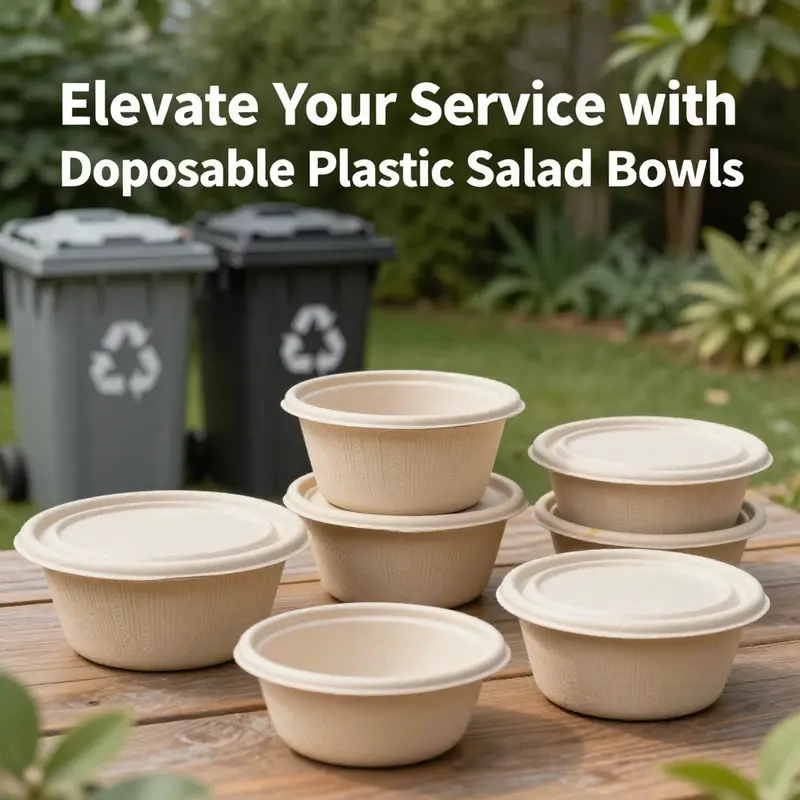
The environmental footprint of disposable plastic salad bowls extends far beyond the quick convenience they offer in cafeterias, buffets, and takeout windows. These small vessels, often made from polystyrene, polypropylene, or PET, embody a design choice built for short-term use but with long-lasting consequences. In practice, the life cycle from creation to disposal consumes energy, water, and land resources, and it generates waste that can persist for generations. The durability that makes them sturdy for transport—resistant to crushing, leak resistant, and easy to stack—paradoxically becomes their liability in the natural environment. When mismanaged, spilled or discarded bowls fragment into microplastics that migrate through soils and waterways, eventually entering food chains and ecosystems. The scale of this issue is not merely about a stray cup on a beach; it is about millions of everyday packaging items that accumulate in landfills or roam as litter, contributing to a pervasive, enduring pollution problem that is difficult to quantify in the moment of purchase but impossible to ignore in the long arc of waste management.
The materials themselves illuminate a core tension. Polystyrene, a common option for rigid, clear presentation, offers stiffness and clarity but is notoriously slow to degrade. Even when labeled recyclable, the practical realities of recycling systems—contamination with food residue, mixed-material components such as liners and lids, and the need for adequate sorting streams—often render these bowls non-recyclable in many communities. The energy and infrastructure required to recycle plastics can also yield lower-value outputs, a phenomenon that undermines the aspirational loop of reuse and recovery. In other words, the theoretical recycling tag does not always translate into a closed, high-value cycle in the real world. The same story holds for polypropylene and PET in some contexts, where contamination, limited collection, or insufficient processing capacity curtail the potential to reclaim materials at scale. This disconnect between labeling and practical outcomes underscores a fundamental environmental risk: households and businesses may invest in what looks like a sustainable choice, only to see it fail to realize meaningful benefits after use.
Given these limitations, it is essential to examine how disposal patterns shape consequence. In many places, a significant share of disposable bowls ends up in landfills. In such settings, the material cannot degrade in the near term, and the landfill environment can slow down any natural breakdown processes. Even when incineration is part of the waste-management mix, the emissions, energy requirements, and residues associated with plastic combustion add another layer of environmental accounting. The broader picture reveals a system that rewards convenience but often penalizes the planet through persistent waste and resource depletion. The appeal of disposables, then, is best understood not as a triumph of efficiency alone, but as a question of what happens after use when the available disposal infrastructure and consumer habits meet.
This is where the conversation shifts from what these bowls can do in a service setting to what they mean for a responsible supply chain. The growing awareness of environmental trade-offs has spurred interest in sustainable alternatives that align with a circular economy mindset. Biodegradable and compostable options—made from plant-based materials such as polylactic acid, bamboo fiber, or molded pulp—promise a different end-of-life trajectory. These materials can reduce long-term waste if industrial composting facilities capable of processing them are available and properly utilized. Yet here too there are caveats. Industrial composting requires specific conditions, including controlled temperatures, moisture, and processing streams; if these bowls are placed in conventional landfills or mixed with non-compostable plastics, their intended advantages rapidly fade. Improper disposal can lead to pollution in the same ecosystems the alternatives seek to protect. In short, the environmental benefits of compostable options depend heavily on the infrastructure that exists to support them and the behavior of users who dispose of them.
To navigate these complexities, stakeholders across the supply chain increasingly pursue life-cycle thinking. It is no longer enough to optimize manufacturing costs or portability alone. The broader goal is to minimize environmental impact from sourcing to end of life. For buyers and operators, this translates into a mix of strategies: choosing packaging with lower embodied energy; selecting materials that are more readily recovered or composted; and engaging with suppliers who can demonstrate clear, verifiable environmental performance. In practice, such choices often involve trade-offs. A packaging solution that is recyclable in one jurisdiction may not be in another. A bowl that is marketed as compostable may still require industrial facilities that are not universally available. The result is a mosaic of regional realities, where the most responsible option is one that aligns with local capabilities and consumer behavior while maintaining safety and food-safety standards.
Within this landscape, a prudent approach is to pursue designs that reduce reliance on single-use plastics without compromising hygiene, convenience, or food integrity. Innovations in materials science and packaging design are gradually offering alternatives that balance performance with environmental considerations. For example, pulp-based or paperboard bowls with barrier coatings can provide splash resistance and moisture management while offering a more transparent end-of-life pathway in communities with appropriate recycling or composting streams. This evolution is not merely a materials shift; it represents a rethinking of how to serve meals in a way that respects both the palate and the planet. It also invites a broader culture of stewardship in food service, where operators, suppliers, and customers share responsibility for choosing packaging that makes sense once the meal is enjoyed.
As such, when evaluating plastic-based disposables, it is vital to integrate up-front life-cycle information into procurement decisions. This means asking questions about material origin, energy use in production, adhesives and coatings, weight and transportation efficiency, and end-of-life options in relevant markets. It also means listening to guidance from expert institutions that assess packaging sustainability in a structured way. For readers seeking a structured framework to compare packaging choices, the U.S. Environmental Protection Agency offers current guidelines on sustainable-management plastics and packaging. These resources help translate high-level environmental goals into practical, actionable criteria for selecting packaging that aligns with local waste-management realities and broader climate objectives.
In this context, one practical pathway is to explore documented examples and case studies that illustrate how organizations have reimagined packaging choices to reduce waste streams without sacrificing service quality. Operators can experiment with alternative materials on a limited scale, track disposal outcomes, and compare performance against conventional plastics. Such pilots can reveal where compostability, recyclability, or even reduction in overall packaging weight delivers tangible environmental gains. At the same time, they emphasize the ongoing importance of education and clear disposal instructions for customers. If a consumer misplaces a bowl into a general waste bin rather than a composting or recycling stream, the expected environmental advantage may be nullified. This reality highlights that the environmental benefits of any packaging choice depend as much on user behavior and municipal infrastructure as on the material itself.
For those who want to explore practical avenues for reducing impact while preserving the conveniences of single-use packaging, a useful step is to review packaging options that emphasize end-of-life clarity and infrastructure compatibility. One avenue is to look at disposable kraft paper bowls with lids designed for takeout and service, which can be paired with liners or coatings that facilitate waste-stream separation in some contexts. The idea is not to glorify a single solution but to encourage a nuanced evaluation of options that can fit local waste-management capabilities and consumer practices. To learn more about one such category and its design considerations, you can visit a representative supplier page that showcases a disposable kraft paper bowl with lid. This resource provides insight into how packaging can be engineered to balance safety, presentation, and end-of-life practicality while staying within the realm of everyday food-service needs. Specifically, you can explore the details at this page: disposable custom kraft paper bowl with lid.
The environmental conversation around disposable plastic salad bowls is not about a single villain or a single fix. It is about building a robust decision-making framework that accounts for material properties, end-of-life infrastructure, and human behavior. It requires honest assessments of what happens after the meal leaves the container and how communities, cities, and businesses can collaborate to close the loop on plastics. As policymakers, educators, and industry players expand access to recycling and composting networks, the relative appeal of disposables will inevitably shift. In the meantime, the best-informed choices blend safety and practicality with a conscientious eye toward environmental outcomes. This balanced perspective helps ensure that the convenience of serving salads, fruit bowls, or layered grain dishes does not come at the expense of ecosystems that support future generations.
External resources can illuminate the path forward. The EPA’s guidelines on sustainable-management plastics offer a comprehensive reference for understanding how packaging decisions fit into broader waste-management strategies and climate objectives. Access to these guidelines can empower organizations to benchmark their packaging choices against recognized standards and best practices, ensuring that product design and procurement align with credible environmental frameworks. For those seeking actionable guidance in the United States, the EPA resource can be consulted at https://www.epa.gov/sustainable-management-plastics.
Balancing Convenience and Sustainability: Market Trends in Disposable Plastic Salad Bowls
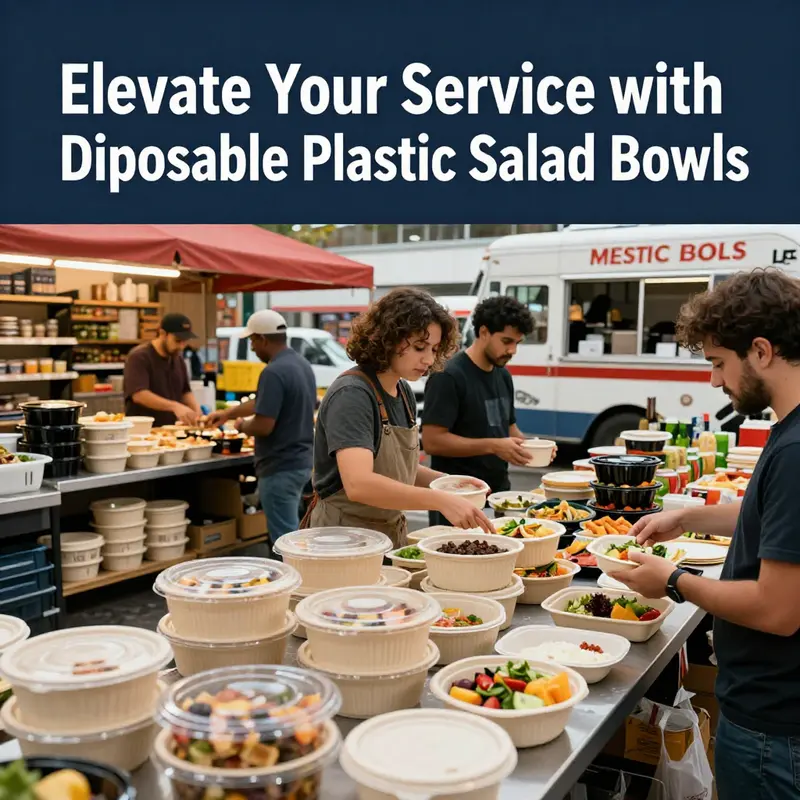
The market for disposable plastic salad bowls sits at a crossroads where the easy, hygienic benefits of single-use containers intersect with rising expectations around environmental responsibility and regulatory accountability. In many food-service operations, these bowls are more than mere vessels; they are anchors of efficiency, portion control, and presentation. They enable a gleanable, grab-and-go experience in fast-casual settings, catering events, and takeout channels where accurate sizing, leak resistance, and stackable storage translate directly into cost control and faster service. But as the global dialogue on plastic waste intensifies, the same bowls are increasingly viewed through the lens of sustainability, end-of-life options, and the evolving standards that govern what can be sold, how it can be disposed of, and what it should be made from in the first place.
A clear signal of the market’s scale comes from the broader disposable tableware sector, which was valued in the late 2020s at tens of billions of dollars and is projected to grow steadily over the coming years. The sheer scale reflects the need for packaging that performs reliably under varied temperatures, handling conditions, and transport distances while staying affordable for high-volume operations. Yet this growth is tempered by a parallel movement: the increasing scrutiny of plastic waste streams, the complexities of recycling heterogeneous plastics, and the push toward materials that can be composted, biodegraded, or easily recycled without contaminating other streams. The tension between demand for low-cost, high-performance containers and the drive to reduce environmental impact has become the core dynamic shaping investments, product development, and policy lobbying throughout the value chain.
One of the most consequential drivers shaping product strategy is the demand for eco-friendly alternatives. Consumers, restaurateurs, and government bodies alike are asking for solutions that do not simply replace one problem with another. In response, manufacturers are exploring a spectrum of materials that aim to deliver the same level of convenience and durability while offering clearer pathways to sustainability. Plant-based plastics, such as polylactic acid (PLA), are among the most visible contenders for compostable options, paired with paper-based shelving and barrier coatings that can improve moisture resistance. Beyond plastics, there is a growing interest in entirely different substrates—recyclable paper, molded pulp, and other bio-based or renewable inputs—that can align more readily with existing recycling or composting infrastructures. The challenge, of course, lies in maintaining the performance characteristics that matter most to operators: a sturdy lid seal, clarity that showcases the contents, and the ability to withstand chilling, heating, or a brief rise in temperature without warping or leaking.
In parallel with material development, the regulatory environment is reshaping how these bowls are designed, labeled, and disposed of. Regions across Europe and North America are intensifying limits on single-use plastics, expanding bans, and reinforcing the need for extended producer responsibility frameworks. This regulatory mosaic pushes manufacturers to reformulate lines, substitute less problematic materials, and invest in clearer labeling that communicates end-of-life options to consumers. The impact extends beyond one-off product changes; it ripples through supply chains, affecting procurement timelines, pricing strategies, and the development of regional recycling or composting streams that can credibly accept the chosen packaging materials. For operators, this regulatory cadence translates into a perpetual need to reassess supplier certifications, product compliance, and the practicalities of waste management programs in local markets.
Despite these pressures, the enduring demand for convenience remains a powerful force. The commercial case for plastic bowls remains strong in fast food, takeout, and large-scale catering precisely because they are economical, hygienic, and reliable for handling a high-throughput workflow. The demand can be understood as threefold: first, the need for quick, predictable portioning that reduces unintended waste; second, the requirement for containers that resist leaks and maintain shape during transport; and third, the desire for a presentable product that allows consumers to see and recognize ingredients at a glance, aided by clear plastics. Lids—especially snap-on designs that resist spills and enable secure stacking—are not mere accessories but essential features that add value by protecting the contents in transit and during busy service windows. In practice, these attributes enable more consistent meal experiences, which in turn support brand reputation, customer satisfaction, and repeat business.
Market participants are increasingly conscious of the entire lifecycle of these bowls, from raw material sourcing to end-of-life disposal. The conversation has moved past a single dimension of cost toward a broader assessment of environmental footprint, recycling compatibility, and the potential for recovery in the waste stream. For instance, high-volume operators are turning to suppliers who can guarantee food-grade safety and regulatory compliance while simultaneously offering recycled content or post-consumer material options. The attractiveness of recyclable PET and other materials lies in their familiar end-of-life pathways, which can be integrated with curbside recycling programs where available. Yet the realities of recycling infrastructure—varying by region, with challenges in sorting, contamination, and consumer participation—mean that environmental credentials must be carefully interpreted rather than assumed.
To translate these macro forces into practical strategy, many stakeholders are prioritizing three core capabilities. First is material transparency: clear labeling, clear performance specifications, and verifiable certifications that reassure buyers about food safety and end-of-life options. Second is performance parity: new formulations must match the thermal and mechanical demands of real-world service, ensuring that a container can withstand cold storage, hot filling, and the rough handling typical of busy service corridors. Third is economic resilience: while sustainable materials may carry a premium, suppliers are pursuing cost reductions through scale, process optimization, and improved supply chain integration. The objective is to deliver packaging that does not force a trade-off between affordability and sustainability—an ambition that is central to sustaining growth in a market already sensitive to price pressure and consumer sentiment.
Another practical dimension of the trend landscape concerns how brands and operators position themselves in the eyes of customers. The consumer who values sustainability does not always want to sacrifice convenience; therefore, there is a premium on packaging that is both functional and ethically aligned. This has implications for labeling and marketing as well, where the narrative around recyclability, compostability, and the responsible sourcing of materials becomes part of the product experience. Yet the line between genuine environmental benefit and greenwashing is thin; operators must insist on rigorous life-cycle assessments, third-party certifications, and transparent reporting to avoid missteps that could undermine trust. In turn, suppliers who can demonstrate credible environmental performance along with reliable supply and consistent performance become more competitive, reinforcing a market dynamic where innovation and accountability reinforce each other.
In the meantime, the logic of bulk procurement and supply-chain resilience remains decisive for many buyers. The scale of demand in hospitality and catering means that buyers often seek suppliers who can offer consistent product quality, reliable lead times, and flexible packaging options that can be customized for event or menu needs. While the appetite for sustainable materials grows, the economics of mass production still caucus around cost per unit, waste minimization, and the ease of integrating new materials into existing manufacturing lines and warehouse operations. This balancing act—between sustainable aspiration, service-level expectations, and cost discipline—defines the trajectory of product development and market share in the near to mid term.
For professionals exploring the sustainable spectrum within this market, a practical entry point is to examine alternatives such as kraft-paper bowls with lids, which illustrate how a company can pivot toward more recyclable options without abandoning the customer experience. The linked resource below points to a take-away kraft paper bowl with lid product that demonstrates how paper-based designs can deliver the protective functions of plastic while aligning more clearly with recycling and composting ecosystems. See the Kraft paper bowl with lid for take-away and salad applications for an example of how packaging designers balance barrier properties, user-friendly lids, and end-of-life considerations in a single product package. Kraft paper bowl with lid.
The future of disposable plastic salad bowls, then, will likely hinge on a confluence of material science breakthroughs, policy alignment, and consumer education. It is not merely a race to lower costs or to raise performance; it is a collaborative process that seeks to redefine what “disposable” means in a world where waste management realities, circular economy aspirations, and social expectations are all evolving. Progress will require transparent reporting, continued investment in safer, greener materials, and a willingness to redesign packaging systems so that convenience and responsibility can coexist. In this sense, the market is less about preserving a single format than about shaping a packaging ecosystem where choices are guided by evidence, practicality, and accountability—an ecosystem in which the humble salad bowl becomes a touchstone for the broader conversation about sustainable consumption and responsible production.
External resource for broader market context: Disposable Tableware Market Size, Share & Trends Analysis Report.
Final thoughts
The versatility and convenience of disposable plastic salad bowls make them invaluable in the food service industry. Whether you’re a bubble tea shop, a caterer, or a restaurant, these bowls not only enhance food presentation but also streamline operations. As trends evolve towards eco-friendliness and efficiency, leveraging these products will help businesses meet consumer demands and regulatory standards while ensuring a pleasant dining experience. Embrace the benefits of disposable salad bowls as you aim to elevate your service and satisfy your customers.