
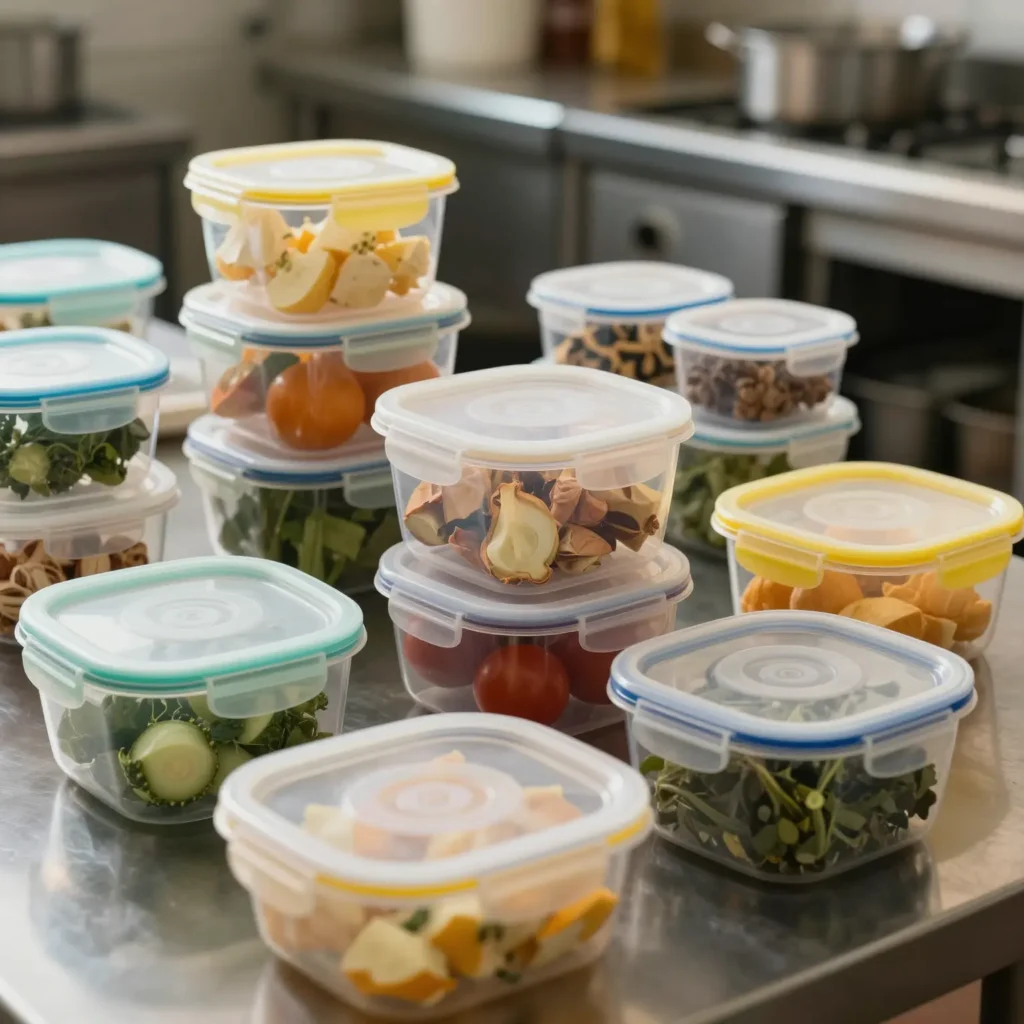
Introduction
In today’s fast-paced food service industry, using plastic containers with lids for food storage is not just a choice but a necessity. For bubble tea shops, restaurants, and food trucks, the right storage solutions play a crucial role in maintaining food quality and safety. These containers not only safeguard delicious bubble tea or gourmet dishes, but they also help businesses promote organization and efficiency. By sealing in freshness and flavor, restaurant supply solutions like these allow food establishments to serve their customers with confidence.
Additionally, reliable food storage can reduce waste while enhancing presentation-crucial factors for success in a competitive market. Whether you’re packing meals for takeout or preparing ingredients for the day ahead, investing in sturdy and effective food storage options ensures that your culinary creations remain as vibrant and tasty as intended. Explore more food storage options that can elevate your service and satisfaction today!
Key Benefits of Using Plastic Containers with Lids in Food Storage
- Durability: Constructed to withstand the rigors of food service, these containers resist breakage and ensure a longer lifespan compared to glass alternatives.
- Ease of Use: Lightweight design allows for comfortable handling and transportation, making them ideal for bustling environments like restaurants and food trucks.
- Safety: BPA-free materials ensure that food remains safe for consumption, safeguarding both quality and customer health.
- Versatility: Suitable for various food types and service settings, from catering services to bubble tea shops, providing the flexibility needed for diverse operations.
- Organizational Efficiency: Stackable design promotes better space utilization and streamlined food storage, enhancing kitchen workflow. Discover our range of food storage containers here.
- Cost-Effectiveness: Affordable and reusable options reduce waste in the long term, making them a savvy investment for any food service operation.

Materials and Safety Standards in Plastic Food Containers
Plastic containers with lids are a staple in the food service industry, providing safe and convenient storage for a variety of food items. The primary materials used in manufacturing these containers include polypropylene (PP), polyethylene (PET), and polystyrene (PS), all of which can be produced in BPA-free formulations. BPA, or Bisphenol A, is a chemical commonly found in plastics that can pose health risks when leached into food. Many manufacturers are now prioritizing BPA-free options to align with growing consumer demand for safer products. Recent surveys indicate that approximately 70% of consumers prefer BPA-free packaging for food-related items, clearly signaling a market shift towards health and safety-conscious choices (Healthline).
In the food industry, adhering to safety standards is paramount, ensuring products meet FDA regulations that prevent food contamination and protect public health. The FDA has established specific guidelines for food contact materials, which include adherence to ISO standards like ISO 9001 and ISO 22000. Compliance not only enhances consumer trust but also minimizes the risk of legal repercussions related to health concerns. A significant finding from industry reports states that businesses that employ safe packaging practices improve their brand reputation, resulting in a 15-20% better customer retention rate. Given these facts, it is evident that prioritizing safety standards in food packaging is not merely a regulatory requirement but a vital business strategy that resonates with consumers and fosters loyalty.
Comparison of Plastic Containers with Lids
When it comes to food storage, plastic containers with lids offer a versatile solution for various needs in restaurants, food trucks, and catering services. Here’s a quick comparison of some commonly available sizes:
| Size | Typical Uses | Features |
|---|---|---|
| 8 oz | Ideal for desserts | Secure lids |
| 16 oz | Ideal for salads | Stackable design |
| 32 oz | Great for beverages | BPA-free, leak-proof |
| 64 oz | Suitable for meal prep | Microwave-safe |
For more options on food storage, explore our selection.
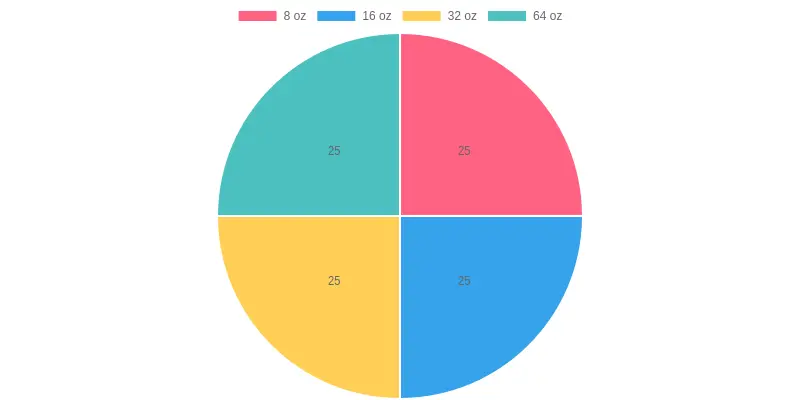
Chart comparing plastic container sizes
Success Stories with Plastic Containers
ABC Pizzeria: Keeping Pizza Fresh and Satisfying Customers
ABC Pizzeria, renowned for its authentic Italian pizza, faced challenges with food quality and customer satisfaction during peak hours. To solve these issues, they switched to high-quality plastic containers with secure lids for their takeout orders. The result? Improved food quality and enhanced customer satisfaction. Customers reported that their pizzas arrived piping hot and fresh, leading to an uptick in repeat orders. As owner Maria Rossi puts it, “Our customers love the convenience and freshness that these containers provide. They know their meal will taste great even if they order for delivery!” You can find more about their solutions on ABC Pizzeria’s website.
Vegan Delight: Streamlining Operations and Cutting Waste
Vegan Delight made the switch to reusable plastic containers with lids as part of their commitment to sustainability and efficiency. This move not only minimized food waste but also increased their operational efficiency. With a stackable design, the containers saved space and allowed staff to serve meals faster during busy times. Owner Tom Green shares, “The transition to these containers has simplified our service and exemplified our commitment to being eco-friendly. Our customers appreciate that too; they often comment on the eco-conscious packaging of our meals!” Read more on their official site.
Conclusion
These case studies illustrate how restaurants and food trucks can significantly benefit from using plastic containers with lids-enhancing food quality, operational efficiency, and customer satisfaction are just a few of the numerous advantages.
| Criteria | Reliable Plastic Containers | Cheaper Alternatives |
|---|---|---|
| Durability | 5-10 years | 1-2 years |
| Reusability | 100-150 times | 20-30 times |
| Waste Management | Reduces waste by up to 80% | Leads to 30-50% more landfill waste |

This chart illustrates the significant advantages of choosing reliable plastic containers over cheaper alternatives, especially in terms of durability, reusability, and waste management.
In conclusion, the advantages of using plastic containers with lids for food storage in restaurants cannot be overstated. These containers are essential for maintaining food freshness, ensuring safety, and organizing kitchen workflow. As discussed, they are lightweight, shatterproof, and available in various sizes, making them ideal for everything from daily restaurant operations to food truck services. Not only do they help protect against leaks and spills, but they also streamline food management, enhancing efficiency in busy kitchen environments.
As a business owner, investing in quality food storage solutions is crucial for the success and safety of your operations. Choosing the right packaging can elevate your brand image, establish trust with your customers, and ensure that you meet their expectations consistently.
At GreenDispoPack, we offer tailored packaging solutions that meet the unique needs of your business. Don’t hesitate to reach out to us for a personalized quote and discover how our premium products can revolutionize your food storage capabilities. Learn more about our packaging options here.
The Importance of Food Storage Solutions
Proper food storage is crucial in the restaurant industry, especially for establishments like bubble tea shops, beverage chains, restaurants, food trucks, catering services, and event planners. Effective food storage solutions, such as plastic containers, not only help maintain food quality but also play a critical role in food safety and waste reduction.
“A good container should preserve freshness, prevent leaks, withstand daily use, and remain clear after repeated washing.”
Benefits of Using Plastic Containers for Food Storage
- Durability: Plastic containers are designed to withstand heavy use in fast-paced environments.
- Versatility: They can be used for a variety of purposes, from storing ingredients to serving food.
- Cost-effectiveness: Compared to glass or metal alternatives, plastic containers tend to be more affordable and lightweight.
- Safety: Many plastic containers are BPA-free and meet health safety regulations, ensuring that your food remains safe for consumption.
For businesses looking to enhance their food storage solutions, exploring a range of plastic container options will provide functional, reliable, and safe choices to meet all storage needs.
Frequently Asked Questions (FAQ) about Plastic Containers with Lids
1. Are plastic containers with lids recyclable?
Yes, many plastic containers with lids are recyclable. However, recycling depends on the type of plastic used and local recycling guidelines. Make sure to rinse out any food residue before placing them in the recycling bin to avoid contamination. For more detailed recycling practices, check out this comprehensive recycling guide.
2. How durable are plastic containers with lids?
Plastic containers with lids are designed for durability and to withstand various conditions. Many are made from high-density polyethylene (HDPE) or polypropylene (PP), which ensures they can resist cracks and stress. This makes them ideal for both cold and hot food storage.
3. Are plastic containers safe for food storage?
Most plastic containers are safe for food storage, especially if they are marked with recycling codes #1 (PETE) or #2 (HDPE). These materials are often used in food packaging due to their safety and durability. Always look for containers that are specifically labeled as food-safe, as they comply with FDA regulations. For more insights regarding safety standards, consider reading about the differences between disposable food containers and reusable plastics.
4. How should I store food in plastic containers?
To best store food, ensure the container is properly sealed with its lid, and label it if needed for proper storage timeframes. Avoid storing hot food in containers unless they are specifically designed to handle heat. Check your plastic container collection for options that suit your food type.