
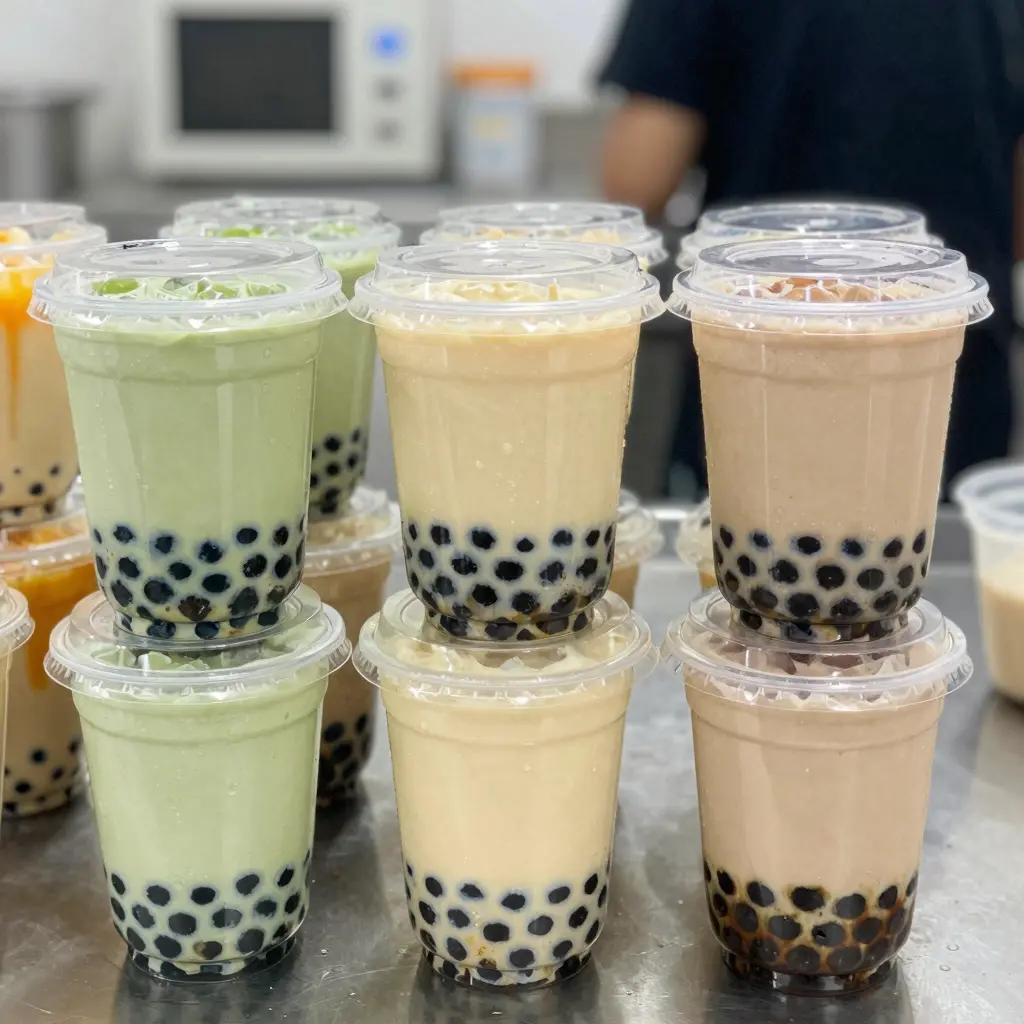
Are Plastic Bead Containers Food Safe?
In the vibrant world of bubble tea shops, catered events, and food trucks, food safety is non-negotiable. As a passionate provider in these industries, you understand the significance of ensuring that every item you serve meets health and safety standards. With the rising popularity of delicious bubble tea, it’s crucial to assess whether the materials we utilize, such as plastic bead containers, are truly safe for food use.
These containers play a pivotal role in serving not just bubble tea, but also a variety of desserts and snacks, thus making food safety a priority. Customers today are more aware than ever of the materials that come into contact with their food, leading to increased scrutiny over packaging choices. In this article, we will delve into the safety of plastic bead containers, addressing common concerns, regulations, and best practices to help you make informed decisions for your business. Because at the end of the day, nothing is more important than the health and satisfaction of your customers.
For those looking for eco-friendly options for their food packaging, check out our range of paper bowls and sugarcane food containers.
Understanding Plastic Bead Containers
Plastic bead containers serve as versatile solutions in various food service establishments, including bubble tea shops, restaurants, food trucks, and catering services. These containers not only offer practical storage solutions for ingredients but also maintain the freshness and quality of the food items. With their lightweight design and durability, they are ideal for transporting liquids and solids alike. Additionally, plastic bead containers are often designed to be food-safe, ensuring they meet the necessary health and safety standards required by the food service industry.
By utilizing high-quality plastic bead containers, businesses can enhance their operational efficiency while delivering exceptional service. Learn more about our food-safe products to discover how they can meet your needs in food handling and presentation.
Overview of Plastic Bead Containers
Plastic bead containers are essential tools in various food-related businesses, particularly for those involved in takeout meals like bubble tea shops, restaurants, and catering services. These containers serve a variety of functions, from keeping ingredients fresh to enhancing the customer experience with visually appealing displays and packaging.
Key Materials Used
Plastic bead containers are typically made from the following materials:
- Polypropylene (PP): This type of plastic is lightweight, durable, and resistant to impact, making it ideal for food storage. It’s also dishwasher-safe, which is a plus for quick cleaning in busy establishments.
- Polyethylene Terephthalate (PET): Known for its clarity and strength, PET is a popular choice for food containers, especially when aesthetics matter, such as in bubble tea shops where the visual presentation of drinks is essential.
- Polyvinyl Chloride (PVC): While not as commonly used in food applications, PVC containers can still be found in certain contexts. It is crucial to ensure that these are marked as food-safe to avoid chemical contamination.
Types of Plastic Bead Containers
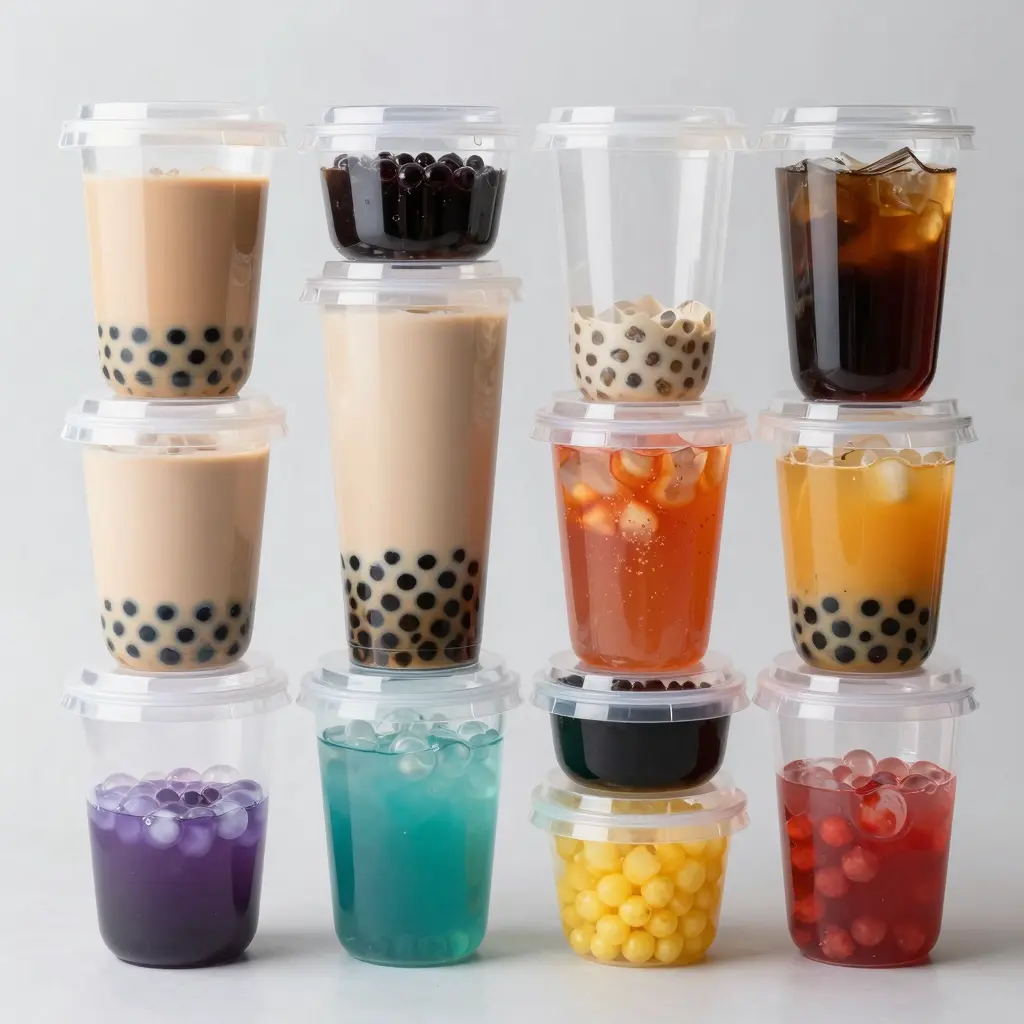
Plastic bead containers come in various forms tailored to meet different needs:
- Deli Containers: Commonly used in restaurants and food trucks, these are perfect for storing sauces and other liquid ingredients. They often feature tight-fitting lids to prevent spills during transportation.
- Topped Containers: These containers can be stacked or nested for easy storage, often used to showcase products like toppings in bubble tea setups.
- Airtight Containers: Essential for catering, these containers ensure food remains fresh for longer periods, essential during events and large orders.
Common Applications
Plastic bead containers have diverse applications in food-related businesses:
- Bubble Tea Shops: They are used for holding various toppings like tapioca pearls, jelly, and fruit, showcasing them to customers elegantly.
- Restaurants: Used for meal prep ahead of service, allowing chefs to organize and manage food ingredients efficiently. Furthermore, they are essential for takeout orders, ensuring that food items arrive safely and in perfect condition.
- Catering Services: Ideal for portioning and storing foods ahead of events, these containers make it easy to deliver meals to clients while maintaining quality and freshness.
Are Plastic Bead Containers Food Safe?
The safety of plastic bead containers for food storage is paramount. Containers made from food-grade plastics are designed to be safe for food contact, often free from harmful chemicals such as BPA. Businesses should look for products labeled as food-safe or BPA-free to ensure that they are making health-conscious decisions in packaging and serving food (learn more about food safety). Moreover, following guidelines for appropriate use and cleaning can further minimize the risks associated with chemical leaching over time.
In conclusion, understanding the materials, types, and applications of plastic bead containers is crucial for those in the food service industry. With proper knowledge and practices, these containers can enhance efficiency while ensuring customer satisfaction at the same time.
Food Safety Standards
In the world of food service, particularly within bubble tea shops, restaurants, food trucks, and catering services, adhering to strict food safety standards is paramount for safeguarding your customers and ensuring quality. This section will explore the specific food safety standards relevant to the use of plastic containers, especially as they relate to food contact materials. We’ll break down essential guidelines and best practices to help you choose safe, compliant products. Let’s dive into how you can keep your food service both safe and appealing!
Understanding Food Safety Regulations for Plastic Containers
Food safety is crucial in the food service and storage industries, especially regarding the use of plastic containers. These containers are ubiquitous in restaurants, catering services, and food trucks, making it essential to understand the regulations that dictate their safety and efficacy in holding food products.
Key Regulations and Standards
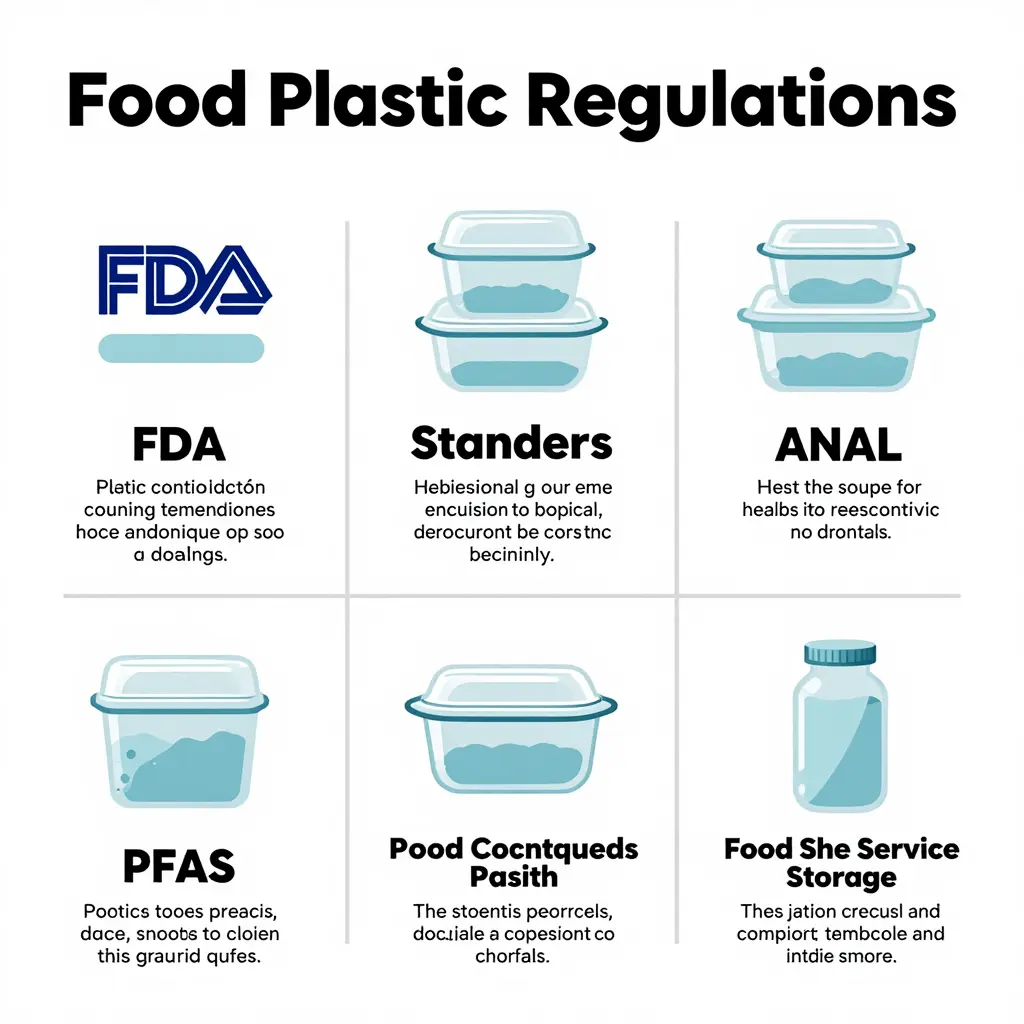
The U.S. Food and Drug Administration (FDA) is primarily responsible for overseeing the safety of materials that come into contact with food, including plastic containers. Here’s an overview of relevant regulations:
| Category | Details |
|---|---|
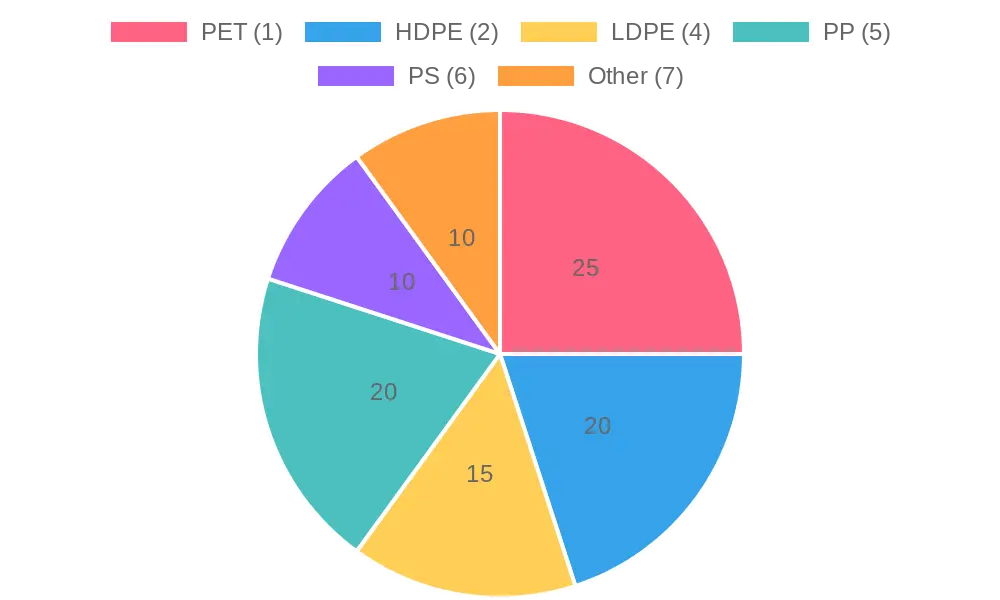
| Common Materials Used in Food-Contact Plastics | The FDA regulates various plastics used in food packaging, including polyethylene terephthalate (PET), high-density polyethylene (HDPE), low-density polyethylene (LDPE), polypropylene (PP), and polystyrene (PS). Each category has specific applications, from single-use containers to reusable materials like yogurt cups and takeout boxes. |
| Safety Measures | The FDA mandates pre-market approval of food-contact substances. Manufacturers must demonstrate that their materials do not leach harmful chemicals into food, limiting migration levels. This ensures consumer safety while also considering environmental impacts surrounding material production and disposal. |
| Concerns Regarding PFAS | Recent studies have raised concerns about PFAS (per- and polyfluoroalkyl substances), which can be found in some plastic containers, especially those treated for grease resistance. While the FDA does not currently ban these substances outright, they are monitoring their health impacts and encouraging safer materials in food packages. |
| Specifics on Microwavable Plastics | Not all plastics are safe for microwave use. Only those labeled as microwave-safe should be used in heating applications. Materials like PP and specific HDPE variants are appropriate, while others, such as PS and PVC, might leach chemicals when heated. This highlights the importance of clear labeling and consumer education regarding safe practices in using containers for food heating. |
Importance for Businesses
For bubble tea shops, restaurants, and catering services, incorporating food-safe containers is not just a regulatory requirement but also a vital aspect of customer care. Compliance with FDA regulations can enhance brand reputation, minimize liability, and promote customer trust. Furthermore, businesses can explore eco-friendly options such as sugarcane tableware or biodegradable containers, an initiative that aligns with modern sustainability efforts in the food industry.
For more information on eco-friendly packaging options, visit our paper bowl collection.
Conclusion
Understanding food safety regulations concerning plastic containers helps food service operators navigate compliance effectively while ensuring the safety and satisfaction of their customers. Staying informed and adapting to these guidelines will ultimately benefit businesses and contribute to a safer environment by reducing health risks associated with food packaging.
Common Materials in Food-Contact Plastics
Be sure to explore our full range of packaging solutions, including sugarcane tableware, to find the best options for your business!
Comparison of Plastic Bead Container Materials
When choosing bead containers, it’s essential to consider the type of plastic used. Various plastics have different properties that impact their durability, safety, and food compatibility. Below is a comparison table highlighting the key attributes of popular plastic materials used in bead containers:
| Plastic Material | Durability | Safety Ratings | Appropriateness for Food Use |
|---|---|---|---|
| Polypropylene (PP) | High | FDA approved, EU food contact compliant | Yes |
| High-Density Polyethylene (HDPE) | High | FDA approved, EU food contact compliant | Yes |
| Low-Density Polyethylene (LDPE) | Medium | FDA approved, EU food contact compliant | Yes |
| Polyethylene Terephthalate (PET) | Medium | FDA approved, EU food contact compliant | Yes |
Each of these materials has been confirmed to be safe for food use, making them ideal for businesses needing reliable storage solutions for items like bubble tea beads. For further details on eco-friendly packaging, you can learn more about sustainable options here.
Additionally, below is a graphical representation demonstrating the durability ratings of these materials:
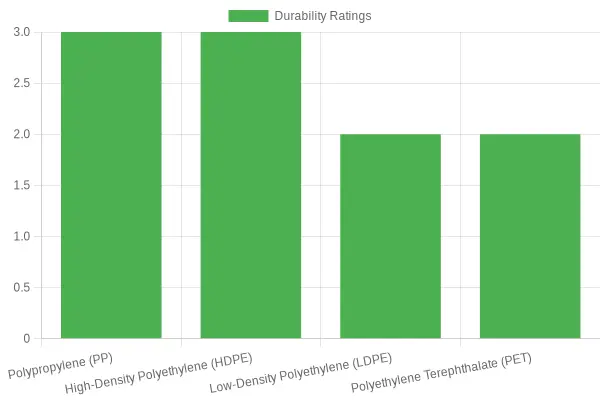
This visual aid helps to quickly understand which materials are most durable. For a more comprehensive guide on food packaging materials, feel free to check this informative article.
Pros and Cons of Plastic Bead Containers
In the food service industry, especially among bubble tea shops and beverage chains, the choice of packaging can significantly impact both operations and customer satisfaction. Plastic bead containers are versatile and popular, but they come with their own set of advantages and disadvantages. Understanding these can help business owners make informed decisions regarding their packaging solutions. Whether you’re considering sugarcane food containers or other options, this guide will outline the key points to consider.
Pros and Cons of Plastic Bead Containers in Food Services
When it comes to using plastic bead containers in the food service industry, especially in bubble tea shops, restaurants, and catering services, it is essential to consider both the advantages and disadvantages. Here’s a friendly yet professional look at the pros and cons of these containers:
Pros
-
Safety: Many plastic containers can be labeled as food-safe. Containers made from HDPE (High-Density Polyethylene), LDPE (Low-Density Polyethylene), and PP (Polypropylene) are generally considered safe, as they are less likely to leach harmful chemicals into food. For more information on safe plastics, you can check this source.
-
Durability: Plastic bead containers are resistant to breakage and are lightweight, making them easier to transport and handle compared to glass or other materials. This durability extends their usability over time, especially in busy settings like food trucks and catering events.
-
Cost-Effective: In comparison to other materials such as glass or ceramics, plastic containers are usually cheaper, allowing for cost savings in bulk purchasing, which is advantageous for small businesses.
-
Versatility: These containers can be used for various purposes, such as smoothies, snacks, and meal prep, making them highly versatile for different food service environments.
Cons
-
Environmental Impact: One of the most significant concerns with plastic is its impact on the environment. Plastic waste contributes to pollution and is often not biodegradable. This can be a considerable downside for businesses that prioritize sustainability and eco-friendliness.
-
Chemical Leaching: While many modern plastics are considered safe, there are still risks associated with chemical leaching, particularly when containers are heated or scratched. Chemicals like BPA have raised health concerns regarding their presence in food packaging. For more on this, see the article by Harvard Health.
-
Odor and Staining: Plastic containers can retain odors and stains from certain foods, which may affect the taste and presentation of the food being served.
-
Recyclability Issues: While some plastic containers can be recycled, the process is not as straightforward as with paper or glass. This can lead to increased landfill contributions if not properly disposed of.
In summary, plastic bead containers offer a mix of benefits and drawbacks. While they provide practical advantages like safety and durability, issues like environmental impact and potential health risks should also be considered carefully. For businesses aiming to balance cost-effectiveness with sustainability, exploring paper packaging alternatives may be wise.
“While plastic containers can be convenient for food storage, it is crucial to ensure they are made from food-safe materials and are used correctly to avoid health risks. Deformation at high temperatures can lead to harmful substances leaching into food, which is why it’s important to follow storage guidelines.
- Dr. Jane Smith, Food Safety Expert
For more detailed insights on which types of containers are recommended, check the Centre for Food Safety guidelines.