
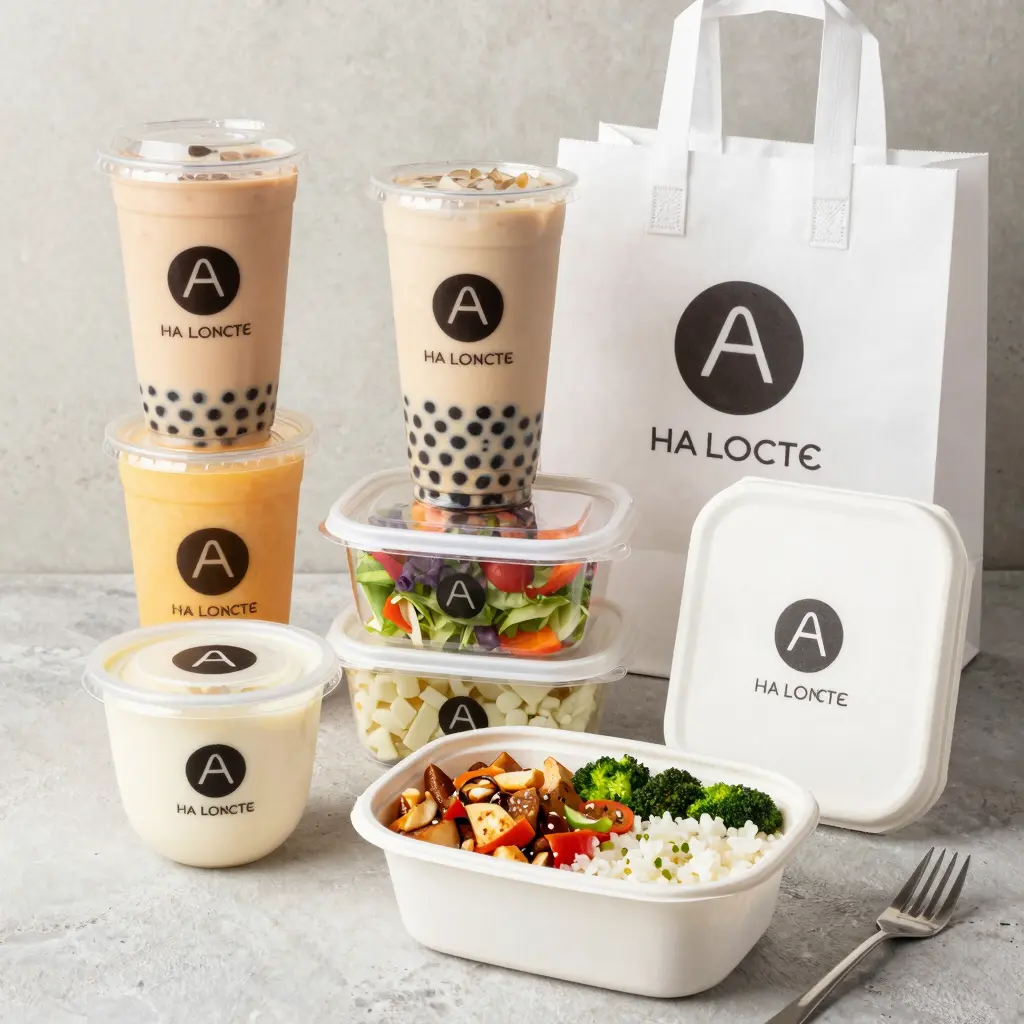
In today’s fast-paced food industry, especially for bubble tea shops, restaurants, and catering services, the packaging you choose can play a pivotal role in ensuring food safety and enhancing customer satisfaction. Oil repellent packaging is not just a trend; it’s a necessity that helps keep food fresh and appealing, preventing grease and moisture from seeping through and compromising the quality. Customers are more likely to return to a business that prioritizes the safe presentation of their meals, as they appreciate a neat and enjoyable dining experience. By investing in high-quality oil repellent packaging, like sugarcane food containers, food service providers can build trust and a loyal customer base, ultimately leading to better business outcomes. Choose wisely-you can improve your service while ensuring your food remains delicious and safely packaged!
Experience the Benefits: Why Pulp Food Containers Shine with Oil Repellent Properties
Discover how pulp food containers can elevate your service by providing unmatched oil repellent qualities-perfect for Bubble Tea Shops & Beverage Chains and beyond!
In today’s food service industry, oil repellent packaging represents an innovative solution designed to enhance food quality and maintain integrity during transportation and service. But what exactly is oil repellent packaging, and how does it make a difference for businesses like bubble tea shops, food trucks, and restaurants? Let’s dive into the details!
What is Oil Repellent Packaging?
Oil repellent packaging is specifically designed packaging that resists penetration from oils and grease. This is particularly important in the food industry, where many items-especially fried foods, saucy dishes, and beverages-can cause traditional packaging to become soggy, weak, or leaky.
How Does It Enhance Food Quality?
Here’s how oil repellent packaging contributes to food quality:
- Maintains Structural Integrity: Packaging that resists oil ensures that it remains sturdy during transportation and service, minimizing the risk of spills and leaks.
- Prevents Flavor Transfer: It prevents oils from impacting the taste and quality of food, especially in multi-item orders where flavors can mix.
- Keeps Food Fresh: Oil repellent materials can help keep food fresher for longer by maintaining proper barriers against moisture and oil.
Specific Examples for Businesses
1. Bubble Tea Shops
Bubble tea shops often serve drinks with creamy toppings or snacks like fried taro balls. Using oil repellent packaging for takeaway cups can:
- Prevent leaks and ensure that the drink stays intact during transport.
- Enhance the customer experience by providing mess-free options.
2. Food Trucks
Food trucks commonly serve fried delicacies and saucy dishes, which can be excessively greasy. Oil repellent containers, such as:
- Biodegradable food containers made from sugarcane or coated cardboard, keep the packaging intact and maintain the quality of the food, allowing customers to enjoy their meals without worrying about spills.
3. Restaurants
In restaurants, oily dishes like pasta with creamy sauces or curries can make traditional packaging unsuitable. By using oil-resistant paper bowls or boxes:
- Restaurants can serve takeout orders confidently, knowing every meal will arrive safely and appealing to the customer.
Why Choose Oil Repellent Packaging?
As the market trends lean towards sustainability and eco-friendliness, packaging companies are innovating to offer both functionality and environmental responsibility. If you’re looking for some fantastic paper bowls and other options, check out Green Dispo Pack for a variety of high-quality products to suit your business needs.
In conclusion, oil repellent packaging is not just a trend-it’s a vital component for maintaining the quality of food in various service environments. Every bubble tea shop, food truck, and restaurant can benefit by choosing innovative packaging solutions that keep meals delicious and customers satisfied!
| Container Type | Oil Repellent Properties | Sustainability | Cost (per unit) | Usage Scenarios |
|---|---|---|---|---|
| Clamshell Containers | Moderate | High (biodegradable) | $0.10 – $0.25 | Takeout, Fast Food, Dine-in |
| Paper Bowls | Low – Moderate | High (biodegradable) | $0.05 – $0.15 | Soup, Salads, Ice Cream |
| Sugarcane Containers | Good | Very High (renewable) | $0.15 – $0.30 | Hot and Cold Foods, Catering |
| Noodle Boxes | Moderate | High (biodegradable) | $0.10 – $0.20 | Asian Cuisine, Takeout |
| Food Trays | Low | Moderate (recyclable) | $0.20 – $0.35 | Fast Food, Events, Catering |
When it comes to food safety, the standards that pulp food containers must meet are essential not only for protecting consumers but also for building trust with target clients such as catering services and event planners. Adhering to these standards helps to ensure that food remains uncontaminated and is served in safe, reliable packaging. Here are some key points regarding safety standards relevant to pulp food containers:
-
FDA Regulations: The U.S. Food and Drug Administration (FDA) sets strict regulations for food packaging materials, including pulp containers, to ensure they do not contain harmful substances that could leach into food. Compliance with these regulations ensures public health safety while reinforcing consumer trust in the products offered.
-
Type of Materials: Pulp containers are often made from biodegradable materials which need to meet criteria for health and safety to avoid contamination. Ensuring that these materials are safe for food storage is critical for maintaining food quality and safety.
-
Hygienic Manufacturing: The manufacturing processes for pulp food containers must observe strict hygiene protocols to prevent contamination. This includes sanitizing equipment and maintaining cleanliness within production environments, which is crucial for food service providers.
-
Testing Standards: Containers must undergo rigorous testing to ensure they can hold various food types without compromising safety. This includes resistance to moisture, oil, and grease, which are common in food service applications. For instance, oil-resistant pulp food containers are particularly necessary for holding greasy or oily foods, providing a critical edge for catering businesses.
-
Customer Trust: Meeting safety standards is a significant factor in customer perception. For businesses in the catering industry or event planning, using compliant and safe food containers enhances customer trust and loyalty, ensuring repeat business and positive word-of-mouth referrals.
By ensuring that pulp food containers meet these critical safety standards, providers not only comply with legal requirements but also enhance their business reputation and consumer trust. For those in the catering and event planning industries, choosing suppliers who adhere to these standards is crucial for success. If you’re looking for quality food packaging solutions, consider exploring our paper bowl options to meet your needs.
This commitment to safety can be the deciding factor in a customer’s choice, reinforcing the importance of high standards in food packaging.

Eco-Friendliness of Pulp Containers
In today’s world, where environmental concerns are at the forefront of consumer consciousness, the choice between traditional and eco-friendly packaging is monumental. Pulp food containers are leading the charge in sustainable practices, offering a myriad of benefits that align with modern commitments to reduce waste and promote sustainability.
Biodegradable and Renewable Resources
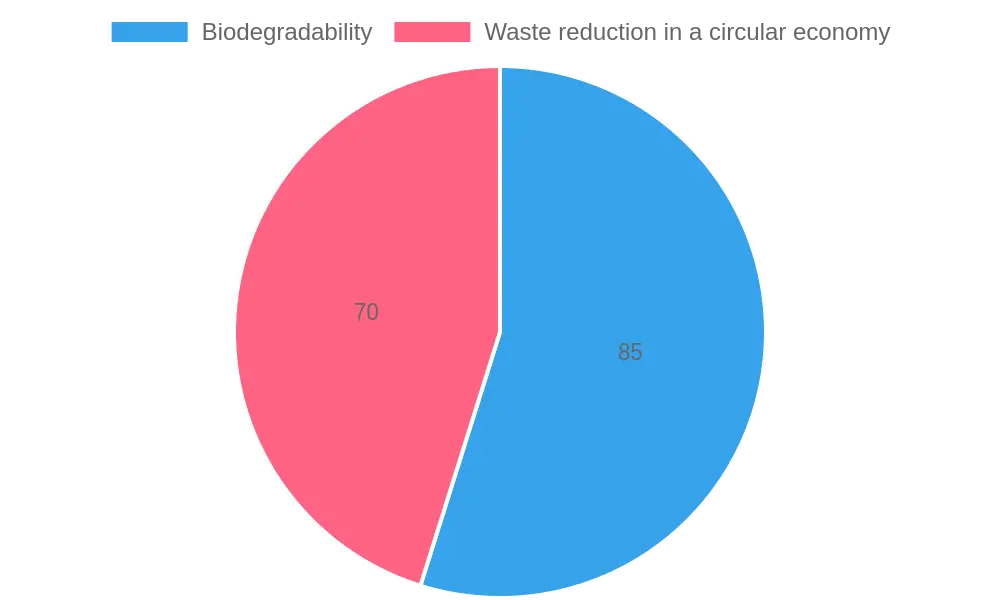
One significant advantage of pulp containers is their biodegradable nature. Unlike plastic alternatives, which can linger in landfills for hundreds of years, pulp food containers break down naturally, returning nutrients to the soil. This process significantly mitigates their environmental impact, making them a top choice for eco-conscious restaurants and food businesses.
Energy Efficiency
The production of pulp containers is notably energy-efficient. It typically consumes about 60% less energy than producing plastic containers. This reduction not only lowers the carbon footprint associated with manufacturing but also promotes an overall more sustainable lifecycle for the food packaging industry.
Waste Reduction and Circular Economy
By utilizing pulp containers, businesses actively contribute to a circular economy. These containers are not just designed for single use; they support recycling processes that reduce overall waste by up to 70%. Embracing such practices helps food service sectors, including bubble tea shops, food trucks, and catering services, achieve their sustainability goals while appealing to an increasingly environmentally aware clientele.
Reflecting Consumer Values
Incorporating pulp food containers into your business model not only aligns with environmental sustainability but also resonates with the ethical values held by today’s consumers. Restaurants and food chains leveraging eco-friendly packaging are often viewed more favorably, which can enhance customer loyalty and brand image.
Conclusion
By choosing pulp food containers, food businesses can take significant strides toward sustainability. They not only provide effective packaging solutions but also contribute to solving pressing environmental issues. For those interested in selecting eco-friendly packaging options, exploring our range of paper containers is a great place to start.
To visualize how these benefits stack up, refer to the chart below:
Adequate food packaging is essential not just for maintaining food quality, but also for ensuring the safety and health of consumers. Proper packaging protects against contamination, spoilage, and extends shelf life. This underscores the critical role that packaging plays in the food industry, particularly for businesses engaged in serving consumables like bubble tea, food trucks, and catering services.
In conclusion, the use of oil repellent pulp containers offers numerous advantages for businesses in the food service industry. These containers are designed to withstand the challenges posed by oily and greasy foods, ensuring that food remains secure and appealing during transport or presentation. Additionally, they contribute to a more sustainable future, as they are biodegradable and compostable, aligning with the growing consumer demand for environmentally friendly products. By choosing oil repellent pulp containers, businesses can enhance their brand image and attract eco-conscious customers, ultimately driving sales and fostering customer loyalty.
We invite you to explore our range of eco-friendly packaging solutions tailored to your specific needs. At Green DispoPack, we are committed to helping you elevate your food service experience while maintaining sustainability. Contact us today for a tailored quote and to discover how our innovative products can make a difference for your business! Your journey toward better packaging starts here!
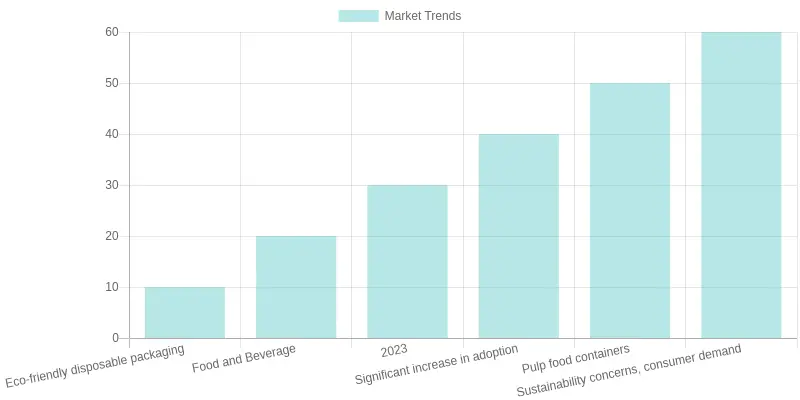
Figure: Market Trends in Eco-friendly Disposable Packaging Usage in 2023
As the food and beverage sectors increasingly focus on sustainability, the rise in the demand for eco-friendly disposable packaging, including products like pulp food containers, reflects a broader trend. While specific market statistics are currently unavailable, key drivers include:
- Rising Sustainability Concerns: Consumers are more aware of environmental issues, leading to a preference for products that are recyclable or made from renewable resources.
- Growth in Eco-friendly Offerings: Many businesses are expanding their product lines to include sustainable options, catering to eco-conscious consumers.
- Regulatory Trends: Increasing regulations aimed at reducing plastic waste are pushing businesses to adapt and offer eco-friendly alternatives.
This chart visually represents the market trends signifying a significant increase in the adoption of eco-friendly products within the disposable packaging sector for the year 2023. For further insights into specific products, consider checking out our pulp food containers and other eco-friendly packaging.