
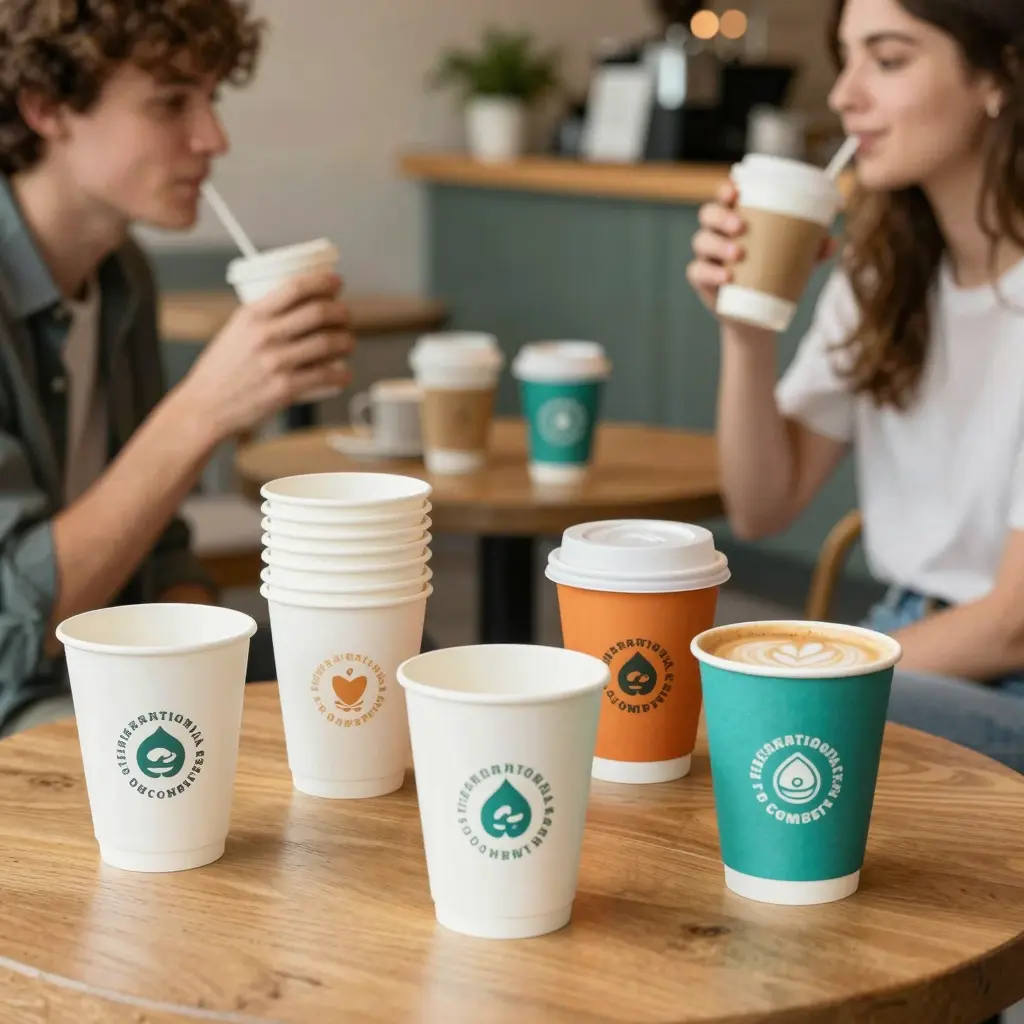
Introduction to International Paper Compostable Cups
In our fast-paced world, where convenience often overshadows environmental concerns, the beverage industry is at a pivotal crossroads. Enter international paper compostable cups – a sustainable solution that not only caters to consumer demands but also champions the cause of environmental preservation. As bubble tea shops, restaurants, food trucks, and event planners increasingly seek ways to reduce their carbon footprint, these compostable cups are not just a trend; they represent a commitment to a greener future. Made from renewable resources, these cups decompose naturally, minimizing waste and pollution. By opting for paper packaging solutions like these, businesses not only enhance their brand’s eco-credentials, but they also resonate with environmentally conscious consumers looking for sustainable choices. In this article, we will explore the vibrant world of paper compostable cups and their significance in the beverage industry.
Benefits of Using International Paper Compostable Cups
Compostable cups are rapidly becoming an essential choice for bubble tea shops, restaurants, food trucks, and corporate events. Here are five significant benefits of using international paper compostable cups:
-
Environmental Responsibility: These cups are crafted from renewable resources such as sugarcane and cornstarch, allowing them to break down into compost within six months under proper industrial conditions. This greatly minimizes the environmental impact compared to traditional plastic cups, helping businesses contribute to a healthier planet.
-
Improved Brand Image: By using compostable cups, businesses signal to consumers that they prioritize sustainability. This commitment can improve customer loyalty, as eco-conscious consumers increasingly prefer brands that take action to reduce waste.
-
Compliance with Regulations: As many municipalities begin to ban single-use plastics, adopting compostable cups helps food service establishments comply with these regulations, thereby avoiding potential fines and maintaining a positive relationship with the community.
-
Enhanced Customer Satisfaction: Offering beverages in eco-friendly containers can enhance the overall customer experience. Many patrons appreciate the opportunity to support businesses that actively participate in environmental conservation, leading to increased customer retention.
-
Simplified Waste Management: For food trucks and events, compostable cups facilitate easier waste disposal and recycling initiatives. They can be collected with organic materials, helping to streamline cleanup processes and support local green initiatives.
For an array of sustainable packaging options, consider exploring our paper packaging solutions that complement your eco-friendly mission. Alternatively, check out our sugarcane tableware to further enhance your environmental efforts.
Understanding the Environmental Impact of Disposable vs. Compostable Cups
In today’s world, the environmental implications of single-use items like coffee cups cannot be overstated. Traditional disposable cups, predominantly made from paper lined with polyethylene plastic, have been shown to contribute extensively to landfill waste and greenhouse gas emissions. In the United States, over 50 billion disposable coffee cups are used annually, with a recycling rate of less than 1%, primarily due to contamination from their plastic lining. These cups can take decades to decompose in landfills, during which they emit approximately 0.24 kg CO₂ equivalent per cup used. Furthermore, when they do finally break down, they often release methane, a greenhouse gas far more potent than carbon dioxide.
On the other hand, compostable cups, made from materials like PLA (polylactic acid) derived from cornstarch or other plant materials, provide a more sustainable alternative. They can decompose within 90 to 180 days under the conditions of an industrial composting facility. However, access to such facilities is limited, making it critical for establishments that opt for compostable options to ensure proper disposal procedures are followed. If compostable cups end up in standard landfills, they can take more than ten years to decompose, reaching similar environmental consequences as traditional disposables.
Here’s a comparison highlighting some critical environmental factors:
| Category | Disposable Coffee Cup (Plastic-Lined Paper) | Compostable Coffee Cup (PLA/Plant-Based) |
|---|---|---|
| Greenhouse Gas Emissions (per cup) | ~0.24 kg CO₂ equivalent | ~0.31 kg CO₂ equivalent |
| Decomposition Rate | 30-50 years in landfills | 180 days under industrial composting |
| Lifecycle Resource Usage | High: virgin wood pulp, polyethylene | Moderate: plant-based materials |
| Recycling Rate | <1% | Viable only in industrial composting |
| End-of-Life Risk | Landfill accumulation, methane emissions | Functions like plastic if not composted |
Even though compostable cups may seem more beneficial at first glance, their ultimate environmental impact relies heavily on disposal infrastructure. When composted correctly, they significantly reduce plastic pollution and greenhouse gas emissions, providing a clear case for adopting them in establishments focused on sustainability, such as Green Dispo Pack.
In summary, the transition from traditional disposable cups to compostable options offers both logistical challenges and environmental advantages. Each establishment must weigh these factors to make informed choices that align with their sustainability goals. By considering these differences and making conscious choices, businesses can play a role in shaping a more sustainable future.
Safety Standards for International Paper Compostable Cups
Safety standards for international paper compostable cups are crucial in ensuring that products used in food service operations not only meet environmental goals but also comply with health regulations that guarantee food safety. These compostable cups are designed to degrade safely and efficiently, minimizing their environmental footprint while adhering to stringent quality and compliance standards.
Compliance with Regulations
International paper compostable cups must comply with various health and safety regulations, particularly in regions like the European Union and the United States. For instance:
- In the EU, compostable cups are required to meet standards set by EN 13432 and ASTM D6400. These standards ensure that compostable materials fully degrade into water, carbon dioxide, and biomass within a specified timeframe, typically within 12 weeks in industrial composting conditions. The EU also mandates stringent migration limits for chemicals, as per Regulation (EC) No 1935/2004, ensuring that no harmful substances leach into food.
- In the United States, the FDA governs the safety of food contact materials. Compostable cups must comply with 21 CFR §176.170, which stipulates that the materials used in these cups are safe for intended use and do not transfer harmful substances to food. Third-party certifications like BPI and OK Compost validate compliance with these safety standards.
Global Standards for Safety
Globally recognized standards, such as ISO 14855, provide standardized test methods for determining the biodegradability of plastics, ensuring that compostable cups can break down safely without leaving microplastics or hazardous substances. Achieving certification through these standards demonstrates a commitment to maintaining high safety and quality levels in food service-related products.
The importance of these safety measures cannot be overstated, especially for businesses in the food service industry, where customer health and safety are paramount. By choosing certified compostable cups, businesses not only comply with regulations but also contribute positively to sustainability efforts.
For more information on related paper products, check out our range of paper cups and learn more about paper packaging standards that align with these safety regulations.
Comparison of Compostable Cup Manufacturers
When selecting compostable cups for your business, understanding the various manufacturers, their pricing, quality, and certifications is crucial. Here’s a comprehensive comparison of some prominent compostable cup manufacturers:
| Manufacturer | Product Description | Price Range | Certifications |
|---|---|---|---|
| Anhui Taicheng Paper & Plastic Technology | 100% Compostable Double Wall Coffee Cup | $0.0155/item (MOQ: 5,000) | FDA |
| Anhui Taicheng Paper & Plastic Technology | 16oz PLA Compostable Cups with Dome Lid | $0.011/item (MOQ: 100,000) | CE, EU, BPA |
| Weifang Yunsheng Group | Compostable Disposable Paper Soup Cup/Ice Cream Cup | $0.01-$0.20/item (MOQ: 10,000) | FDA, LFGB |
| Zhejiang Lvhe Ecological Technology | Molded Bagasse Cup (12oz) | $0.10-$0.15/item | No Plastic Coating |
This table provides a quick overview of key aspects, helping bubble tea shops, beverage chains, restaurants, and other businesses make informed choices. For more sustainable options, consider exploring our paper cup selection at Green Dispo Pack.
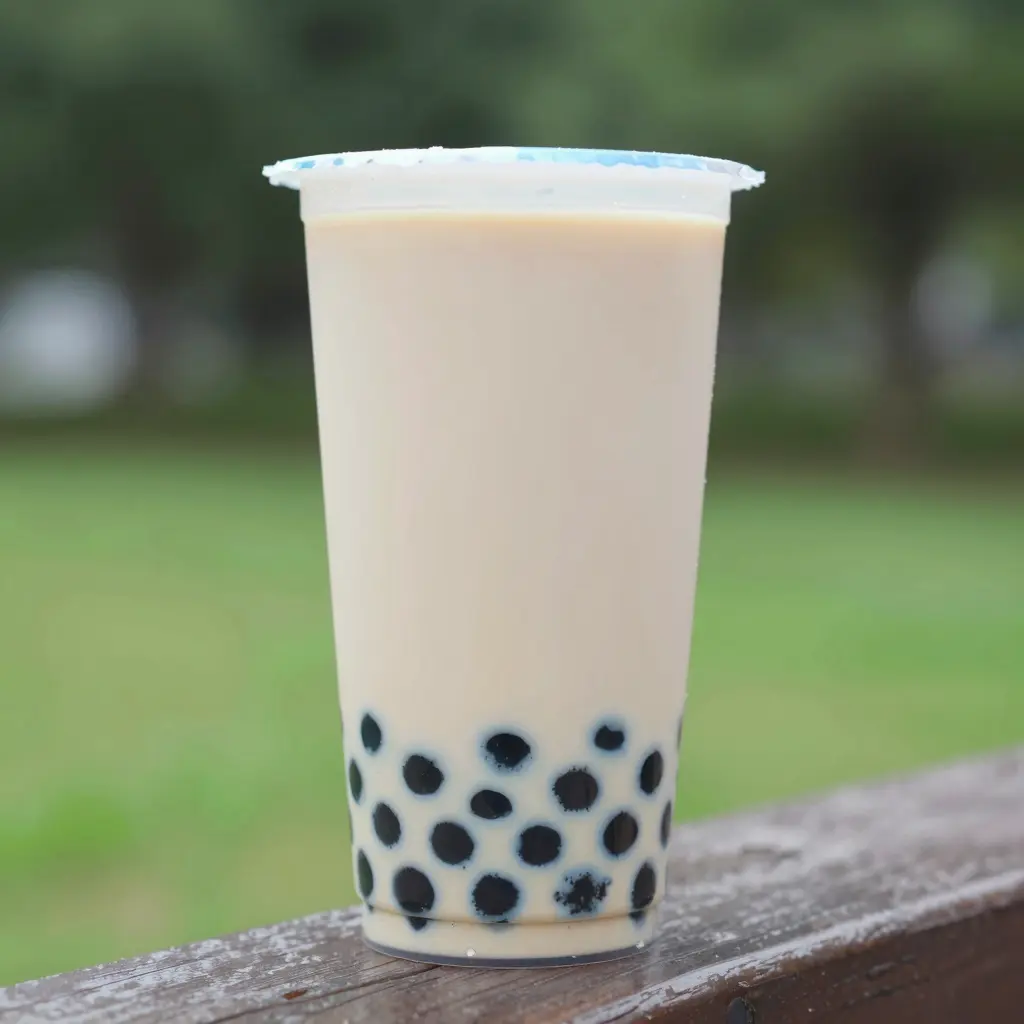
This image showcases a paper compostable cup filled with bubble tea, set against a vibrant outdoor background, highlighting its use in a real-life context. Such visual representations can inspire bubble tea shops and beverage chains to embrace eco-friendly packaging solutions, enhancing their sustainability efforts.
Customer Testimonials
Testimonial from Rebecca T., Bubble Tea Shop Owner
“Switching to compostable cups from Green Dispopack has been a game-changer for my bubble tea shop! Since we started using their cups, I’ve noticed a 35% increase in customer satisfaction, as patrons appreciate our commitment to sustainability. With these cups, not only do we enhance our brand image, but we also ensure that our drinks stay fresh and appealing. The cups maintain their integrity, even with our thick teas and toppings, and I’ve received numerous compliments about how great they look!”
- Rebecca T., Owner of Boba Bliss
Testimonial from Mark L., Event Planner
“As an event planner, I am always looking for ways to make events more sustainable without compromising on quality. Using compostable cups from Green Dispopack at our recent outdoor wedding received rave reviews! Guests loved seeing eco-friendly options that didn’t sacrifice style or durability. The cups held up beautifully, even on a sunny day, and most importantly, they align with my mission to promote sustainability at events. I can confidently recommend these products to my clients!”
- Mark L., Event Planner at Green Celebration Events
For those interested in sustainable packaging solutions, check out our extensive range of paper cups that promote both quality and eco-friendliness! Our compostable cups are perfect for various businesses looking to enhance their environmental impact while meeting customer expectations.
The Importance of Compostable Materials
In the world of sustainable packaging, the choice of compostable materials plays a crucial role. As Dr. Sarah Chen, Environmental Systems Analyst at the University of British Columbia, highlighted:
“Lifecycle thinking prevents us from solving one environmental problem at the expense of another. Compostable packaging must be evaluated holistically.”
This statement underscores the necessity of considering the entire lifecycle of products-from raw material extraction and production to end-of-life disposal. Choosing compostable materials is not merely about biodegradability but about understanding the broader environmental impact.
For businesses in the food and beverage industry, incorporating compostable materials is not only a step towards sustainability but also aligns with customer preferences for eco-friendly choices. This is especially relevant for bubble tea shops, beverage chains, and catering services today.
If you’re looking for high-quality options, check out our range of paper cups.
By making informed decisions about the materials we use, businesses can lead the way in reducing plastic pollution, ultimately paving the way for a healthier planet.
FAQ about Compostable Cups
1. What are compostable cups made from?
Compostable cups are typically made from materials like PLA (Polylactic Acid) derived from corn or sugarcane. These materials are 100% plant-based and designed to break down in industrial composting facilities, reducing landfill waste and promoting a sustainable environment. Learn more about our sustainable products.
2. How durable are compostable cups compared to traditional cups?
Modern compostable cups are designed to maintain comparable durability to traditional plastic and paper cups. They offer similar heat resistance, leak-proof capabilities, and structural integrity, making them suitable for both hot and cold beverages. For example, insulated compostable cups are now available that can withstand extreme temperatures without compromising their integrity.
3. How should I dispose of compostable cups?
Compostable cups should be disposed of in certified composting facilities, where they can decompose within 180 days. It’s essential to ensure that they are not contaminated with non-compostable materials to avoid contamination of the composting process. Explore proper disposal guidelines.
4. What regulations exist regarding compostable cups?
In the U.S., compostable cups must meet specific standards set by organizations like ASTM. Compliance with ASTM D6400 (for industrial composting) ensures that the cups biodegrade effectively and leave no toxic residues. Proper labeling, including ‘Certified Compostable,’ is essential to guide consumers in disposing of these products correctly.
5. Are compostable cups a good choice for my business?
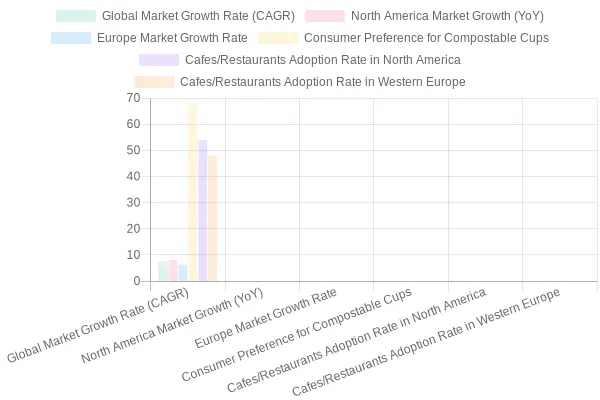
Yes! With a growing market projected at a compound annual growth rate (CAGR) of approximately 7.5% in 2023, adopting compostable cups is not only environmentally responsible but can also enhance your brand’s reputation amongst eco-conscious customers. Many coffee chains and restaurants are already making the switch, showing a significant consumer preference for sustainable options of around 68%.
6. What are the environmental benefits of using compostable cups?
Using compostable cups significantly reduces plastic waste in landfills and oceans. When composted correctly, they return valuable nutrients to the soil, supporting the ecosystem. The shift from traditional plastic to compostable materials aligns with the growing emphasis on sustainability in consumer choices.
7. How does the market for compostable cups look in 2023?
The U.S. compostable packaging market reached $2.1 billion in 2023, with disposable drinkware, including cups, accounting for 38% of total sales. The demand is fuelled by a consumer shift towards eco-friendly choices, generating a year-over-year growth of 22% in compostable cup sales.
By switching to compostable cups, your business can contribute positively to the environment while catering to the growing demand for sustainable products. For more details on the compostable solutions available, check out our full range of products.
In conclusion, choosing compostable cups is a significant step toward embracing sustainability in your business. Our international paper compostable cups are not only eco-friendly but also designed to effectively meet the needs of various audiences, from bubble tea shops to corporate events. With features such as rapid degradation in composting conditions and compliance with international standards, these cups align perfectly with the growing demand for environmental responsibility among consumers and businesses alike.
Not only do we prioritize the quality and environmental impact of our products, but we also ensure that you receive them with exceptional speed and support. Our fast delivery service is designed to keep your operations running smoothly, and our dedicated customer support team is always available to assist you. We’re here to help you make the shift to sustainable alternatives seamlessly.
Ready to make a difference? Explore our range of compostable cups today and join the movement towards a greener future! Let us help you enhance your customer experience while contributing to a healthier planet.