
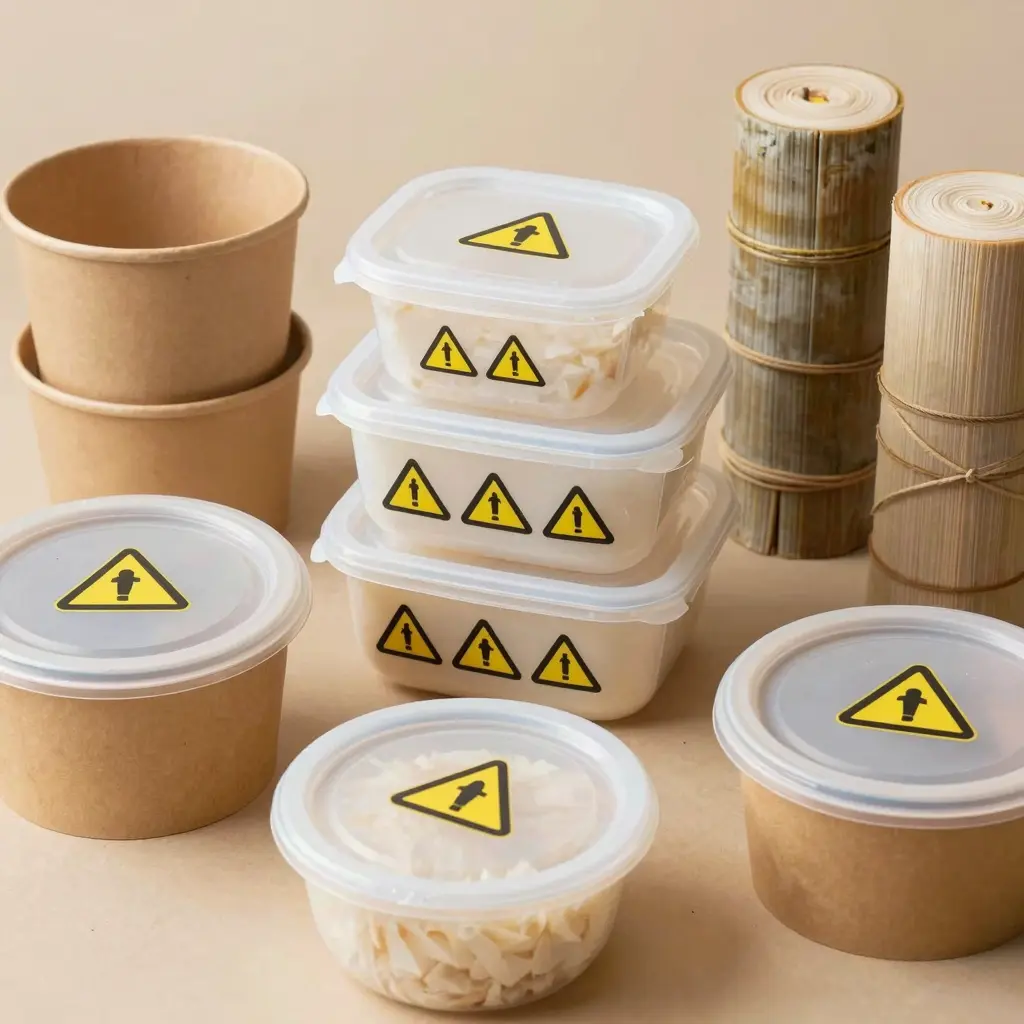
In today’s fast-paced dining landscape, the appeal of convenience is undeniable, with plastic food containers serving as a staple in bubble tea shops, restaurants, and various food-related businesses. However, lurking behind this convenience are significant health concerns tied to the materials used in these containers. Many consumers remain unaware of potential risks associated with certain types of plastics, such as BPA and phthalates, which have been linked to various health issues. As awareness grows, businesses must adapt by choosing safer packaging alternatives that prioritize consumer health without sacrificing quality. Making informed decisions about packaging materials not only safeguards customers but also enhances a brand’s reputation, paving the way for sustainable practices. In a market where health consciousness is on the rise, it’s more important than ever for food establishments to consider eco-friendly options such as paper bowls or sustainable sugarcane products that meet safety standards while still delivering on convenience and appeal. Join us as we delve deeper into the implications of plastic food containers and the vital role they play in shaping consumer safety and satisfaction.
Common Health Concerns Associated with Plastic Food Containers
Understanding the potential health risks associated with plastic food containers is crucial for businesses in the food industry. Here are some of the most common health concerns:
-
BPA Leaching: Bisphenol A (BPA) can leach from plastic containers into food, particularly at high temperatures. BPA is an endocrine disruptor linked to various health issues, including hormonal imbalances and developmental problems. Learn more about BPA risks.
-
Chemical Exposure: Aside from BPA, many plastic containers may contain other harmful chemicals that can migrate into food, especially when heated.
-
Microbial Contamination: Plastic containers can harbor bacteria if not cleaned properly, posing risks of foodborne illnesses that can affect customers and business reputation.
By being aware of these risks, food service providers can make more informed choices about the materials they use for packaging and storage.
Expert Opinions on Health Risks of Plastic Food Containers
In recent years, the concerns surrounding plastic food containers have garnered considerable attention from health experts and researchers. Their findings suggest a multitude of health risks that could impact not only consumers but also the food service industry as a whole.
1. Health Implications of Plastic Containers
Studies have shown that chemicals in plastic food containers can leach into food, especially when containers are heated. For instance, a study reported in NBC News found that even single-use takeout containers can release microplastics into food items, raising critical questions about food safety and consumer health.
Furthermore, Engoo Daily News highlighted a troubling link between plastic containers and increased heart failure risk, emphasizing that regular consumption from such containers could contribute to serious long-term health issues.
2. Concerns Over Chemical Leaching
Experts also warn about harmful chemicals such as BPA and phthalates that can seep into food from plastic containers, especially when heated. For example, a report from India Bytes stressed that black plastic containers, often utilized in restaurant takeout scenarios, pose a significant risk. This is compounded by the convenience of plastic packaging, which many restaurants rely on.
3. Implications for the Food Service Industry
The food service industry may need to reconsider its reliance on plastic containers, given the rising awareness of their health risks. Alternatives such as biodegradable packaging options are gaining popularity, with health-conscious consumers increasingly favoring establishments that prioritize safer food storage solutions. This shift can potentially enhance customer trust and loyalty.
Conclusion
As the dialogue around plastic use continues to evolve, food service businesses should remain cognizant of the potential health implications of their packaging choices. Prioritizing safer alternatives could not only benefit public health but also improve the brand reputation of businesses in this competitive landscape.
Safe Alternatives to Plastic Food Containers
As businesses increasingly turn their backs on plastic food containers due to health concerns and environmental issues, the market for sustainable alternatives is experiencing a surge. Here are some effective substitutes that food businesses can consider:
1. Glass Containers
Glass containers are a top choice for safe food storage. Here’s why:
- Health Safety: Glass is non-reactive, meaning it won’t leach chemicals into your food, maintaining flavor and freshness. It’s also dishwasher and microwave safe, simplifying cleaning and reheating.
- Environmentally Friendly: Completely recyclable and often made from recycled materials, glass reduces waste and supports a sustainable model.
- Durability: While breakable, glass can last many years if handled properly, making it a worthwhile investment for any food service.
2. Stainless Steel Containers
Stainless steel is celebrated for its resilience and longevity:
- Hygienic and Non-Toxic: Stainless steel is resistant to bacteria and allows for safe food storage, significantly lowering contamination risk. It’s also 100% recyclable at the end of its lifecycle
[source]. - Longevity: Though they may have a higher upfront cost, these containers save money over time due to their durability and minimal maintenance requirements [source].
3. Biodegradable Containers
Innovative biodegradable materials are designed to break down without harming the planet:
- Sustainability: Made from renewable resources, biodegradable containers help combat plastic pollution and are ideal for single-use applications
[source]. - Performance: Many biodegradable options come with coatings that guard against oil and moisture, making them practical for a variety of food items
[source].
Conclusion
Switching to glass, stainless steel, or biodegradable containers can greatly enhance health safety and contribute to environmental sustainability. Embracing these alternatives is not just beneficial but essential for businesses looking to align with modern consumer values. For more options, check out our paper bowls and sugarcane tableware that offer eco-friendly solutions.
Comparison of Food Container Materials
Choosing the right food container materials is crucial for safety, durability, and environmental impact. Below is a table summarizing the key aspects of four common materials used for food containers: plastic, glass, stainless steel, and biodegradable options.
| Material | Safety | Durability | Environmental Impact |
|---|---|---|---|
| Plastic | Potential chemical leaching, especially when heated. Some plastics may contain BPA or phthalates. | Moderate, can crack or warp under heat. | Not biodegradable; contributes to pollution and landfill overflow. Recyclable in most cases. |
| Glass | Non-reactive; does not leach chemicals. Safe for heating and freezing. | High, can break but generally long-lasting. | Recyclable but requires energy to produce; less impact than plastic. |
| Stainless Steel | Generally considered safe; no leaching of chemicals, even when hot. | Very high; resistant to rust and corrosion. | Recyclable, long lifespan, low environmental footprint during production. |
| Biodegradable | Typically made from natural materials, safer but dependent on composition. | Lower than glass and stainless steel; may vary by product. | Designed to break down in composting conditions, reduces landfill impact. |
Summary
- Plastic containers are convenient but pose safety and environmental risks due to potential chemical leaching. They are less durable compared to glass and stainless steel.
- Glass containers are great for food safety and longevity, but they can be fragile.
- Stainless Steel is the most durable and safe option, with excellent resistance to various conditions, making them ideal for long-term use.
- Biodegradable containers provide an eco-friendly alternative but can vary widely in their durability and safety based on their materials.
As you consider options for your bubble tea shop, restaurant, or food service, it might be worthwhile to explore options like sugarcane tableware or paper packaging that balance environmental concerns with practical use.
Conclusion
In conclusion, the health concerns associated with plastic food containers are increasingly challenging for consumers and businesses alike. Many studies suggest that harmful chemicals, such as BPA and phthalates, can leach from plastic into food, particularly when containers are heated. This leaching is not just a theoretical risk; it has been linked to hormonal disruptions and potential health issues like heart disease and cancer. As emphasized by various health professionals, making informed choices about food storage can significantly impact both personal health and environmental sustainability. Safer alternatives, such as glass, stainless steel, and biodegradable materials, not only eliminate these risks but also promote sustainability by reducing plastic waste.
For food service providers-be it bubble tea shops, restaurants, or catering services-transitioning to safer, eco-friendly packaging is more important than ever. Not only do these alternatives protect the health of customers, but they also appeal to a growing consumer base that prioritizes sustainability.
We encourage you to consider Green Dispopack’s range of affordable, eco-friendly disposable packaging solutions. By making conscious choices, you can ensure a healthier future for your customers and play a pivotal role in nurturing our planet’s wellbeing.
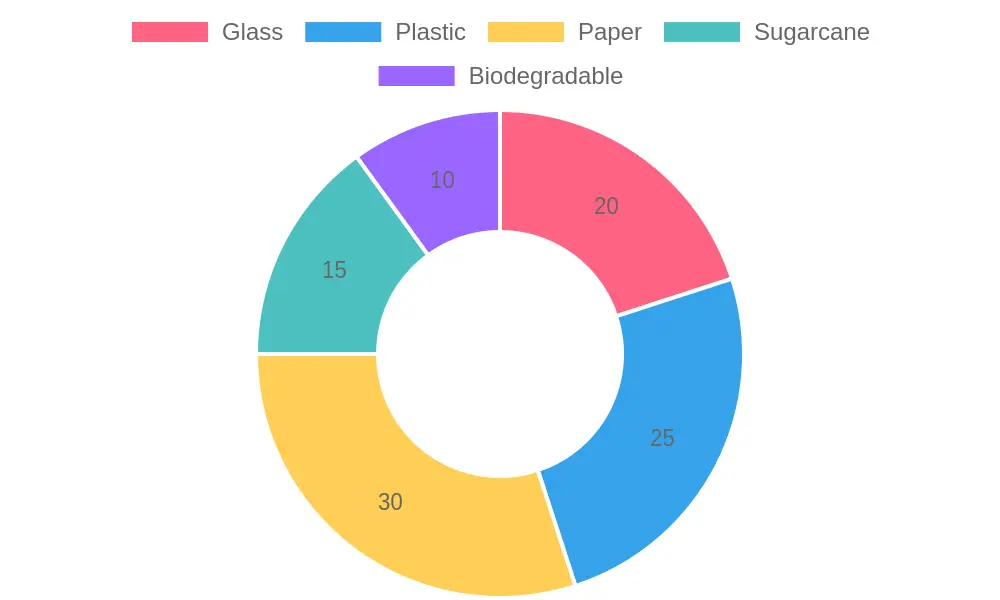
Chart Analysis
This chart illustrates the preferences of consumers regarding various food container materials in 2023. Notably, the shift away from plastic (25%) reflects growing health concerns and a demand for safer, eco-friendly alternatives. Paper materials lead at 30%, while sugarcane products and biodegradable options are gaining traction. This data underscores the importance of opting for sustainable packaging solutions in the food industry. For businesses looking to adapt, exploring options like paper bowls and sugarcane containers could meet consumer demand and align with health-conscious trends.
“Proper packaging is crucial for enhancing food safety and extending a product’s shelf life, particularly in preventing contamination and maintaining quality. Effective packaging helps mitigate health risks associated with foodborne illnesses.”
- Source: Food Business Review
In the food and beverage industry, ensuring safety in food packaging is not just a regulatory requirement; it is a cornerstone of public health. Choosing packages that comply with safety standards can protect your customers and your business. To learn more about sustainable packaging options, check our range of paper bowls and sugarcane food containers.
Understanding Health Concerns Related to Plastic Food Containers
Plastic food containers have become staples in many restaurants, beverage chains, and catering services, providing convenience and flexibility in food storage and service options. However, recent studies have raised significant health concerns regarding the safety of these ubiquitous items. Let’s explore the implications of using plastic food containers, focusing on the risks posed by harmful chemicals like BPA and phthalates, and outline safer alternatives for businesses in the food industry.
Why Plastic Food Containers Are Popular
- Lightweight and Durable: Plastic containers are easy to handle and resistant to breakage compared to glass.
- Versatile Storage Options: They come in a variety of sizes and styles, catering to different food types and portions.
- Cost-Effective: Generally, plastic containers are more affordable than alternatives like glass or stainless steel.
Health Risks Associated with Plastic Food Containers
Despite their popularity, several health risks are associated with plastic food containers, primarily due to chemical leaching, particularly when the containers are exposed to heat or wear. Significant risks include:
1. Chemical Leaching
- BPA: Bisphenol A (BPA) is a synthetic compound found in many plastics. It is known to leach into food, particularly when containers are heated. BPA has been linked to hormonal disruptions and various health issues. For more information on BPA, visit CNN’s coverage.
- Phthalates: These chemicals make plastics flexible. They can also leach into food from plastic containers, posing risks such as hormonal disruptions and reproductive health concerns (WebMD).
2. Exposure During Heating
Many restaurants and food service businesses use microwaves to reheat food stored in plastic. Unfortunately, heating can exacerbate the leaching of harmful chemicals, which can compromise food quality and pose health risks. An article from The Takeout discusses how heating food in plastic containers may lead to contamination.
Alternatives to Plastic Food Containers
Given the potential health risks, businesses should consider safer alternatives to plastic food containers:
- Glass Containers: A durable, reusable, and recyclable option that doesn’t leach harmful chemicals.
- Stainless Steel: An excellent choice for food storage and serving, offering longevity and reducing health risks.
- Compostable Tableware: For catering services and food trucks, using products like sugarcane tableware (see options here) can provide a sustainable solution without health risks associated with plastics.
Understanding Safety Ratings and Risks
When choosing materials for food containers, it’s essential to refer to safety ratings and understanding recycling codes. Here’s a simplified overview:
| Category | Information |
|---|---|
| Safety Ratings | Plastics marked with recycling codes 1, 2, and 5 are generally regarded as safer for food use. |
| Microwaving Risks | Risks include leaching of chemicals from plastics when heated. |
| Recycling Guidelines | Plastics 1 (PETE), 2 (HDPE), and 5 (PP) are commonly recyclable; check local guidelines for specific practices. |
Conclusion
The use of plastic food containers raises significant health concerns that are especially relevant to restaurants, catering services, and food delivery businesses. By switching to safer alternatives and being mindful of health risks, businesses can protect their customers and employees while promoting sustainability. Educating staff and informing customers about these risks can create a conscientious dining experience and a culture of safety in food service operations.
For further reading on eco-friendly disposable options, check out our range of sugarcane tableware.