
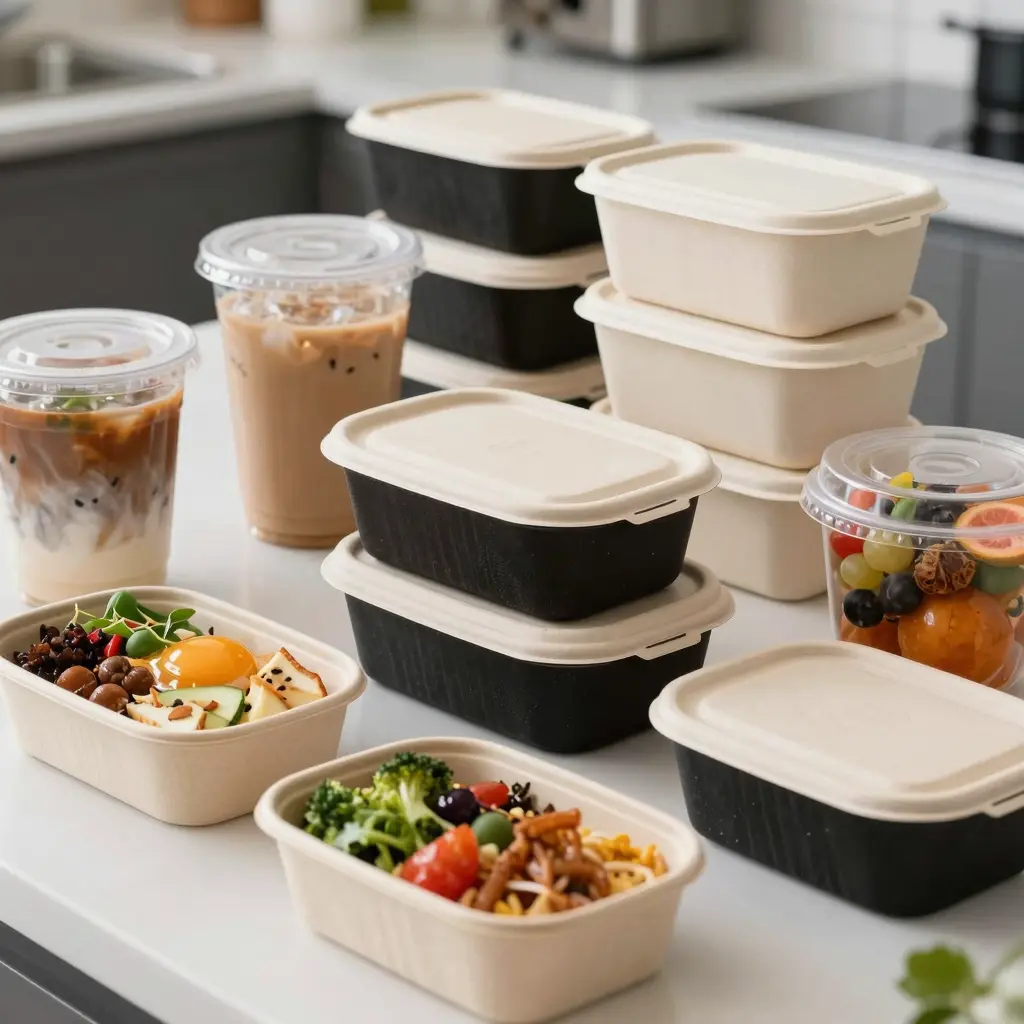
Have you ever thought about the importance of convenience and hygiene in our daily meals? In today’s fast-paced world, disposable containers have become a cornerstone of the food industry, particularly for bubble tea shops, restaurants, food trucks, catering services, and corporate events. These containers not only offer consumers the ability to enjoy their favorite meals on the go but also ensure food safety and cleanliness. As preferences shift towards convenience, the demand for disposable packaging solutions skyrockets, with industry players scrambling to meet these evolving expectations.
Moreover, as sustainability concerns grow among consumers, especially the younger generation, businesses are increasingly being called to rethink their packaging choices. There’s an emerging trend toward eco-friendly materials that balance convenience with environmental responsibility. With various options available-from biodegradable sugarcane containers to recyclable paper packaging-it’s crucial to understand how these choices affect brand image and consumer loyalty.
This article will delve into the significance of disposable containers in the food industry, exploring the growing demand for sustainable options and how they impact businesses and consumers alike. We’ll also discuss specific products that can enhance your service while promoting a greener planet. So, grab your favorite bubble tea and read on to discover how the right packaging can make a world of difference!
In our exploration, we’ll highlight products such as sugarcane tableware and paper bowls that cater perfectly to the needs of your business while keeping sustainability at the forefront.
Benefits of Using Disposable Containers
Using disposable containers in food service comes with a host of benefits that can enhance your operations. Here are some of the key advantages:
- Convenience: Disposable containers are easy to use, allowing for quick food service and minimizing cleanup time. Ideal for busy environments, such as food trucks and catering services.
- Safety: They reduce the risk of contamination as each container is used only once, ensuring food hygiene is maintained, especially vital in restaurants and beverage chains.
- Hygiene: Disposable containers are often made from single-use materials, reducing the chances of cross-contamination.
- Cost-Effectiveness: By eliminating the need for washing reusable dishes, businesses can save on labor costs and water usage, which is especially beneficial for event planners and corporate procurement teams.
- Versatility: Available in various materials and sizes, such as paper bowls and sugarcane containers, making them suitable for different food types and catering needs.
- Portability: Perfect for takeaway orders, they allow customers to easily transport their meals.
Eco-Friendly Materials for Disposable Containers
When it comes to disposable containers, choosing eco-friendly materials is not just a trend-it’s becoming a necessity. Food shops and restaurants are increasingly adopting sustainable practices not only to comply with regulations but also to meet customer expectations. Here are three popular eco-friendly materials commonly used in disposable containers, along with their benefits:
1. Biodegradable Plastics
Biodegradable plastics are crafted from natural materials like corn starch or sugarcane. They are designed to break down in landfills much faster than traditional plastics, which can persist in the environment for hundreds of years. Food shops using biodegradable containers benefit from a positive customer perception, as consumers increasingly prefer brands that consider environmental impacts. These materials also reduce the overall carbon footprint of restaurants.
2. Compostable Materials
Compostable materials, such as PLA (polylactic acid) and bagasse (a byproduct of sugarcane), can decompose into non-toxic elements in composting facilities. This feature enhances a restaurant’s brand image as a sustainable business. Customers are more likely to return to restaurants that prioritize eco-friendliness, creating long-lasting loyalty-something that’s invaluable in the competitive food industry. Explore more about our compostable options here.
3. Bamboo and Sugarcane Fiber
Containers made from bamboo and sugarcane fiber are growing in popularity due to their strong, durable characteristics. These materials are not only sustainable due to their fast-growing nature, but they are also compostable after use. Using bamboo or sugarcane products appeals to eco-conscious customers and significantly supports sustainable business practices. Food businesses that use these materials enhance their green image, leading to positive customer experiences and increased brand loyalty. Check out these bamboo-based products here.
Benefits Overview
Here’s a summary of the benefits these eco-friendly materials bring to food shops and restaurants:
| Material | Description | Benefits for Food Shops and Restaurants |
|---|---|---|
| Biodegradable Plastics | Plastics designed to degrade in a landfill environment | Positive customer perception, reduced environmental impact |
| Compostable Materials | Materials that can break down into natural elements | Enhances brand image, aligns with sustainable practices |
| Bamboo | Fast-growing plant, often used for utensils and containers | Appeals to eco-conscious customers, supports sustainability |
| Sugarcane Fiber | Byproduct of sugar production, used for containers | Promotes a green image, biodegradable and compostable |
| Recyclable Materials | Materials that can be reprocessed for new products | Supports recycling initiatives, positive impact on brand image |
Conclusion
By adopting these eco-friendly materials for disposable containers, food shops and restaurants not only contribute positively to the environment but also position themselves favorably in the minds of consumers. With sustainability becoming an essential factor in customer decisions, transitioning to eco-friendly packaging is a win-win for both business and planet.
| Container Type | Durability | Cost (approx.) | Environmental Impact | Suitable Food Types |
|---|---|---|---|---|
| Plastic | High | Low | Non-biodegradable, contributes to pollution | Liquids, hot foods, cold foods |
| Biodegradable | Medium | Medium to High | Breaks down under composting conditions, more sustainable | Soups, salads, dry foods |
| Paper | Medium | Medium | Biodegradable, better than plastic but can leak | Dry foods, certain liquids |
Features Overview:
-
Durability:
-
Plastic containers are highly durable, resistant to moisture, and can hold hot and cold foods effectively.
-
Biodegradable containers have a medium durability; they can hold certain types of food but may struggle with very oily or hot items.
-
Paper containers are also of medium durability and are suitable mostly for dry items and specific liquids, but they can leak if overly saturated.
-
Cost:
-
Plastic is often the most economical option, making it a popular choice among food service businesses.
-
Biodegradable containers generally come at a higher cost due to the materials used in production.
-
Paper containers typically align with biodegradable costs but can vary based on design and thickness.
-
Environmental Impact:
-
Plastic containers pose significant environmental risks since they do not decompose effectively and contribute to long-term pollution.
-
Biodegradable containers offer a more eco-friendly alternative, potentially reducing landfill waste when composted properly.
-
Paper containers are biodegradable and more sustainable than plastic, although their production still involves natural resources and energy.
-
Suitable Food Types:
-
Plastic containers excel in versatility, accommodating a wide range of food types.
-
Biodegradable containers are versatile but are best for items that aren’t overly liquid or oily.
-
Paper containers are excellent for dry foods and some liquids; they are less suited for greasy items.
For more information on paper containers and environmentally friendly options, check out resources on our site.
This table provides you with a clear comparison of different disposable container options, helping to inform your choices as you select products for your bubble tea shop or food service operation.
“We switched to using Green DispoPack’s disposable tableware for our café, and it’s been a game changer! The quality is superb and our customers have noticed the difference. The service is also outstanding, making reordering a breeze!”
- Emily Tran, Owner of Bubble Bliss Café
At Green DispoPack, we strive to provide top-quality disposable solutions tailored for businesses in the food sector. Our products are designed for convenience without compromising quality, ensuring that your service stands out. Whether you’re looking for sustainable paper bowls or effective packaging solutions, we’ve got you covered!
Customization Options for Branding Disposable Containers
Businesses in the food industry, such as bubble tea shops, restaurants, and catering services, can significantly enhance their branding by customizing disposable containers and packaging. This customization not only ensures practicality but also promotes brand recognition among consumers.
The Importance of Brand Elements
-
Logos: Incorporating your brand’s logo on disposable containers helps with immediate brand recognition. A well-placed logo transforms an ordinary container into a marketing tool, turning each to-go order into a marketing opportunity. Your logo serves as a visual cue that reinforces brand identity every time customers use or see your containers.
-
Colors: The color palette you choose for your packaging plays a crucial role in brand recognition. Colors evoke emotions and can influence purchasing behavior. For example, bright colors might attract younger customers, while more subdued tones could appeal to a more sophisticated clientele. Using consistent colors that align with your brand helps in creating a cohesive brand image.
-
Unique Designs: Alongside logos and colors, unique styles and designs stand out in a crowded market. Customizing the shape, patterns, or even textures of your packaging adds an extra layer of distinction. Whether it’s a unique ice cream cup that conveys fun or a stylish paper bowl that suggests high-quality service, distinctive designs aid in attracting attention and fostering loyalty.
Practicality Meets Branding
While it’s essential to focus on aesthetics for brand recognition, practicality must not be compromised. Durable designs and functional packaging solutions, such as sugarcane bowls or paper cups with artistic sleeves, ensure that the user experience aligns with the brand promise of quality.
Combining striking visuals with functional design can foster emotional connections and encourage repeat business, making customized disposable containers a viable investment for businesses in the competitive food industry.
Conclusion
In summary, choosing the right disposable tableware can significantly enhance the experience for customers in various food service settings, from bubble tea shops to catering services. Disposable containers offer numerous benefits, including convenience, hygiene, and the ability to maintain food presentation during transport. With Green Dispopack’s diverse range of sustainable options, you can not only meet the demands of your business but also align with eco-friendly practices that resonate with today’s environmentally conscious consumers.
The commitment to quality is evident in every product we offer. Green Dispopack ensures that all disposable tableware solutions meet high industry standards, providing your business with reliable products that won’t compromise on performance or aesthetics. We prioritize sustainability while maintaining a strong focus on durability and design.
We encourage you to explore our extensive product offerings, such as our paper bowls and sugarcane cups, to discover how our solutions can best serve your business needs. By choosing Green Dispopack, you are not just selecting disposable tableware; you are investing in quality you can trust and a commitment to a sustainable future for the food service industry. Let’s make your food service operations seamless and environmentally responsible today!
This bar chart visually represents the trends in disposable container usage over the past five years, highlighting the significant shift towards eco-friendly options compared to traditional disposable containers. As seen, the market has been increasingly favoring sustainable choices, which is reflective of growing consumer awareness and preference for environmentally-friendly products.