
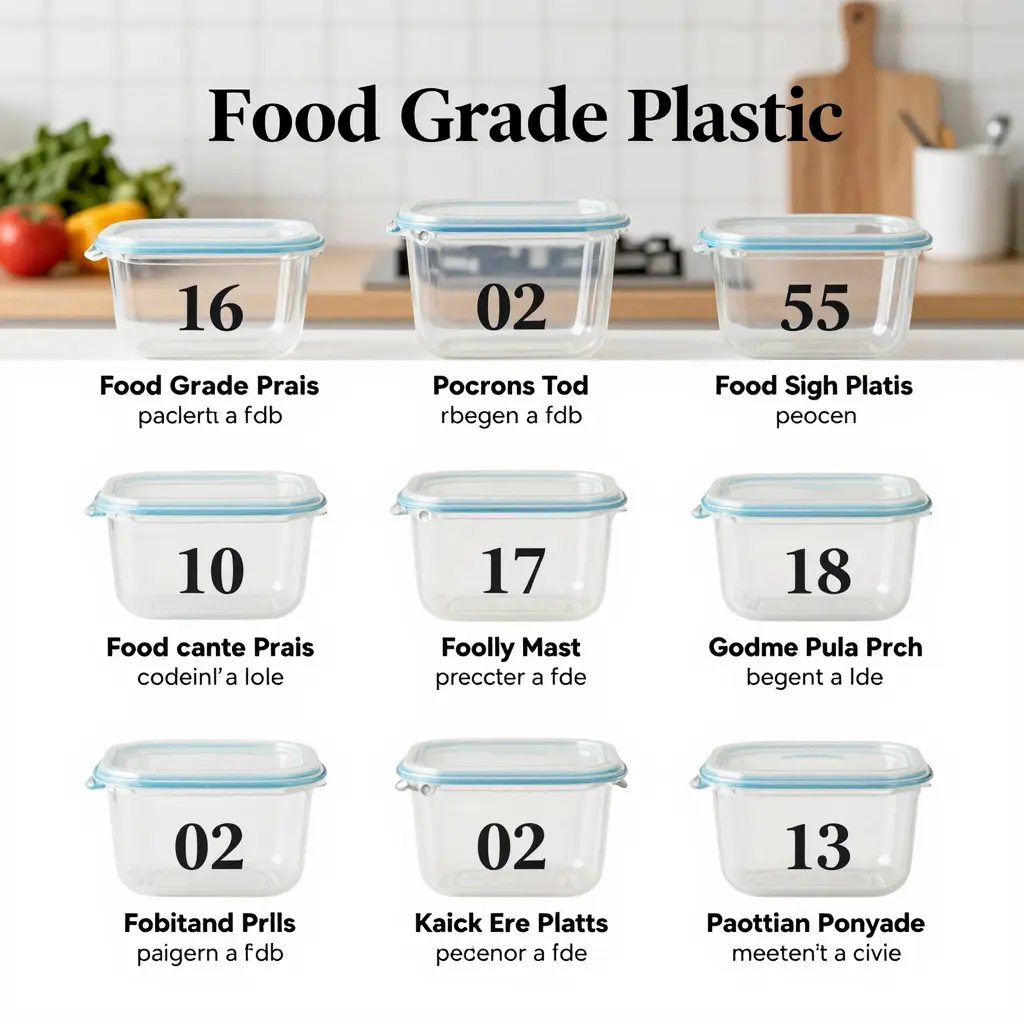
Introduction to Food Grade Plastic Container Numbers
When it comes to food safety and compliance, understanding the intricacies of food grade plastic container numbers is essential for businesses in the food service industry. These numbers, often found on the bottom of plastic containers, provide crucial information about the type of plastic used in the manufacture of these containers and their safety for food-related uses. As a restaurant owner, bubble tea shop operator, or catering professional, being informed about these numbers can not only enhance your food safety practices but also help ensure that you meet regulatory requirements.
In this article, we’ll explore the various food grade plastic container numbers, decipher what they mean, and discuss their importance in maintaining food safety standards. We’ll also touch on the different types of food-grade plastic containers available, offering insights that can aid in your purchasing decisions. Whether you’re sourcing materials for your food truck, planning an event, or catering for corporate clients, understanding these designations can significantly impact the health and satisfaction of your customers. Join us as we delve into this critical aspect of food service compliance, ensuring that you are always equipped with the right knowledge to make informed choices for your business.
Understanding Food Grade Plastic
Food-grade plastic is specifically designed for the safe packaging and handling of food products. Unlike regular plastics, food-grade options are made without harmful chemicals and comply with regulatory standards, such as those set by the FDA, ensuring that they do not leach toxic substances into food. Here’s a closer look at what defines food-grade plastic and its significance for businesses in the food industry.
Key Characteristics of Food Grade Plastic
- Non-Toxic: Food-grade plastics are made to be free from harmful chemicals that could pose health risks. This is crucial as they come in direct contact with food.
- Odorless: A significant feature is that these plastics do not impart any smells to food. This maintains the food’s original flavor and quality.
- Durability: Common types of food-grade plastics, such as PET (Polyethylene Terephthalate), HDPE (High-Density Polyethylene), and LDPE (Low-Density Polyethylene), are known for their strength and resistance to moisture and chemicals. This durability helps maintain food safety during storage and transport.
- Compliance with Regulations: Food-grade plastics must adhere to stringent regulations that dictate their making, ensuring they can safely withstand high temperatures and other conditions without releasing harmful substances.
Importance of Understanding Food Grade Plastic
For businesses in the food industry like bubble tea shops, restaurants, and food trucks, understanding food-grade plastics is essential due to several reasons:
- Food Safety: Utilizing food-grade materials guarantees that food products remain uncontaminated. This is vital in protecting your customers’ health and ensuring your business maintains a good reputation.
- Regulatory Compliance: Regulatory bodies, such as the FDA, enforce specific guidelines regarding materials in food contact applications. Using food-grade plastics ensures compliance, avoiding potential legal issues and fines.
- Contaminant Prevention: Food-grade plastics are designed to prevent contamination, which is particularly crucial in high-turnover environments like food trucks or catering services. Non-compliance with safety regulations can lead to foodborne illnesses and damage to your brand.
- Consumer Trust: More consumers are aware of packaging materials and their safety. By using only food-safe plastics, businesses can enhance consumer confidence and loyalty, signaling that they prioritize safety.
- Environmental Considerations: As sustainability becomes a bigger concern, many food-grade plastics are recyclable or made from renewable resources. Choosing environmentally friendly options can enhance your brand image and comply with growing consumer demand for sustainable practices.
In conclusion, understanding food-grade plastic is not just about choosing the right packaging materials; it’s about ensuring the safety and quality of food products while maintaining regulatory compliance. Businesses heavily involved in food handling must be aware of these aspects to uphold high standards in service and product integrity. For those looking to explore options in food-grade packaging, consider exploring our range of paper packaging options that meet food safety standards while also appealing to eco-conscious consumers.
Common Plastic Resin Identification Codes for Food Grade Plastics
When it comes to food storage and packaging, understanding the plastic resin identification codes is crucial. These codes, usually found at the bottom of plastic containers, help identify the type of plastic and its potential safety for food use. Here’s a closer look at the common plastic resin identification codes used in food-grade plastics:
-
1 – Polyethylene Terephthalate (PET or PETE)
PET is commonly used for soft drink and water bottles. It is lightweight, safe for single-use, and recyclable. However, it is not recommended for repeated use, as it can harbor bacteria and may degrade over time. Learn more about packaging options. -
2 – High-Density Polyethylene (HDPE)
HDPE is known for its strength and high resistance to impact and moisture. It’s often used for milk jugs, juice bottles, and grocery bags. This resin is FDA approved for food contact and is a safe choice for food storage. -
3 – Polyvinyl Chloride (PVC)
PVC can be harmful to health because it can leach chemicals; thus, it is less common in food packaging. However, some food wrap films and certain containers may still use it. Foods stored in PVC should be consumed cautiously. -
4 – Low-Density Polyethylene (LDPE)
LDPE is flexible and used mainly for shopping bags, bread bags, and some food wraps. Although recyclable, it is not typically accepted in curbside recycling programs. It is considered safe for food contact. -
5 – Polypropylene (PP)
This material is one of the safest for food containers. It’s used for yogurt containers, straws, and microwavable dishes. Polypropylene is resistant to heat and can be reused multiple times, making it a favorable choice for restaurants and caters. -
6 – Polystyrene (PS)
Polystyrene can be found in disposable coffee cups, plastic food boxes, and utensils. It has raised concerns about leaching styrene, especially when heated, so it’s best to use it cautiously around food. Safe alternatives are preferable for food storage. -
7 – Other (Various)
This category includes plastics such as polycarbonate (PC) which may contain bisphenol A (BPA), a chemical considered harmful. Some containers may be labeled for safety, while others should be avoided for food contact entirely.
Conclusion
Understanding these codes helps in selecting the right materials for food storage, especially in settings like bubble tea shops, restaurants, and catering services. Choosing safe and quality plastics is pivotal for health and safety. For a range of eco-friendly packaging solutions, explore our selection today!
Regulations Surrounding Food Grade Plastics
In the food industry, the safe use of plastics is critical, especially when it comes to food-grade plastics used for packaging and storage. Regulatory bodies, mainly the U.S. Food and Drug Administration (FDA), set stringent guidelines to ensure that these materials are safe for contact with food products. Understanding these regulations is essential for food businesses such as bubble tea shops, restaurants, food trucks, catering services, and event planners.
Key Regulations and Guidelines
Food-grade plastics must comply with specific standards to ensure they do not pose health risks. The FDA oversees these regulations, including:
- Food Contact Notifications (FCN): Food manufacturers must submit FCNs for any new food contact substance that is intended to be used in food packaging. The FDA reviews these notifications to confirm that the substance is safe.
- Guidance for Industry: The FDA provides a comprehensive framework outlining how food contact substances should be evaluated, including risk assessments and compliance checks. For detailed information, businesses can refer to the FDA’s official guidance on food contact substances.
- Material Safety: Only specific types of plastics are considered safe for food contact. The FDA commonly approves materials like High-Density Polyethylene (HDPE, #2), Polypropylene (PP, #5), Polyethylene Terephthalate (PET, #1), and others. These materials are tested to ensure they do not leach harmful chemicals into food or beverages.
Agency Oversight
The FDA plays a crucial role in evaluating and regulating food-grade plastics. Their risk-based approach seeks to balance the need for effective food packaging with consumer safety. The FDA conducts in-depth analyses of potential migration of substances from the packaging into the food, especially when heated or under various storage conditions.
Additionally, compliance with EU regulations often invites more stringent requirements, such as thorough documentation and pre-market assessments to prove safety. This comparative regime emphasizes the need for companies to ensure that their materials meet both domestic and international safety standards.
The Impact on Food Businesses
For those in the food industry, understanding these guidelines is vital for several reasons:
- Consumer Safety: Non-compliance with safety regulations can lead to harmful health effects for consumers. Companies must ensure their packaging complies with FDA guidelines to avoid health risks associated with leaching chemicals like Bisphenol A (BPA).
- Reputation Management: Businesses that prioritize safe packaging build trust with consumers. Utilizing compliant materials adds value to food brands and enhances their marketability.
- Legal Liability: Failure to adhere to regulations can result in significant legal repercussions, including fines, product recalls, and potential lawsuits. Hence, ensuring that all packaging is FDA-approved is not only responsible but crucial for minimizing legal risks.
Best Practices for Compliance
- Source from Reputable Suppliers: Always request compliance verification from suppliers to ensure that the plastics used are FDA-approved. Documentation is key. For food service businesses, sourcing from suppliers showcasing their compliance, such as those listed on Green Dispopack, is a smart practice.
- Educate Staff: Make sure that your operational staff understands the significance of using proper food-grade materials and complies with established safety practices.
- Conduct Regular Reviews: Periodically evaluate your suppliers and their compliance status, ensuring awareness of any new regulations or updates that could affect your operations.
In conclusion, food businesses must stay informed about the regulations surrounding food-grade plastics to ensure safety, maintain compliance, and protect their reputation. By adhering to FDA guidelines and choosing safe materials, businesses can contribute to a safer food environment for all.
| Plastic Type | Properties | Uses | Safety Ratings | Environmental Impact |
|---|---|---|---|---|
| PETE | Clear, strong, moisture-resistant | Beverage bottles, food jars | Generally recognized as safe | Recyclable; often ends up in landfills if not recycled properly |
| HDPE | Opaque, impact-resistant | Milk jugs, detergent bottles, food containers | Considered safe for food contact | Recyclable |
| LDPE | Flexible, durable | Grocery bags, some food wraps | Generally deemed safe | Less recyclable compared to HDPE |
| PP | High melting point, grease-resistant | Yogurt containers, straws | Safe for food contact | Recyclable, but low recycling rates |
Summary
Food-grade plastics are essential for various applications in the food service industry. Understanding their properties and environmental impacts can assist in selecting the most suitable materials for different use cases.
For further reading and options available, you can check paper bowl products or explore more about paper packaging solutions.
Case Studies of Success with Food Grade Plastic Containers
1. Restaurant Efficiency Enhancement
Many restaurants have adopted food-grade plastic containers to improve operational efficiency. These containers typically provide durability and safety, which are crucial in fast-paced environments. A well-known pizza chain integrated these containers to store ingredients, allowing for organized, easy access to various toppings.
Benefits:
- Safety and Hygiene: Food-grade containers comply with FDA standards, ensuring that no harmful substances leach into the food. This compliance is a significant advantage for restaurants concerned about food safety.
- Durability: Unlike glass, plastic is less likely to shatter, minimizing injuries and cleanup time.
This application led to a more streamlined workflow, reducing order preparation time, which is critical in high-demand scenarios like weekend dinner rushes.
2. Catering Service Optimization
A prominent catering service switched to food-grade plastic containers for all of its meal prep and delivery needs. They found that these containers significantly reduced costs without compromising the quality of food preservation.
Advantages:
- Lightweight and Durable: The catering service’s team appreciated how lightweight containers reduced the physical burden during events and setup.
- Cost-Effectiveness: The switch proved less expensive compared to glass options. Additionally, the service reduced breakage costs substantially.
This efficiency translated to quicker setups and a broader radius for service, which positively influenced the customer experience.
3. Food Truck Success Stories
Food trucks often face space limitations and the need for fast turnover. One successful food truck chain adopted a variety of food-grade plastic containers to organize ingredients prepped daily.
Key Impact:
- Space-Saving Cruising: The stackable design of these containers facilitated better use of limited storage space, enabling the business to broaden its menu options without needing a larger truck.
- Hygienic Practices: Ensuring food safety was simplified, as staff could quickly access clean containers for each menu item.
This versatile use of containers allowed the food truck to maintain high food quality while satisfying customer demands efficiently.
Conclusion
Food-grade plastic containers not only fulfill safety standards but also enhance overall operational efficiency in settings ranging from restaurants to food trucks. Their durability, space-saving qualities, and cost-effectiveness make them a popular choice among food service professionals.
For businesses in the beverage industry such as Bubble Tea shops and Catering Services, integrating these containers can provide a clear advantage, enhancing both safety and operational efficiency.
These case studies underline the practical applications of food-grade plastic containers in various sectors within the food service industry, emphasizing their importance in modern food business operations.
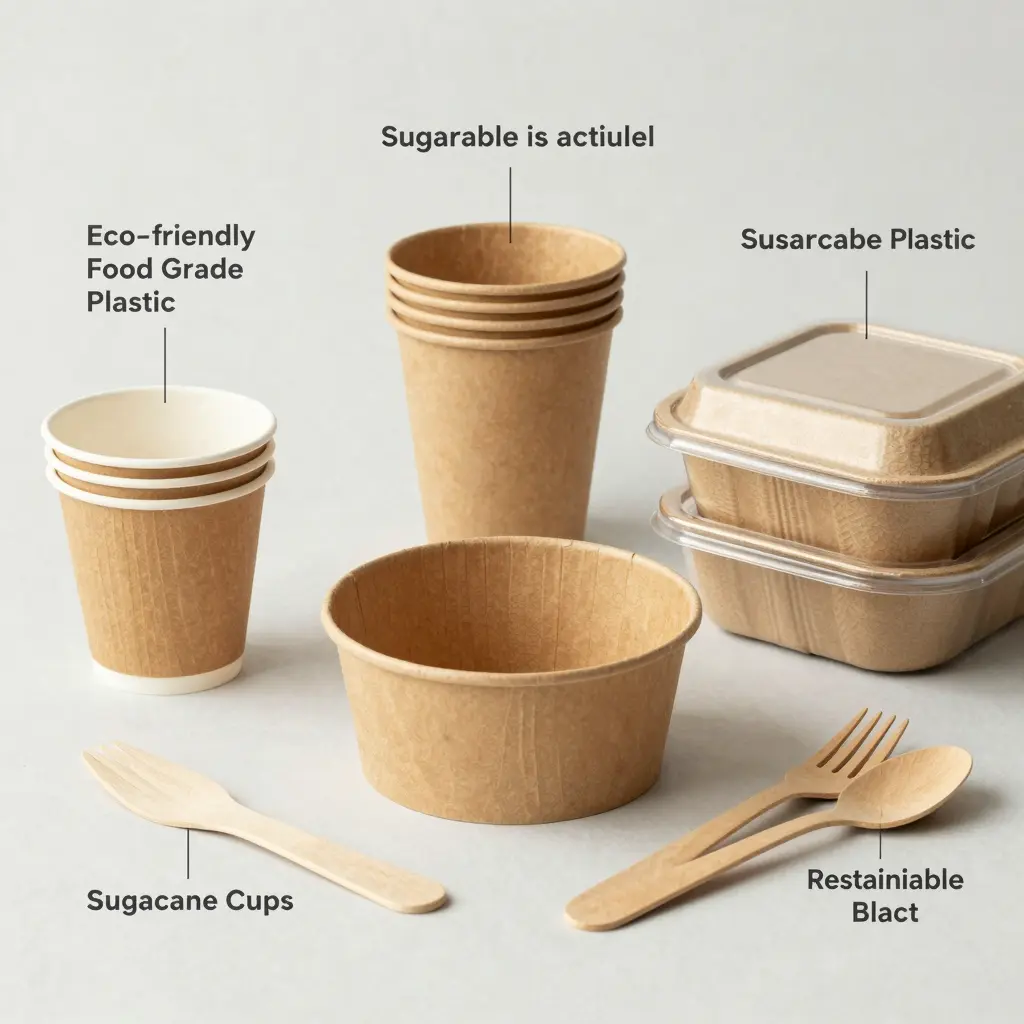
Explore a range of eco-friendly food grade plastic options that cater to sustainability in the food service industry, perfect for bubble tea shops, restaurants, food trucks, and more. To learn more about sustainable packaging solutions, check out our sugarcane tableware options and paper packaging products.
“As the owner of a bustling bubble tea shop, I’ve come to understand that the quality of our packaging directly impacts our customers’ experience. We switched to using high-quality food-grade plastics a year ago, and the difference has been remarkable! Our drinks not only stay fresh longer, but we also receive positive feedback about the sustainability of our packaging. It’s reassuring to know that we’re prioritizing safety and quality while serving our clients. I highly recommend any food service business to consider upgrading their products to comply with food safety standards-it’s worth every penny!”
- Emma Liu, Owner of Bubble Bliss Teahouse
This testimonial emphasizes the importance of food-grade plastics in maintaining product quality and customer satisfaction. For food service professionals like restaurant owners, food trucks, and catering services, utilizing high-quality packaging is an essential step toward business success. To explore eco-friendly options, check out our sugarcane tableware or paper packaging solutions.
Conclusion
Understanding food grade plastic container numbers is not just an industry requirement; it’s a crucial factor that impacts every aspect of running a food business-be it a bubble tea shop, a food truck, or a large catering service. These numbers help you make informed decisions about the packaging you choose, ensuring that your products are stored and served safely, complying with health regulations, and ultimately protecting your customers.
Being aware of the safety, sustainability, and effectiveness of the materials you use can set you apart in a competitive market. Today’s consumers are educated and increasingly concerned about what they consume and the environmental impact of their choices. By using containers that are safe and designed for food use, you not only protect your health but also build trust with your clients. This trust often translates into customer loyalty, a priceless commodity in the food industry.
Moreover, as sustainability practices gain importance, understanding the recycling symbols on your packaging can enhance your brand’s image. Responsible businesses that prioritize eco-friendly options are often preferred by consumers. By choosing disposable packaging that is safe and environmentally friendly, you align your brand with current market trends, making a positive impact while also driving sales.
So, why take chances with your packaging? Let us help you provide the best dining experience for your customers. At Green Dispo Pack, we offer a wide range of disposable tableware and packaging solutions tailored to your needs. Whether you need paper bowls, sugarcane tableware, or custom packaging options, we have you covered.
Get in touch with us today to explore how we can support your business with high-quality, food-grade packing solutions!
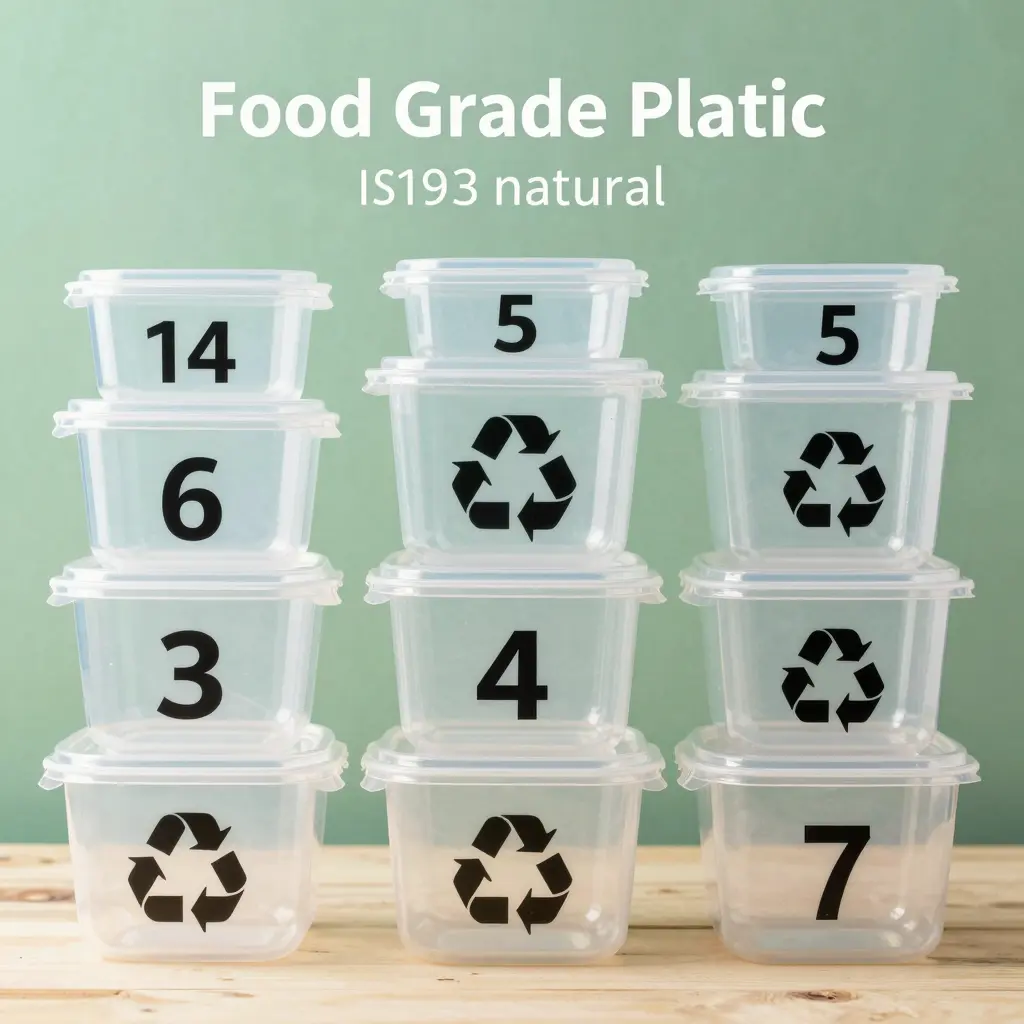
Understanding food grade plastic container numbers is essential for food safety and business reliability.