
Introduction
In today’s fast-paced world, disposable food containers have become essential for businesses in the food service industry, ranging from bubble tea shops to catering services. These containers not only enhance customer experience through convenience and hygiene, but they also contribute to operational efficiency for restaurant and event planning teams. As a result, working with leading disposable food container manufacturers is crucial for ensuring that your business remains competitive while adhering to modern demands.
Choosing the right disposable products helps foster a positive brand image and customer satisfaction-qualities that are paramount in retaining clientele and attracting new ones. Moreover, many manufacturers are now offering cost-effective solutions that save businesses money in the long run, without sacrificing quality.
In addition to being economical, disposable food containers can be part of an eco-friendly practice. With an increasing focus on sustainability, businesses can find biodegradable options that align with their goals to reduce environmental impact. Whether you are in charge of corporate procurement or operating a food truck, understanding the benefits of these products can help streamline your operations and enrich your service offerings. For more insights on sustainable packaging, visit our paper packaging collection. Explore our comprehensive range of take-away food containers to find the perfect match for your business needs.
Utilizing disposable food containers is not just about convenience; it is about creating a fulfilling experience for customers while promoting operational excellence and supporting eco-conscious initiatives. Discover how you can elevate your service with the right disposable solutions today!
The Benefits of Disposable Food Containers for Food Services
Disposable food containers have increasingly become essential for bubble tea shops, restaurants, food trucks, catering services, and event planners. Their benefits program is notable when it comes to convenience, safety, and eco-friendliness. Below are some specific advantages:
Convenience
- Ease of Use: Disposable food containers are designed for quick and easy serving. This is particularly advantageous in fast-paced environments like food trucks and restaurants where time is of the essence.
- No Cleaning Required: After use, these containers can simply be thrown away, eliminating the need for washing or drying, which saves both time and labor costs.
- Portability: Designed for takeout, disposable containers are lightweight and easy to transport, making them ideal for catering services and food deliveries.
Safety
- Hygiene Standards: Using disposable containers reduces the risk of cross-contamination since they are used once and discarded. This is critical in the culinary world, especially in light of health regulations.
- Non-toxic Materials: Many disposable food containers are made from non-toxic materials that do not leach harmful chemicals into food, ensuring a safer dining experience for consumers.
Eco-friendliness
- Biodegradable Options: Many manufacturers, like Green Dispo Pack, offer eco-friendly food containers made from materials that biodegrade quicker than traditional plastics, helping to reduce pollution.
- Meeting Consumer Demand: There is a growing consumer preference for sustainable products. Offering eco-friendly disposable options can enhance the brand image and attract environmentally conscious customers.
Cost-Effectiveness
- Reduced Labor Costs: While the initial cost of disposable food containers might seem higher, saving on labor costs associated with washing and restocking reusable containers can be significant.
- Flexibility for Various Menu Items: With a wide variety of disposable containers available in different sizes and shapes, businesses can easily find suitable options for their specific menu items, thus optimizing their service.
Conclusion
Using disposable food containers is not only beneficial for operational efficiency but also enhances food safety and aligns with eco-friendly practices. Investing in these products can help bubble tea shops, restaurants, food trucks, and event planners streamline their processes while keeping customer satisfaction high. Discover various paper packaging solutions that can suit your business needs today!
| Container Type | Features | Pros | Cons |
|---|---|---|---|
| Plastic | Made from polymers (e.g., PET, PP) | – Durable and strong – Variety of styles and sizes – Generally inexpensive |
– Environmental concerns due to slow degradation – Can leach chemicals if heated |
| Paper | Made from recycled or virgin paper | – Biodegradable – Lightweight and customizable – Good for branding |
– Less sturdy when wet – Can be more expensive than plastic |
| Compostable | Made from natural materials (e.g., PLA, sugarcane) | – Eco-friendly and biodegradable – Suitable for hot and cold items – Perceived as sustainable |
– Higher cost – May require specific composting facilities |
| Foam | Polystyrene foam containers | – Excellent insulation properties – Lightweight and cheap |
– Not biodegradable – Difficult to recycle |
| Biodegradable | Made from materials like cornstarch | – Breaks down naturally in the environment – Often comparable to plastic in strength |
– Can be more costly – Availability can be limited |
| Sugarcane | Made from sugarcane pulp, often used for bowls and plates | – Renewable resource – Compostable – Generally sturdy |
– Can be less durable than plastic – Limited shelf life in humid conditions |
Customer Testimonial
“The disposable tableware from Green Dispo Pack has transformed our catering services! Their products are not only high-quality and reliable but also allow us to serve our clients with confidence. We appreciate the eco-friendly materials they use, which add to our commitment to sustainability. Highly recommended!”
- A Satisfied Caterer
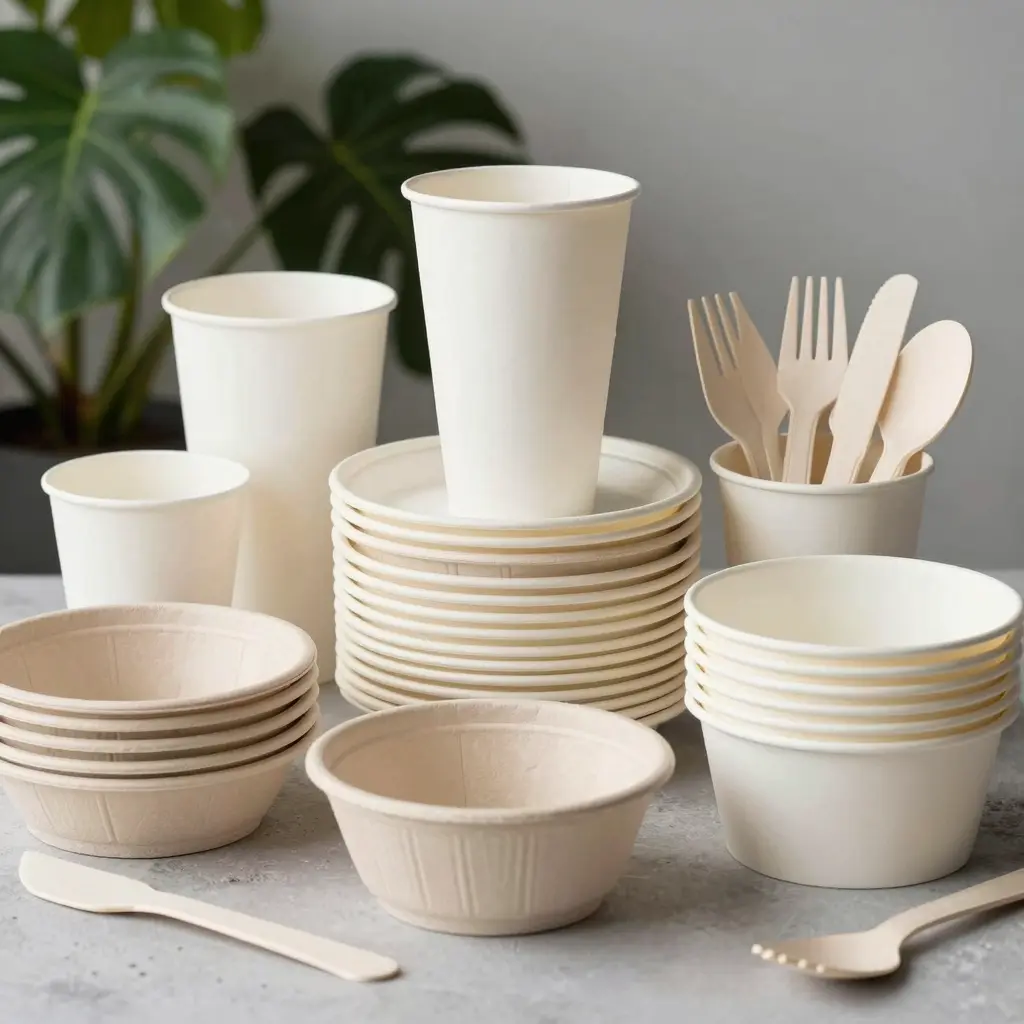
Learn more about our paper bowls and explore more ways to enhance your event catering with our reliable tableware solutions!
Eco-Friendly Practices in Manufacturing Disposable Food Containers
As the world becomes increasingly aware of environmental issues, the importance of eco-friendly practices in the manufacturing of disposable food containers cannot be overstated. These practices not only contribute to environmental sustainability but also enhance the reputation of businesses committed to corporate social responsibility (CSR).
Importance of Eco-Friendly Practices
Manufacturers of disposable food containers play a pivotal role in reducing waste and promoting sustainable materials. The adoption of eco-friendly practices helps to:
- Reduce Environmental Footprint: By utilizing materials that are biodegradable or recyclable, manufacturers can significantly lower their products’ impact on the environment. This shift is essential, especially considering that packaging waste is a major contributor to landfill overflow.
- Satisfy Consumer Demand: Increasing numbers of consumers prioritize purchases based on environmental performance. Brands that actively seek sustainable options can boost their appeal to eco-conscious customers, particularly millennials and Gen Z, who are leading the movement for sustainable consumption.
Sustainable Materials
Recent trends show a marked increase in the use of sustainable materials for disposable food containers:
| Year | Material Type | Adoption Rate (%) |
|---|---|---|
| 2020 | Bamboo | 25 |
| 2021 | Sugarcane Pulp | 30 |
| 2022 | Compostable Paper | 50 |
| 2023 | Recycled Materials | 40 |
These materials not only offer functional utility but also align with global sustainability goals. For example, sugarcane-based containers are touted for their ability to reduce reliance on fossil fuels. This is coupled with increased consumer awareness and demand for environmentally sound products.
Initiatives and Innovations
The push for sustainability has led to the introduction of various initiatives:
- Corporate Commitments: Many food service brands are now making public commitments to sustainability, highlighting efforts to use eco-friendly products and reduce plastic use in their operations.
- Innovations in Packaging: Companies like BIOFASE are pioneering techniques to convert agricultural waste into biodegradable packaging, further exemplifying how industries can innovate sustainably.
Attracting the Target Audience
For businesses engaging with startups, restaurants, food trucks, and corporate clients, embracing eco-friendly practices is a strategic move. It demonstrates a commitment to sustainability and social responsibility. This not only attracts clientele seeking to align with similar values but also enhances the company’s brand image.
Moreover, companies can leverage sustainable materials, such as those found in sugarcane tableware and recyclable paper containers, to tailor their offerings based on customer preferences.
Conclusion
In conclusion, the integration of eco-friendly practices in the manufacturing of disposable food containers is crucial in today’s market landscape. Emphasizing the use of sustainable materials not only addresses environmental challenges but also serves as a competitive advantage. Companies that adopt responsible practices can appeal to a growing base of environmentally aware consumers, ensuring they remain relevant and responsible in a changing world.
By embracing these changes, disposable food container manufacturers align themselves with broader ethical standards, appealing to businesses that value sustainability as part of their corporate ethos.
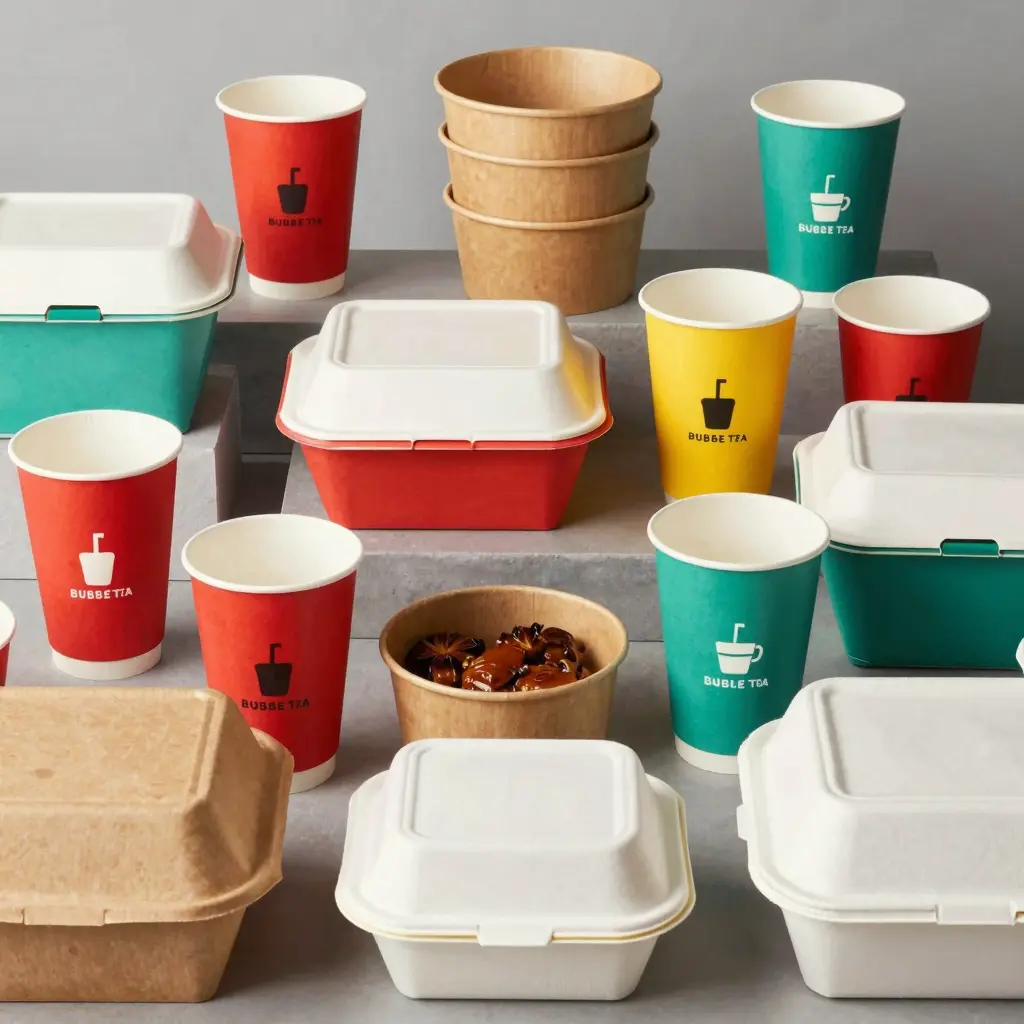
Conclusion: Embrace the Benefits of Reliable Disposable Food Containers
Choosing reliable disposable food containers is essential for any food service business, from bustling bubble tea shops to upscale catering services. The key benefits include:
-
Convenience – Disposable containers save countless hours in cleaning and sanitizing, allowing you to focus more on delivering delicious food and great customer experiences.
-
Hygiene – With single-use food containers, you significantly reduce the risk of cross-contamination, ensuring that your customers enjoy their meals with peace of mind.
-
Cost-Effectiveness – Eliminating the costs associated with cleaning reusable items not only saves money but also minimizes labor expenses.
-
Portability – Perfect for off-site events and deliveries, lightweight disposable containers are easy to stack and transport, ensuring that your culinary creations arrive safely.
-
Customization – With the option to customize containers, you can enhance your branding and marketing, making a lasting impression on your customers.
-
Variety – With so many options available, you can select the perfect containers for different types of food, guaranteeing that you meet the diverse needs of your clientele.
For those looking to elevate their food service with high-quality disposable packaging solutions, Green Dispo Pack offers an impressive range of containers tailored to meet your needs. Don’t miss the opportunity to enhance your service and ensure food safety with our products.
Contact Us for a Quote
If you’re ready to make the switch or upgrade your disposable food container options, contact us today for a quote! Explore our paper bowl options or check out our range of paper packaging to see how we can support your business.
In the modern food service industry, safety standards for disposable food containers are not just legal requirements; they are vital to ensuring consumer protection and maintaining business reputation. The primary safety standards that disposable food containers must meet include FDA compliance, proper material selection, and specific temperature resistance.
Key Safety Standards:
- FDA Compliance:
- The U.S. Food and Drug Administration (FDA) regulates food contact materials. Disposable containers must be made from materials that are safe for food contact and free from harmful chemicals. These materials are tested to ensure they do not leach hazardous substances into the food.
- Material Selection:
- Many disposable food containers are made of paper, plastic, or biodegradable materials. It’s crucial that these materials are appropriate for the type of food being served. For example, hot foods require containers that can withstand high temperatures without deforming or releasing toxins. Restaurants and food trucks must select containers that comply with safety standards, ensuring that the texture and temperature match the food served.
- Sustainability Standards:
- Growing environmental concerns have led to an increase in regulations regarding the sustainability of disposable food containers. Many restaurants and food service providers are now opting for eco-friendly options, which also often meet safety standards by using non-toxic, biodegradable materials.
- Temperature Control:
- Containers must also adhere to specific thermal resistance standards, ensuring they maintain food safety by keeping food hot or cold as required. Using the right type of container helps prevent the growth of harmful bacteria, which can occur if food is not kept at the appropriate temperature.
Importance for Businesses
Understanding and adhering to these safety standards is crucial for businesses in the food service industry. Failing to meet safety regulations can lead to significant consequences, including health violations, damage to brand reputation, and legal actions. Here are a few reasons why these standards are important:
- Consumer Trust: Compliance with safety standards builds consumer trust. Customers are more likely to purchase from businesses known for prioritizing food safety and environmental responsibility.
- Competitive Edge: Businesses that use compliant and eco-friendly disposable containers can differentiate themselves in a crowded market, appealing to environmentally-conscious consumers.
- Legal Compliance: Adhering to safety standards helps avoid fines and legal issues, ensuring smooth operation while focusing on quality service.
By investing in compliant and reliable disposable food containers, food service businesses can enhance their reputation while ensuring customer safety, making it a crucial part of their operational strategy. You can explore various paper bowl options and sustainable packaging solutions that align with these standards.
In conclusion, the emphasis on safety standards for disposable food containers is not only about fulfilling obligations but also about fostering a trustworthy relationship with consumers and ensuring the success and reliability of a food service business in an ever-competitive market.
Market Trends in Disposable Food Container Usage
The disposable food container market is witnessing significant growth, driven by the booming food service industry. As lifestyles become busier, the demand for convenient packaging solutions continues to expand. Here are some key market value projections for disposable food containers:
- In 2023, the market is expected to be valued at $4.8 billion.
- By 2025, this value is projected to surge to $29.21 billion.
- By 2035, the market could reach approximately $29.77 billion.
- The compound annual growth rate (CAGR) is estimated to be between 4.4% and 5.1%.
Key Growth Drivers:
- Increasing demand from the food service industry.
- Shift towards sustainable and biodegradable materials.
- The integration of smart packaging technologies.
The following chart illustrates the growth trends in the disposable food container market:

For more insights into sustainable options, check out our sugarcane tableware products.
For a range of eco-friendly packaging, visit our paper packaging section.
Key Considerations for Choosing the Right Disposable Containers
When selecting disposable food containers for bubble tea shops, restaurants, and caterers, several factors come into play. Here’s a friendly yet professional guide to help you make the right choice:
-
Material Type
Opt for eco-friendly materials such as PLA (polylactic acid) and recycled paper, which resonate with environmentally conscious customers. Traditional plastics are also an option but keep in mind potential environmental impacts. -
Size and Capacity
Choose containers that cater to various serving sizes, especially since bubble tea comes in multiple options. Ensure that the containers have the capacity to securely hold liquids without risk of leaks. -
Insulation
If you’re serving hot beverages, go for insulated containers or those designed specifically for hot drinks. This will prevent burns for the customer and also maintain the desired beverage temperature. -
Sealing and Lids
Secure lids are essential to prevent spills, particularly for takeout orders. Consider lids that are compatible with straws, as this is a common preference among bubble tea consumers. -
Cost Efficiency
Analyze your budget carefully. While high-quality containers might cost more upfront, bulk purchasing can save you money in the long run. Always aim for a balance between cost and quality. -
Aesthetic Appeal
Packaging can enhance your brand identity. Attractive designs and colors can attract attention and elevate the customer experience. Custom branding on your containers can enhance recognition.
By evaluating these considerations, you’ll ensure that your choice of disposable food containers not only meets functional requirements but also resonates with your brand values and customer expectations. For a wide selection of eco-friendly containers, check out our paper bowl collection and sugarcane tableware for more options.