
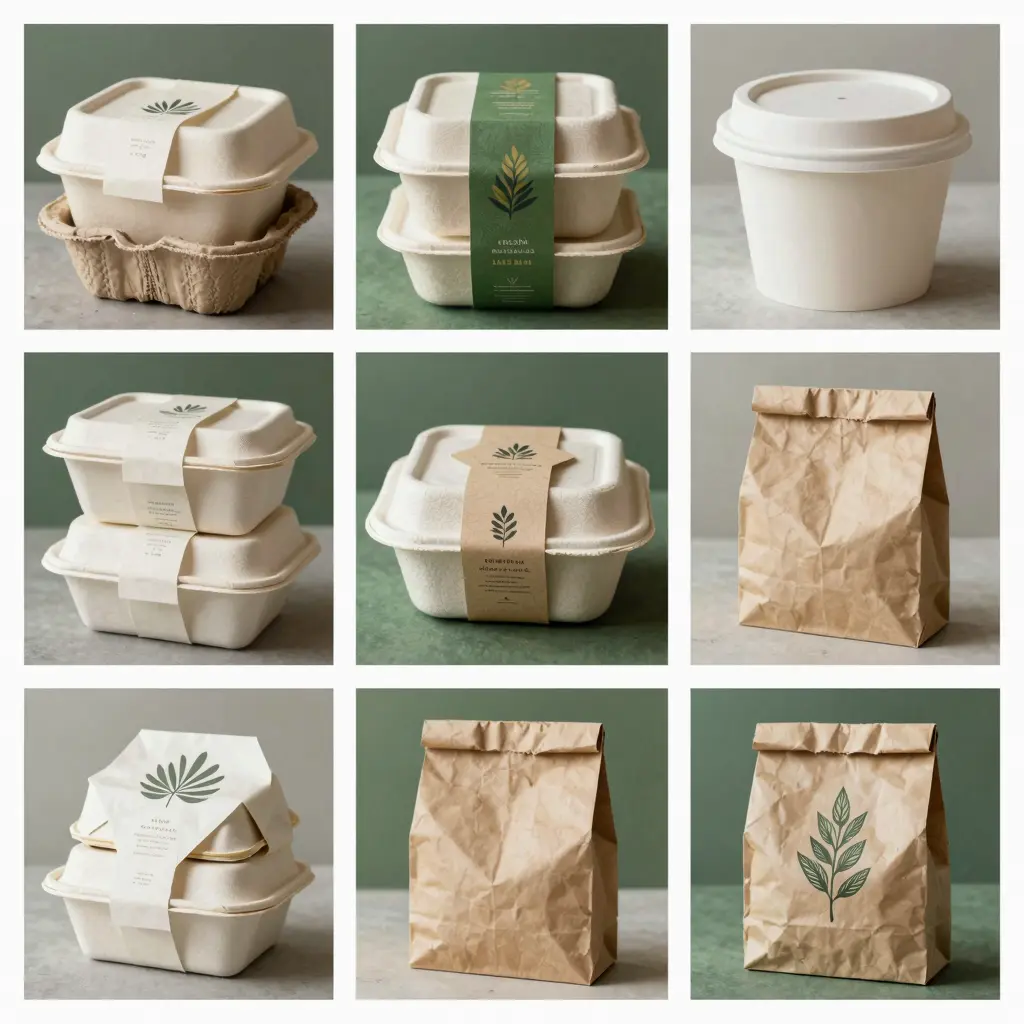
The Importance of Eco-Friendly Packaging in the Food Industry
In an era where sustainability has become a significant concern for consumers, eco-friendly packaging has taken center stage, particularly in the food industry. As bubble tea shops and restaurants increasingly look to reduce their environmental footprint, using sustainable materials is no longer just an option-it’s essential. This shift reflects the rising consumer demand for transparency and eco-conscious practices, with more diners actively seeking out brands that prioritize the planet.
Imagine sipping on your favorite bubble tea from a container that’s not only stylish but also made from biodegradable materials. This is no longer a dream but a reality for many businesses adopting eco-friendly solutions. By choosing sustainable packaging options, food establishments not only appeal to an eco-aware clientele but also contribute to reducing plastic waste that plagues our environment.
With various options available, including paper packaging and biodegradable alternatives, the transition to eco-friendly packaging can be both feasible and aesthetically pleasing. Moreover, this change fosters a positive brand image, attracting customers who value sustainability, thus potentially boosting sales and customer loyalty.
Join us as we explore an array of eco-friendly packaging examples that can elevate your food business while fostering a better environment, ensuring that as you serve delightful treats, you’re also playing a part in sustainability.
Dive into Eco-Friendly Packaging: Inspiring Examples for Your Food Business
In this section, we will explore a variety of eco-friendly packaging solutions designed specifically for food service that not only promote sustainability but also enhance your brand’s image. As restaurants, food trucks, and beverage chains strive to go green, these innovative packaging options will inspire you to elevate your eco-conscious efforts. From paper bowls to sugarcane tableware, we’ll highlight how each option contributes to a greener future while perfectly serving your customers’ needs.
Join us on this journey to discover how these sustainable choices can make a significant impact in your community and industry!
Eco-Friendly Packaging Materials for Food Businesses
Transitioning towards eco-friendly packaging is not just a trend; it’s a necessity for food businesses aiming for sustainability and consumer appeal. Below is a list of five eco-friendly packaging materials that can significantly benefit food service providers:
-
Compostable Packaging
Made from plant materials like corn starch, compostable packaging breaks down into natural substances, making it ideal for food businesses that want to minimize landfill waste. This type of packaging enhances a restaurant’s sustainability credentials and appeals to environmentally conscious consumers. -
Biodegradable Packaging
Similar to compostable options, biodegradable packaging is designed to decompose over time when exposed to elements like moisture and heat. This reduces plastic pollution and supports sustainable practices for food providers. -
Recycled Paper and Cardboard
Utilizing recycled paper for packaging not only reduces the demand for new materials but also helps conserve energy and water. Businesses can use recycled paper for boxes, bags, and containers, which resonate well with consumers prioritizing eco-friendly options. You can find a range of recycled paper products here. -
Reusable Containers
Reusable containers, such as glass or stainless steel, are a great investment for food services, allowing customers to take their meals on-the-go while reducing single-use waste. This promotes a circular economy and can even lead to cost savings for businesses by cutting down on packaging expenses. -
Plant-Based Packaging
Made from sustainable sources like sugarcane or bamboo, plant-based packaging is both stylish and functional. These materials are perfect for food containers and cutlery, providing an eco-friendly alternative to plastic packaging while ensuring food safety and quality.
Incorporating these materials not only meets growing consumer demand for sustainable options but also enhances a business’s brand reputation. For innovative choices in eco-friendly food packaging, check out our variety of products.
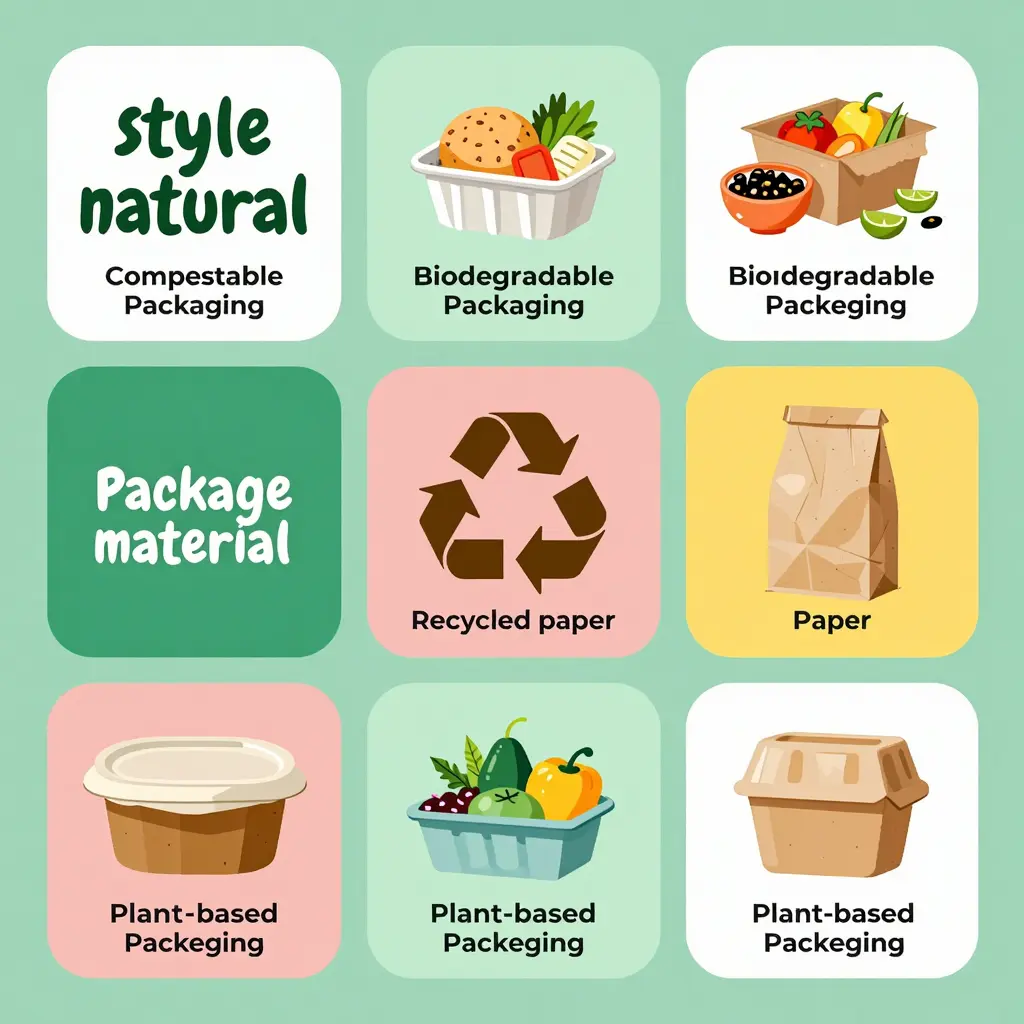
By adopting these eco-friendly packaging solutions, food businesses can lead the charge in environmental responsibility while engaging their customers with conscientious practices.
Eco-Friendly Packaging Case Studies in the Food Industry
As the demand for sustainable practices in food service continues to grow, several bubble tea shops and restaurants have taken significant steps to implement eco-friendly packaging solutions. Below, we highlight two notable case studies that showcase how these businesses have benefited from adopting greener packaging options.
1. Boba Bliss and Tea & Earth (Malaysia)
A recent case study on the bubble tea industry in Malaysia revealed two shops that have made remarkable shifts towards sustainability.
- Boba Bliss: This popular bubble tea chain replaced all plastic straws with compostable bamboo alternatives and transitioned to biodegradable cups made from sugarcane fiber. As a result of these changes, Boba Bliss achieved a staggering 75% reduction in plastic waste within just one year. Customers praised the eco-friendly initiatives, leading to a more loyal customer base.
- Tea & Earth: They focused on fully recyclable paper-based packaging printed with soy-based inks and partnered with local composting facilities. Their commitment resonates with the growing consumer demand for sustainable practices and garnered positive feedback, encouraging even more patrons to choose eco-conscious options over competitors.
2. Chai Point (Southeast Asia)
Chai Point, a leading bubble tea franchise, implemented a ‘Zero-Waste Cup Program’ in 2025, encouraging customers to bring their own reusable cups in exchange for discounts.
- They also switched to placing all takeaway orders in plant-based, home-compostable packaging. Following these initiatives, Chai Point reported a 60% reduction in single-use packaging waste. Furthermore, customer loyalty scores related to sustainability increased by 30%, demonstrating how eco-friendly practices can lead to enhanced customer experience and retention.
3. A California Restaurant Case Study
This fast-casual restaurant chain in Northern California transitioned from plastic and foam containers to compostable packaging derived from sugarcane-based bioplastics (PLA) and bamboo fiber.
- The switch resulted in a 68% reduction in landfill waste over six months. Additionally, customer feedback indicated a 72% increase in perceived environmental responsibility, allowing the restaurant to capitalize on this shift as a marketing tool. Their commitment to sustainability has not only helped the environment, but also attracted eco-conscious consumers, boosting brand loyalty.
Benefits of Switching to Eco-Friendly Packaging
These initiatives show that businesses can significantly reduce waste while also enhancing their image and customer relations.
- Customer Feedback: Many patrons appreciate the efforts to reduce environmental impact, leading to increased satisfaction and repeat visits.
- Sales Increase: Various businesses reported an uptick in sales as eco-conscious customers flock to places with identifiable green initiatives.
By exploring options like compostable containers, biodegradable straws, and revolutionary programs encouraging reuse, businesses can align their operations with consumer preferences and environmental responsibilities. To dive deeper, check out our eco-friendly paper packaging solutions for more ideas on making the switch.
| Packaging Material | Cost (Estimated per unit) | Durability | Sustainability Rating | Source |
|---|---|---|---|---|
| Kraft Paper | $0.10 | High (for dry goods) | 4.5/5 | Eco-Friendly Food Packaging Solutions |
| Sugarcane (Bagasse) | $0.15 | Medium (heat resistant) | 5/5 | Green Packaging Insights |
| Corn Plastic (PLA) | $0.20 | High (for greasy foods) | 4/5 | BASF at interpack 2023 |
| Bamboo | $0.25 | High | 4/5 | Sustainability in packaging 2023 – McKinsey |
| Palm Leaf | $0.30 | Medium | 3.5/5 | Ranking the Sustainability of Packaging Materials |
Key Insights:
- Kraft Paper: Known for its strength and biodegradability, it’s suitable for a variety of food types.
- Sugarcane (Bagasse): A sustainable choice that is compostable and ideal for oily foods due to its heat resistance.
- Corn Plastic (PLA): Versatile and suitable for different food types, but requires proper composting facilities.
- Bamboo: Offers a unique aesthetic and is highly durable, making it perfect for upscale dining options.
- Palm Leaf: While slightly expensive, it provides a unique, nature-friendly solution.
These options will not only help in reducing the environmental impact but also appeal to consumers looking for sustainable choices. For more information on specific products, you might want to check out sugarcane tableware or explore paper packaging options.
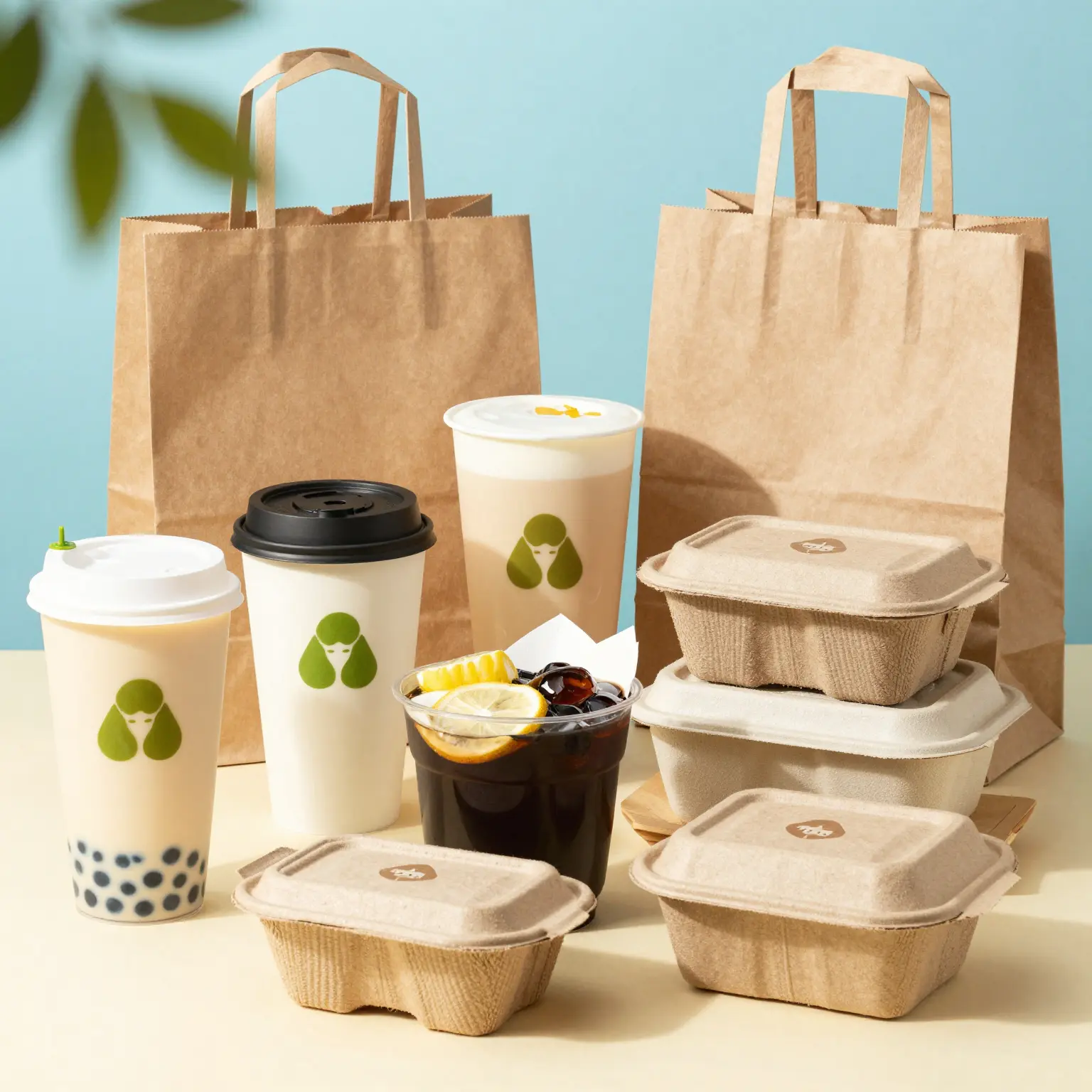
A visually appealing image showcasing a variety of eco-friendly food packaging options, suitable for items like bubble tea and takeaway meals. This vibrant and inviting representation captures the essence of sustainability in food service, which is perfect for bubble tea shops, restaurants, food trucks, and more.
Pros and Cons of Eco-Friendly Packaging in Food Services
The debate over eco-friendly packaging continues to gain momentum, especially in the food service industry. As businesses strive to align with sustainability goals, understanding the pros and cons of eco-friendly packaging becomes essential.
Pros of Eco-Friendly Packaging
-
Environmental Impact: Eco-friendly packaging significantly reduces environmental burdens. Materials like biodegradable plastics and recycled paper minimize plastic waste in landfills and oceans, lowering carbon emissions in the process. According to a study, businesses adopting eco-friendly packaging solutions can see a significant reduction in their carbon footprints due to decreased plastic usage and waste.
-
Customer Preference: Recent trends indicate that consumers increasingly favor brands that prioritize sustainability. Research shows that many customers are willing to pay extra for biodegradable and recyclable options. This change in preference signifies an opportunity for businesses to enhance their brand image and attract a dedicated customer base.
-
Regulatory Compliance and Standards: With cities and countries implementing stricter regulations around single-use plastics, utilizing eco-friendly packaging can help businesses stay ahead of compliance issues and avoid potential fines. For instance, guidelines published in Beijing emphasize the importance of recyclable and reusable materials, pushing food services towards sustainable solutions.
-
Long-term Cost Savings: While the initial investment for eco-friendly materials can be higher, businesses can save money in the long run. Switching to reusable and recyclable systems leads to lower waste disposal costs and promotes customer loyalty, which can translate into increased sales.
Cons of Eco-Friendly Packaging
-
Cost Factor: One of the primary drawbacks of eco-friendly packaging is that it often comes at a higher upfront cost compared to conventional options. For many food services, especially smaller operations, the initial outlay can pose a financial challenge. Though the potential for long-term savings exists, immediate budget constraints can limit transition capabilities.
-
Durability Issues: Some eco-friendly materials are less durable than their plastic counterparts. For example, while paper bags and containers are excellent for the environment, they may not support heavier items without reinforcement or risk tearing. This limitation can impact usability, especially for food items requiring sturdier packaging.
-
Limited Availability: Not all suppliers offer a wide range of eco-friendly packaging options. Depending on location, businesses may face challenges in sourcing suitable materials. Whether it’s finding the right biodegradable container for a soup or a specialized lid that aligns with eco-standards, availability can be an obstacle.
-
Consumer Perceptions: While many customers appreciate eco-friendly initiatives, there can be lingering perceptions about the quality or effectiveness of green alternatives. Ensuring customer education on the benefits of sustainable packaging is crucial for overcoming any skepticism associated with switching from traditional materials.
Conclusion
In summary, the transition to eco-friendly packaging presents both opportunities and challenges. While it enhances environmental responsibility and resonates with consumer values, businesses must navigate initial costs, material durability, and supply chain constraints. As the demand for sustainability continues to rise, food services that strategically adopt eco-friendly packaging solutions can enjoy enhanced brand loyalty and contribute positively to the planet. Learn more about our sustainable packaging options here.
Expert Quotes on the Importance of Eco-Friendly Practices
In today’s food industry, the impact of eco-friendly packaging cannot be overstated. Here are some insightful quotes from industry experts and sustainability advocates that emphasize the importance of adopting environmentally friendly practices:
“Eco-friendly practices are not just ethical choices-they are strategic imperatives for long-term business resilience and environmental preservation.”
- ResearchGate [2026]
“Every small eco-friendly action adds up to a massive impact when multiplied across communities and nations.”
- UN Environment Programme
“Sustainability is not a destination, it’s a journey; the Earth is what we all have in common. Let’s protect it together.”
- Various Sustainability Advocates
“By choosing sustainable packaging, we are not only protecting the environment but also enhancing our brand’s image and appealing to conscious consumers who are willing to pay a premium for eco-friendly products.”
- Industry Expert, McKinsey Report
“Adopting recycled materials in packaging significantly reduces the demand for virgin resources and lowers greenhouse gas emissions, making it an essential step towards a circular economy.”
- Industry Guide on Eco-Friendly Packaging
These quotes highlight why making eco-conscious choices in food packaging is crucial for both the environment and business longevity. For businesses in the food sector, such as bubble tea shops and restaurants, integrating sustainable practices can lead to brand loyalty and a positive impact on public health and the planet. If you’re looking for eco-friendly packaging options, check out our offerings on paper bowls and sugarcane tableware.
By fostering a sustainable approach, you contribute to a larger movement towards preserving our planet while satisfying the growing consumer demand for responsible practices.
Consumer Trends Towards Sustainable Packaging
Understanding consumer trends toward sustainable packaging is essential for food industry stakeholders. Recent studies highlight significant shifts in consumer preferences, especially among younger demographics.
Key Statistics:
| Consumer Trend in Sustainable Packaging | Percentage | Source |
|---|---|---|
| Willing to pay more for sustainable packaging | 74% | Boston Consulting Group, 2024 |
| Choose products based on sustainable packaging (Millennials & Gen Z) | >70% | Statista, 2024 |
| Prefer recyclable materials | 50% | MT.com, 2024 |
Overall Trend: Increasing consumer demand for environmentally responsible food packaging, driven by younger generations and a willingness to support sustainable options through purchasing behavior.
Visual Representation
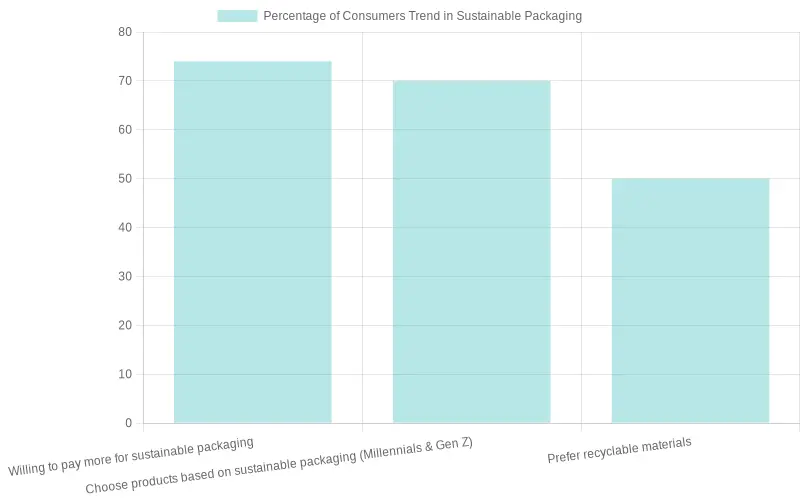
This bar chart illustrates the significant percentage of consumers inclined towards sustainable packaging options.
For more insights, check out eco-friendly paper packaging options and explore our range of sustainable food service supplies that cater to these trends!
Conclusion
These trends indicate a paradigm shift in consumer preferences, emphasizing the importance of eco-friendly practices in the food industry. Companies that adopt sustainable solutions stand not only to gain market share but also strengthen their brand loyalty among environmentally conscious consumers.
Conclusion: Embrace Eco-Friendly Packaging Today!
As we have explored throughout this article, the shift towards eco-friendly packaging is not merely a trend but a necessity for the future of the food industry. From reducing carbon footprints to enhancing brand reputation, the benefits are clear. According to a recent study, over 70% of consumers prioritize sustainability, demonstrating a collective demand for companies to adopt environmentally responsible practices.
In an age where consumers are increasingly willing to pay a premium-up to 20% more-for sustainable options, food businesses like bubble tea shops, restaurants, and catering services must heed this call. Utilizing biodegradable materials, such as sugarcane and recycled paper, not only meets consumer needs but also supports our planet’s health.
Your choice of packaging directly influences customer perception and loyalty. Partnering with a dedicated provider like Green Dispo Pack positions your business for success in a market that prioritizes eco-consciousness. With a wide array of products, from biodegradable cups to sustainable take-away boxes, we are equipped to meet your packaging needs while helping you uphold your commitment to the environment.
A greener future starts with the steps you take today. Don’t wait any longer-embrace eco-friendly packaging solutions with us, and join a growing community of brands that are making a difference. Together, let’s pave the way for a sustainable tomorrow, one package at a time. Reach out to us today and let’s create a customized packaging solution tailored to your business’s needs!