
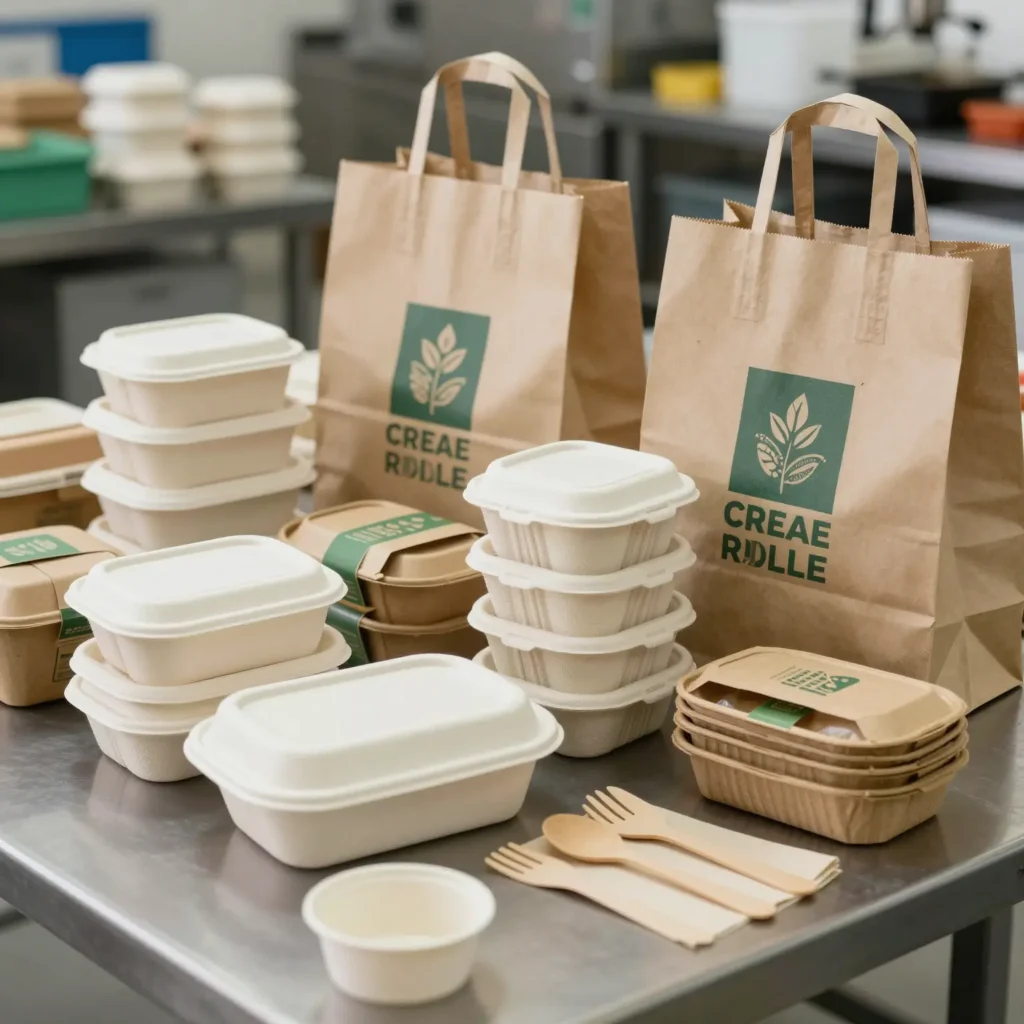
In today’s rapidly evolving food industry, the demand for eco-friendly packaging has never been more pressing. With an increasing number of consumers becoming environmentally conscious, companies that embrace sustainable solutions set themselves apart from the competition. According to a recent report, 85% of consumers indicate that sustainable packaging influences their purchasing decisions, making it not just an ethical choice, but a smart business strategy.
Wholesale businesses, such as bubble tea shops, restaurants, and food trucks, are ideally positioned to lead the change towards sustainability. Implementing eco-friendly packaging not only meets customer expectations but also addresses the stringent regulations aimed at reducing plastic waste. Innovative materials like biodegradable containers, recyclable paper bags, and plant-based tableware provide reliable alternatives that resonate well with today’s eco-aware clientele. Furthermore, adopting these solutions enhances brand reputation and can even lower operational costs through improved efficiency.
As we delve deeper into this topic, explore various options available for businesses aiming to make a sustainable shift, and discover how effective eco-friendly packaging can enhance both your brand and environmental stewardship-ideal for food-industry stakeholders looking for reliable resources and eco-friendly packaging options.
Benefits of Eco-Friendly Packaging for Food Wholesale Businesses
Using eco-friendly packaging has become increasingly vital for wholesale food businesses. Not only does it address environmental concerns, but it also aligns with consumer preferences and can enhance overall profitability. Here are some key benefits to consider:
Sustainability
- Reduction in Waste: Eco-friendly packaging is often biodegradable or recyclable, significantly reducing landfill waste and promoting a circular economy.
- Compliance with Regulations: Many regions have implemented strict regulations regarding packaging. Utilizing sustainable materials helps businesses remain compliant with laws such as Extended Producer Responsibility (EPR) in Europe.
Customer Preference
- Growing Demand for Sustainable Options: Reports indicate that 73% of consumers are willing to pay more for sustainable packaging, reflecting a strong preference for eco-friendly choices in the market. Therefore, businesses adopting eco-friendly packaging can attract more customers (learn more about sustainable packaging trends).
- Enhanced Brand Loyalty: Offering eco-friendly products helps build brand identity. Customers are more likely to remain loyal to brands that reflect their values on sustainability.
Cost-Effectiveness
- Long-Term Savings: Although initial costs for eco-friendly packaging can be higher, they often lead to long-term savings through reduced shipping expenses and improved logistics. For instance, lightweight materials lower transport costs and carbon emissions.
- Marketing Advantages: Customizable eco-friendly packaging not only enhances product visibility but also doubles as marketing tools, showcasing commitment to sustainability (check out eco-friendly packaging options).
Additional Benefits
- Improved Product Freshness: Many sustainable packaging materials, such as food-grade laminated kraft paper, provide excellent protection against moisture and oxygen, preserving product quality while demonstrating a commitment to sustainability.
- Increased Visibility: Features like transparent windows in eco-friendly packaging improve product visibility, aiding in attracting more buyers.
By adopting eco-friendly packaging, food wholesale businesses can thrive sustainably while meeting consumer demands and improving their bottom line.
Comparing Eco-Friendly Packaging Materials
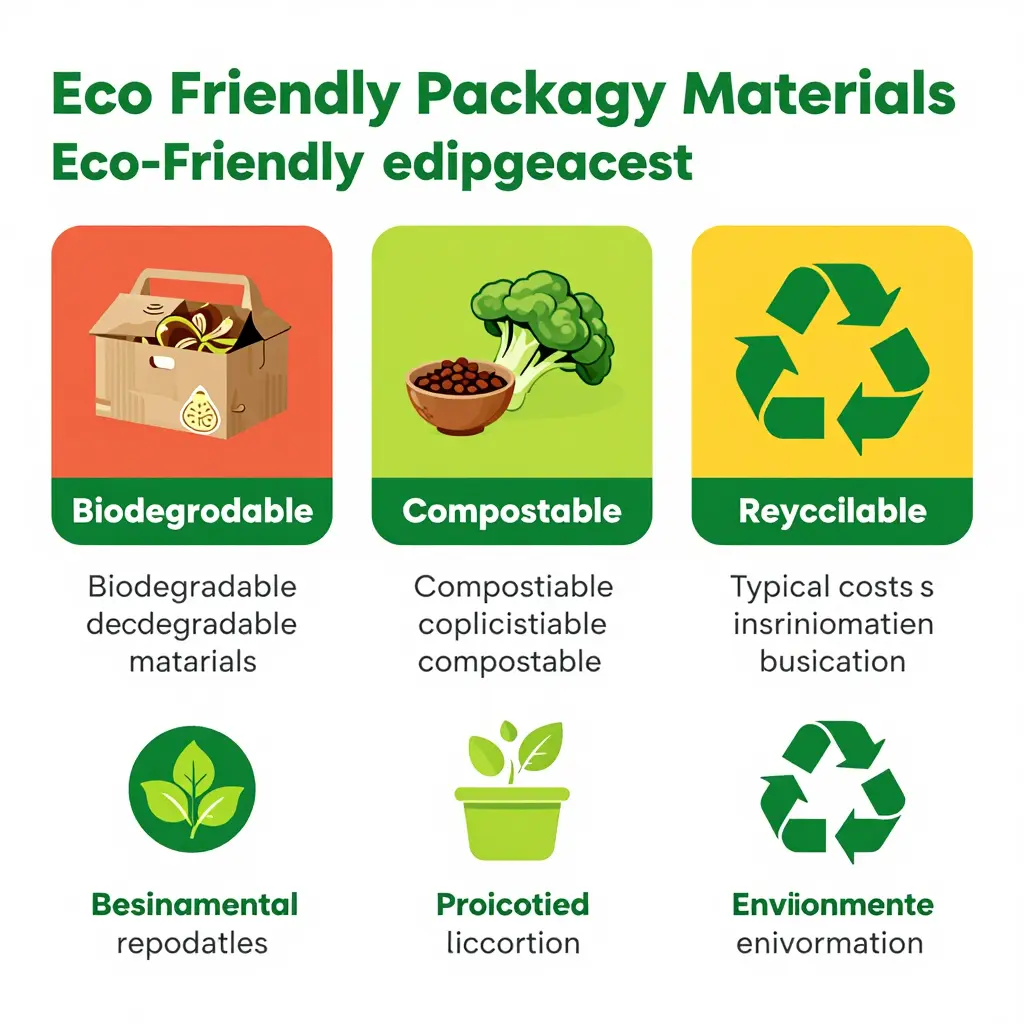
When it comes to sustainable packaging, there are several eco-friendly materials that food wholesalers can choose from. This comparison table summarizes the properties, costs, and environmental impact of three popular materials: biodegradable, compostable, and recyclable packaging.
| Packaging Material | Properties | Typical Cost | Environmental Impact |
|---|---|---|---|
| Biodegradable | Breaks down through biological means | 15%-30% higher than traditional plastics | Decomposes within months under the right conditions, may leave microplastics if not managed properly. |
| Compostable | Can decompose into organic matter | 20%-25% higher than traditional plastics | Fully decomposes in industrial composting within 90 days, but requires specific conditions. |
| Recyclable | Can be reprocessed into new products | Costs vary widely; typically lower than biodegradable options | Reduces waste and conserves natural resources, but dependent on proper recycling systems. |
This table provides a clear visual summary of the differences between these materials, helping businesses like bubble tea shops, restaurants, and food trucks to make informed decisions about their packaging choices.
For more insights into eco-friendly packaging options, check out our paper cup products or explore our range of paper packaging options.
Industry Statistics on Eco-Friendly Packaging in Food Wholesale
Recent insights into the eco-friendly packaging trend in the food wholesale sector reveal significant adoption rates and shifting consumer preferences. According to a report by McKinsey & Company, as of 2023, over 70% of large food wholesale companies have integrated sustainable packaging into their procurement strategies, with 65% achieving at least one key material switch to greener alternatives, such as biodegradable containers or recycled cardboard. Notably, 85% of consumers indicated that the sustainability of packaging influences their purchasing decisions, demonstrating the demand for eco-friendly solutions.
Moreover, the global production of bioplastics has also surged; 43% of this has been allocated to packaging, which includes significant applications in food wholesale. This trend is further accelerated by stricter regulations in regions like the EU and North America, pushing wholesalers to adopt sustainable practices more rapidly.
For more sustainable packaging options, check out our range of paper packaging products.

Regulatory Compliance and Safety Standards in Food Packaging
In today’s food industry, adherence to regulatory compliance and safety standards is paramount for packaging, particularly as businesses strive to embrace eco-friendly materials. The Food and Drug Administration (FDA) enforces stringent regulations on food contact substances, ensuring that materials used in packaging do not pose a risk of contaminating food. According to the FDA, all food packaging materials must undergo thorough evaluations to confirm they do not migrate harmful substances to food products (source).
In recent developments, numerous new safety standards have been established to enhance food safety, such as the new regulations covering food contact materials recently introduced in China. These include mandates on plastics, metals, and even inks used in food packaging, highlighting the need for compliance across materials used for packaging (source). Companies can utilize eco-friendly packaging options, like recycled paper and biodegradable plastics, which are increasingly meeting these safety standards while contributing to sustainability.
For example, innovations in biodegradable materials, such as cellulose bio-plastic, not only fulfill food safety standards but also boast certifications meeting environmental regulations (source). Products such as recyclable greaseproof paper bags are designed for safety in food service while allowing customization for branding (source).
Selecting eco-friendly packaging not only helps businesses comply with safety standards but also demonstrates a commitment to responsible sourcing and sustainability, which increasingly resonates with consumers looking for green alternatives.
Projected Growth of Eco-Friendly Packaging Market
The eco-friendly packaging market is set to experience significant growth in the coming years. As more food wholesale businesses move towards sustainable practices, the urgency to adopt eco-friendly packaging has never been greater. Here’s a visual representation of the projected market growth from 2024 to 2028, showcasing the increasing value and importance of sustainable packaging solutions.
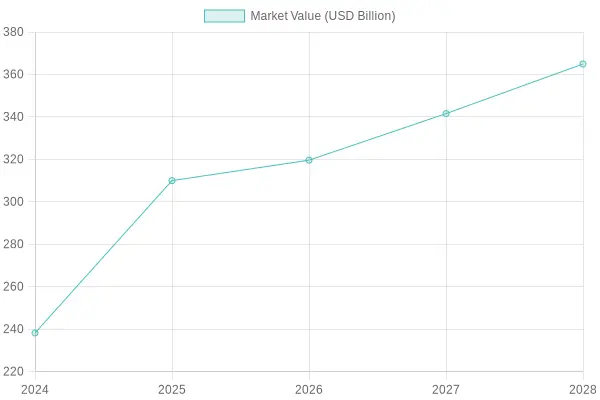
Image illustrating projected growth in the eco-friendly packaging market.
Market Value Projection
| Year | Market Value (USD Billion) | Growth Rate (YoY) |
|---|---|---|
| 2024 | 238.2 | – |
| 2025 | 310.0 | ~30.1% |
| 2026 | 319.62 | ~3.1% |
| 2027 | 341.56 | 6.8% |
| 2028 | 364.94 | 6.8% |
This growth demonstrates a clear trend towards sustainability in the food wholesale sector, underlining the need for businesses to adapt their packaging strategies to meet consumer demand for eco-friendly options. For more sustainable packaging solutions, check out our paper packaging options.
Examples of Businesses Successfully Using Eco-Friendly Packaging
Switching to eco-friendly packaging not only enhances sustainability but also benefits businesses in numerous ways. Here are some notable case studies:
-
Nestlé Philippines: In 2020, Nestlé Philippines achieved “plastic neutrality” by recovering and recycling an equal amount of plastic to what they used in packaging. This initiative greatly reduced plastic waste and established a closed-loop system for sustainability. Learn more here.
-
Sustainable Restaurant Group: A national chain transitioned from traditional plastic containers to innovative, biodegradable food containers, resulting in a 73% reduction in plastic waste. This not only improved their sustainability credentials but also increased customer satisfaction and loyalty.
-
Green Culinary Ventures: This catering service adopted eco-friendly packaging made from potato starch and compostable materials, reducing overall costs by 15% due to lower waste management fees and boosted their client base by appealing to environmentally-conscious clients. Explore more sustainable packaging options.
These examples illustrate how commitment to sustainable practices leads to positive environmental and business outcomes.
“Transitioning to eco-friendly packaging is critical in combating plastic pollution. According to sustainability experts, 72% of consumers are willing to pay extra for sustainable packaging, making it a strategic business advantage and not just a compliance mandate.”
- DHL Global Forwarding
Eco-friendly packaging is becoming essential in the food industry. Alongside meeting consumer expectations, it helps reduce waste and enhance brand reputation. For innovative solutions, check out our paper packaging options.
Conclusion and Call to Action
In today’s rapidly evolving food industry, the shift towards eco-friendly packaging is not just a trend; it is a necessity. As consumers become increasingly aware of and concerned about environmental issues, their preferences lean heavily towards sustainable options. Recent studies indicate that 72% of consumers are willing to pay extra for products that utilize sustainable packaging. Furthermore, about 45% of consumers prioritize eco-friendly packaging in their purchasing decisions-a clear signal for food industry stakeholders to adapt to these changing preferences.
Embracing eco-friendly packaging solutions alleviates not only environmental concerns, such as plastic waste, but also bolsters brand reputation. Businesses that pivot to sustainable materials can significantly enhance their market competitiveness while satisfying regulatory requirements. For instance, brands like Yili have gained recognition for employing green packaging materials that not only reduce plastic usage but also appeal to environmentally conscious consumers. This illustrates the potential for eco-friendly packaging to create a positive cycle of consumer loyalty and brand loyalty, driving further success.
By choosing Green Dispo Pack for your packaging needs, you are investing in a sustainable future. Our extensive range of eco-friendly options designed specifically for food wholesale, including sugarcane tableware, paper packaging solutions, and biodegradable products, ensures that you can provide to your customers without compromising on sustainability.
Make the switch today and become a part of the green revolution in the food industry. Together, we can make a difference-one eco-friendly package at a time. Visit Green Dispo Pack to explore our product offerings and see how easy it is to implement sustainable packaging in your business.