
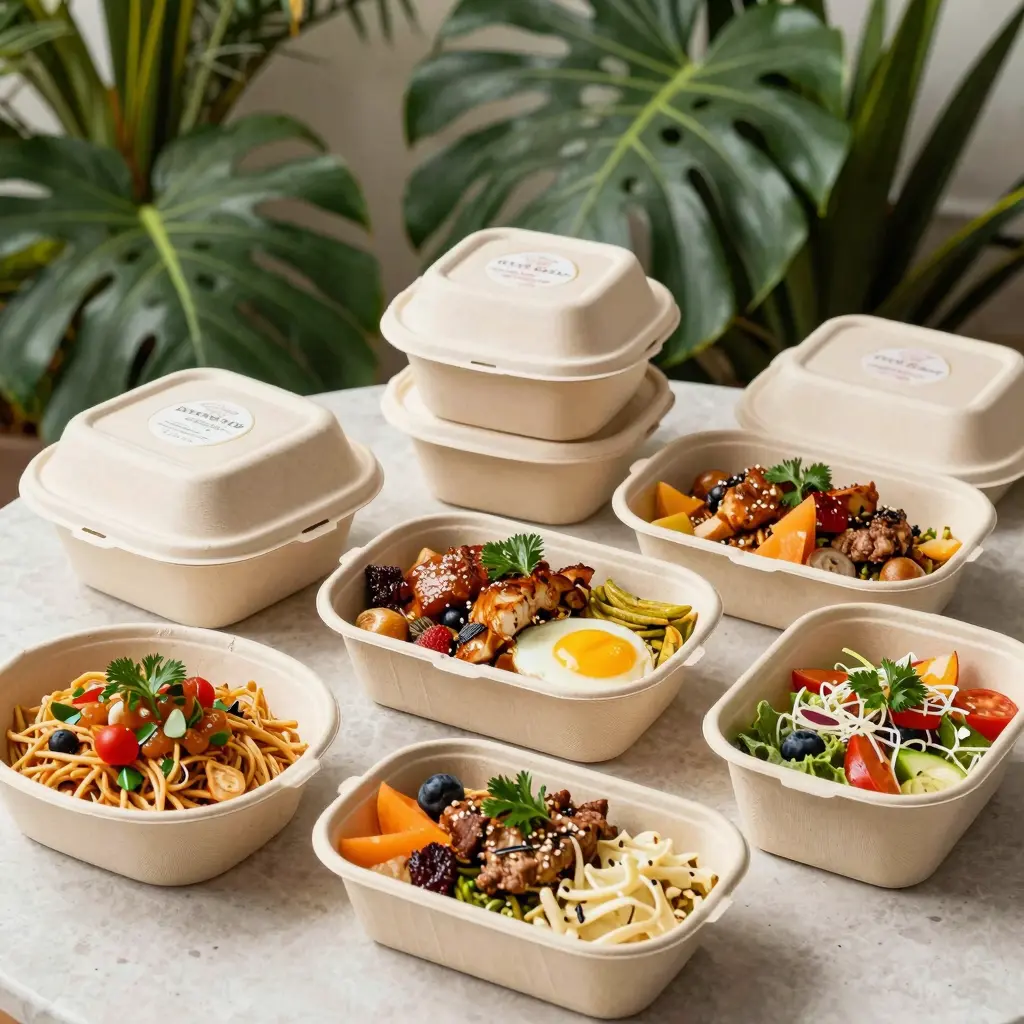
In today’s increasingly eco-conscious world, the food service industry finds itself at a critical intersection. Customers are demanding sustainable practices and products, driving the need for innovative solutions like biobased disposable food containers. These eco-friendly packaging options not only help reduce our carbon footprint but also cater to the growing trend of sustainability in dining experiences. As restaurants, food trucks, and bubble tea shops look to enhance their brand image and attract environmentally aware customers, embracing sustainable tableware becomes essential. With a variety of choices available, from sugarcane food containers to paper packaging solutions, the transition to greener alternatives is more accessible than ever, ensuring that the food service sector can delight customers while protecting our planet.
Benefits of Biobased Disposable Food Containers
Biobased disposable food containers offer a plethora of benefits, making them an excellent choice for businesses like bubble tea shops, restaurants, and catering services. Below are some key advantages:
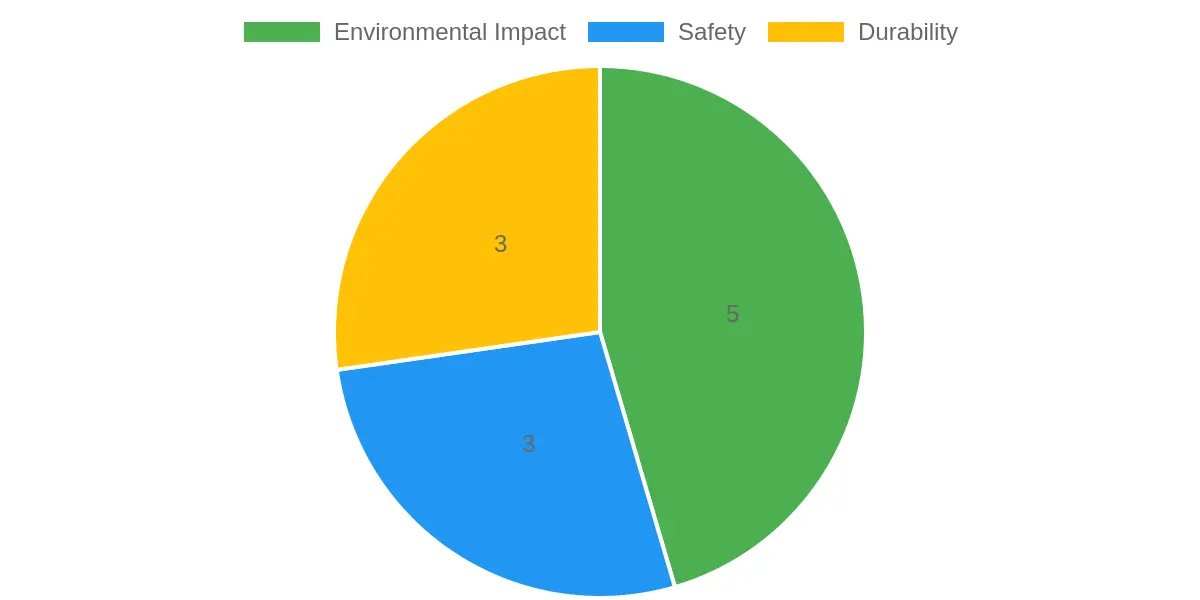
Environmental Impact
- Reduction in CO2 Emissions: Biobased containers can reduce CO2 emissions by approximately 80% compared to traditional plastic containers. This helps to combat climate change.
- Less Toxic: They are made from agricultural materials such as cellulose and hemp, resulting in a significantly lower negative impact on human health.
- Fully Compostable and Biodegradable: Unlike conventional plastics, these containers can decompose naturally, minimizing landfill waste and environmental pollution.
Safety
- Food Contact Safety Certified: Biobased containers meet rigorous safety standards, ensuring that they are safe for food contact.
- Enhanced Workplace Safety: Using less toxic materials reduces potential health risks for employees handling food containers.
Durability
- Heat Resistance: Many biobased containers can withstand high temperatures of up to 100°C (212°F), making them suitable for hot foods and beverages.
- High Performance: They are designed to be durable and can maintain their integrity during transportation and handling.
Visual Overview
Here’s a chart summarizing the key features of biobased containers:
For more information on sustainable packaging options, check out our paper bowl selection or explore other biobased food container solutions.
Biobased Disposable Food Containers: A Sustainable Choice
In recent years, the food industry has seen a shift towards eco-friendly packaging solutions. Biobased disposable food containers, made from renewable sources such as sugarcane and paper, are becoming the go-to choice for many restaurants and catering services. They offer numerous benefits, including:
- Environmental Impact: Reduces plastic waste and promotes sustainability.
- Variety of Uses: Perfect for serving anything from hot soups to cold salads, these containers cater to diverse menu options.
- Consumer Preference: As more consumers look for sustainable options, adopting these containers can enhance brand loyalty.
For a closer look at our offerings, check out our paper bowls and sugarcane food containers.
An array of biobased food containers in a vibrant restaurant setting.
Market Trends in Sustainable Packaging
Sustainable packaging, particularly biobased solutions, have gained significant traction in the foodservice sector. As consumer awareness of environmental issues grows, restaurants, food trucks, and catering services are increasingly seeking eco-friendly options to meet customer expectations. Here are some key trends shaping this market:
Growing Demand for Biobased Packaging
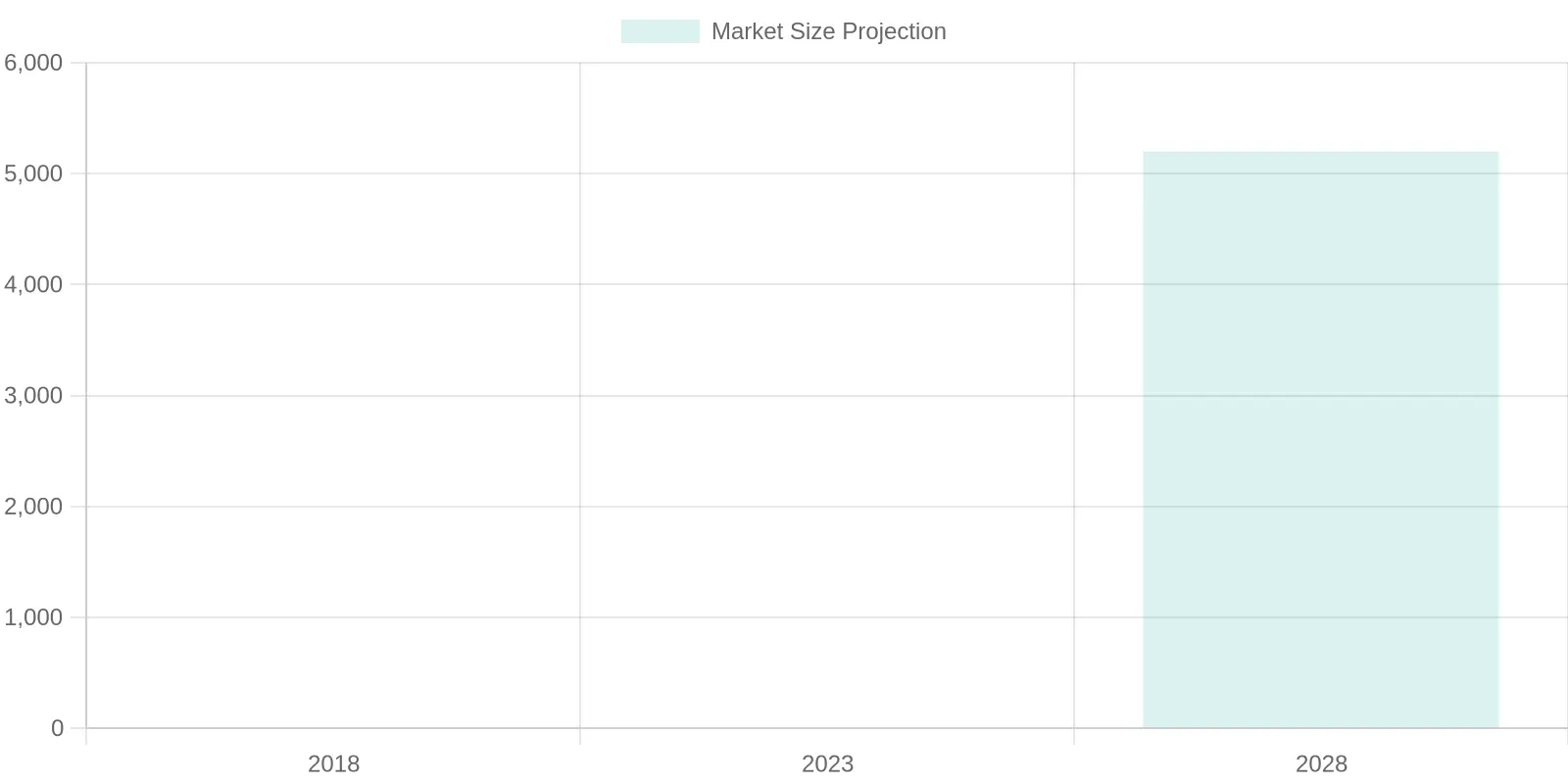
According to a report from LinkedIn, the biobased food packaging coating market in the United States has experienced a robust growth rate of approximately 8% CAGR from 2018 to 2023. This growth is driven by a rising demand for sustainable solutions across foodservice and retail sectors. The projected market size for biobased packaging is expected to reach $5.2 billion by 2028, illustrating the expanding opportunity for companies.
Consumer Preferences Shift Towards Sustainability
Recent statistics reveal that 64% of consumers are willing to pay more for sustainable packaging, demonstrating a growing consumer trend towards eco-friendly products. Additionally, a survey noted that 160% of households expressed a preference for sustainable packaging, correlating with a 15% increase in sales of such products.
These figures indicate that businesses, including bubble tea shops and catering services, should consider incorporating biobased disposable food containers in their offerings. Products like sugarcane food containers and paper bowls can not only enhance their brand image but also attract environmentally conscious consumers.
Conclusion
The push towards sustainable packaging is no longer a trend but a significant transformation in the foodservice industry. Companies that embrace these changes can meet consumer demands while contributing positively to the environment. Investing in biobased solutions is a step towards sustainability that reflects positively on both brand reputation and customer satisfaction.
Compliance and Safety Standards
Biobased disposable food containers are designed to meet rigorous safety and environmental standards, ensuring they are safe for both consumers and the planet. Key regulations, such as the FDA’s Good Manufacturing Practices (GMP), govern the purity and allowable use levels of food contact substances, which biobased materials must comply with to be deemed safe for food service applications. Additionally, compliance with ASTM D6400 ensures that products marketed as biodegradable meet necessary decomposition standards in composting facilities.
Furthermore, certification bodies like TÜV SÜD and the BPI (Biodegradable Products Institute) provide third-party evaluations. BPI certifications confirm that products break down effectively in managed composting environments, promoting landfill diversion. Recognizing bio-based products that align with EN 13432 standards further emphasizes their environmental integrity.
The importance of utilizing certified products cannot be overstated. Not only do they help in minimizing environmental impact, such as reducing landfill waste, but they also cater to growing consumer preferences. Statistics indicate that 72% of consumers prefer brands that utilize eco-friendly packaging. By choosing certified biobased packaging, businesses enhance their reputation and support sustainable consumption practices.
For businesses looking to explore eco-friendly packaging options, Green Dispo Pack offers a diverse range of compliant products to meet their environmental goals.
Comparison Table: Biobased vs Traditional Containers
To help you make informed decisions on disposable food containers for your business, we present a comparative overview of biobased containers versus traditional petroleum-based options. This table focuses on critical aspects such as sustainability, cost, and performance:
| Feature | Biobased Disposable Food Containers | Traditional Petroleum-Based Containers |
|---|---|---|
| Sustainability | Compostable, reduces carbon emissions | Recyclable, but often not recycled |
| Cost | 20-30% more expensive, lifecycle savings may outweigh | Generally lower initial cost |
| Performance | May degrade faster under certain conditions | More durable, longer degradation times |
With an increasing focus on sustainability, businesses are leaning towards biobased options that minimize environmental impact. For more options on sustainable packaging solutions, check out our range of paper bowls and other eco-friendly products. Incorporating these can also enhance your business’s green credentials and consumer appeal.
User Testimonials on Biobased Disposable Food Containers
Biobased disposable food containers have been gaining traction among restaurants, catering services, and food vendors for their effectiveness and environmental benefits. Below are some insightful testimonials from satisfied users:
“At Butter Bakery Cafe, our shift to biobased containers reflects our commitment to sustainability. While takeout increased our use of disposables, going green has improved our brand image and customer loyalty.” – Daniel Swenson-Klatt, Owner. Read more here.
“I love using biodegradable options in my food truck! Customers appreciate knowing their meals come in eco-friendly packaging. It’s a win-win for my business and the environment.” – Local food truck owner (Anonymous).
These quotes highlight the reliability and positive impact of biobased containers, not only on operations but also on customer perception. As users recognize the role of these containers in waste reduction and environmental stewardship, their popularity continues to rise, making them an excellent choice for businesses looking to adopt greener practices. For more options, check out our extensive selection of paper packaging.
Tips for Choosing Biobased Disposable Containers
Selecting the right biobased disposable containers is essential for food businesses aiming to enhance sustainability while maintaining functionality. Here are some practical tips to consider:
1. Evaluate Size Requirements
Consider the types of food items you will serve and choose containers that accommodate those. From small cups for beverages to larger bowls for salads, sizing impacts both presentation and usability.
2. Choose the Right Shape
The shape of the container can influence how well your food is displayed and how easy it is to handle. Rectangular boxes might be ideal for sandwiches, while round containers can be better for soups or salads.
3. Consider Usability Features
Look for features that enhance convenience, such as leak-proof designs or microwavable options. These can add significant value for your customers, whether they’re taking food on the go or reheating leftovers.
4. Prioritize Material Sustainability
Ensure the biobased containers are made from renewable resources. This not only supports environmentally conscious practices but can also enhance your brand’s appeal.
5. Analyze Cost Effectiveness
While biobased containers may be pricier than traditional plastics, consider the potential return on investment through customer loyalty due to sustainability. Maintaining competitive pricing is crucial, so source suppliers wisely.
6. Know Your Customers’ Preferences
Stay attuned to consumer trends toward sustainable packaging. Increasingly, customers prefer restaurants that provide eco-friendly options, making this a vital consideration for your purchasing decisions.
For further exploration of options like paper bowls or sugarcane containers, visit our selection at Green Dispo Pack!
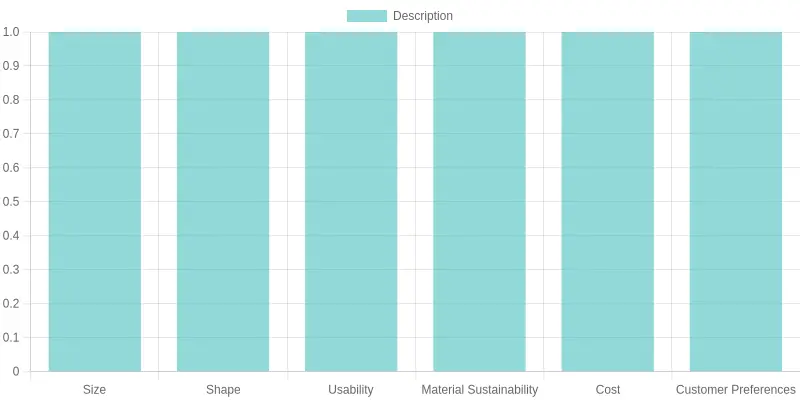
These factors will guide you in selecting the ideal biobased disposable containers tailored to your business needs and customer expectations.
Conclusion
In conclusion, biobased disposable food containers are not just a trend but a practical choice for businesses looking to align with sustainability goals. They stand out by reducing reliance on fossil fuels, minimizing greenhouse gas emissions, and offering a biodegradable alternative to traditional plastic containers. The growing acceptance among bubble tea shops, restaurants, food trucks, catering services, and event planners signals a shift towards environmental responsibility in the food service industry.
As highlighted, the market for biobased food packaging is thriving, with a predicted annual growth rate of approximately 8% over the next five years (source: Strategic Insights into Global Biobased Food Packaging Coating). By incorporating these eco-friendly solutions, your brand can not only exceed customer expectations but also contribute positively to the environment.
Take the first step towards sustainability today. Explore our extensive range of biobased food containers on our website, Green Dispopack, and reach out for a tailored quote that meets your specific needs. Let’s work together to pave the way to a greener future!
User Adoption of Biobased Disposable Food Containers in 2023
In recent years, the foodservice industry has witnessed a noteworthy shift towards sustainable packaging, particularly with biobased disposable food containers. These eco-friendly alternatives, derived from renewable materials like cornstarch and sugarcane, are gaining momentum among various foodservice businesses, including restaurants, food trucks, and catering services.
Adoption Statistics
A report from Zanbio Group highlights that restaurant chains and food delivery platforms are increasingly opting for biobased containers that are 100% compostable and biodegradable. This trend reflects a growing consumer preference for sustainable options, driven by a heightened awareness of environmental impacts associated with traditional plastic packaging. The North Sea Jazz Festival, for instance, has announced a transition to using exclusively biobased materials for their food packaging, setting a precedent for other foodservice organizations to follow. This indicates a broad industry shift as companies aim to align with consumer expectations for eco-friendly practices.
Moreover, a study conducted on consumer preferences revealed that while the commercial use of bioplastics remains low, there is a significant interest in adopting biobased disposables as a viable solution for reducing environmental impact. As convenience becomes a priority for consumers, the demand for sustainable yet affordable packaging solutions is expected to increase.
Growth and Benefits
The market for biobased disposable food containers is also witnessing impressive growth. Businesses are prioritizing eco-friendly solutions not only to meet consumer expectations but also as part of a broader strategy to enhance their brand image. According to sources, only about 3% of traditional disposable tableware is recycled, highlighting the urgency for alternative materials that contribute to higher recycling rates.
The shift to biobased products not only promises a lower carbon footprint but also presents options for improved waste management in foodservice settings. As highlighted by various industry experts, using renewable materials can significantly decrease pollution connected with disposable products, creating new business opportunities within the sustainable packaging market.
Conclusion
The momentum behind biobased disposable food containers is indicative of a positive shift within the foodservice industry towards sustainability. This is a crucial step forward, benefiting both the environment and enhancing the operational image of foodservice providers. To explore a variety of options available for sustainable packaging, browse our paper and sugarcane packaging products.
By adopting biobased containers, businesses not only cater to consumer preferences but also contribute significantly to reducing waste and protecting our environment.