
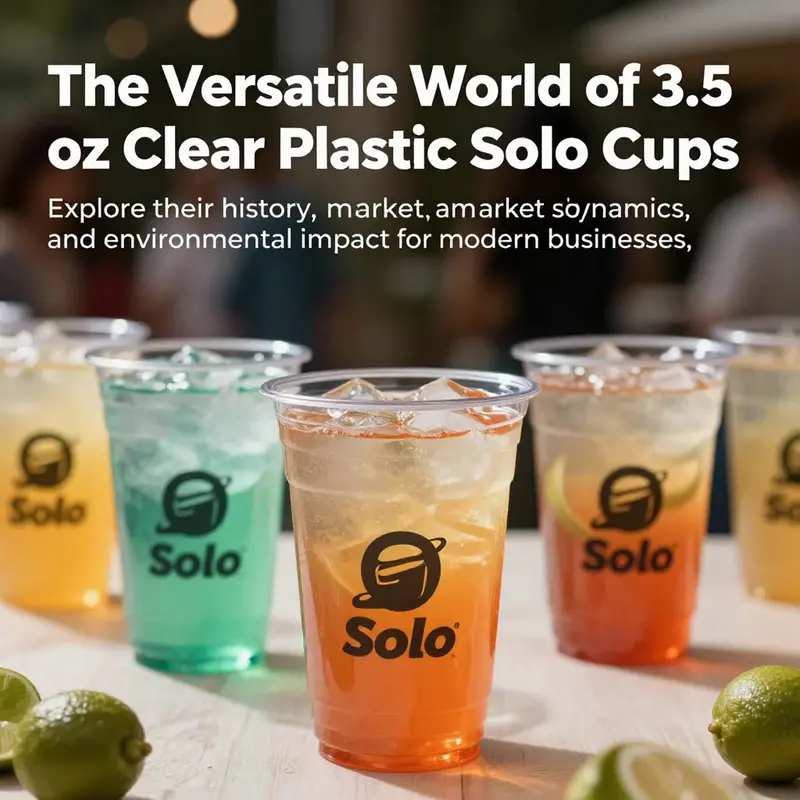
The rise of the 3.5 oz clear plastic Solo cups marks a significant trend particularly favoring businesses in the beverage and catering industries. Their compact size is perfect for controlling portions, making them an ideal choice for shops, food trucks, and event planners. The historical context of these cups shows how they evolved from simple disposable options to multifunctional solutions, while the market analysis presents insights into the current demand and consumer preferences driving their popularity. Additionally, as businesses increasingly focus on sustainability, examining the environmental ramifications of plastic use highlights the industry’s shift towards greener alternatives. Each chapter delves deeper into these facets, providing a holistic understanding crucial for stakeholders in the beverage and food service sectors.
Small Cups, Big Impact: The Development and Practical Role of 3.5 oz Clear Plastic Cups
A focused legacy of design, portioning and presentation
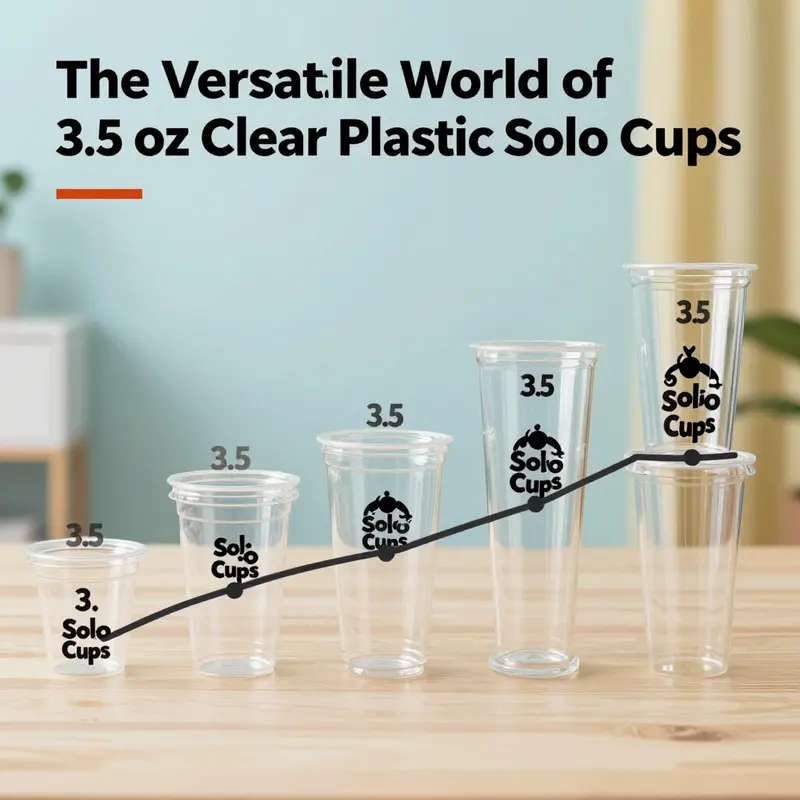
The 3.5 oz clear plastic cup occupies a precise niche in food and beverage service. It balances measurement and display. It serves small pours, tastings, and plated desserts with equal ease. Its compact form and transparent walls make it a quiet solution for events, sampling stations, and controlled-portion menus. While a formal archive tracing the origin of this exact size is scarce, the trajectory that produced it is clear. Advances in plastics, mass-production molding, shifting consumer preferences, and logistics-driven packaging decisions all converged to create a ubiquitous small cup that is both practical and visually effective.
The rise of disposable cups began with a simple need: hygienic, single-use vessels. Early disposable solutions favored paper and coated board. As consumer expectations shifted toward clarity, rigidity, and a premium feel, clear plastics rose to prominence. Polystyrene and similar thermoplastics offered the needed transparency and formed crisp rims. These materials allowed manufacturers to mold thin-walled containers that still resisted bending and collapsing. The 3.5 oz size likely emerged from this context, as a rational increment between sample-size portions and standard small cups. Its dimensions answer practical questions: how much to pour for a tasting, how to plate a petite dessert, and how to limit intake without sacrificing presentation.
Design decisions behind this cup are functional and aesthetic. The cup’s height-to-diameter ratio keeps liquids centered in view, improving the perception of portion size. The thin, clear walls provide visual access to color and layering, which matters for beverages, parfaits, and amuse-bouche presentations. A gently rolled rim stiffens the mouth and eases sipping. Rigid thermoplastic resists the weight of denser foods, such as bites of shrimp or dense mousse. The rim and wall thickness balance cost, weight, and strength. Thinner walls lower material use and shipping weight. Slightly thicker rims improve hand feel and prevent deformation when stacked. These compromises reflect years of iterative manufacturing optimization.
Manufacturing advances shaped the availability and price point of these cups. Thermoforming and injection molding became more efficient throughout the late twentieth century. High-speed tooling cut cycle times and reduced per-piece cost. Sheet-fed thermoforming allowed large sheets to yield many cup cavities at once. Injection molding produced consistent, glossy transparency without additional finishing. These production capacities enabled suppliers to offer small cups cheaply enough for single-use scenarios. Bulk packing and palletized shipping reduced distribution costs, which made the 3.5 oz cup a viable option for caterers, restaurants, and venues that rely on predictable inventory and cost models.
Portion control is one of the primary reasons the 3.5 oz cup found favor. Health-conscious consumers and regulated venues often require precise serving sizes. Events that offer tastings need measurable, repeatable portions to limit waste and expense. The cup’s small capacity helps hosts serve sample-sized beverages while avoiding overserving. In food service, the 3.5 oz cup works well for side portions, sauces, and condiments. It provides a consistent container for pre-portioned condiments at festivals and outdoor events. The cup’s size also syncs with portioned tasting flights, where multiple small servings create a curated experience without excess.
Visual presentation plays a complementary role. Clear walls allow vibrant colors to show. Layered desserts appear defined and elegant when viewed through transparent sides. Clear plastic removes the distraction of opaque containers. At tastings, judges and guests can quickly inspect color and clarity. For plated items that depend on visual appeal, such as layered parfaits or tiny cocktails with garnishes, the cup functions as both vessel and display case. This visual transparency has grown in importance in the social media era. Photogenic food and drink shareability reinforces demand for containers that showcase contents rather than hide them.
Beyond portioning and presentation, the 3.5 oz cup fits logistical needs. It stacks compactly, saving storage space for busy kitchens. Stacked cups reduce shipping volume and labor during setup. Single-serve cups also simplify cleanup and reduce the need for washing and storage. For temporary food service—street fairs, pop-ups, and temporary bars—these advantages are decisive. Event managers can purchase large quantities, store them on site, and deploy them in bulk. The cups’ disposability aligns with staffing realities when dishwashing labor is scarce or impractical.
Environmental considerations increasingly shape the life cycle of small clear plastic cups. Public awareness about plastic waste has led manufacturers and buyers to rethink materials. The thermoplastic that gives clarity and rigidity is not always easy to recycle in practice. Small items can fall through separation systems and contaminate streams. Some regions restrict certain single-use plastics or set targets for recyclable content. As a result, the market has evolved. Producers explore recyclability, post-consumer materials, and biodegradable alternatives. Some buyers switch to compostable or fiber-based alternatives for events. Others invest in centralized collection and recycling programs to keep materials out of landfills. Buyers need to weigh aesthetic and functional priorities against environmental commitments and local waste infrastructure.
Regulatory and safety concerns also influence material choices. Clear thermoplastics perform well at ambient and chilled temperatures. They can handle certain cold drinks and chilled desserts without leaching odors or deforming. However, hot liquids pose different challenges. Heat can warp thin plastic walls and accelerate migration of additives. For warm or hot items, alternative materials—insulated paper cups or thick-walled biodegradable plastics—are safer. Food-service operators must match container choice to use case to comply with food safety guidelines and ensure a good guest experience.
Market trends show a move toward smaller servings. Portion-conscious menus and tasting events encourage smaller cups. This trend dovetails with a general interest in moderation and curated experiences. People enjoy variety without excess. The 3.5 oz cup fits this shift well. It supports sampling, flights, and appetizer stations. It allows event planners to offer many options without undue cost. It also aids inventory control, allowing accurate ordering based on predictable portion counts.
Customization is another area where these small cups proved versatile. Simple, unprinted clear cups suit many contexts. Yet for branded events and premium experiences, small-scale printing, sleeves, or stickers transform a basic item into a marketing touchpoint. Imprinted cups reinforce brand image at launches or festivals. Clear cups can accept wraps or labels that present logos without obscuring contents. This flexibility makes them popular with businesses seeking low-cost ways to elevate the guest experience.
For operations seeking alternatives, paper and molded-fiber solutions address sustainability goals. Paper cups with compostable liners can mimic the look and feel for many cold drinks. Biodegradable plastics derived from plant-based feedstocks offer some environmental advantages. However, each option comes with trade-offs in clarity, stiffness, and cost. Where visual presentation is paramount, clear thermoplastic remains hard to beat. In contexts where environmental credentials are more important, fiber-based or certified compostable options become attractive. The choice depends on waste infrastructure, brand values, and budget.
Supply chain realities affect product choice and availability. Bulk ordering reduces per-unit cost, but storage constraints and turnover rates matter. Seasonal events drive surges in demand, which can stress supply lines. Reliable suppliers offer multiple packaging formats and quick replenishment. Buyers benefit from predictable lead times, clear minimum order quantities, and the ability to source accessories like lids and liners. Accessories extend function: lids prevent spills at outdoor events; secure covers preserve layered desserts during service. Planning for these extras helps ensure the chosen cup performs well in varied settings.
Practical guidance for use enhances value. For chilled beverages, freeze a stock of cups to reduce initial condensation. Layer delicate ingredients so heavier components sit at the bottom. Reserve small garnish packets to maintain freshness. Use a consistent fill line to present uniform portions. For tastings, number cups or provide tasting cards to help guests track samples. These small operational practices amplify the benefits of the 3.5 oz form factor without extra cost.
Storage and transport considerations deserve attention. Stacking reduces space but can trap moisture in humid environments. Store cups in clean, dry packaging to prevent contamination. Palletized shipments should protect cups from crushing and UV exposure. On-site, keep backup boxes accessible to prevent last-minute shortages. When transporting filled cups, choose trays with molded wells or use lids to prevent tipping.
End-of-life planning completes the life cycle conversation. Where municipal recycling accepts the thermoplastic used, instruct guests and staff on proper disposal. Use signage that clarifies whether cups go to recycling, compost, or landfill. If recycling is unavailable, evaluate compostable alternatives or invest in event-level closed-loop programs. Some vendors accept used cups for recycling, while others sponsor collection at large gatherings. Aligning procurement with disposal options reduces environmental impact and supports public messaging about responsibility.
The role of the 3.5 oz clear plastic cup extends beyond its modest size. It acts as a tool for designers, servers, and event planners. It controls portions, showcases contents, and simplifies logistics. It also provokes careful thought about materials, waste, and guest experience. The market response has been adaptive. Manufacturers iterate on form, strength, and environmental credentials. Buyers refine service models to match guest expectations and local infrastructure. In this way, the small clear cup participates in a larger conversation about convenience, sustainability, and presentation in modern hospitality.
For those exploring alternatives that prioritize eco-friendly materials, there are several options worth considering. Many suppliers now offer compostable or fiber-based choices that preserve some visual and tactile qualities of small cups. For instance, providers that produce small paper ice cream cups and similar vessels often include designs suitable for chilled desserts and single-serve treats. These custom paper cups can be printed with branding, offer reasonable stiffness, and compost in appropriate facilities. For a comparable alternative suited to desserts and cold serving, consider reviewing options such as custom printed 3oz–8oz paper ice cream cups, which illustrate how different materials meet different priorities while keeping presentation and portion control intact: custom printed 3oz–8oz paper ice cream cups.
The cumulative effect of these factors—design, manufacturing, presentation, logistics, sustainability, and regulation—explains how a precise item like the 3.5 oz clear plastic cup found its place. It is not merely a disposable vessel. It is a practical compromise between form and function. It answers modern needs for visual appeal, measured servings, and simple logistics. As materials and waste systems evolve, this small cup will continue to adapt. Buyers and designers will decide whether clarity, cost, or compostability matters most for each event and menu. That choice will shape the next phase of this cup’s quiet yet impactful role in hospitality and retail environments.
Measured Clarity: Market Dynamics and Design of the 3.5-Ounce Clear Plastic Cup
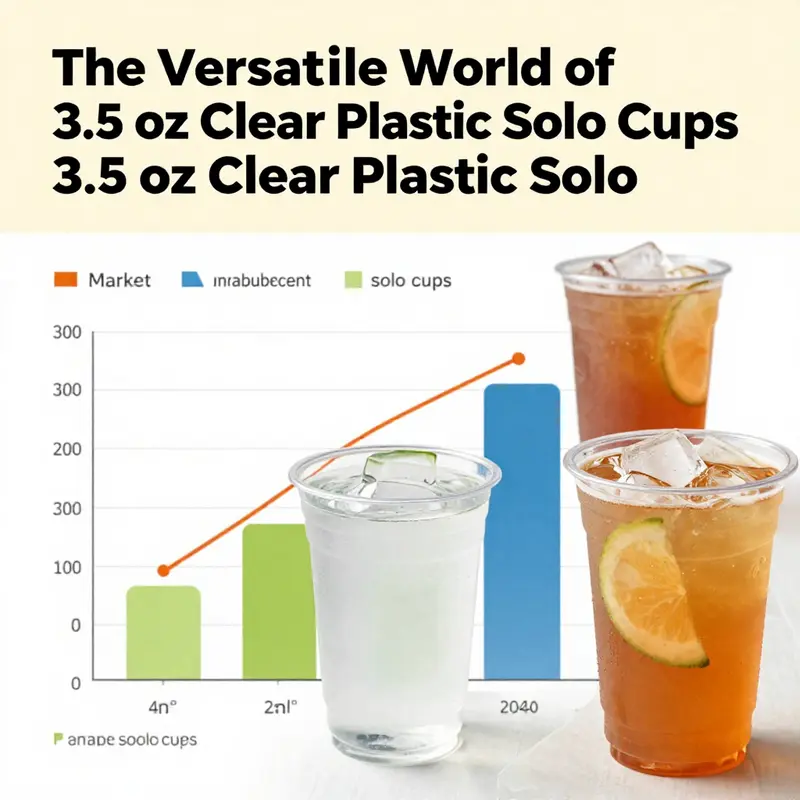
The 3.5-ounce clear plastic cup sits at a curious crossroads in modern serving culture. It is small enough to demand mindfulness about portion control, yet clear enough to reveal color, layering, and texture in a way that invites visual storytelling. In venues ranging from casual cafes to crowded events, this modest vessel carries more than a single serving; it carries expectations about convenience, presentation, and responsibility. Its compact form is not an afterthought but a deliberate design choice that responds to how people drink, how they choose to celebrate, and how businesses balance efficiency with experience. The cup’s success is thus less about novelty and more about reliability—a compact, transparent workhorse that makes what’s inside legible at a glance and easy to manage in the flow of service. When a beverage is poured into a cup of this size, the potential for precise portioning becomes part of the service ritual, making it simpler to maintain consistency across servers, shifts, and venues. The equation is straightforward on the surface: a measurable capacity paired with a clear medium. Yet the implications ripple through operations, sustainability considerations, consumer expectations, and the pathways through which these cups are sourced, produced, and packaged for use. In a stream of disposable options, the 3.5-ounce cup claims its niche by combining transparency with a compact, robust design that supports both the beverage and the moment in which it is enjoyed. Its perceived value increases with the degree to which a color, a gradient, or a layered dessert can be visually captured before the cup is discarded, a factor that speaks directly to marketing and presentation. The clarity of the material becomes part of the product’s narrative, inviting the observer to assess the drink not only by aroma and taste but also by what it reveals: the hue of a cold brew, the shimmer of a tonic, or the soft blush of a citrus infusion captured in a crystal cup. Beyond the sensory, the cup embodies a set of material choices that carry consequences for handling, durability, and user experience. The polystyrene composition offers high transparency, rigidity, and a relatively low weight that makes shipping and storage more economical. The strength of the cup is not merely a function of material but a result of thoughtful engineering, including features like double sidewall ribbing that fortify the structure. This ribbing supports the cup against compression and helps preserve a steady, comfortable grip. In practice, that translates to fewer dented edges during busy service, less risk of spills during transport, and a more confident hold for customers when they raise the cup to their lips. The interplay between form and function here is subtle yet meaningful. When staff and patrons alike notice that a small cup feels secure and easy to handle, experience quality rises in tandem with efficiency. The clarity of the cup also serves a functional role in portion perception. In a setting where multiple drinks are offered in rapid succession, being able to differentiate a layered beverage from a plain one at a quick glance reduces error, supports speed, and enhances the guest experience. The 3.5-ounce capacity aligns with the growing market interest in controlled portions, enabling venues to manage inventory, track usage, and maintain consistency across serving stations. While the cup is designed to be disposable, its lifecycle is more nuanced than it appears at first glance. The production narrative encompasses not only the raw material but also the logistics, finishing touches, and the broader push toward more sustainable practices. In recent years, manufacturers have recognized the imperative to address plastic waste and to offer options that align with consumer and regulatory expectations. Even as polystyrene remains a prevalent choice for its optical and mechanical properties, researchers and producers alike are exploring biodegradable alternatives such as plant-based polymers and improved recycling streams. The shift is gradual and multifaceted, influenced by regulatory guidance, consumer sentiment, and the economics of materials science. It’s not simply a matter of swapping one polymer for another; it involves rethinking the entire value chain—from resin sourcing and fabrication to end-of-life handling. Yet for many buyers, the immediate decision at procurement comes down to performance and cost. The 3.5-ounce clear cup has a well-established position because it delivers predictable results. It remains light enough to stack and ship efficiently while offering a rigidity that stands up to chilling, mixing, or the inclusion of ice and garnishes. The balance of clarity and strength is not accidental but the product of deliberate design. In packaging terms, the value proposition is clear: a cost-effective, easily transportable, visually appealing vessel that can be deployed across a spectrum of drinking and tasting experiences. This is particularly relevant in settings that rely on sampling and controlled portions. For beverage developers and food service operators, the small format supports quick service lines, streamlined inventory, and scalable operations. It becomes a facilitator of micro-portion strategies, where customers sample flavors or test combinations without committing to a full-size offering. The potential for variety becomes a selling point in itself. A well-chosen 3.5-ounce cup can showcase layered beverages, emulsions, or color contrasts that enhance perceived value. Color, texture, and ingredient differentiation are more than aesthetical cues; they are functional signals that guide consumer expectation and tasting experience. The transparency of the cup makes these cues legible, inviting curiosity and engagement. It is not just what is inside but how the inside is framed by the glass-clear walls that matters. The market continues to gravitate toward consistency in supply and predictability in performance. This is where the material gravity of polystyrene intersects with manufacturing ingenuity. The double wall ribbing, for instance, serves not only to fortify the cup against pressure but to improve thermal handling and grip. The result is a more comfortable user experience—fewer slips, less heat transfer to the hand when cold drinks are shuttled, and more confident handling during busy moments. In practice, these design features translate into operational benefits for venues that rely on rapid turnover and precise portioning. When servers can rely on a standard footprint and a predictable shape, training becomes easier, restocking simpler, and complaints fewer. The small scale of the cup incentivizes managers to invest in standardized ware, knowing that uniformity reduces waste and improves workflow. The supply chain behind such a seemingly simple item is a reminder of the global logistics that support everyday dining and drinking. The dominant production footprint remains concentrated in regions with mature plastics industries, where high-volume manufacturing and efficient logistics enable cost-effective distribution. Within this landscape, manufacturers offer a spectrum of capabilities, from basic standard items to customized solutions that incorporate branding, logos, or color accents. The demand for customization is not peripheral; it is a core driver of how these cups are marketed and sold. Operators, particularly in hospitality and events, seek differentiation that can be achieved without sacrificing the speed and simplicity that the cup provides. Custom printing, packaging compatibility, and even eco-friendly material options have moved from niche considerations to mainstream offerings. This convergence of aesthetics and practicality underscores a broader shift in consumer expectations. People want products that not only perform well but also align with values around sustainability and responsible consumption. In response, manufacturers are accelerating research into more sustainable pathways. While polystyrene remains prevalent due to its clarity and rigidity, attention is turning toward biodegradable materials like PLA or recyclable polymers that can be integrated into existing production lines with minimal disruption. The challenge is to maintain the same optical properties and mechanical performance while ensuring that end-of-life pathways are well defined and accessible. As regulatory landscapes evolve, compliance becomes a critical decision point for procurement. Buyers increasingly seek assurances that materials meet safety and food-contact standards across jurisdictions. The appeal of a small cup that can be used in a wide range of environments is tempered by the need to guarantee that it complies with relevant regulations and that end users have confidence in its safety and reliability. In this context, the 3.5-ounce clear cup becomes a convergence point for design, function, sustainability, and logistics. Its compact size is a practical response to modern consumption patterns that favor smaller servings and careful portion control. Yet the same size can support larger marketing ambitions when paired with careful branding and presentation. The advent of social media has amplified this dynamic. Visual sharing of drinks, desserts, and mini tastings elevates the importance of appearance. A cup that reveals color and texture with pristine clarity becomes a storytelling device in itself. Brands and venues recognize that the way a beverage appears in a transparent cup can influence perceived quality and desire. The result is a loop: the item’s design fosters better presentation, presentation drives desire and sharing on social platforms, and the experience returns to the business through demand and brand recognition. This loop makes the careful selection of even small vessels a strategic decision rather than a routine operational task. Within this landscape, the question of sustainability remains central. The industry is moving toward a blend of durability, recyclability, and, where possible, biodegradability, all while safeguarding the precise portioning that the cup’s size enables. The push toward responsible materials does not imply an abandonment of performance. Instead, it invites innovation in resin blends, barrier layers, and manufacturing processes that preserve clarity and strength while aligning with waste management systems. In many markets, regulatory frameworks and consumer expectations coalesce around a common goal: reducing environmental impact without compromising user experience. That tension fuels both the market’s evolution and its resilience. The 3.5-ounce clear cup emerges as a case study in how a seemingly modest product can capture a wide array of pressures and opportunities. It must be robust enough to survive the rough-and-tumble world of events and fast-service environments, yet flexible enough to accommodate evolving packaging standards and consumer ethics. It must present beverages in a way that is visually compelling, while being stackable, transportable, and cost-effective. And perhaps most importantly, it must fit into a supply chain that is complex and global, with multiple stakeholders from resin suppliers to logistics providers to end users who must balance speed with sustainability. When we examine the market through this lens, the 3.5-ounce cup is less about an isolated product and more about a system in which design, material science, consumer behavior, and operational efficiency converge. The result is a practical, appealing tool that supports nuanced serving traditions—small samples at tastings, color plays in layered drinks, and the rapid service tempo demanded by modern venues—without demanding undue compromise on environmental responsibility or cost. It is this combination of clarity, clever engineering, and market-readiness that explains why the 3.5-ounce clear cup continues to secure a place in kitchens and event spaces around the world. In a broader sense, its story reflects how small choices in serving ware can ripple outward, shaping how we measure, present, and experience beverages and foods in shared spaces. The cup invites a thoughtful balance: celebrate the elegance of a transparent vessel while acknowledging the responsibilities that accompany disposable items in a resource-constrained era. For practitioners, the takeaway is not simply to select a cup that looks right but to choose one that performs consistently under pressure, aligns with sustainability goals, and supports distinctive presentation without complicating service workflows. For researchers and designers, the chapter opens a door to exploring how material innovations can sustain the clarity and sturdiness of such cups while expanding the palette of available end-of-life options. The dialogue between form and function here is ongoing, reflecting the broader evolution of packaging and serving ware as they adapt to the expectations of a world that wants both clarity and stewardship. And in this evolving conversation, the 3.5-ounce clear cup remains a practical touchpoint—a reminder that sometimes the smallest vessels carry the largest implications for how we eat, drink, and share moments together. For readers who want to explore packaging options that complement clear cups with sustainable alternatives, consider examining kraft paper bowls that have found traction as complementary or substitute solutions in various serving contexts. An example of this broader packaging conversation can be explored through the following resource: disposable 700ml Kraft paper bowl take-out octagonal rectangle paper bowl. As markets continue to refine expectations around size, clarity, and responsibility, the role of the 3.5-ounce clear cup will persist as a clear indicator of how efficiency and aesthetics can meet in a single, practical design. Finally, for practitioners seeking official specifications and product details, reference the authoritative external source that documents these design features and performance characteristics. The official product page provides a concise snapshot of materials, dimensions, and handling guidance, helping buyers align procurement with safety and quality standards. See the official product page here: https://www.solocup.com/products/galaxy-translucent-cups-3-5-oz-100-pack-official-product-page
Clear Choices, Hidden Costs: Rethinking the Environmental Footprint of 3.5 oz Clear Plastic Solo Cups
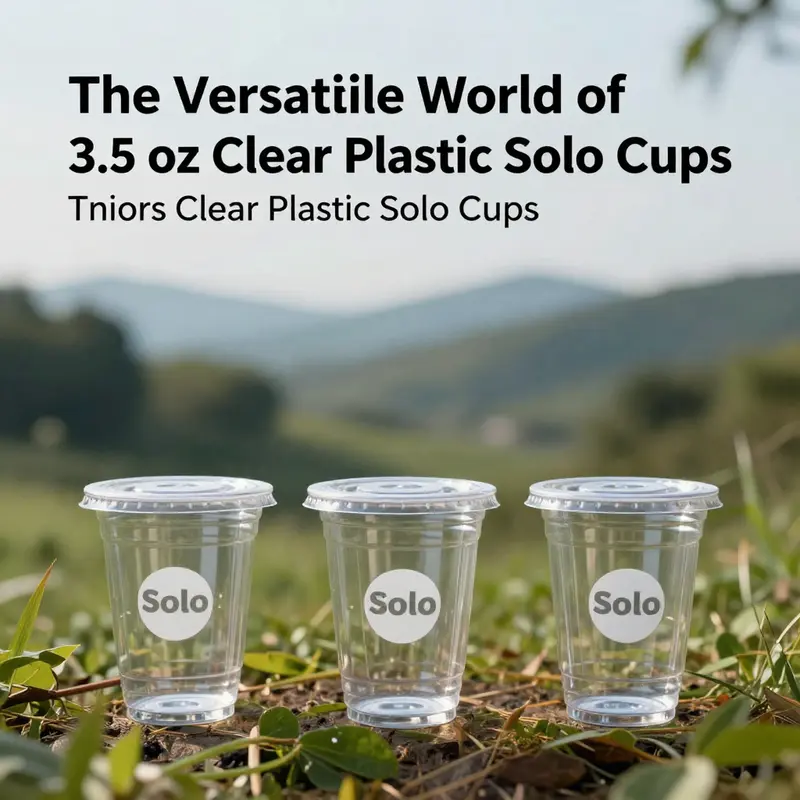
The 3.5 oz clear plastic Solo cup has become a familiar sight at gatherings of all kinds. Its small size makes it convenient for measured serves, its transparency offers visual appeal for layered drinks or vivid fruit punches, and its lightweight construction translates to cost savings in bulk purchases and effortless cleanup. For event planners, food-service operators, and even households hosting a casual get-together, these cups deliver predictable portions, help manage inventory, and lend a clean, minimalist presentation that elevates the perceived quality of the beverage or dessert served. Yet behind the crisp edges and the promise of convenience lies a set of environmental considerations that often remains in the background until a disposal bin fills and the post-consumer journey is revealed. The chapter that follows aims to pull those threads together into a cohesive picture: how these cups come to be, what happens to them after use, and what choices exist for reducing their footprint without sacrificing the practical benefits that make them so popular.
The journey of a 3.5 oz clear plastic cup begins in the resin and extrusion lines, where the raw materials are shaped into a form that is defined by its translucence and its lightness. The most common materials for these cups are polystyrene (PS) and polypropylene (PP). Both polymers offer the durability needed to withstand shipping and handling while enabling clear visibility of the contents inside. But the environmental narrative of PS and PP diverges in meaningful ways when we consider end-of-life outcomes, long-term persistence, and the potential for contamination to undermine recycling efforts. Polystyrene, in particular, is notable for its durability in the environment and its relatively slow rate of breakdown. In its most cautious estimates, polystyrene can persist for centuries if it escapes into soils or waterways. This persistence, coupled with the small form factor of the cups, contributes to the challenges of collection and processing in recycling systems that rely on mechanical sorting and contamination control to maintain material value. An article published in 2025 on the LinkedIn platform highlights a broader environmental toll associated with disposable cups, pointing to toxic impacts on ecosystems and human health when single-use plastics accumulate in the environment. While such articles should be read in the context of broader life-cycle research, they underscore a truth that cannot be easily ignored: the convenience of a single-use cup is entangled with longer-term consequences for the places where people live and drink.
The practical reality of recycling these cups is further complicated by contamination and size. Even when a cup is labeled recyclable, residues of liquids or foods can render it non-recyclable in practice. The tiny footprint of a 3.5 oz cup makes it particularly susceptible to misplacement or separation errors in recycling streams, where it can slip through sorting equipment or be diverted into landfill when contamination is too high to justify the energy and labor costs of processing. The cumulative effect is that a substantial portion of these cups—rather than reentering the manufacturing stream as a valuable raw material—ends up in landfills or as litter in streets, parks, and waterways. In an era when microplastics are a growing concern for ecosystems and human health, the tiny fragments released from landfilled or degraded plastic cups can contribute to broader environmental contamination. The specifics of microplastic pathways—from production and use to degradation and transport—are complex, but the core message is consistent: small forms do not automatically translate into easy, clean end-of-life outcomes.
The environmental performance of 3.5 oz clear cups is not just about what happens after disposal; it is also about what happens before disposal and how choices at each stage influence the total impact. The energy consumed in raw material extraction, the emissions from manufacturing facilities, the transportation involved to reach venues, and the packaging used to move and store the cups all contribute to a life-cycle profile that is heavier or lighter depending on the production pathway chosen. For instance, the energy intensity of PS production is a key consideration, as is the care required to prevent dielectric or chemical leaching during use. While the cups are designed to hold beverages safely enough for their intended purpose, concerns arise when materials that are not intended for repeated contact come into prolonged contact with liquids, particularly at high temperatures. Although many of the cups are intended for single use, their presence in a widespread, high-volume context—such as large catering operations or festival environments—means that the cumulative energy and material flow associated with single-use cups becomes substantial.
In discussions about alternative materials and end-of-life pathways, three broad options are typically considered: reusable cups made from durable polymers, bioplastics designed for composting, and recyclable or compostable variants that are intended to align with municipal or industrial composting infrastructure. Reusable options attempt to shift the burden from single-use events to longer-term practicality, emphasizing durability, dishwasher safety, and the potential for significant waste reduction over time. These options, when properly maintained, can dramatically lower the life-cycle footprint of the served beverages if the cups are used repeatedly across many events or meals. However, the upfront cost of durable, reusable cups and the labor required for cleaning can be barriers for some settings, especially those with high turnover or limited resources. The economic dimension is an essential piece of the sustainability puzzle: the purchase price per unit, the expected number of uses, the cost of cleaning, and the risks of breakage all influence whether reuse makes sense in a given operational context.
Bioplastics and compostable variants present another route. Materials such as those marketed as bio-based or compostable aim to mitigate the environmental harm associated with conventional fossil-based plastics by promoting end-of-life recovery through composting. The promise of such materials rests on the existence of robust industrial composting facilities capable of handling the waste stream and the proper separation of compostable cups from non-compostable plastics. In reality, the availability of suitable composting infrastructure varies by region, and consumer behavior often does not align with the required processing steps. When compostable cups end up in standard landfill streams, they frequently do not decompose as intended and contribute to the same waste volume as conventional plastics. The nuance here matters: without reliable composting pathways, the environmental benefits of switching to compostable materials may be limited. This is why many stakeholders emphasize the importance of system-level planning—clear labeling, consumer education, and aligned waste management services that can handle compostable materials efficiently.
Within this framework, an internally linked resource on eco-friendly cup options can serve as a useful bridge between presentation and practical decision-making. A concrete example is the option to explore a solution that couples presentation with recyclability, such as a line of cups designed for clear visibility of contents while incorporating recycled content or enabling easy recycling through standardized streams. For readers exploring practical procurement choices, this path is worth examining: https://greendispopack.com/product/eco-friendly-printed-logo-cold-beverage-cup-paper-cup-with-lid/. This particular option demonstrates how sustainability can be integrated into the visual identity of a served product, a factor often valued by venues seeking both an appealing display and responsible waste management. It is not a universal fix, but it signals a broader trend toward packaging that acknowledges the dual demand for aesthetics and environmental stewardship.
A broader, more systemic approach to reducing the environmental footprint of 3.5 oz clear cups involves improvements across the supply chain and at the point of use. At the point of use, better on-site waste sorting and clearer labeling can help ensure that recyclable streams are not contaminated by liquids or food residues. This is especially important for small-format cups, where a single instance of residue can devalue an entire batch of recycled material if not properly contained. Education and staff training play a critical role here: when event organizers, caterers, or venue staff are trained to pre-rinse cups quickly and to place them in appropriate collection bins, the efficiency of the recycling process improves. In turn, this reduces the chance that these cups contribute to landfill mass and microplastic loads in the environment.
From a policy and market standpoint, the momentum toward more sustainable outcomes is not just driven by consumer preference but also by the evolving expectations of institutions, regulators, and funding bodies. The market has begun to favor options that demonstrate a lower environmental footprint, whether through lower energy intensities in production, higher post-consumer recycled content, or clearer end-of-life pathways. Even as the cost dynamics of durable, reusable options and compostable variants may not always leapfrog the price point of single-use cups, the long-term savings in waste management costs, improved public perception, and alignment with sustainability goals can tip the balance in favor of more responsible choices. The health-conscious trend that has contributed to interest in smaller cup sizes also intersects with environmental considerations; while limiting volume at the point of consumption has a direct health rationale, it also has the side effect of reducing the aggregate waste generated per event. Cascading benefits across energy use, packaging material demand, and transportation emissions can accrue when such trends—paired with better waste management—are supported by thoughtful procurement and logistics planning.
If the aim is to balance the immediate needs of fast-paced service with long-term environmental responsibility, several practical strategies emerge. One is to adopt a hybrid approach that uses reusable cups in steady, high-volume service contexts and reserve single-use options for short-term or one-off events where cleaning infrastructure is limited. Another is to prioritize materials and suppliers who publish transparent life-cycle assessments and publicly demonstrate commitments to minimizing waste, energy use, and emissions. In addition, venues can enact small, scalable changes such as choosing cups with higher recycled content or switching to packaging lines that emphasize compostable or recyclable end-of-life outcomes where local waste streams support those pathways. These decisions require a careful assessment of local infrastructure, the frequency of events, and the resources available for cleaning or collection. They also reflect a growing consumer preference for products that can be managed responsibly after the party ends, even when presentation and convenience remain central to the experience.
The broader narrative here is one of balancing convenience with responsibility. The visual clarity of a transparent cup is part of its appeal; the same clarity should extend to the understanding of what happens to that cup after its brief moment of usefulness. The environmental consequences of this balance are not abstract; they translate into real-world outcomes for soils, waters, and wildlife, as well as for the communities tasked with managing recovered materials. As researchers and practitioners in hospitality, events, and consumer packaging continue to refine best practices, the focus increasingly shifts toward systems that can absorb high volumes of short-lived products without accumulating long-lasting environmental debt. The path forward is not a single solution but a portfolio of options—from improved on-site waste separation and consumer education to investments in reusable systems and compostable alternatives where appropriate. The costs and benefits of each option depend on local context, and the most resilient strategies will be those that adapt to the realities of place while maintaining the quality and efficiency that consumers and businesses expect.
In closing, the conversation around 3.5 oz clear plastic cups is less about condemning a convenience and more about recognizing the responsibilities that accompany it. The small size and clear presentation have undeniable appeal, but the environmental footprint—the persistence of materials, the complexities of recycling, and the realities of end-of-life management—demands thoughtful planning and a willingness to explore alternatives. The best choices arise from an understanding that no single option solves the problem; instead, a combination of mindful sourcing, responsible use, and appropriate end-of-life handling can reduce harm while preserving the benefits that make these cups a staple of modern service and social gatherings. By embracing solutions that pair visual clarity with clear pathways for disposal or reuse, the industry can maintain the appeal of the cup while limiting its environmental footprint. This integrated approach—rooted in material science, waste management practices, and consumer behavior—offers a practical, adaptable framework for evolving toward more sustainable serving options without compromising the experience that people expect when they reach for a small, clear cup at a celebration or a busy service counter.
External resource: https://www.linkedin.com/pulse/environmental-toll-disposable-cups-john-doe-2025
Final thoughts
The 3.5 oz clear plastic Solo cup has evolved into a crucial aspect of the beverage and food service industries, backed by a rich history, thriving market dynamics, and an increasing focus on environmental sustainability. As businesses consider their operational choices, understanding the lifecycle and impact of these cups is vital for fostering responsible practices while meeting consumer demands. By embracing the benefits of these versatile cups, businesses can enhance their efficiency and appeal in today’s market, ultimately leading to better service and customer satisfaction.