
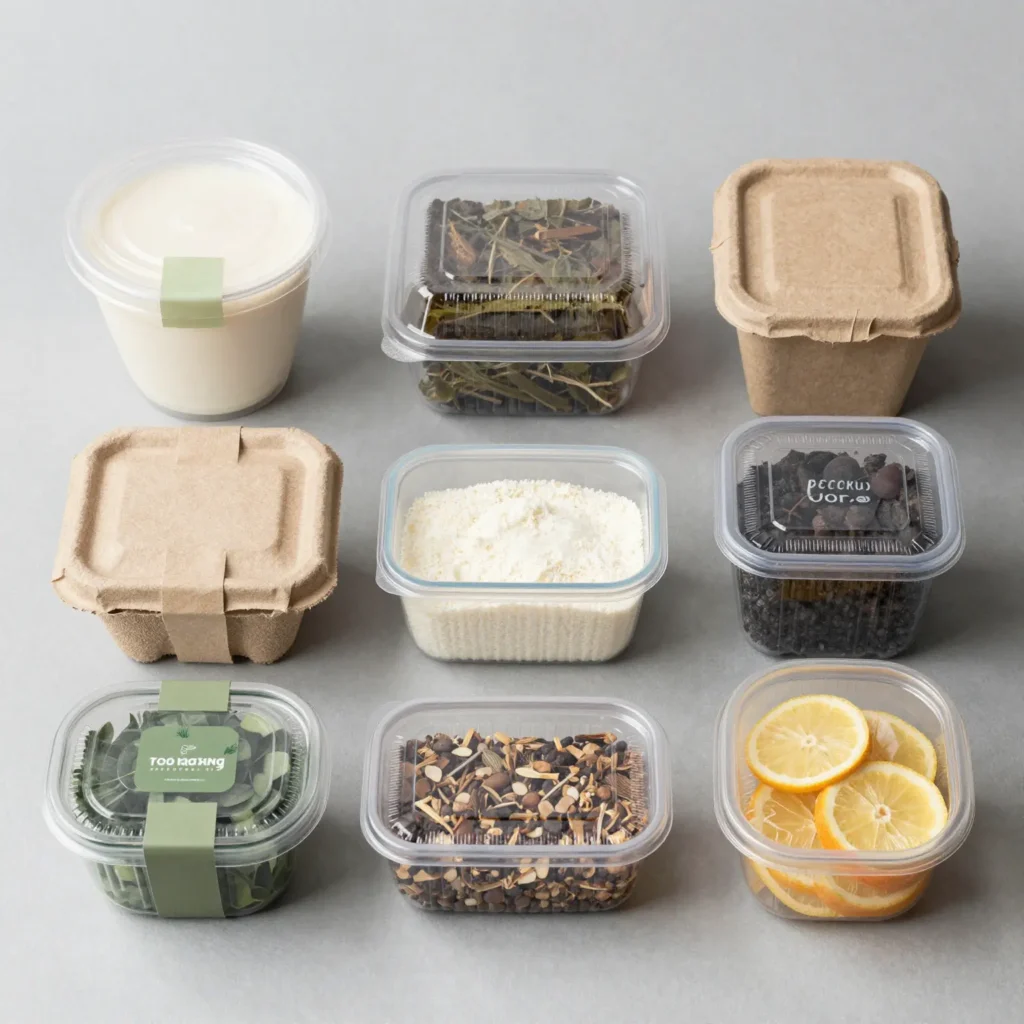
In an age where health and environmental concerns are at the forefront of community awareness, the use of plastic food containers in the food and beverage industry has sparked an urgent conversation. From bubble tea shops to catering services, businesses are now faced with the dilemma of providing convenient packaging while also considering the lasting impact of their materials on both consumers and the planet. Studies have revealed that certain plastics can leach harmful chemicals into food, posing potential risks to our health. Furthermore, the environmental toll of single-use plastics is staggering; they contribute significantly to pollution, landfills, and marine waste, affecting wildlife and ecosystems at large. It’s no longer just about convenience; the choice of packaging can define a business’s commitment to sustainability and responsibility. As food and beverage professionals, it is vital to reassess our packaging solutions and consider alternatives that not only preserve food quality but also promote a healthier world. This growing awareness is not just a trend; it’s a shift toward a future where our choices reflect our values. To explore sustainable options, check out our selection of eco-friendly packaging here.
Dangers Associated with Plastic Food Containers
Plastic food containers, often seen as convenient, come with several dangers that should concern both consumers and businesses alike. Here’s a concise list of major risks associated with them:
-
Chemical Leaching: Many plastic containers contain harmful chemicals like Bisphenol A (BPA) and phthalates, which can leach into food, especially when heated. These chemicals are linked to various health problems, including endocrine disruption and cancer. Studies show that BPA can leach out significantly faster when plastic is exposed to heat, raising concerns about long-term health risks (Scientific American).
-
Microplastics Contamination: Research indicates that plastic containers may release microplastics into food, which can lead to harmful effects on human health, potentially causing intestinal damage and cytotoxic effects (ScienceDirect).
-
Environmental Impact: Plastic food containers contribute massively to environmental pollution. Most single-use plastics do not decompose easily, leading to significant waste accumulation and harm to marine ecosystems. A vast number of marine animals are affected by plastic pollution, as these materials break down into smaller particles that are ingested by marine life (Natural Resources Defense Council).
-
Stability Issues: Certain plastic containers can become unstable over time, especially when exposed to heat or sunlight. This instability can lead to degradation, which not only compromises food safety but also affects the longevity of container usage, resulting in increased waste.
-
Misleading Recycling Information: Many consumers believe that using recyclable plastics is safe. However, the reality is that many plastics cannot be effectively recycled, leading to higher pollution levels. This cycle perpetuates the problem rather than solving it.
Businesses in the food industry, including food trucks and catering services, should rethink their packaging choices to mitigate these dangers and consider transitioning to safer, more sustainable packaging solutions.
Plastic food containers may seem like a convenient packaging solution, but they pose significant health risks, particularly due to the presence of harmful chemicals like Bisphenol A (BPA). BPA is a synthetic hormone used in producing polycarbonate plastics and epoxy resins, commonly found in food storage containers, dental sealants, and other consumer products since the 1950s.
The Dangers of BPA
BPA is known to leach into food and beverages, especially when containers are heated or damaged. This process raises concerns about various health effects, particularly over chronic exposure. Some of the primary health risks associated with BPA include:
-
Hormonal Disruption: BPA can mimic estrogen and disrupt endocrine functions, leading to reproductive health issues in both men and women. Research indicates potential links to infertility, with BPA exposure linked to sexual dysfunction in men and recurrent miscarriages in women (Mayo Clinic).
-
Cardiovascular Risks: Studies have shown that BPA exposure may increase the risk of heart disease. A comprehensive report found elevated levels of BPA in those with cardiovascular problems, suggesting a potential correlation between BPA and heart health (Food Processing).
-
Obesity and Metabolic Issues: Recent research has drawn connections between BPA and obesity. This chemical has been linked to altered metabolism which may lead to weight gain and associated health problems (TRAIN).
-
Developmental Effects on Infants: Perhaps most concerning is BPA’s impact on children and infants, who are more vulnerable due to their developing bodies. Infants exposed to BPA may have a higher concentration of the chemical in their systems, leading to developmental delays and potential neurodevelopmental issues (News-Medical).
Visualizing the Risks of BPA
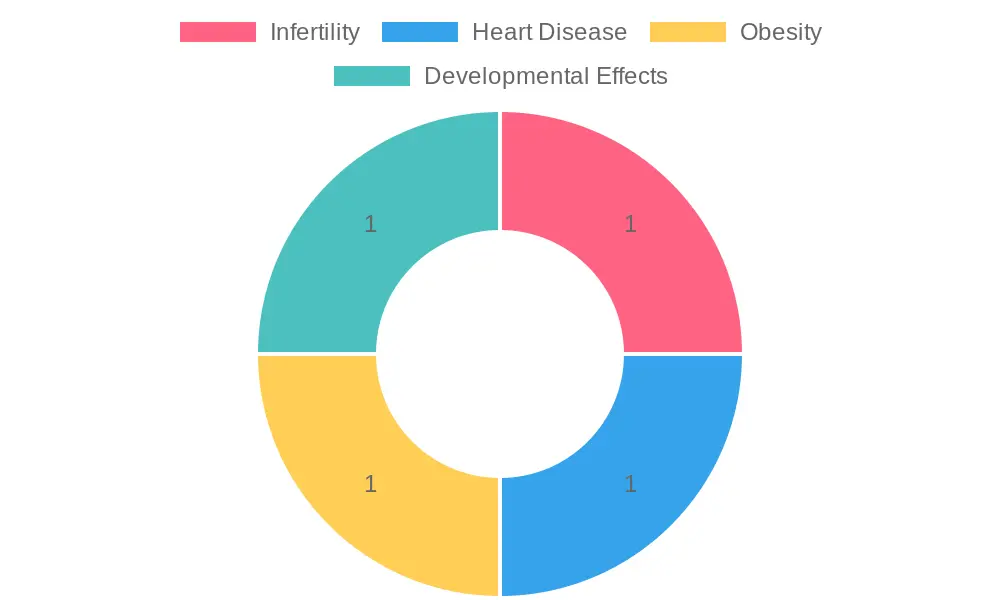
To better understand the full spectrum of BPA’s effects, here’s a chart illustrating some of the main health risks associated with exposure:
| Health Risks | Description |
|---|---|
| Infertility | Linked to sexual problems in men and recurrent miscarriages in women. |
| Heart Disease | May increase the risk of heart disease in both genders. |
| Obesity | Associated with adverse effects on metabolism leading to weight gain. |
| Developmental Effects | Linked to prenatal exposure, impacting neurodevelopment in children. |
With the various health risks linked to BPA, many consumers and businesses are seeking alternative solutions, such as products made from safer materials like paper or sugarcane. Switching to such eco-friendly packaging options can greatly enhance customer trust and safety while safeguarding the environment. If you’re looking to transition from traditional plastic to sustainable options, check our range of paper containers.
By understanding these risks and making informed choices, beverage chains, restaurants, and food service businesses can protect the health of their customers and foster a healthier environment.
Comparison of Food Container Materials
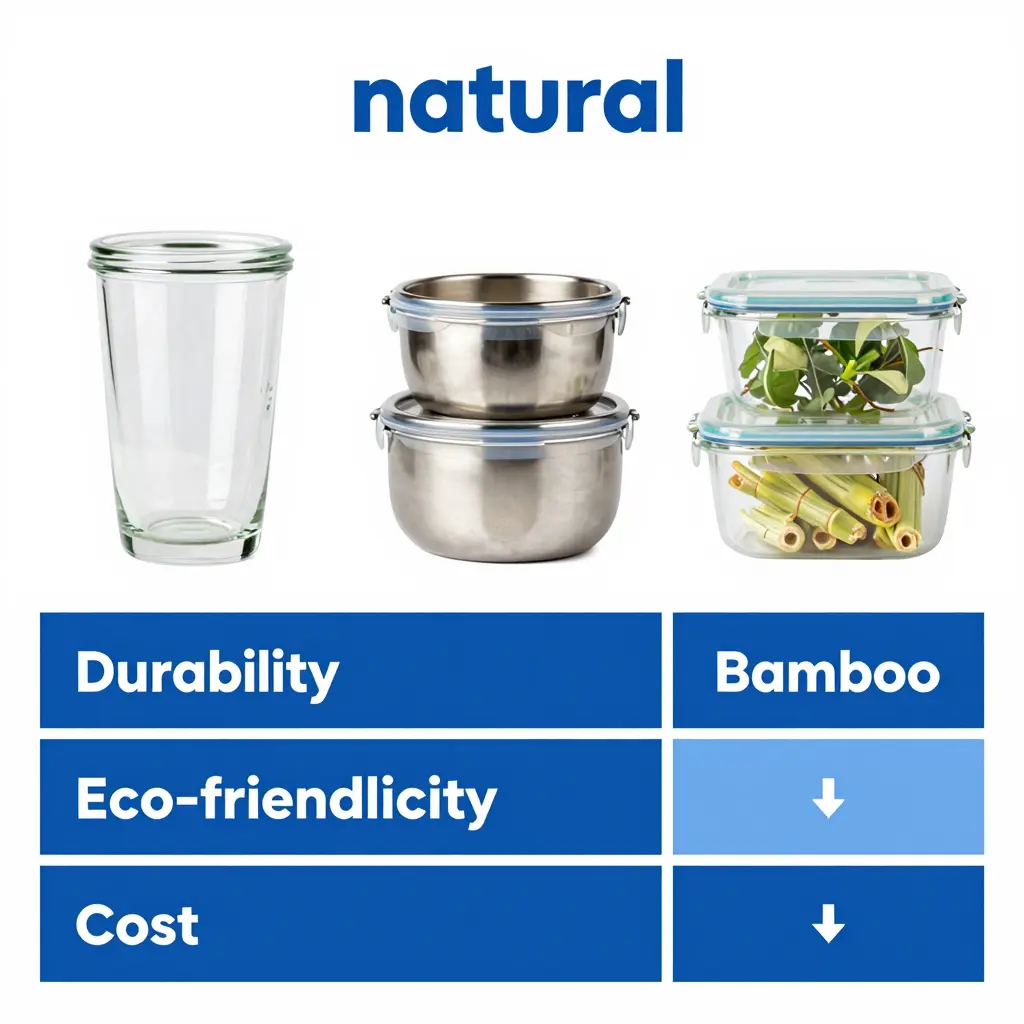
There are various materials available when it comes to food containers, each offering unique advantages and disadvantages. Below is a comparison table that highlights key factors such as durability, safety, eco-friendliness, and cost for plastic containers versus alternatives like glass, stainless steel, and bamboo.
| Material | Durability | Safety | Eco-Friendliness | Cost |
|---|---|---|---|---|
| Plastic | Moderate | May leach harmful chemicals, especially when heated | Not biodegradable; often recycled | Generally low |
| Glass | High | Non-toxic, easy to clean | Recyclable but energy-intensive to produce | Medium |
| Stainless Steel | Very high | Reusable, resistant to staining | Recyclable; more sustainable than plastic | Medium to high |
| Bamboo | Moderate (varies) | Generally considered safe | Biodegradable; eco-friendly production | Medium |
Plastic containers are often used in settings such as bubble tea shops and restaurants due to their affordability and convenience. However, alternatives like glass and stainless steel are becoming more popular due to increased awareness about health and environmental impacts. For enhanced safety and eco-friendliness, consider transitioning to materials such as sugarcane tableware or paper packaging.
Current Trends in Container Usage Among Restaurants
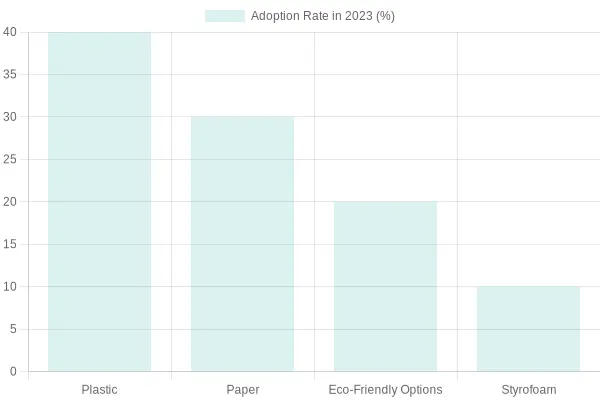
As the restaurant industry evolves, a significant shift towards sustainable packaging options is evident, driven largely by consumer demand for eco-friendly practices. Here are key insights into the types of containers being adopted more frequently:
- Plastic Containers: Still the most widely used, plastic accounts for approximately 40% of container adoption in 2023. However, its usage is declining as sustainability concerns rise.
- Paper Containers: With a 30% adoption rate, paper packaging is gaining popularity because it is biodegradable and aligns with consumer preferences for healthier dining.
- Eco-Friendly Options: Accounting for 20%, these containers, made from materials like bamboo and other compostable resources, are increasingly favored due to their minimal environmental impact.
- Styrofoam: With only 10% usage, styrofoam containers are falling out of favor as regulations restrict their use due to environmental hazards.
Consumer Preferences
- Sustainability Matters: Around 70% of consumers prefer restaurants that offer sustainable packaging options.
- Convenience First: 60% of customers prioritize convenience, especially for takeout, indicating that packaging must be functional as well as eco-friendly.
- Cost Considerations: About 50% of consumers weigh price in their container preferences, balancing sustainability against affordability.
In summary, with a strong inclination towards sustainability, restaurants are seeking containers that not only meet their operational needs but also resonate with their customers’ values. Brands that adapt to these trends are more likely to thrive in a competitive market. Learn more about sustainable takeout packaging options.
The following chart illustrates the current adoption rates for various container types:
Environmental Impact of Plastic Containers
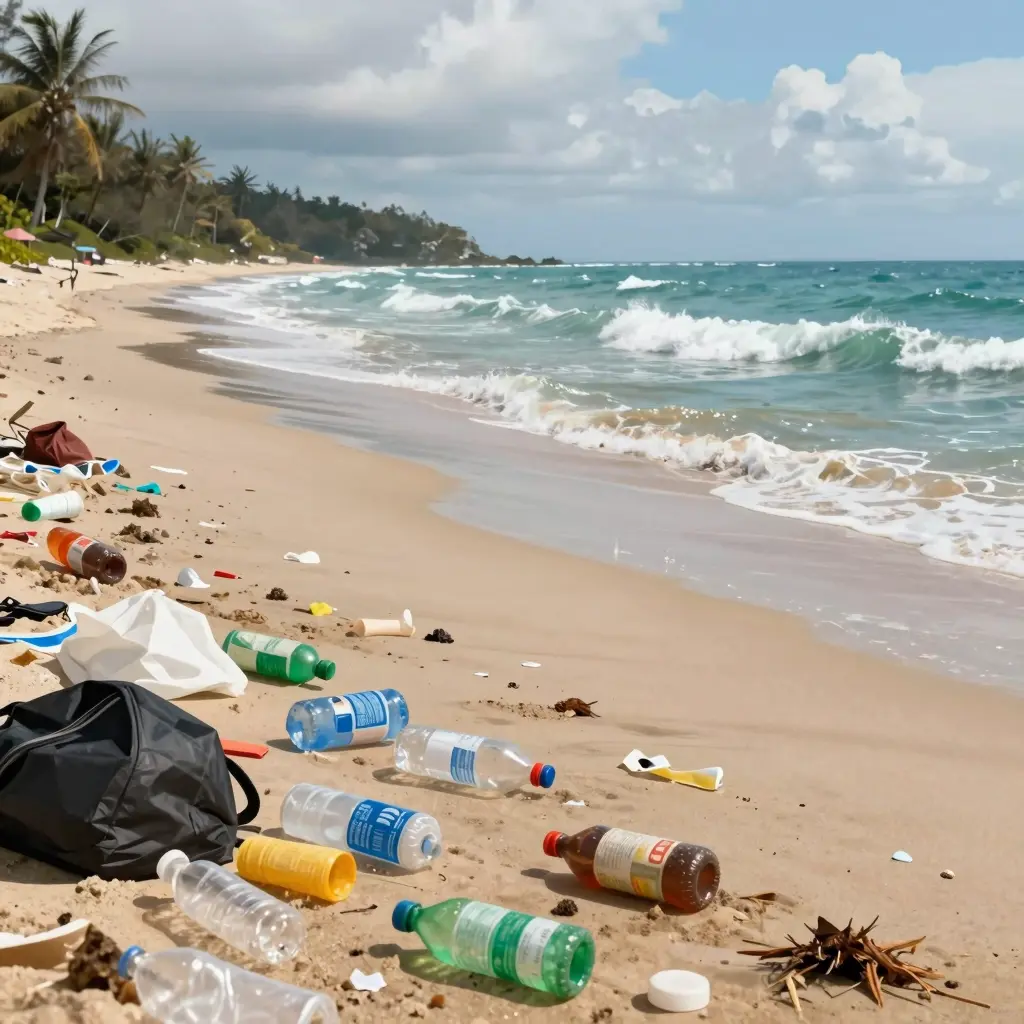
Plastic containers, while convenient for storage and transport, pose significant environmental dangers that extend beyond littered streets and overflowing landfills. The long degradation periods of plastic waste contribute to persistent pollution, affecting both our planet and the food industry in alarming ways.
Pollution and Degradation
Once discarded, plastic can take hundreds of years to decompose, lingering in the environment and breaking down into microplastics that contaminate soil and waterways. This long degradation period means that plastics accumulate over time, creating a hazardous landscape for wildlife and potentially entering the food chain.
According to a National Geographic article, the vast majority of plastics never fully decompose, instead fragmenting into smaller pieces that can be ingested by animals. This ingestion can lead to fatal consequences for marine life, birds, and other animals, which often mistake these fragments for food.
Effects on the Food Industry
The impact of plastic pollution is felt acutely in the food industry. Microplastics have been found in seafood, salt, and even drinking water, raising concerns about human health and food safety. Research indicates that heating food in plastic containers can cause harmful chemicals to leach into food, raising concerns for consumers. Studies reported by ABC News suggest that ongoing exposure to these substances may pose long-term health risks.
Real-World Examples
Consider a bubble tea shop that relies on plastic straws and containers. When these items are disposed of improperly, they contribute to the enormous plastic pollution problem. Food trucks and catering services face similar challenges, needing to ensure that their packaging doesn’t leave a lasting negative mark on the environment. The responsibility falls on all players in the food service industry to seek out sustainable alternatives. For instance, switching to paper-based containers and packaging solutions, like eco-friendly paper packaging, not only lessens environmental impact but also appeals to increasingly eco-conscious consumers.
The shift away from plastic isn’t just about reducing waste; it’s about safeguarding our ecosystems and ensuring that the food on our plates is safe and sustainable. By making informed choices today, we can drive change towards a healthier planet for future generations.
Eco-Friendly Alternatives to Plastic Containers
As awareness of the dangers of plastic continues to grow, many businesses, including bubble tea shops, restaurants, and catering services, are seeking sustainable alternatives to traditional plastic food containers. Here’s a look at some popular eco-friendly options available in the market, along with their benefits and potential drawbacks:
1. Bamboo Containers
Benefits:
- Biodegradable and compostable, making them a great choice for reducing landfill waste.
- Naturally antimicrobial, which helps in maintaining food safety.
Drawbacks:
- Often not suitable for microwave use, which can limit their functionality.
- Can be more expensive compared to plastic options.
2. Glass Containers
Benefits:
- Reusable and recyclable, providing a long-term storage solution.
- Does not leach chemicals into food, ensuring safety for consumers.
Drawbacks:
- Heavier than plastic, making them less convenient for on-the-go situations.
- Fragile; can break easily if dropped.
3. Metal Containers (Aluminum and Stainless Steel)
Benefits:
- Durable and long-lasting; perfect for repeated use.
- Effective at keeping food fresh and insulated, suitable for both hot and cold items.
Drawbacks:
- Higher cost than plastic; may deter some budget-conscious businesses.
- Not suitable for acidic foods as they might react and affect the food’s taste.
4. Compostable PLA Containers
Benefits:
- Made from renewable resources, these containers break down in commercial composting facilities.
- Available in various shapes and sizes, making them versatile for different types of food.
Drawbacks:
- Require specific industrial composting conditions to break down effectively, which may not be available in all areas.
- Generally not heat-resistant; can warp if used for hot foods.
5. Sugarcane (Bagasse) Containers
Benefits:
- Made from recycled sugarcane pulp, these containers are both biodegradable and compostable.
- They can handle hot and cold food items, which makes them practical for food services.
Drawbacks:
- Typically more expensive than plastic.
- Availability can be a concern, depending on supplier options.
Transitioning to these eco-friendly alternatives not only helps businesses reduce their environmental footprint but also meets consumer preferences for sustainable practices. If your establishment is looking to make the switch, consider exploring options like sugarcane food containers or paper packaging that are designed for ease of use and sustainability.
Investing in environmentally friendly containers is a step toward not just compliance with regulations but also fostering a more sustainable future. As reported, switching to alternatives can significantly reduce environmental impacts compared to conventional plastic packaging source.
The Dangers of Plastic Food Containers
Plastic food containers have become a common sight in kitchens around the world, but with their convenience comes serious health risks. The potential for hazardous substances to leach into food is a growing concern among health experts.
As reported by the National Center for Health Research, “long-term exposure to chemicals from plastic containers, especially when heated, may lead to health issues, including reproductive complications and potentially cancers”. This emphasizes the urgency of switching to safer alternatives like glass or stainless steel containers.
“The uncertainty surrounding the safety of many plastic containers is alarming. We need to prioritize health and consider safer storage options for our food.” – Expert from The Guardian
Why Switch to Safer Alternatives?
- Microplastic Exposure: Research indicates microplastics can be released from plastic containers into food, raising serious health concerns.
- Chemical Leaching: When plastic is heated, chemicals can leach into food and drinks, posing additional health risks.
- Safer Options Available: There are numerous eco-friendly alternatives available, such as sugarcane tableware and paper packaging, which can help eliminate these risks while being environmentally friendly.
For businesses in the food and beverage industry, adopting safer storage solutions is not just about health; it’s also a vital step towards sustainability. An informed choice can lead to healthier customers and a healthier planet.
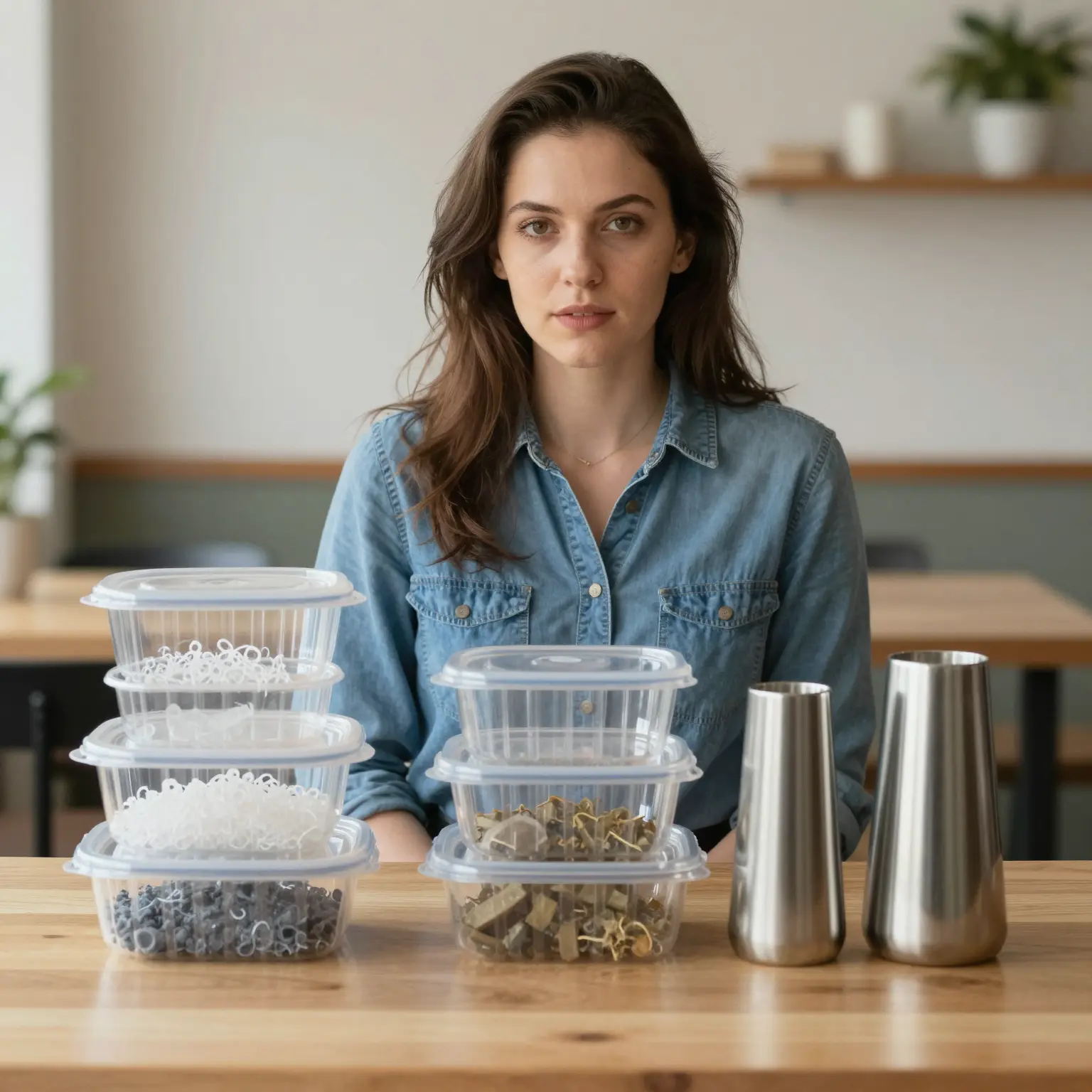
In conclusion, the push for safer alternatives to plastic food containers is supported by both expert opinion and emerging research.
Conclusion and Call to Action
In conclusion, the dangers of plastic food containers are becoming increasingly undeniable. From leaching harmful chemicals into our food to contributing to a global plastic pollution crisis, the stakes are high. As consumers and business owners, we have a crucial role to play in shifting towards sustainable practices. The statistics highlight a significant change in consumer behavior, with the adoption of biodegradable packaging rising from 10% in 2019 to 30% in 2023, as illustrated in the chart below.
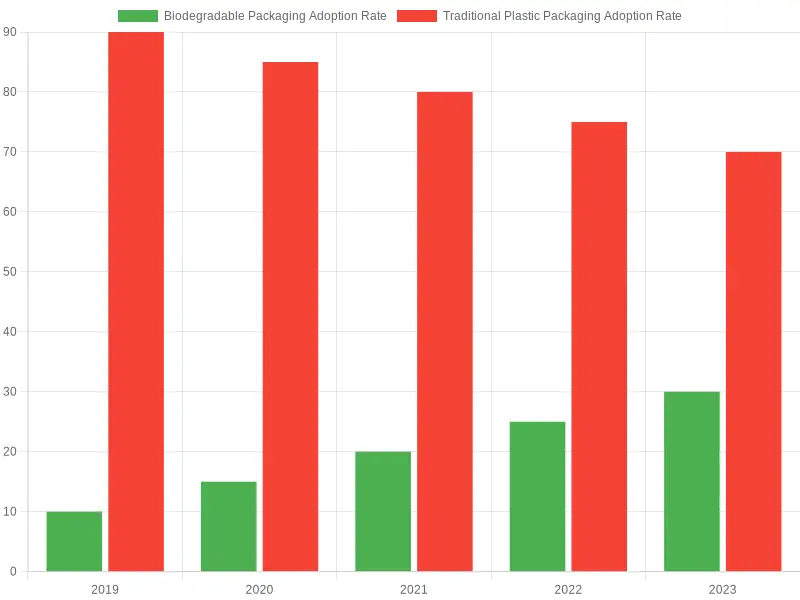
This upward trend reflects a growing awareness of the environmental impact of our choices and a commitment to making healthier decisions for our planet. By switching to biodegradable food containers and tableware, you not only shield your customers from the risks posed by plastic but also enhance the image of your brand as one that cares about sustainability.
At Green Dispo Pack, we offer a wide selection of reliable disposable tableware and packaging solutions that are designed to meet your needs while prioritizing the environment. Explore our range of paper bowls and sugarcane tableware to find sustainable options for your business. Let’s work together to create a cleaner, greener future-make the switch today!
Taking this simple step not only aligns with eco-friendly practices but also appeals to a customer base that’s increasingly prioritizing sustainability. Choose wisely, choose Green Dispo Pack for all your packaging needs!