
Introduction
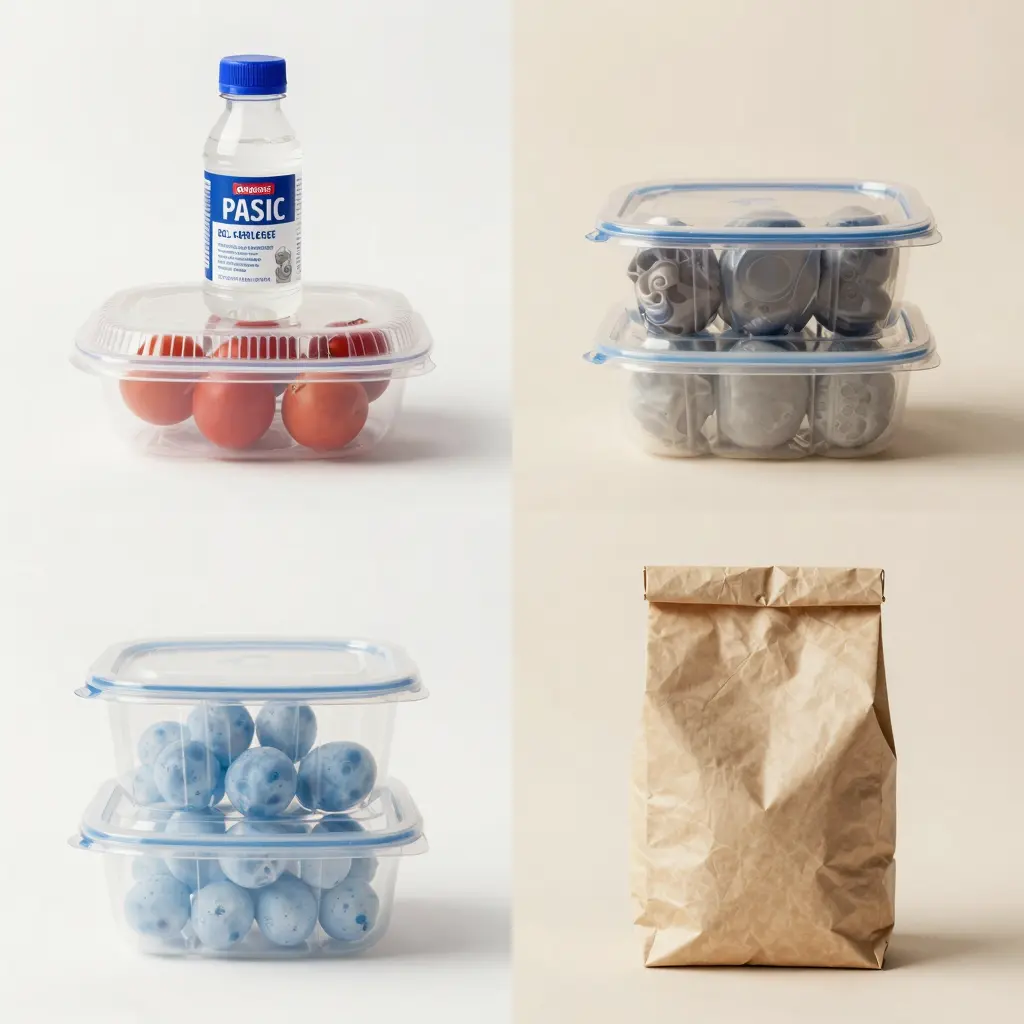
In our fast-paced, convenience-oriented world, plastic containers have become the go-to choice for food storage among bubble tea shops, restaurants, food trucks, and catering services alike. Their lightweight, durable nature and reusability make them an irresistible option for keeping food fresh and accessible. However, as we increasingly prioritize convenience, a growing wave of concern is washing over consumers and industry professionals alike regarding the safety and health risks associated with these ubiquitous plastic materials. From possible chemical leaching into food to the environmental implications of plastic waste, it’s time to reassess our reliance on these containers that seem so convenient at first. As businesses strive to meet health standards and consumer safety expectations, exploring alternatives like sustainable packaging solutions becomes imperative. By understanding the hidden dangers associated with plastic food containers, we can better serve our customers while also protecting our planet.
Plastic food containers are a staple in many kitchens, but their convenience comes with potential health risks that warrant consideration. One of the main concerns involves the leaching of harmful chemicals into food, particularly when containers are subjected to heat or wear. The most notorious of these chemicals is Bisphenol A (BPA).
Chemical Leaching and Its Implications
BPA is commonly used in the production of certain plastics and has been linked to various health issues. Studies show that when plastic containers are heated-such as when food is microwaved or cleaned in the dishwasher-BPA can leach into the food stored within them. This leaching poses significant health risks, including increased chances of breast cancer and other reproductive issues, as BPA is known to act as an endocrine disruptor.
Recent research indicates that even low levels of BPA exposure can lead to serious health complications. According to a report from the Environmental Defense Fund, BPA has been detected in human blood and breast milk, highlighting its pervasive presence in our lives. Furthermore, studies suggest that BPA can promote the growth of breast cancer cells and negatively impact fertility in both sexes.
Broader Health Risks
The health impacts of consuming food from plastic containers extend beyond just BPA. Experts warn that many other chemicals in plastics-such as DEHA and phthalates-can also leach into food and potentially cause harm. For instance, a study discussed by USA Today indicated that chemicals from plastic containers might be linked to increased blood pressure, Type 2 diabetes, and cardiovascular disease, particularly among vulnerable populations like children and the elderly.
Moreover, there is growing concern regarding microplastics, which may inadvertently enter our diets through contaminated food stored in plastic. Research has shown that these microplastics could be linked to various health issues, including immune system dysfunction and organ damage, according to reports from the National Center for Health Research.
Conclusion
While plastic containers offer convenience, the potential health risks associated with their use cannot be ignored. The leaching of harmful substances like BPA and other chemicals contributes to a range of health concerns that should be taken seriously. Restaurant owners, catering services, and food venues need to weigh these risks carefully, potentially opting for alternatives like paper packaging or sugarcane tableware for storing and serving food. Protecting health while providing quality service should always be the priority.
Common Harmful Chemicals in Plastic Food Containers
When it comes to food safety, being aware of the harmful chemicals often found in plastic food containers is crucial. Here’s a list of some of the most common chemicals that pose potential health risks:
- Bisphenol A (BPA)
- Health Impacts: Linked to numerous health problems such as obesity, diabetes, reproductive harm, and behavioral issues in children. BPA is an endocrine disruptor that can interfere with hormonal functions.
- Phthalates
- Health Impacts: Associated with reproductive health issues, including infertility and developmental problems in children. Prolonged exposure may disrupt hormone levels, leading to various health complications.
- Per- and Polyfluoroalkyl Substances (PFAS)
- Health Impacts: Often termed “forever chemicals” due to their persistence in the environment, PFAS are linked to increased cancer risk, liver damage, and immune system effects. They can leach into food and drink, posing significant health risks.
- Styrene
- Health Impacts: A potential human carcinogen that can lead to irritation of the skin, eyes, and respiratory system. Long-term exposure through food products can raise the risk of developing certain cancers.
- Formaldehyde
- Health Impacts: Known to cause irritation of the eyes, skin, throat, and respiratory tract. It is also classified as a human carcinogen, raising serious health concerns with continued exposure through contaminated products.
Understanding these chemicals and their impacts can help food industry professionals make informed choices about packaging materials. For safer options, consider exploring sustainable packaging solutions like sugarcane food containers that minimize chemical exposure while promoting environmental responsibility.
Looking for eco-friendly alternatives? Check out our range of paper packaging solutions.
Eco-Friendly Alternatives to Plastic Containers
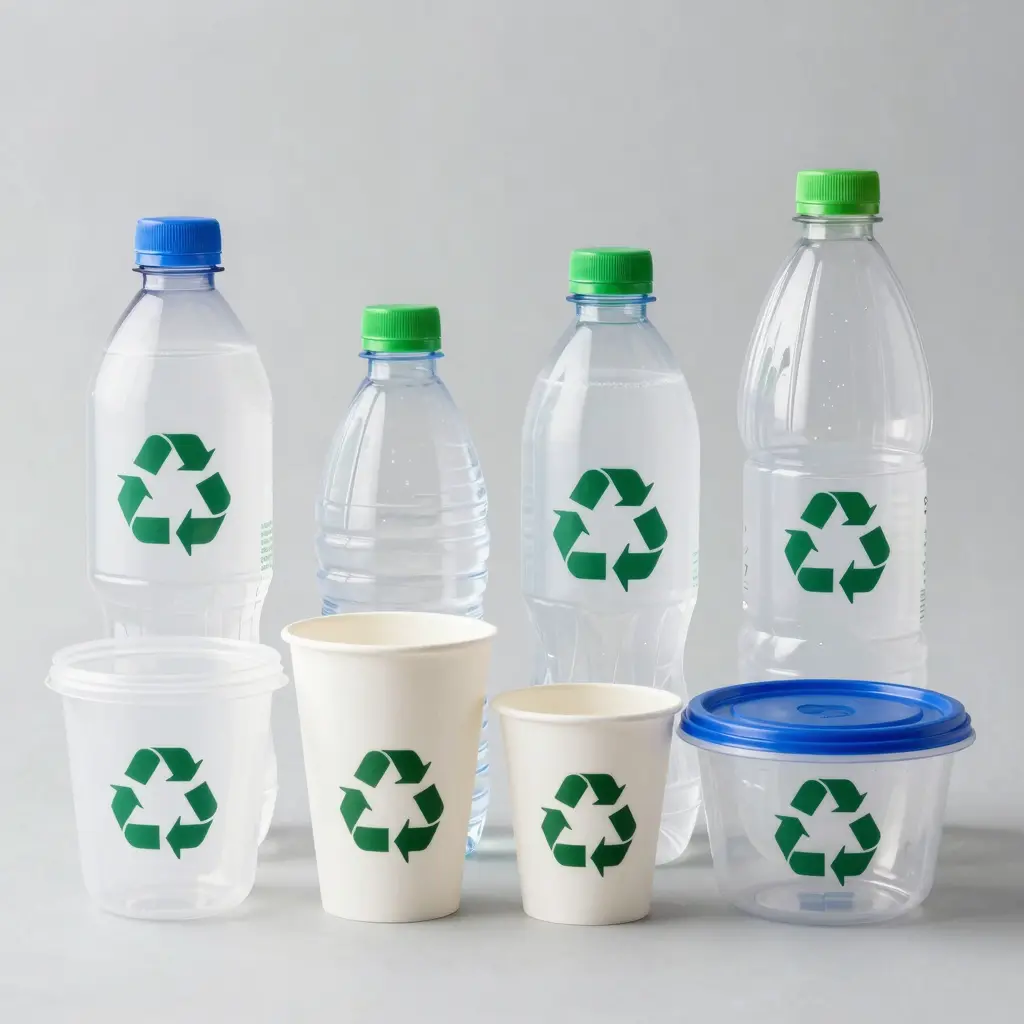
As the conversation around the dangers of plastic continues to gain momentum, businesses in the food industry-such as bubble tea shops, restaurants, and catering services-are increasingly seeking eco-friendly alternatives to plastic containers. Making the switch not only aids in reducing plastic waste but also aligns with consumer preferences for sustainable practices. Let’s explore some of the most popular alternatives:
1. Glass Containers
Benefits:
- Reusable and Durable: Glass containers are designed to last, making them a cost-effective investment for businesses. They can be reused many times without degrading.
- Chemical-Free: Unlike plastic, glass does not leach harmful chemicals into food, preserving the quality and taste of the products.
-Eco-friendly packaging solutions such as glass also leave a lesser carbon footprint over their lifespan compared to single-use plastics.
Industry Trend:
More and more brands are embracing glass packaging, with an increasing number of consumers favoring products that come in reusable glass containers. Following this trend, brands can communicate their commitment to health and sustainability effectively.
2. Metal Containers
Benefits:
- Long-lasting and Recyclable: Metal containers, made from materials like aluminum and stainless steel, are easily recyclable, reducing waste. Their longevity ensures that they can withstand repeated use.
- Safe for Storage: Metal options are impervious to bacteria and are significantly safer for hot foods compared to plastic members.
Industry Trend:
Metal packaging is gaining popularity due to its aesthetic appeal and sustainability features, as highlighted in articles focusing on modern packaging solutions in the food industry.
3. Biodegradable Containers
Benefits:
- Eco-Conscious Choice: Biodegradable options, such as those made from plant-based materials, can break down naturally, reducing landfill contributions. Over time, materials like bamboo or bagasse can significantly lessen environmental impact.
- Consumer Appeal: Biodegradable containers are becoming a favorite among consumers concerned about plastic pollution. Offering these products can give businesses a competitive edge.
Industry Trend:
There is a noticeable shift towards biodegradable packaging in the food industry, especially following consumer trends that emphasize sustainability. Companies such as Green Dispo Pack are leading the way by offering biodegradable packaging solutions that replace traditional plastics.
In summary, as the threat of plastic pollution looms, transitioning to eco-friendly alternatives such as glass, metal, and biodegradable containers is not just a trend-it’s a necessary step towards sustainability. Businesses can promote these changes not only to fulfill regulatory requirements but also to enhance brand loyalty and consumer trust. For more eco-friendly packing options, check out our extensive range of sustainable tableware today!
Comparing Disposable Tableware Options
In today’s food service industry, the choice of disposable tableware is crucial not only for presentation but also for safety and environmental considerations. Below is a comparison table that highlights key aspects of different types of disposable tableware:
| Type | Material | Safety Rating | Eco-Friendliness | Suitable For |
|---|---|---|---|---|
| Plastic | Polypropylene | Moderate (BPA-free) | Low | Cold beverages and dry food items |
| Paper | Kraft, White | Generally Safe | Moderate to High | Hot food, to-go meals, soups |
| Sugarcane | Bagasse | High | High | Take-out containers, plates, bowls |
| Biodegradable | PLA (Corn Starch) | High | Very High | Cold drinks, salads, light meals |
| Bamboo | Bamboo fibers | High | Very High | Parties, events, eco-friendly establishments |
This table compares various options, giving insights on their suitability for different food service applications. For products focusing on paper packaging and sugarcane tableware, check out our offerings for a sustainable choice.
Food safety is paramount for any business that handles consumables, especially in the food services sector, including bubble tea shops, restaurants, food trucks, and catering services. Regulatory standards serve as guidelines to ensure that food remains safe for consumption from packaging to delivery. Let’s explore key regulatory bodies and their standards, focusing on how these regulations affect the use of plastic containers and alternative materials.
Key Regulatory Bodies and Standards
-
Food and Drug Administration (FDA): In the U.S., the FDA plays a crucial role in overseeing food safety. The FDA Food Safety Modernization Act (FSMA) emphasizes preventive measures in food safety, placing a higher burden on food manufacturers and suppliers to ensure their products are safe. Specific regulations under the FSMA also concern food packaging materials, confirming that they must not leach harmful substances into food.
-
European Food Safety Authority (EFSA): In Europe, the EFSA oversees food safety across member states. The Regulation (EC) No 1935/2004 outlines requirements for materials intended to come into contact with food, aiming to ensure that such materials do not endanger human health.
-
U.S. Department of Agriculture (USDA): For meat and poultry products, the USDA sets specific standards through the Federal Meat Inspection Act (FMIA) and the Poultry Products Inspection Act (PPIA), ensuring that any packaging used does not compromise the safety or cleanliness of these products.
Impact on Plastic Containers and Alternative Materials
Regulatory standards are increasingly steering the food industry away from relying solely on plastic containers due to rising environmental concerns. The move towards sustainable practices has been encouraged by regulations like the EU Single-Use Plastics Directive, which aims to reduce the burden of plastic waste. This directive targets single-use plastic items and mandates member states to bolster recycling efforts.
American regulations are also tightening; many states have introduced bans on specific single-use plastic products, reinforcing the importance of compliance for food service businesses. Compliance means not only choosing suitable packaging materials but also being aware of recycling protocols and waste management.
As a result, many businesses are shifting towards alternative materials. For instance, packaging made from sugarcane, paper, and compostable materials is gaining popularity. These alternatives not only comply with emerging regulations but also resonate well with consumers who are increasingly favoring eco-friendly options.
Conclusion
In summary, understanding and applying food safety regulations is critical in the food industry. Not only do they safeguard public health, but they also shape packaging choices. By transitioning to sustainable materials in compliance with regulations, businesses not only enhance their safety practices but also appeal to environmentally-conscious consumers. This switch can be beneficial for brand image, customer trust, and, ultimately, long-term success.
For more insights into alternative packaging options, check out our collection of paper packaging and sugarcane tableware.
The Significance of Safe Packaging in Food Service
In the food service industry, the importance of using safe and reliable packaging materials cannot be overstated. Not only do these materials preserve the quality and safety of food, but they also minimize health risks associated with foodborne illnesses.
A notable expert in food safety, Dr. Patricia A. Griffin, emphasized the critical nature of packaging by stating, “Safe packaging is essential not only for preserving food quality but also for ensuring that it remains free from contamination during transit. Inadequate packaging can present serious health risks to consumers.” (source).
The move towards eco-friendly materials is driven by growing consumer awareness regarding health and environmental issues, and companies that prioritize safe packaging are likely to see increased trust and customer loyalty.
For food service businesses, it is crucial to choose packaging that meets safety guidelines and is also sustainable. Not only does this protect consumers, but it also demonstrates a commitment to the environment, which is increasingly valued by consumers today.
Healthy and safe packaging options, such as paper and biodegradable materials, are not just beneficial for food integrity but also for the health of our planet.
As you make choices for your food service business, remember the weight of your packaging choices and their impact on health and safety.
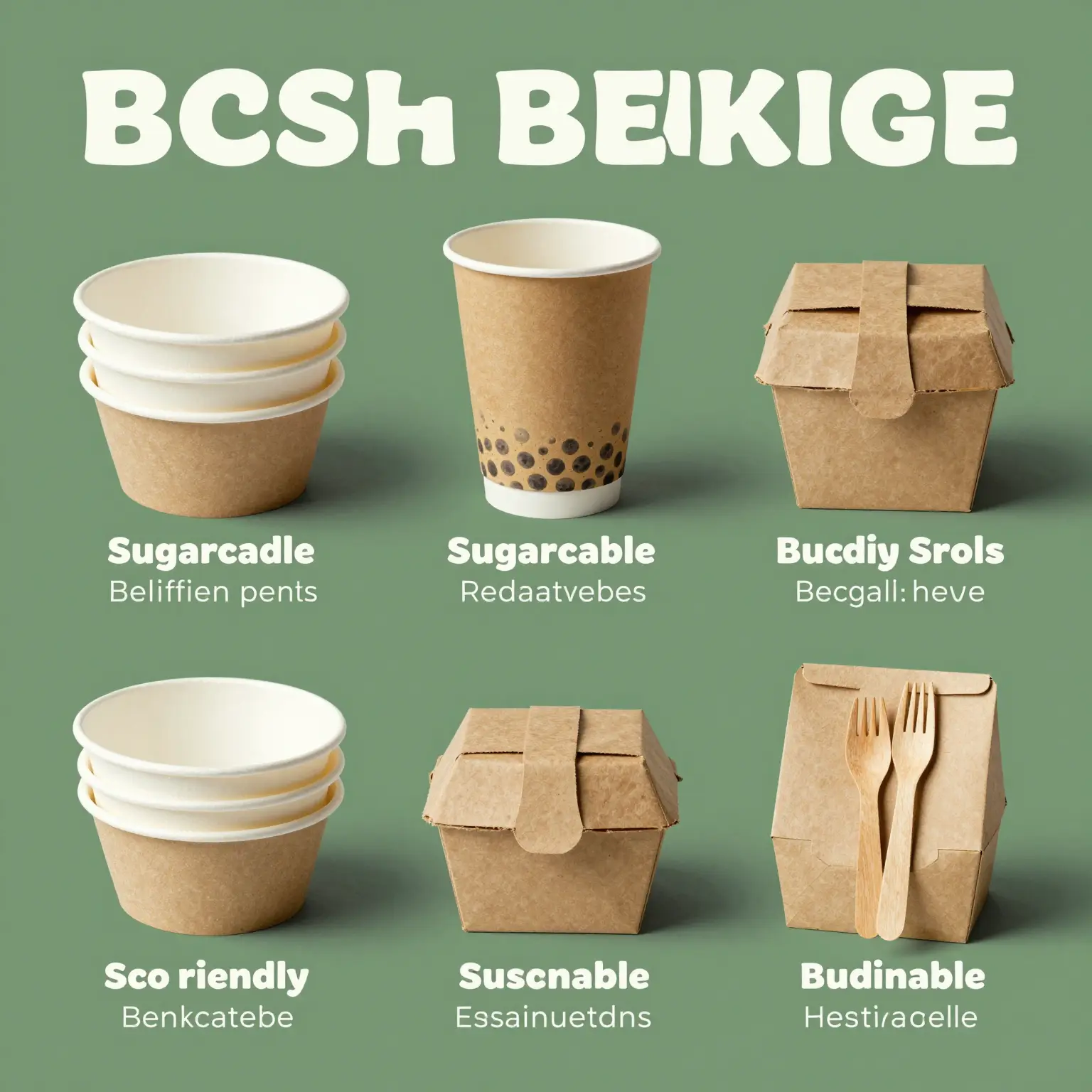
Explore our striking eco-friendly packaging solutions, perfect for bubble tea shops, restaurants, and catering services. These sustainable options not only reduce environmental impact but also enhance the aesthetic appeal of your food presentation. Options include paper bowls, sugarcane cups, kraft paper boxes, and sustainable cutlery. Switching to these materials can help draw in eco-conscious customers while maintaining quality and style. Learn more about sustainable packaging options here.
The dangers of using plastic containers for food storage are becoming increasingly evident. Research shows that not only do these containers leach harmful chemicals into our food, but they can also contribute to serious health risks, including an increased likelihood of heart failure and disruptions to our endocrine systems. As reported in studies, individuals may ingest a shocking number of microplastics, with some estimates suggesting over 74,000 particles a year from these common household items (EcoWatch). Such statistics underline the urgent need for consumers and businesses alike to rethink their food storage practices.
Transitioning to safer alternatives is crucial. Utilizing eco-friendly and reliable disposable tableware and packaging solutions can greatly reduce health risks and environmental harm. Products made from sustainable materials offer a safe way to serve food without the perils associated with plastic containers. For restaurant owners, beverage chains, and catering services, embracing these practices not only ensures the health of your customers but also aligns your business with environmentally responsible values.
Take action today! Explore our range of sustainable packaging solutions and choose options that protect both your customers and the planet. By switching to reliable disposable tableware, your business can positively impact food safety and environmental sustainability. Let’s make a difference together!