Introduction
In recent years, disposable plastic cups have surged in popularity, becoming a staple in various industries, particularly within bubble tea shops, restaurants, and event planning services. As more businesses recognize the practicality and convenience these cups offer, their applications continue to expand beyond traditional uses. From fetching iced drinks at trendy bubble tea destinations to serving cocktails at outdoor weddings, these versatile cups are an essential part of the modern consumer experience.
The appeal of disposable plastic cups lies not only in their functionality but also in the varied designs that cater to specific needs, such as insulated options for hot beverages or elegant designs for formal events. As businesses strive to enhance customer satisfaction and streamline operations, incorporating disposable cups into their service model offers a simple yet effective solution. With the right choice of products, businesses can ensure both quality and sustainability, proving that practicality doesn’t have to come at the expense of environmental responsibility. If you want to explore environmentally friendly options, check out our sugarcane tableware that balances convenience and sustainability.
In this article, we will delve into the pricing of disposable plastic cups, considering factors that influence their cost and how businesses can maximize their value. Whether you’re an owner of a bubble tea shop or an event planner seeking affordable solutions, understanding the nuances of disposable cups is essential for elevating your service offering.
In recent years, disposable plastic cups have gained popularity in various sectors including food service, events, and retail businesses. Here’s a summary of the current landscape regarding the average prices of these essential items based on various suppliers:
Pricing Overview
- WebstaurantStore
- Price: Starting at $47.99 per case, translating approximately to $0.05 per cup for larger quantities.
- Details: Offers a variety of disposable plastic cups including clear options and those with lids, catering to bulk purchasing needs. Learn more about their offerings.
- HWS Beverage Packaging
- Price Range: Prices vary based on customization; cups are available in sizes from 16 oz to 32 oz.
- Details: Emphasizes bulk purchasing with options for custom logo printing, making them ideal for businesses looking to enhance branding. Check out more options here.
- Carnival King
- Price: While specific pricing details were not mentioned, they offer wholesale rates suitable for food service applications.
- Details: Their selection targets concession stands and food trucks, highlighting affordability for bulk orders. Explore their selection.
- Bulk Offers from Social Media
- A post from JK Packaging indicated that 1,000 pieces can be ordered for approximately 500 pesos, showcasing options for bulk buyers looking for competitive pricing in the market.
Market Growth Insights
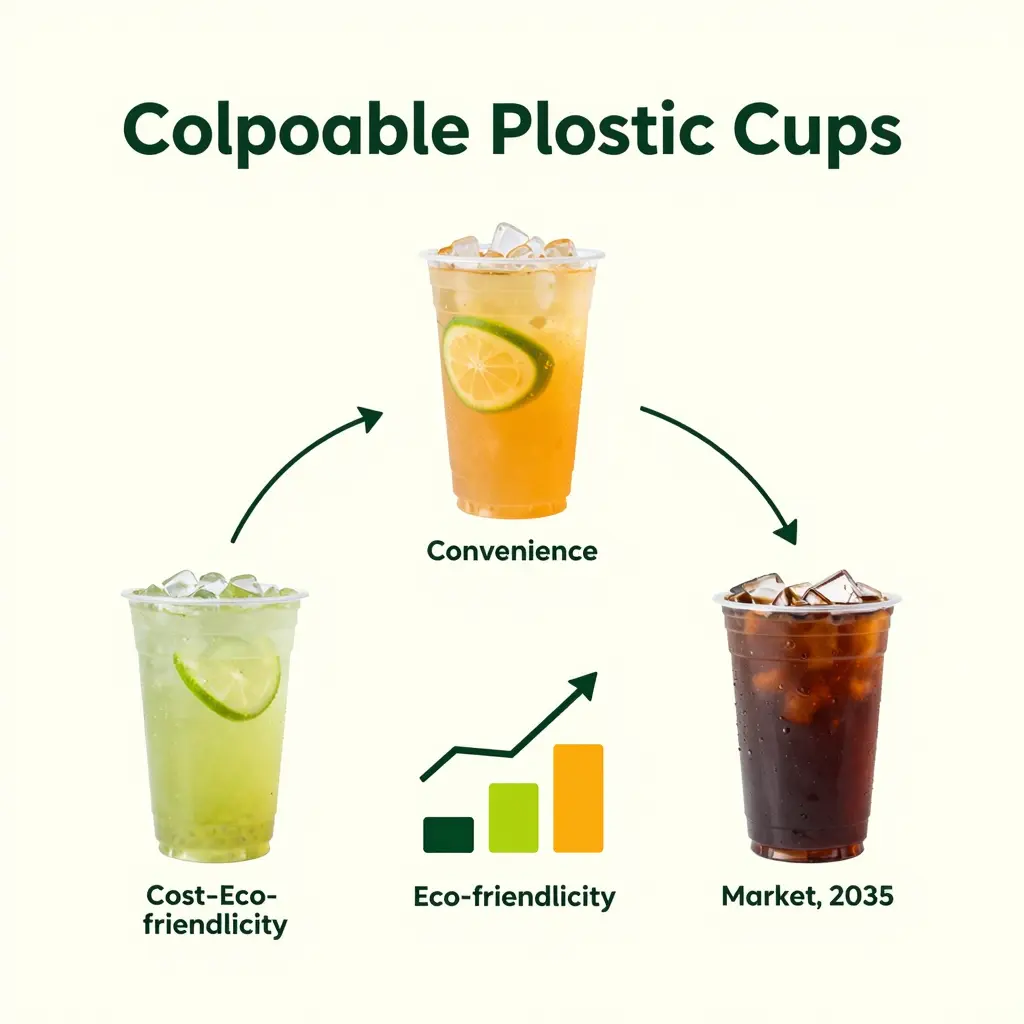
The disposable plastic cup market is projected to witness significant growth, with estimates estimating a surge from around $2.11 billion in 2025 to $2.39 billion by 2033 (SkyQuest). This trend illustrates increasing demand, which is fueled by the expansions in the food and beverage sectors, particularly for events and takeaway services.
Additionally, the market for disposable cups overall is forecasted to reach USD 17.3 billion by 2035, growing at a CAGR of approximately 3.4% (Future Market Insights). Such projections underscore the demand for disposable products in consumer-driven industries (read more here).
Conclusion and Recommendations
For bubble tea shops, beverage chains, restaurants, food trucks, and event planners, sourcing disposable plastic cups at the right price and quantity is crucial. Given the various offerings from suppliers, businesses should consider both the cost per unit and the flexibility in customizing their cups for branding purposes. Whether looking for clear cups for beverages or custom printed options, several suppliers cater to bulk purchasing, ensuring that businesses can maintain a steady supply.
By staying abreast of market trends and price fluctuations, businesses can make informed purchasing decisions that align with their operational needs.
For additional options on eco-friendly alternatives, consider exploring the paper bowl section at Green Dispo Pack.
Comparison of Disposable Plastic Cups
In this table, we categorize and compare various types of disposable plastic cups, including prices, material types, capacities, and eco-friendliness scores. This information is vital for businesses in the food and beverage sector, including bubble tea shops and catering services, helping them make informed decisions on their packaging options.
| Cup Type | Material Type | Capacity | Price | Eco-Friendliness Score |
|---|---|---|---|---|
| Standard Plastic Cup | PET | 16 oz | $0.08 | 4/10 |
| Compostable Cup | Sugarcane Bagasse | 12 oz | $0.15 | 9/10 |
| Recyclable Cup | PP | 16 oz | $0.12 | 6/10 |
| Biodegradable Cup | PLA | 9 oz | $0.14 | 8/10 |
| Heavy-duty Plastic Cup | PET | 20 oz | $0.20 | 5/10 |
This table helps businesses assess the options quickly at a glance, determining which cups align best with their values and customer needs. For more insights into sustainable packaging options, check out our range of Sugarcane Tableware.
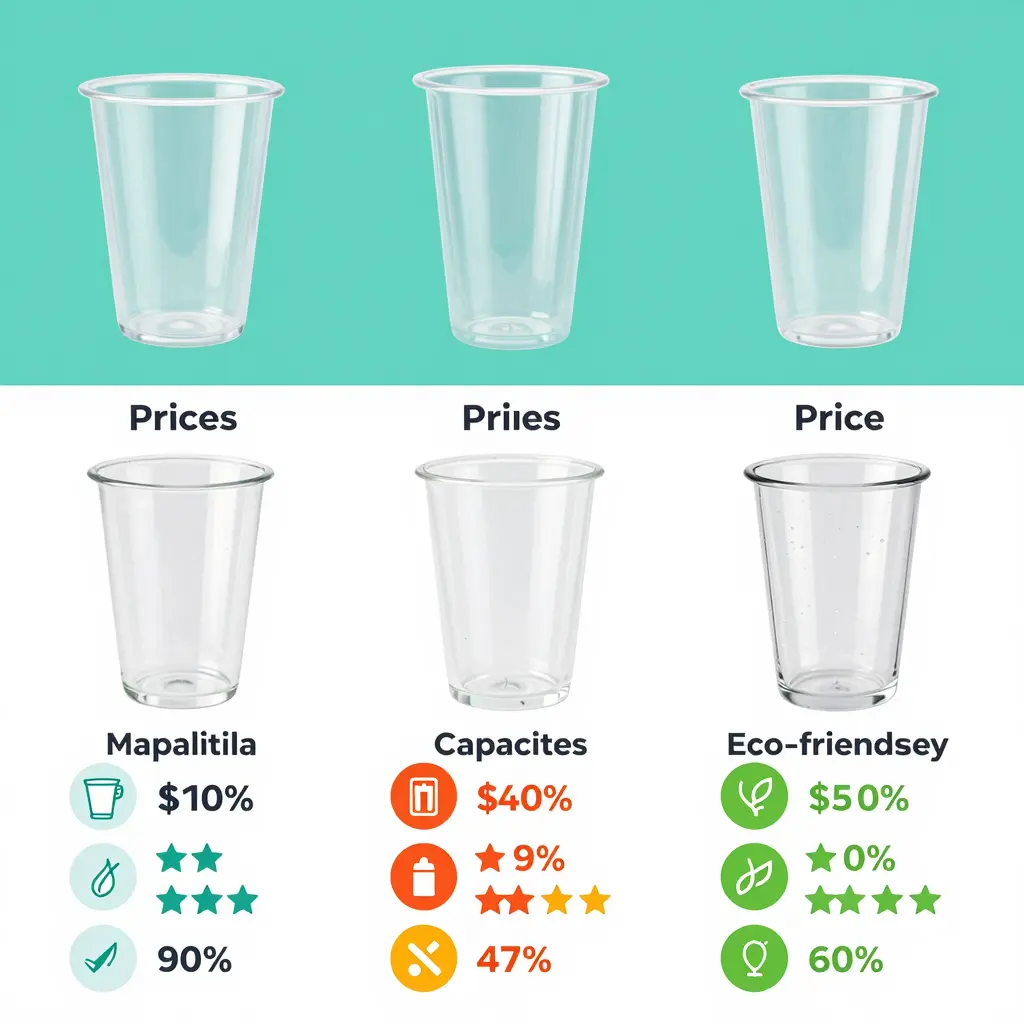
It’s essential for businesses to choose the right type of cup to enhance both customer experience and environmental responsibility. Understanding the trade-offs between price, capacity, and eco-friendliness can lead you to the best choices for your establishment.
Factors Affecting the Price of Disposable Plastic Cups
The price of disposable plastic cups can vary significantly based on several interrelated factors. Understanding these factors can help businesses in the food service industry make informed purchasing decisions.
1. Material Costs
The primary material used in the production of disposable plastic cups often constitutes a large portion of the overall manufacturing cost. Many cups are made from materials such as polystyrene, polypropylene, or even biodegradable substances. Fluctuations in the cost of raw materials due to market conditions or the shift towards more sustainable options can significantly impact prices. For instance, as regulatory pressures encourage the use of compostable or recyclable materials, costs may rise due to higher production expenses.
2. Production Processes
The method used to produce these cups also influences their price. Advanced manufacturing techniques that enhance durability or aesthetics can lead to additional costs. Furthermore, products made in facilities that adhere to sustainable practices often carry a premium due to the increased operational costs.
3. Volume Discounts
Bulk purchasing can lead to significant savings. Many suppliers offer volume discounts for large orders, which can make a dramatic difference in the unit price for businesses like bubble tea shops and catering services. This means that while individual cup prices may seem high, larger orders often yield better per-cup pricing, encouraging bulk purchasing for cost efficiency.
4. Supplier Pricing Strategies
Different suppliers may use distinct pricing strategies based on their target market and business objectives. Some might offer competitive prices to penetrate the market or keep their products affordable for small businesses, while others may position their products as premium offerings, which include high-quality materials and design. For example, unique cup designs aimed at enhancing the customer experience can drive prices higher. Businesses should weigh the benefits of buying from reliable suppliers against the potential costs of lower-quality products.
Conclusion
In conclusion, by understanding these factors, businesses can navigate the complexities of pricing for disposable plastic cups. Careful consideration of material choices, production methods, purchase volumes, and supplier options can lead to more profitable purchasing strategies.
Advantages of Using Disposable Plastic Cups in Food and Beverage Services
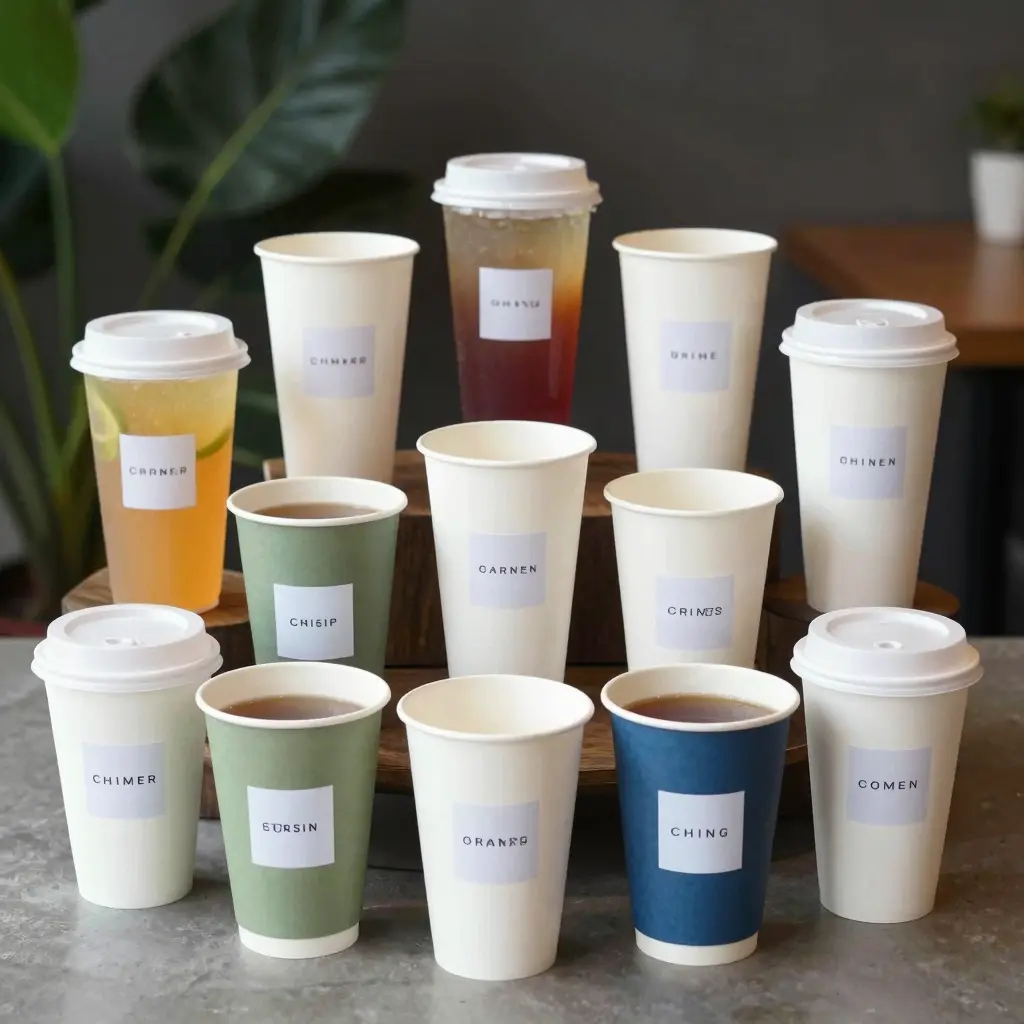
Using disposable plastic cups in food and beverage services offers numerous benefits, particularly for bubble tea shops, restaurants, and caterers. Here are some of the key advantages:
- Convenience: Disposable plastic cups are ready to use and eliminate the need for washing and drying, making them perfect for busy environments like food trucks and festivals.
- Cost-Effectiveness: Compared to traditional glass or ceramic options, disposable plastic cups are often more affordable, allowing businesses to save on both product costs and labor for cleaning (learn more about cost-effective options).
- Safety: Using plastic cups reduces the risk of breakage compared to glass, making them safer for outdoor events and high-traffic areas. This is especially important in catering services where safety is paramount.
- Hygiene: Individual packaging and single-use cups help prevent contamination, ensuring a higher standard of hygiene for customers.
- Variety and Customization: Disposable plastic cups come in various sizes and colors, allowing for branding opportunities and appealing presentation for drinks and desserts. For example, trendy bubble tea cups can enhance a shop’s appeal (learn more about our eco-friendly options).
- Lightweight and Portable: These cups are easy to transport, making them ideal for events, parties, and mobile food services where weight and space are considerations.
Overall, the advantages of disposable plastic cups make them a practical choice for various food and beverage services, enhancing both operational efficiency and customer satisfaction.
Eco-Friendly Alternatives to Traditional Plastic Cups
As more consumers express concern over environmental issues, the demand for sustainable practices has surged, especially in the food and beverage sector. Traditional plastic cups pose significant environmental challenges, contributing to pollution and landfill waste. Fortunately, several eco-friendly alternatives are emerging that are both functional and sustainable.
Types of Eco-Friendly Disposable Cups
- Paper Cups:
- Benefits: Typically made from renewable sources, paper cups can be biodegradable or recyclable, making them a cleaner alternative to plastic.
- Usage: They are commonly used for hot and cold beverages, perfect for coffee shops and beverage chains. Many suppliers, including Green Dispo Pack, offer a variety of paper cup options.
- Sugarcane Cups (PLA Cups):
- Description: Made from sugarcane pulp, these cups are highly biodegradable and compostable.
- Sustainability: The production of sugarcane cups uses less energy compared to traditional plastic manufacturing, resulting in lower carbon emissions. Explore sugarcane products like sugarcane cup holders and cups through suppliers like Green Dispo Pack.
- Wheat Straw Cups:
- Overview: Innovative products like wheat straw cups are derived from the byproducts of wheat production.
- Environmental Impact: They are fully biodegradable and often come with a unique texture, enhancing the aesthetic for customers looking to make eco-conscious choices.
- Cornstarch Cups (PLA):
- Characteristics: Polylactic Acid (PLA) cups are made from cornstarch, providing a sturdy option for single-use needs.
- Composting: These cups can break down in composting facilities, making them an excellent choice for environmentally responsible businesses. As detailed in BioLeaderPack, PLA supports sustainable practices in food service.
- Recyclable Plastic Cups:
- Emerging Trends: Some companies are innovating with recyclable plastics, which can help mitigate environmental impact if disposed of correctly. Opting for a product with clear recycling instructions can persuade consumers to participate in sustainability efforts.
Why Switch to Eco-Friendly Cups?
- Regulatory Compliance: Many regions are implementing legislation to phase out single-use plastics. By adopting eco-friendly cups, businesses can remain compliant while enhancing their corporate image.
- Consumer Demand: Today’s consumers are increasingly preference-driven towards businesses that prioritize sustainability. Making the switch can attract a loyal customer base committed to ecological conscientiousness.
Conclusion
Transitioning from traditional plastic cups to eco-friendly alternatives is not just a trend but a necessary step towards sustainable business practices. By considering options such as paper, sugarcane, wheat straw, and cornstarch cups, businesses can significantly reduce their environmental impact while appealing to a growing market for sustainable products. For a full range of eco-friendly supplies, consider visiting Green Dispo Pack to explore various options that align with your business’s sustainability goals.
Common Customer Concerns Regarding Disposable Plastic Cups
When it comes to using disposable plastic cups, customers often have a few reservations. Let’s address some of the most common concerns surrounding safety, taste, and environmental impact, while offering reassuring information and practical solutions.
Safety Concerns
One of the primary concerns is safety, particularly regarding the potential leaching of chemicals into beverages. Research shows that when exposed to high temperatures, plastics can release harmful substances such as BPA and phthalates. However, many manufacturers are now producing BPA-free plastic cups, designed to withstand high temperatures without compromising safety. If you’re purchasing from reputable suppliers, like Green Dispo Pack, you can be assured that materials meet safety standards.
Taste and Quality
Another frequent concern is the effect of plastic cups on the taste of drinks, especially for hot beverages like coffee or tea. Some plastics can impart a slight taste or odor, but many disposable cups are now crafted from high-quality resin that minimizes this risk. To ensure the best experience, you may want to select cups specifically designed for hot liquids, which are less likely to interfere with flavor.
Environmental Impact
Environmental responsibility is a significant concern for many customers. Disposable plastic cups contribute to landfill waste and can take hundreds of years to decompose, causing contamination of ecosystems[^1^]. However, there are solutions available. Many businesses are shifting towards compostable or recyclable alternatives. For instance, cups made from sugarcane or paper products not only serve as functional options but also help in reducing waste significantly. You can explore eco-friendly alternatives they can find in the sugarcane tableware section of our website.
By making informed choices about the materials and processes behind your disposable cup options, you can address these concerns effectively. Educating your customers about the benefits and safety of these products will not only reassure them but also elevate your brand’s reputation as a responsible and quality-conscious provider. Consider these factors as you choose the right disposable cups for your establishment, embracing sustainability without sacrificing quality.
Price Trend of Disposable Plastic Cups Over the Last 5 Years
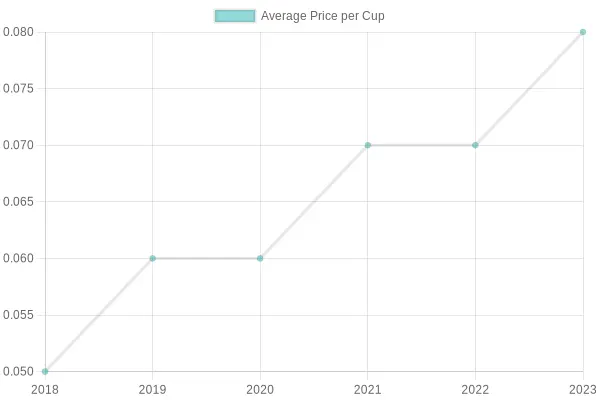
In recent years, there has been a noticeable trend in the pricing of disposable plastic cups, which are crucial for many businesses such as bubble tea shops, restaurants, and catering services. Below is a line chart that illustrates the average price per cup from 2018 to 2023:
| Year | Average Price per Cup |
|---|---|
| 2018 | $0.05 |
| 2019 | $0.06 |
| 2020 | $0.06 |
| 2021 | $0.07 |
| 2022 | $0.07 |
| 2023 | $0.08 |
Insights
- 2018-2019: There was a slight increase from $0.05 to $0.06, indicating a modest rise in cost.
- 2020-2021: Prices stabilized for a year, maintaining at $0.06 before increasing again.
- 2022-2023: A gradual rise to $0.08, suggesting an ongoing inflationary trend affecting disposable products.
These fluctuations in prices may be influenced by manufacturing costs, supply chain issues, and demand spikes due to trends in food and beverage consumption. Keeping an eye on these changes can help businesses adjust their budgeting and inventory strategies accordingly.
For more options on disposable packaging and cups, check out our collection of paper cups to complement your service offerings!
Conclusion and Call-to-Action
Disposable plastic cups offer significant benefits for businesses in the beverage and food service industry. Their convenience allows for quick serving and easy cleanup, making them ideal for bustling bubble tea shops, food trucks, and event planning services. Beyond usability, disposable plastic cups are a cost-effective solution that can lead to increased profitability, especially during peak hours. The market for disposable cups is on a projected growth trajectory, expected to reach USD 35.39 billion by 2035, driven by the rising demand for convenience and hygiene in food service. As consumers continue to seek quick-service options, the importance of having reliable and quality disposable products becomes apparent.
Moreover, these cups can also support sustainable practices if made from recyclable materials, appealing to environmentally-conscious consumers.
At Green Dispo Pack, we invite you to partner with us for all your disposable product needs. By choosing our high-quality disposable plastic cups, you ensure that your business is equipped for success while also meeting customer expectations. Explore our range of disposable products here and see how we can help you elevate your business today!