
Understanding HSN Codes for Disposable Paper Cups
In the bustling world of food and beverage service, every small detail can make a big difference-especially when it comes to compliance and efficiency. For bubble tea shops, restaurants, food trucks, and event planners, understanding the Harmonized System (HSN) codes for disposable paper cups is crucial. These codes not only simplify import and export processes but also ensure that businesses adhere to the regulations set forth by governments around the world.
Like a secret language, HSN codes categorize products in a way that makes international trade smoother and more transparent. If you’re a corporate procurement team or a small business owner sourcing packaging solutions, knowing the HSN code for disposable paper cups is key to optimizing your purchasing process and maintaining budget integrity.
In this article, we will delve into:
- What HSN codes are and their significance for your business,
- How to find the HSN code specific to disposable paper cups,
- Best practices for using HSN codes in your procurement efforts,
- The importance of selecting the right disposable coffee and tea cups, and how products from Green Dispopack can fulfill your needs.
Whether you’re planning an event or running a café, understanding these codes will empower you to navigate the complexities of product classification and compliance, ultimately enhancing your operational efficiency and customer satisfaction. Let’s explore these topics in detail!
Understanding HSN Codes
The Harmonized System of Nomenclature (HSN) codes are essential for classifying goods in the context of international trade and taxation. Comprising an eight-digit code, HSN codes are designed to facilitate smooth commerce across borders by providing a standardized classification system recognized globally. Over 200 countries utilize HSN codes, making them critical for businesses involved in import and export operations.
Purpose of HSN Codes
-
Classification of Goods: HSN codes help businesses accurately classify their products, ensuring that they are correctly identified in trade documents, invoices, and customs declarations.
-
Taxation: Different HSN codes correspond to specific tax rates under the Goods and Services Tax (GST) framework in many countries. This classification helps in determining the applicable tax rates for different products, simplifying tax compliance for businesses.
-
International Trade: By using HSN codes, businesses ensure they adhere to international standards, which is crucial for customs clearance. A common classification helps in preventing misunderstandings and discrepancies during trade.
-
Facilitation of Trade: The HSN system streamlines processes involved in international trade, allowing for quicker customs clearance and improved logistics management.
How HSN Codes are Used
When shipping products like disposable paper cups, for instance, a specific HSN code will be assigned. For example, disposable cups might fall under a particular HSN classification that contains all similar products. This allows for precise identification and aids in calculating the necessary tariffs when goods are imported or exported.
Example of HSN Code Usage
- Disposable paper products, such as cups, may have a specific HSN code like 4819. This code indicates goods made of paper or cardboard, in this case, designated specifically for disposable items.
- In the case of businesses like bubble tea shops, using the correct HSN code makes tax calculations easier and more manageable. It further ensures compliance with local tax regulations.
For businesses involved in producing or selling products such as paper cups or other disposable packaging, understanding their HSN codes can greatly aid in efficient logistics and adherence to legal guidelines.
| Item Description | HSN Code | GST Rate |
|---|---|---|
| Disposable Paper Cups | 4823 40 00 | 18% |
| Paper Cups (General Classification) | 4823 69 00 | 18% |
| Paper Plates | 4823 10 00 | 18% |
| Paper Bowls | 4823 10 00 | 18% |
| Paper Napkins | 4818 10 00 | 12% |
- The Disposable Paper Cups are categorized under HSN code 4823 40 00 and attract a GST rate of 18%.
- Other items like Paper Plates and Paper Bowls share similar HSN codes, emphasizing the interchangeability of these products in classification.
- Understanding these codes is crucial for businesses like bubble tea shops, restaurants, and catering services.
For more information about disposable paper products, you can explore our range of paper cups and paper packaging solutions.
Now that you have an overview of HSN codes for disposable paper products, you can better manage the procurement and selling processes in your business.

The Importance of HSN Codes for Businesses in the Food Sector
Understanding Harmonized System of Nomenclature (HSN) codes is crucial for bubble tea shops, restaurants, and food vendors. These codes classify goods for international trade, enabling businesses to efficiently manage logistics, ensure compliance, and control costs.
Why HSN Codes Matter for Bubble Tea Shops and Food Vendors
-
Compliance with Regulations: For businesses, especially those with an annual turnover exceeding Rs. 1.5 crore, using proper HSN codes is essential for GST compliance. Aligning with these codes avoids penalties and fines from regulatory bodies. As highlighted in a guide from Credlix, incorrect classifications can lead to financial repercussions.
-
Cost Management: Misclassifying products can lead to overpayment of taxes. For instance, disposable paper cups, classified under HSN 4823, can attract different GST rates. Knowing the exact HSN code for products like disposable cups, which often falls under 48236900, helps in calculating precise tax liability. Reports from DHL India emphasize that accurate HSN classification protects against unnecessary costs and compliance issues.
-
Streamlining Operations: Using HSN codes can enhance inventory management. By categorizing products, bubble tea shops and food vendors can optimize their procurement processes, ensuring they remain well-stocked without over-ordering. This is particularly key for seasonal items or specialty products.
-
Global Trade Advantages: HSN codes facilitate international trade by standardizing goods throughout the supply chain. For businesses looking to import or export products, accurate classification can lead to smoother transactions and decreased shipping delays.
Challenges and Costs Associated with Non-Compliance
Maintaining compliance with HSN codes can come with its costs. Food vendors might face expenditures attributed to:
- Documentation and record-keeping practices.
- Training employees to understand compliance protocols.
- Regular inspections and adherence to local regulations.
- Potential fines and penalties for any misclassification, as discussed in articles about food safety compliance costs.
Failure to comply can strain the financial health of small businesses, making it imperative for bubble tea shops and food vendors to stay informed about current regulations and HSN classifications. By focusing on these codes, they not only ensure they are following legal guidelines but also position themselves competitively in the market.
Conclusion
In conclusion, understanding HSN codes is vital for bubble tea shops, restaurants, and food vendors alike. It promotes regulatory compliance, controls expenses, and enhances operational efficiency. Whether it’s procuring paper cups or other packaging materials, better awareness about HSN codes leads to smarter business practices and greater prosperity in the food sector.
Safety Regulations for Disposable Paper Cups
In the fast-paced world of beverage service, especially within bubble tea shops, restaurants, food trucks, and catering services, adherence to safety regulations regarding disposable tableware is paramount. Disposable paper cups, commonly used for serving both hot and cold beverages, must comply with various safety standards to ensure consumer protection and food safety.
Key Safety Standards and Regulations
-
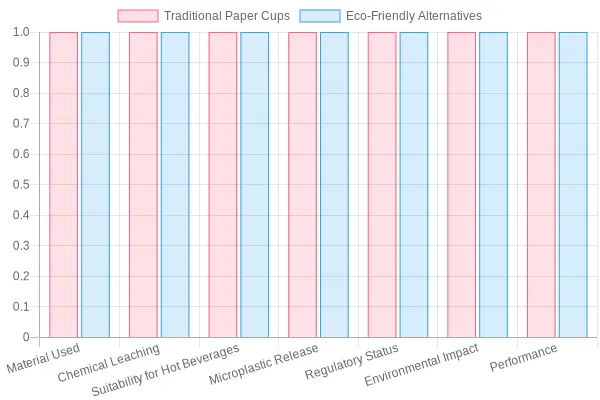
Material Safety: Disposable paper cups are typically made from paper lined with plastics (polyethylene or polylactic acid). Regulatory bodies like the FDA emphasize that materials used in food contact must not leach harmful chemicals into the food or beverages. Eco-friendly alternatives, such as those made from biodegradable materials, are becoming popular as they tend to comply more robustly with safety standards related to chemical leaching.
-
Chemical Leaching: Studies indicate that traditional paper cups may leach harmful substances when used for hot beverages. In 2023, research revealed that many conventional paper cups could leach potentially toxic chemicals under certain conditions. Conversely, eco-friendly cups, such as those made from compostable materials, tend to have a lower risk of chemical leaching, making them a safer choice for hot liquids.
-
Heat Resistance: The cups must withstand the heat of hot liquids without compromising integrity or safety. Poor-quality paper cups can warp or break down when filled with hot drinks, posing significant safety concerns. Products made from superior materials specifically designed to endure high temperatures are necessary to prevent these issues.
-
Environmental and Regulatory Compliance: Disposable paper cups need to conform to environmental regulations concerning waste disposal and biodegradability. Regulations like the European Union’s Packaging Directive mandate that packaging must be designed minimally and be recyclable or compostable. Eco-friendly cups often meet or exceed these sustainability requirements, alleviating concerns linked to waste disposal and environmental impact.
In conclusion, disposable paper cups play a significant role in modern beverage services but come with safety considerations that all venues must address. Ensuring compliance with established safety standards not only protects consumers but also enhances the reputation of your business. For more insight into our product offerings, explore our selection of paper cups.
Understanding these regulations helps ensure that your establishment remains compliant and can provide a safe and enjoyable experience for your customers.
Benefits of Using HSN Codes Correctly for Food Businesses
Utilizing HSN (Harmonized System of Nomenclature) codes properly in procurement and inventory management can significantly enhance operations within food businesses. Here are some prominent benefits:
- Improved Compliance: Correctly using HSN codes ensures adherence to GST regulations, avoiding potential fines or legal issues. Accurate classification acts as a safeguard against compliance-related penalties.
- Enhanced Inventory Management: Properly categorized products facilitate easier tracking and management of inventory. Businesses can more accurately assess stock levels, reducing waste and improving supply chain efficiency.
- Accurate Tax Calculations: Assigning the correct HSN code to products aids in determining the appropriate tax rates, ensuring proper billing and minimizing inaccuracies during tax filings. This is crucial for maintaining transparent financial records, especially in the food industry where margins can be tight.
- Streamlined Procurement Processes: Clear categorization through HSN codes simplifies ordering processes from suppliers, enabling procurement teams to quickly identify and source the right products, such as disposable paper cups.
- Better Reporting and Analytics: Access to precise data linked to HSN codes enhances reporting accuracy, helping businesses make informed decisions. This is indispensable for planning and strategizing inventory based on trends.
- Facilitated International Trade: For food businesses engaging in exports, correct HSN codes are essential for documentation, ensuring smoother customs processes, as noted in this article.
- Cost Efficiency: By ensuring the correct HSN classification, businesses can avoid overpaying taxes and reduce operational costs, promoting better bottom-line performance in competitive markets like food services.
Each of these benefits highlights the importance of proactive HSN code management for food businesses, ultimately leading to improved operational success.
Understanding the Importance of Correct HSN Coding
In the realm of food service and packaging, correct HSN (Harmonized System of Nomenclature) coding plays an essential role in ensuring compliance with regulatory standards. Experts emphasize that accurate coding can significantly influence tax obligations and international trade regulations. As one industry expert highlights:
“Accurate HSN classification is crucial; it helps differentiate between similar items that may have varied GST implications based on their composition and use. Ensuring correct coding is not just about compliance; it’s about optimizing business operations and avoiding unnecessary penalties.”
This underscores the significance of precise coding in managing costs and compliance for food service businesses ranging from bubble tea shops to major beverage chains.
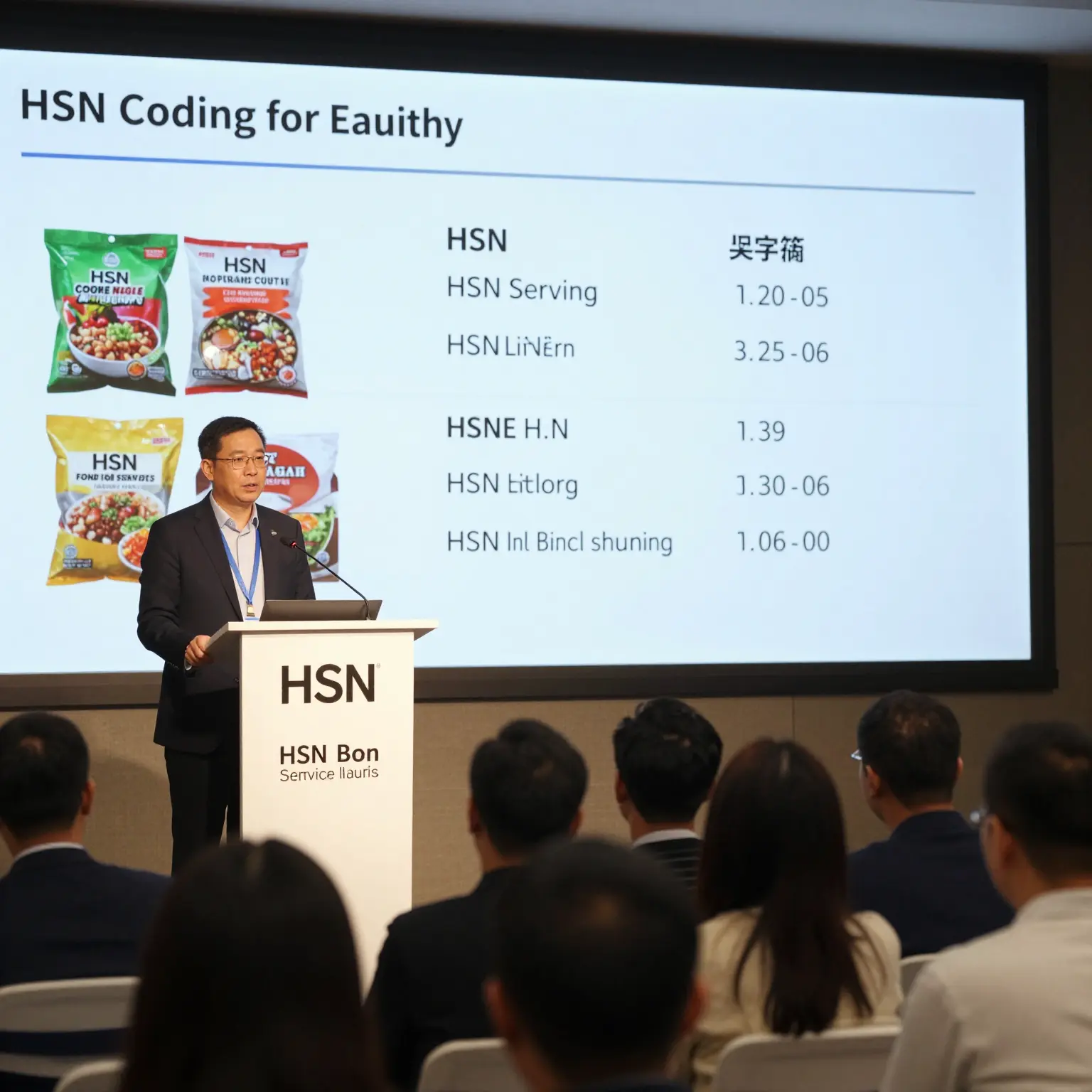
An industry expert at a conference discussing the critical role of HSN coding in business operations.
For businesses in the food industry, understanding HSN codes not only aids in proper tax reporting but also enhances efficiency in logistics and operations. For those looking for disposable packaging solutions, consider exploring our range of paper cups that comply with necessary HSN coding requirements and more.
Potential Errors in HSN Code Classification for Disposable Paper Products
Classifying disposable paper products with the correct HSN (Harmonized System of Nomenclature) codes is vital for businesses, particularly in the food and beverage industry, including bubble tea shops, restaurants, and catering services. Misclassifications can lead to incorrect taxation and compliance issues. Here, we outline some common errors businesses might encounter and suggest effective solutions to avoid these pitfalls.
Common Errors in HSN Classification
-
Truncated or Incomplete Codes:
Businesses may inadvertently use truncated codes that don’t accurately represent the product category. For example, a paper cup might be misclassified due to only using part of the HSN code, which results in incorrect tax implications. -
Misunderstanding Product Categories:
Many companies struggle with determining the appropriate category for their products. A disposable paper plate may be confused with another category, leading to increased taxes or delays in processing. -
Not Updating Codes Regularly:
The HSN code list is regularly updated. Failure to keep up with these changes can result in using outdated codes, which is a common mistake that can lead to compliance issues.
Suggested Solutions
-
Consult Relevant Guidelines:
Regularly refer to the official HSN classification guidelines and updates. Websites like the GST portal offer detailed resources on how to classify products accurately. For example, refer to this guide for insights on disposable paper product classifications. -
Continuous Training and Education:
Ensure your team is well-versed in HSN codes. Conduct training sessions to keep everyone updated on classifications and regulatory changes. -
Utilize Accurate Categorization Tools:
Make use of categorization tools available on official government or trusted tax advisory websites, like this one, to verify HSN codes before finalizing transactions.
Conclusion
Accurate HSN code classification is essential for compliance and avoiding potential legal issues. By understanding common errors and implementing these proactive solutions, businesses can ensure the correct classification of their disposable paper products while complying with regulations. This practice not only streamlines operations, but it also protects against unforeseen tax liabilities.
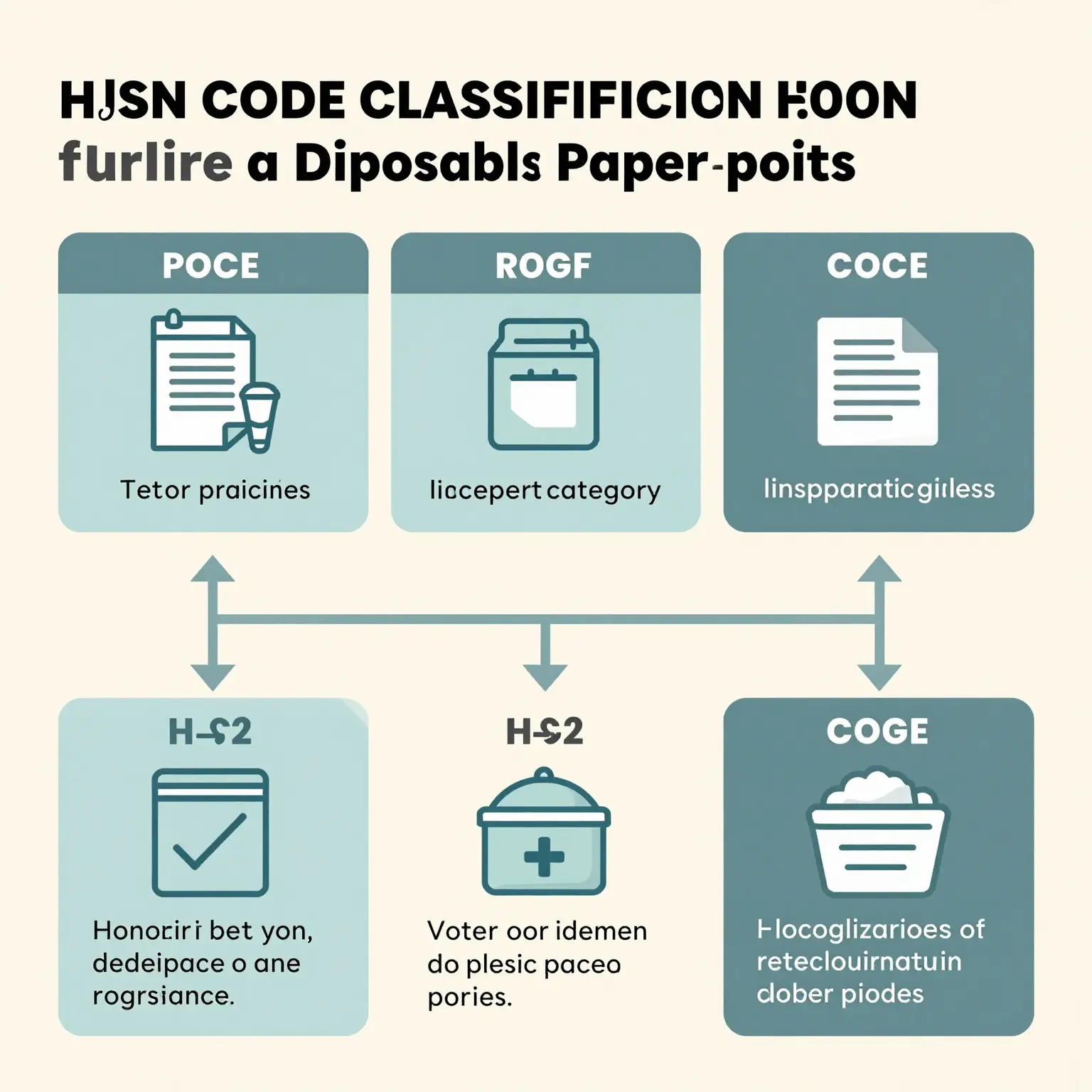
For more information on disposable paper products and their corresponding HSN codes, visit our paper cup section and explore our extensive range of products designed to meet your business needs.
Conclusion: Partner with Us for Quality Disposable Tableware Solutions
In conclusion, understanding the importance of HSN codes is crucial for businesses in the food and beverage industry. These codes not only facilitate compliance with tax regulations but also ensure that products are classified correctly for international trade. By using HSN codes effectively, businesses can streamline their processes and reduce the risk of errors during tax reporting. It is essential for restaurants, food trucks, bubble tea shops, and catering services to keep abreast of these standards to maintain compliance and enhance their operational efficiency. You can learn more about the importance of HSN codes for businesses.
The disposable tableware market is expanding rapidly, driven by an increasing demand for eco-friendly solutions. By 2032, it is expected to reach over USD 21.8 billion, reflecting significant growth primarily in sustainable materials. This trend opens avenues for businesses to align themselves with environmentally conscious practices while meeting customer demand. If your business operates in this sector, now is the perfect time to reassess your tableware supply and sustainability practices.
At Green Dispo Pack, we provide a wide range of high-quality disposable tableware that meets both compliance and environmental standards. Whether you’re looking for disposable paper cups or eco-friendly sugarcane options, we have you covered. By partnering with us, you can ensure that your business not only thrives in compliance but also stands out as a leader in sustainability.
Contact us today to make the switch to quality disposable tableware solutions that cater to your needs and support your commitment to sustainability. Let’s work together to create a cleaner, greener future while maintaining the convenience your customers expect!