
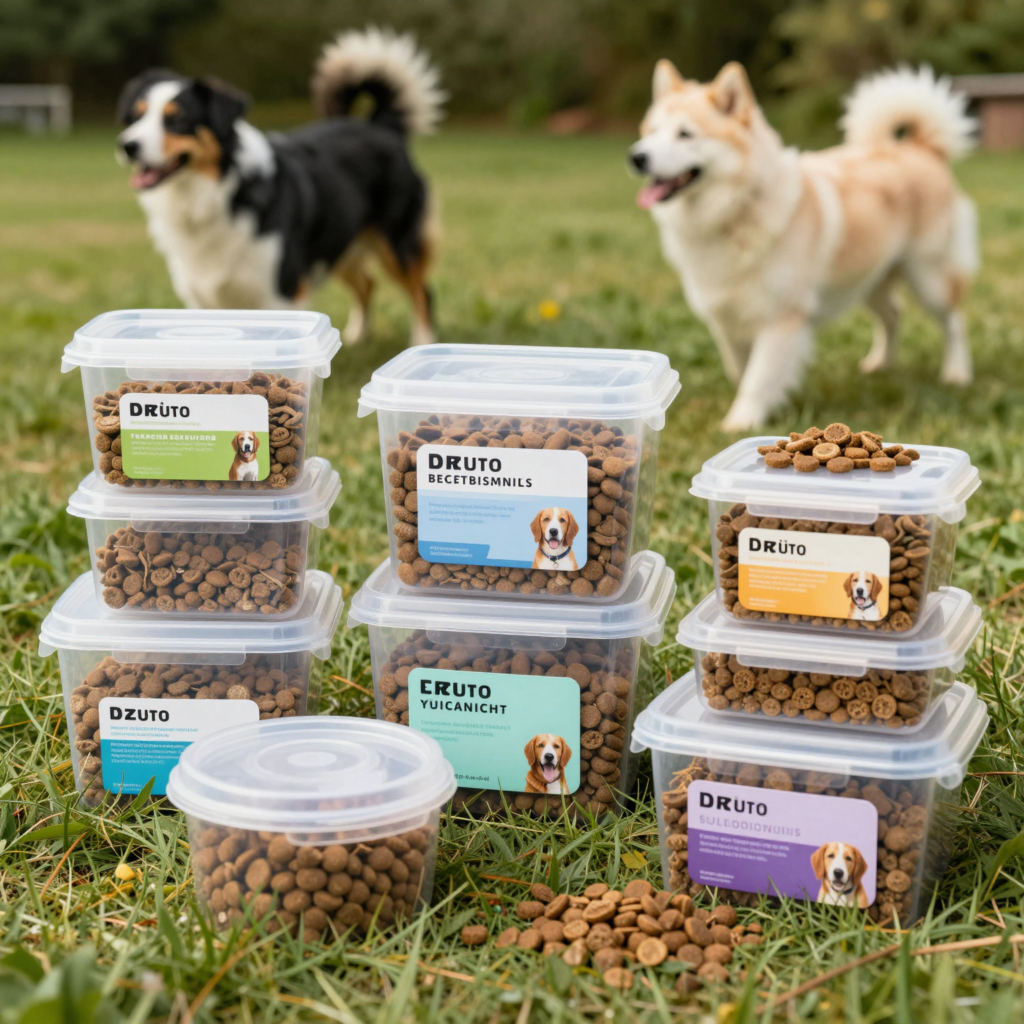
Storing dog food safely in plastic containers is a common dilemma faced by pet owners and businesses alike. With a variety of storage solutions available, it’s crucial to consider food safety and the materials used in packaging. The right dog food plastic container not only protects the nutrition of our furry friends but also adheres to industry standards, making it a relevant topic for businesses in the food packaging sector. As pet food suppliers, including bubble tea shops, food trucks, and catering services, seek out optimal solutions for preserving quality, understanding the implications of plastic as a storage option becomes essential. When selecting dog food containers, the importance of informed choices transcends beyond personal use, impacting overall food safety and sustainability. This article aims to unravel the considerations that businesses must take into account, ensuring that their storage practices align with both health guidelines and consumer expectations. By focusing on effective packaging, we can not only enhance the quality of our services but also the satisfaction of our customers, leading to a better experience for everyone involved.
The Benefits of Using Plastic Containers for Storing Dog Food
When it comes to storing dog food securely and efficiently, plastic containers stand out for numerous reasons. Their advantages play a crucial role not only for pet owners but also for businesses in the food service and catering sectors. Here’s a detailed look at the benefits of plastic containers:
-
Durability: Plastic containers, especially those made from high-density polyethylene (HDPE) or polypropylene (PP), resist cracking and don’t break easily, making them a safe and durable choice for storing dog food over time. This is essential for any business investing in storage solutions that will withstand frequent handling and transport.
-
Cost-Effectiveness: Compared to glass or metal alternatives, plastic containers are generally less expensive. This lower cost allows businesses to allocate more funds to other essential areas, such as food quality or customer service, while still ensuring effective food storage. Check out this selection of economical paper packaging options that can complement your storage solutions.
-
Ease of Cleaning: Plastic containers can be easily washed and sanitized, reducing the likelihood of harmful bacteria buildup. This is particularly crucial in commercial settings like restaurants or catering businesses where hygiene is a top priority. Many containers are also dishwasher safe, facilitating quicker turnaround times for cleaning.
-
Airtight Features: Many modern plastic containers come equipped with airtight seals. This technology helps preserve the freshness of dog food by preventing air, moisture, and pests from spoiling the contents. Businesses can maintain the quality of their products longer, reducing waste and ensuring customer satisfaction.
-
Lightweight and Portable: The lightweight nature of plastic makes these containers easy to transport or stack. This feature is beneficial for food trucks and catering services where space is valuable, allowing easy organization and mobility.
-
Transparent Options: Some plastic containers are designed with transparent sides, making it easy to monitor food levels without opening the container. This feature not only enhances convenience but also helps businesses keep track of inventory levels efficiently.
-
User-Friendly Design: Many containers include ergonomic designs, like built-in handles and measuring cups, which improve usability. This focus on user experience can save time for busy restaurant staff or catering teams.
-
Variety of Sizes: Plastic containers come in various sizes, making it easy for businesses to select the perfect fit for their specific needs. This versatility is particularly advantageous for event planners, who may require different sizes depending on the type of dog food being served.
With all these advantages, it’s clear why plastic containers are a popular choice for storing dog food, especially in business environments. Investing in high-quality, food-safe plastic containers can streamline operations, ensure food safety, and ultimately enhance customer satisfaction. For further exploration of high-quality packaging solutions, visit our website and see our selection of sugarcane food containers.
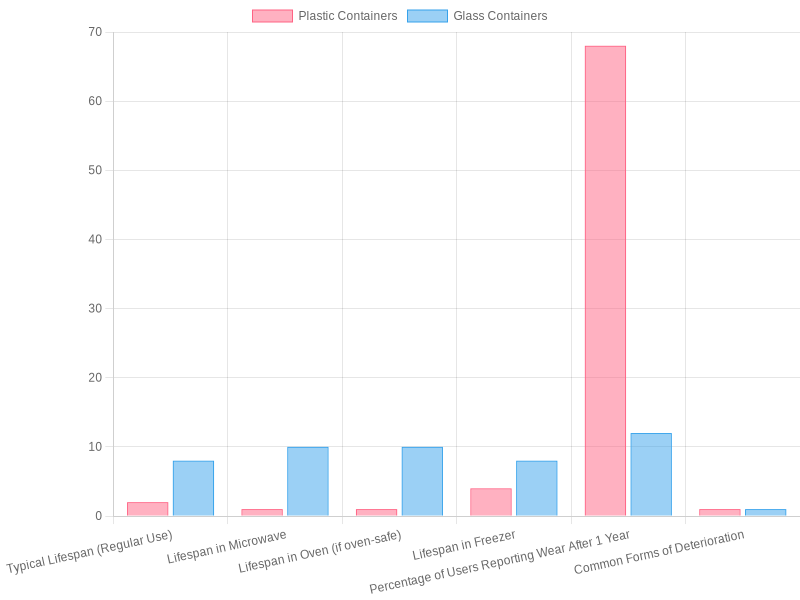
Food Safety Standards When Using Plastic Containers for Dog Food
Ensuring food safety standards when storing dog food in plastic containers is crucial for both pet health and compliance with applicable regulations. The choice of container materials, including plastics, requires careful consideration to minimize contamination risks and ensure the longevity of the stored food.
Importance of Compliance with Food Safety Standards
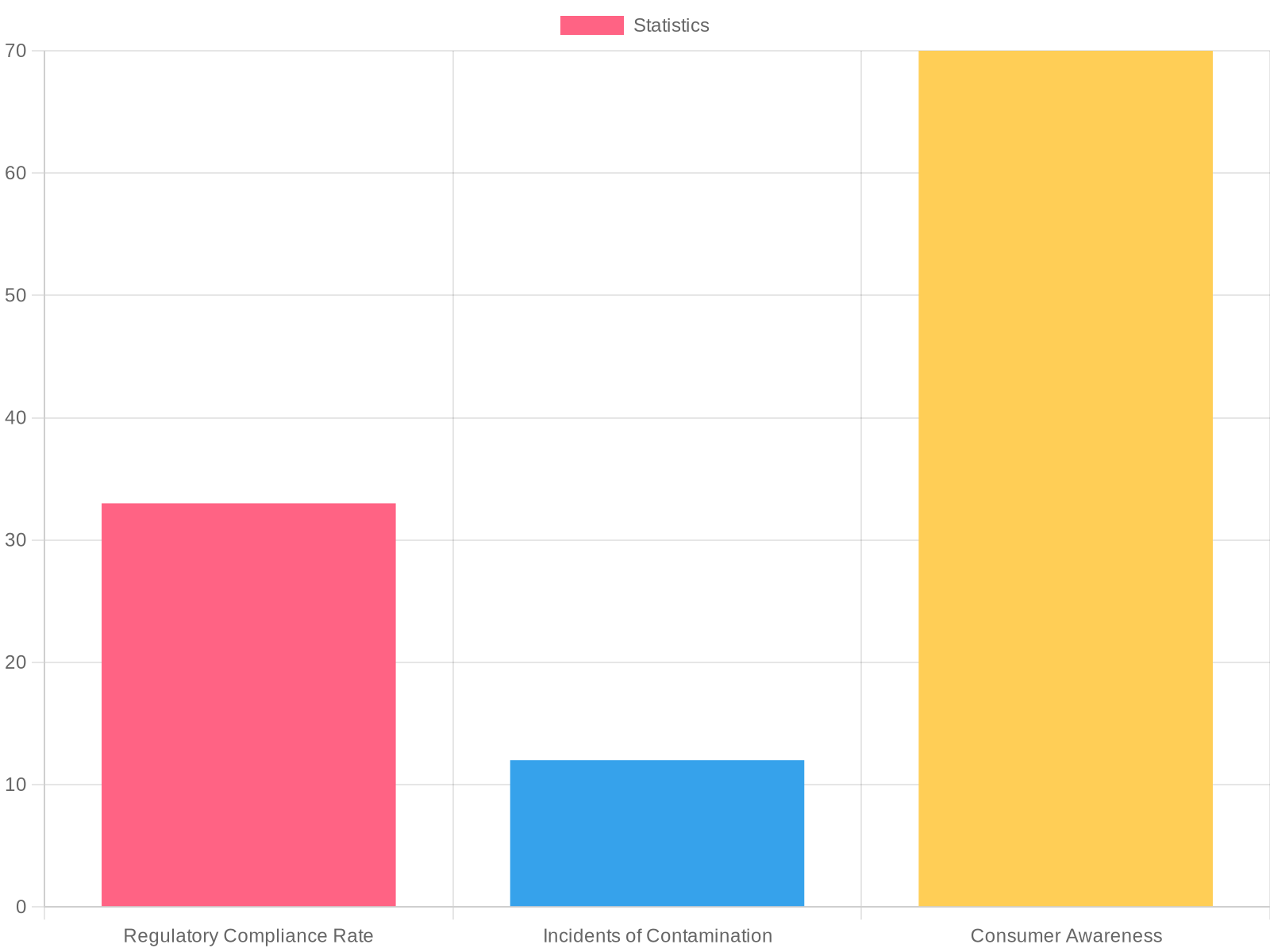
The U.S. Food and Drug Administration (FDA) outlines specific regulations for food-grade plastics under Title 21 of the Code of Federal Regulations (CFR). For instance, compliance with standards such as 21 CFR 177.1520, which covers polypropylene (PP) and polycarbonate (PC) materials, is mandatory. These standards dictate that any plastic container intended for food storage must not leach harmful substances into the food. As reported, only about one-third of plastic container manufacturers effectively meet dual compliance requirements for food contact materials and hazardous chemical regulations. This creates a significant risk of contamination from non-compliant products.
Contamination Risks
Recent regulations, including the GB 4806.7-2023 standard, have emphasized the importance of microbial limits in food storage. This regulation, implemented in September 2023, aims to standardize safety measures and mitigate risks associated with microbial contamination-a crucial aspect to consider when using plastic containers for dog food.
In 2023, inspection reports indicated potential food contact material inspection failure rates as high as 12%, due to factors like exceeding migration substance limits and non-compliant raw materials. Adhering to rigorous food safety compliance standards is a necessary step to prevent incidents of contamination that can adversely affect pet health.
Rising Consumer Awareness
Consumer awareness regarding food safety has surged, driven by past incidents of product recalls and safety crises. Pet owners are becoming increasingly vigilant about the materials used in food storage, demanding “safe and low-carbon” packaging options. This shift has pushed manufacturers to adopt better practices and improve compliance with food safety standards.
Conclusion
Using plastic containers for dog food storage can be safe and convenient, provided that stringent food safety standards are upheld. Compliance with regulations set forth by the FDA and other governing bodies guarantees that the materials used do not pose a risk to pet health. As the market continues to evolve, both manufacturers and consumers must remain aware of the importance of food safety, ensuring that the products are not only convenient but also safe for our furry companions.
In summary, maintaining compliance with food safety standards is essential not only for protecting pet health but also for sustaining consumer trust in products. For more information about food-safe options, check out our range of paper packaging solutions, designed with safety in mind!
| Type of Plastic | Safety Rating | Durability | Cost (approx.) |
|---|---|---|---|
| High-Density Polyethylene (HDPE) | High | High | ¥15 – ¥50 |
| Polypropylene (PP) | High | Moderate | ¥15 – ¥35 |
| BPA-Free PET | Medium | Low | ¥10 – ¥30 |
| Polyethylene Terephthalate (PET) | Medium | Moderate | ¥20 – ¥40 |
| Composite Plastic | Low | Low | ¥15 – ¥25 |
Key Insights:
- High-Density Polyethylene (HDPE) and Polypropylene (PP) are highly recommended for dog food storage due to their safety ratings and durability.
- Popular options with good performance characteristics include affordable containers that typically fall within a price range of ¥15 to ¥50.
- Avoid containers made of BPA or lower-rated plastics to ensure your dog food remains fresh and free from harmful chemicals.
You can further explore paper food storage options if you’re looking for alternative materials for food storage.
User Experiences with Plastic Containers for Dog Food Storage
Many dog owners have turned to plastic containers for efficient dog food storage, and their experiences often revolve around benefits, challenges, and best practices. Here’s a summary of real-world testimonials and insights on the topic.
Common Benefits
-
Durability and Safety: Users frequently mention the sturdy construction of plastic containers, such as those made from BPA-free materials. They appreciate that these containers can withstand the kinks of daily use while ensuring that pet food remains safe for their furry friends. For example, a heavy-duty container rated for 50 pounds is noted for its robust design and lockable lid to prevent spoilage and pests.
-
Food Preservation: Many testimonials highlight the effectiveness of airtight seals in preventing moisture and pests from ruining the food. Customers have found that using containers with tight-fitting lids keeps dry dog food fresher for longer, reducing waste.
-
Easy Monitoring: Transparency in some containers allows pet owners to easily check the remaining food quantity. This design feature helps in planning pet feedings without overcommitting to purchases.
-
Ease of Cleaning: Users appreciate the convenience of washing these containers, ensuring hygiene standards are maintained. Many found that even after multiple washes, the containers showed no lingering odors.
Challenges Encountered
While many users are satisfied, some face challenges:
- Odor Absorption: A few reviews pointed out that certain lower-quality plastic containers might retain odors, thus requiring frequent cleaning.
- Weight Issues: For large containers, the weight can be an issue when filled, so some owners prefer smaller sizes depending on their storage situation.
Best Practices
To optimize their use, experienced pet owners recommend the following best practices:
- Consider containers with a locking mechanism to ensure airtight sealing.
- Regularly clean and inspect containers for damage to maintain food safety.
Overall, user experiences underscore that the advantages of using plastic containers generally outweigh the challenges, making them a popular choice among dog owners. For more innovative packaging solutions, check out our paper packaging options.
In conclusion, plastic containers for dog food storage offer a blend of practicality and effectiveness, enhancing the experience of feeding pets while ensuring their meals stay fresh and safe.
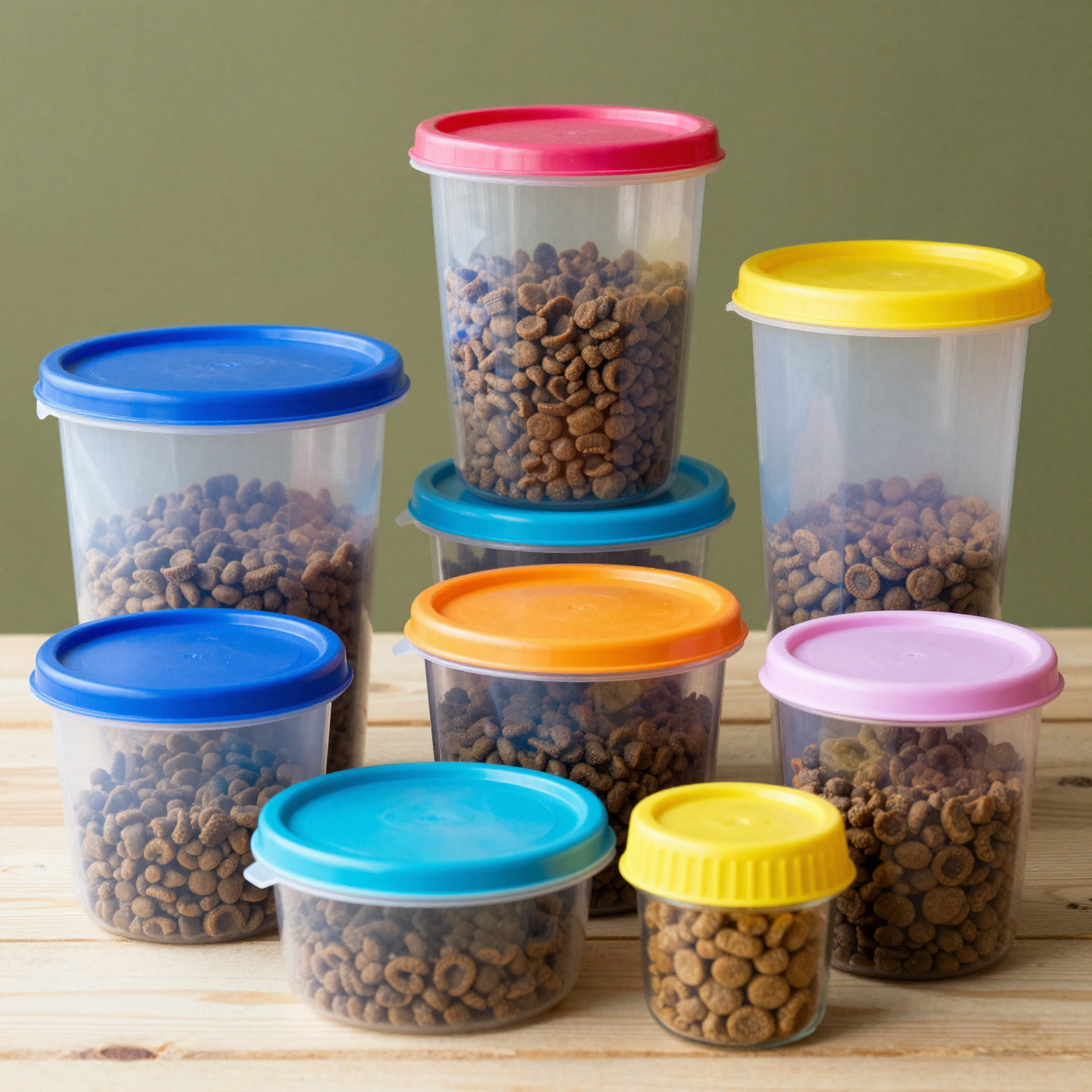
Eco-Friendly Practices for Storing Dog Food
Storing dog food in plastic containers has long been the go-to method for many pet owners. However, increased awareness of environmental issues has prompted a reconsideration of this practice. Transitioning to eco-friendly packaging options can significantly reduce the ecological footprint associated with pet care.
Why Move Away from Plastic?
Plastic pollution is a significant global issue, impacting oceans, wildlife, and human health. In 2023 alone, the EU generated approximately 15.8 million tons of plastic waste from packaging, with the food sector being a major contributor to this waste. Only about 10% of this plastic is effectively recycled, highlighting the urgent need for sustainable practices to combat this growing crisis (European Environment Agency (EEA)). Using plastic containers for dog food exacerbates this problem, as many plastics are not biodegradable and can leach harmful chemicals into food when heated.
Sustainable Alternatives
Fortunately, several eco-friendly alternatives for storing dog food can help businesses and consumers alike reduce their reliance on plastic:
- Glass Containers: Glass is a durable and non-toxic alternative that is recyclable and prevents chemical leaching. Airtight glass jars can keep dog food fresh and are easier to clean than their plastic counterparts.
- Stainless Steel: Stainless steel containers are not only long-lasting but also resistant to odors and stains, making them a practical choice for pet food storage. They are also recyclable and can be manufactured with recycled materials.
- Reusable Fabric Bags: Fabric storage bags made from sustainable materials (such as hemp or organic cotton) are excellent alternatives for dry pet food. They are lightweight, compostable, and can be reused for various purposes, minimizing waste.
- Biodegradable Packaging: Some companies are now producing dog food packaged in compostable bags made from plant-based materials, like cornstarch or cellulose (PetMD). This option drastically reduces the environmental impact compared to traditional plastic packaging.
Balancing Convenience and Sustainability
For businesses in the food industry, such as bubble tea shops and catering services, it is essential to balance convenience with sustainability. Eco-friendly packaging solutions can still provide the ease of use needed for maintaining a smooth operation.
By promoting sustainable choices like biodegradable inner liners or refillable containers, businesses can align their operational practices with eco-conscious consumer preferences. Encouraging customers to return used containers for refilling not only reduces waste but also fosters a sense of community responsibility.
Conclusion
Embracing eco-friendly practices in pet food storage is a significant step toward sustainability. By opting for alternatives to plastic containers, businesses can contribute to a cleaner environment while still meeting the needs of their clients. Supporting products that emphasize sustainable practices will not only help address the plastic waste crisis but also enhance a brand’s image in an increasingly eco-conscious market. To explore eco-friendly packaging options, check out our paper packaging solutions to see how you can make a positive impact today.
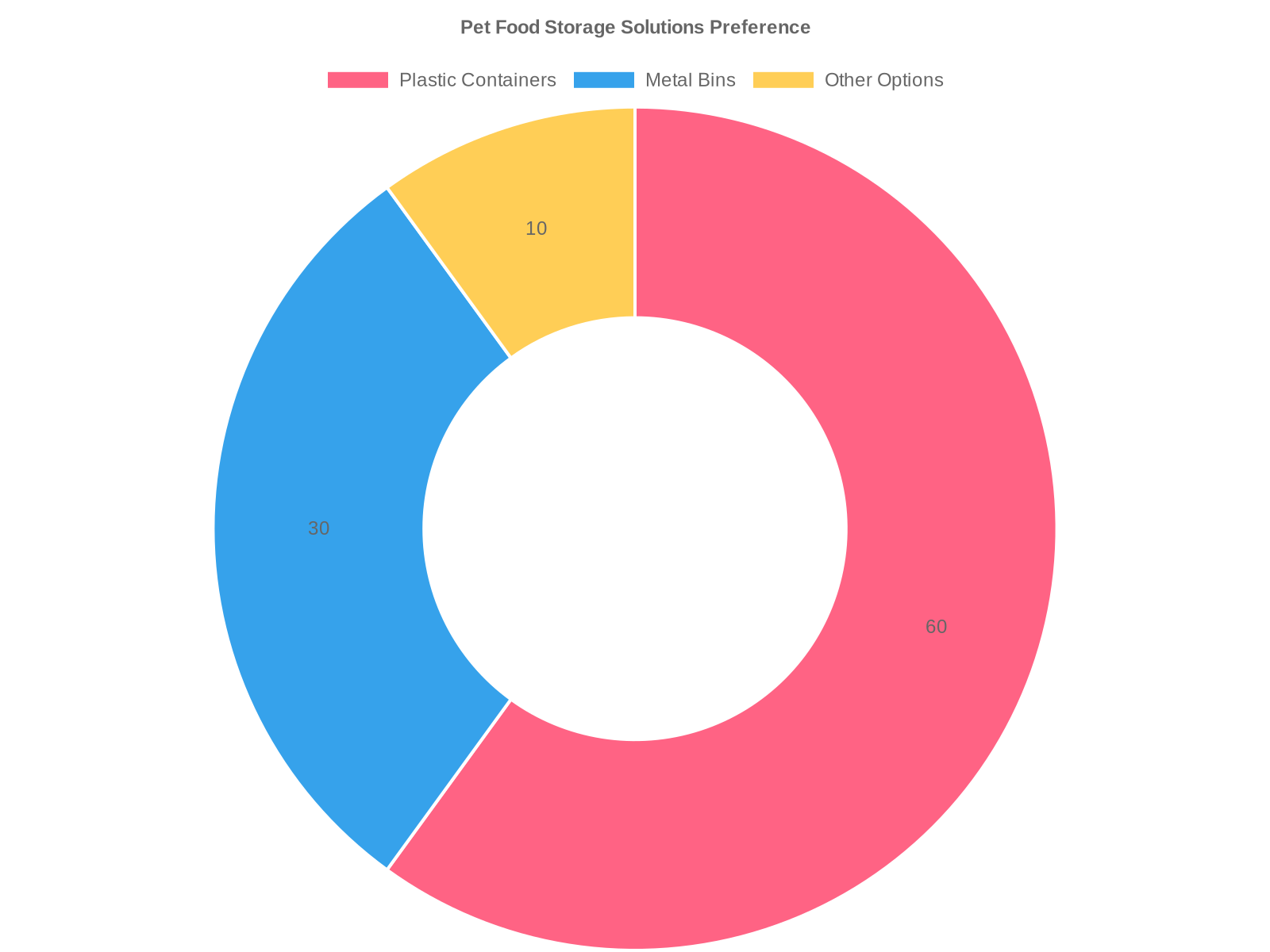
This chart illustrates the preferences of businesses for dog food storage solutions:
| Storage Solution | Percentage Preference |
|---|---|
| Plastic Containers | 60% |
| Metal Bins | 30% |
| Other Options | 10% |
Source:
- A Survey among Dog and Cat Owners on Pet Food Storage Habits – PMC
- Exploring Predictors of US Consumers’ Pet Food Preferences – ResearchGate
Conclusion
In conclusion, selecting the right storage solutions for your dog food is crucial for both quality and safety. Storing dog food in a clean, airtight container is the best way to maintain its freshness and ensure your furry friends receive the nutrients they need without any contamination risks. As discussed, using plastic containers can offer a practical solution, but it’s essential to choose those that are food-grade and free from harmful chemicals. By keeping your dog food properly stored, you not only enhance its longevity but also contribute to your pet’s overall wellbeing.
Moreover, considering eco-friendly packaging is a step you can take towards a sustainable future. At Green Dispopack, we pride ourselves on providing high-quality disposable tableware and packaging solutions that are not only practical but also environmentally friendly. From paper bowls to versatile sugarcane food containers, we have options that suit your needs perfectly.
With our products, you can serve your customers responsibly while ensuring that you are reducing your carbon footprint. So why wait? Explore our range of sustainable packaging solutions today and join us in making a positive impact on the environment, one purchase at a time. Your choice of containers can play a significant role in promoting health for your pets and a healthier planet for us all.
Visit Green Dispopack now to discover the perfect solutions for your business needs, and make the responsible choice that your customers will appreciate while caring for their beloved pets!
Let’s take the first step towards sustainability together!
Best Practices for Food Storage
When considering how to store dog food in plastic containers, it’s crucial to keep best practices in mind. As food safety experts advise, “The best practice for food storage is to use airtight containers and clearly label them with contents and dates. The ‘first in, first out’ rule should be followed to minimize waste and ensure food safety. This approach helps maintain freshness and prevents contamination.” This reinforces why it’s essential to choose the right storage methods not just for human food but for pet food as well, ensuring that your dog’s food remains fresh and safe for consumption.
For more information about eco-friendly packaging solutions, you can learn more about our paper packaging options.