
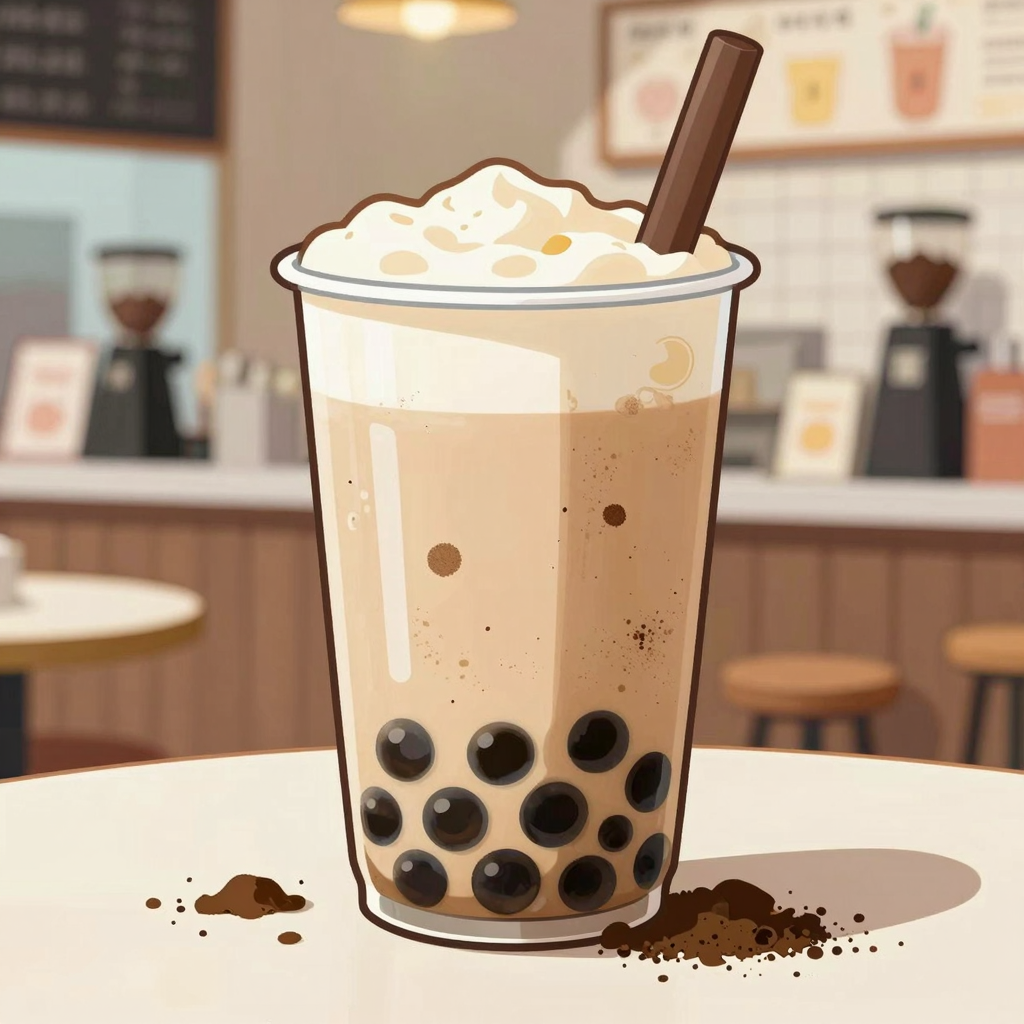
In the bustling world of bubble tea shops, restaurants, and catering services, cleanliness often takes a backseat amidst the chaos of daily operations. However, maintaining high standards of hygiene, especially when it comes to disposable cups, is crucial for several reasons. First and foremost, customers’ perception of your brand can be significantly influenced by the cleanliness of the products they receive. A smudge or residue left on a cup may lead them to question the overall hygiene practices of your establishment, potentially deterring future visits. Moreover, beyond aesthetics, there are pressing health considerations. Neglecting to ensure that disposable cups are clean can expose customers to harmful bacteria and contaminants that could result in severe illnesses. This is particularly alarming in a post-pandemic world where health and safety are more paramount than ever. By prioritizing cleanliness, businesses not only enhance their reputation but also foster a safer drinking experience for their customers. To ensure quality, consider investing in reliable products from trusted suppliers, such as those offered on Green DispoPack, where you can find a variety of hygienic disposable options tailored to your needs.
Health Risks Associated with Unclean Disposable Cups
Maintaining hygiene in food service, especially for beverage chains and event planners, is paramount. When it comes to disposable cups, the risk of health hazards from unclean cups can significantly impact your customers’ health and your business reputation.
Bacterial Growth
Drinking from unclean disposable cups can expose individuals to harmful bacteria. Research shows that reusable cups can harbor strains of bacteria like E. coli and Staphylococcus aureus, which thrive in damp environments. The moist areas within unwashed cups, especially near the mouth rim, can cultivate biofilm, a slimy layer of bacteria that is often difficult to remove. Regularly cleaning cups helps mitigate these risks, ensuring a safer beverage experience.
Chemical Contaminants
Particularly concerning are disposable cups made from low-quality materials. These cups may release harmful substances when they come in contact with hot beverages. Some studies indicate that chemicals like BPA or PFAS could leach from the lining of these cups into the drinks, presenting serious health risks, including hormone disruption and increased cancer risk. As an example, once these chemicals are ingested over time, they can accumulate in the body, leading to potential long-term health issues.
Microplastic Exposure
Notably, disposable cups made from certain plastics can release microplastics when exposed to heat. A study from Zhejiang University highlighted that disposable cups can shed microplastics when filled with hot drinks, contributing to potential reproductive and metabolic health issues. Regular contact with these microplastics can disrupt bodily functions and heighten the risk of chronic diseases.
Recommendations for Beverage Providers
- Opt for high-quality disposable cups: Use cups that are certified food-safe and tested for contaminants.
- Implement cleaning protocols: Ensure any reusable cups are regularly sanitized to minimize bacterial growth.
- Educate consumers: Inform customers about the importance of proper hygiene when using disposable cups.
By prioritizing cleanliness and safe products, beverage chains and event planners can significantly enhance customer health and safety. Always prioritize quality products such as paper cups that meet stringent health standards.
| Supplier | Safety Certifications | Material Type | Eco-Friendly Practices | Typical Price Range per Unit (USD) |
|---|---|---|---|---|
| Wuhan Broadyoung Tech Group Inc. | FDA, SGS, CIQ (Certificate of Inspection signed by CIQ), ISO 9001 (implied through quality assurance) | Paper (Food-grade paperboard), Plastic (PP, PS) | Offers biodegradable and eco-friendly options; uses recyclable materials; supports customization with low-impact printing (flexographic) | $0.01 – $0.035 (paper cups); $0.025 (plastic cups) |
| Anhui Taicheng Packaging Co., Ltd. | ISO 9001, ISO 14001, SGS, FDA, FSC-certified paper sources | Paper (FSC-certified food-grade paperboard), Bioplastic (PLA) | Uses sustainably sourced raw materials; employs water-based inks; offers compostable and recyclable cup solutions; minimal waste production | $0.03 – $0.06 (paper/PLA cups); $0.04 – $0.08 (bioplastic cups) |
| Hao International (Shenzhen) Co., Ltd. | FDA, SGS, CE, ISO 14001, BRCGS (Global Standard for Packaging) | Paper (food-grade paperboard), Recycled PET plastic | Implements closed-loop recycling systems; uses post-consumer recycled content; offers carbon-neutral shipping options; eco-label certified products | $0.02 – $0.05 (paper cups); $0.03 – $0.07 (recycled plastic cups) |
Sources:
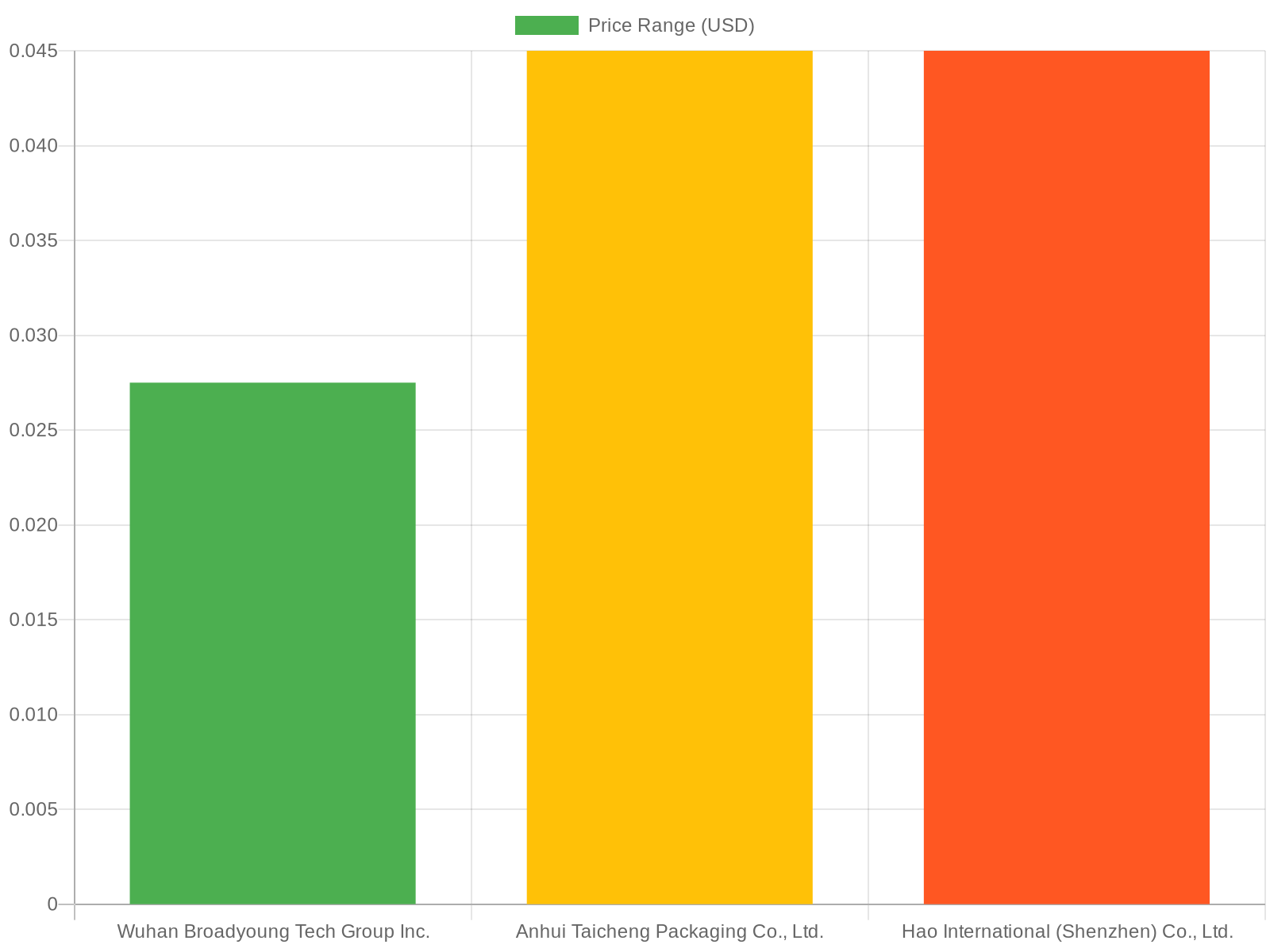
Eco-Friendly Packaging Suppliers Price Comparison
This chart visually demonstrates the price comparison of top eco-friendly packaging suppliers. It highlights the considerations that businesses should take into account when selecting a supplier for disposable cups.
Customer Expectations Regarding Cleanliness
In today’s competitive food service landscape, maintaining high standards of cleanliness is not just a recommendation; it’s an expectation. Customers increasingly associate cleanliness with food safety, quality, and overall dining experiences. Particularly after the COVID-19 pandemic, these demands have heightened, with patrons scrutinizing sanitation practices closely. Key aspects of cleanliness that customers expect include:
- Cleanliness of Dining Areas and Restrooms: Customers expect spotless tables, floors, and restrooms to feel comfortable in the environment.
- Visible Sanitation Practices: Open kitchens where customers can see cleanliness measures in action gain trust. Customers appreciate when staff visibly wash hands, wear gloves, and maintain general hygiene.
- Staff Hygiene: Clean uniforms, neat appearances, and personal hygiene are critical. Studies indicate that customers correlate the cleanliness of staff with the overall cleanliness of the establishment.
A lack of cleanliness can severely damage the reputation of bubble tea shops and catering businesses. Research shows that 87% of consumers cite cleanliness as the top factor influencing restaurant choice. A negative review mentioning sanitation issues can lead to a dramatic 43% drop in customer traffic within a week. Additionally, establishments that consistently uphold high hygiene standards tend to see repeat visits increase by as much as 29%, substantially boosting profitability over time.
Ultimately, the cleanliness of an establishment isn’t just about operations; it’s a critical component of branding and customer loyalty. Food service businesses must prioritize cleanliness to attract and retain customers effectively. For more insights on sustainable packaging that supports cleanliness, check out our paper packaging options.
Best Practices for Cup Hygiene in Food Service
Ensuring proper hygiene for cups in a beverage service setting is crucial for customer safety and satisfaction. Consider these best practices:
-
Use Automated Cup Dispensers: Opt for dispensers that allow single-cup dispensing. This minimizes the chance of multiple cups being touched at once, reducing the risk of contamination. Ensure dispensers are made from easy-to-clean, durable materials like food-grade stainless steel.
Check out our sugarcane cup holders for sustainable options. -
Implement Regular Cleaning Protocols: Schedule routine cleaning and disinfection of cup dispensers and surrounding areas, especially after busy periods.
-
Staff Training on Hygiene Practices: Train staff to handle cups with minimal physical contact. They should use disposable gloves when necessary and follow strict handwashing protocols. Learn more about effective staff training techniques to enhance their understanding.
-
Conduct Routine Checks: Regularly audit hygiene practices and adherence to cleaning schedules to ensure compliance and address any issues promptly.
-
Maintain Clear Procedures: Develop and communicate clear procedures for handling and storing cups to further uphold hygiene standards.
Hygiene Standards for Disposable Tableware in Food Service
In today’s food service industry, maintaining strict hygiene standards is crucial, especially in businesses like bubble tea shops and catering services. Disposable tableware, while convenient, must meet specific hygiene and safety regulations to ensure the well-being of consumers. Here’s a look at the essential hygiene standards that should be adhered to when using disposable tableware.
National and International Standards
- GB 4806 Series – Food Contact Materials
This set of Chinese standards governs the safety and hygiene of food contact materials, ensuring that disposable tableware does not transfer harmful substances into food, particularly when in contact with hot beverages typically served in bubble tea shops. The regulation requires that disposable items such as plastic cups and bamboo utensils be made from approved materials and undergo rigorous testing for contamination.
- Learn more about these standards.
- FDA & CDC Guidelines
In the United States, the FDA and CDC outline that disposable tableware must be manufactured under sanitary conditions. Key requirements include:
- Manufactured from FDA-approved materials: Ensuring that plastics, paper, or bamboo used don’t leach harmful substances.
- Proper storage: Tableware must be stored in clean, dry conditions free from contaminants.
- Single-use policy: Items like straws and lids should not be reused to reduce cross-contamination.
- Employee hygiene: Staff should wear gloves or use utensils when handling disposable items to prevent contamination.
- Explore FDA guidelines.
- Guidelines by the Centre for Food Safety (2023)
New guidelines reinforce the importance of hygiene in disposable tableware use, specifying standards for material safety, storage, and safe disposal to avoid contamination, tailored specifically for fast-paced environments like bubble tea shops.
- Read more about it here.
Key Considerations for Bubble Tea Shops and Catering Services
- Use of Certified Suppliers: It is paramount for bubble tea shops to source disposable tableware from certified suppliers who follow Good Manufacturing Practices (GMP). Using low-quality or recycled materials can introduce harmful chemicals and contaminants.
- Regular Compliance Audits: Regular audits of suppliers ensure that products meet necessary hygiene and safety standards, which is especially important in high-volume food operations.
- Proper Disposal Procedures: Implementing procedures for the disposal of single-use items is essential to prevent secondary contamination. This includes separating recyclable disposables and educating staff to adhere to these practices.
Emerging Trends
The food service industry is also seeing a shift towards using biodegradable and compostable materials. As sustainability becomes more critical, items made from cane sugar or bamboo are gaining popularity. These materials not only align with hygiene standards but also appeal to environmentally conscious customers.
- For further exploration of sustainable options, check out sugarcane tableware.
Conclusion
Adhering to established hygiene standards for disposable tableware in food service environments like bubble tea shops and catering services is not just a regulatory requirement; it’s integral to consumer safety. Ensuring cleanliness from production to disposal mitigates health risks and enhances customer trust. By prioritizing hygiene in every aspect of service, businesses can thrive while safeguarding public health.
“Since we switched to Eco-Products’ compostable cups, our customer satisfaction scores have soared. We love that our drinks stay secure without leaks, especially during peak hours. It really makes a difference in how our customers perceive our service!”
- Happy Café Owner in Portland
Incorporating high-quality, reliable disposable cups can significantly enhance the customer experience in food service. Consider exploring our range of sustainable paper cups to elevate your business’s image and reliability.
The Environmental Impact of Disposable Cups
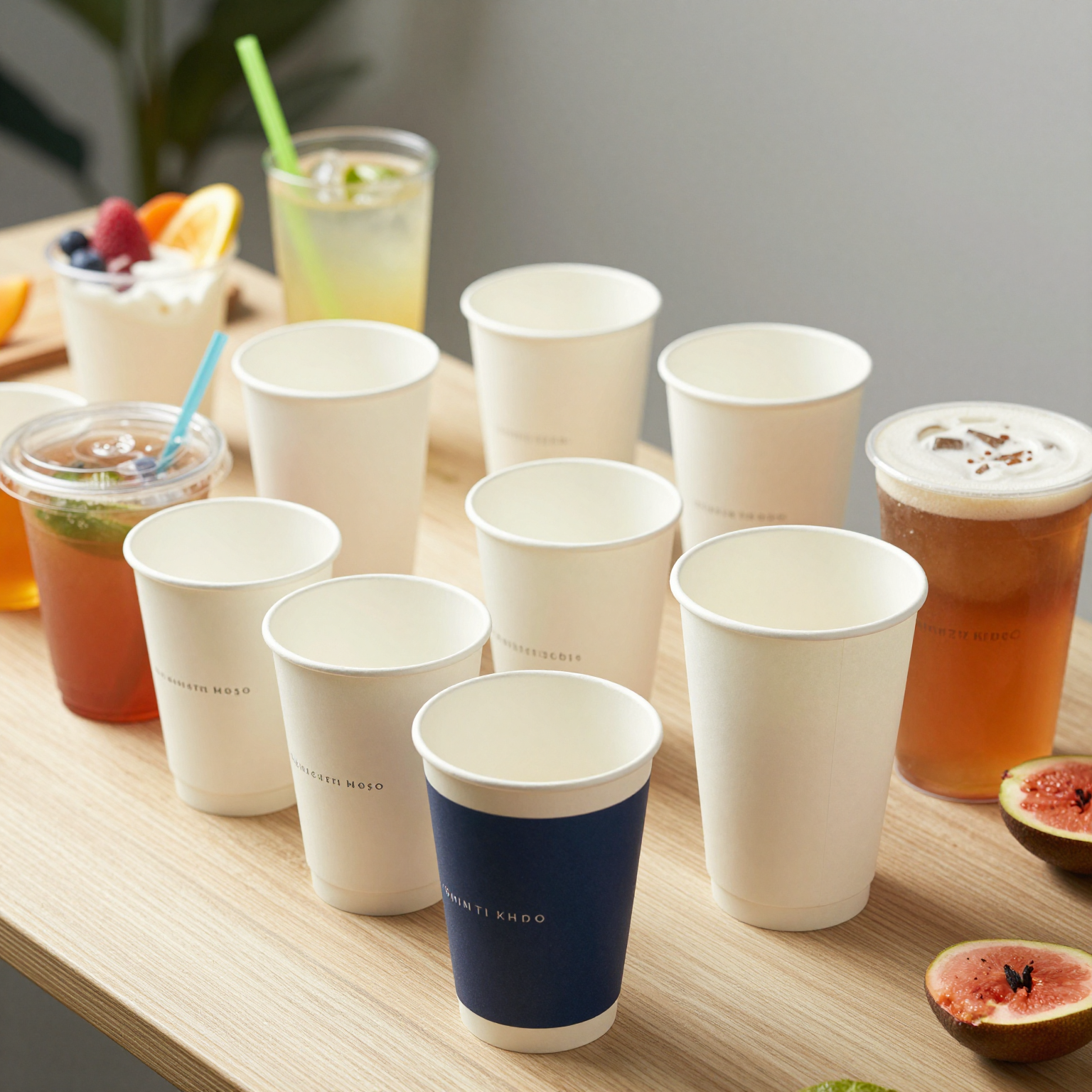
Disposable cups, often seen as convenient options for beverages, come with a hefty environmental price tag. Over 500 billion disposable drinking cups are used globally each year, contributing significantly to waste and pollution. These cups typically contain a poly-coated lining for waterproofing, making them difficult to recycle and leading to a mere 1% recycling success rate in many regions. In the UK alone, between 2.5 to 5 billion disposable coffee cups are discarded annually, with most ending up in landfills or as litter, exacerbating plastic pollution risks in terrestrial and marine environments.
Environmental Concerns
The production of disposable cups not only depletes resources but also generates substantial carbon emissions. During their lifecycle, these cups contribute to climate change, resource waste, and ecosystem toxicity. Although they are labeled as biodegradable, the reality is that most disposable cups do not break down efficiently in landfills, where they can take years to decompose, further polluting our soil and water.
Fortunately, quality suppliers are stepping up to address these concerns. By providing sustainable alternatives such as compostable cups made from sugarcane or paper solutions, they help businesses reduce their ecological footprint. For example, reusable and returnable cup systems can significantly lower emissions; research shows that a recyclable cup’s greenhouse gas emissions drop below those of single-use options after just 20-70 uses. Thus, promoting reusable solutions is critical in the fight against disposable cup waste.
Cleanliness and Quality
Maintaining cleanliness in service while reducing environmental impact is achievable through careful selection of suppliers who prioritize sustainability. High-quality products, like those offered on Green Dispo Pack’s paper cup collection, meet both hygiene and ecological standards, ensuring that your beverage business is not only appealing to customers but also environmentally responsible. Transitioning to these options is not just beneficial for the planet; it also enhances your brand reputation as a consumer-conscious entity.
Embracing sustainable practices today will not only help mitigate the environmental issues presented by disposable cups but will also pave the way for a more sustainable future in the food and beverage industry.
Conclusion and Call to Action
Cleaning isn’t just a matter of maintaining appearances; in the food and beverage industry, it’s a necessity for ensuring customer safety and satisfaction. With contaminants posing serious health risks, using hygiene-focused solutions like our variety of disposable tableware becomes essential. Disposable items, from cups to cutlery, minimize the risk of cross-contamination, streamlining your operations while upholding safety standards.
As your trusted partner in cleanliness, Green DispoPack is committed to providing high-quality, reliable disposable tableware solutions that cater to your specific needs. Our products not only enhance your customers’ experience but also align with eco-friendly practices, ensuring you meet both health standards and sustainability goals.
Don’t compromise on cleanliness! Contact us today for tailored quotes and let’s make your establishment a safe haven for your customers. Enjoy peace of mind knowing you’ve made the right choice for hygiene and quality. Your business deserves the best-reach out now!