
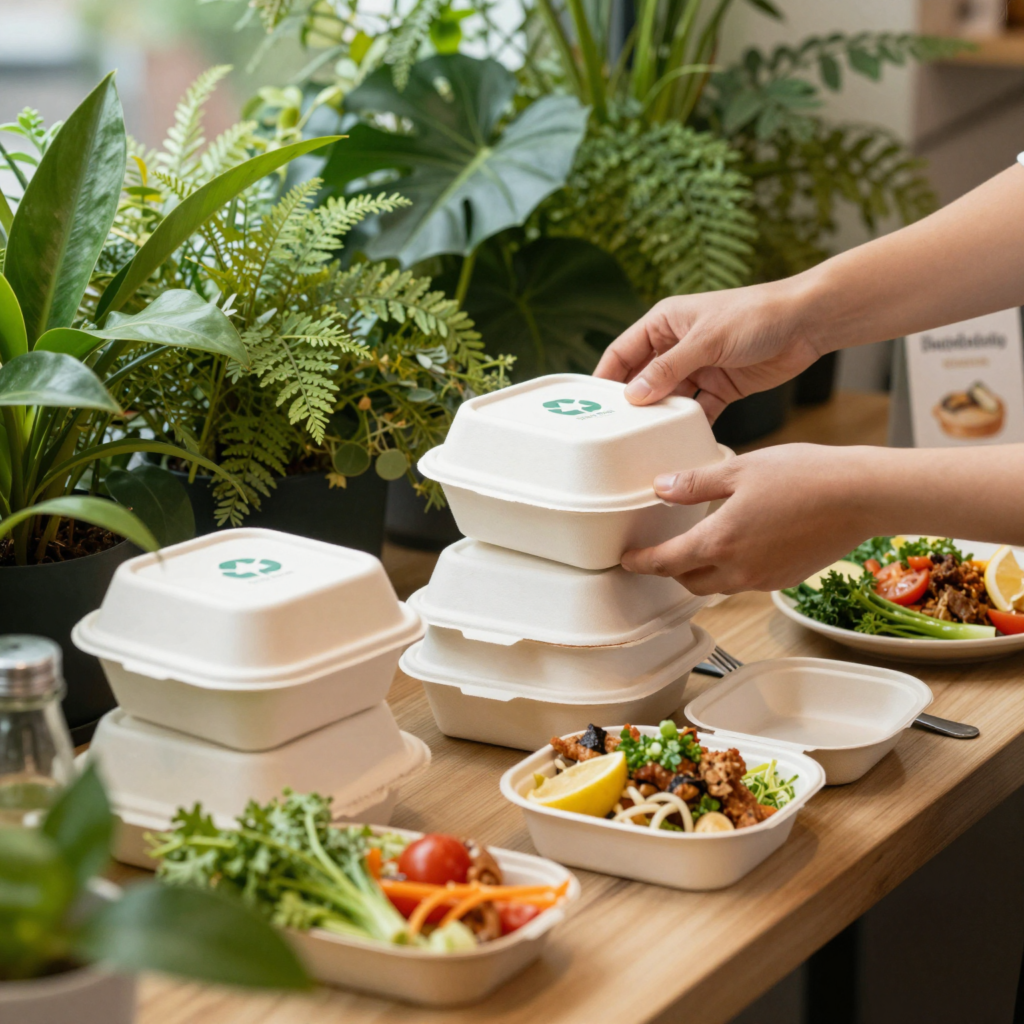
Introduction to Recyclable Disposable Food Containers
In a world increasingly focused on sustainability, recyclable disposable food containers have emerged as a vital solution for businesses eager to reduce their environmental impact. This is especially true in the vibrant food and beverage industry, where establishments like bubble tea shops and catering services are witnessing a strong consumer demand for eco-friendly practices. Imagine serving your delightful creations in containers that not only keep your products fresh but also contribute positively to our planet. By opting for recyclable materials, businesses not only demonstrate a commitment to environmental responsibility but also connect with a growing demographic of environmentally conscious consumers who prioritize brands that reflect their values.
Event planners and corporate procurement teams, too, are recognizing the importance of offering sustainable options to their clients. Recyclable containers not only enhance the overall appeal of an event but also align with corporate social responsibility goals. As we dive deeper into this topic, we will explore various aspects of recyclable food containers and how adopting these practices can lead to a greener future for the food and beverage industry. For instance, our guide on eco-friendly clear plastic cups provides insight into popular options. Join us on this journey toward sustainability, and discover how your business can make a meaningful impact with every meal served!
Overview of Recyclable Disposable Food Containers
Recyclable disposable food containers are a sustainable alternative to traditional food packaging. Made from materials such as PET (polyethylene terephthalate) and PLA (polylactic acid), these containers are designed to be eco-friendly while maintaining functionality. Here’s a closer look at what they are, the materials used, and the benefits they provide.
What Are They?
Recyclable disposable food containers are single-use food packaging that can be recycled after use. They serve a range of purposes in food service, from packaging meals for takeaway to serving food in cafeterias and at events.
Materials Used
- PET (Polyethylene Terephthalate): A strong, lightweight plastic that is fully recyclable. It is commonly used for various food packaging due to its safety for food contact.
- PLA (Polylactic Acid): A biodegradable plastic made from renewable resources like corn starch. It provides an earth-friendly alternative while being effective for hot and cold food.
- Recycled Cardboard: Another eco-friendly option that reduces the amount of waste sent to landfills.
Benefits Over Traditional Containers
- Eco-Friendly: Recyclable containers significantly reduce environmental impact, minimizing plastic waste compared to traditional non-recyclable materials.
- Food Safety: Containers made from food-grade materials ensure that harmful chemicals do not leach into food, meeting health safety standards.
- Space Efficiency: Many recyclable containers are designed to be stackable, helping food businesses save space and manage inventory more effectively.
- Versatility: These containers can handle both wet and dry foods, making them suitable for a wide variety of menu items.
- Hygiene and Convenience: By eliminating the need for cleaning reusable containers, recyclable options maintain hygiene and are convenient for busy food service environments.
Incorporating recyclable disposable food containers into your business not only aligns with eco-friendly practices but also enhances the perception of your brand as environmentally conscious. Learn more about our eco-friendly food packaging solutions.
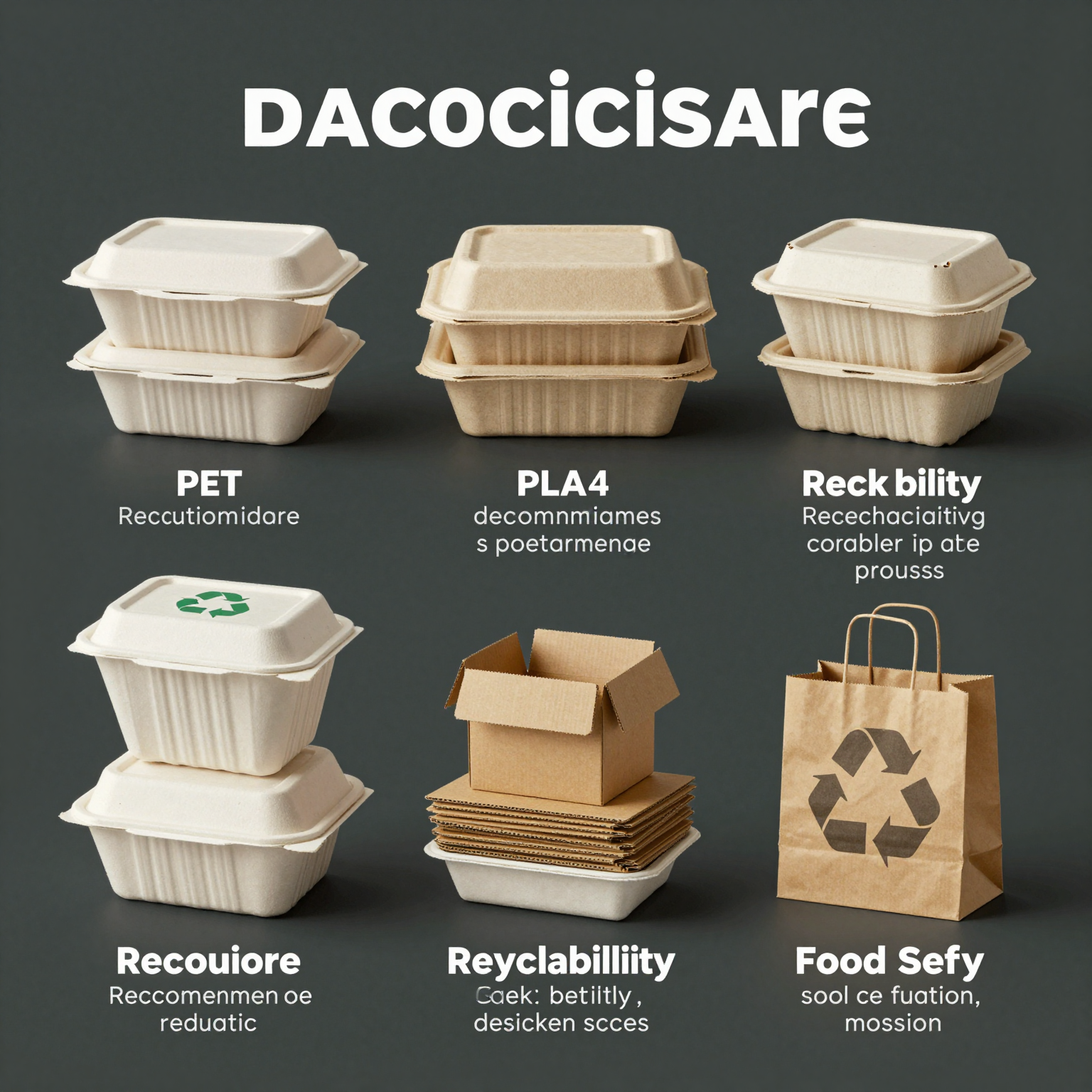
An infographic illustrating recyclable disposable food containers, showing various materials used and their benefits.
By adopting these innovative packaging solutions, food businesses can positively impact the environment while meeting consumer demands for sustainability.
The Environmental Impact of Disposable Food Containers
Disposable food containers, particularly those made from plastics such as PET, polypropylene, and polystyrene, have significant environmental implications. As the convenience of takeout and delivery services grows, the reliance on these containers raises concerns about pollution and waste management.
Recycling Rates
Recent studies highlight the alarming statistics around disposable food container recycling rates. According to a 2023 study from the Environmental Science & Technology, only 9% of plastic packaging waste generated globally is recycled, while a staggering 50% ends up in landfills, and 20% is mismanaged, leading to uncontrolled pollution through dumping or incineration. This mismanagement is particularly problematic as it contributes to widespread microplastic pollution, which infiltrates ecosystems and food chains.
Another report published in the Journal of Cleaner Production found that the global recycling rate for disposable food containers remains below 20%. The primary disposal methods are landfilling (which accounts for 55%), incineration (25%), and informal dumping (20%). Such statistics illustrate the significant gap in the current recycling infrastructure.
Pollution and Environmental Footprint
Not only do these containers have low recycling rates, but they also carry high environmental footprints. For instance, the Sustainability Journal conducted a Life Cycle Assessment (LCA) and found that PET packaging has the highest environmental impact across various metrics-including human health and resource depletion. Even when recycling occurs, it only reduces overall environmental burden by about 25% compared to the use of virgin materials.
The ecological damage stemming from single-use plastics is compounded by the greenhouse gas emissions incurred during their production. This pollution leads to long-term issues for marine life and terrestrial ecosystems, with microplastics posing risks to both wildlife and humans who consume affected seafood.
Conclusion
The environmental impact of disposable food containers is a pressing concern that affects not just the immediate consumer experience, but the broader ecological landscape. As many disposable containers are destined for landfills or contribute to pollution, it’s crucial for businesses, especially in the food and beverage industry, to urgently consider more sustainable packaging options. Transitioning to recyclable or compostable materials could significantly mitigate these environmental impacts and pave the way for a more sustainable future.
For more information on sustainable packaging solutions, you can learn more about recyclable cups or explore custom plastic forming machines for food containers.
This comprehensive look showcases the critical need for improved practices and technologies in disposable food container alternatives as we navigate the challenges of environmental sustainability.
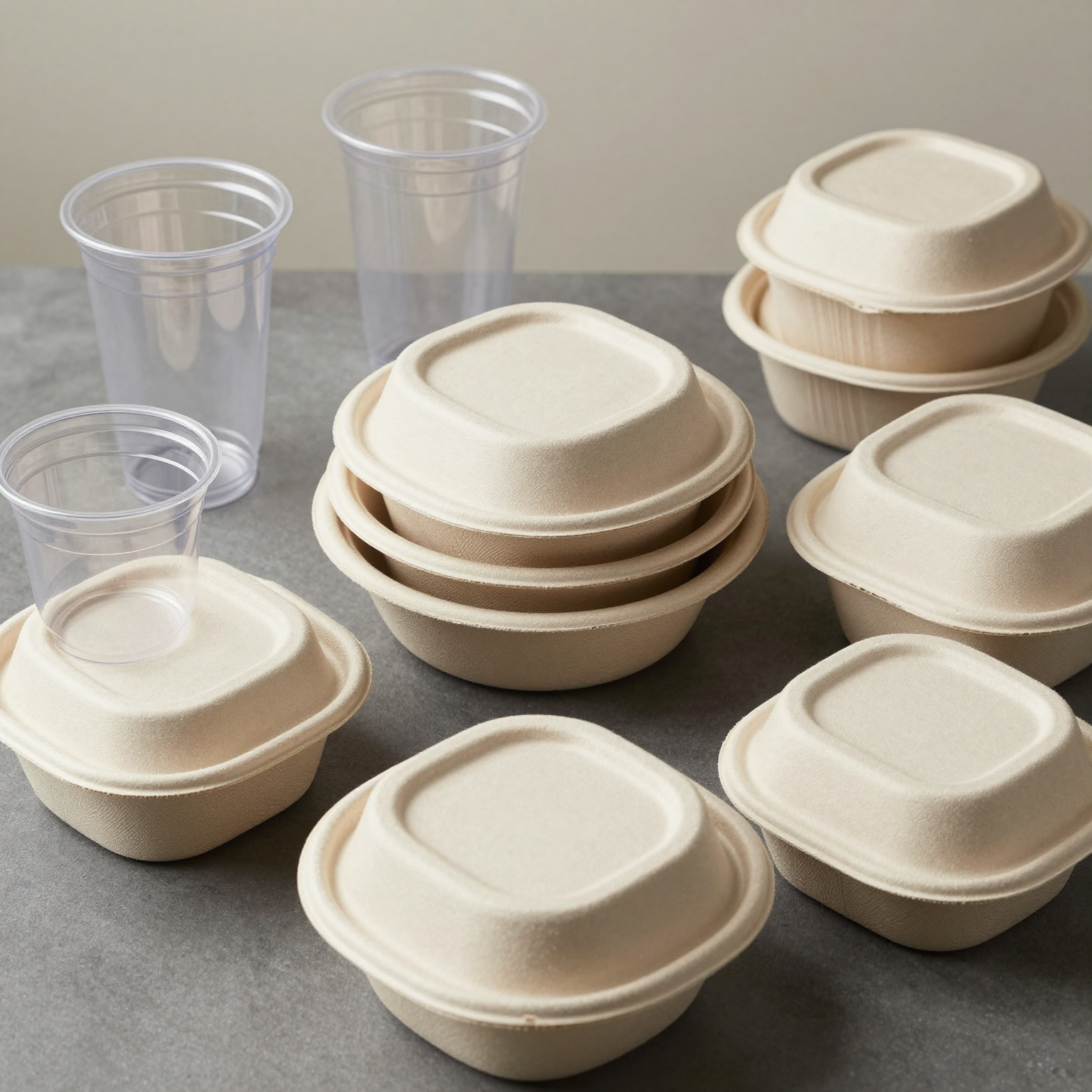
This image visually represents a selection of recyclable disposable food containers that are popular in the food and beverage industry. These include clear plastic cups, biodegradable bowls, and compostable paper containers, all designed to reflect a friendly yet professional approach to sustainable packaging.
Comparison of Recyclable Disposable Food Container Materials
| Material | Durability | Cost | Environmental Impact |
|---|---|---|---|
| PLA (Polylactic Acid) | Suitable for hot and cold foods (-20°C to 80°C); fully compostable | 15-30% higher than PET | 70% lower greenhouse gas emissions during production; requires industrial composting for effective breakdown |
| PET (Polyethylene Terephthalate) | Excellent thermal resistance; ideal for hot foods; not biodegradable | Lowest unit cost; mature production infrastructure | Significant contribution to plastic pollution; low recycling rates |
| Paper | Best for dry and low-moisture foods; less effective with oily foods | Mid-range cost; increases with food-safe coatings | Renewable and compostable when uncoated; coatings reduce compostability and increase processing complexity |
Summary
- PLA is an excellent choice for sustainable practices, especially when composting facilities are available, making it suitable for businesses focused on environmental responsibility.
- PET remains a popular option due to its durability and low cost, though it poses significant environmental challenges.
- Paper containers are versatile but their functionality diminishes when dealing with moist or greasy items, and the environmental benefits are reduced when additional coatings are required.
For more insights into compostable paper cups and custom plastic forming machines, check out our blog.
This detailed comparison helps food service providers make informed decisions about their packaging options.
User Testimonials on Recyclable Disposable Food Containers
“Switching to recyclable containers has been a game-changer for our café. Not only have we reduced our waste by 45%, but our customers appreciate our eco-friendly branding. We’ve noticed a 30% increase in social media engagement since making the switch. It’s clear that our patrons value sustainability!”
- Cafe Owner, UK
Source“Since adopting microwave-safe recyclable containers, we’ve experienced a 25% boost in delivery orders. Customers love that they can heat their food without worrying about spillage. It’s improved overall satisfaction and reinforced our commitment to sustainability!”
- Manager, Fast-Casual Restaurant, California
Source“Using recyclable packaging helped us comply with EU regulations and attract eco-conscious customers. As a result, our business contracted by 60% in new clients looking for sustainable solutions. It’s green and profitable!”
- Owner, Cloud Kitchen, Germany
Source
These testimonials highlight the growing trend among food businesses to switch to recyclable food containers, illustrating the positive impact on customer satisfaction and environmental practices.
Government Regulations and Incentives for Recyclable Materials in the Food Sector
As sustainability becomes increasingly vital, the regulations and incentives surrounding recyclable materials are evolving, particularly within the food sector. For businesses like bubble tea shops, restaurants, food trucks, and catering services, understanding these regulations is essential to making informed decisions about packaging.
Key Regulations
- European Union Single-Use Plastics Directive (SUPD): Enacted in 2022, this regulation introduced Extended Producer Responsibility (EPR) schemes that significantly encouraged the use of recyclable materials in food packaging. The directive mandates that companies must increase the recyclability of their products, effectively encouraging innovations in mono-material packaging to meet compliance standards.
- California’s SB 54: In 2023, California passed the Plastic Pollution Prevention Act, requiring that by 2032, producers achieve a 65% recycling rate for plastic packaging. This law promotes investment in recycling infrastructure for food-grade packaging and has financial penalties for non-compliance, which motivates early adoption of sustainable practices.
- China’s Green Packaging Action Plan: Released in 2025, this initiative requires 80% of food packaging to be recyclable or compostable. The government offers incentives such as tax breaks for companies utilizing recycled materials, fostering a shift towards sustainable practices in the industry.
Incentives for Adoption
Incentives created by various governments are critical for encouraging businesses to switch to recyclable materials. For example:
- Financial Support: In California, the state allocates funds to support compliance with environmental justice initiatives affected by pollution, incentivizing companies to invest earlier in sustainable practices.
- Recycling Rate Targets: Under the EU Packaging and Packaging Waste Regulation, binding targets for recycling and content requirements foster a competitive atmosphere among companies, motivating them to adopt fully recyclable formats.
- Tax Incentives: China’s new standards incentivize companies to use sustainable materials by offering tax breaks, thus lowering the financial burden while transitioning to eco-friendly packaging solutions.
Impact on Decision-Making
The implementation of these regulations and incentives affects consumer perceptions and operational decisions in multiple ways:
- Brand Image: Companies utilizing recyclable packaging can enhance their brand’s reputation as eco-friendly, appealing to environmentally-conscious consumers.
- Cost Management: While compliance may require initial investments, using recyclable materials often results in long-term cost benefits due to potential savings from waste management and regulatory compliance.
- Market Adaptation: Staying ahead of regulations prepares businesses for future compliance and gives them a competitive edge against those relying on traditional packaging.
Conclusion
Ultimately, the current landscape of regulations and incentives is ushering in a new era of sustainability within the food sector. For businesses such as bubble tea shops and catering services, embracing recyclable materials is not just a compliance obligation; it’s a strategic move towards sustainable practices that could define their future success. For a more detailed look at eco-friendly packaging options, read more about sustainable packaging solutions here.
Chart: Projected Impact of Regulations on Recyclable Materials in Food Packaging
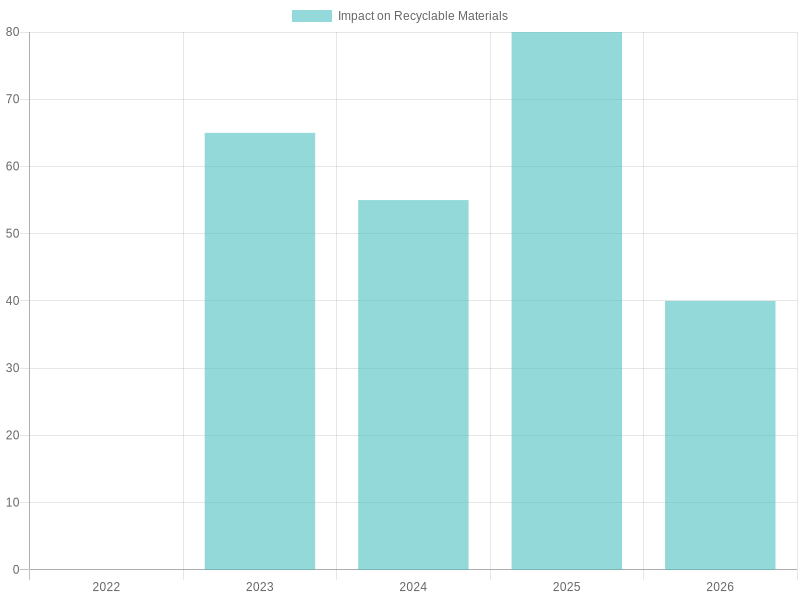
As illustrated, the evolving regulations are expected to significantly influence the adoption of recyclable materials across the market.
Infographic on Government Regulations
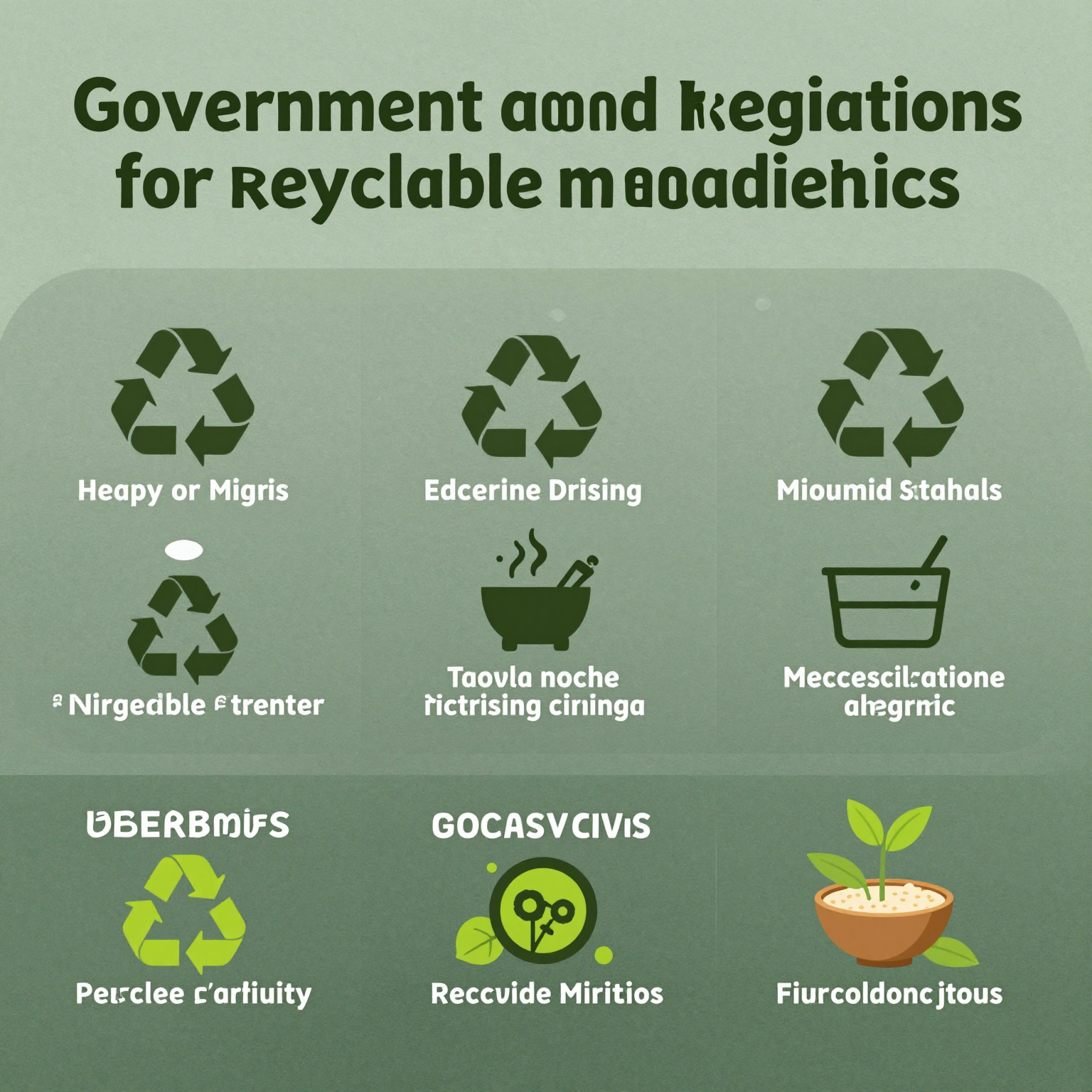
This infographic provides a visual overview of the current regulatory landscape and its impact on food packaging choices.
Benefits of Using Recyclable Disposable Food Containers
Recyclable disposable food containers are gaining popularity across various sectors, especially among bubble tea shops, restaurants, food trucks, catering services, and event planners. Here are some of the top benefits of using these containers:
-
Promoting a Sustainable Brand
By adopting recyclable containers, businesses demonstrate their commitment to sustainability. This fosters a positive image and can differentiate a brand in a competitive market. Customers increasingly prefer to spend their money on brands that are environmentally responsible. For more on sustainable packaging, check out this research study. -
Cost Savings in Waste Management
Utilizing recyclable food containers can lead to significant savings in waste management costs. Many municipalities offer reduced disposal fees for businesses that recycle, thereby decreasing overall operational expenses. Additionally, the reduction in general waste contributes to lower tipping fees at landfills, further enhancing profitability. -
Increasing Customer Loyalty
Eco-conscious consumers are more likely to support brands that prioritize sustainability. Studies show that about 78% of consumers are inclined to repurchase from businesses that use recyclable packaging. Furthermore, transparent communication regarding recycling practices has been linked to a 45% increase in consumer trust, reinforcing brand loyalty. -
Enhanced Customer Experience
Offering meals in recyclable containers not only satisfies the growing demand for eco-friendly options but can also improve customer satisfaction. A recent industry report highlighted that restaurants using certified recyclable packaging received a 30% higher customer satisfaction score. -
Regulatory Compliance and Incentives
As many cities introduce regulations mandating the use of recyclable materials, businesses that already adopt these practices will be ahead of the curve. This proactive approach can avoid potential fees and unplanned changes to operations, positioning them favorably in their community.
To learn more about additional packaging solutions, check this article on certified recyclable packaging.
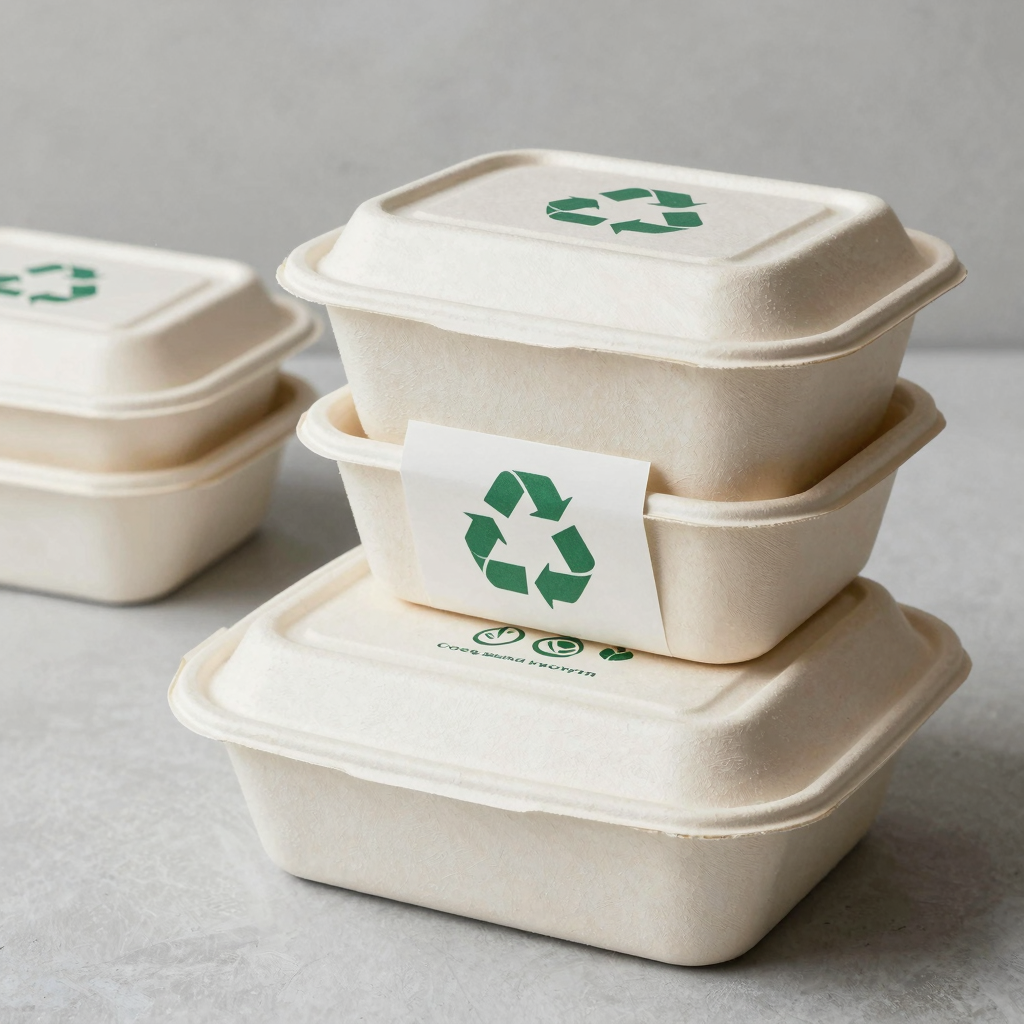
Here’s a visual summary of the benefits:
Market Trends for Recyclable Packaging in the Food Industry
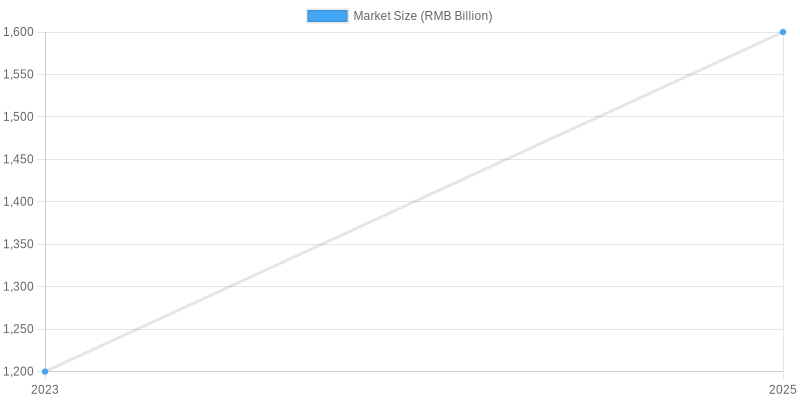
The demand for recyclable packaging in the food industry has been on a significant rise in recent years. A recent analysis indicates that in 2023, the market for recyclable packaging in China reached approximately 1,200 billion RMB, reflecting a 15% growth compared to the previous year. This momentum is projected to continue, with estimates suggesting the market size will expand to 1,600 billion RMB by 2025, showcasing a Compound Annual Growth Rate (CAGR) of 12%. This growth can be attributed to increasing consumer awareness and stringent government regulations aimed at reducing plastic waste.
Here’s a chart illustrating the projected market trends for recyclable packaging in the food sector:
Market Growth Data
| Year | Market Size (RMB Billion) | Growth Rate (%) | CAGR (Projected) |
|---|---|---|---|
| 2023 | 1,200 | 15 | – |
| 2025 | 1,600 | – | 12% |
Source: China Packaging Industry Report, 2024-2025
As more businesses adapt to sustainable practices, such as using eco-friendly packaging solutions, the industry is expected to further evolve. This trend not only responds to market demand but also supports environmental efforts crucial for our planet’s future. Companies like Bubble Tea Shops, Restaurants, and Food Trucks should consider integrating recyclable packaging to stay competitive and appeal to eco-conscious consumers.
Learn more about eco-friendly packaging options and how they might benefit your business!
In conclusion, selecting reliable suppliers for recyclable disposable food containers is critically important for businesses in the food service industry, including bubble tea shops, restaurants, food trucks, and more. By using high-quality, recyclable materials, you not only ensure the safety of your food products but also significantly reduce environmental impact. The benefits of opting for these containers are manifold: they can lower waste disposal costs, improve brand reputation among eco-conscious consumers, and contribute positively to the sustainability of our planet.
Moreover, as consumers become increasingly aware of the environmental consequences of single-use plastics, businesses that prioritize sustainability in their packaging choices are more likely to attract and retain loyal customers. Using recyclable containers can also align your operations with regulatory standards and enhance your brand’s image in a competitive market.
It’s time for you to take action! If you’re ready to elevate your business while contributing to a greener future, contact us at Green Dispo Pack for tailored quotes on our recyclable disposable food containers. Let us help you find the perfect solutions that align with your specific business needs.