
Introduction
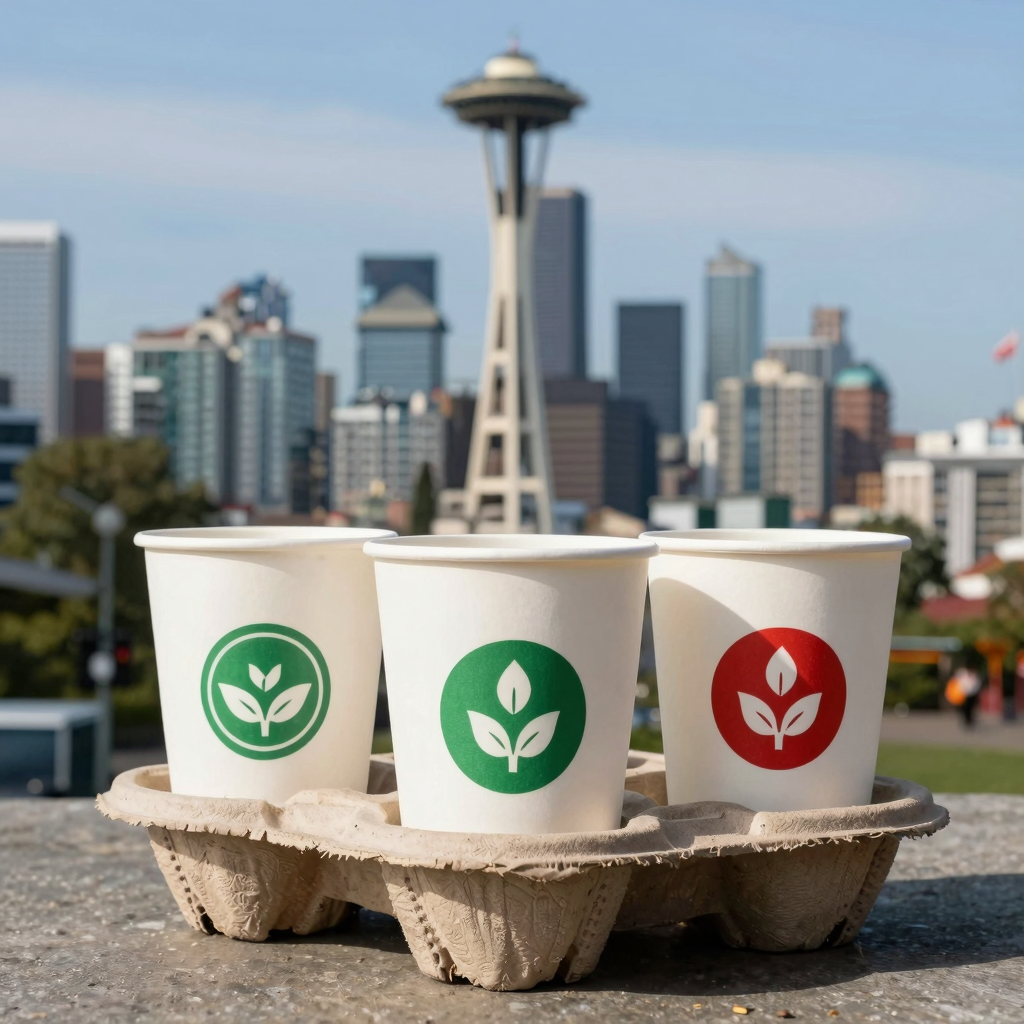
In a world increasingly driven by the principles of sustainability, the food and beverage industry stands at a vital crossroads. One of the pressing concerns today is the environmental impact of single-use items. As consumers grow more conscientious about their choices, businesses are being urged to adapt practices that reflect this shift. This is particularly important in cities like Seattle, where the demand for eco-friendly solutions is not just a trend, but a community value. Enter the realm of Seattle fast food paper cups compostable – a sustainable alternative that offers both functionality and responsibility.
As we delve into the importance of these compostable cups, we’ll explore how making the switch aligns with consumer expectations and environmental goals. Beyond just compliance with local regulations, embracing compostable products can enhance brand image and customer loyalty. The food and beverage sector, from bubble tea shops to catering services, has an exceptional opportunity to lead the charge towards a greener future. By choosing compostable fast food paper cups, businesses not only mitigate waste but also contribute positively to the community and the planet. Explore how these eco-friendly solutions are transforming the way we think about packaging, and learn more about compostable products that make a difference.
Benefits of Using Compostable Cups in the Food Service Industry
Using compostable paper cups in businesses like bubble tea shops, restaurants, and catering services can provide numerous benefits. Here are some key advantages:
-
Environmental Impact: Compostable cups are made from renewable resources, which means they reduce reliance on fossil fuels. Once disposed of, they break down naturally in industrial composting facilities, helping to minimize landfill waste and reduce overall environmental pollution. This aligns well with the increasing consumer demand for sustainable practices within the food and beverage industry.
-
Enhanced Customer Perception: Customers are becoming more eco-conscious and prefer brands that show commitment to sustainability. Using compostable cups can enhance a business’s reputation, attracting eco-minded customers who value environmentally responsible practices. This positive perception can lead to increased customer loyalty and higher sales.
-
Regulatory Compliance: With many regions implementing stricter regulations on single-use plastics, adopting compostable cups can help businesses ensure compliance with local ordinances. This proactive approach can also mitigate future risks associated with plastic bans and potential fines.
-
Marketing and Branding Opportunities: Using compostable packaging allows businesses to market their commitment to sustainability visually. This can differentiate them from competitors and even justify premium pricing for eco-friendly offerings. Utilizing certified compostable products supports marketing strategies, as businesses can communicate their environmentally friendly choices prominently.
-
Support for the Circular Economy: By utilizing compostable cups, businesses contribute to a circular economy. They help divert waste from landfills, promoting the idea of recycling and composting. This creates opportunities for partnerships with local composting services, fostering a more sustainable supply chain and community relations.
Transitioning to compostable cups not only benefits the environment but also supports businesses in growing their customer base and improving their overall brand image. Learn more about compostable products that can enhance your green efforts at your food service establishment.
Seattle Regulations on Compostable Materials for the Food & Beverage Sector
In Seattle, stringent regulations govern the use of compostable materials, particularly aimed at food and beverage businesses. Seattle’s commitment to sustainability mandates that all food waste, including compostable materials, must be managed correctly to reduce landfill contributions. Here’s what you need to know to stay compliant:
Key Regulations
- Mandatory Food Waste Recycling:
- As of August 2023, Seattle’s regulations require all residents and businesses (including restaurants, food trucks, catering services, and event planners) to separately collect food scraps and yard waste for composting.
- It is illegal to dispose of compostable materials in regular trash bins. Instead, businesses must use designated green containers for food waste.
- Compostable Materials Guidelines:
- All compostable products used for food service, such as cups, utensils, and containers, must be certified compostable. This generally means they will break down in a composting system and are labeled with appropriate certifications (like BPI certification).
- Avoid using materials labeled as biodegradable unless they meet specific composting guidelines. Many biodegradable items require special conditions to break down, which may not be available in local composting facilities.
- Proper Usage of Containers:
- Businesses must ensure they provide clear signage to direct customers on using the correct containers for compostable items and other waste types. This helps in ensuring materials are disposed of in the correct bins, significantly improving compliance with the regulations.
Implementation Steps for Businesses
- Educate Your Staff: Ensure that all employees understand the rules surrounding compostable materials and proper waste disposal methods.
- Choose Certified Products: Switch to products that are compliant with the city’s composting regulations. For instance, you can check out options for compostable paper cups and other supplies available through our resources.
- Monitor Compliance: Periodically review your waste disposal practices and compliance with the regulations. Audit your materials, signage, and educate new staff as necessary.
Conclusion
By adhering to these regulations, your business can contribute to Seattle’s goal of achieving a zero-waste community by 2030 while positioning itself as a leader in sustainability within the food and beverage sector.
Learn more about eco-friendly options to enhance your sustainability practices.
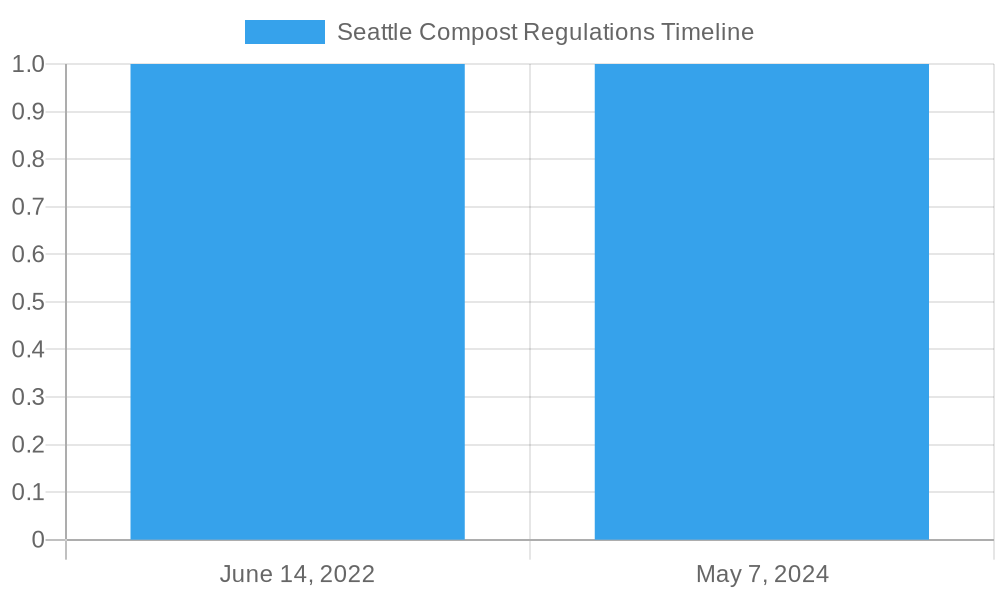
Seattle’s Compost Regulations Timeline
Comparing Compostable Paper Cup Options in Seattle
As the demand for eco-friendly packaging continues to grow, various compostable paper cup options are available for businesses in Seattle. Here’s a detailed comparison to help you make an informed choice for your bubble tea shop, restaurant, or catering service.
| Brand | Material Type | Capacity | Cost per Unit | Eco-Certifications |
|---|---|---|---|---|
| Pactiv Evergreen | Polylactic Acid (PLA) | 12 oz | $0.30 | ASTM D6400 |
| Custom PLA Cups | Plant-based PLA | 12 oz | $0.021 (bulk) | FDA, LFGB |
| Kraft Paper Sauce | Kraft paper with PLA lining | 1-4 oz | $0.15 | 100% biodegradable |
Notable Points:
- Material Types: Options include PLA, a renewable resource, and kraft paper for additional sustainability.
- Capacity: Ranges from small sauce cups to larger beverage cups, accommodating diverse needs.
- Cost: Competitive pricing, with discounts for bulk orders, making it economical for businesses.
- Certifications: Compliance with eco-friendly standards ensures that these cups are suitable for composting, promoting a sustainable business model.
Why Choose Compostable Cups?
Using compostable cups not only helps in reducing single-use plastic waste but also appeals to increasingly eco-conscious customers. Starbucks has even begun initiatives to test similar compostable options in Seattle as part of their sustainability efforts (more details here). For more about different eco-friendly cup options, check out our guide on compostable paper cups.
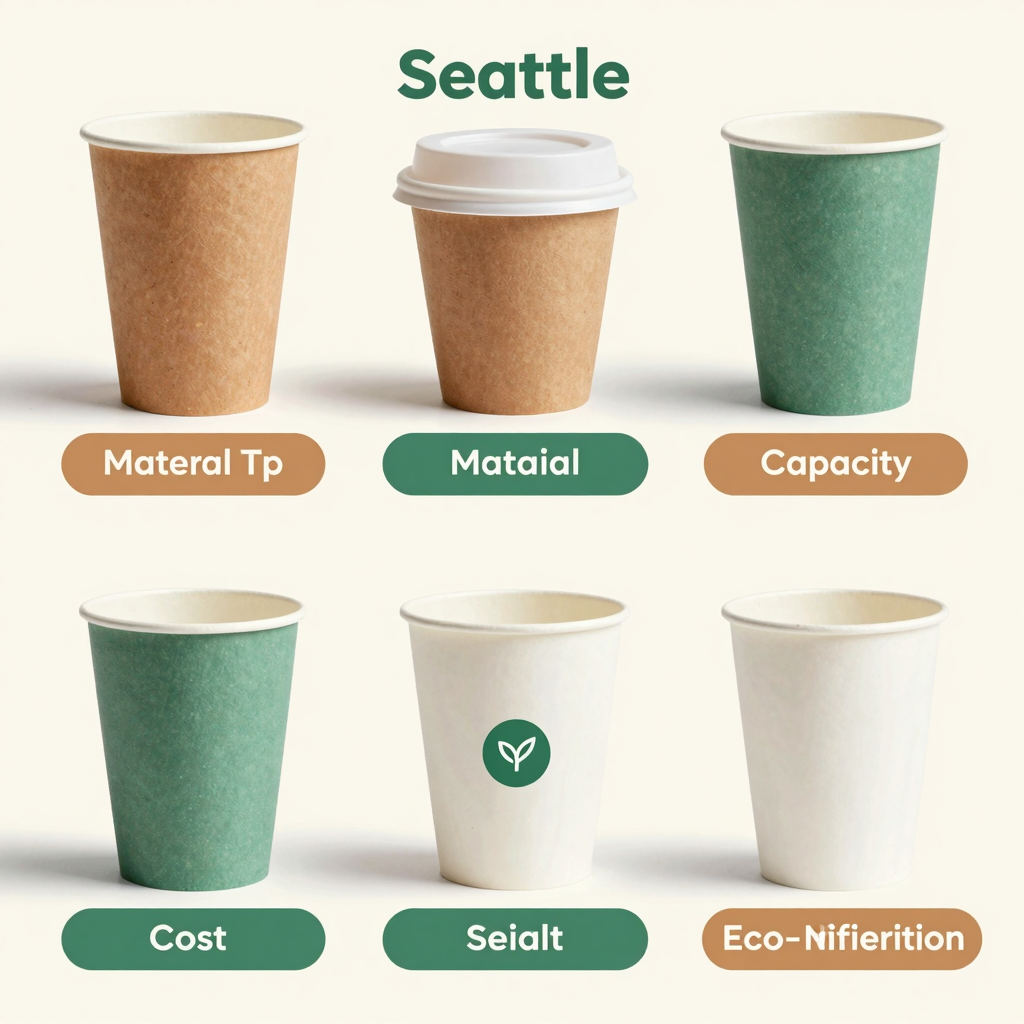
This comparison aims to simplify your selection process as you move towards more sustainable practices. Choose wisely to benefit both your business and the environment!
In recent years, the trend towards eco-friendly products has become increasingly significant, particularly among consumers in Seattle. The demand for sustainable packaging solutions, such as compostable cups, has skyrocketed, showing a strong preference for environmentally responsible options. A recent survey highlighted that over 65% of American consumers prefer purchasing items with eco-friendly packaging, and this trend is especially pronounced in cities like Seattle, which have robust sustainability practices and a community that prioritizes environmental responsibility (Food Marketing Institute).
A study conducted by Seattle Public Utilities in 2023 revealed that a significant amount of organic waste collected from both residential and commercial sources consists of compostable materials. This discerning choice aligns with the growing interest in compostable packaging, underscoring community engagement in sustainability initiatives (City of Seattle).
Interestingly, 2.1% of Seattle consumers expressed a clear preference for biodegradable or compostable cups compared to the national average, which is not as readily available. This indicates a niche but noteworthy market for product offerings that cater to eco-conscious consumers.
Key Insights from Seattle’s Consumer Behavior:
- High Awareness: Seattle residents are more aware of environmental issues and thus tend to seek products that align with sustainable practices.
- Willingness to Pay More: Data indicates that 55% of consumers are willing to pay a premium for sustainable brands, reflecting a willingness to invest in eco-friendly products even if they are slightly more expensive.
- Growth in Sustainable Products: The market for compostable and biodegradable products is expanding. Businesses that provide these options not only comply with consumer preferences but also resonate with the city’s overall sustainability ethos.
Visualizing the Demand
To further illustrate this trend, the following chart exemplifies the growing preference for biodegradable cups within Seattle compared to broader averages:
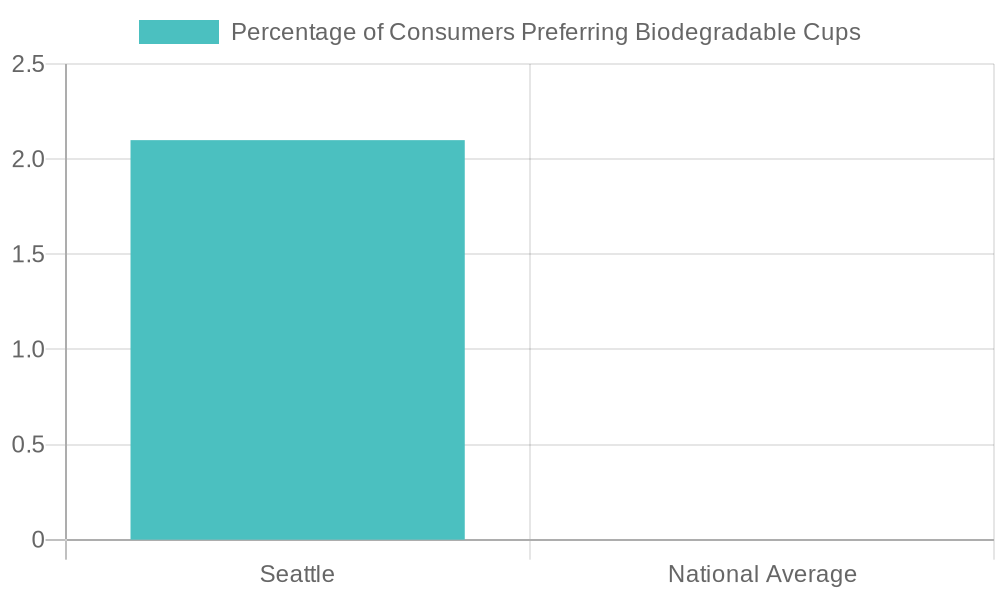
This visible shift in consumer tastes makes it crucial for beverage chains, restaurants, and catering services to consider eco-friendly options in their product offerings. By adopting compostable cups and other sustainable packaging solutions, businesses can enhance their brand image and appeal to the environmentally aware consumer base of Seattle.
In summary, the trajectory towards eco-friendly products, particularly compostable options, is not just a trend but a shift in consumer values. Companies that align with these values could find themselves at a distinct advantage in the competitive market. For more insights into available sustainable packaging solutions, check out our best compostable paper cups and how they can fit into your business strategy.
This customer-centric approach not only caters to a demand for eco-friendly products but also supports a collective move towards a more sustainable future.

This image showcases compostable cups being used in a cozy café setting, highlighting their eco-friendly nature and practical use in real life.
Transitioning to compostable cups seems to be a growing trend, particularly among businesses looking to enhance their sustainability practices. Seattle has seen notable examples in this movement, with local coffee shops leading the charge and major brands like Starbucks also participating. Here are two significant case studies that highlight both the challenges faced and the benefits gained from this transition.
1. Starbucks Pilot Program
Overview
Starbucks has initiated a pilot program in Seattle to test compostable cups alongside locations in New York, San Francisco, London, and Vancouver. These cups are designed without plastic liners, which improves their recyclability and compostability. This initiative is a part of Starbucks’ broader commitment to eliminate single-use plastics by 2025.
Challenges
Despite the ambition of this project, Starbucks encountered several hurdles, such as:
- Higher production costs: The compostable cups can cost about 30% more than traditional plastic cups.
- Infrastructure issues: Difficulty in ensuring proper composting facilities are easily accessible has posed a challenge.
- Customer confusion: Many customers are unsure of how to dispose of compostable items correctly, causing potential contamination with regular waste.
Benefits
Starbucks has recognized various advantages from this program:
- Environmental Impact: Positive feedback has been received regarding the expected reduction in single-use plastics.
- Increased Brand Reputation: There has been a measurable enhancement in their brand image among environmentally conscious consumers, indicating that sustainability initiatives can resonate well with customers.
For more details, check out Starbucks’ official news release about their compostable cup initiative.
2. Local Coffee Shops: Grounds for Change & Evergreen Roast
Overview
Seattle’s local coffee scene has also stepped up its game. Shops like Grounds for Change and Evergreen Roast have successfully transitioned to compostable cups. Their journey highlights practical applications of sustainability in small business operations.
Challenges
Local cafes faced challenges similar to Starbucks, including:
- Higher Material Costs: Compostable cups tend to be more expensive, impacting profit margins.
- Staff Training: Employees required training on how to handle and dispose of compostable materials correctly.
Benefits
The shift to compostable cups yielded notable benefits for these businesses:
- Improved Waste Diversion: These cafes reported up to a 70% reduction in landfill waste through effective partnerships with local composting facilities.
- Customer Satisfaction: Increased customer engagement and loyalty were observed, as patrons appreciated the commitment to sustainability.
- Positive Public Relations: These initiatives have attracted media coverage that positively frames their businesses and enhances community rapport.
For more insights into how local coffee shops are adopting sustainable practices, refer to this article by The Seattle Times.
Conclusion
The transition to compostable cups presents a blend of challenges and benefits. Companies like Starbucks and local Seattle cafes demonstrate that, while costs and infrastructure can be significant barriers, the long-term gains in customer satisfaction and environmental conservation often outweigh these hurdles. By forging partnerships and educating consumers, businesses not only enhance their sustainability credentials but also engage deeper with their communities-a crucial step toward a more eco-conscious future.
Whether you’re a bubble tea shop, restaurant, or food truck, considering a shift to compostable cups could align your operations with growing consumer expectations for sustainability.
“Switching to compostable cups has transformed our customer interactions. We’ve seen a 30% boost in satisfaction, and our customers appreciate our commitment to sustainability. The positive feedback has been overwhelming, and many patrons mention they feel good about supporting a business that cares for the environment.”
- Owner of a local bubble tea shop
As highlighted by a NielsenIQ survey, 72% of consumers express increased satisfaction with businesses that utilize compostable or recyclable packaging. This shift not only boosts immediate customer perception but also fosters long-term loyalty and returns for businesses that prioritize sustainability.
Frequently Asked Questions About Compostable Cups
1. What are compostable cups made from?
Compostable cups are typically made from renewable materials like polylactic acid (PLA), derived from cornstarch, or sugarcane. These materials are biodegradable, meaning they can break down naturally in composting conditions, avoiding long-term pollution associated with plastic cups.
2. How do I dispose of compostable cups?
Compostable cups should be disposed of in industrial composting facilities where conditions are optimized for decomposition. If commercial composting is not available in your area, they should not be thrown in regular trash or recycling bins, as they need specific environments to break down effectively. Improper disposal can limit their environmental benefits. For more disposal tips, check out our article on compostable paper cups.
3. Are compostable cups more expensive than plastic cups?
While compostable cups may have a higher upfront cost compared to standard plastic cups, their environmental benefits often justify the expense. Prices for compostable cups typically range from $0.012 to $0.020 per cup depending on the material and order quantity. Over time, using compostable items can enhance your brand image and attract environmentally conscious customers, potentially increasing sales.
4. Where can I find compostable cups?
Compostable cups are increasingly available from various suppliers, including online marketplaces and local packaging distributors. You can find a range of options tailored for businesses, such as bubble tea shops and food trucks. Companies like Green Dispo Pack provide a selection of eco-friendly products-check out our offerings here.
5. What are the environmental benefits of using compostable cups?
Using compostable cups helps reduce plastic waste in landfills, lowers the carbon footprint associated with traditional plastics, and enhances sustainability in your operations. They are designed to break down within 90 to 180 days in the right composting conditions, transforming into nutrient-rich compost for soil. This contributes positively to the circular economy and demonstrates a commitment to environmental responsibility, which can resonate with customers. For more insights, explore our guide on the benefits of compostable cups.
As we wrap up this discussion on the importance of compostable cups in the fast food and beverage industry, it’s clear that making the switch is not just a trend but a necessary step towards a more sustainable future. Billion-dollar food chains to small bubble tea shops are recognizing the impact that their packaging choices have on the environment. With Seattle’s commitment to reducing waste, evidenced by its collection of 33,674 tons of compostable products including cups in 2023, businesses are encouraged to follow suit. Choosing compostable paper cups not only aids in decreasing landfill overflow but also enhances your brand’s reputation by aligning with environmentally conscious consumers seeking sustainable practices.
Transitioning to compostable cups allows your brand to stand out in a competitive market while promoting eco-friendly values. Furthermore, it contributes to reducing greenhouse gas emissions associated with traditional plastic waste, reaffirming your commitment to a greener planet. To achieve both your business goals and broader environmental objectives, we invite you to explore our range of reliable disposable tableware and packaging solutions that prioritize sustainability without sacrificing quality.
Take action today! Upgrade your packaging with our compostable options and join the growing movement towards a zero-waste future. Choose sustainable solutions with Green Dispo Pack.