
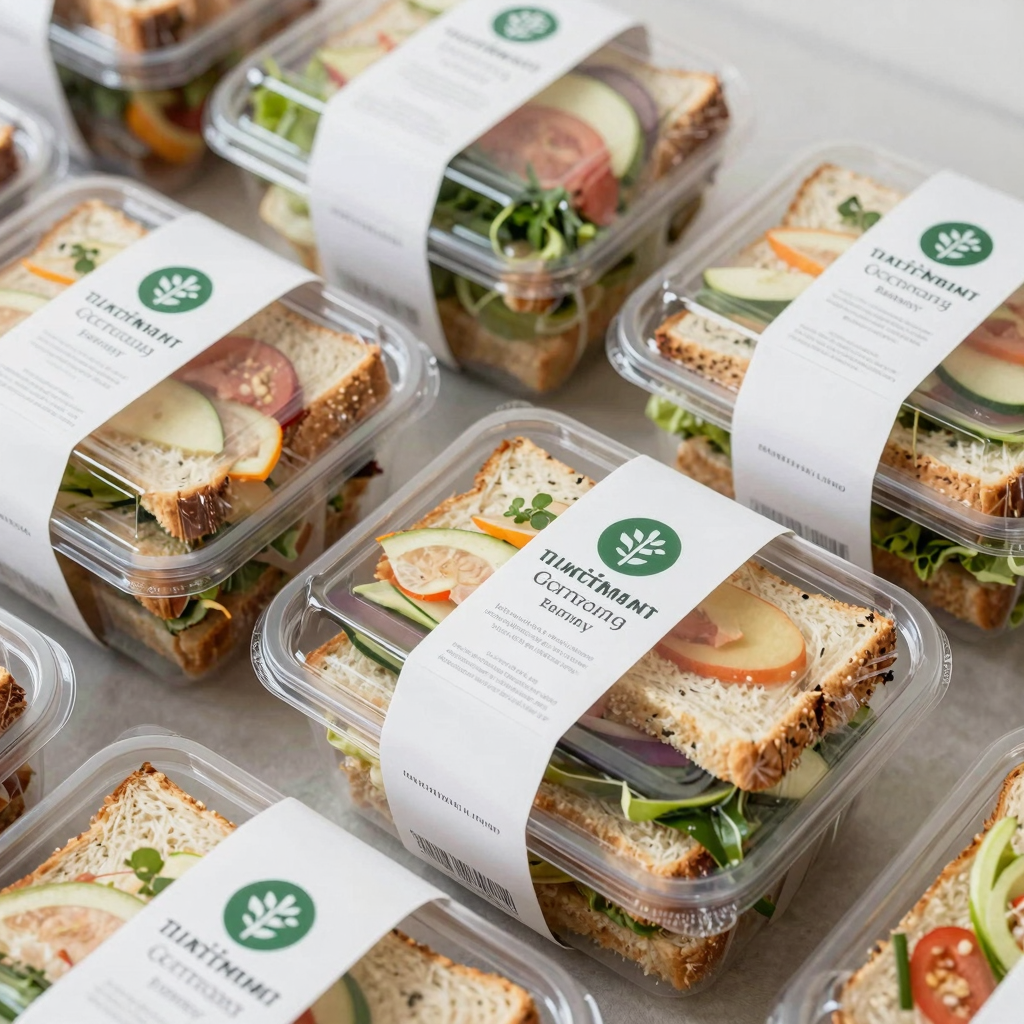
The catering and food service industries thrive on efficiency, quality, and presentation, making plastic containers for food sandwiches an indispensable choice. These containers ensure that sandwiches maintain their freshness while offering convenience for busy operations. They are designed to keep food safe from contamination, protecting both the food and the consumer. Moreover, with the rising awareness of environmental issues, many plastic containers are now eco-friendly, made from recyclable materials, appealing to businesses committed to sustainability. By utilizing these versatile containers, restaurants, food trucks, and catering services can enhance their food presentation, streamline service, and contribute to a greener planet. Whether you’re serving corporate lunches or meal prep kits, investing in quality plastic containers not only simplifies your operations but also elevates your brand’s commitment to quality and responsibility. For more insights on packaging solutions, learn about eco-friendly options.
Benefits of Using Plastic Containers for Food Sandwiches
Plastic containers have become a popular choice for food service professionals, particularly in the sandwich segment. Here are several reasons why they should be considered for storing and serving sandwiches:
1. Safety
Safety is paramount in food storage, and plastic containers made from high-density polyethylene (HDPE) and polypropylene (PP) are generally safe for food storage. According to a 2025 FDA study, these materials are less likely to leach harmful chemicals into food, especially when used correctly. For instance, containers with a recycling code of 5 (PP) safely preserve sandwiches for up to 72 hours under refrigeration without significant chemical transfer.
2. Food Preservation
Plastic containers effectively seal in freshness, preventing moisture loss and contamination. Research indicates that using proper plastic storage can reduce food spoilage rates by 15-30%. This preservation capacity minimizes waste, which is crucial in the food industry where profitability hinges on the freshness and quality of offerings.
3. Ease of Use
Convenience is another significant advantage. Plastic containers are lightweight and often stackable, allowing food service businesses to maximize storage space. Their clear design lets staff quickly identify contents, streamlining operations during busy service hours. Many containers are also microwave-safe, meaning that sandwiches can be easily reheated without the need to transfer them to another vessel.
4. Eco-Friendliness
While some may argue against plastic due to environmental concerns, advances in recycling technologies are making it easier to reuse plastic containers. In fact, a significant percentage of food-grade plastics are recyclable, which reduces the environmental footprint. Additionally, using durable, high-quality plastic containers can decrease the need for frequent replacements, contributing to resource efficiency.
In conclusion, incorporating plastic containers into your food service operations is a strategy that combines safety, efficiency, and sustainability. For more insights into different types of plastic containers, check out our posts on custom plastic forming machines and the importance of food-grade standards.
When selecting plastic containers for food sandwiches, businesses should consider the following essential features:
- Sustainability: Opt for containers made from recyclable or biodegradable materials to minimize environmental impact and promote eco-friendliness. Learn more about eco-friendly packaging options.
- Size Options: Choose a variety of sizes that cater to different sandwich types and serving portions, ensuring versatility for various menu items.
- Locking Mechanisms: Look for containers with secure locking mechanisms to prevent leaks and maintain freshness during storage and transport.
- Food Safety Certifications: Ensure containers are compliant with FDA regulations and are BPA-free, to guarantee safe food handling and storage.
- Durability: Select strong containers resistant to breakage and deformation, especially for takeaway services.
Comparison of Plastic Containers for Food Sandwiches
To make the best choice for your sandwich packaging needs, here’s a comparison of several different types of plastic containers suitable for sandwiches:
| Type of Container | Material | Size Range | Features | Recommended Uses |
|---|---|---|---|---|
| Reusable Sandwich Container | PP (Polypropylene) | 200ml – 500ml | Leak-proof lids, stackable design | School lunches, office meals, camping trips |
| Disposable Takeout Sandwich Box | PLA, Paperboard | 200ml – 500ml | Clear window, foldable design | Restaurant takeout, fast food delivery |
| Stainless Steel Container | Stainless Steel | 300ml – 500ml | Heavy-duty, temperature retention | Eco-conscious consumers, long-term meal storage |
| Glass Sandwich Container | Glass | 300ml – 500ml | Recyclable, odor-free | Catering, home meal prep, bento-style deliveries |
These containers not only enhance food presentation but also ensure food safety and freshness. For more insights on how to choose the right containers, check out this guide.
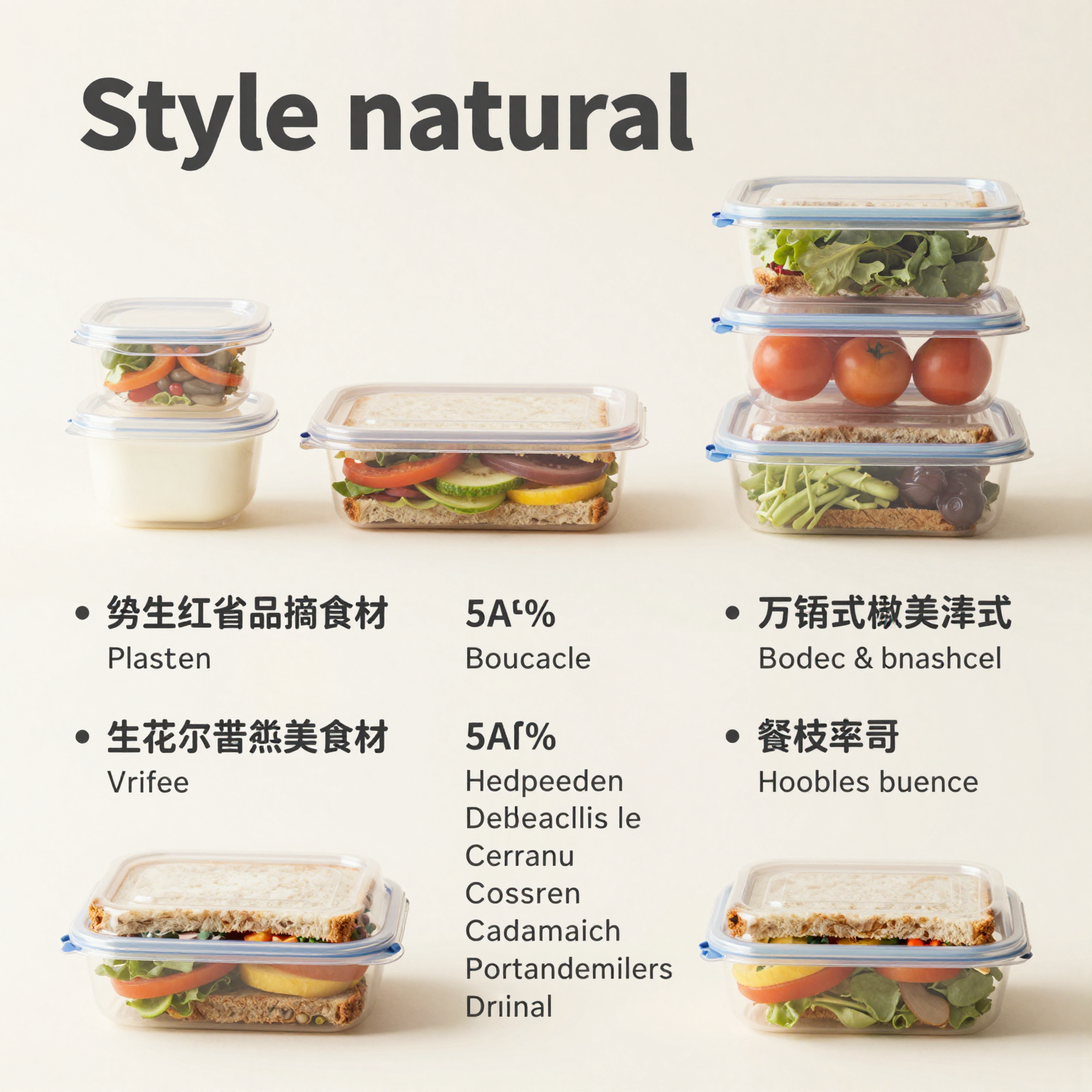
Explore various options suited for your needs while maintaining sustainability in your food packaging!
Eco-Friendly Practices in Producing Plastic Containers
As the demand for sustainable food packaging continues to rise, manufacturers are increasingly adopting eco-friendly practices in the production of plastic containers for food use. In 2023, a significant shift has been noted towards biodegradable options, with companies like NatureWorks and Danimer Scientific leading the way in the commercial-scale production of PLA (polylactic acid) and PHA (polyhydroxyalkanoates)-based containers. These materials are made from renewable resources and are designed to break down more swiftly than traditional plastics, minimizing environmental impact.
Recycling Initiatives
Recycling remains a critical focus for many manufacturers, with over 60% of surveyed leaders in the food packaging industry implementing or piloting closed-loop recycling programs, particularly in North America and Western Europe. This initiative is part of a broader strategy to enhance sustainability in the food industry. However, challenges such as the standardization of composting facilities and consumer education on proper disposal methods persist. Despite these hurdles, recycling rates for plastic containers are seeing slight improvements in regions with established collection infrastructure, although they still hover below 30% globally.
The Importance of Certifications
Moreover, there is a growing trend towards using certified compostable alternatives. Certifications like OK Compost and TÜV Austria are gaining traction in the market, reinforcing the importance of sustainability in food packaging. Major players, including Amcor and Huhtamäki, have committed to ensuring that at least 50% of their new packaging lines include recycled content by 2025. This initiative reflects a broader commitment to environmental responsibility that resonates with consumers who are increasingly concerned about plastic waste.
Call to Action
For businesses ranging from bubble tea shops to food trucks, adopting eco-friendly packaging options not only benefits the environment but also aligns with customer expectations. Moving towards sustainable packaging solutions can enhance brand image and contribute positively to the global effort to reduce plastic waste. For more insights on sustainable food packaging practices, check out our blog.
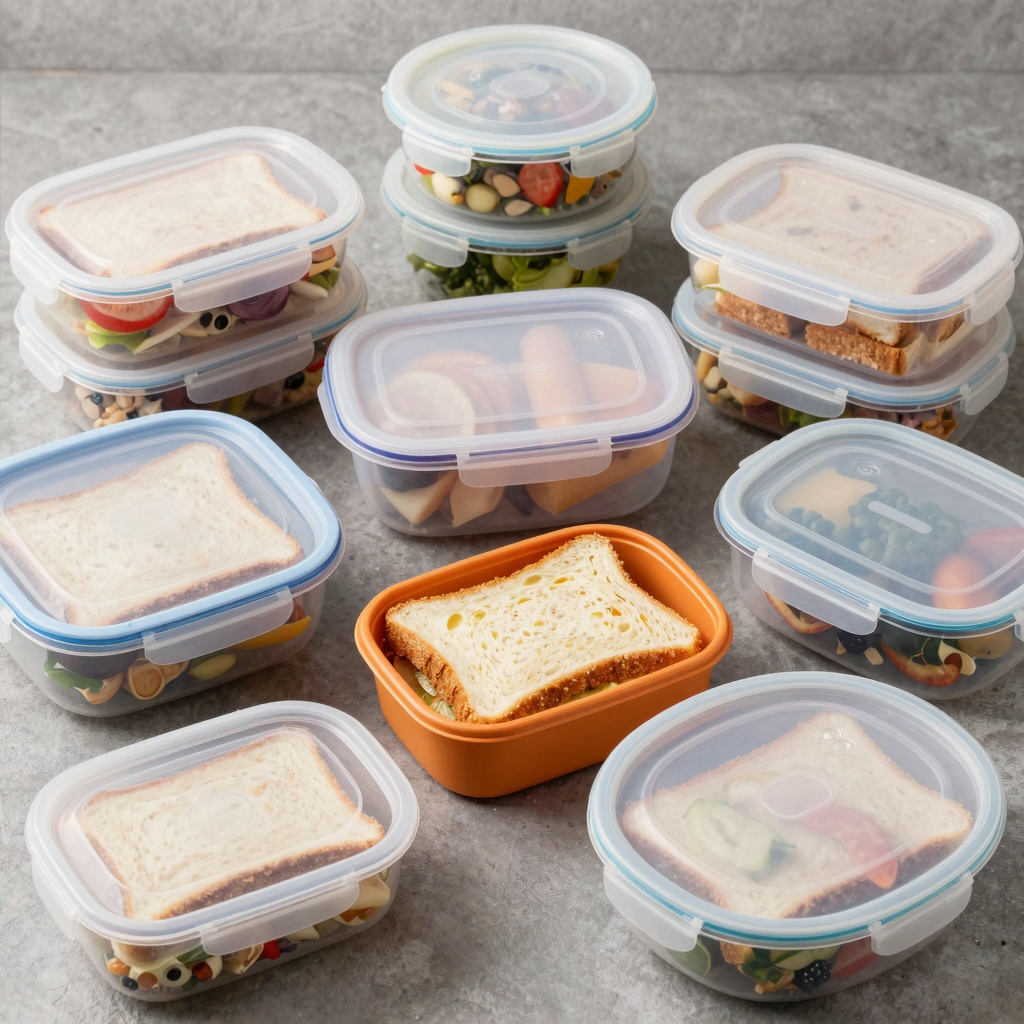
When it comes to food packaging, especially for sandwiches, the choice of container can significantly impact both the quality of food served and customer satisfaction. Foodservice professionals across the industry have shared their insights and testimonials regarding plastic containers specifically designed for sandwiches. Here’s a summary reflecting their experiences and overall satisfaction.
Durable and Practical Designs
-
Highly Rated Containers: Many foodservice professionals have praised thicker PET (Polyethylene Terephthalate) plastic containers for their durability. Users noted these containers are essential in preventing deformation or breakage during transportation, making them ideal for delivery services. Many mentioned their ability to keep sandwiches fresh and visually appealing, particularly noting their effectiveness in quick-service restaurants and school cafeterias.
-
User-Friendly Features: A common theme in reviews is the practicality of these containers. Features such as airtight seals and microwave-safe lids have been highlighted, enhancing the overall functionality. For instance, 87% of surveyed foodservice professionals reported improved food quality and reduced waste when utilizing stackable polypropylene containers with airtight lids.
Improved Efficiency
-
Operational Efficiency: With the adoption of reusable plastic sandwich containers, establishments have seen a marked improvement in operational efficiency. Many chefs and managers shared that they can now prepare large quantities of sandwiches quickly and store them conveniently in their refrigerators, reducing prep time significantly. For example, one testimonial stated, “We can prep 100 lunches in under 30 minutes, and they fit perfectly in our walk-in fridge.”
-
Positive Environmental Impact: Professionals also noted a dramatic reduction in packaging waste-up to 62%-when switching from single-use to reusable containers. This shift not only contributes to sustainability efforts but also minimizes ongoing costs associated with sourcing single-use items.
Customer Experience
-
Customer Satisfaction: The response from customers regarding these containers has been overwhelmingly positive. Feedback indicates that customers appreciate the clarity and appearance of the containers, which enhances their overall experience. Ease of access to the contents was another point of satisfaction, leading to fewer complaints about soggy sandwiches, a problem often associated with traditional packaging.
-
Future Innovations: While feedback has been largely positive, some users mentioned challenges such as lid loss and maintaining inventory. However, many have sought solutions, like using color-coded lids and developing tracking systems, which improved organization and reduced complaints.
Conclusion
The testimonials from foodservice professionals reflect a growing trend towards using plastic containers not just for their practicality, but also for their role in enhancing food presentation, maintaining quality, and contributing to sustainability efforts. As demand continues to grow for eco-friendly and functional packaging options, adopting high-quality plastic containers seem to be a wise choice for those in the foodservice industry, particularly for delis, cafes, and catering services.
By embracing solutions like these, businesses can improve their operational efficiency while meeting the modern consumer’s expectations for quality and environmental responsibility. To explore options for your food packaging needs, consider checking this resource on plastic packaging.
In conclusion, choosing high-quality plastic containers for your sandwiches isn’t just a matter of convenience; it’s essential for ensuring food safety, maintaining freshness, and enhancing customer satisfaction. Quality containers minimize the risk of contamination and prevent spoilage, which is critical for any business in the food service industry. With the right containers, you can confidently serve delicious, fresh sandwiches to your customers, knowing that their health and your reputation are protected.
At Green Dispopack, we offer a wide range of reliable plastic containers tailored for your needs. Our products are designed with food safety and quality in mind, ensuring that you have the best options available to elevate your service. We invite you to explore our selection and find the perfect solutions for your sandwich packaging. Don’t hesitate to reach out and partner with us for all your packaging needs. Let’s work together to keep your food fresh and your customers happy!
Food Safety Standards for Plastic Containers
In the realm of food safety, particularly concerning plastic containers used for food items like sandwiches, it’s crucial for vendors to understand and comply with several key standards. These include FDA regulations, safety certifications, and temperature resistance criteria. Below is a chart that summarizes these vital food safety standards for plastic containers:

Key Details:
- FDA Approval: All plastic containers intended for food contact must comply with FDA regulations as Food Contact Substances (FCS). Materials must be reviewed and approved by the FDA under 21 CFR Part 174-179. This includes monomers, polymers, additives, and processing aids.
- Temperature Resistance: Plastic containers have specific limits for storage:
- Room Temperature: Up to 77°F (25°C)
- Cold Storage: Down to -4°F (-20°C)
- Heat Resistance: Typically up to 212°F (100°C) for short-term use. It’s crucial to avoid prolonged exposure above 160°F (71°C).
- Safety Certifications: Look for containers that are BPA-Free, Phthalate-Free, and FDA-Compliant which ensure no harmful chemicals leach into food post-manufacture.
- Compliance via Good Manufacturing Practices: Manufacturers must adhere to Good Manufacturing Practices (GMP) to ensure cleanliness and prevent contamination. This is outlined in 21 CFR Part 110.
Compliance with these standards not only safeguards public health but also enhances the reputation of businesses in the food service industry. Vendors are encouraged to educate themselves regularly on these regulations to maintain safety in food delivery.
For further insights into food packaging, consider reading about plastic packaging food containers.
“Packaging is no longer just a container; it’s a critical barrier that protects food from contamination, extends shelf life, and maintains safety standards throughout the supply chain. A single breach in packaging integrity can compromise an entire product batch.”
- Dr. Emily Chen, Food Safety Scientist at the Center for Food Innovation.
This quote emphasizes the importance of using quality materials, especially in plastic containers for food items like sandwiches.