
Introduction
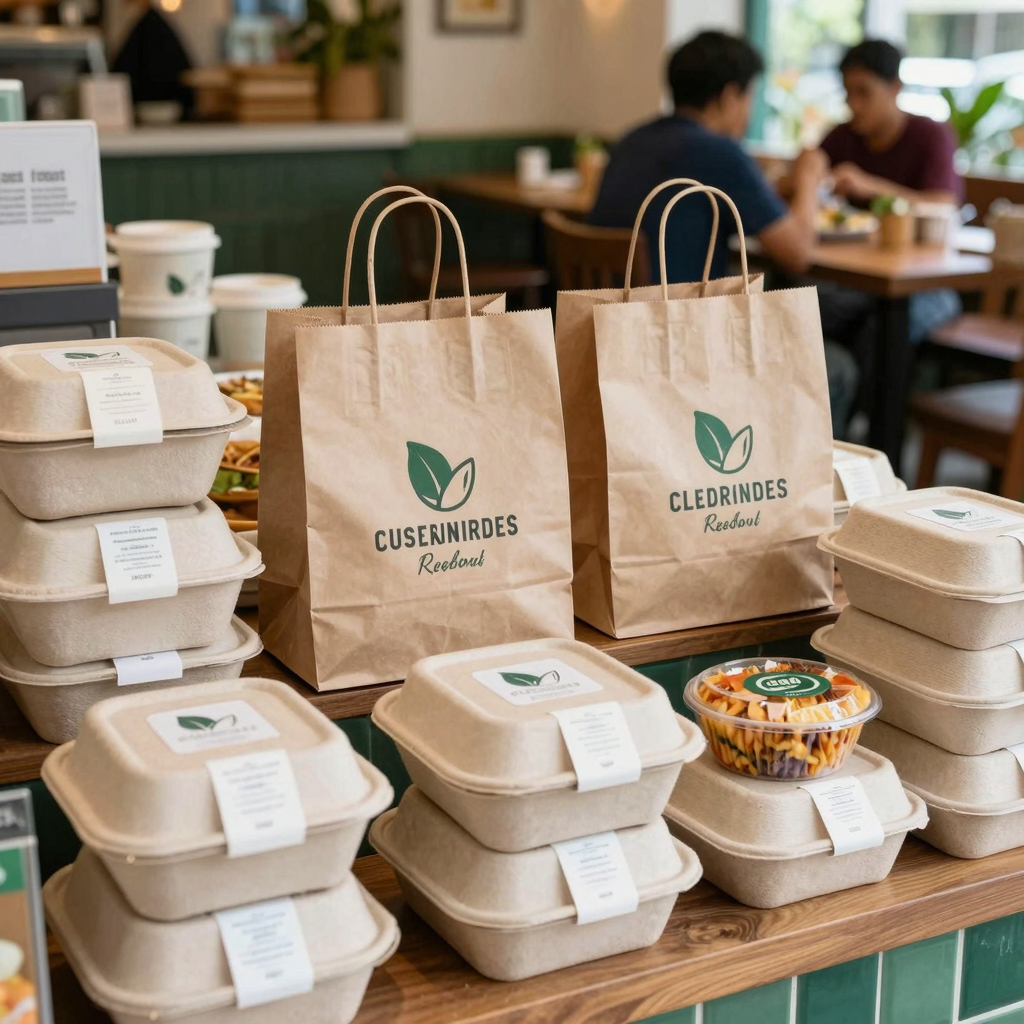
In the heart of Indonesia’s vibrant food scene, bubble tea shops, restaurants, and food vendors are increasingly feeling the pressure to adapt to a new norm: eco-friendly food packaging. As environmental concerns continue to rise, the importance of sustainability in every aspect of our lives becomes more pronounced. For businesses in the food and beverage industry, adopting eco-friendly packaging offers not just a chance to contribute positively to the environment, but also a wealth of benefits that can enhance brand image and customer loyalty.
The move towards eco-friendly packaging can significantly reduce reliance on plastics, which have long been a scourge on the environment. Recent statistics reveal that biodegradable containers made from natural byproducts, like those derived from cassava and sugarcane, have led to a remarkable 35% reduction in urban plastic waste in Indonesia. Moreover, these innovative solutions not only preserve food quality but also extend product shelf life, reducing spoilage by an impressive 40%. By utilizing locally sourced materials, businesses can also decrease packaging costs by approximately 25%, thus improving their bottom line.
In a market that values sustainability, shifting to eco-friendly food packaging enhances your shop or restaurant’s reputation and connects you with mindful consumers eager to support businesses that prioritize the environment. Join us as we explore the landscape of eco-friendly food packaging in Indonesia and its transformative impact on the food sector, paving the way towards a greener future. To delve deeper, check out our insights on the benefits of using eco-friendly packaging and innovative solutions offered by local startups.
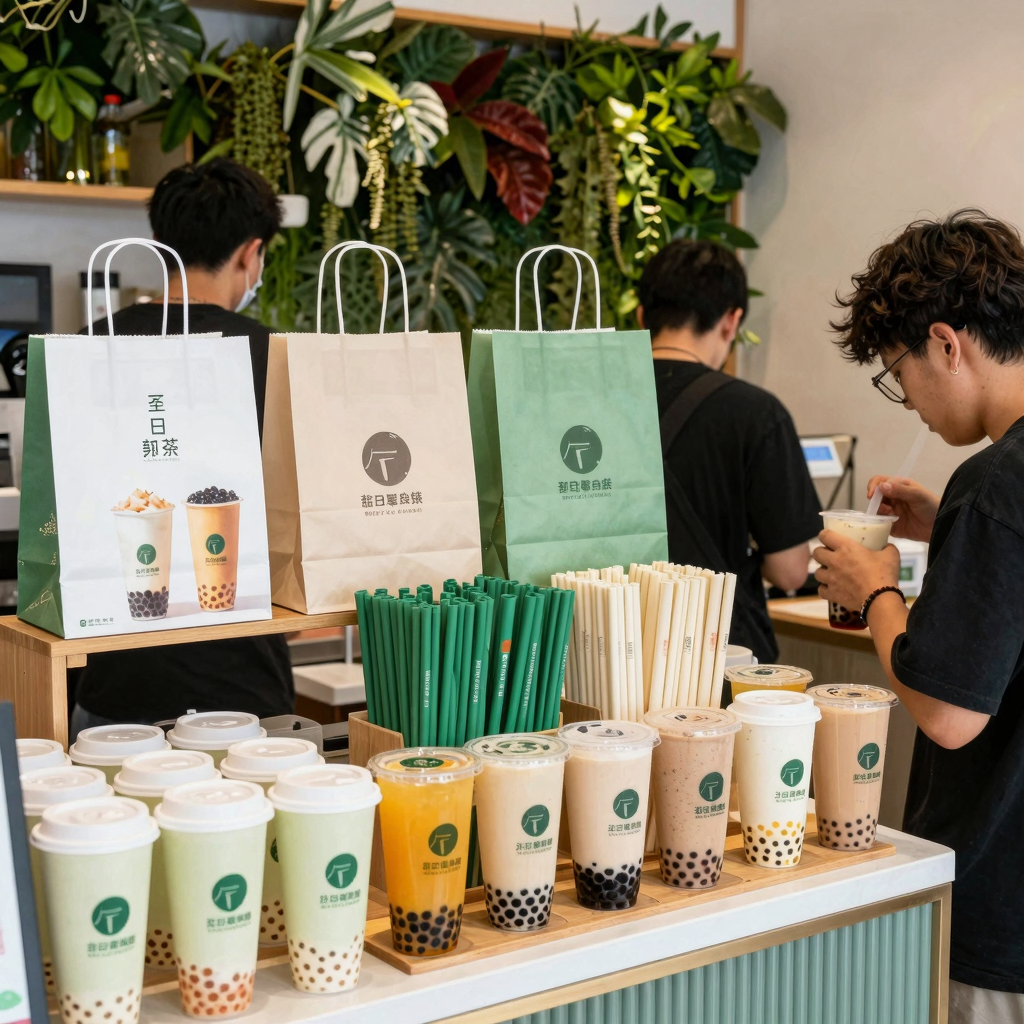
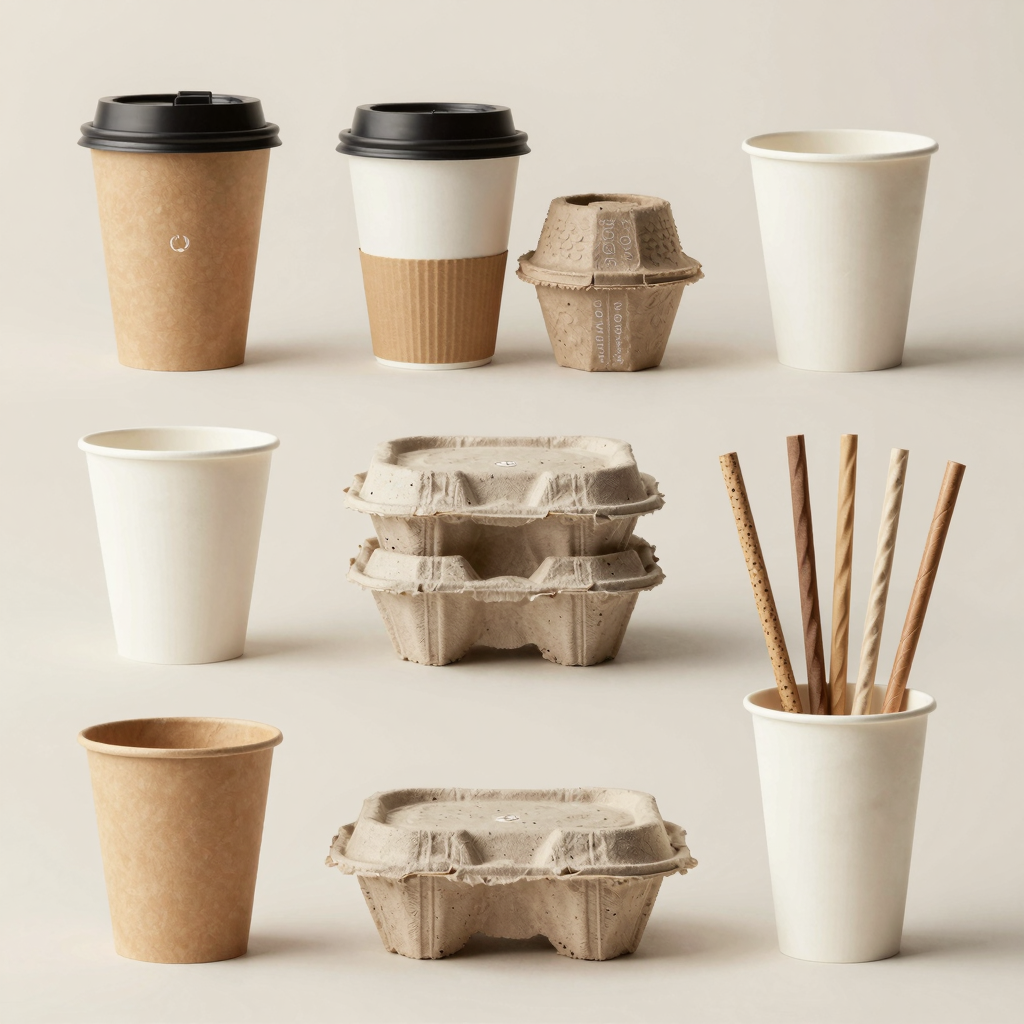
Image of a bubble tea shop showcasing eco-friendly food packaging.
Eco-Friendly Packaging Materials in Indonesia
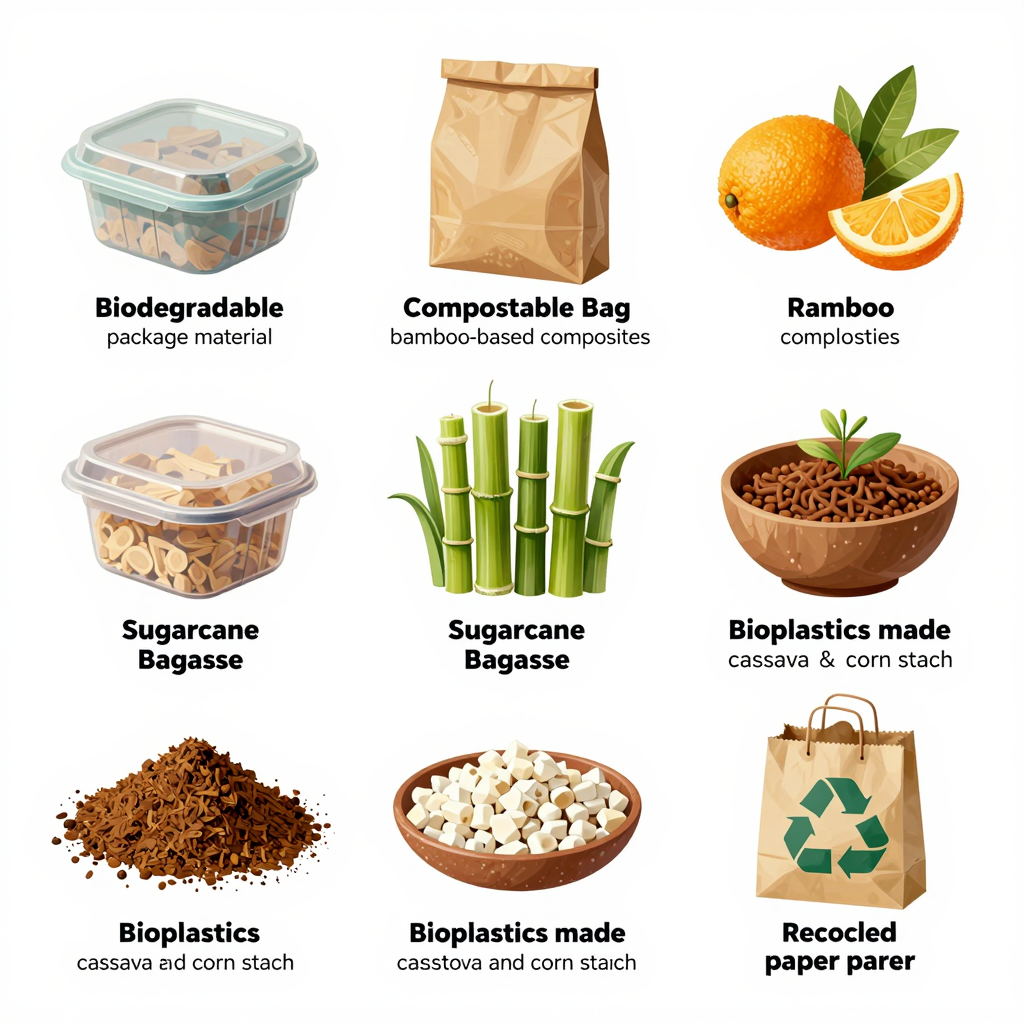
In Indonesia, the growing awareness and regulations around sustainability have led to an increase in the use of eco-friendly packaging materials. Here’s a list of popular options:
- Biodegradable Containers: Made from materials that break down naturally, reducing waste.
- Compostable Bags: Can be composted along with organic waste, returning nutrients to the soil.
- Bamboo-Based Composites: A durable alternative that uses fast-growing bamboo, minimizing environmental impact.
- Sugarcane Bagasse: A byproduct of sugar production, utilized to create sturdy packaging.
- Bioplastics: Derived from renewable resources like cassava and corn starch, offering a sustainable plastic alternative.
- Recycled Paper: Effective in reducing the amount of waste paper sent to landfills.
For more insights on eco-friendly options, learn about sustainable food packaging and biodegradable alternatives.
Eco-Friendly Packaging Adoption in Indonesia’s Food and Beverage Industry
The adoption of eco-friendly packaging in Indonesia has been significantly influenced by changing consumer preferences and regulatory measures. Recent data shows that between 60-70% of consumers in Indonesia are willing to pay more for brands that implement sustainable packaging alternatives. This trend reflects a broader movement in the Asia-Pacific region, driven by a growing awareness of environmental issues and a desire for more responsible consumption.
Key Statistics and Trends
- Consumer Willingness to Pay More: A notable report suggests that approximately 60-70% of Indonesian consumers are now favoring brands that use sustainable packaging options. This statistic not only indicates an increasing acceptance but also demonstrates that environmentally conscious choices are becoming essential for market competitiveness.
- Global Consumer Attitudes: On a global scale, 85% of consumers have indicated that sustainable packaging is a significant factor in their purchasing decisions. While this statistic is not exclusive to Indonesia, it emphasizes the critical role that sustainable packaging plays in attracting consumers.
Regulatory Influence
The Indonesian government has been proactive in establishing regulations that encourage the adoption of eco-friendly packaging. The 2022 Waste Law aims to reduce waste and promote recycling practices within the country, prompting companies in the food and beverage sector to shift towards compostable, paper, and cardboard packaging materials.
This regulatory framework, combined with changing consumer preferences, is steering Indonesian food and beverage companies to accelerate their adoption of eco-friendly packaging solutions to minimize their environmental impact and comply with local and international standards.
Conclusion
For businesses in the food and beverage sector, such as bubble tea shops, restaurants, and catering services, embracing eco-friendly packaging not only aligns with regulatory requirements but also enhances brand loyalty among environmentally conscious consumers. Companies looking to thrive in the competitive landscape must prioritize sustainable practices, thereby contributing positively to the environment while appealing to a growing customer base.
For tips on selecting the right packaging solutions, consider exploring our guide on eco-friendly clear plastic cups.
Moreover, if you want to understand the value of sustainable packaging as a long-term strategy, check out our insight on the global consumer attitudes.
Comparing Eco-Friendly Packaging Suppliers in Indonesia
When selecting eco-friendly packaging suppliers in Indonesia, it’s essential to compare their offerings to find the best match for your business needs. Below is a table summarizing some notable suppliers offering sustainable packaging options:
| Company Name | Type of Packaging Offered | Sustainability Certifications | Average Pricing |
|---|---|---|---|
| PT Yakult Indonesia | Custom biodegradable cups and food containers | ISO 14001, FSC | $0.50 – $1.50 per unit |
| JIANGMEN MST PACKAGING GROUP | Biodegradable fruit/vegetable bags, compostable pet food bags | ISO 9001, ISO 14001 | $0.20 – $0.60 per unit |
| EcoPack Indonesia | Recycled paper boxes, compostable paper cups | Green Seal, SGS | $0.30 – $1.00 per unit |
| GreenPackAsia | Biodegradable take-out boxes, eco-friendly bags | FSC, ISO 14001 | $0.45 – $0.95 per unit |
These suppliers provide a range of eco-friendly options that can help businesses in the food and beverage industry reduce their environmental impact. Setting your business apart with sustainable choices can attract eco-conscious consumers and enhance your corporate image. To explore more about sustainable packaging options, check out this guide on eco-friendly products.
Benefits of Eco-Friendly Packaging for Businesses
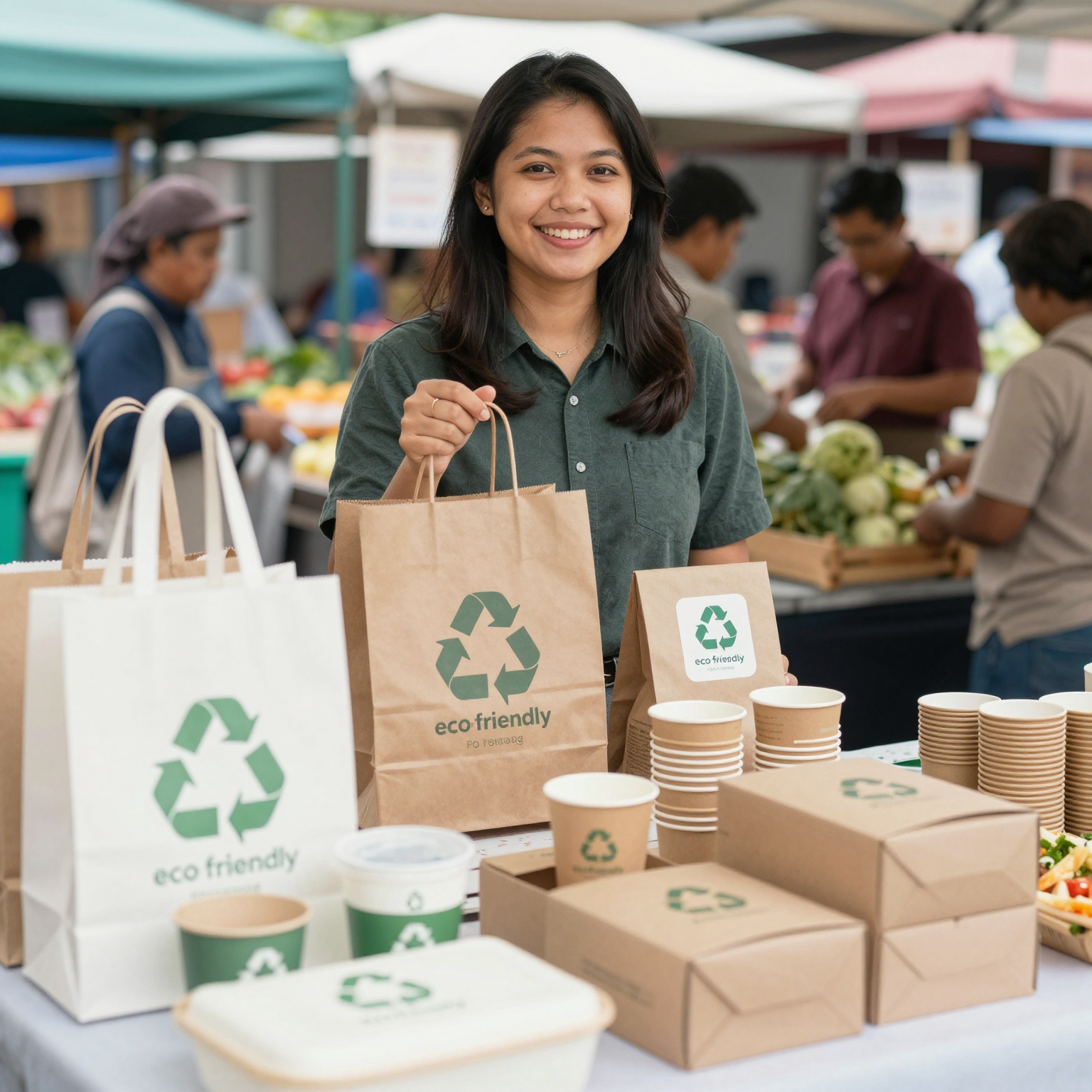
As the world shifts towards sustainability, businesses ranging from bubble tea shops to restaurants are recognizing the myriad benefits of adopting eco-friendly packaging. Here are some specific advantages:
1. Enhanced Brand Reputation
Using eco-friendly packaging can significantly enhance your brand’s reputation. Research shows that 73% of consumers are more likely to trust brands that prioritize environmental responsibility. This trust fosters strong emotional connections, encouraging customers to engage with your brand and share their positive experiences.
2. Increased Customer Loyalty
Sustainable practices resonate with environmentally conscious consumers. A study found that businesses investing in eco-friendly packaging reported a 22% increase in repeat purchases from customers who prioritize sustainability. By aligning your brand values with the preferences of these customers, you cultivate loyalty that can translate into long-term revenue. Additionally, these customers perceive brands practicing environmental responsibility as 37% more authentic, reinforcing brand loyalty.
3. Compliance with Regulations
With evolving regulations demanding more sustainable practices, switching to eco-friendly packaging can help preemptively meet compliance requirements. For instance, by 2025, European laws will require that all packaging is recyclable, and non-compliance could lead to significant fines-up to 4% of global turnover. Early adoption places your business ahead of regulatory pressures, eliminating potential fines and operational disruptions, while enhancing your market competitiveness. For more on regulatory changes, check out this overview of packaging sustainability regulations.
4. Competitive Advantage
In a crowded market, differentiating your brand is critical. Eco-friendly packaging serves as a unique selling proposition (USP) that not only appeals to modern consumers but also positions your brand as a leader in sustainability. Companies can navigate both consumer trends and regulatory landscapes by making proactive ecological choices.
By embracing eco-friendly packaging, businesses not only contribute to environmental preservation but also enhance their brand presence, customer loyalty, and compliance standing.
“Switching to eco-friendly packaging has transformed our business! Ever since we started using Green Dispo Pack’s sustainable options, our customers have responded positively, appreciating our commitment to protecting the environment. Not only have we reduced our carbon footprint, but our sales have actually increased as we’ve attracted more eco-conscious consumers. It feels amazing to know that we’re contributing to sustainability efforts while also growing our business!”
- Joko, Owner of Organic Eats & Sips
If you’re looking for ways to minimize your environmental impact while still delivering excellent service, explore more about compostable paper cups to see how they can benefit your food service!
Challenges Businesses Face When Transitioning to Eco-Friendly Food Packaging
Transitioning to eco-friendly food packaging poses several challenges for businesses in Indonesia, especially for bubble tea shops, beverage chains, restaurants, food trucks, catering services, event planners, and procurement teams. Here are some significant hurdles to consider:
1. Higher Costs
One of the most pressing challenges is the increased cost of sustainable materials compared to traditional packaging options. According to McKinsey, the cost of production for eco-friendly packaging can be significantly higher, which may deter businesses with tight margins from making the switch.
2. Availability of Materials
The availability of sustainable packaging options can also be a concern. Many businesses struggle to find reliable suppliers for eco-friendly materials, which can lead to delays and inconsistencies in the supply chain. The demand for these materials often outpaces supply, causing businesses to face potential shortages or long lead times for orders, as noted in a PMC article.
3. Customer Preferences
Shifting consumer preferences present another challenge. While there is a growing trend towards sustainable products, many consumers still prioritize price and convenience. Businesses must find ways to educate their customers on the benefits of eco-friendly packaging and how it contributes positively to the environment.
Overcoming These Challenges
Despite these obstacles, businesses can take actionable steps to facilitate the transition:
- Educate and Communicate: Inform customers about the importance and benefits of eco-friendly packaging. This can help foster loyalty and support for the transition.
- Strategic Partnerships: Collaborate with suppliers and industry peers to secure competitive pricing and reliable sourcing of sustainable materials.
- Gradual Implementation: Start by replacing a portion of traditional packaging with eco-friendly alternatives, allowing for a smoother transition and better control over costs.
By addressing these challenges head-on, businesses can successfully transition to eco-friendly food packaging and meet the increasing demand for sustainable practices in the food industry.
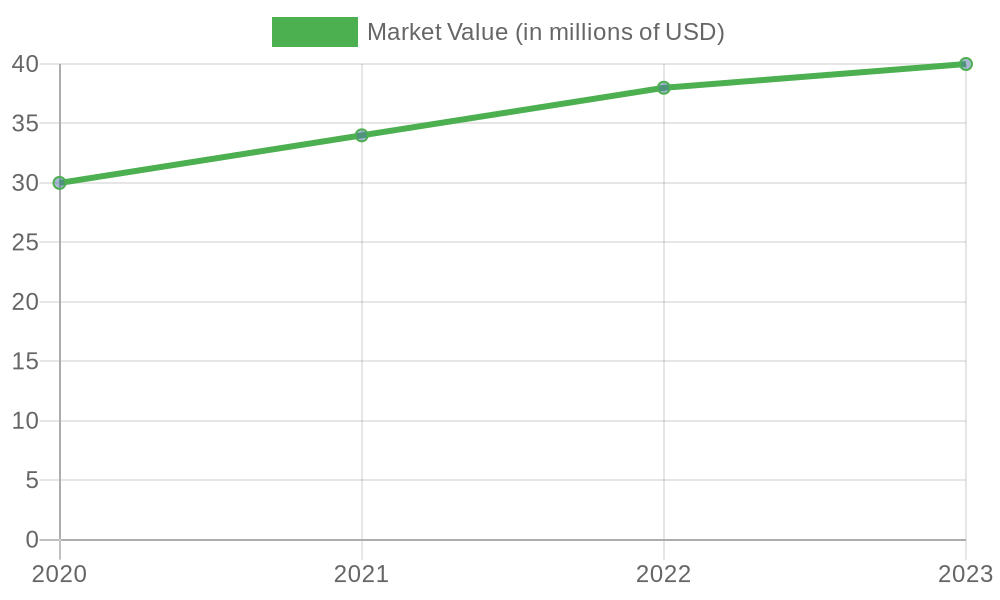
Eco-Friendly Packaging Growth in Indonesia (2020-2023)
| Year | Market Value (in millions of USD) |
|---|---|
| 2020 | $30 million |
| 2021 | $34 million |
| 2022 | $38 million |
| 2023 | $40 million (projected) |
Note: The data is based on industry estimates and market trends from the Indonesian sustainable packaging sector, reflecting steady growth driven by government initiatives, consumer demand, and corporate sustainability commitments.
Conclusion
In conclusion, eco-friendly food packaging is becoming increasingly vital, especially in Indonesia, where the effects of plastic pollution are acutely felt. With the Indonesian government implementing policies to reduce plastic waste and encouraging businesses to venture into biodegradable alternatives, the shift towards sustainable packaging is not merely a trend, but a necessity. Growing consumer awareness and preference for sustainable options-demonstrated by a significant percentage willing to pay more for eco-friendly products-further emphasizes the market’s direction toward responsible packaging solutions.
The demand for innovative, biodegradable materials such as seaweed, cassava starch, and other plant-based packaging alternatives reflects an industry-wide commitment to reducing environmental impact. Collaborations between businesses, suppliers, and regulatory bodies are key to creating a sustainable supply chain. As we have seen from industry developments, sustainable packaging can lead to not only compliance with regulations but also enhance brand reputation and customer loyalty.
Taking actionable steps is essential. We at Green Dispo Pack are dedicated to offering tailored eco-friendly packaging solutions that meet your unique business needs. Whether you run a bustling bubble tea shop, a catering service, or are involved in large-scale food distribution, we can help you transition to sustainable packaging seamlessly.
Call to Action
Don’t wait until it becomes mandatory; act now and lead the charge in sustainable practices in your industry. Visit our website Green Dispo Pack to explore our extensive range of eco-friendly products and get in touch with us for personalized solutions that fit your business perfectly. Together, we can make a meaningful impact on the environment while also enhancing your brand’s appeal. Let’s make sustainability a priority in your packaging solutions today!