
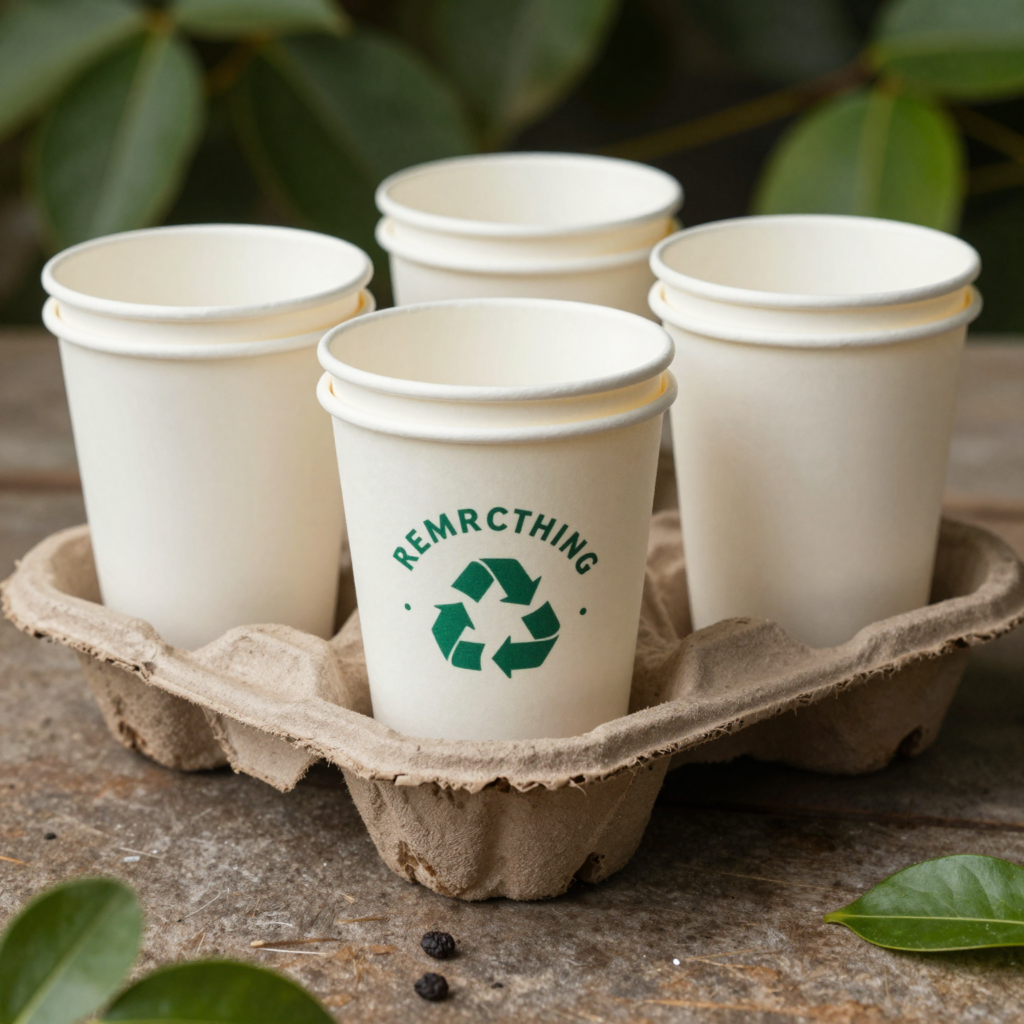
Introduction to Compostable Paper Cups
In today’s increasingly eco-conscious marketplace, the demand for sustainable products continues to grow, with consumers seeking more eco-friendly options in their daily lives. Among these products, compostable paper cups have emerged as a vital choice for businesses in the food service industry, particularly for bubble tea shops and restaurants. These cups not only offer a practical solution for serving beverages but also demonstrate a commitment to environmental responsibility.
Compostable paper cups reduce plastic waste, as they are made from renewable resources and can decompose naturally in a composting environment, minimizing their impact on landfills and pollution. As businesses strive to enhance their sustainability practices, switching to compostable options enhances brand image, aligns with consumer values, and can even provide a competitive advantage. With the increasing emphasis on sustainable practices, customers are looking for brands that reflect their values-making compostable products not just an option, but a necessity. Learn more about the benefits of compostable paper cups and how they can contribute to a greener future for our planet.
The Eco-Benefits of Compostable Paper Cups
Compostable paper cups present a formidable alternative to traditional plastic cups, offering a variety of environmental benefits that contribute significantly to waste reduction and sustainability.
Breakdown and Environmental Impact
Unlike plastic cups, which can take hundreds of years to decompose, compostable paper cups are designed to break down under the right conditions. They typically decompose in specialized composting facilities within about 120 days. During this period, they convert into nutrient-rich compost that can help nourish soil and support plant growth, contributing to a circular economy. In contrast, traditional plastic cups contribute to landfill overflow and pollution, taking centuries to degrade and often breaking down into harmful microplastics that pollute our ecosystems.
Using compostable paper cups helps mitigate the pollution associated with single-use plastics and promotes a more responsible approach to waste management. For example, in one study, it was found that compostable alternatives helped reduce overall waste footprints in urban settings due to their faster decomposition rates and compatibility with organic waste streams (Donghong Pack).
Certifications and Credibility
To enhance their eco-credibility, compostable paper cups often come with certifications such as ASTM D6400 or EN 13432, which indicate that they are capable of breaking down in industrial composting environments. These certifications assure consumers and businesses that the products meet specific standards for compostability, elevating their trustworthiness in the market (MTPAK).
In conclusion, switching to compostable paper cups is a proactive choice for businesses committed to reducing their environmental impact. By minimizing plastic waste and supporting composting infrastructure, companies in the food service industry can make significant strides toward sustainability.
Reasons Why Bubble Tea Shops Should Choose Compostable Cups
Compostable cups are becoming increasingly popular in the bubble tea industry. Here are key benefits for bubble tea shops to consider when making the switch:
-
Customer Appeal: Many consumers, especially younger demographics, are attracted to brands that demonstrate environmental responsibility. Offering compostable cups can enhance the appeal of your bubble tea shop, enticing eco-conscious customers to choose your products over competitors.
-
Brand Image Enhancement: Using compostable cups helps establish your bubble tea shop as a forward-thinking, environmentally-friendly business. This positive brand image can lead to increased customer loyalty and word-of-mouth referrals, crucial in a competitive market. For more on why sustainable packaging matters, check out this article.
-
Compliance with Environmental Regulations: As governments around the world push for stricter regulations on single-use plastics, adopting compostable options helps businesses stay compliant with current and future legislation. This proactive approach can save your business from potential fines or penalties.
-
Contribution to Waste Reduction: Compostable cups significantly cut down on plastic waste since they are made from natural materials that decompose. By switching to these products, bubble tea shops contribute to reducing landfill waste and promoting a cleaner environment. This change supports the shift toward a circular economy and can be a model of sustainability within your community. More information on this can be found in this useful blog.
-
Lower Carbon Footprint: Many compostable cups are made from renewable resources, thus lowering the overall carbon footprint of your packaging. This sustainability practice can be a key selling point for customers who are concerned about their environmental impact.
-
Enhanced Nutritional Effects: Compostable cups break down into organic matter that can contribute nutrients to the soil, promoting a healthier ecosystem. This can be a unique talking point for your bubble tea shop, enhancing the overall customer experience and engagement.
-
Support from Vendors: Many suppliers are now offering a range of compostable products specifically for bubble tea shops, making it easier than ever to switch from traditional plastic cups. Using these products can signal to your customers that you are part of the solution to environmental issues.
Conclusion
Switching to compostable cups is not just a trend; it’s a pivotal step toward creating a more sustainable future for bubble tea shops. With numerous benefits ranging from improved customer appeal to compliance with regulations, it’s an opportunity to make a lasting impact on both your brand and the environment.

Comparing Compostable Paper Cups and Traditional Plastic or Foam Cups
As bubble tea shops, restaurants, and event planners look to make environmentally conscious choices, understanding the differences between compostable paper cups and traditional plastic or foam cups becomes essential. Here’s a comparison that highlights key aspects such as materials, costs, biodegradability, and consumer perceptions.
| Feature | Compostable Paper Cups | Traditional Plastic/Foam Cups |
|---|---|---|
| Materials | Made from plant-based materials | Made from petroleum-based plastics or foam |
| Cost | Typically 10-20% more expensive than plastic | Usually lower cost |
| Biodegradability | Break down in composting environments (EN13432 certified) | Not biodegradable; can take hundreds of years to decompose |
| Consumer Perception | Increasing preference for eco-friendly options | Concerns over plastic pollution |
Key Insights
- Materials: Compostable cups use renewable resources, while traditional cups rely on non-renewable sources.
- Cost: Although compostable cups can be more expensive initially, they may appeal more to eco-conscious consumers.
- Biodegradability: Compostable cups are designed to break down, contributing to better waste management practices. In contrast, traditional cups often clog landfills and contribute to environmental harm.
For more insights on choosing the right disposable options, learn more about compostable paper cups and consider the long-term benefits of environmentally friendly choices in your business!
In an age of increasing environmental awareness, compostable paper cups are becoming popular in the food service industry. However, with this growing trend comes the need for compliance with various safety standards and regulations.
Key Regulatory Standards
- ASTM D6400:
- This standard outlines the specifications for compostable plastics in the U.S. It ensures that compostable cups break down in composting environments within a specific timeframe, reducing their environmental impact. Products meeting this standard are often certified, which assures consumers of their eco-friendliness.
- EN 13432:
- The European equivalent of ASTM D6400, this standard provides requirements for compostable packaging in Europe. Compliance confirms that products will disintegrate and biodegrade effectively in composting facilities. Certificate holders can proudly advertise this compliance, enhancing their brand’s trustworthiness.
- Regulation (EC) No 1935/2004:
- This European regulation mandates that materials intended to come into contact with food must not transfer their constituents to food in quantities that could endanger human health. It applies to paper cups as they are used for various beverages and food items, ensuring that they are made from safe materials free from harmful substances.
- BPI Certification:
- The Biodegradable Products Institute (BPI) offers certification to ensure that products are genuinely compostable according to ASTM D6400 and/or EN 13432 standards. BPI certification provides additional credibility and promotes consumer confidence in the product’s environmental claims.
- FDA Regulations:
- In the U.S., food contact materials, including paper cups, must meet the standards set by the Food and Drug Administration (FDA). These regulations ensure that the raw materials used in manufacturing do not pose a risk to public health.
Benefits of Compliance
When food service businesses comply with these regulatory standards, they enjoy numerous benefits:
-
Reduced Liability: Compliance helps mitigate the risk of legal issues related to safety violations. Should an incident arise involving foodborne illness or safety claims, being compliant can shield businesses from hefty fines and lawsuits.
-
Enhanced Customer Trust: Consumers today are increasingly concerned about sustainability and food safety. By offering certified compostable cups, businesses can demonstrate their commitment to environmental responsibility and food quality, fostering trust among their customers. As shown in the article on Why Food Safety Compliance is Essential for Protecting Your Brand, transparency in compliance can enhance a brand’s reputation.
-
Market Differentiation: In a competitive industry, showcasing compliance with industry-leading safety standards can be a differentiator. It serves as a unique selling proposition for businesses that prioritize sustainability while meeting customer needs.
-
Consumer Loyalty: Trust leads to loyalty. By aligning with eco-friendly practices and regulatory standards, food service establishments can develop a loyal customer base. As noted in Top 10 Benefits of Food Safety Regulations, consumer trust in compliant products indirectly boosts overall sales.
In conclusion, adhering to safety standards and regulations regarding compostable paper cups not only benefits environmental efforts but also positively impacts the liability, reputation, and customer trust of food service businesses. As these establishments recognize the importance of compliance, they can better align their operations with the values of informed and conscientious consumers.
Case Study: Successful Transition to Compostable Paper Cups
Overview
TeaTastic, a popular bubble tea shop, embarked on a journey to shift from traditional plastic cups to eco-friendly compostable paper cups. This decision was motivated by increasing customer demand for sustainable practices and a desire to reduce environmental impact. The transition not only benefitted the planet but also resonated positively with the customers.
Benefits of Switching
The adoption of compostable paper cups yielded numerous benefits for TeaTastic:
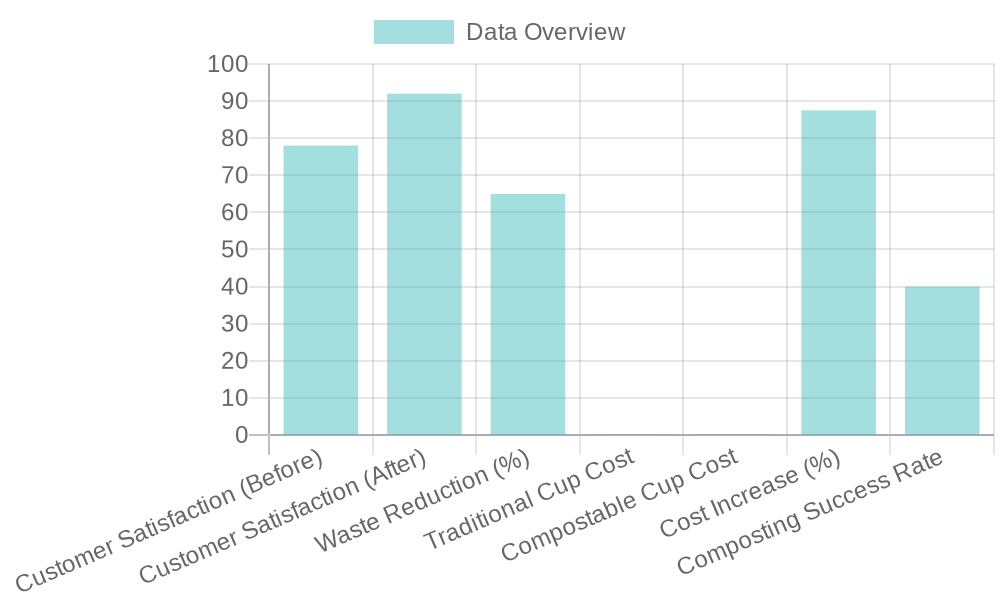
- Enhanced Customer Satisfaction: Before the transition, customer satisfaction rates were at 78%. Post-adoption, satisfaction jumped to 92%, with many customers expressing appreciation for the shop’s commitment to sustainability.
- Waste Reduction: The change led to a remarkable 65% reduction in waste production, showcasing the effectiveness of using compostable materials. Customers were encouraged to participate in composting by offering incentives.
- Cost Comparison: While the cost per traditional cup was approximately $0.10, compostable cups were around $0.175, resulting in an 87.5% increase in cup cost. However, the long-term benefits and customer loyalty outweighed the initial expenses.
Challenges Faced
Despite the success, challenges were encountered during the transition:
- Higher Initial Costs: The increase in cup prices posed a challenge for pricing strategy, but customer acceptance of higher prices proved effective as they preferred eco-friendly options.
- Training Staff: Employees needed training on the benefits of the new cups and how to handle disposals correctly, ensuring customer awareness.
Conclusion
The transition to compostable paper cups at TeaTastic has proven to be a sustainable and profitable decision. The increase in customer satisfaction and commitment to reducing waste is a model for other shops looking to go green. For more insights into eco-friendly packaging, check out this blog.
Visual Representation

Expert Insights on Compostable Cups
The move towards sustainable packaging is imperative for businesses aiming to reduce their environmental impact. Compostable cups, made from materials that break down naturally, are gaining traction as an eco-friendly alternative to traditional plastic cups. Below are the thoughts of industry experts and customers who advocate for their use.
Industry Expert Opinion
“Switching to compostable cups is more than just a trend; it’s a necessary step for companies looking to align with consumer demand for sustainability. Major coffee chains like Dunkin’ Donuts and Costa Coffee have already transitioned to these cups, proving that it’s not only feasible but also beneficial for business.”
This quote underscores the acknowledgment from industry leaders that adopting compostable options can help businesses reduce their overall environmental footprint while appealing to eco-conscious consumers.
Customer Testimonials
Customers have also voiced their satisfaction with the switch to compostable cups, noting the enhanced experience they bring. Many appreciate the fact that these cups can be disposed of in composting facilities, which helps in minimizing waste. This sentiment is echoed throughout the food industry, where sustainability is becoming an essential part of brand identity.
As consumers become increasingly environmentally aware, businesses that invest in compostable solutions not only meet a growing demand but also contribute positively to community and environmental health.
For those in the food and beverage sector looking to innovate, understanding the benefits of compostable cups is crucial. Not only do they offer a clear path towards sustainability, but they also enhance brand reputation among eco-friendly consumers.
If you want to explore more about how compostable cups can impact your business positively, read our blog on the benefits of compostable paper cups.
This expert opinion and customer feedback demonstrate a strong consensus on the need for adopting compostable cups in various food and beverage sectors, making a compelling case for businesses to transition to these sustainable alternatives.
Conclusion
Choosing compostable paper cups is more than just an environmentally friendly decision; it is a strategic business move that aligns with modern consumer expectations. With increasing awareness about plastic pollution, businesses in the beverage and food service industries are recognizing the imperative to adopt sustainable practices. Compostable cups represent a significant advance over traditional plastic and polystyrene options, offering both ecological and brand image benefits.
Environmental Advantages
Compostable paper cups are made from renewable plant-based resources, meaning they decompose naturally, unlike their plastic counterparts that contribute to landfill overflow and environmental degradation. This not only minimizes organic waste but also reduces greenhouse gas emissions associated with plastic production and disposal. By opting for compostable options, businesses can take a proactive stance in promoting a healthier planet and a sustainable future. According to Compost Connect, compostable packaging plays a crucial role in diverting waste from landfills, enhancing sustainability efforts.
Business Benefits
Switching to compostable cups can enhance a brand’s image by highlighting its commitment to sustainability. Many consumers are willing to pay a premium for environmentally friendly products, which means that adopting compostable cups not only fulfills corporate social responsibility but can also drive sales. As noted in Green Dispo Pack, businesses that demonstrate environmental stewardship can significantly enhance their reputation in the marketplace.
Encouragement to Switch
For bubble tea shops, restaurants, corporate procurement teams, and event planners-making the switch to compostable paper cups is an investment in your sustainability agenda and your brand’s future. Embracing these eco-friendly options will not only help in reducing your environmental footprint but will also appeal to a growing base of eco-conscious consumers. Together, let’s make the choice for a greener tomorrow!
| Year | Market Size (Billions USD) | Annual Growth Rate (%) |
|---|---|---|
| 2020 | 5 | – |
| 2021 | 7 | 40.0 |
| 2022 | 9 | 28.6 |
| 2023 | 12 | 33.3 |
| 2024 | 16 | 33.3 |
| 2025 | 20 | 25.0 |
| 2026 | 24 | 20.0 |
| 2027 | 30 | 25.0 |
| 2028 | 37 | 23.3 |
Note: Annual growth rate is calculated based on year-over-year change in market size.

Source: Market Size and Growth Data for Compostable Products Market (2020-2028)