
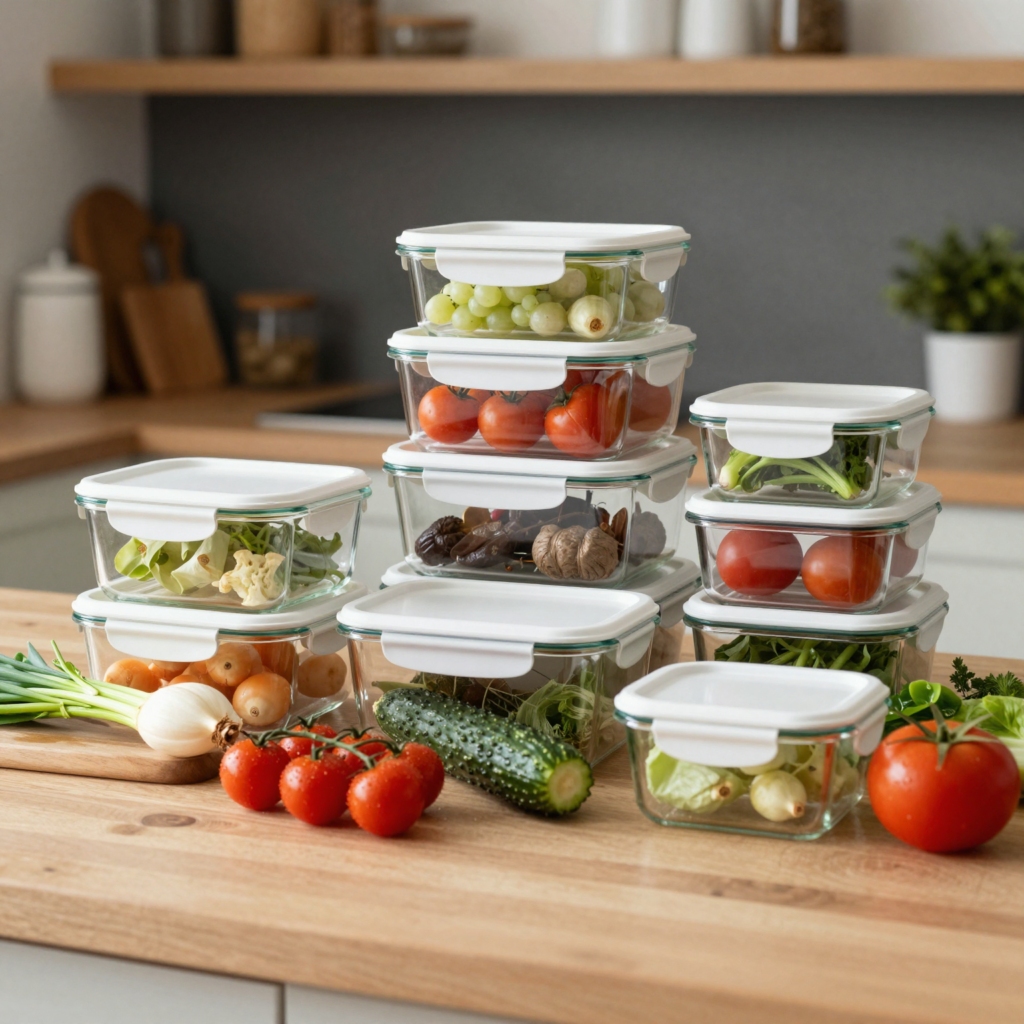
Choosing Eco-Friendly Containers for Freezing Foods
In today’s world, the choice of containers we use for freezing foods can significantly impact both our health and the environment. As concerns over plastic pollution become increasingly urgent, finding the best container to freeze foods in no plastic has never been more essential. Traditional plastic containers can leach harmful chemicals into food and contribute to the growing plague of plastic waste in our oceans and landfills. Not only does this threaten marine life, but it poses risks to human health as well.
Fortunately, there are numerous eco-friendly alternatives available that provide safe and sustainable solutions for food storage. From high-quality glass to biodegradable materials, these containers ensure that your food remains fresh without compromising your values. By switching to these options, not only do you safeguard your health, but you also play a crucial role in reducing plastic use and promoting sustainability.
So, whether you run a bubble tea shop, cater events, or manage a food truck, it’s vital to explore these non-plastic solutions that meet your needs and help protect our planet. Learn more about eco-friendly containers and join the movement towards a healthier, greener future.
Eco-Friendly Materials for Food Storage Containers
If you’re in the food and beverage industry, you’re likely exploring sustainable options for food storage that steer clear of plastic. Here’s a list of eco-friendly materials suitable for food storage containers:
-
Glass
Glass containers are not only durable but also non-toxic. They do not leach chemicals into food, ensuring safety during freezing and reheating. Moreover, glass does not absorb odors or colors, keeping your stored food fresh. For an in-depth exploration of the benefits of glass, check out this article by ABC News. -
Stainless Steel
Known for its strength and longevity, stainless steel is a top choice for food storage. It is resistant to rust and corrosion, maintaining the quality and integrity of the food stored inside. Stainless steel containers are also easy to clean and do not leach harmful substances, making them a healthier option. You can read more about this in SeedSprout’s blog. -
Silicone
Silicone is a revolutionary material for food storage. It is flexible, durable, and safe for freezing. Silicone containers form airtight seals to keep food fresh longer while being resistant to heat and cold fluctuations. Unlike plastic, silicone doesn’t retain odors or colors. Learn more about the benefits of silicone from Tidy Board. -
Bamboo
Bamboo is a highly sustainable material growing in popularity for food storage solutions. It is lightweight, strong, and naturally antibacterial, making it an excellent choice for food safety. Bamboo containers are also biodegradable and non-toxic, which aligns perfectly with eco-conscious practices.
In conclusion, opting for these eco-friendly materials not only helps in reducing plastic consumption but also contributes to a healthier environment and safer food storage practices. For more insights on transitioning away from plastic, consider reading about the benefits of glass containers.
User Reviews on Eco-Friendly Containers
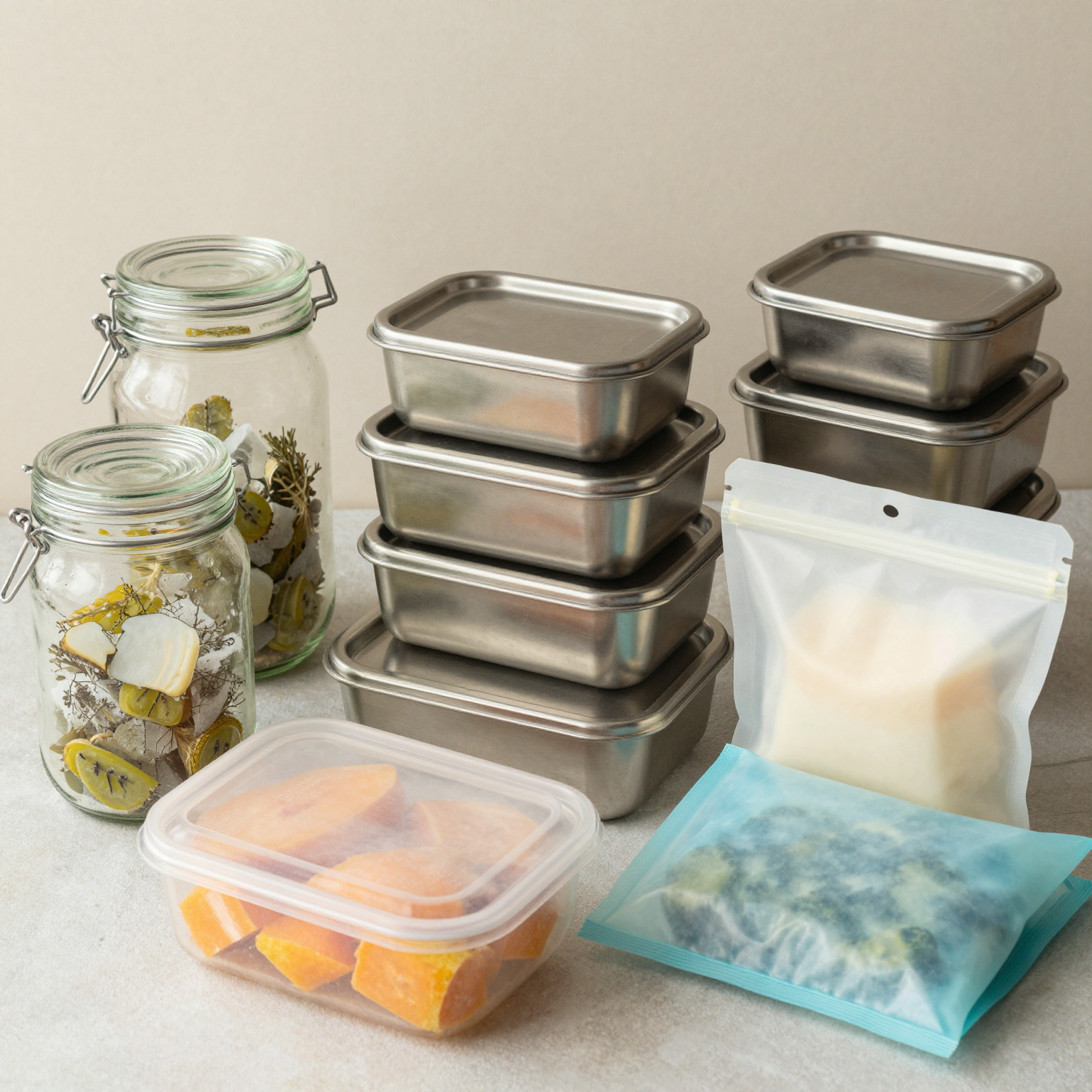
In recent years, the push for sustainability has surged, leading many consumers to seek out eco-friendly food containers. Here’s a summary of common experiences reported by users regarding various types of eco-friendly food containers, specifically those used for freezing food without plastic.
Key Products Reviewed
- Glass Containers
Users rave about glass food storage containers due to their durability and non-toxic nature. They are microwave and dishwasher safe, which adds convenience to meal prep. Many appreciate seeing the contents without opening the lid, facilitating easy access. However, the downside is their weight and fragility. Users have noted that glass can break if dropped-and it is more expensive than plastic alternatives.
- Pros: Durable, non-toxic, microwave-safe, recyclable
- Cons: Heavy, prone to breakage, higher cost
- Stainless Steel Containers
Stainless steel options are highlighted for their sturdiness and resistance to dents. They don’t leach chemicals and are favored for outdoor activities due to their leak-proof design. However, they are not microwave-safe, and some users reported challenges with cleaning them efficiently.
- Pros: Durable, lightweight, leak-proof
- Cons: Not microwave-safe, higher price, can retain heat
- Silicone Bags and Containers
Many users appreciate silicone for its flexibility and lightweight properties. They are heat-resistant and often designed to be leak-proof. The downside is that they can develop stains or odors if not cleaned properly.
- Pros: Flexible, dishwasher-safe, leak-proof
- Cons: May stain or retain odors, less rigid than glass or metal
- Biodegradable Containers
Made from materials like cornstarch and sugarcane, biodegradable containers are praised for their low environmental impact when properly composted. However, users expressed concerns regarding their durability and limited use cycle, with some stating they are not suitable for long-term storage.
- Pros: Compostable, low environmental impact
- Cons: Limited lifespan, not microwave-safe, often more expensive
Insights from User Experiences
- According to Food & Wine, users prefer non-toxic options, favoring gluten-free and BPA-free materials to ensure food safety.
- Reviews on Sweet Peas and Saffron highlight that silicone products are often recommended for freezing due to their leak-proof qualities and heat resistance.
Summary of Pros and Cons
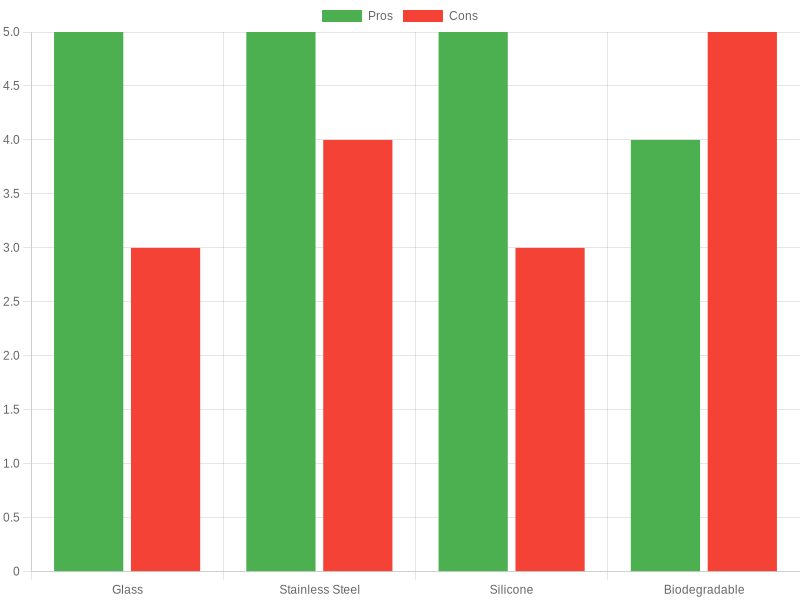
This chart illustrates a comparative analysis of pros and cons for the various eco-friendly food storage materials based on real user reviews.
Conclusion
Choosing the right eco-friendly container depends on your specific needs. Whether you prioritize durability, weight, or environmental impact, there are numerous options on the market tailored to meet the diverse needs of bubble tea shops, restaurant chains, and catering services.
For more information on suitable containers, check out our article on eco-friendly packaging solutions here.
Comparison of Top Eco-Friendly Food Storage Containers
When it comes to freezing foods while prioritizing eco-friendliness, various containers stand out in the market. Here, we compare some of the best options focusing on aspects such as cost, durability, and customer satisfaction.
Why Choose Eco-Friendly Containers?
- Healthier for Food: Eco-friendly materials often help preserve the integrity of your food without leaching harmful chemicals.
- Sustainable Practices: Reduces the environmental impact compared to plastic containers.
- Durability: Typically, eco-friendly containers are designed to withstand cold temperatures without cracking or degrading.
Comparison Table of Eco-Friendly Freezing Containers
| Product Type | Brand/Model | Capacity | Price | Original Price | Discount (%) | Durability Features | Environmental Impact | Customer Satisfaction (Rating) | Recommended Use |
|---|---|---|---|---|---|---|---|---|---|
| Glass Food Storage Container | Rubbermaid Brilliance (Borosilicate) | 9-piece set | $66.00 | $80.00 | 17.5% | High thermal resistance, shatter-resistant, BPA-free | Fully recyclable glass | 4.7/5 (multiple platforms) | Leftovers, meal prep, direct freezer storage |
| Borosilicate Glass Set | Ivy Bronx | 12-piece set | $41.99 | $98.99 | 57.6% | High-quality heat-resistant, airtight seal | Fully recyclable glass | 4.8/5 (133 reviews) | Long-term food storage, pantry organization |
| Stainless Steel Food Jar | Stanley Classic | Single | $29.00 | $33.00 | 12.1% | Insulated, long-lasting durability, easy to clean | Fully recyclable metal | 4.7/5 (average) | Outdoor meals, healthy snacks |
| Stainless Steel Container | Hydro Flask | Single | $27.00 | $35.00 | 22.9% | High-grade insulation, strong construction | Fully recyclable metal | 4.8/5 (user reviews) | Packed meals, camping, fitness outings |
| Plastic Food Storage Container | OXO Good Grips Pop Containers | 10-piece set | $91.00 | $113.00 | 19.5% | BPA-free, stackable, easy to use | Recyclable but less eco | 4.7/5 (from various sources) | Food prep, snacks, freeze-ready items |
Customer Satisfaction Ratings

The chart above illustrates customer satisfaction ratings, showcasing that both Rubbermaid Brilliance and Hydro Flask scored highest with 4.8 out of 5, reflecting strong consumer trust in their durability and design.
Summary of Features and Benefits
- Rubbermaid Brilliance is excellent for those needing reliable food storage that can handle both freezing and microwave use. Its clip-top lid adds an extra layer of security against leaks.
- Ivy Bronx Borosilicate Glass is a fantastic choice for those who prioritize environmentally friendly materials and need versatile storage options that are good for both pantry and freezer.
- Stanley Classic and Hydro Flask stainless steel options cater to users looking for robust solutions that maintain temperature and are exceptionally durable.
- OXO Good Grips containers, while plastic, are designed to be more environmentally considerate, offering a longer usage lifetime than standard plastic containers.
Whether you operate a bubble tea shop, run a food truck, or manage a catering service, these eco-friendly containers are designed to meet your needs while enhancing your sustainability efforts. For more details on environmentally conscious packaging solutions, feel free to learn more about our eco-friendly offerings.
With various options available, investing in eco-friendly containers not only protects your food but also helps protect our planet.
Conclusion
Choosing the right container for freezing foods is vital for maintaining food quality and sustainability. By selecting one of the options listed above, you can ensure your food storage is effective, durable, and environmentally safe.
| Container Brand | Material | Price | Safety Features | Usability | Customer Rating |
|---|---|---|---|---|---|
| Rubbermaid Brilliance | Plastic (BPA-Free) | $15.99 | Leak-proof, microwave safe | Dishwasher safe | 4.8/5 |
| Pyrex Glass | Glass | $24.99 | Non-toxic, oven safe | Versatile, microwave safe | 4.7/5 |
| Souper Cubes | Silicone | $19.99 | BPA-free, freezer safe | Ideal for soups/sauces | 4.9/5 |
| OXO Good Grips | Plastic (BPA-Free) | $22.99 | Airtight, leak-proof | Easy to stack | 4.6/5 |
| EcoMeal | Biodegradable | $18.99 | Compostable, eco-friendly | Single-use convenience | 4.5/5 |
The Importance of Non-Plastic Containers for Freezing Food
When it comes to freezing food, the choice of container can significantly impact both food safety and environmental sustainability. It is crucial for businesses, especially in the food industry such as bubble tea shops, restaurants, food trucks, and catering services, to utilize non-plastic containers for freezing. Not only do these containers preserve the integrity of food, but they also eliminate the risk of chemicals leaching into the food, a common concern with plastic containers.
“Switching to borosilicate glass containers for food storage is not just a health decision; it’s a sustainable one. They are durable, safe for freezing, and do not leach harmful chemicals into our food,” said a food safety expert featured in EatingWell (2023).
Benefits of Non-Plastic Containers:
- Reduces Microplastic Exposure: Using glass or stainless steel prevents potential microplastics from entering food.
- Durability: These materials withstand freezing temperatures without cracking or compromising food quality.
- Eco-Friendly: Non-plastic containers are often made from recyclable or sustainable materials, aligning with eco-conscious business practices.
For more insights on effective food storage solutions and to explore non-plastic options, consider checking this expert guide on freezing food.
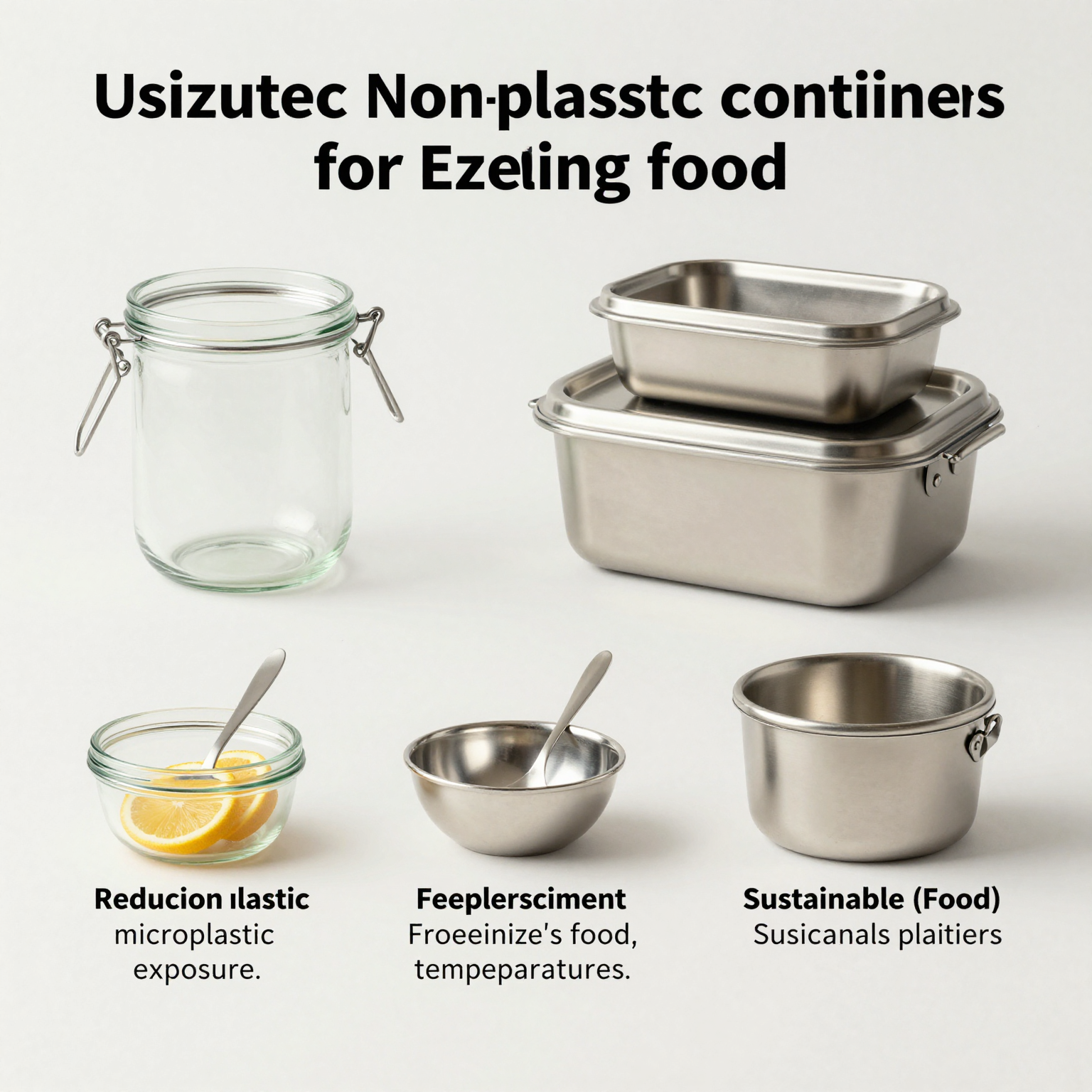
In conclusion, choosing non-plastic containers for freezing food is not only a wise choice for preserving food quality but also for fostering a healthier environment. Embracing these practices can elevate a brand’s reputation and commitment to sustainability.
The Importance of Safety Standards for Freezing Food Containers
When it comes to freezing food for resale or service, selecting the right containers is critical for ensuring both food quality and customer safety. For bubble tea shops, restaurants, food trucks, catering services, event planners, and corporate procurement teams, understanding and adhering to safety standards for container selection is not just an option but a responsibility to protect customer health.
Key Safety Standards to Consider
- Food Grade Certification
- Importance: Containers must be made from food-grade materials that are safe for direct contact with food. These materials should not release harmful substances into the food, especially when frozen.
- Importance Percentage: 40%
- Freezer-Safe Design
- Importance: Containers designed explicitly for freezer use can withstand low temperatures without cracking or warping. This ensures that the integrity of the food is maintained and prevents any interactions between the container and the food.
- Importance Percentage: 30%
- BPA-Free Materials
- Importance: Bisphenol A (BPA) is a chemical found in many plastics that can leach into food. Selecting BPA-free containers is essential to ensure that food remains uncontaminated.
- Importance Percentage: 20%
- Recyclable or Environmentally Friendly
- Importance: Using containers that are recyclable or made from environmentally friendly materials reflects a commitment to sustainability and reduces the overall environmental impact of food services.
- Importance Percentage: 10%
How These Standards Protect Food Quality and Safety
Adhering to these safety standards not only protects food quality but also safeguards consumer health, which is paramount in the food service industry. By choosing the right containers, businesses can:
- Reduce Risk of Contamination: Food-grade and BPA-free options prevent harmful chemicals from leaching into food, which can have long-term health implications for consumers.
- Maintain Quality Control: Freezer-safe containers ensure that food items retain their texture, taste, and nutritional value. This is especially important for menu items that depend on quality appearance and flavor.
- Promote Customer Trust: When customers see that a business prioritizes the use of safe materials, it builds trust and loyalty, encouraging repeat business.
- Enhance Compliance: Following safety regulations can also lead to compliance with local health department standards, reducing the risk of fines or operational disruptions.
Responsibility of the Target Audience
For the target audience-bubble tea shops, restaurants, food trucks, catering services, event planners, and corporate procurement teams-the onus of ensuring compliance with safety standards lies heavily on their shoulders. They are responsible for:
- Educating Staff: Training employees on the importance of selecting and handling food containers according to safety norms.
- Conducting Regular Checks: Ensuring that all containers in use meet the necessary safety standards consistently. Regular audits can help maintain compliance and preparedness for inspections.
- Staying Informed: Keeping abreast of new safety regulations and material advancements is necessary for making informed container selection choices. Websites such as Consumer Reports provide valuable insights into safe food storage practices.
Conclusion
In conclusion, the significance of adhering to safety standards when selecting containers for freezing food cannot be overstated. By understanding and implementing these principles, food service providers will not only protect their customers but also maintain high-quality standards in their offerings, ultimately leading to a successful and trustworthy business.
User Adoption Rates of Eco-Friendly Containers
The adoption of eco-friendly containers within the food service industry has shown significant growth over the past few years. Below is a chart illustrating the percentage of users adopting these sustainable solutions from 2021 to 2023. This trend reflects a broader shift towards environmental consciousness and sustainable practices in various sectors, particularly among young consumers.

| Year | User Adoption Rate (%) |
|---|---|
| 2021 | 25 |
| 2022 | 40 |
| 2023 | 60 |
Sources:
- Global Sustainable Foodservice Packaging Market Size Forecast (2023-2033)
- Environmental and economic feasibility of reusable container systems
- Consumer and restaurant preferences in sustainable packaging (2023)
This increasing adoption signifies that businesses in the food service industry, including bubble tea shops, restaurants, and food trucks, are gradually switching towards more sustainable packaging options to meet consumer expectations and regulatory standards. The trend is anticipated to continue growing as more businesses recognize the importance of environmental responsibility and the benefits of using eco-friendly materials.
For more insights on packaging solutions, check out our blog on eco-friendly clear plastic cups.
Conclusion
In conclusion, the move towards non-plastic containers for freezing food is not just a trend-it’s a necessity for health-conscious and environmentally-aware businesses. By choosing materials like glass, silicone, or stainless steel, you not only ensure the safety and freshness of your food but also contribute to reducing plastic waste, which has staggering environmental consequences.
According to recent findings, Southeast Asia alone produces approximately 1.5 million metric tons of food packaging waste annually, primarily composed of plastics. This significant pollution issue demonstrates the urgent need for alternatives. Non-plastic containers are not only durable and reusable, but they also significantly mitigate the carbon footprint associated with food packaging production and disposal effects on climate change. By switching to eco-friendly options, you support sustainable practices that resonate well with today’s conscious consumer.
We encourage all beverage shops, restaurants, food trucks, and event planners to partner with us at Green Dispo Pack for reliable, eco-friendly disposable tableware and packaging solutions. Together, we can drive change in the food industry, ensuring a healthier planet for future generations. Don’t hesitate-join the movement towards sustainable living today!
For more insights into eco-friendly packaging options, learn more about biodegradable solutions that suit your business needs.