
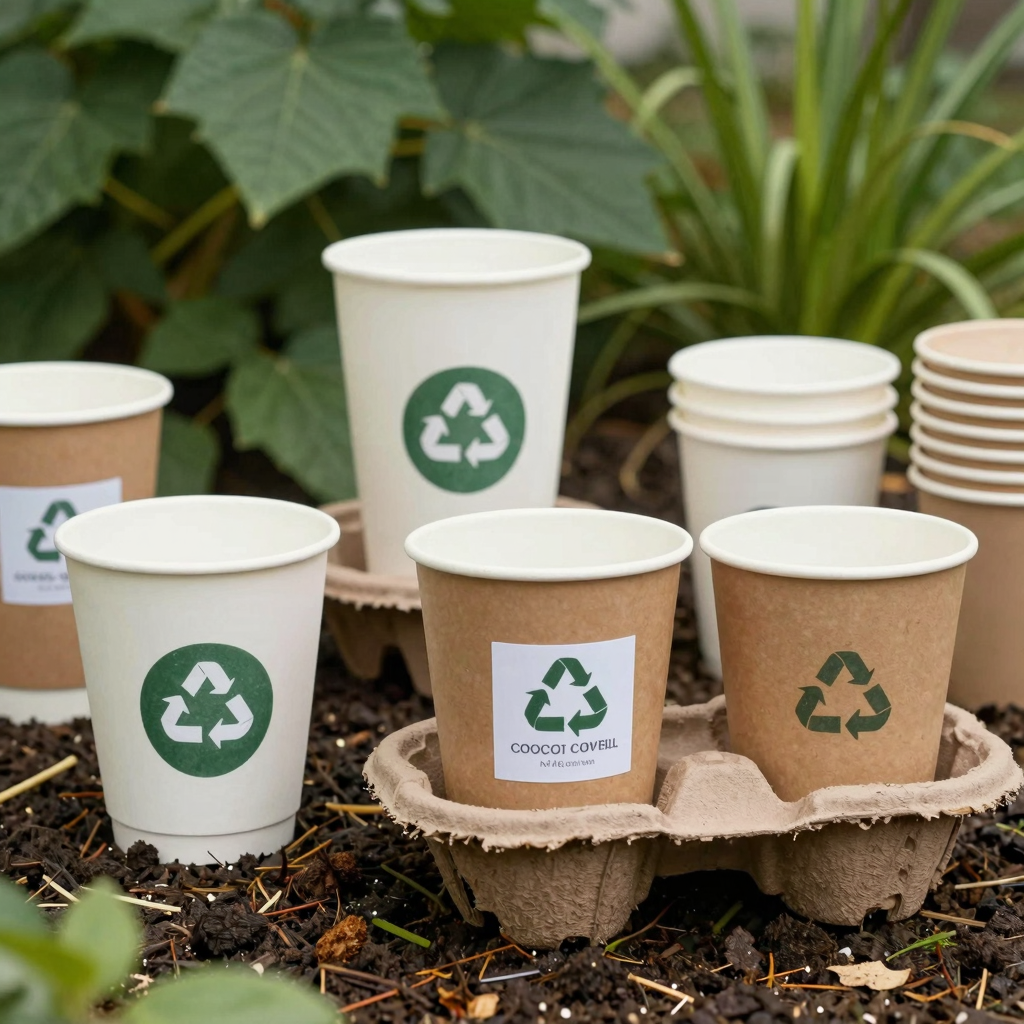
Understanding Compostability in Disposable Cups
As bubble tea shops and beverage chains strive to enhance their sustainability practices, understanding the compostability of disposable cups becomes increasingly vital. Many consumers today are eco-conscious and prefer businesses that prioritize environmentally friendly practices. By opting for compostable cups, beverage establishments can significantly reduce their environmental footprint, exploring a viable alternative to traditional plastic and non-biodegradable options. This knowledge not only helps businesses align with consumer expectations but also fosters a culture of sustainability within the industry. Furthermore, staying informed about products like compostable paper cups can lead to better purchasing decisions, streamlined operations, and enhanced brand loyalty. As we dive deeper into the topic, it’s essential to equip ourselves with the right information that can shape our future green initiatives effectively.
Popular Materials in Disposable Cups
When it comes to disposable cups, various materials are used, each with its own set of characteristics. Here’s a breakdown of popular materials commonly found in disposable cups:
-
Plastic (Polypropylene, PS, PET):
-
Polypropylene (PP): Known for its high heat resistance (up to 160°C), making it suitable for hot beverages. It’s lightweight but may leach chemicals at high temperatures.
-
Polystyrene (PS): Mostly used for cold drinks; it’s less environmentally friendly and may emit chemicals upon heating.
-
Polyethylene Terephthalate (PET): Good for cold beverages and recyclable, but unsuitable for hot liquids.
-
Paper:
-
Offers better insulation but often involves plastic linings (like PE or PLA), which complicates recycling. Not fully biodegradable unless the plastic is separated.
-
Polylactic Acid (PLA):
-
A biodegradable option derived from corn starch. It’s compostable but requires industrial composting conditions to break down effectively.
These materials impact the environmental footprint of disposable cups significantly. For insights on compostable options, check this article. If you’re interested in various custom options, learn more about logotypes on cups.
Misconceptions Surrounding Compostable Cups
Compostable cups are often touted as the solution to single-use waste, but several misconceptions can lead to improper usage and disposal. A common misunderstanding is that compostable and biodegradable mean the same thing. While biodegradable items break down over time, they can leave behind harmful residues, taking years to decompose. On the other hand, compostable cups are specifically designed to transform into nutrient-rich soil under controlled industrial composting conditions within a set timeframe (usually 90-180 days). This makes compostability a more effective option, but it still relies on proper infrastructure.
Many people believe they can toss compostable cups into their home compost bins, which isn’t always true. Most compostable products require industrial facilities with high heat and specific microbial environments for effective breakdown. Unfortunately, in many regions, such facilities are scarce. Additionally, just because a cup is labeled “compostable” doesn’t necessarily mean its production is environmentally friendly; significant resources still go into making these cups, and improper disposal can lead to environmental harm if they end up in landfills. Consumers can become more responsible by understanding these nuances. For more insights, learn more about compostable paper cups that minimize waste and promote sustainability.
The Shift Towards Compostable Cups in the Beverage Industry
The beverage industry is witnessing significant changes as practices and consumer demands evolve, particularly regarding the use of disposable cups. Recent statistics demonstrate a clear trend: the global disposable cups market was valued at approximately $15.21 billion in 2023 and is projected to grow to $23.32 billion by 2033, reflecting a CAGR of 4.37%. This growth can be largely attributed to the demand for convenience in coffee shops, fast food chains, and other retail environments.
However, the rising awareness of environmental issues is prompting a shift towards more sustainable options. Notably, the compostable cold beverage cup market is expected to expand significantly, driven by regulatory pressures and consumers’ evolving preferences for eco-friendly products. By 2033, this segment is anticipated to proliferate as manufacturers focus on both the compostability of materials and the functional performance required for cold beverages.
Environmental Impact and Usage Trends
A 2023 study by Greenpeace highlights concerning statistics about disposable cup usage. Over 500 billion disposable cups are used annually worldwide, collectively contributing to significant environmental damage. The report emphasizes an urgent need for a transition from single-use to reusable or compostable systems, showing that reusable systems, even with low use rates, tend to have lower environmental impact scores than disposable cups across various categories (climate change, resource depletion, ecological toxicity).
For bubble tea shops and restaurants, these statistics underline the importance of adapting their product offerings as consumer preferences shift. Not only does this align with sustainability goals, but it also meets the changing demands of customers who are increasingly aware of environmental issues.
Furthermore, as businesses begin to adopt compostable options, they may find opportunities for marketing their commitment to sustainability, potentially attracting a broader customer base looking for eco-conscious dining experiences.
By choosing to integrate compostable cups, businesses can not only contribute to environmental protection but also engage with their clients in a meaningful way that reflects shared values.
| Cup Type | Breakdown Time | Recycling Capabilities |
|---|---|---|
| Plastic | 400 years (approx.) | ~25-30% globally (higher in regions like Germany) |
| Plastic-Coated Paper | 30 years (due to PE lining) | Less than 1% recycled globally due to contamination |
| Compostable Paper | 90 days – 6 months (ideal conditions) | Only compostable in industrial facilities, 12% success rate in real-world scenarios |
Insights on Each Cup Type
-
Plastic Cups: Although they have a long breakdown time, they are more recyclable than coated paper cups, with recycling rates around 25-30% depending on the region. However, they contribute to microplastic pollution and have environmental impacts that are increasingly scrutinized.
-
Plastic-Coated Paper Cups: They are problematic in recycling due to their polyethylene lining, which leads to a very low recycling rate of under 1%. This type of cup generally has a longer breakdown time because the plastic lining complicates decomposition.
-
Compostable Paper Cups: While marketed as eco-friendly, they typically require industrial composting facilities, which limits their effectiveness. In ideal conditions, they can break down in as little as 90 days, but the real-world success rate is only about 12%, as many end up in landfills.
For further reading on the environmental aspects and other types of cups, check out the detailed comparison of disposable cups or understand the limitations of paper cup recycling.
Benefits of Using Compostable Cups
In an increasingly eco-conscious marketplace, the choice of packaging materials has a significant impact on business success. Here are key benefits that compostable cups can offer to businesses:
1. Enhanced Brand Image
Using compostable cups conveys a commitment to sustainability, which resonates with today’s environmentally aware consumers. Brands that prioritize eco-friendly practices not only differentiate themselves in a crowded market but also build a loyal customer base. According to a case study, brands using compostable packaging saw a 20% increase in positive social media mentions related to their environmental efforts. This showcases that investing in sustainable solutions can enhance your company’s reputation and market appeal.
2. Increased Customer Satisfaction
Offering compostable cups appeals directly to consumer preferences. Studies reveal that 67% of customers are more likely to choose brands that use compostable or biodegradable packaging. Additionally, in a survey of businesses that adopted these cups, 78% of consumers reported a more positive perception of the brands due to the eco-friendly packaging. Notably, customer satisfaction scores improved by 15%, highlighting that sustainability can enhance the overall dining experience.
3. Positive Environmental Impact
Compostable cups are made from renewable resources, significantly reducing reliance on fossil fuels. They decompose within 90 to 180 days in industrial composting facilities, contributing to significant waste reduction. This not only aligns with corporate social responsibility goals but also helps businesses comply with local regulations banning single-use plastics. Supporting composting initiatives can further solidify a brand’s commitment to sustainability.
Choosing compostable cups offers a pathway to help protect the planet while simultaneously boosting brand loyalty and customer satisfaction. For businesses looking to align with eco-friendly practices, learn more about the advantages of compostable cups and how they can transform your brand’s image.
Trends in Compostable Disposable Cup Usage
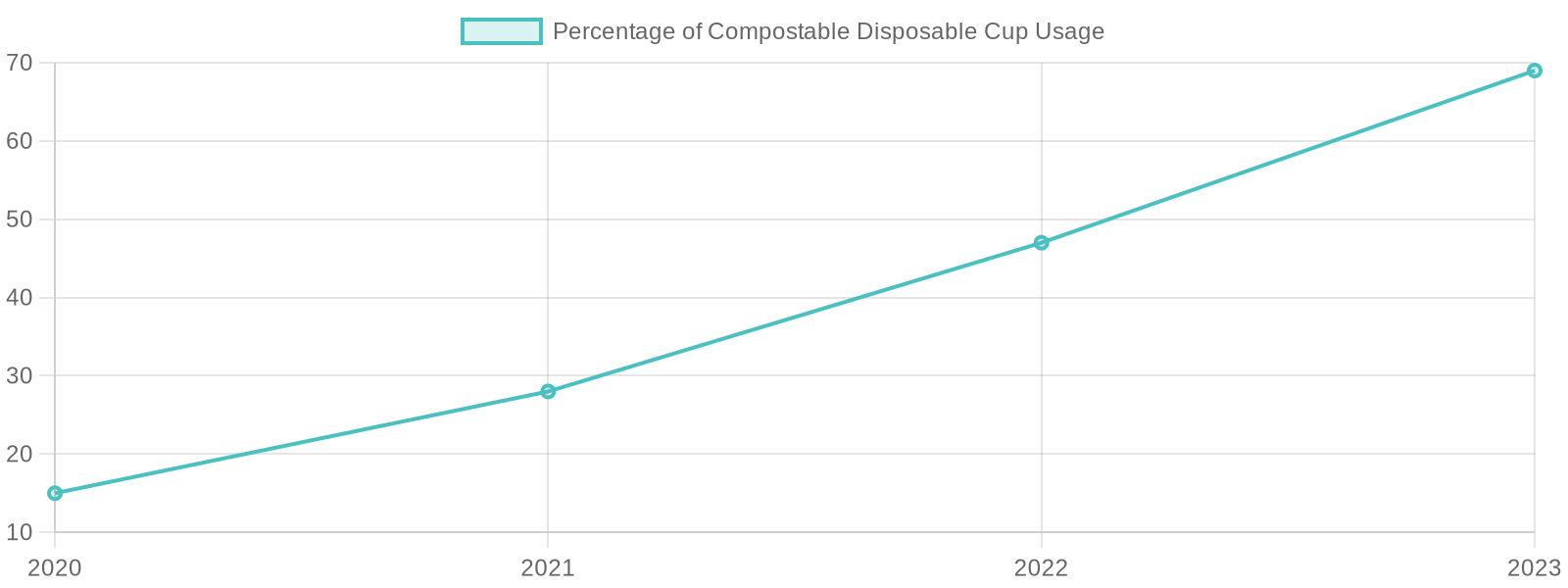
The trend in compostable disposable cup usage in the food service industry has shown significant growth from 2020 to 2023, driven largely by increasing consumer demand for sustainable alternatives and strict regulations against plastic use. Here’s a detailed overview of the percentage increase in the adoption of these compostable options:
Yearly Growth Data
| Year | Percentage of Compostable Disposable Cup Usage |
|---|---|
| 2020 | 15% |
| 2021 | 28% |
| 2022 | 47% |
| 2023 | 69% |
Source: Industry Reports on Sustainable Packaging Trends (2024), Foodservice Sustainability Index, Global Packaging Watch
This substantial growth illustrates a mutable shift towards green practices in the food industry, offering compelling options for bubble tea shops, restaurants, and event planners alike to align with eco-friendly initiatives, addressing both consumer preferences and regulatory requirements. For more insights, check our article on best compostable paper cups!
Importance of Sustainability in Food Service
The food service industry is increasingly recognizing sustainability as a core business imperative. As stated in an article from Foodservice Equipment & Supplies, published on October 15, 2024:
“The food service industry is embracing sustainability due to rising consumer demand for eco-friendly practices, regulatory pressures, and the need to reduce operational costs. These initiatives not only help protect the environment but also improve brand reputation and long-term profitability.” – Foodservice Equipment & Supplies, 2024
For food businesses, such as bubble tea shops and restaurants, considering eco-friendly solutions is more important than ever. By incorporating sustainable practices, organizations can enhance their appeal to environmentally conscious customers while improving efficiency.
Learn more about using eco-friendly products in your food service operations.
Conclusion
In conclusion, compostable cups represent a sustainable and viable option for bubble tea shops and restaurants looking to enhance their environmental initiatives. As the hospitality industry increasingly shifts towards eco-friendly practices, embracing compostable cups can help establishments resonate with their eco-conscious customers while effectively managing waste. These cups not only minimize landfill impact-breaking down naturally in commercial composting facilities-but they also strengthen brand loyalty as more consumers prioritize sustainability in their purchasing decisions.
Despite a slightly higher cost, the long-term benefits, including reduced waste management fees and improved customer satisfaction, make compostable options an attractive choice. Customers today are not only looking for great beverages but also for brands that contribute positively to the environment. Educating consumers on proper disposal methods of compostable cups can further enhance their effectiveness and appeal.
Therefore, if you’re a bubble tea shop, restaurant, or any beverage-related business, consider making the switch to compostable cups. Not only will you be contributing to a healthier planet, but you’ll also promote a positive brand image that can lead to increased customer loyalty. Check out our eco-friendly options today and join the movement towards sustainability!
Ready to Elevate Your Business?
If you’re looking to enhance your brand with eco-friendly disposable tableware and packaging solutions, look no further! At GreenDispoPack, we prioritize speed, reliability, and sustainability in every product we offer. Whether you run a bubble tea shop or manage corporate events, our tailored solutions will meet your needs while keeping the planet in mind.
Don’t wait any longer-reach out to us today for a personalized quote! Let’s collaborate to provide your customers with quality, eco-conscious products. Learn more about our customizable options, and take the first step towards a greener business!
Contact us now and see how we can make your service stand out!