
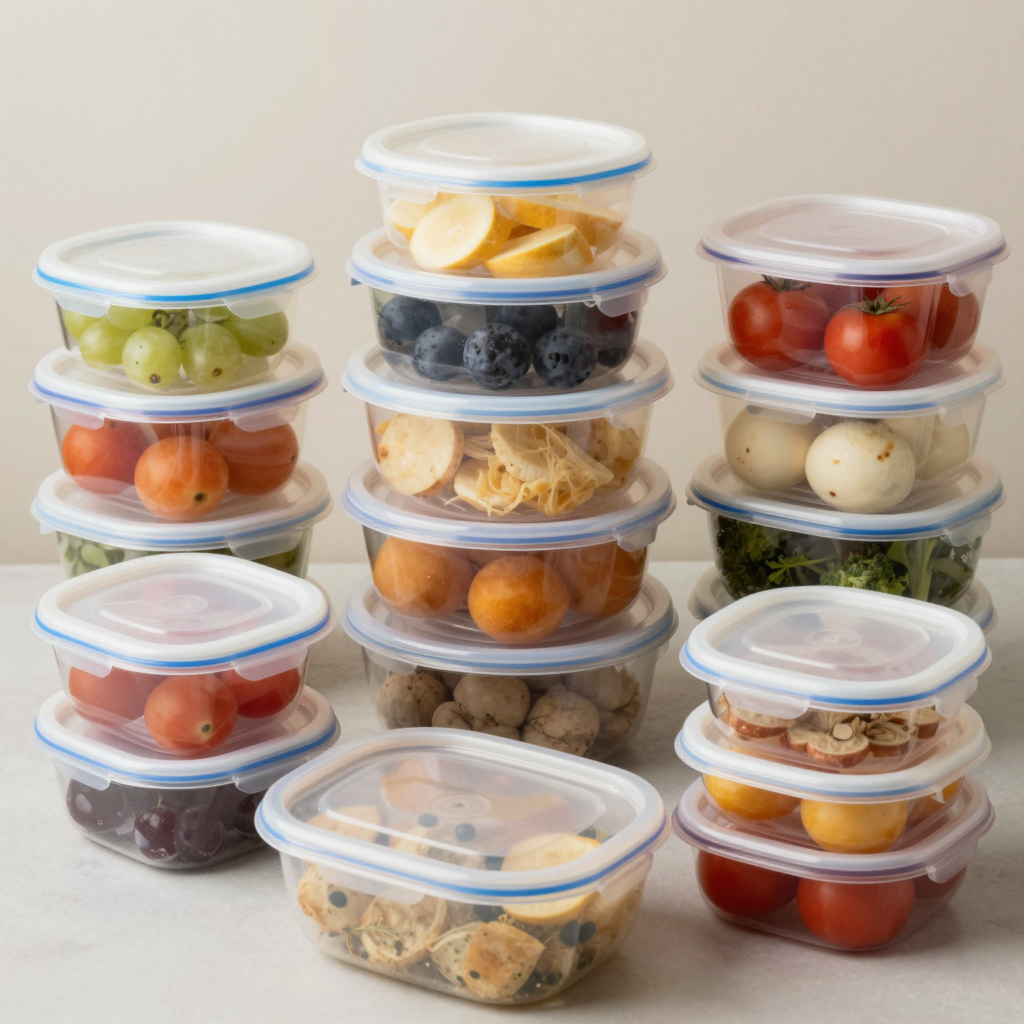
Food safety has never been more crucial in the fast-paced world of food services, where every bite matters to consumer health. As the global landscape continues to evolve, with increasing concerns about hygiene and cleanliness, the choice of packaging plays a pivotal role in maintaining food safety standards. Plastic containers have emerged as a popular option among many in the industry-including bubble tea shops, restaurants, food trucks, catering services, event planners, and corporate procurement teams. Their lightweight nature, durability, and versatility make them a favorite for storing, serving, and transporting food safely. However, as with any packaging solution, it’s important to ensure that these plastic containers are appropriately used to prevent foodborne illnesses. Join us as we explore the safety of plastic containers in food service and discuss essential practices for maintaining the highest standards of food safety. Discover more about plastic food containers here and learn how to pick the right containers for your needs.
Safety Standards for Food Containers
When it comes to food safety, particularly for businesses in the food service industry such as bubble tea shops, restaurants, and catering services, the materials used for food containers are critical. Plastic containers, often preferred for their convenience and versatility, must adhere to certain safety standards to ensure they are safe for food contact.
Key Safety Standards
-
FDA Approval: The U.S. Food and Drug Administration (FDA) regulates food contact substances, which include various types of plastics used in food containers. To be deemed safe for food use, these materials must comply with FDA standards outlined in the FDA Food Contact Substances (FCS) Regulations. This includes passing stringent tests to ensure that they do not leach harmful substances into food.
-
BPA-Free Certifications: Bisphenol A (BPA) is a chemical that has raised health concerns due to its potential to seep into food from containers made with plastic resins. The FDA has stated that while BPA is still allowed in some food contact materials, many manufacturers are now shifting towards making BPA-free products to respond to consumer preferences for safety. You can read more about BPA in food contact materials on the FDA’s website.
-
Food-Grade Plastics: Utilizing plastics specifically designated as food-grade is essential. These materials are designed to meet regulations that prevent contamination during food storage. Food-grade plastics undergo extensive testing to ensure they fulfill criteria such as odor neutrality, lack of harmful coloring agents, and safe migration limits of components into food. Additional details on food-grade safety standards can be found in articles discussing food-grade plastics.
Importance of These Standards
Ensuring that food containers meet safety standards is paramount for any food service business. Compliance with these standards helps safeguard public health, maintaining the integrity of food served to customers. Without adherence to safety regulations, food service providers risk not only the health of their patrons but also their reputation and business viability. Moreover, in a highly competitive market, being able to inform customers about the safety credentials of your packaging can significantly enhance trust and loyalty towards your brand. Additionally, it is a legal requirement in many jurisdictions, failing which may result in fines or closures.
In summary, investing in containers that are FDA approved and BPA-free is not just about compliance; it is about protecting your customers and ensuring the long-term success of your food service business. To explore more about how to choose the right plastic containers for your business, consider reading our guide on plastic food containers.
Comparison Table of Popular Plastic Containers for Food Service
When selecting plastic containers for food service applications, it’s vital to compare different options based on key features such as size, material, safety certifications, and price range. Here’s a handy comparison to aid your decision-making process:
| Container Type | Size Range | Material | Safety Certifications | Price Range (Currency) |
|---|---|---|---|---|
| Take-Out Box | 500ml – 2000ml | PP | GB 4806.1-2016 | 5 – 15 |
| Food Storage Container | 1L – 50L | HDPE | ISO 9001, QS | 30 – 100 |
| Disposable Cup | 120ml – 500ml | PET | Food Contact Safe | 3 – 10 |
| Industrial Drum | 1L – 50 tons | HDPE | ISO 9001 | 100 – 500 |
| Compartmentalized Container | 500ml – 3000ml | PP | GB 4806.1-2016 | 15 – 40 |
Additional Insights
- Materials: Common materials include Polypropylene (PP) for good heat resistance and High-Density Polyethylene (HDPE) for durability.
- Temperature Suitability: PP containers can withstand microwave temperatures, while PET should not be subjected to high heat.
- Safety Standards: Always check for safety certifications to ensure containers are suitable for food contact.
For more detailed information about food-grade plastic containers, you can learn more here and explore specific types of containers.
The Role of Eco-Friendly Plastic Containers
As businesses become increasingly aware of the environmental impact of their packaging choices, the demand for eco-friendly options in plastic containers has surged. These containers, including compostable and recyclable varieties, have become vital in promoting sustainability within the food industry.
Compostable Options
Compostable plastic containers, often made from materials like polylactic acid (PLA) and cellulose, offer a sustainable alternative to traditional petroleum-based plastics. These materials not only break down efficiently in commercial composting facilities but also support a reduced carbon footprint. In fact, according to the 2024 National Restaurant Association’s sustainability report, over 65% of foodservice businesses have adopted compostable or recyclable containers, enhancing their brand image and aligning with consumer preferences for eco-friendly practices. Learn more about compostable packaging here.
Recyclable Options
In addition to compostable containers, recyclable options are crucial in reducing waste and fostering a circular economy. Businesses that utilize recyclable containers contribute to decreased landfill burden and promote responsible waste management. When consumers see companies opting for recyclable packaging, their loyalty often increases as they appreciate the commitment to environmental stewardship. More than just a regulatory compliance measure, using recyclable materials can also lead to certifications that enhance a brand’s reputation in a competitive market.
Importance for Environmentally-Conscious Businesses
Embracing eco-friendly plastic containers is a proactive step for businesses that seek to reflect their values and cater to a growing demographic of environmentally-conscious consumers. These packaging solutions reduce environmental impact, help businesses adhere to sustainability regulations, and align with a broader commitment to corporate social responsibility. As a result, integrating these options can lead to increased customer loyalty and improved market positioning, ultimately driving growth and fostering a more sustainable future.
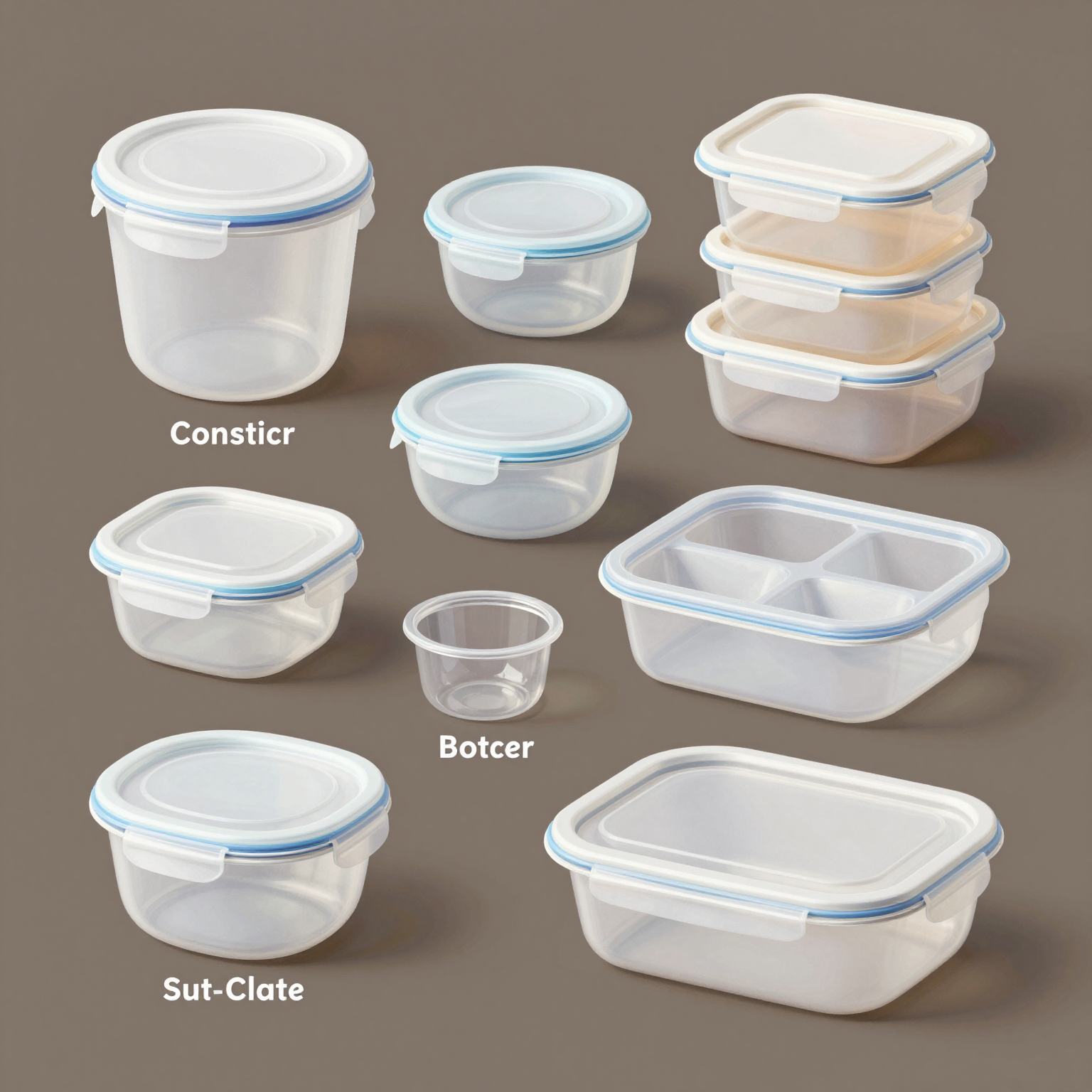
Durability and Performance of Plastic Containers
Plastic containers are an essential part of food storage and service in various industries, including restaurants, food trucks, and catering. Their durability significantly impacts food quality and safety, especially under different conditions.
Factors Affecting Durability
The durability of plastic containers varies by material type, specific conditions, and usage. For instance:
- Polypropylene (PP) containers are effective for microwave use, with a heat resistance of up to 120°C, making them suitable for reheating and storing most foods. However, FDA guidelines recommend replacing PP containers every 2-3 years to prevent microcracks and the leaching of harmful substances, especially when exposed to high temperatures or acidic foods.
- Polyethylene (PE) containers are less durable and should be replaced every 18 months, particularly if frequently used for hot or fatty foods.
- High-Density Polyethylene (HDPE) containers generally offer better long-term stability, especially in dry environments, but can degrade when exposed to certain chemicals.
Recommendations for Different Scenarios
- Catering: For outdoor events or extended food service, it’s crucial to select containers that maintain food temperature and integrity. Consider using insulated containers made of PP or PET that are designed for high heat and repeated use. It’s also advisable to monitor container condition regularly, replacing any that show significant wear or damage.
- Food Trucks: Given the mobile nature of food trucks, ensure your plastic containers are lightweight yet robust. Look for containers that feature airtight seals to prevent spillage and ensure food remains fresh. Regular inspections for scratches, cloudiness, or warping are essential, as these can increase the risk of contamination.
For a deeper understanding of the best practices in selecting and using plastic containers, you can learn more about plastic food containers and their safety guidelines from the FDA.
In summary, a thorough understanding of the durability and appropriate use of plastic containers ensures food quality and safety, essential for any culinary service.
Customer Testimonial
“Since we started using the wholesale plastic containers from Green Dispopack, we’ve seen no incidents of contamination or spoilage. Their durability and leak-proof performance have been game-changers for our restaurant chain! We trust these containers for both storage and distribution-highly recommend!”
- Local Restaurant Chain, Singapore
Conclusion
In the ever-evolving landscape of the food service industry, the quality of disposable tableware and packaging cannot be overstated. It plays a crucial role in ensuring the safety and reliability of food products served to consumers. As highlighted by research from the Food and Drug Administration (FDA), using high-quality materials helps prevent contamination and guarantees that food integrity is maintained during storage and transport. Disposable tableware must adhere to strict regulatory standards to avoid harmful chemical migration and other risks associated with low-quality options.
Moreover, the World Health Organization (WHO) emphasizes that proper packaging acts as a barrier against biological, chemical, and physical hazards, further underscoring the necessity of quality in disposable tableware. Failing to invest in well-manufactured, compliant products can lead not only to potential health risks but also to product recalls and lost consumer confidence.
For businesses in the food service sector-such as bubble tea shops, restaurants, food trucks, and catering services-choosing reliable and safe disposable tableware is non-negotiable. It’s not just about presentation; it’s about prioritizing customer safety and satisfaction. High-quality disposable packaging will enhance your service quality and ensure that your products retain their taste and freshness without complications.
As you make decisions about your food service supplies, consider integrating top-notch disposable packaging solutions. Whether you need eco-friendly clear plastic cups or other types of durable, safe containers, explore the options available at Green Dispo Pack. Prioritize safety, reliability, and quality-it reflects your commitment to excellence in food service and builds your brand’s reputation in a competitive market.
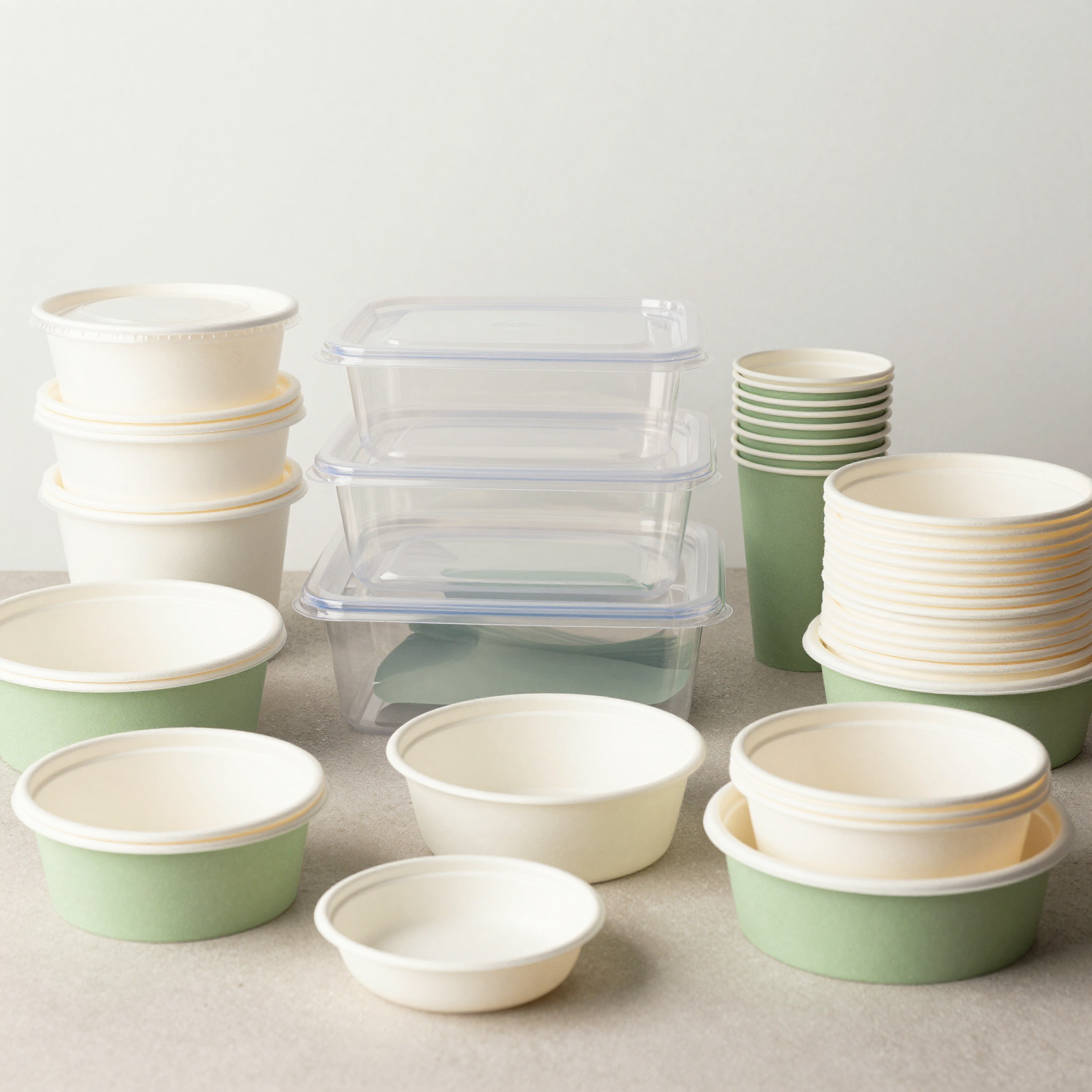
A variety of high-quality disposable tableware, showcasing a commitment to safety and reliability in food service.
Using plastic containers in the food service industry comes with specific safety guidelines and best practices to ensure compliance and food safety. Here are key practices to follow:
-
Choose Food-Grade Materials: Always select containers made from FDA-approved materials, such as polypropylene (PP) or high-density polyethylene (HDPE), as they are designed for food storage.
-
Monitor Temperature: Avoid exposing plastic containers to high temperatures to prevent leaching harmful substances like BPA (learn more about safe materials here).
-
Proper Cleaning: Regularly wash containers with warm, soapy water and check for any signs of wear, such as cracks or discoloration.
-
Avoid Reusing Non-Designed Containers: Containers not intended for food use should never be reused for food storage to prevent contamination.
-
Label Storage Containers: Clearly label all containers with product contents and expiration dates to ensure organization and safety.
By adhering to these practices, businesses can maintain high standards of food safety and compliance.
Sourcing Reliable Suppliers for Plastic Containers
When sourcing plastic containers-especially those that are safe for food-businesses need to consider several critical factors. Each of these plays a significant role in ensuring that your operations run smoothly while meeting customer expectations.
Cost
The cost of plastic containers is a primary consideration. It’s essential to find a supplier that offers competitive pricing without compromising quality. Businesses should aim to balance cost and quality, as opting for the lowest-priced containers can lead to increased long-term costs due to durability issues or compliance failures. Understanding the total cost of ownership, including transportation and potential spoilage, is crucial.
Quality
Quality is non-negotiable, particularly for food-related products. Consumers expect safe and reliable packaging. Make sure your supplier adheres to relevant safety standards and certifications (like FDA approval) for food-grade materials. Additionally, consider the material used-containers made from materials such as HDPE or PP are often the best choice for durability and food safety.
Delivery Speeds
Quick and reliable delivery is paramount, especially for businesses like bubble tea shops or catering services where timing can significantly impact customer satisfaction. Assess suppliers based on their delivery times and reliability. Delays can lead to lost sales opportunities, which is why you should verify that your chosen supplier can meet your delivery requirements consistently.
Customer Service
Strong customer service can differentiate suppliers. Quick responses to inquiries and issues can save you time and enhance your operational efficiency. Opting for a supplier that prioritizes customer support will help you navigate challenges as they arise.
At Green Dispopack, we offer a wide range of reliable, high-quality plastic containers suitable for food service, including custom plastic options that can effectively meet any business’s needs. Our focus on exceptional quality, cost-effective solutions, and excellent customer service makes us a preferred choice for bubble tea shops, restaurants, food trucks, and more. Let us help you choose the perfect containers for your business today!