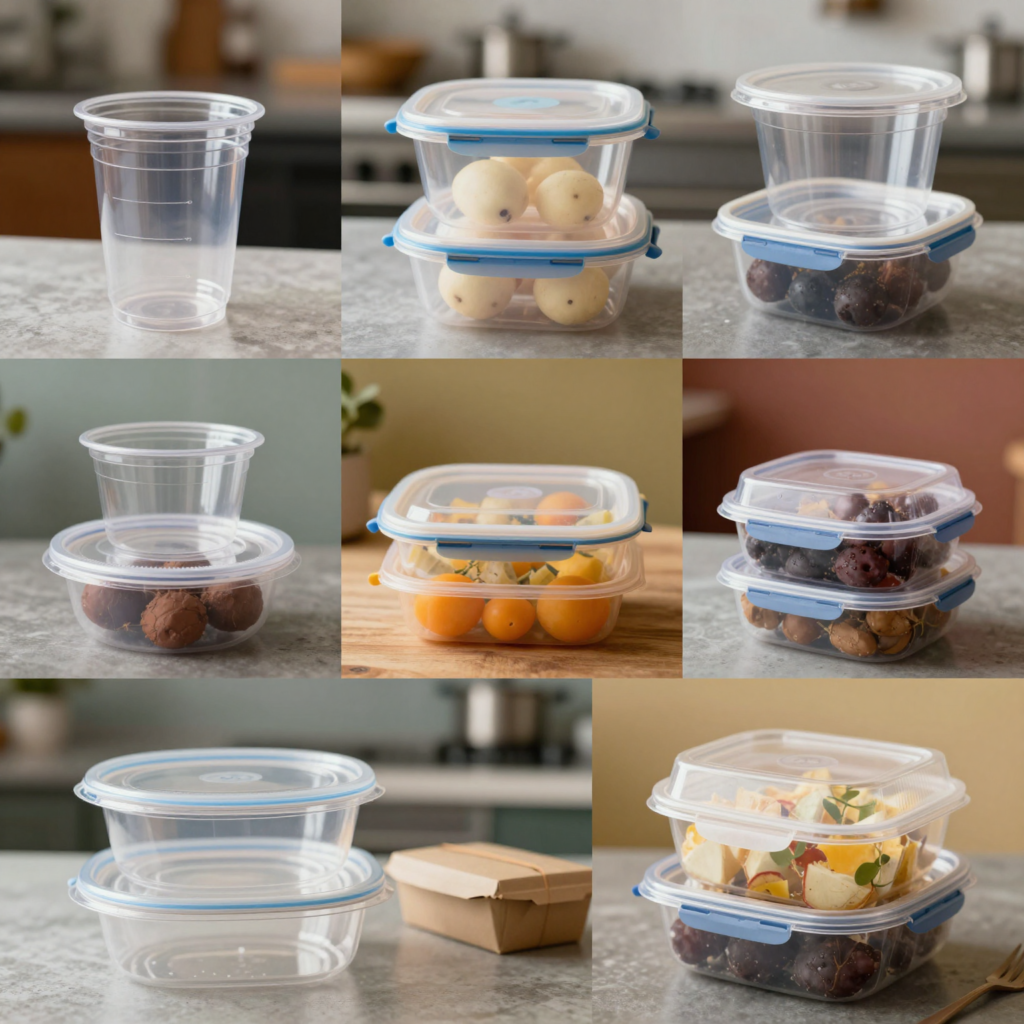
In today’s bustling food service industry, plastic food containers have emerged as an essential tool for operators, especially within the realms of bubble tea shops, restaurants, and catering services. Their versatility and durability make them a favored choice for storing, serving, and transporting various food and beverage offerings. With the growing trend of takeout and delivery services, these containers not only provide convenience but also maintain the quality and freshness of the food served. Moreover, the aesthetic appeal of containers, such as clear plastic cups often enhances the dining experience. As operators seek effective solutions that align with both functionality and customer expectations, understanding the diverse types of plastic food containers available becomes crucial in elevating their service.
Exploring Types of Plastic Food Containers
In the bustling world of food service-from bubble tea shops to catering services-plastic food containers play a crucial role in food storage and presentation. Understanding the different types of plastic containers available can help in choosing the right type for specific needs. Here’s a friendly yet professional look at the types of plastic food containers, their uses, and benefits.
Types of Plastic Food Containers
- Polyethylene Terephthalate (PET, #1)
- Use: Commonly used for beverage bottles and microwave-safe containers.
- Benefits: Lightweight, shatter-resistant, and offers excellent barrier properties against moisture and oxygen. Ideal for single-use applications such as clear plastic cups for beverages.
- High-Density Polyethylene (HDPE, #2)
- Use: Milk jugs, some takeout containers, and food storage.
- Benefits: Strong, resistant to impacts, and acts as a moisture barrier, which helps preserve food quality.
- Polypropylene (PP, #5)
- Use: Reusable food containers, microwave-safe packaging.
- Benefits: Known for its heat resistance and sturdiness, making it suitable for hot foods. This plastic is perfect for meal prep or takeout services looking to invest in quality containers.
- Low-Density Polyethylene (LDPE, #4)
- Use: Plastic wraps and grocery bags.
- Benefits: Flexible and resistant to moisture, great for lining containers to aid in food preservation.
- Polystyrene (PS, #6)
- Use: Disposable cutlery and foam containers.
- Benefits: Cost-effective but should be avoided for hot foods due to poor heat resistance.
Choosing food-grade plastics with proper recycling symbols is essential for safety and sustainability. Understanding these options can help food service businesses optimize their operations and enhance customer satisfaction.
Advantages of Using Plastic Food Containers
Using plastic food containers offers a myriad of advantages that make them an ideal choice for various businesses including bubble tea shops, restaurants, and catering services. Here’s a look at some of the key benefits:
-
Safety Standards: Plastic food containers are designed to comply with strict safety regulations. According to the FDA, more than 90% of plastic food packaging materials on the U.S. market are compliant with federal safety standards. This ensures that the food stored in them is safe for consumption.
-
Durability: These containers are known for their robustness. They can withstand significant impact and are less likely to break or shatter compared to glass containers, making them suitable for busy environments like food trucks and restaurants.
-
Versatility: Plastic food containers come in a variety of shapes and sizes, making them versatile for storing different types of food items. Whether it’s soup, salad, or bubble tea, there’s a container that fits the need perfectly.
-
Cost-Effectiveness: The production costs of standard plastic food containers are significantly lower compared to other materials. For instance, the average cost of producing a standard plastic food bag is about $0.03 per unit, making them an affordable option for food service businesses source.
-
Convenience: Plastic containers are lightweight and easy to handle, which is particularly advantageous for events and catering services. They can often be stacked, which saves space during storage and transportation.
-
Recyclability: Many plastic food containers are made from materials like HDPE and PET that are recyclable. This addresses environmental concerns and allows businesses to contribute to sustainable practices.
-
Chemical Stability: Modern plastic food containers are designed to minimize the risk of chemical migration. Reports indicate that less than 0.5% of tested packages exceed safe limits for substances like BPA and phthalates, making them a safer choice for food storage.
-
Secure Seal: Many plastic containers offer tight-sealing lids to keep food fresh and prevent spills. This is particularly important for liquid foods or sauces that need to be transported safely.
-
Microwave and Freezer Safe: Many plastic food containers are designed to withstand temperature changes, making them suitable for both microwave heating and freezer storage. This feature is essential for prep use in restaurants or for meal prep services.
By utilizing plastic food containers, businesses can not only ensure safety and convenience but also enjoy significant cost savings. With their durability and versatility, these containers prove to be an essential tool in the food service industry. To explore a range of options, check out our guide on plastic food containers.
Eco-Friendly Plastic Containers
As businesses seek sustainability, eco-friendly plastic containers have emerged as a popular choice among restaurants, beverage chains, and food vendors. Many alternatives to traditional plastics are now available that prioritize safety and environmental responsibility.
1. Biodegradable Materials
Containers made from materials like sugarcane pulp and PLA (polylactic acid) are designed to break down naturally, minimizing waste in landfills. These biodegradable options ensure food safety while being less harmful to the environment compared to conventional plastics. Learn more about biodegradable containers here.
2. Recyclable Plastics
Look for containers made from recycled materials such as rPET (recycled PET). These containers align with industry safety standards and help reduce the carbon footprint by repurposing existing materials. These can be reused and recycled, supporting a circular economy.
3. Glass Containers
Glass is another sustainable option that is safe for food and can be reused repeatedly without degrading. While it may be heavier than plastic, its recyclability and long lifespan make it an attractive alternative for eco-conscious businesses.
Incorporating these materials not only meets safety standards but also helps in building a brand that cares for the planet. For more ideas on sustainable packaging, check out eco-friendly packaging trends from Green Business Report.
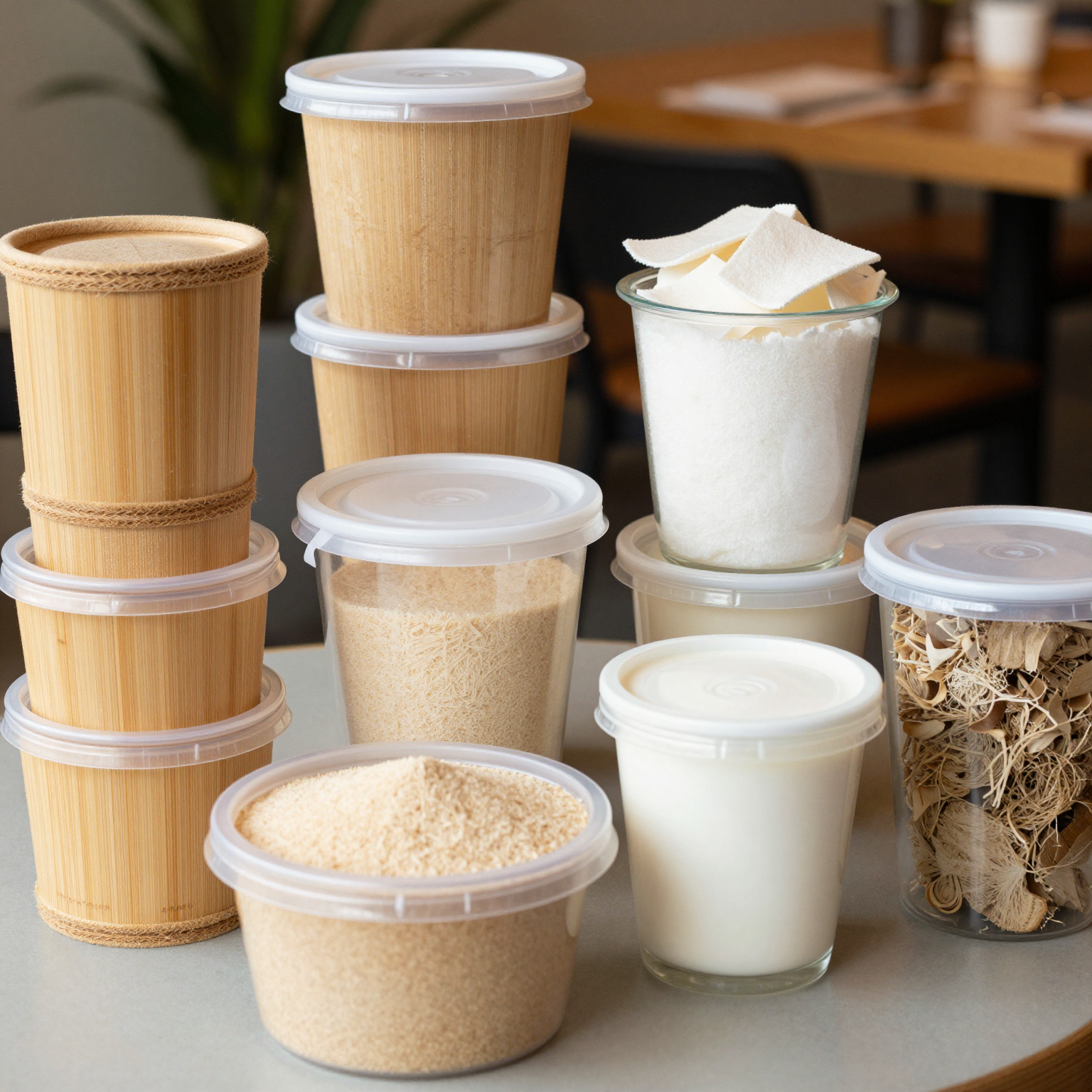
Comparing Plastic Food Containers
When it comes to serving food efficiently and safely, choosing the right plastic food container is essential for bubble tea shops, restaurants, and catering services. The table below highlights various types of plastic containers, their material, size, price range, and the best use cases. This guide can help you make informed decisions that align with your business needs.
| Container Type | Material | Sizes Available | Price Range | Best Use Cases |
|---|---|---|---|---|
| Standard Food Containers | Polypropylene | 1 cup to 5 liters | $2 – $15 | Meal prep, storage for dry foods |
| Clear Plastic Cups | PET | 8 oz to 32 oz | $0.10 – $0.50 each | Beverage servings, quick takeout |
| Heavy-Duty Containers | HDPE | 2 liters to 10 liters | $5 – $25 | Bulk food storage, reheating in microwaves (PP) |
| Compartmentalized Containers | PP | 16 oz to 24 oz | $3 – $20 each | Meal prepping, takeaway, separate meals |
| Disposable Bowls | PS | 12 oz to 32 oz | $0.50 – $3 | Soups, cold salads, single-use events |
Additional Insights
Choosing the right container not only ensures food safety but also enhances customer experience. For a deeper dive, read more about types of plastic food containers and common uses in the food industry. Also, consider the eco-friendliness of the materials you select to align with sustainability goals for your business.
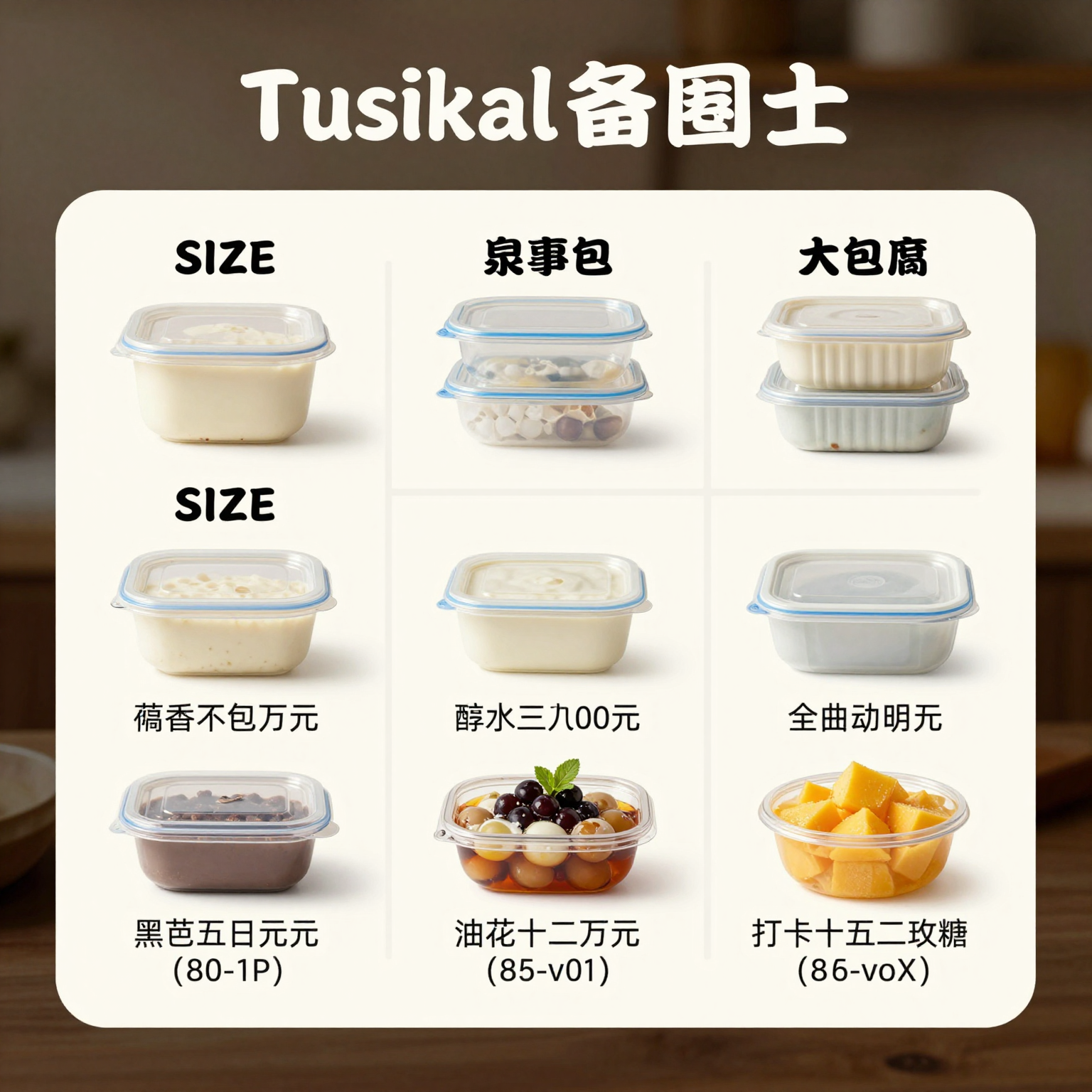
This simple comparison can guide your selection based on cost, application, and customer needs, aiding your operations in a competitive food service market.
Wrap Up
Remember, the right food container can improve your service efficiency and ensure your food is stored safely and presented attractively. Happy serving!
Understanding the Importance of Quality Disposable Food Containers
In today’s fast-paced food service environment, the quality of disposable food containers is paramount. For businesses ranging from bubble tea shops to catering services, choosing the right packaging can significantly impact food safety, customer satisfaction, and brand reputation. Expert insights highlight that quality disposable food containers not only protect the food but also uphold the integrity of the meal during delivery.
“High-quality disposable food containers are essential for food safety and environmental sustainability. Studies indicate that many plastic containers, although labeled ‘BPA-free,’ can still leach harmful chemicals under heat, compromising food safety. On the other hand, premium materials ensure that food quality is maintained during transport and storage.” – Packaging Industry Insights Journal.
When selecting containers, businesses should consider options that meet safety standards and offer features like leak-proof seals and thermal insulation. These capabilities are crucial for maintaining food temperature and freshness, critical factors in the customer experience.
By investing in quality disposable containers, food service businesses can reduce food waste due to spillage, minimize customer complaints, and enhance their overall sustainability practices. For more detailed insights, explore our guide on disposable food containers.
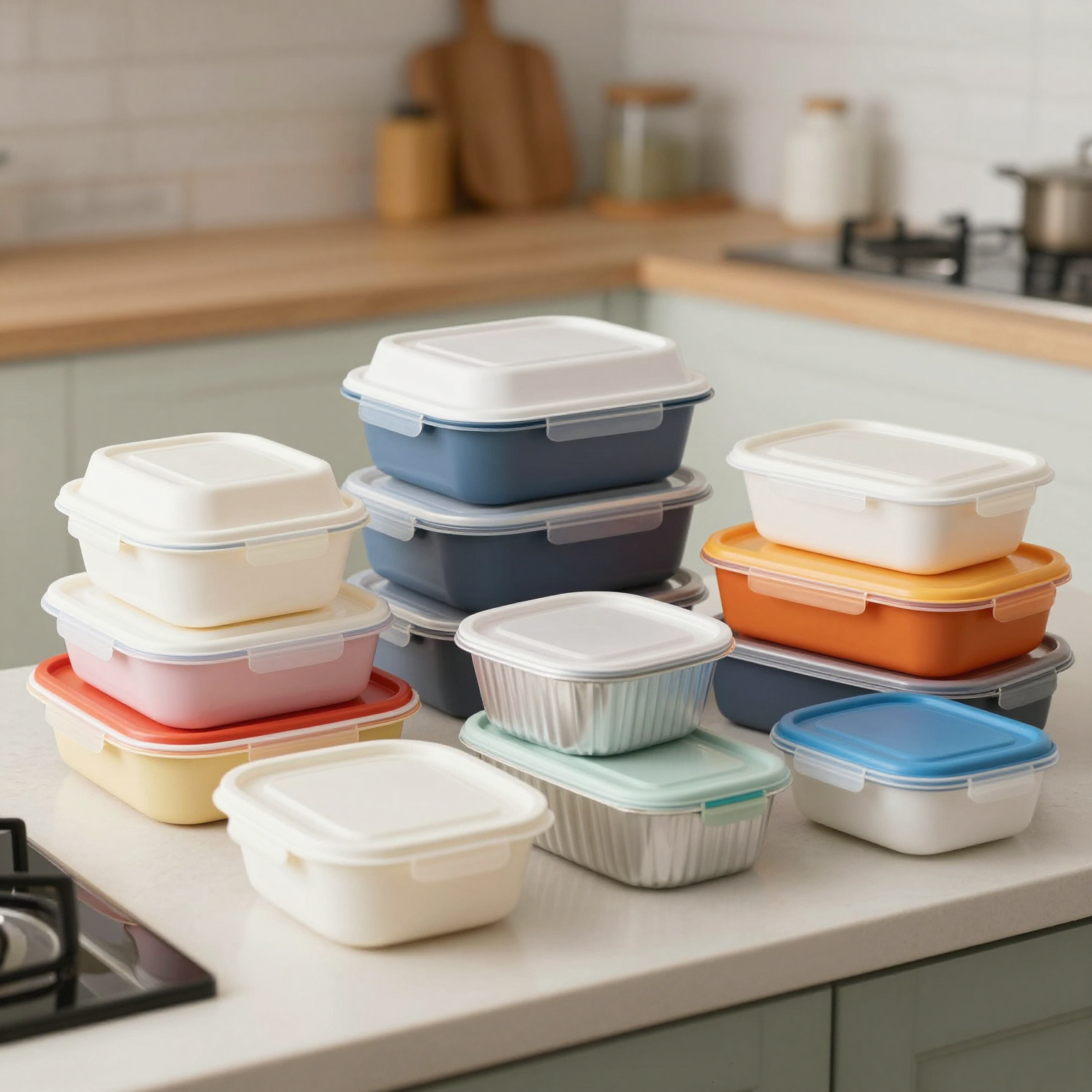
To wrap up, understanding the significance of investing in high-quality disposable food containers can lead to improved operational efficiency and a more sustainable business model.
Challenges Faced with Plastic Food Containers
Choosing plastic food containers presents several challenges for businesses in the food industry, particularly for bubble tea shops, restaurants, food trucks, catering services, and corporate procurement teams. Here’s a closer look at some of the critical issues:
1. Durability Issues
Durability is a significant concern when selecting plastic food containers. Many containers can deform or fail under high temperatures, making them unreliable for hot food items. In a recent survey, 48% of businesses reported encountering durability issues with their plastic containers. If a container fails during transportation or storage, it can lead to product loss and safety concerns.
2. Compliance with Safety Standards
Another challenge is ensuring that plastic containers comply with local safety standards and regulations. For example, in the U.S., the FDA has stringent rules regarding materials that come into contact with food. Currently, 62% of businesses struggle to meet these compliance requirements, as they must keep up with ongoing changes in legislation and standards, such as the FDA’s updated guidelines for food contact materials. This complexity can result in increased operational costs and potential legal risks for non-compliance.
3. Environmental Concerns
Environmental issues are at the forefront of many business decisions today. Increasing awareness and regulations surrounding plastic waste are pushing companies to reconsider their packaging choices. 75% of businesses reported significant environmental concerns regarding plastic usage. Many consumers are now seeking eco-friendly alternatives, putting pressure on businesses to adapt or face losing customers. Additionally, companies face the challenge of finding sustainable sourcing options that align with these consumer preferences while maintaining product integrity and cost-effectiveness.
Conclusion
As food service businesses navigate these challenges, it is crucial to strike a balance between functionality, safety, and environmental responsibility. By staying informed about industry trends and regulations, businesses can make strategic decisions that enhance their operations.
For more insights into selecting the right food packaging solutions, check out our guide on selecting plastic food containers and learn more about custom plastic forming for your needs.
User Adoption of Plastic Food Containers in the Food Service Industry
Plastic food containers have become a staple in the food service industry, significantly influencing the way food is packaged and served. In 2023, the global plastic food containers market was valued at approximately $526 billion, making it a crucial segment of the larger food service market. Just this year, the demand for single-use plastic containers rose sharply, largely due to the increased popularity of take-out services and fast-casual dining options, with single-use plastics holding the majority of market share due to their affordability and convenience.
Key Adoption Statistics
- The global plastic food containers market is expected to grow at a CAGR of 4.5% from 2024 to 2032.
- Reusable plastic containers have seen a 41% growth in adoption, driven by heightened sustainability awareness among consumers.
- In 2023 alone, the usage of plastic take-out containers has continued to surge, particularly among younger demographics, who favor convenience.
- Fast food chains and delivery services are the primary users of these products, thanks to their practicality and cost-effectiveness.
Despite ongoing environmental concerns regarding plastic waste, the food service sector still leans heavily on plastic packaging solutions. However, there is a marked shift towards integrating more sustainable practices and recyclable contents as consumer preferences evolve. For more insights on specific container types, check out our guide to plastic food containers.
Additionally, restaurant owners may find interest in custom plastic forming machines for disposable bowls to meet growing demands in the industry.
In conclusion, the benefits of using quality plastic food containers extend beyond mere convenience; they are essential for maintaining food safety and enhancing operational efficiency for businesses such as bubble tea shops, restaurants, and catering services. These containers are designed to be durable, lightweight, and cost-effective, reducing the risk of breakage and spoilage during transport. Additionally, the use of quality plastic packaging can improve brand perception, as consumers increasingly prioritize eco-friendly and safe packaging options.
Choosing reliable suppliers is equally important for ensuring that these food containers meet safety standards and sustainability practices. By partnering with reputable suppliers, businesses can benefit from consistent product quality, compliance with food safety regulations, and the assurance of receiving containers that not only protect food but also reflect a commitment to social responsibility. Reliable suppliers contribute to smoother supply chain management, helping businesses minimize disruptions and enhance customer satisfaction. For example, utilizing custom plastic options from established suppliers can provide a unique branding opportunity while ensuring quality and reliability in food presentation and storage.
Ultimately, investing in quality plastic food containers and dependable suppliers fosters a sustainable business model that can lead to long-term success.
Choose Quality with Our Disposable Tableware Solutions
At Green Dispo Pack, we understand that the success of your food service or event relies heavily on quality and safety. Our range of disposable tableware and packaging solutions is designed with your needs in mind, offering the perfect blend of durability and convenience. Embrace the benefits of disposable tableware, which not only ensures hygienic service but also minimizes cleanup time, allowing you to focus on delighting your customers!
Whether you’re running a bustling restaurant or organizing a corporate event, our products cater to every occasion. Experience personalized service tailored just for your business, all while ensuring compliance with safety regulations.
Don’t settle for less-choose Green Dispo Pack for reliable, quality packaging solutions that stand out. Let’s elevate your service today!