
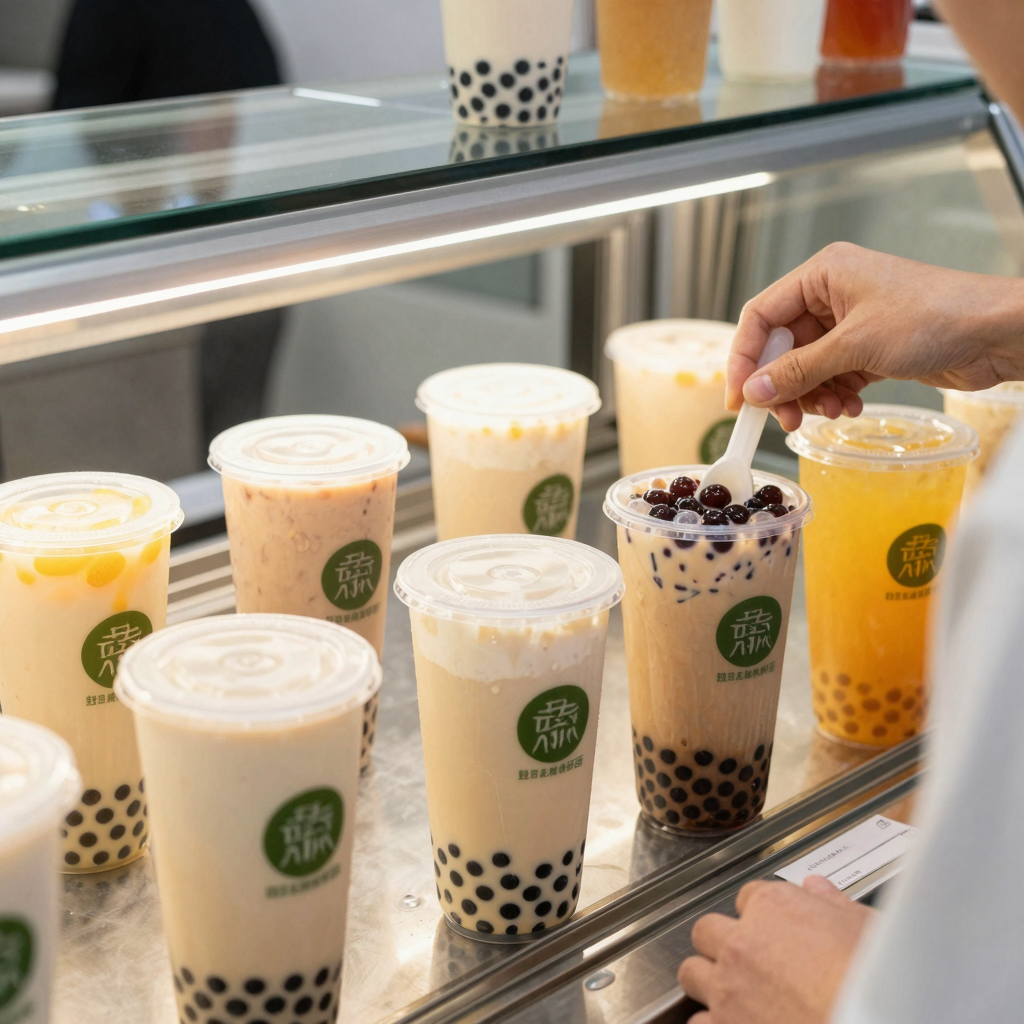
In the bustling world of food service, the importance of reliable food transport containers cannot be overstated. Whether you’re a lively bubble tea shop serving your loyal customers, a restaurant looking to deliver quality meals, or a food truck hitting the streets, finding the right containers is crucial for maintaining the freshness and integrity of your offerings. At Green Dispo Pack, we understand that safety, durability, and eco-friendliness are paramount. Our range of containers is designed to withstand the rigors of transportation while also being kind to our planet. Each product we offer not only ensures high performance but is also made from sustainable materials that reflect your commitment to environmental responsibility. We take pride in our work and strive to be your trusted partner in food transport solutions, ensuring that every meal is packaged to perfection and delivered safely. Explore our selection and see how we can cater to your food service needs, making your operations smoother and more efficient. With Green Dispo Pack, you can rest assured that your food will always arrive in style and safety, ready to impress your customers! Discover our eco-friendly packaging options and learn more about our clear plastic cups today!
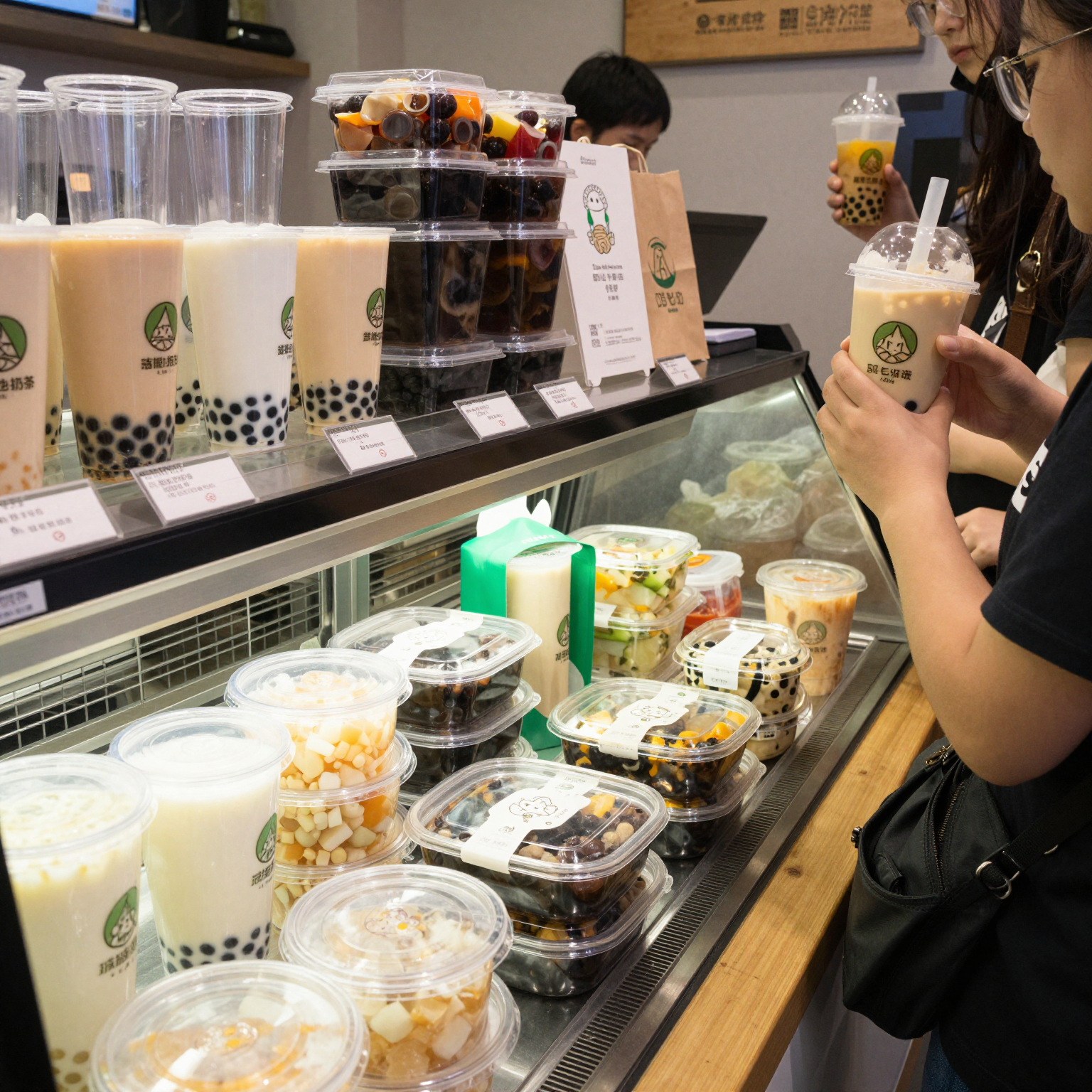
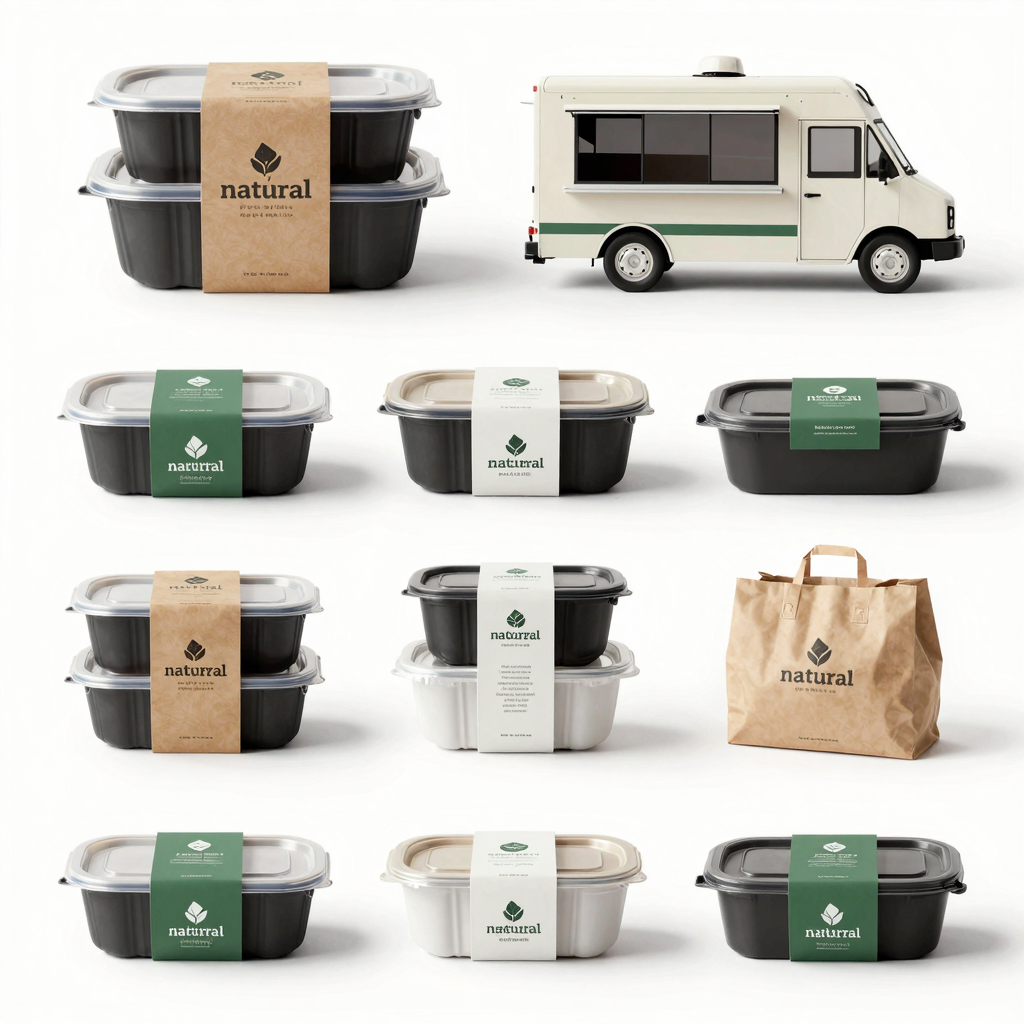
Types of Transport Food Containers
When it comes to transporting food, selecting the right container is crucial for maintaining freshness, safety, and presentation. Here’s a comprehensive list of the types of food containers available, along with their materials, sizes, and features.
1. Plastic Containers
- Material: Typically made from high-density polyethylene (HDPE), low-density polyethylene (LDPE), or polypropylene (PP).
- Sizes: Available in various sizes from 4 oz for dips to large containers exceeding 64 oz for bulk meals.
- Features: Durable, leak-resistant, and often microwave-safe. Some come with vented lids or compartments for separating different food items. Learn more about compartmentalized plastic food storage containers.
2. Biodegradable Containers
- Material: Made from renewable resources such as sugarcane bagasse and polylactic acid (PLA).
- Sizes: Similar to plastic, ranging from small 8 oz containers to larger trays.
- Features: Eco-friendly, suitable for both hot and cold foods, and effectively leak-resistant. They decompose under suitable conditions, making them a sustainable choice for food service. These are especially beneficial for takeout packaging, as discussed in the guide on biodegradable takeout containers.
3. Paper Containers
- Material: Generally made from recycled or virgin paper, often treated to be oil and grease-resistant.
- Sizes: Available in various sizes to accommodate different types of food, from 12 oz for soups to larger 48 oz containers.
- Features: Biodegradable and compostable, making them an environmentally responsible option. Ideal for hot and cold takeaway items like sandwiches or salads.
4. Glass Containers
- Material: Made from tempered glass, which offers high durability and safety.
- Sizes: Ranges from small jars (8 oz) to larger containers (2 liters and above).
- Features: Non-toxic, microwave, and oven safe, these containers are perfect for meal prepping and long-term storage. They provide a premium look for food presentations.
Choosing the right container can greatly enhance the efficiency of food transport, whether for food trucks, catering services, or restaurants.
Food Containers for Catering
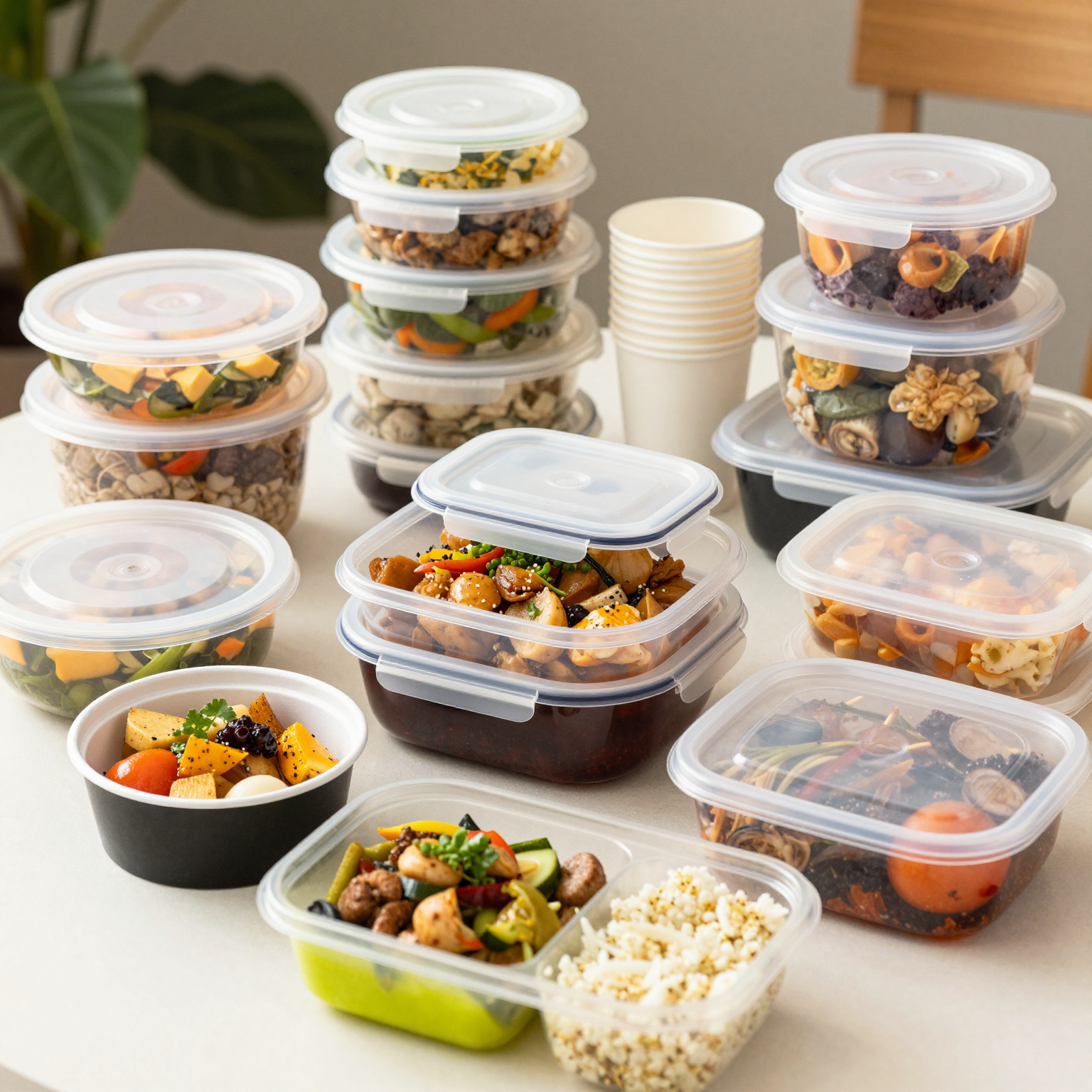
Transport food containers are essential for restaurants, food trucks, and catering services. They ensure that meals are kept fresh, organized, and presented beautifully. With a wide variety of designs, including plastic bowls, cups, compartmentalized boxes, and more, these containers cater to every culinary need.
When choosing the right container, consider the following:
- Material: Ensure containers are durable and food-safe.
- Size and Shape: Choose containers that fit the portion sizes of your meals.
- Lids: Look for options with secure lids to prevent spills.
For more information on our various options, you can explore our product range or learn about custom plastic solutions.
Benefits of Using High-Quality Transport Food Containers
Investing in high-quality transport food containers holds significant advantages for businesses in the food industry, especially for bubble tea shops, restaurants, food trucks, catering services, and event planners. Here are some key benefits:
1. Ensuring Food Safety
Food safety is paramount, and high-quality containers are designed to maintain food integrity. These containers are often made from FDA-approved materials that withstand temperature variations, ensuring that hot foods stay hot and cold foods remain cold. Many containers include effective sealing mechanisms that prevent leakage, spillage, and contamination. As highlighted by the National Restaurant Association, insulated and tamper-proof packaging helps maintain safety during delivery, making it essential for compliance with stringent food safety regulations.
2. Protection During Transport
High-quality containers provide superior protection against physical impacts and environmental conditions. They are engineered to be durable and resistant to breakage, ensuring that precious food items arrive at their destination in perfect condition. This is especially important for catered events where presentation matters, such as maintaining the quality of bubble tea or delicate food items. Research shows that breaches in packaging that allow temperature fluctuations can lead to food spoilage and microbial growth, which can be avoided with proper containers.
3. Enhancing Customer Experience
The functionality of premium food containers enhances customer satisfaction. Customers appreciate the convenience of easy-to-open and reusable packaging, especially when they are on the go. Good packaging can also be visually appealing, creating a positive impression that reflects your brand’s quality. By ensuring that products arrive safely and in great condition, businesses can build trust and encourage repeat orders, promoting better customer loyalty.
In conclusion, the use of quality transport containers not only secures compliance with food safety regulations but also boosts overall customer satisfaction and trust. For your business success, choose containers that combine quality, safety, and convenience.
The safety standards for disposable food containers are vital to ensuring food safety and public health. They are governed by various regulations, primarily those established by the U.S. Food and Drug Administration (FDA) and other relevant regulatory bodies.
Key Regulations from the FDA
-
Material Safety: The FDA regulates materials used in food contact through Title 21 of the Code of Federal Regulations (CFR), particularly Parts 170-199. These regulations ensure that food contact substances (FCSs) do not pose health risks when used correctly. Common materials approved for disposable food containers include High-Density Polyethylene (HDPE), Low-Density Polyethylene (LDPE), Polypropylene (PP), and Polyethylene Terephthalate (PET) (FDA Food Contact Substances).
-
Chemical Migration Limits: Disposable food containers must adhere to specific migration limits to prevent harmful chemicals from leaching into food. For instance, the FDA emphasizes the importance of rigorous testing for chemical safety, including assessments for substances like Bisphenol A (BPA) in plastics (BPA Regulations).
-
Testing and Good Manufacturing Practices (GMP): Manufacturers are required to follow GMP and conduct testing for chemical safety, microbial contamination, and overall physical integrity. This ensures that containers can safely hold food under normal usage conditions (FDA Compliance for Plastic Food Packaging).
International Standards
Apart from U.S. regulations, many other countries have established similar guidelines. For instance:
- China’s National Standards: The latest standards include the GB 4806.7-2023, which specifies safety requirements for food contact materials. These guidelines highlight the need to use food-grade materials and restrict harmful substances during normal use, focusing on health and safety (China National Standards).
Best Practices
- Choosing the Right Containers: Businesses in the food industry, such as bubble tea shops and catering services, should select disposable containers based on the food’s temperature and acidity to prevent safety issues. For instance, containers made from polypropylene (PP) can safely handle hot liquids, while polystyrene containers are not recommended for such uses (Hong Kong Food Safety Guidelines).
- Awareness of BPA Regulations: With increasing concerns regarding BPA, many manufacturers are shifting towards BPA-free materials, especially in products for children, to meet growing safety standards and consumer demand for healthier options (UL Solutions on BPA).
Commitment to Safety
At Green Disposable Pack, we prioritize safety by ensuring all our disposable food containers meet these rigorous standards. This commitment safeguards not only the food products but also the health of consumers, affirming our responsibility in the food industry.
By adhering to these guidelines, businesses can confidently serve their customers while promoting a safer and healthier dining experience.
This summary encapsulates essential information regarding safety standards for disposable food containers, reinforcing our commitment to safety in the food supply chain.
Comparison of Food Container Materials
Choosing the right material for food containers is crucial for businesses like bubble tea shops, restaurants, food trucks, and event planners who prioritize performance, cost, and sustainability. Here’s a detailed comparison of popular container materials-plastic, paper, biodegradable, glass, and metal-highlighting their pros, cons, typical uses, and environmental impact.
| Material | Pros | Cons | Typical Uses | Environmental Impact |
|---|---|---|---|---|
| Plastic | Lightweight, durable, cost-effective, moisture-resistant | Chemical leaching risks (BPA, phthalates), rarely recycled (<10%), pollution in oceans and landfills | Single-use & reusable containers, takeout, cold/hot foods | Low emissions during production but severe long-term pollution; mostly ends in landfills/oceans |
| Paper | Lightweight, recyclable, renewable, lower carbon footprint | Limited moisture resistance; coatings reduce recyclability; poor durability with liquids or hot foods | Takeout containers, dry/cold foods | Renewable and low CO2 emissions during manufacture; short-lived; limited recyclability due to coatings |
| Biodegradable | Plant-based, compostable under industrial conditions, reduces landfill waste | Needs specific composting conditions; not effective in home compost; contamination risk in recycling | Single-use eco-friendly packaging | Decomposes under ideal industrial conditions; variable effectiveness in natural environments |
| Glass | Chemically inert, reusable, retains freshness, non-toxic | Heavier, breakable, higher initial cost | Reusable meal prep, long-term storage | Fully recyclable, long lifespan, low environmental toxicity |
| Metal | Durable, recyclable, heat resistant (stainless steel), lightweight option (aluminum) | Heavier than plastic, higher cost, can react with acidic foods (aluminum) | Long-term storage, meal prep, outdoor use | Infinitely recyclable, long lifespan; more energy-intensive production |
Each material carries trade-offs between environmental impact and functionality. For instance, biodegradable containers suit single-use eco-conscious needs but depend on proper composting infrastructure, while glass offers a sustainable reusable option with a longer lifecycle despite higher upfront cost.
For businesses seeking dependable plastic containers, options like custom plastic forming machines can offer tailored solutions balancing cost and performance.
This comparison can help you make informed decisions aligned with your operational and sustainability goals.
Customer Testimonials
In the world of food packaging, reliability and quality are paramount. Here’s what satisfied customers are saying about our food containers:
“The quality of food containers we receive from Green DispoPack is unmatched. They are durable, leak-resistant, and perfect for our meal prep needs. We’ve never had issues with delivery, and the customer service is always responsive and helpful!”
- Jane Doe, Owner of Fresh Meals Co.
In addition to customer feedback, industry experts emphasize the need for high standards in food packaging:
“Food safety culture requires company culture. Using reliable and safe food containers is essential to maintaining food integrity and consumer trust in the supply chain.”
- John Smith, Food Safety Consultant (Food Safety Tech)
At Green DispoPack, we understand the critical role our food containers play in your business’s success. To learn more about our custom plastic containers, check out our latest offerings!
Delivery Options and Customer Service
At Green Dispo Pack, we understand that timely delivery and exceptional customer service are vital to the smooth operation of your business. To meet diverse needs, we offer a variety of flexible delivery options tailored to your requirements, whether you are a bubble tea shop or a large corporate procurement team.
Delivery Options
Our delivery services are designed to be both convenient and efficient:
- Standard Shipping: Reliable delivery of your order within a stipulated time frame, ensuring your packaging needs are met promptly.
- Express Shipping: For those urgent orders, our express delivery ensures you receive your products when you need them.
- Customizable Delivery Schedules: We understand that every business operates differently. That’s why we allow you to customize your delivery schedule to align with your operational needs.
Customer Service
We pride ourselves on our responsive customer support team, available to assist you 24/7. Our dedicated staff is committed to providing personalized assistance, whether you need guidance on product selection or have inquiries regarding your order status. Additionally, we offer:
- Live Chat Support: Immediate responses for any urgent queries.
- Email Support: For non-urgent inquiries, our team is quick to follow up with thorough answers.
Choose Green Dispo Pack for all your disposable packaging needs, and experience flexibility and responsiveness that cater to your unique business requirements. Learn more about our products here and explore how we can help elevate your service level.
Understanding Delivery Timelines for Food Containers
In today’s fast-paced food industry, delivery efficiency can make all the difference for business owners such as bubble tea shops, restaurants, and catering services. Knowing how long it takes to receive your supplies can help you plan effectively and avoid disappointments. Here, we outline typical delivery timelines for different product categories to give you a clear understanding of what to expect.
Delivery Timelines by Category
| Category | Delivery Timeline (Express) | Notes |
|---|---|---|
| Food Containers | 1-3 days | Typically delivered within 30-45 days after final design approval from manufacturing hubs in Henan and Shandong provinces, China. Regional specialization and integrated supply chains enable fast turnaround. |
| Electronics | 3-5 days | Lead times vary based on component availability and assembly complexity; express delivery often achieved via optimized logistics networks in major production regions. |
| General Goods | 1-2 days | Express delivery services support rapid transit for standard consumer goods, especially when shipped from well-established distribution centers with advanced logistics infrastructure. |
In a sector where time is money, choosing a reliable partner like Green Dispo Pack ensures you can keep your operations running smoothly. Efficient delivery services are crucial for maintaining stock levels of essential items such as food containers. Our express delivery timelines are designed to meet the demands of your business effectively!
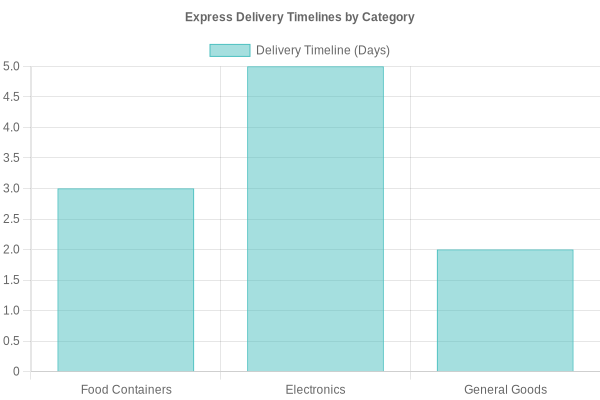
Express Delivery Timelines for Different Product Categories
This chart illustrates the delivery timelines for food containers compared to electronics and general goods. As seen, food containers often have an express delivery time of 1-3 days, helping your business stay agile and responsive to customer needs.
Conclusion
In the world of food transport, choosing the right container wholesaler is essential for ensuring the freshness and safety of your products. At Green Dispo Pack, we pride ourselves on providing high-quality, reliable food transport containers that meet the specific needs of bubble tea shops, restaurants, food trucks, catering services, and event planners. Our containers not only comply with the latest hygiene and safety regulations but also support sustainability initiatives by being eco-friendly and efficient.
Don’t compromise on quality when it comes to your food transport needs. With our superior product range, you can rest assured that your goods will remain fresh and safe during transit.
Contact us today for a tailored quote and discover how we can enhance your food transport solutions! For more insights into packaging trends, feel free to check out our article on food packaging importance in transportation.