
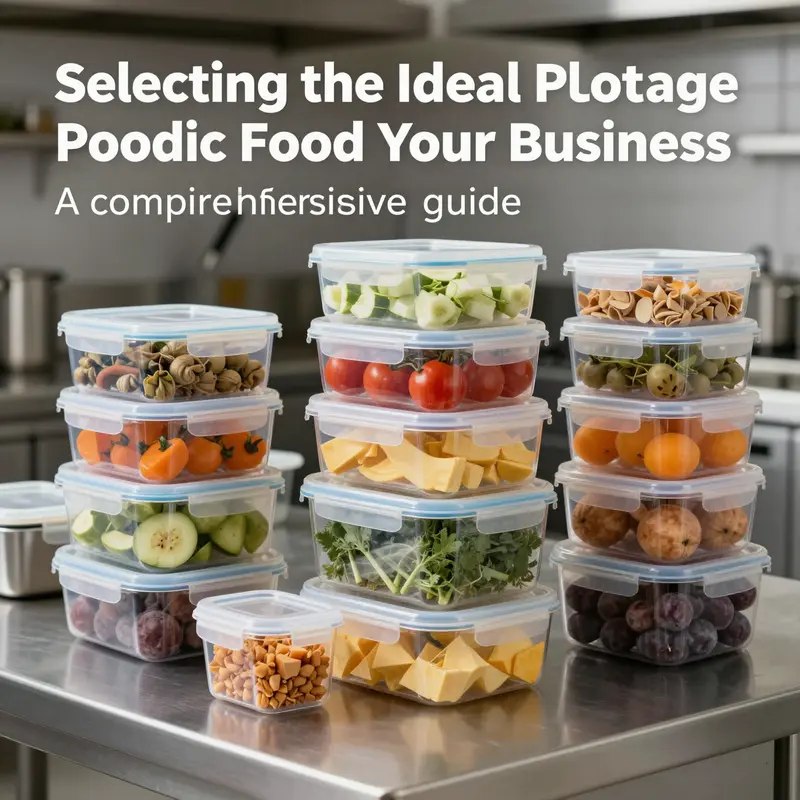
For businesses in the food service industry, choosing the right containers for food storage is crucial. Not only do these containers need to meet safety standards, but they must also be sustainably sourced and durable enough for long-term use. This guide meticulously explores the essential features to look for in plastic storage food containers, specifically for bubble tea shops, restaurants, food trucks, and catering services. From the importance of material quality to sustainability and performance considerations, each chapter provides insights into making informed decisions thereby enhancing both service quality and environmental responsibility.
Safety, Material Quality, and Practicality in the Best Plastic Storage Food Containers
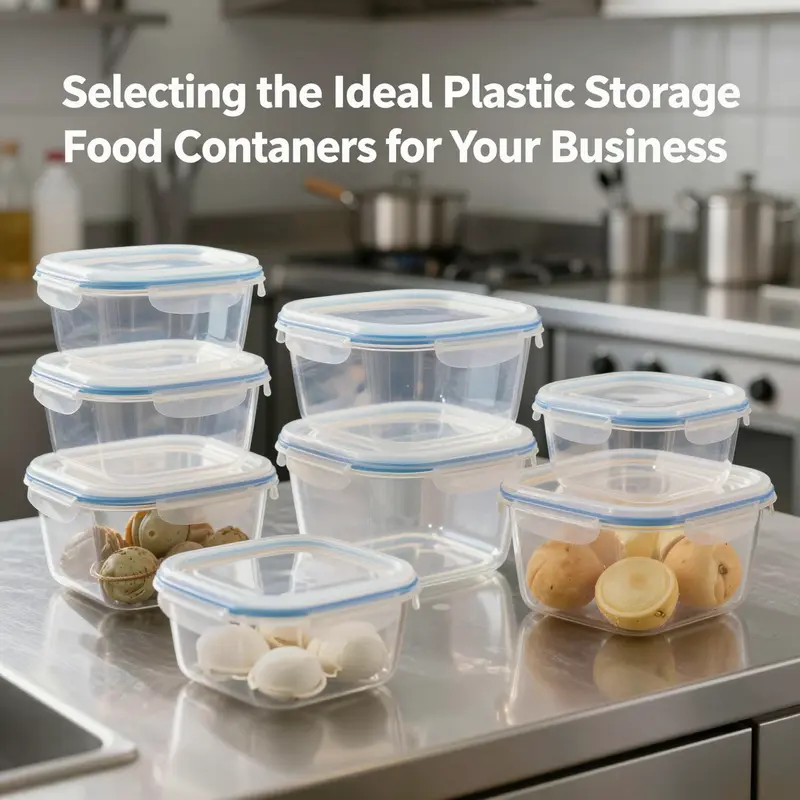
When people discuss the best plastic storage food containers, they often focus on capacity, seal quality, or cost. Yet the core question is deeper: how do the materials, the regulatory framework, and the long-term lifecycle of a container come together to influence safety and reliability in real-world use? In many industrial and domestic kitchens today, white plastic containers have become a standard for dry goods, bulk storage, and long-term preservation. They are usually made from polypropylene (PP) or high-density polyethylene (HDPE), materials that have earned their place through a balance of stability, heat resistance, and chemical resistance. They perform well in a spectrum of environments, from temperature-controlled pantry shelves to cold storage rooms, and their safety profile is reinforced by recognized testing and regulatory oversight. But the safest choice is rarely a single material or label; it is the alignment of material properties, proper usage, and ongoing lifecycle management that yields enduring safety and value for both households and larger storage operations.
To understand why PP, HDPE, and PET often appear at the top of safety discussions, it helps to consider the specific properties that make them suitable for food contact. PP, designated as #5, is celebrated for stability and relatively low tendency to leach additives under normal use. It maintains shape and clarity under typical household temperatures and can withstand repeated washing without a dramatic loss of performance. HDPE, or #2, is prized for chemical resistance and low permeability, which makes it a reliable choice for storing oils, acids, and other reactive substances without compromising the stored contents. PET, labeled #1, is widely used for packaging due to its clarity and physical robustness, though it is less common for heavy-duty reusable storage compared to PP and HDPE. Together, these materials provide a spectrum of choices that can cover most home and industrial storage needs while maintaining safety under standard conditions. In the United States, these materials are subjected to FDA oversight aimed at ensuring they are suitable for food contact, and many containers used in households and commercial kitchens cite FDA compliance as a core assurance of safety.
The FDA’s framework for food contact substances is a central reference point for evaluating plastic storage containers. This framework emphasizes that the safety of a container hinges on the material itself, how it is manufactured, and how it is used over time. Polypropylene, for example, is commonly approved for heat exposure and is often considered microwave-safe up to temperatures around 230 degrees Fahrenheit, depending on the exact design and the seal system. HDPE is not typically chosen for high-heat microwave tasks, but it offers excellent chemical resistance and stability for non-heated storage and for items stored in the freezer or fridge. PET provides strength and clarity, which is useful for labeling and visibility of contents, but its reuse guidelines are more sensitive to wear and stress. The regulatory landscape thus reinforces a practical reality: safety is not achieved by a single specification, but by a combination of material choice, certification, and sensible usage.
However, the landscape of safety for plastics is not without its caveats. Though many containers are marketed as BPA-free, consumers and professionals should be aware that alternative additives can sometimes substitute for BPA and still pose concerns. Phthalates and other additives may migrate into food under certain conditions, especially if containers are subjected to heat, acidic contents, or repeated cycles of washing and use. This is why robust labeling, third-party certification, and consumer education about proper use are essential components of safety. The best practice is to look for containers that carry clear indications of FDA approval or equivalent certifications such as LFGB or ISO 17025 verification, and to verify that the containers are designed specifically for the intended use, particularly when heating or long-term storage is involved. A cautious approach also means avoiding the use of any plastic in high-heat environments beyond its rated limits, since degradation of the polymer can accelerate the leaching process and compromise the integrity of the stored food.
In practice, the safest plastic containers are those that combine a few practical features with sound materials. Tight-fitting, leak-proof lids are essential, and the lids themselves should be made from food-grade materials that resist loosening over time. Freezer-safe labels and clear indicators of suitability for freezing help prevent cracking or deformation when contents are moved between temperature extremes. Regular inspection is another cornerstone of safety: scratches, cloudiness, or visible micro-cracks can be signs of material degradation, which may correlate with an increased risk of chemical migration or structural failure under load. In the context of safety and material quality, a container is only as safe as its continued integrity, which is why lifecycle thinking matters as much as the initial material choice. Manufacturers and end-users alike benefit from viewing containers not as disposable tools but as components within a designed system that accounts for reuse, washing, temperature exposure, and eventual end-of-life scenarios.
Numerous voices in the sustainability discourse remind us that plastic, even when chosen carefully, carries a burden beyond immediate use. Global recycling rates remain relatively low, and a substantial portion of plastic waste ends up in ecosystems where it can persist for decades. In this sense, the selection of plastic storage solutions becomes as much a question of durability and lifecycle planning as of material safety. The ideal scenario for many households and facilities is a continued emphasis on safe, durable plastics—PP and HDPE among the most credible options—paired with conscientious maintenance, responsible disposal, and a broader shift toward longer-lasting alternatives where feasible. Glass or stainless steel storage containers offer compelling long-term value given their lifespans of five to ten years and their lack of potential to release harmful substances with repeated washing or heating. These materials excel in environments that demand extreme reliability, heating compatibility, and minimal risk of chemical migration. Yet the practical reality remains that many operations prioritize lightweight, cost-effective plastics for bulk storage, dry goods, and general pantry use, making it all the more important to choose plastics with strong safety profiles and to use them within their rated bounds.
For those who do decide to lean into plastic storage, the focus should be on the chemistry of the container and the design of the seal. PP containers with silicone sealing rings, when used within their heat and chemical limits, can provide a robust barrier against leaching while preserving aroma and freshness. PP is often chosen for its resilience under repeated washing and its relatively inert surface, which resists staining and absorption better than many alternatives. HDPE’s chemical resistance makes it a reliable choice for long-term storage of items that might interact with container walls, such as oils or acidic foods. When PET is used, it is typically in contexts where clarity and the ability to observe contents matters, but users should be mindful of its more limited durability under aggressive thermal or mechanical stress compared to PP or HDPE.
From a practical standpoint, the conversation about safety and material quality must be paired with clear usage guidelines. Do not heat plastic containers beyond the rated temperatures, do not place them directly over open flames, and avoid using containers with deep scratches or cloudiness, since these signs may indicate degraded polymer integrity. Cleaning should be thorough but gentle; avoid abrasive scrubbing that can create micro-scratches that harbor bacteria or contribute to material wear. When freezing, use only containers labeled as freezer-safe, and consider leaving a little headspace for expansion to avoid cracking. These simple practices extend the usable life of plastic containers and help maintain their barrier properties, reducing the risk of leaching and preserving the sensory quality of stored foods.
The discussion of safety and material quality would be incomplete without acknowledging the broader context of consumer education and lifecycle responsibility. Institute-backed research on sustainable materials emphasizes that safety and environmental impact are interconnected. The core insight is that the path to safer plastic storage requires more than a single material choice; it requires attention to the lifecycle of the container—from production to end-of-life management. For readers who are exploring packaging strategies in settings where hygiene, cost, and throughput matter, the takeaway is to balance material properties with practical usage patterns and to consider longer-term alternatives when feasible. That balance becomes especially important in settings like food service or industrial bulk storage, where the stakes—the safety of large quantities of food and the environmental footprint of packaging—are higher and the consequences of failure more significant.
In the broader spectrum of packaging decisions, it helps to compare plastic options with other materials. Glass and stainless steel storage solutions tend to offer longer lifespans and stable performance across many cycles of heating and washing. They are not vulnerable to the same kind of chemical leaching concerns that can arise with plastics, particularly under repeated high-heat exposure. However, these alternatives bring trade-offs in terms of weight, cost, and breakability, especially in high-volume or mobile environments. The choice is seldom binary; the most successful strategies often involve a hybrid approach: robust, heat-resistant plastics for certain applications where weight and cost are critical, paired with glass or stainless steel for situations where longevity and inertness are paramount. In this light, the “best” container is defined not only by the material but by how well it fits the specific storage scenario, the food types involved, and the lifecycle expectations of the user.
For readers considering plastic storage as a primary option, a practical recommendation emerges. Opt for food-grade polypropylene (PP) containers with designed-in silicone sealing rings, and ensure they are used within the heat limits recommended by the manufacturer. Confirm that lids and seals are BPA-free and, where possible, certified by independent standards bodies. Use HDPE where chemical resistance is a priority and the container will experience less heat exposure or contact with oil-based ingredients. When in doubt, check for explicit FDA or equivalence certifications and avoid older, heavily scratched, or clouded containers that may indicate degraded material. And remember that plastic storage is not a single-use proposition; the most responsible approach is to plan for reuse, proper cleaning, and timely replacement when the material shows signs of wear. Acknowledging the limitations of plastic does not preclude its utility; it simply reframes the discourse toward safer usage, smarter material choices, and informed lifecycle planning.
In this way, the conversation about safety and material quality in the best plastic storage containers becomes a narrative about stewardship as much as science. It invites cooks, facilities managers, and households to think critically about what they store, how they store it, and how long they expect a container to serve before it should be retired. The materials science behind PP, HDPE, and PET provides a solid foundation for safety when used correctly, yet it is the combination of material knowledge, regulatory alignment, and conscientious practice that ultimately determines the practical safety of stored foods. As the field evolves and new materials and compliance pathways emerge, keeping a clear view of these fundamentals helps ensure that the best plastic storage choices remain reliable, safe, and responsible.
For readers who are curious about packaging options that extend beyond plastic, consider exploring kraft paper food-storage solutions that can complement a sustainable storage workflow without compromising safety or convenience. These options, available from suppliers that offer wholesale, customizable kraft-paper storage bowls and related packaging, can be integrated into a broader storage strategy that reduces plastic reliance where appropriate. See an example of such packaging in the following resource: kraft paper food-storage bowls.
From a regulatory perspective, continuing to reference official guidance remains essential. The U.S. Food and Drug Administration’s repository on Food Contact Substances provides comprehensive information on approved materials, testing standards, and the regulatory oversight that underpins safe food-contact plastics. This external resource offers a clear map of what kinds of plastics are considered safe for food use, how cumulative exposure is evaluated, and how manufacturers and users can verify compliance. For those seeking an authoritative anchor, the FDA site is a reliable starting point for corroborating material choices and ensuring that storage practices align with current safety standards: https://www.fda.gov/food/food-contact-materials/food-contact-substances.
Weighing Convenience Against the Planet: Sustainability in the Best Plastic Storage Food Containers
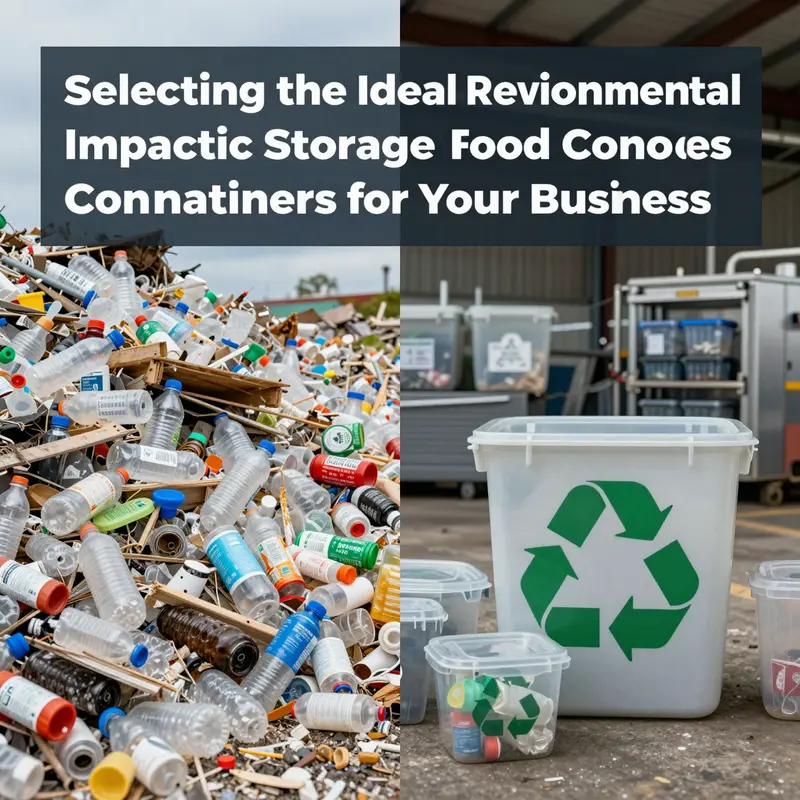
Across kitchens and food service, plastic storage containers meet a practical need for lightness, durability, and seal reliability. They help preserve dry goods, prepared foods, and bulk ingredients with a level of convenience that glass often cannot match. Yet their broader environmental footprint invites a balancing act: weigh the benefits of reusability and transport efficiency against production energy, end of life, and potential chemical concerns. This chapter offers a nuanced view that avoids villainizing plastics or worshiping glass; instead it maps the life cycle of common storage containers and translates that into practical guidance for homes and organizations.\n\nThe material story begins with feedstocks. Most plastic containers for food are made from petroleum based polymers, a reality that connects everyday items to fossil fuel extraction. Production energy and emissions contribute to the footprint, though the lighter weight of plastics can reduce transport related impacts. The comparison with glass is favorable to plastics at the factory stage in many cases, but durability matters too. If a plastic container lasts for many years and is kept in service with careful cleaning, its upfront cost and emissions can be amortized over time. Conversely, premature replacement or poor reuse patterns can erode those gains and push plastics toward higher cumulative impact.\n\nChemical safety matters as part of sustainability. Even BPA free plastics can include additives that may migrate under heat or aggressive cleaning. Heating or microwaving in the same container raises the possibility of transfer, so clear guidance and safe temperature practices matter. The precautionary approach pushes for containers that resist leaching when used as intended, while acknowledging that no material is perfectly inert in every scenario. Practically, households should favor materials with strong chemical stability and avoid heating food in questionable plastics whenever possible.\n\nDurability and lifespan drive the long term equation. Reusability has value when a container can withstand repeated washing and dishwasher cycles without losing seal integrity. But wear, scratches, and fading can undermine performance and push users toward replacement. Microplastics and other degradation byproducts can enter the cleaning stream, so maintenance matters. Lifecycle thinking asks not just how a single container is produced, but how many cycles it can endure, how often seals are replaced, and when end of life is reached.\n\nRecent lifecycle analyses have shown a cautious balance. Some studies suggest that reusable plastic containers start with a lower carbon footprint than accessories made of glass, due to lighter weight and lower production energy. Yet the picture evolves as wear and tear shorten useful life, potentially tipping the balance back toward glass or stainless steel in some contexts. The ecological story does not end with the container itself. Microplastics and recycling realities shape outcomes long after disposal. Recycling infrastructures vary by region and can determine how much of the waste stream is redirected from landfills.\n\nBeyond the material, user behavior and system design matter. Households can prolong life by choosing a versatile kit, avoiding unnecessary one off purchases, and cleanly maintaining lids and seals. Businesses can benefit from inventory discipline, clearly labeled components, and a maintenance program that tracks seal integrity and part replacement. Education about end of life and local recycling options also helps close the loop, including reuse pathways and the potential for repurposing containers in nonfood applications when the product is worn out.\n\nDesign and policy choices matter as well. A circular economy approach favors containers that are easy to disassemble for recycling, compatible with existing streams, and supported by take back or refurbishing programs. Manufacturers are positioned to improve end of life through modular designs, standardized lids, and clearer packaging materials. Retailers and institutions can help by offering programs that collect used items and recondition them for continued use. In practice these strategies translate to real reductions in virgin plastic demand and more resilient waste systems.\n\nWhen buyers face the question of best plastic options, the answer is conditional. If light weight, cost efficiency, and reliable sealing are priorities, then prioritize durability, resistance to leaching, and a clear path to recycling. A credible approach is to favor food grade polymers such as polypropylene with robust lids, and to pair them with a plan for extended use, careful cleaning, and transparent end of life choices. If the local waste system cannot manage the end of life well, then consider alternatives up front, or incorporate a mixed approach that integrates glass or stainless where appropriate.\n\nLastly, the chapter invites a broader view that compares plastics with paper and glass in the right contexts. For example, temporary take out or bulk storage may benefit from durable containers used repeatedly in combination with recyclable or compostable lid options. A hybrid strategy can reduce waste while preserving safety and user experience. Communication is essential too: clear labeling about heat tolerance, sealing quality, and end of life options helps users make sustainable choices and avoid misuses.\n\nThe overarching aim is to align daily convenience with planetary stewardship. The best plastic storage containers are not the most expensive or the longest lasting in isolation, but those that fit the users pattern of use and connect with effective recycling and reuse networks. Ongoing research and lifecycle assessments provide critical lenses for evaluating trade offs and guiding design improvements, as new materials and recycling technologies emerge. For readers seeking deeper context, seeking sources such as Life Cycle Assessment literature helps anchor decisions in evidence rather than marketing promises. The takeaway is practical: maximize durability, minimize leaching risk, and participate in recycling or reuse systems so that today’s container becomes a resource rather than a lose end in the waste stream.\n\nFor further reading and practical examples, see resources that explore sustainable packaging, end of life pathways, and consumer guidance. The landscape continues to evolve as materials science and waste management technologies advance, and as consumer expectations shift toward greater responsibility and transparency. The best plastic storage containers therefore reflect a balanced approach that honors function, safety, longevity, and circularity, acknowledging that sustainable choices arise from how containers are used, cared for, and ultimately reintegrated into the material economy.
Durability, Design, and the Long Game: How Plastic Storage Containers Stand Up to Long-Term Use
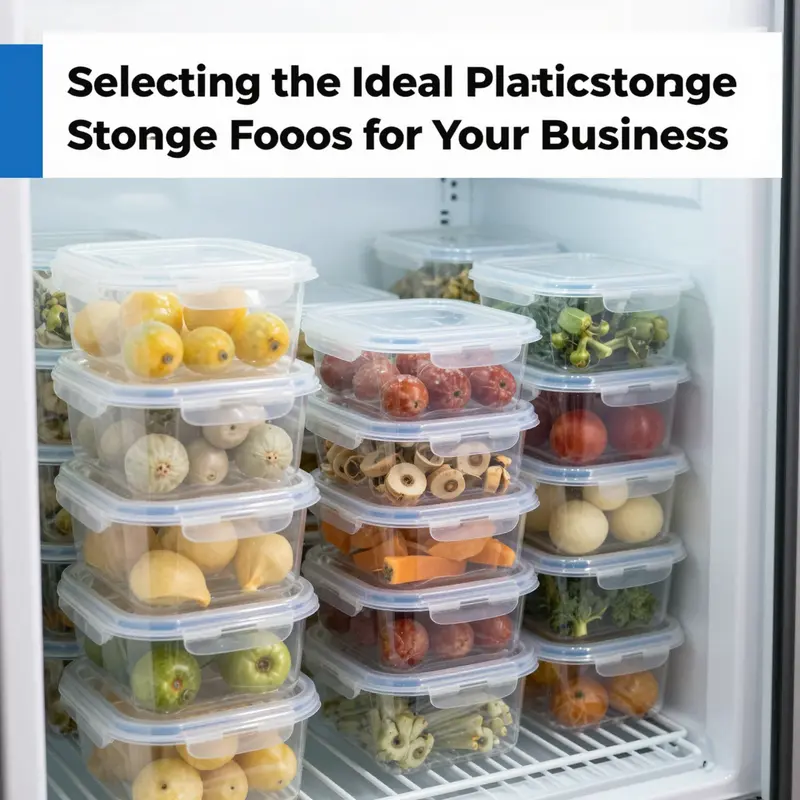
In the world of kitchen systems and pantry organization, plastic storage containers are not simply convenient vessels. They are performance instruments that must balance safety, durability, and practicality across countless cycles of use. When we talk about the best plastic storage options for long-term food storage, the conversation inevitably centers on material choice, how those materials behave under heat and detergent stress, and the ways design features can extend or shorten a container’s life. The dialogue rarely remains abstract, because every choice has tangible consequences for safety, flavor preservation, and cost over time. And while there is no one-size-fits-all answer, a careful reading of the material science behind HDPE and PP, paired with sensible usage habits, reveals a path to reliable, long-lasting containers that still align with health and sustainability values.
The distinction begins with the materials themselves. High-density polyethylene, or HDPE, is prized for its strength and chemical resistance. Within a pantry, HDPE containers can handle dairy products and other dense ingredients without the kind of rapid surface wear that brittle plastics sometimes exhibit. In many kitchen contexts, dairy storage—yogurt, cottage cheese, or even prepped cheese portions—tavors HDPE because it maintains its form under repeated handling and resists staining from fatty substances. Polypropylene, known simply as PP, is equally important for long-term use due to its higher heat tolerance. PP containers can be used for hot foods and, in many cases, safely enter the microwave or the dishwasher—provided the containers are explicitly rated for such use by their labeling. The difference between these two polymers is not merely academic; it translates into practical boundaries: HDPE excels in cold or room-temperature storage with heavy-duty chemical resistance, while PP injects flexibility for hot meals and quick reheating routines.
Yet even before we consider heat resistance, the way a container is used shapes its fate. Long-term durability is less about a single design feature and more about the cumulative effects of care, temperature exposure, and the mechanical stress of everyday kitchen life. Repeated exposure to high temperatures can accelerate the breakdown of polymer chains, leading to cloudiness, a faint but troubling odor retention, or a perceived softness and warping in the container walls. Harsh detergents, especially those with aggressive oxidizers or chlorine-based cleaners, can also interact with the polymer surface, gradually eroding the barrier properties that keep air and moisture at bay. And while many plastics now carry BPA-free labels, the truth is more nuanced: some BPA-free alternatives may leach other endocrine-disrupting substances under certain conditions, particularly when exposed to heat or acidic ingredients. The takeaway is clear. For long-term reuse, avoidance of high-heat exposure and careful selection of materials with proven compatibility matters almost as much as the initial purchase decision.
The shape and lid system play equally vital roles in durability. Containers crafted to maximize seal integrity—where the lid’s gasket is silicone-based and resistant to tearing, plus a dependable locking mechanism—tend to stay leak-free longer. This is not only about food safety but about keeping odors contained and the interior surface free from repeated scrubbing that can foster micro-scratches and micro-cracks. The gaskets themselves deserve scrutiny; silicone rings that resist hardening after repeated dishwasher cycles or heat cycles tend to perform better over time. Likewise, the overall geometry matters. Square or rectangular bodies offer space-efficient stacking and predictable handling, but they also demand precise lid tolerances to prevent warping from bangs or drops. A sturdy base, reinforced corners, and a smooth interior surface that resists scratch marks all contribute to longer life. The sum of these design choices—seal integrity, material compatibility with heat and detergents, and thoughtful geometry—determines how many years a container can remain a reliable workhorse in a busy kitchen.
From a practical perspective, long-term storage often happens in a real-world context where people reuse containers for months, sometimes years, at a time. In such contexts, degradation signs are red flags. Cloudiness that cannot be scrubbed away, warping around the lid rims, discoloration that implies chemical changes in the polymer, or lingering odors after washing all point to diminished barrier properties. When these signs appear, the risk of chemical leaching—particularly with acidic or oily ingredients—rises, even if the container is labeled as food-grade. The caution is not alarmist but grounded in material science: repeated cycles of heat and washing can alter the polymer’s microstructure, creating pathways for migrates into food. This is why many experts emphasize transitioning to glass or stainless steel for long-term meal prep and storage, especially when containers are repeatedly heated or stored for extended periods. Glass, with its inert surface and lack of flavor or odor absorption, remains the gold standard for long-term freshness and safety, while stainless steel offers robust durability for non-porous, chemical-free storage.
Still, there are everyday scenarios where plastic remains a pragmatic choice. When long-term planning is tempered with budget constraints or the need for lightweight, shatter-resistant options for travel or small households, high-quality PP containers with intact silicone-sealed lids become a sensible compromise. PP’s heat tolerance allows for microwave reheating and dishwasher cleaning—common requirements for modern meal prep. For these use cases, it is essential to limit reheating to conditions approved by the manufacturer and to avoid direct high-heat exposure that could exceed the material’s rated temperature range. In addition, it is prudent to avoid storing highly volatile or acidic foods for extended periods in any container that isn’t explicitly designed for such conditions. Tomatoes, citrus, and certain oils can act as catalysts for surface reactions, gradually affecting surface clarity and potentially facilitating leaching through the polymer at elevated temperatures.
The environmental dimension of this discussion is inescapable. Even as we evaluate long-term performance, we must acknowledge the broader context of plastic waste and recycling. The data landscape surrounding plastics reveals a stubborn reality: globally, only a small fraction—around 9%—of plastics are recycled, with the rest contributing to environmental persistence and potential ecological harm. In this frame, a durable plastic container that can be reused for many years becomes a partial solution, but it is not a license to bypass the larger issue of waste. Consequently, the healthiest long-term strategy combines selective material choices with a plan to minimize overall consumption and maximize reuse cycles. For households that want to minimize plastic use without abandoning the very real benefits of plastic for certain tasks, the best practice is to reserve plastic for rarely heated uses, maintain a lower-tooled set of containers, and migrate long-term storage to glass or stainless steel when possible. This approach aligns durability with safety and, crucially, with sustainability.
A further layer to consider is the commitment to safe, durable plastic when replacement is justified. If you prefer continuing to use plastic for the reasons above, prioritize food-grade polypropylene or HDPE with silicone-sealed lids and opt for containers that are clearly labeled for both microwave and dishwasher use if such use is anticipated. The idea is to invest in a set that can withstand the routine demands of a busy kitchen without sacrificing safety or performance over time. When you rotate containers for different uses—keeping the oldest, most-worn units for non-food tasks or short-term storage—you extend the overall life of the set and reduce the frequency of replacement purchases. This strategy is particularly relevant in households that batch-cook and portion out meals, where the same containers repeatedly cycle through heating, cooling, washing, and stacking.
For readers who are curious about broader packaging choices, greener options exist in related packaging categories. For example, consider disposable kraft paper bowls and other paper-based packaging options as alternatives for certain serving and storage needs. These materials, when designed for take-out or dry-food use, can offer a lower environmental footprint in some contexts and reduce reliance on plastics for single-use functionality. disposable kraft paper bowl take-out octagonal-rectangle paper bowl. This link points to a packaging format that serves different purposes than plastic containers, illustrating the broad spectrum of storage and service options available to kitchens today. The takeaway is not to dismiss plastic in advance but to understand its place within a larger system of materials and usage patterns. When used judiciously, plastic containers remain valuable for certain tasks—especially bulk storage and dry pantry staples—yet the healthiest long-term approach combines careful material selection, responsible use, and a willingness to pivot toward safer or more sustainable formats as storage needs evolve.
In weighing all these factors—the chemistry of HDPE and PP, the importance of seal integrity and design, the signs of degradation, and the broader environmental context—the practical counsel becomes clear. For long-term use, you will maximize safety and performance by selecting containers made from HDPE for dairy- or chemical-resistant needs and PP when heat tolerance and microwave or dishwasher compatibility are essential. Guard against aggressive heating where not recommended, and replace containers showing clouding, warping, odors, or significant discoloration. Pair plastic with prudent storage practices, including avoiding highly acidic or fatty foods for extended periods in the most frequently used plastic containers and restricting high-temperature reheating to approved scenarios. Where the goal is ultimate longevity and minimal risk of leaching or flavor transfer, glass or stainless steel storage options deserve serious consideration, especially for batch-cooked meals and portions intended for long refrigeration or freezer storage. Regardless of the material choice, a steady focus on proper cleaning, careful handling, and thoughtful storage geometry will deliver the most durable and safe outcomes over time.
External resource: Healthline provides a rigorous, material-science-informed comparison of glass versus plastic containers, with practical insights on durability, lifespan, and performance across typical kitchen scenarios. https://www.healthline.com/nutrition/glass-vs-plastic-food-containers#durability
Beyond the Box: Alternatives, Realities, and Practical Recommendations for the Best Plastic Storage Food Containers
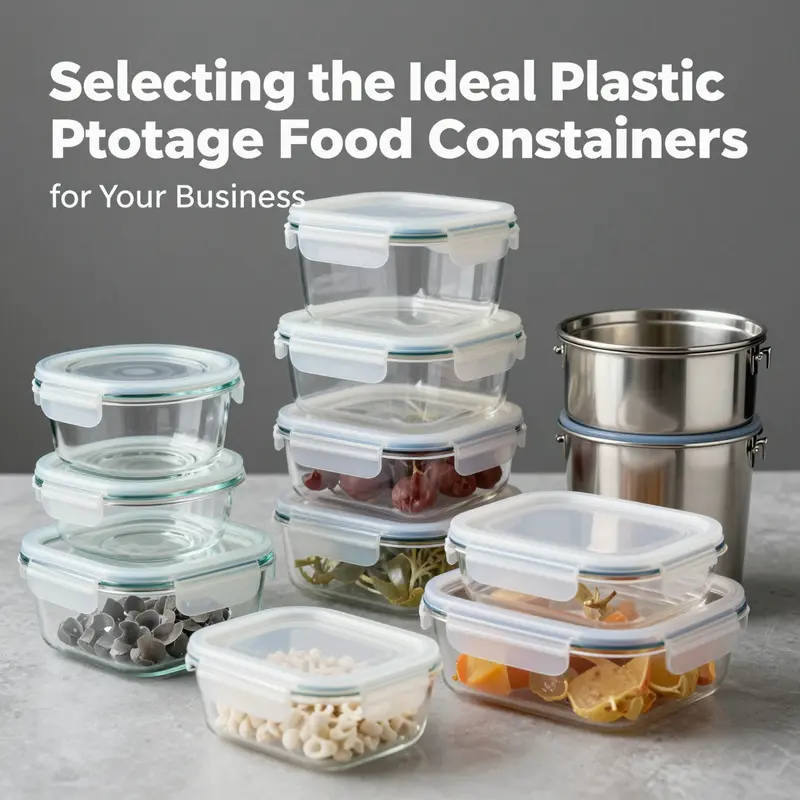
Plastic storage containers have become a quiet backbone of modern kitchens and commercial pantries. They are lightweight, accessible, and versatile enough to handle everything from bulk dry goods to prepped leftovers. Yet, as awareness grows about both health and environmental implications, readers deserve a thoughtful, cohesive examination of when plastics remain reasonable and when safer, more enduring options may be the wiser path. This chapter threads together the practical realities of choosing plastic storage with a clear-eyed look at alternatives, all while keeping the broader goal in view: healthier storage, less waste, and more reliable performance over time. In doing so, it grounds recommendations in the material realities of how these containers are made, used, and eventually recycled, acknowledging that the decision is rarely binary but a matter of context, purpose, and responsibility.
At the core of today’s plastic storage debate is a simple tension: plastics offer convenience and affordability, but not without concerns about chemical exposure and environmental impact. Polypropylene (PP) and high-density polyethylene (HDPE) are among the safer, food-grade plastics commonly used for containers. They tend to resist some heat and chemicals better than many other polymers and can be molded into durable, resealable designs that keep foods fresh for longer periods. However, even within these standards, safety is not a fixed target. Labels such as BPA-free have become ubiquitous, but they can obscure the reality that some substitutes may carry similar health risks or behave differently under heat or acidity. The larger truth is that plastic chemistry evolves, and a packaging solution that avoids one hazard can unintentionally introduce another if not considered holistically. This is especially true when containers are repeatedly washed, exposed to hot contents, or subjected to the microwave, all of which can affect seal integrity and material stability over time.
Beyond personal health concerns, the environmental footprint of plastic is a material fact. The journey from production to disposal is long and linear for too much plastic, and the recycling system that exists in many regions is not as robust as it should be. In the United States, for example, recycling rates for plastics remain stubbornly low, with a small fraction of produced plastics entering the recycling stream and even fewer being transformed into new products. The majority ends up in landfills, incinerators, or the environment. Microplastics from degraded packaging have become a pervasive concern, found in soil, water, and even food chains. When households keep this broader context in view, the decision to minimize plastic or to choose higher-quality, longer-lasting options becomes part of a larger practice of stewardship rather than a single, isolated purchase.
With those realities in mind, many readers rightly turn to non-plastic alternatives for long-term storage goals. Glass emerges as a leading option for those who want a durable, inert material that does not leach substances into food—even under heating or when storing acidic ingredients. High-quality glass storage solutions are designed to be reused year after year, and they tend to outlast plastic by a wide margin. In practical terms, glass containers can preserve the quality and flavor of foods for longer, resist staining, and maintain clarity so you can see what’s inside without opening the lid. When cared for, glass often lasts five to ten years or more, which translates into reduced replacement cycles and less overall waste. Glass is also highly recyclable, and because it is inert, it does not contribute to microplastic pollution as plastics do. For households prioritizing long-term durability and a low-chemical-storage profile, glass is a compelling tier that aligns with sustainable kitchen practices.
Stainless steel storage is another robust non-plastic option that fits a wide range of needs. Steel offers excellent durability, superior resistance to odors and staining in many cases, and it remains an inert, non-toxic choice that doesn’t leach chemicals into foods. Its resilience makes it particularly well-suited for lunchboxes, bulk storage, and environments where containers are dropped or subjected to rough handling. Yet stainless steel has its trade-offs. It is heavier, which can be a downside for an on-the-go lifestyle or for households seeking ultra-light, space-saving solutions. Visibility is limited unless you use containers with transparent lids or labeling, and while most steel options are microwave-incompatible, they can be compatible with certain oven or stovetop practices when designed accordingly. Even so, stainless steel stands as a durable, reusable alternative that can dramatically extend the life of a storage system, reducing the need for frequent replacements and, in turn, limiting plastic waste.
If you are drawn to the idea of preserving the convenience of plastic while mitigating risk, there are still thoughtful plastic designs that perform well and endure when used correctly. The key is to favor food-grade polypropylene with robust silicone sealing rings and to avoid subjecting these containers to high temperatures or direct microwave heating unless the manufacturer explicitly permits it. Silicone seals are essential for maintaining odor control and leak resistance, but their longevity depends on proper care. A few practical design considerations can make a big difference in how long a container remains reliable. Rounded corners, for example, minimize crevices where residues and bacteria can hide, making cleaning easier and more thorough. Wide mouths simplify filling and washing, while stackable or nestable shapes help conserve cabinet space without compromising seal integrity. When you include these thoughtful features, you create a storage system that remains practical in daily use while offering a longer service life and reduced risk of degraded performance.
Maintenance underpins all these considerations. Silicone seals, while highly functional, are most durable when hand-washed and dried separately from the container body. Dishwashers, particularly those with harsh detergents or high heat, can warp seals or degrade the silicone over time. For plastic containers, this is a crucial reminder: if you rely on a silicone-sealed design for liquid foods or for portions stored in the refrigerator or freezer, give the lid’s seal special care. In other words, protect the gasket, and it will protect your containment system. In addition, avoid exposing plastic containers to temperatures beyond their rated tolerance. Exceeding those limits can warp the lid, compromise the seal, or cause the container to warp and eventually fail. A simple rule of thumb is to reserve high-heat uses for glass or metal where appropriate and keep plastics for cooler, non-heated storage when practical.
From a safety perspective, the simplest, most reliable guidance is to prioritize containers that explicitly meet recognized food-grade standards and to stay informed about the material composition. For many households, this means plastic that is clearly identified as PP or HDPE and manufactured to withstand daily use, with attention paid to the sealing system and user guidance about heating. If you do choose plastic, a pragmatic approach is best: select containers designed for dry storage or for cooled or room-temperature foods, and resist the urge to reheated or reprocessed foods in the same container unless the product is approved for such use. This narrower, safer scope can dramatically reduce the risk of chemical leaching and material degradation over time, while still delivering the practical benefits that plastic storage brings.
The decision to use plastic, glass, or metal should also reflect broader sustainability considerations. The refill, reuse, and end-of-life story of a storage system matters as much as its day-to-day performance. Even though glass and steel offer impressive durability and reduced leach risk, they are not impervious to failure—glass can crack, and metal containers can dent or corrode if not cared for in appropriate environments. The point is not to chase perfection but to optimize a system for longevity. The most reliable path to sustainability is a cycle: choose containers that promise long lifespans, use them consistently, clean them thoroughly, and dispose of them through local recycling or reuse channels that acknowledge the material’s end-of-life profile. In this sense, the best plastic containers can still play a role, provided they are chosen with care and used within their designed limits.
For readers who want to explore non-plastic options that still fit a practical kitchen workflow, there are adjacent packaging alternatives worth considering. Crafting a storage system that balances ease of use with environmental stewardship can involve a mix of materials, depending on the food type and storage duration. If you’re curious about paper-based storage options that can support pantry organization and short-term storage, you might explore kraft paper storage solutions. These containers and bowls are designed for durability and reusability in many contexts, and they can be a complementary choice alongside glass or metal for certain kinds of dry goods or cold-prepared meals. Kraft-paper-based options often emphasize recyclable and compostable characteristics, making them attractive for households aiming to reduce plastic use while maintaining a practical, everyday routine. To learn more about paper-based storage choices, you can explore a representative option such as kraft paper food storage bowls.
That said, the practicality of any option hinges on how it aligns with your kitchen routines. If you stockpile bulk dry goods in a pantry aimed at long-term preservation, glass storage with airtight seals can dramatically reduce the risk of moisture intrusion and odor transfer over time. The lack of leaching risk supports a broader sense of healthfulness, particularly for ingredients that are acidic or stored for extended periods. If you routinely prepare meals to transport or reuse in a work setting, stainless steel may prove superior for its durability and portability, even though it demands a lighter touch on visibility and microwave compatibility. And for those who value lightweight containers for kids’ lunches or quick, everyday reusability, well-made PP containers with robust silicone seals can offer a balanced solution, provided the heating and cleaning guidelines are followed closely.
In all these cases, design thinking matters. A well-designed container is not simply about keeping food fresh; it is about maintaining the integrity of the food and the container itself across multiple uses. Features like airtight seals, rounded internal corners that resist residue buildup, clear labeling for contents and dates, and straightforward compatibility with existing storage systems all contribute to a healthy, efficient kitchen workflow. And the best containers—regardless of material—are the ones that are truly reusable, easy to clean, and capable of standing up to regular handling without compromising safety or performance. When you can invest in a system that truly fits your habits, you reduce waste, extend shelf life, and improve overall food safety.
If you are weighing the option of plastic against glass or metal, a practical approach is to catalog the foods you store most often, then map where each material makes the most sense. Do you frequently refrigerate or freeze prepared meals? Glass or certain steel designs may tolerate temperature changes well while preserving flavor and texture. Do you bulk-store dry staples in modular, space-efficient ways? Plastic, when chosen with care, can deliver reliable performance and ease of handling for those specific tasks. The goal is not to declare a universal best but to identify containers that reliably meet your health, storage, and environmental priorities over the long term. The more deliberate and informed the choice, the more durable and beneficial the storage system becomes.
In closing, the landscape of best storage containers is multi-layered. There is no single, perfect answer for every household, and the best choice often depends on the food type, storage duration, heating needs, and the desire to minimize environmental harm. Health safety and ecological responsibility can be advanced together by prioritizing materials and designs that resist degradation, minimize chemical exposure, and promote longevity. When plastic is appropriate, lean toward PP variants with dependable silicone seals, and adopt careful use—avoiding high heat and avoiding repeated, aggressive dishwashing that can erode seals and warp lids. When possible, consider glass or stainless steel for meals and long-term storage, while recognizing that careful maintenance and thoughtful use can extend the life of any container. And when it comes to the larger picture of waste and recycling, align your shopping and disposal choices with local systems so that what you buy today has the best chance of a responsible end-of-life outcome tomorrow. For those exploring non-plastic options in parallel with plastics, remember that even paper-based solutions can contribute to a more sustainable storage ecosystem when selected and used with care.
External resource for further reading on recycling rates and waste management can provide additional context on how consumer choices translate to real-world outcomes: https://www.epa.gov/epawaste/nonhazardous/msw/recycling-facts-figures. For readers who want a concrete example of recyclable packaging options that complement a plastic-leaning storage approach, consider exploring kraft paper storage bowls as part of a mixed-material strategy. kraft paper storage bowls may serve as a practical gateway to broader sustainable storage practices, offering lightweight, reusable alternatives for certain dry or cold foods while reducing reliance on plastics in other parts of the kitchen.
Final thoughts
Selecting the best plastic storage food containers is essential not only for ensuring food safety but also for supporting sustainability in the food service industry. By choosing containers made from high-quality materials that meet safety standards, businesses can store food effectively while minimizing environmental impacts. Moreover, considering alternatives such as glass or stainless steel can enhance longevity and health benefits. The insights shared in this guide aim to help food service professionals make informed choices that boost their operations, ensuring efficiency and responsibility.