
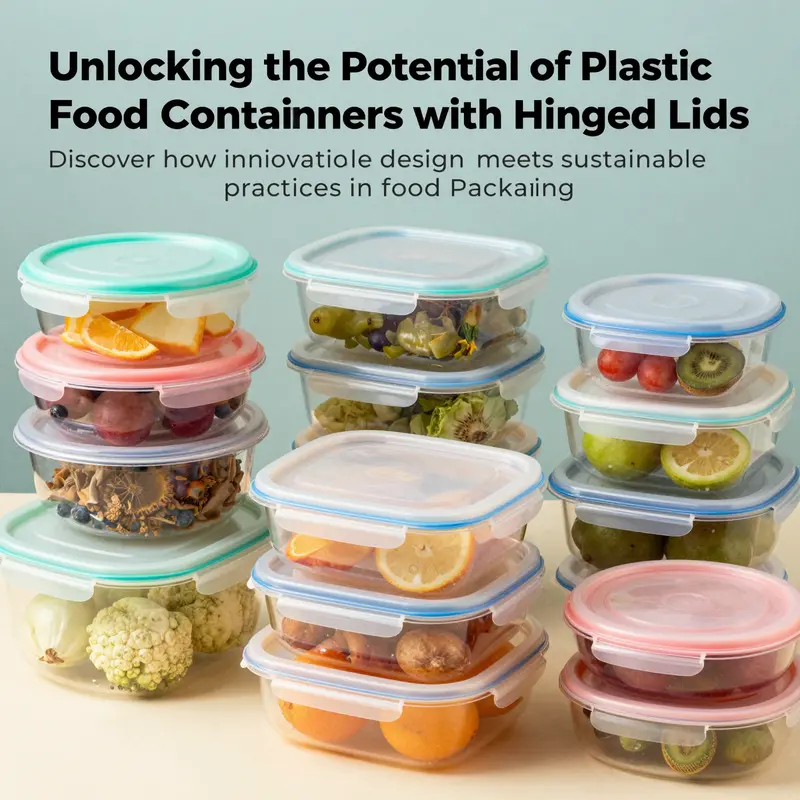
In today’s food service landscape, the right packaging can enhance product safety, visibility, and sustainability. Plastic food containers with hinged lids have emerged as an essential solution for businesses ranging from bubble tea shops to catering services. This article delves into material properties that ensure durability and clarity, highlights design innovations that enhance usability, explores the environmental impact, examines market trends shaping consumer choices, and outlines diverse applications across industries. By understanding these facets, businesses can elevate their service while aligning with the evolving demands of sustainability.
Hinged Integrity: Material Science and Plastic Food Containers with Lids
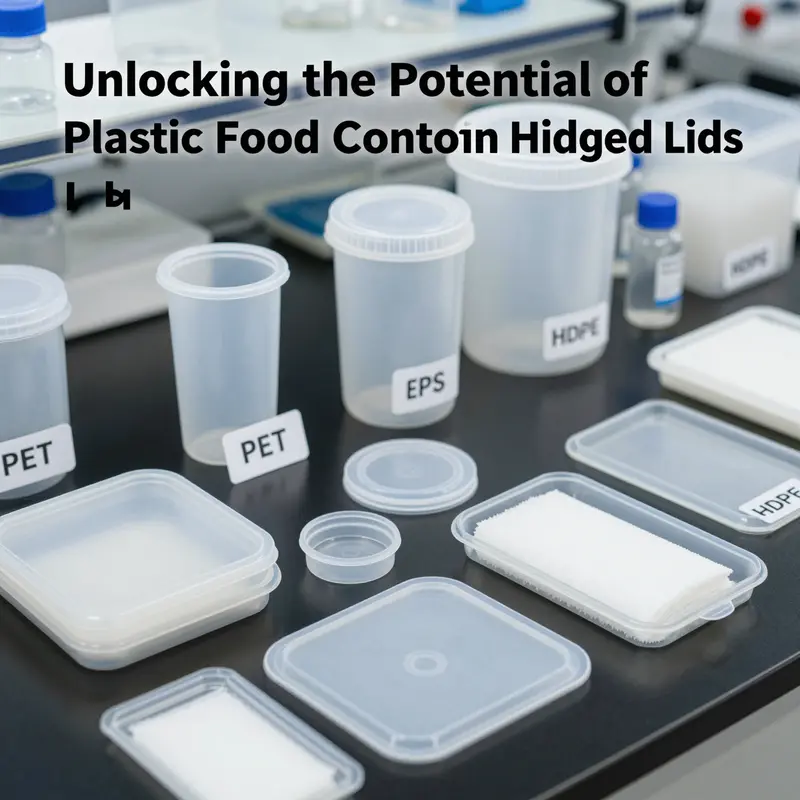
Hinged lids in plastic containers rely on polymers like polypropylene and polyethylene. The hinge design balances rigidity and flexibility to maintain seal under repeated use, resist heat and moisture, and allow one-handed opening. Material choice affects clarity, stacking stability, chemical resistance, and recyclability. PP and PE offer good barrier properties and temperature tolerance, while design features such as reinforced hinges and integrated tamper-evident elements influence cleaning, shelf life, and safety. Sustainability considerations push for reduced ancillary materials and better end-of-life options, with standards from ASTM guiding performance. The chapter concludes that material science translates into practical reliability in kitchens, delis, and food-service settings.
Sealed for Freshness: The Evolution and Innovation of Hinged-Lid Plastic Food Containers
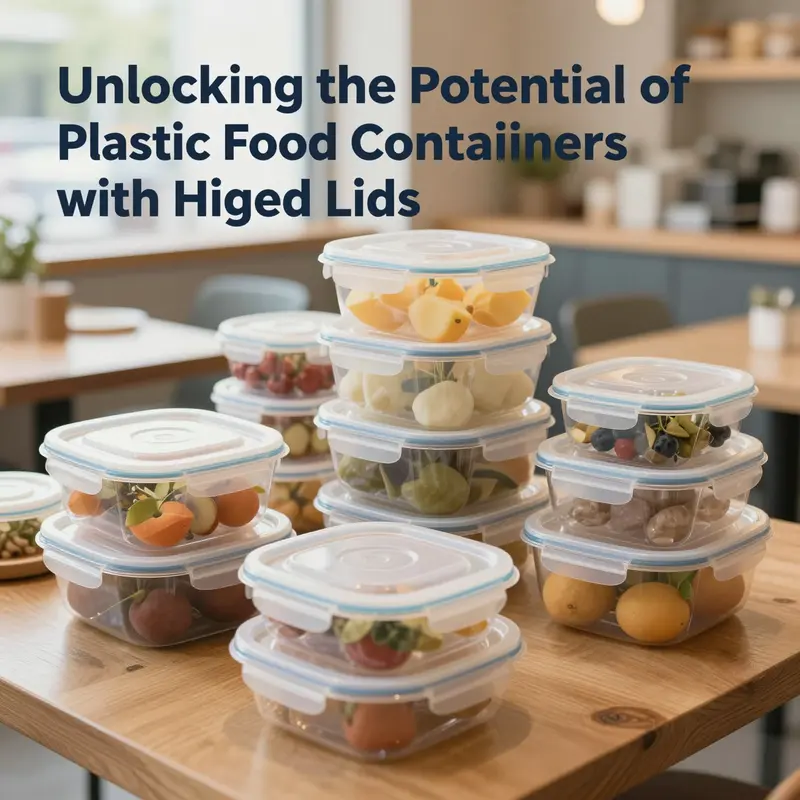
A hinge is not merely a hinge when it carries the daily routine of kitchens, delis, and retail counters. In the world of plastic food packaging, hinged-lid containers have evolved from simple, functional boxes into a coherent system of performance, convenience, and visual clarity. The design philosophy behind these containers centers on keeping food secure, accessible, and presentable in the rhythm of service and the tempo of consumer interactions. The hinge binds lid and base into a single, enduring unit, a feature that eliminates the risk of misplacing a top or losing a cover in transit. Yet the hinge’s significance runs far deeper than preventing loss. It underwrites a broader narrative about containment, reliability, and user experience in environments where speed and safety are non-negotiable.
Design innovations in these containers have become a careful balancing act among several overlapping demands. On the one hand, there is the imperative to preserve freshness and prevent leaks, particularly for handheld meals like sandwiches, salads, and saucy foods. On the other hand, there is the need for user-friendly handling—opening, closing, and re-closing with minimal effort, even when staff are wearing gloves or working under pressure during peak service periods. Modern sealing mechanisms respond to this dual demand with more sophisticated edge geometries and improved gasket systems. The result is a tighter, more consistent seal that resists seepage while remaining easy to operate. In practice, this means sandwiches stay intact during transit, dressings stay put in transit, and lids can be reopened without forceful prying. The ergonomic reality of these advances is not incidental. It translates to fewer product losses, less waste, and happier customers who experience fewer spill-related concerns when they reach their destination.
Ergonomics is a recurring thread through contemporary hinge-lid design. Handles and easy-grip edges have moved from afterthought to standard. A well-placed lip or contour allows staff to cradle a container with one hand while performing other tasks with the other. In a busy kitchen or a grocery pick-up lane, this level of accessibility matters. The design also considers the user’s posture and natural hand position, reducing strain during repetitive tasks like repetitive bagging or frequent re-stacking to fit into delivery totes. The improved grip is especially valuable for smaller, compact models that serve as everyday go-to containers for ready-to-eat meals, fruit portions, or side items. The ergonomic enhancements are not merely about convenience; they also influence safety by reducing the likelihood of dropped containers and splashed contents during transport.
Stackability has emerged as another principal design focus. A well-engineered interlocking edge system enables vertical storage without compromising stability. This is transformative in both home kitchens and professional settings where space is at a premium. When stacks are neat and stable, shelves and trucks become more efficient, and the logistics of restocking or reconfiguring display layouts become less time-consuming. The economics of stacking extend beyond the pantry or pantry-like spaces. They affect how merchants present products in stores, how catering services assemble multi-item orders, and how food courts manage crowded lines. An aesthetically cohesive, easily stackable container system presents a consistent brand image of order and reliability, even as the product mix shifts from one shift to the next.
Materials science underpins many of these gains, and the shift toward safer, more sustainable options has been pronounced. A number of hinged containers now prioritize BPA-free formulations and enhanced recyclability. PET remains a common material choice for its clarity and moisture resistance, while HDPE and other polyolefins offer durability and microwave compatibility in many use cases. The trade-offs between clarity, rigidity, heat tolerance, and environmental impact are continuously negotiated in the factory, where wall thickness, resin grade, and manufacturing process all influence performance and waste. The push toward recyclability has also spurred research into circular lifecycle strategies, with manufacturers seeking to optimize resin recovery rates and to design lids and bases that can be sorted more efficiently at end of life.
The sustainability conversation cannot ignore the counterpoint of consumer expectations. In public discourse, plastics often carry a stigma related to environmental harm, even as they deliver material advantages in terms of durability, weight, and thermal performance. Designers have responded with a spectrum of strategies. Some hinge-lid systems now include thinner walls and integrated components that reduce total material usage without sacrificing strength or sealing performance. Others explore alternative formulations that preserve performance while reducing carbon footprints during production. The rise of compostable or biodegradable alternatives for certain single-use segments reflects a broader trend toward responsible end-of-life management. Yet in the current landscape, many hinge-lid containers occupy a transitional space: they deliver the efficiency and hygiene demanded by commercial operations while gradually incorporating more sustainable practices and materials where feasible.
Aesthetics and branding are not afterthoughts in today’s design language. The clear, transparent look afforded by PET-based containers is still prized for product visibility, letting customers visually assess freshness and portion size before purchase. At the same time, tinted or color-coordinated plastics enable retailers and caterers to align packaging with brand aesthetics or seasonal campaigns. For many operators, the ability to apply branding elements directly to the container—whether through color, print, or subtle embossed details—enhances curb appeal and creates a more cohesive shopping or dining experience. The design language also encompasses tactile and visual cues that indicate tamper resistance. Tear strips or rear-opening seals are engineered to be intuitive enough for fast service while maintaining a reliable barrier to entry that assures consumers of product integrity.
The versatility of hinged-lid containers across sectors has grown in step with evolving service models. In restaurant-grade packaging, hygiene and presentation are paramount. Containers are designed to withstand the rigors of daily handling in busy kitchens, comply with reheating protocols in microwaves, and present food in an appealing way that supports upscale or casual dining contexts alike. In meal-prep and catering scenarios, these containers adapt to multi-item orders, allowing a single lid or a unified cap design to cover multiple compartments or nested sections. Retail packaging benefits from the same versatility, as clear designs enable cross-merchandising and eye-catching displays, while robust hinges and secure seals minimize the risk of leaks that could compromise products on shelf or during transit.
The conversation around materials, aesthetics, and performance naturally leads to questions about alternatives. A growing subset of consumers and businesses examine compostable or biodegradable polymers for single-use applications where permissible. In some cases, manufacturers have introduced bio-based resins that mimic the performance of conventional plastics while offering a more attractive end-of-life profile. Even when plastic remains the dominant choice, the design of the hinge, the gasket interface, and the base geometry can significantly influence how efficiently a container is recycled. Reducing attached labels, eliminating shrink bands, and streamlining the packaging path all contribute to lower waste and improved recyclability. The tamper-evident hinge, once a novelty, has become a standard feature that aligns safety with operational efficiency and waste reduction.
The discussion is not merely about what is possible in a lab or a showroom; it is about what is feasible in the day-to-day work of frontline staff and the expectations of modern consumers. In practice, the most successful designs deliver performance that is consistent across volumes and use cases. They resist leaks when moving through checkouts, stack securely in storage, and remain visually appealing under bright store lighting and in refrigerated environments. They also accommodate a range of contents—from dry ingredients to sauces with significant moisture content—without compromising the product or the experience. The integrated hinge, once a simple mechanical feature, becomes a steward of reliability, helping to uphold product integrity while supporting speed, safety, and sustainability in a complex supply chain.
To illustrate how these design objectives translate into everyday practice, consider the evolving ecosystem of lid and base pairing. The modern approach emphasizes compatibility across multiple sizes and configurations, so a single hinge design can support a family of containers with minimal modification. This modularity reduces production complexity and inventory costs for manufacturers and simplifies selection for operators who manage diverse menus or product lines. The end result is a packaging system that behaves as a coherent whole: predictable, measurable, and capable of scaling with business needs.
As the industry continues to iterate, it is this confluence of sealing reliability, ergonomic handling, stackable efficiency, and responsible material choices that defines the next frontier for hinged-lid plastic food containers. The innovations are not isolated features but parts of a broader framework in which packaging is designed to perform with intention. They reduce waste, protect freshness, and accelerate service—all while offering the brand storytelling opportunities that modern packaging demands. In this sense, hinged lids are more than a convenience; they are an engineered interface between food, people, and the spaces in which meals are prepared, transported, and enjoyed. For practitioners seeking practical solutions, a glimpse into alternative packaging options—such as the disposable kraft paper bowl with a lid—highlights how lid-design principles can transfer across materials, reinforcing the idea that the core challenges of containment, visibility, and user experience are universal, even as the materials and contexts evolve.
For professionals seeking reliable solutions and comprehensive insights into these innovations, a detailed guide titled Plastic Food Packaging Box Restaurant Complete Guide: Technical Specifications, Types, and Practical Uses provides an in-depth overview of the latest design trends, material specifications, and practical applications tailored to the food service industry. For a related exploration of lid-enabled packaging alternatives and how they align with sustainability goals, see the internal resource linked here: disposable kraft paper bowl for food package with lid.
External resource: For further details and a broader industry perspective on the evolution of plastic food containers with hinged lids, consult the comprehensive overview at https://www.foodservicepackaging.com/plastic-food-container-guide-2026.
Closing the Lid on Waste: The Environmental Footprint of Hinged-Lid Plastic Food Containers
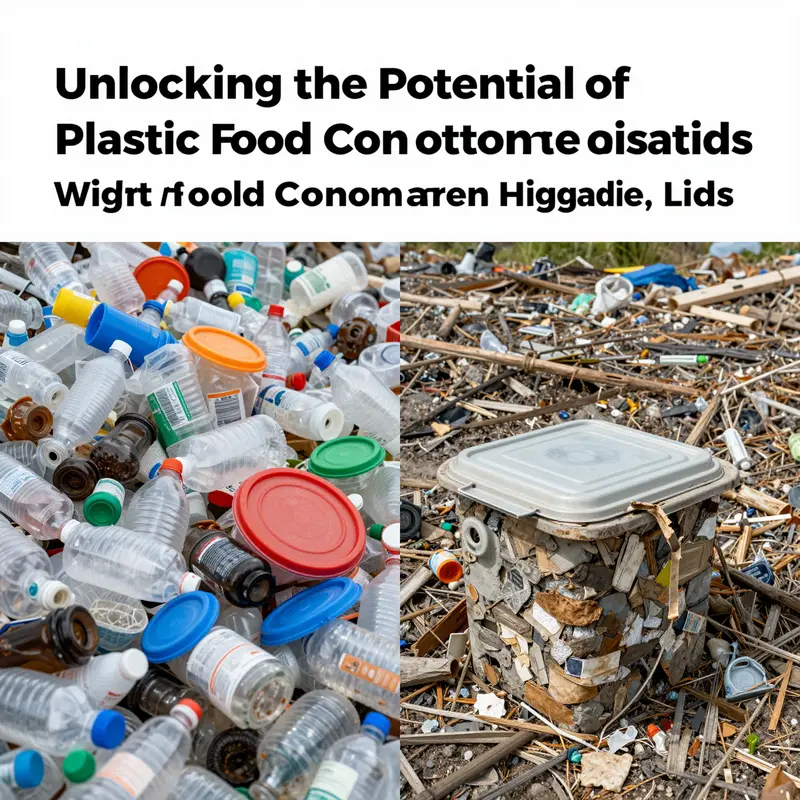
A hinged lid, permanently attached to a base, is more than a convenience feature. It is a design choice that shapes packaging behavior in kitchens, on shelves, and in the waste stream. The ease of use, the secure seal, and the visible, tamper-evident lid all contribute to faster service and clearer merchandising. Yet these attributes tie hinged lid plastics to environmental questions that must be weighed alongside performance. To understand the environmental footprint of these containers, we follow their life cycle from raw materials to end of life, and then consider how design, policy, and behavior can bend that footprint toward sustainability without sacrificing the benefits that make hinged lids so common.
The core material story begins with polymers derived from fossil fuels. Most hinged lid containers rely on PET or similar petroleum based plastics. The journey from crude oil to a clear, rigid container involves energy-intensive processes: extraction, polymerization, extrusion, molding, and quality controls that ensure the lid’s hinge remains flexible and durable through repeated use and reheating in some cases. Each stage consumes energy and releases greenhouse gases, contributing to the environmental cost of goods sold. This is not simply a matter of the product existing in a vacuum; it is a matter of how much energy is embedded in the container’s fabric, how efficiently that energy is produced, and how long the product remains in circulation before it is disposed of or recycled. The practical implication is that the same hinge that keeps food secure can also anchor the packaging in a system where fossil-fuel dependence matters.
End-of-life considerations reveal a web of challenges and possibilities. Hinged containers are often viewed as single-use or limited-reuse items in many settings. Even when reused, their value is contingent on the ability to recover materials at the end of their life. PET, though one of the most recyclable plastics, faces real-world roadblocks. Recycling rates are constrained by consumer behavior, contamination, and the complexities of sorting mixed materials. When a container is contaminated with food residues or plastic film packaging, the recycling stream can be compromised, forcing facilities to divert it to energy recovery or landfill rather than reprocessing. The result is a cascade of waste that undermines the environmental gains that recycling promises. The reliability of recycling systems, therefore, becomes as important as the chemistry of the plastic itself.
A more hopeful thread runs through the option of recycled PET (rPET). Using rPET reduces demand for virgin plastic and lowers the carbon emissions associated with production. The degree of environmental benefit, however, hinges on local infrastructure and the quality of sorting streams. If a region lacks robust collection and advanced separation, rPET cannot displace virgin resin to its full potential. In other words, the environmental advantage of rPET is not automatic; it requires a chain of effective post-consumer management, from households and businesses to curbside programs and material recovery facilities. This underscores a broader truth: packaging design cannot be divorced from waste management policy and community practices. The container’s life is inseparable from the systems that collect, sort, and process it after use.
Plastic pollution remains a persistent concern, particularly in marine environments where discarded or mismanaged containers can persist for centuries. The very features that make hinged-lid containers efficient—lightweight, durable, and easy to transport—also facilitate their spread when proper disposal pathways fail. Over time, plastics can fragment into microplastics, entering ecosystems and potentially the food chain. This reality presses policymakers, manufacturers, and consumers to rethink the lifecycle, not merely the logistics of disposal. It invites questions about how to close loops, reduce unnecessary material use, and balance the convenience of hinged lids with the responsibility to curb pollution.
In transportation, the lightweight nature of plastics offers a compensating benefit: less fuel per shipment than heavier alternatives. Yet this advantage can be overshadowed if end-of-life outcomes are poor. A container that travels miles to a landfill or a poorly functioning recycling facility ultimately contributes to environmental harm that outweighs savings from lighter packaging during transit. The net effect hinges on every mile traveled in the supply chain, and on the capacity of communities to recover and reintegrate post-consumer materials.
Across the industry, innovation is steering the conversation toward sustainability without sacrificing the integrity that hinged lids deliver. One trend is moving toward biodegradable or compostable alternatives for single-use contexts where the product’s disposal context supports such pathways. Another is the push for reusable designs that endure multiple cycles and are designed to facilitate cleaning and return to a closed-loop system. A further development is the pursuit of mono-material construction or disassembly-friendly hinges that make separation easier at end-of-life. These approaches aim to simplify recycling, reduce contamination, and extend the useful life of packaging without sacrificing the hygienic and tamper-evident functions that customers rely on.
The design philosophy behind hinges is turning increasingly toward end-of-life compatibility. Designers are exploring forced disassembly points, standardized closures, and hinge geometries that withstand microwaving in appropriate cases while still enabling easy separation for recycling where feasible. At the same time, there is a growing emphasis on material lifecycles—favoring resins that are energetically favorable to recycle and suppliers that can guarantee a transparent, verifiable chain of custody for plastics through recovery facilities. All of these moves reflect a broader shift: packaging must be evaluated not only by its performance in use but by its capacity to integrate into restorative, not just extractive, waste management systems.
Consumer behavior remains a critical determinant of environmental outcomes. The best-designed packaging can still underperform if users do not rinse, sort, or recycle properly. Small acts—rinsing containers to reduce contamination, familiarizing themselves with local recycling rules, and choosing reusable options when feasible—add up across communities. This is where education and accessible infrastructure intersect. If households and businesses know how to sort materials correctly and have convenient access to recycling or composting streams, the environmental footprint of hinged-lid containers can be reduced meaningfully. Conversely, if disposal pathways are opaque or scarce, the very advantages of such closures become overshadowed by waste that escapes capture.
To illustrate how packaging alternatives are shaping the broader landscape of sustainable choices, consider the related options that communities and businesses weigh alongside hinged-lid plastics. For readers exploring packaging developments, a related option is the disposable kraft paper bowl with a lid, which you can explore here: disposable-700ml-kraft-paper-bowl-take-out-octagonal-rectangle-paper-bowl. This kind of alternative invites a conversation about material compatibility, end-of-life pathways, and the infrastructure needed to support recycling or composting. It also prompts reflection on how design choices, from materials to closures, influence downstream waste management and environmental outcomes. It is not a verdict on one material versus another, but rather a reminder that every packaging choice sits inside a system. The strength of hinged-lid containers lies in operational efficiency, product protection, and consumer convenience. Their weakness lies in the complexity of end-of-life management and the variable maturity of recycling streams across regions.
The path forward, therefore, is not simply better plastics but smarter systems. Manufacturers can pursue mono-material strategies that ease processing in recycling facilities, while policymakers can align incentives with recycling infrastructure to ensure that the investment in better packaging yields tangible environmental dividends. In practice, this means promoting closed-loop or extended producer responsibility models, supporting municipal and private sector recycling upgrades, and providing clear, consistent guidance to consumers about how to dispose of or return packaging. It also means investing in composting where appropriate and encouraging reuse where feasible, especially in institutional settings with stable, predictable volumes of demand. Each step reduces life-cycle impacts and helps hinge the environmental conversation more firmly onto the path of responsible stewardship.
In sum, hinged-lid plastic food containers embody a complex balance of performance and responsibility. They solve real problems in food safety, transport efficiency, and service speed, yet their environmental imprint invites sustained attention to material choices, waste management, and consumer behavior. The story of these containers is less about a simple dichotomy of good versus bad plastics and more about building resilient systems that can absorb the benefits of such packaging while curbing its ecological costs. As innovations mature and markets evolve, the question becomes less about whether hinged-lid containers exist and more about how their lifecycle can be optimized—from cradle to cradle, with transparency, accountability, and tangible environmental gains guiding every design decision.
External resource: https://www.epa.gov/landfill
Sealed, Visible, and Growing: Navigating the Market Dynamics of Hinged-Lid Plastic Food Containers
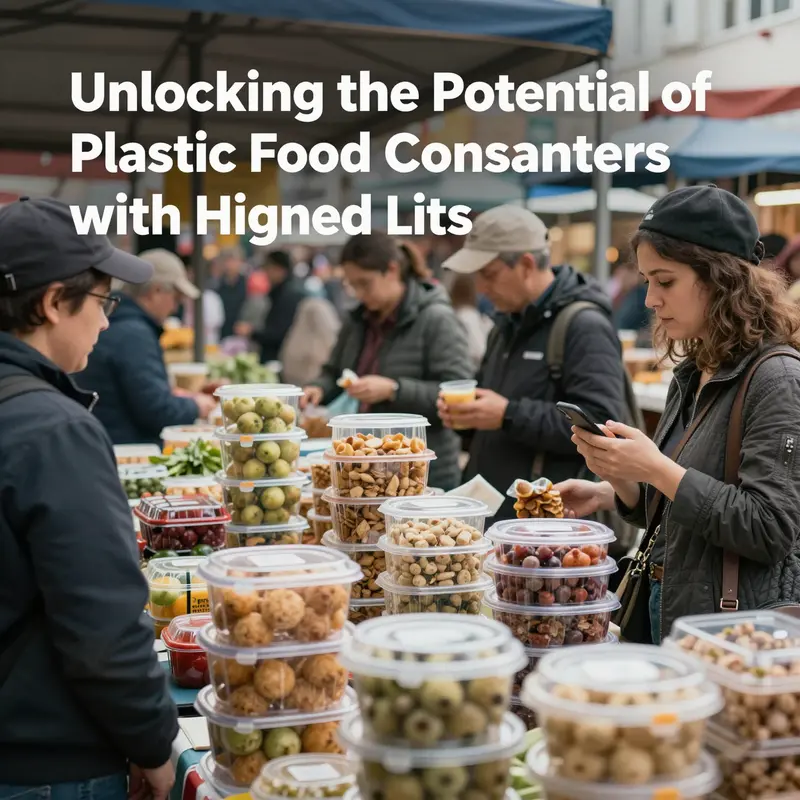
Hinged-lid plastic food containers have quietly become a defining feature of modern food packaging, marrying secure closure with everyday practicality. The lid remains attached by a flexible hinge, a detail that might seem cosmetic but is central to how these containers perform in fast-paced kitchens, retail displays, and consumer homes. The design—clear, durable, and easy to operate—addresses several core needs at once: tamper evidence, product visibility, and efficient handling. Tear strips, when included, provide an intuitive mechanism to signal product integrity, while the ability to open from the rear without disassembly minimizes the risk of accidental spills. In a retail environment, transparency is not merely about aesthetics; it is a practical advantage that speeds up decision-making for staff and shoppers alike, enabling quick content identification and reducing the number of touches required to verify freshness and portion size.
In China, the market for these hinged containers is not only robust but also indicative of broader shifts in global packaging demand. Forecasts point to a market size of RMB 51.4 billion by 2026, with an expected year-on-year growth of 8.7% in 2025. This trajectory is more than a numbers game; it signals a structural evolution in how consumers eat, how retailers package, and how producers conceive of modular, reusable, and recyclable packaging. The strength of this growth is rooted in a transformation of downstream applications. Emerging segments—such as home-portion ready meals, beauty sample sets, and pet medications—have collectively captured a rising share of procurement for transparent hinged containers. A figure of 23.6% in 2025, up from the previous year by a notable margin, underscores a shift toward packaging that can function across diverse use cases. This trend hints at a broader consumer lifestyle shift toward convenient, portion-controlled meals and products that are easily visible on a shelf or in a home pantry.
A telling signal of market vitality is the production landscape itself. The sector has achieved a stable, high-utilization regime, with major manufacturers reporting capacity utilization around 89.2%. Such figures suggest not only healthy demand but also a market that is efficiently aligned with current capacity, reducing the risk of overhang and enabling continued investment in new tooling, materials, and process innovations. In practice, this means that manufacturers can justify upgrades that improve barrier properties, stacking stability, and compatibility with quick-service operations, while still maintaining competitive unit costs. The result is a packaging ecosystem that can scale with demand, support more sophisticated product configurations, and stay responsive to changing consumer patterns without sacrificing performance at the point of sale.
Technological upgrades in materials and design are central to this evolution. The most visible advantages come from improved clarity and moisture resistance, particularly with PET-based hinged containers that offer superior visibility and a strong moisture barrier. This makes them well-suited for ready-to-eat meals, deli items, seafood, and saucy dishes where appearance and integrity matter. In many cases, these containers are microwave-safe, a feature that aligns with consumer expectations for reheating convenience without compromising the container’s structure. Yet performance is inseparable from sustainability considerations. The environmental footprint of plastic packaging remains a critical concern. While recyclability is possible in many regions, real-world recycling rates vary, and challenges such as microplastic shedding and the overall carbon cost of production persist. The balance between performance and environmental responsibility is a central theme driving research and development in this space.
Against this backdrop, the industry is pursuing meaningful sustainability-oriented innovations. Some manufacturers are exploring biodegradable or compostable formulations for single-use applications, aiming to reduce end-of-life impact while preserving the functional benefits of hinged lids, such as tamper evidence and reusability over multiple uses. Importantly, the design itself—such as the integration of the hinge with the lid and the elimination of separate bands or labels for tamper evidence—can reduce material usage and streamline packaging operations. Fewer components translate to lower production costs and less waste, a combination that resonates with retailers seeking efficiency and consumers who value simplicity and cleanliness in their packaging. These advances are not merely incremental; they reflect a shift in how packaging systems can be designed to work as a whole, from manufacturing through to consumer handling and disposal.
Consumer behavior remains a powerful driver of demand. A growing emphasis on convenience, durability, and visual appeal pushes the hinged-lid format into a wide array of contexts beyond traditional takeout or deli applications. Shops and foodservice operators prize containers that can be stacked securely, display contents clearly, and retain integrity during transport and handling. The ability to see the product through clear walls supports merchandising strategies, allowing items to compete on appearance and freshness at a glance. Ease of use—glove-friendly lids, reliable seals, and a predictable opening action—also matters as consumers increasingly handle multiple items in quick succession, from grab-and-go meals to supermarket assortments that require rapid identification and retrieval.
The implications extend beyond consumer aesthetics. For retailers, the transparency and reliable sealing of hinged containers simplify inventory management and merchandising. Staff can quickly confirm portion sizes and product variety without removing lids, while the sturdy closed environment helps prevent leakage and spoilage during shelf-stocking and cart transport. In sectors such as catering, grocery, and industrial storage, these containers contribute to operational efficiency by reducing handling steps and improving waste control. The adoption of tamper-evident features reinforces safety and trust, essential in today’s regulatory climate and competitive markets.
Market dynamics also reflect a concerted effort to harmonize performance with safety and regulatory expectations. The tamper-evident hinge is not merely a convenience feature; it is a regulatory signal that manufacturers align with consumer protection norms. As food safety standards become more stringent in many jurisdictions, packaging designers must ensure that seals, margins, and device interfaces do not compromise product safety. This means more precise molding tolerances, better material compatibility with food products, and thoughtful consideration of how lids interact with containers during sanitation cycles in food service environments. In practice, this pushes the industry toward more sophisticated manufacturing processes and higher consistency across batches, which in turn supports brand integrity and consumer confidence.
Looking ahead, the China-focused market narrative offers a lens on how global packaging supply chains may evolve. The projected growth and the evolving mix of downstream applications suggest that hinged-lid containers will continue to gain traction as a versatile solution across sectors. This trajectory dovetails with broader packaging trends, including increases in efficiency, transparency, and recyclability, as well as a persistent push to reduce overall material use without compromising performance. The broader plastic packaging ecosystem—where products like bottle caps and related closures also exhibit steady growth—provides a context in which hinged-lid containers can diversify and expand their role in packaging architectures. While numbers provide a directional map, the story is ultimately about how end-users value reliability, visibility, and ease of use in daily routines and commercial operations.
For readers seeking a deeper, data-driven examination, the detailed market analysis highlights the nuanced shifts in demand and competition within this space. It underscores how emerging applications—ranging from home meal portions to specialized consumer goods packaging—are reshaping procurement patterns and catalyzing investments in production capacity and process innovation. This pattern of steady, disciplined growth, underpinned by capacity utilization and the gradual diversification of use cases, suggests that hinged-lid plastic containers will remain a core element of the packaging toolkit for food service and retail, even as sustainability considerations continue to influence material choices and end-of-life strategies. As manufacturers experiment with new resins, barrier layers, and design optimizations, the balance between performance, cost, and environmental impact will continue to guide product development and market acceptance.
External resource: for a broader strategic perspective on the market dynamics in this category, see China Transparent Hinged Container Market Analysis. https://www.baiyanzhi.com/report/2026-china-transparent-hinged-container-market-share-and-competition-analysis.html
Lidded Reliability: The Impact of Hinged-Lid Plastic Food Containers Across Industries
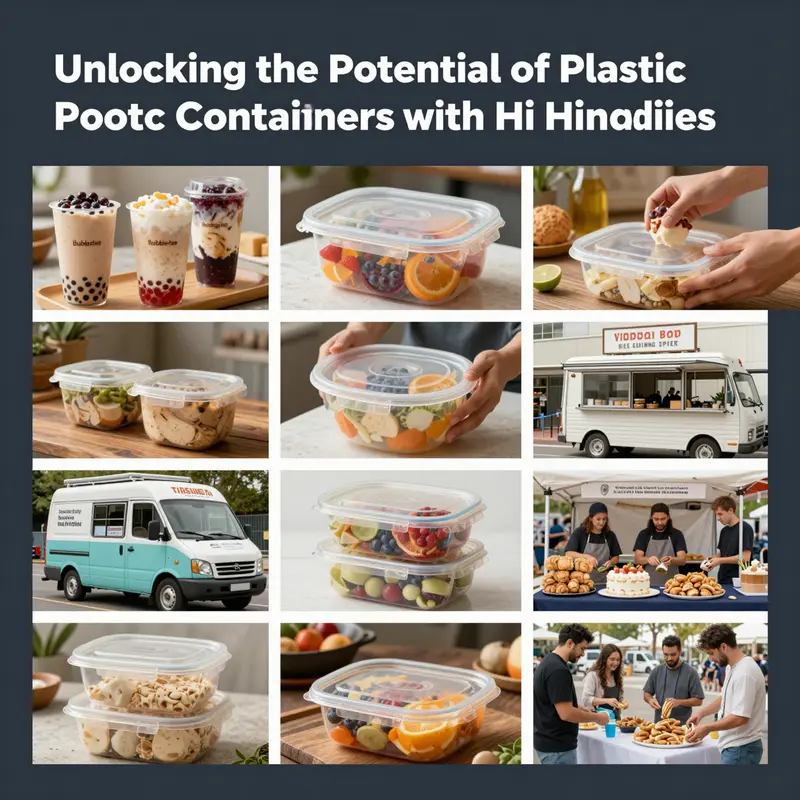
The hinged-lid plastic food container emerges from a simple premise with far-reaching consequences: a lid permanently attached to the base, ready to open and seal without ever being misplaced. In fast-paced service environments and busy supply chains, that integration reduces handling steps, cuts the risk of lost components, and speeds up workflow. The lid remains with the container, a small design decision that changes the rhythm of how food is stored, transported, and presented. This is not merely about convenience; it is about safeguarding product integrity from the point of packing to the moment a customer decides to lift the lid for a first look. The hinged connection also supports a range of tamper-evident features. Some designs incorporate a tear strip that, once broken, signals that the seal has been compromised. Others rely on rear-opening latches that preserve the visual integrity of the contents while making it easy for staff to access the item during service. The result is a packaging solution that balances security with practicality, a balance that matters when minutes and margins matter just as much as freshness and safety.
Clarity and visibility are another core advantage of many hinged-lid containers. Clear walls, particularly in PET-based constructions, let staff and customers see what lies inside without removing the lid. This transparency supports merchandising and quick quality checks in retail spaces, while also helping kitchen teams confirm portioning in food service. The ability to inspect contents at a glance reduces unnecessary handling and lighting of the contents, which can help minimize temperature fluctuations and moisture exposure during turns on the shelf or in a delivery tote. The design also emphasizes stability through thoughtful geometry. Flat bottoms promote stacking efficiency on shelves and in transport, while top indentations can improve stability in bags and on crowded kitchen benches. The hinge itself is engineered for repetitive use; it must flex thousands of times without fatigue, which is essential for containers intended for both single-use takeout and longer-term storage in kitchens and pantries.
Material choices underwrite these functional benefits. PET offers high clarity, excellent moisture resistance, and good barrier properties that help preserve freshness in ready-to-eat meals, salads, seafood, and saucy dishes. HDPE and certain EPS variants provide enhanced impact resistance and heat tolerance, widening the range of applications from cold salads to hot entrees. However, every material brings trade-offs. PET provides visibility and rigidity but can be less forgiving in some recycling streams, while foam- or polystyrene-based options may offer lightweight insulation but face greater environmental scrutiny. In parallel with performance, manufacturers weigh microwave compatibility, leak resistance, and chemical stability under a range of temperatures. The capacity to reheat or keep foods warm without compromising the structure of the container is a practical advantage for consumers relying on takeout or meal-prep routines. These considerations highlight a recurring tension in the industry: the drive for strong, reliable performance must be harmonized with evolving waste and sustainability expectations.
The real-world applications of hinged-lid containers span several domains. In the food service sector, delis, casual eateries, and caterers increasingly rely on these containers for takeout meals, sandwiches, salads, and desserts. The lid’s secure fit minimizes spills during transit, a crucial feature for items that travel in backpacks, bags, or car trunks. In retail settings, pre-packaged fruits, vegetables, ready-to-eat meals, and snacks benefit from the hygienic seal and the ability to display contents clearly to shoppers. The consumer’s ability to quickly verify freshness or portion size can influence purchase decisions, especially in high-traffic aisles. The rise of e-commerce and online food delivery has amplified the demand for durable, leak-proof, and stackable packaging that can withstand repeated handling and long transit times. Containers with robust hinges, secure seals, and compatible interiors help ensure that items arrive in sellable condition, preserving both quality and brand integrity even when orders are routed through multiple touchpoints.
Bakery and confectionery operations also turn to hinged-lid designs to protect delicate items while maintaining an appealing display. Cakes, pastries, cupcakes, and other dessert items are kept secure from jostling and contamination, yet accessible for impulse purchases. For personal and event settings—such as parties, picnics, or school lunches—the portability and aesthetic appeal of hinged-lid containers contribute to a convenient, user-friendly experience. In the health and wellness arena, these containers support portion control and meal-prep routines. Individuals can segment balanced meals into clearly defined portions, store them neatly in the fridge, and grab a ready-to-go box on busy days. Across these contexts, the common thread is a packaging architecture that delivers reliability, visibility, and ease of use without sacrificing safety or cleanliness.
Design and material science continue to push the envelope in this space. Innovations focus on achieving greater recyclability and lower environmental impact without compromising performance. Some manufacturers experiment with biodegradable or compostable materials that can shield contents while aligning with circular economy goals, and others optimize the use of recycled content to reduce virgin plastic demand. The built-in efficiency of hinged-lid systems also contributes to waste reduction. By eliminating the need for shrink bands, wrap labels, or separate lids, these containers reduce material usage and streamline packaging operations. In practice, this means fewer components, simpler assembly lines, and lower packaging costs for providers who serve high-volume outlets where every gram matters. Still, sustainability conversations must address lifecycle impacts, including the energy expended in production and the challenges of end-of-life processing, which vary by polymer type and regional recycling infrastructure.
The market dynamics surrounding hinged-lid containers reflect a broader push toward packaging that can balance performance with responsibility. In some markets, regulatory and consumer pressures drive demand for clearer labeling about material composition and recyclability. In others, convenience and cost remain dominant, particularly where last-mile delivery and quick-turnaround formats prevail. The resulting landscape favors modular designs and adaptable processing—containers that can be translated across cold and hot applications, that stack reliably on shelves, that resist leaks, and that can be integrated into existing recycling streams. This alignment between product design and process practicality helps explain the ubiquity of hinged-lid solutions across service, retail, and industrial settings. It is not merely a matter of choosing a lid that travels well; it is about choosing a system that keeps contents secure, visible, and ready for use, while reducing waste and safeguarding the consumer experience.
The interconnectedness of material properties, design details, and use cases becomes especially evident when we consider how a single container might flow through a supply chain. A typical cycle begins with portion control and packaging for a ready-to-eat product in a busy kitchen. The hinged lid keeps the portion intact and provides an easy interface for staff and customers. As the box moves toward retail shelves or delivery totes, the clear walls enable quick inspection by staff and shoppers, supporting trust and reducing the need to handle the product excessively. In transit, leak resistance and stacking stability minimize damage risk, while heat and moisture management help preserve texture and flavor. At the consumer level, a reliable lid and clear presentation contribute to the perceived value and the likelihood of repetition purchases. The cumulative effect is a packaging solution that supports speed, safety, and satisfaction across the entire lifecycle of a product.
For readers exploring related packaging categories, consider this example of a lid-equipped disposable container in a different material family: disposable kraft paper bowl with PET lid. While not plastic in the rigid sense, the concept of an integrated lid demonstrates how the idea of a secure, visible, and portable unit translates across materials and formats. It underscores a broader principle: the value of a lid is measured not just by its seal, but by its contribution to handling efficiency, product integrity, and overall consumer experience. In a market that increasingly values performance alongside sustainability, hinged-lid plastic containers still offer a compelling mix of clarity, reliability, and cost-effectiveness when thoughtfully designed and responsibly managed throughout their life cycle.
External resource for further market context and trends can be found in a comprehensive industry analysis. See Grand View Research for an in-depth look at the plastic food containers market, including volume trends, material choices, and regulatory considerations that influence hinged-lid designs across sectors. https://www.grandviewresearch.com/industry-analysis/plastic-food-containers-market
Final thoughts
As the food service industry continues to evolve, plastic food containers with hinged lids play a crucial role in packaging solutions that prioritize convenience, visibility, and sustainability. With ongoing innovations in material science and design, businesses can meet consumer expectations while reducing environmental impact. Embracing these advancements not only enhances service but also aligns with broader sustainability goals, making it essential for food businesses to consider their packaging choices carefully.