
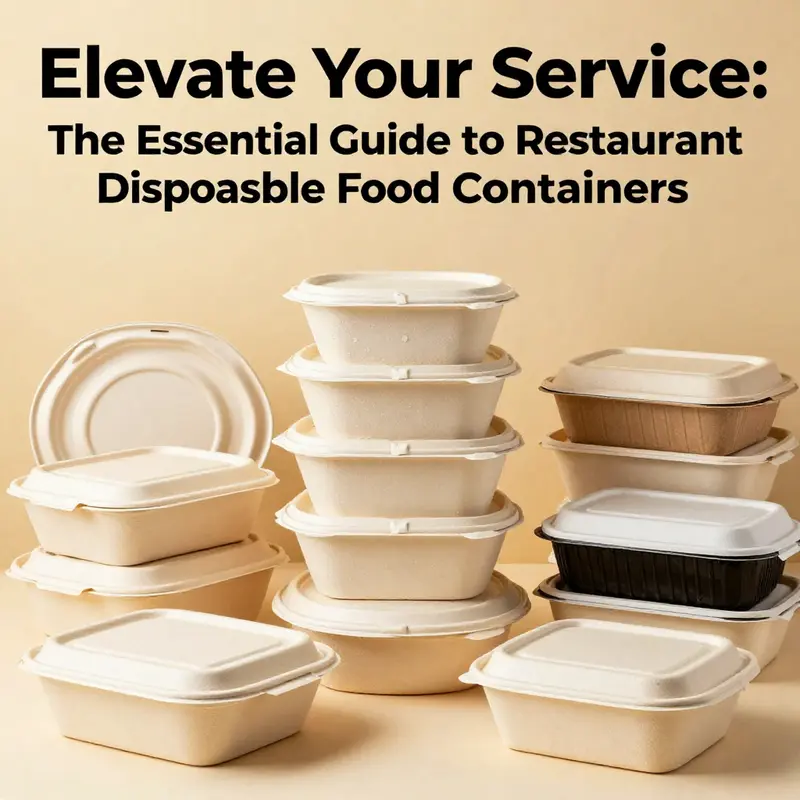
In today’s dynamic food service landscape, disposable food containers play a crucial role in operational efficiency and customer satisfaction. From bubble tea shops to catering services, the choices in packaging materials and designs significantly impact food presentation, temperature control, and sustainability. As the demand for eco-friendly options grows, understanding the various materials, their environmental impacts, and trends in the market becomes essential. This article delves into the exciting innovations in container materials, examines the ethical responsibilities surrounding their production and disposal, explores current market trends influencing supply and demand, and highlights key design considerations for optimal packaging solutions. Together, these insights will equip businesses to make informed decisions that enhance service delivery while aligning with eco-conscious practices.
From Foam to Fiber: Innovations Redefining Restaurant Disposables
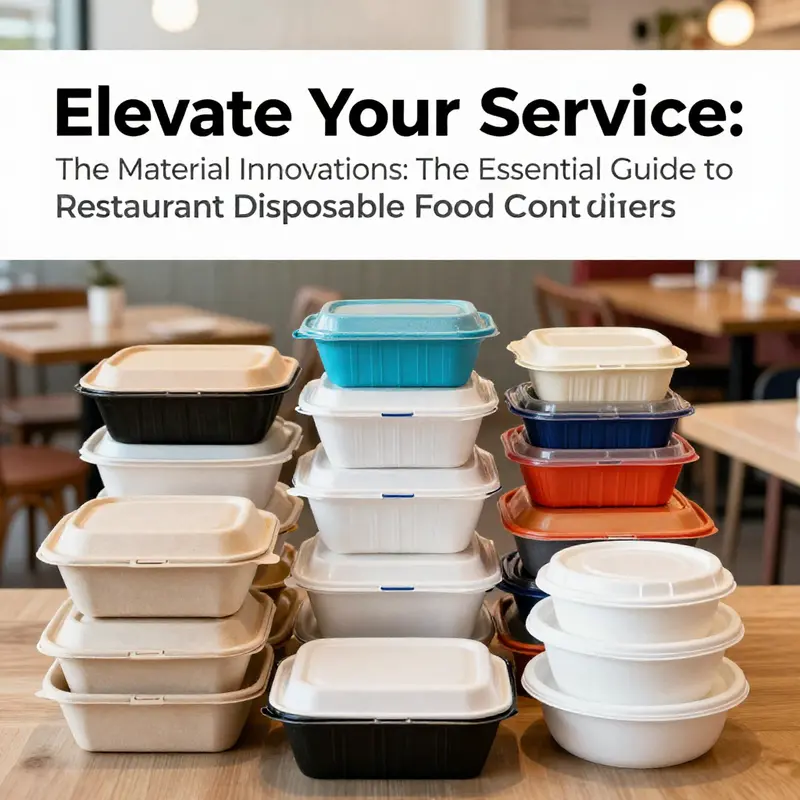
The materials story in restaurant disposables is shifting from cheap, throwaway plastics to fiber-based and bio-based designs that aim to match performance while improving end-of-life outcomes. This transition is not just about materials; it is about supply chains, branding, and how a container travels from kitchen to customer and back through waste streams. Multi-layer constructions and plant-based insulations are enabling better heat retention and moisture control without relying solely on petroleum-based foams.
Key trends include plant-derived insulation such as cellulose, bamboo fiber, and bagasse; stronger, resealable lids; and designs optimized for industrial composting or robust recycling. These options seek parity with legacy plastics on cost and usability while offering clearer pathways to disposal. Manufacturers are also emphasizing safer formulations and better labeling to reduce confusion at the point of disposal.
For operators, the shift requires a system view: align menu needs with packaging capabilities, ensure reliable supply, and plan for waste streams. A mixed approach—premium fiber-based boxes for events and economical fiber or molded options for everyday takeout—can balance cost, performance, and sustainability goals. Training staff and communicating disposal expectations to customers further enhance outcomes.
End-of-life considerations remain central. Not all compostable materials break down in home facilities, so clear certifications, partnering with waste services, and consumer education are essential. The outcome is a packaging ecosystem that protects food, reinforces a sustainability story, and supports responsible business practices.
Beyond Convenience: Mapping the Environmental Footprint of Restaurant Disposable Containers
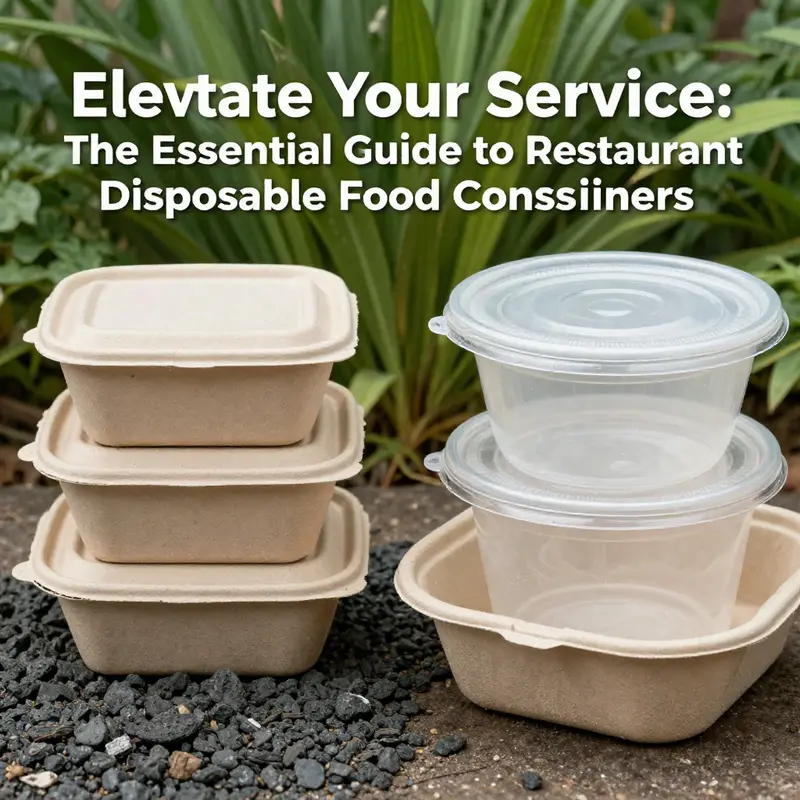
The modern restaurant ecosystem relies on disposable food containers as a backbone of efficiency. They enable rapid service, hygienic handling, and predictable logistics—from dine in leftovers to take out meals and large events. Yet beneath the surface of convenience lies an environmental story that shifts with material mix, local waste streams, and evolving rules that govern what can be recycled, composted, or discarded. To understand the environmental footprint of disposable containers, one must recognize a landscape where no material is universally green. Each choice, whether PP, HDPE, EPS, glass, or plant based composites, carries trade offs that unfold across a product life cycle: from raw material extraction and manufacturing energy to transport, usage, and end of life processing. In practice, sustainability is a moving target shaped by technology, policy, consumer behavior, and regional infrastructure as much as by the container properties themselves.
Among the most widely used options, polypropylene PP containers bring heat resistance and structural integrity to many hot foods, while offering durability for busy kitchens and the logistical demands of delivery. But when assessed across multiple environmental impact categories, PP can perform poorly in several domains. A large body of life cycle research indicates PP containers can contribute to global warming potential and fossil energy depletion, and recyclability is often limited in practice. This means that in many places a sizeable portion of PP packaging ends up in landfills or in aquatic environments. The practical implication for operators is not just a choice about heat resistance but about how to minimize end of life disposal within the local waste system. The correlations remind us that performance in one dimension does not guarantee a smaller footprint when the waste management context is unfavorable.
High density polyethylene HDPE containers offer a different profile. They are lightweight, resistant to impact, and cost competitive, which makes them attractive for a broad range of takeaway operations. Yet HDPE is not a perfect environmental solution. Across lifecycle studies questions persist about chemical leaching in non BPA free variants and the material s compatibility with high heat applications in lower quality forms. While HDPE may reduce material use in some scenarios, its end of life pathway often mirrors that of other single use plastics: recycling rates are uneven, and the energy and emissions embedded in processing can be substantial. For restaurants, the lesson is that lightness and low initial cost do not automatically translate into a lower overall environmental burden once disposal realities are factored in, particularly in regions where recycling or collection systems are fragmented or under resourced.
EPS, commonly known as Styrofoam, remains a controversial option. It provides remarkable insulation and a low unit weight, which can be beneficial for hot or cold foods that require temperature stability during transit. However, EPS is widely criticized for its environmental persistence and poor biodegradability. Even where recycling programs exist, EPS fragments can be difficult to collect and process, raising questions about true end of life outcomes. In many markets, EPS is being restricted or phased out, reflecting a broader shift toward more sustainable alternatives. For operators, this trend translates into a need to balance thermal performance with the long term risk of regulatory change and public perception, which increasingly favor reduced reliance on plastics that resist recycling and degrade slowly in the environment.
Tempered glass with appropriate lids presents an appealing counterpoint to plastic options. Glass is non porous, resistant to odors and stains, and highly durable when used repeatedly. It is also compatible with microwaves, ovens, and freezers, which makes it an attractive choice for meal prepping and long term storage in consumer households and professional kitchens alike. The environmental benefits of glass come from its potential for repeated reuse and its inert end of life behavior, which keeps material cycles intact without releasing microplastics. Yet glass carries its own drawbacks: added weight, higher upfront costs, and challenges in high volume takeout operations where breakage risk or break even in reuse cycles can complicate logistics. In practice, glass may excel in settings that emphasize longer reuse cycles, structured return schemes, or in store consumption models, while being less practical for high turnover delivery centric operations.
The rise of plant based and compostable alternatives adds another layer of complexity. Containers made from polylactic acid PLA or sugarcane fiber, for instance, are marketed as compostable and more environmentally friendly in the right industrial facilities. These options can reduce plastic waste in facilities equipped for industrial composting, but they are not universally greener. The energy and water use associated with creating bio based materials, and the sometimes limited availability of industrial composting infrastructure, can undermine perceived benefits. Compostability hinges on the local waste management ecosystem: if facilities to process compostable plastics are unavailable or overtaxed, these materials may end up in landfills with limited degradation advantages. For restaurateurs, this means that choosing a compostable option is not merely a material decision but a systems decision, contingent on whether the communitys composting capacity can actually close the loop.
The environmental conversation around takeaway packaging also has to reckon with the broader policy landscape. In many jurisdictions, single use plastics are facing regulatory pressure bans, taxes, or mandated recycling content that pushes operators toward alternative materials or different packaging strategies. The economics of container choice are increasingly tied to these policies, as well as to evolving consumer expectations. Increasingly, customers seek packaging that aligns with sustainable values, and restaurateurs respond by communicating transparency about material choices, disposal options, and the lifecycle implications of those choices. In some cases, this means adopting designs that improve recyclability, such as containers manufactured to fit existing recycling streams, or opting for materials that can be more easily separated from lids and labeling during processing. It also means being mindful of the end of life realities of each option and avoiding greenwashing by overemphasizing a single environmentally beneficial trait without acknowledging trade offs elsewhere.
A rigorous environmental assessment of takeaway containers requires looking beyond a single metric. A container may perform well in isolation, offering heat retention and structural strength, yet still contribute disproportionately to waste streams if recycling rates are low or if the material resists processing in local facilities. A holistic approach considers energy use, greenhouse gas emissions, resource depletion, water use, land use, and ecological toxicity, integrating these dimensions to reveal where a material excels and where it falls short. In practice, this informs operational strategies: choosing materials with higher recyclability in places with robust recovery systems; embracing reusable options for models that support customer returns or in store use; and educating staff and customers about proper disposal to maximize end of life potential.
One of the deeper questions emerging from this evidence concerns the balance between immediate operational needs and long term environmental outcomes. For many operators, the priority is protecting food quality and safety, ensuring reliable performance during transport, and maintaining cost discipline. Yet the environmental consequences of those decisions cannot be abstracted away. The optimal choice for a given restaurant depends on local waste infrastructure, the scale of operation, and consumer behavior around disposal. In high volume, quick turnaround settings, lightweight plastics with predictable performance are tempting, but if the local system cannot effectively collect and recycle those plastics, the environmental advantages may be small or even negative. Conversely, in contexts where widespread reuse and recycling networks are established, plastic containers that are designed for high recyclability can offer a relatively lower footprint. If complemented by robust take back programs or community education that incentivizes proper disposal, even materials with higher upfront environmental costs can yield meaningful reductions in overall impact.
In addition to material selection, thoughtful design plays a critical role in reducing waste. Standardizing container sizes to fit common meals, minimizing the number of different materials used per package, and simplifying labeling and lids to improve recycling or composting efficiency can all contribute to lower environmental burdens. Innovations in lid design that reduce material use without compromising safety are another area of potential impact. When these design choices align with the capabilities of local waste systems, they translate into more effective resource recovery and less landfill burden. The result is a chain of decisions that extends from the kitchen ordering system to the community waste processing plants, and back to the restaurants ongoing sustainability goals.
Ultimately, the environmental accounting of restaurant disposable containers is a study in system interdependence. The material science behind each option must be balanced against the pragmatics of waste management, the dynamics of consumer participation, and the policy environment that shapes what the system rewards or discourages. The insights from lifecycle analyses remind us that there is no one size fits all answer. The most sustainable path for a given operation often involves a portfolio approach: selecting materials that maximize recyclability where infrastructure exists, investing in reusables for situations that justify their return and reuse, and deploying compostables only when industrial facilities and community programs can meaningfully process them. In translating these ideas into practice, restaurants can contribute to a larger shift in how packaging is conceived, from a disposable afterthought to a connected piece of a circular economy.
To close the loop on this chapter without losing sight of the practicalities, consider the following guiding principle: every container decision should be evaluated against local waste realities, rather than against isolated theoretical benefits. This means analyzing regional recycling rates, the presence and reliability of composting facilities, the container s compatibility with sorting systems, and customers disposal behavior. It also means recognizing that consumer demand for sustainable packaging must be met with honest, transparent communication about what happens to a container after use. If a restaurant can clearly articulate whether its packaging is chosen for recyclability, compostability, or reusability—and can demonstrate real outcomes in those areas—it anchors sustainability not in aspiration but in demonstrable change. In that sense, the environmental footprint of disposable restaurant containers becomes not only a measure of material performance, but a gauge of a community s readiness to re envision how meals travel from kitchen to table, and how waste travels from table to recovery stream.
For readers seeking a more technical, evidence based exploration of these trade offs, see the primary research discussing environmental impacts of takeaway food containers. It offers a rigorous, lifecycle minded perspective on how each material behaves across categories such as climate impact, resource depletion, and end of life scenarios: https://www.sciencedirect.com/science/article/pii/S0956053X18304174
Market Currents Shaping Restaurant Disposable Packaging: Trends, Costs, and Sustainability
Disposables for food packaging have emerged not simply as convenience items but as an arena where operational realities and customer expectations collide and converge. In fast-moving urban markets, where takeout, delivery, and catering are daily routines, the packaging choice can influence speed, safety, and satisfaction as much as the food itself. Market analysts describe a steady expansion in the global food and beverage container category, driven by demand for quick-service efficiency, hygienic handling, and reliable transport. The latest projections place the sector on a compound annual growth rate of about 5.2% through 2030. Within this landscape, plastic containers hold a commanding share, roughly 43%, due to their durability, light weight, and versatility across hot, cold, and mixed meals. Yet this dominance sits beside a tension between performance and responsibility, a tension that pushes many operators to rethink what their takeaway boxes say about their brand and their footprint.
Environmental concerns and regulatory shifts are sharpening consumer expectations and corporate strategies. Paper-based materials and biodegradable alternatives are moving from novelty to standard. The appeal is not just eco-appeal; it is about end-of-life options, compostability, and the ability to demonstrate responsibility to dine-in customers and event clients who care about sustainability. Regulators in multiple jurisdictions are tightening rules on single-use plastics, raising the cost and complexity of compliance while leveling the playing field for brands that invest early in greener packaging. The result is a market in which suppliers increasingly emphasize recyclability, compostability, and renewables without sacrificing performance. This transition is not merely a trend; it is shaping procurement decisions, product development roadmaps, and the way a kitchen calculates its carbon footprint alongside its bottom line.
Economic forces color every choice in this sector. While plastic containers remain the most economical in many situations, rising costs for resins, additives, and packaging-grade polymers—driven by global supply dynamics and oil price volatility—reshape budgeting for restaurants and distributors. Price sensitivity remains a core determinant of supplier selection, but the calculus now blends environmental costs and brand equity. For large buyers, volume discounts are substantial. Bulk orders can be priced in the low dollars per unit, and in some cases the cost per set dips toward a fraction of a dollar when volumes cross the multi-million threshold. This gives large commissaries and chain affiliates an edge in procurement, enabling them to standardize packaging across markets and reduce variance in quality and temperature performance. The challenge for smaller operators is not just sticker price but the total cost of ownership—including waste disposal, potential returns, and customer perception of sustainability, which can translate into loyalty and repeat business.
The regulatory landscape feeds directly into the economics, because compliance costs come with documentation, labeling, and sometimes segregated waste streams. When restrictions tighten, the cost of switching to compliant alternative materials can be offset by rebates or incentives in some regions, plus savings from reduced waste, improved shelf life, and enhanced consumer trust. The push toward compostable and recyclable options is reinforced by public campaigns and corporate responsibility narratives that resonate with a growing base of environmentally minded customers. This alignment means that product development is no longer about a single attribute—price or heat resistance—but about a balance among several priorities: thermal performance, barrier protection, portability, consumer convenience, and end-of-life options. In this sense, the container becomes an instrument of brand story as much as a practical tool for transit. The ongoing dialogue among policymakers, manufacturers, and food operators is gradually recalibrating what is feasible and affordable in mass-market packaging.
At the design level, functionality and aesthetics are converging. Many operators favor containers that can endure the journey from kitchen to car, to office, or to a catered event without leaking, losing heat, or compromising food integrity. Compartmentalized designs, notably seen in lunch box formats, help keep flavors and textures distinct and reduce the need for separate side containers. The appeal of well-designed, flat, lidded boxes lies in their efficiency for stacking, transport, and branding, while their technical standards ensure structural integrity and safety during transit and storage. In parallel, there is renewed interest in format flexibility: containers that can be used for multiple menu categories—rice bowls, salads, noodles, and savory desserts—without compromising performance. These considerations matter not only for operators seeking consistency but also for the guest experience, where the packaging can reinforce the perceived care that a restaurant puts into its meals. For eco-conscious buyers, the evolution toward paper-based alternatives and compostable polymers reinforces a narrative of stewardship that can translate into premium pricing or increased customer regard, depending on execution and communication.
From a materials perspective, the choice of polymer or fiber affects thermal retention, moisture control, and barrier properties, all of which shape mouthfeel, texture, and safety. Polypropylene containers, for example, offer robust heat resistance and chemical stability, making them well suited to hot foods like grains and fried items. Their durability under repeated handling supports high-volume operations and rapid service. Yet the industry is also exploring plant-based fibers and biodegradable composites that promise to reduce environmental impact while delivering acceptable performance for short-to-medium duration usage. The balance is delicate: while biodegradable options may yield favorable end-of-life outcomes, some consumer expectations around insulation and heat retention require careful material engineering. In practice, operators weigh the trade-offs among weight, cost, structural stiffness, and the ability to hold a meal at a safe temperature during the post-purchase phase, whether the customer is mid-commute or preparing for a long conference break. Temperature stability is not merely about hot or cold; it is about preserving the culinary quality that customers associate with a brand, even as the packaging contributes less waste to landfills.
Beyond materials, the market rewards suppliers who can blend customization with reliability. A cookie-cutter approach rarely satisfies restaurants that want their identity reflected in packaging—from logos and colors to shape profiles that align with specific cuisines or service formats. OEM arrangements often include options for logo placement, color matching, and size variations, enabling a brand to stand out on a crowded shelf or in a delivery bag. Lead times for molded designs, prototypes, and full production are typically modest, often around one to two weeks after samples are approved, with durable aluminum tooling supporting longer-term use. The promise of rapid customization is balanced by the cost of design validation and the need to ensure consistent performance across batches. For businesses planning a nationwide rollout, this translates into a predictable production calendar, but for smaller operators, it means thoughtful timing and supplier relationships that can buffer against supply disruptions.
Procurement strategy is increasingly a core facet of universal operations in hospitality. Smart buyers segment by food type, expected temperature range, and the end-of-life plan, recognizing that the perfect container for a chili-strewn burrito is not the same as the ideal box for a delicate sushi roll. The cost calculus now includes waste disposal and recycling readiness, as well as the potential for branding to drive loyalty. In practical terms, procurements teams chase a balance between upfront unit price and long-run cost of ownership—how well the container preserves heat, prevents leaks, and reduces the need for extra protective packaging in the bag or delivery box. For those wrestling with tight margins, volume discounts, supplier reliability, and supply chain resilience become core criteria. Even small adjustments in capex—such as choosing a lid with a tighter seal or a more rigid base—can ripple through to customer satisfaction and operational efficiency. For teams evaluating eco-friendly options, testing a sample batch in advance, while tracking performance in real-world conditions, can prevent misalignment between product claims and on-site results.
Operational choices increasingly intersect with branding and sustainability narratives. A practical approach is to identify target food categories and service formats, then work backward to identify packaging that matches those needs while aligning with a broader environmental strategy. For a restaurant prioritizing light, portable meals with fresh ingredients, a kraft-based or recyclable paper container with a snug lid offers compostable potential and a lower overall footprint than some mixed-material designs. For hot dishes, venues may lean toward heat-resistant plastics or molded fiber options that can maintain moisture and temperature without transferring heat to hands or contents. Importantly, operators should assess end-of-life infrastructure—whether a local composting program exists or whether recycling streams are readily accessible—to ensure the chosen solution truly reduces environmental impact. In practice, this means collaborating with packaging suppliers to validate performance under real-world conditions and documenting the container’s environmental credentials in menu descriptions and sustainability reports. The end result is a packaging decision that enhances efficiency, protects quality, reinforces brand values, and supports responsible consumption.
Looking ahead, the container market will continue to be shaped by a triad of demand, design, and duty. Demand for convenient, hygienic packaging will persist as urban eating patterns evolve and delivery ecosystems mature. Design will push toward smarter, more modular formats that simplify compliance and reduce waste, while duty—embodied in policy, corporate responsibility, and consumer expectation—will accelerate the shift to sustainable materials and circular economies. Operators who align procurement, operations, and branding around a coherent sustainability narrative will likely see not only cost efficiencies but stronger customer loyalty in crowded markets. The narrative of packaging is no longer a separate chapter from the menu; it is a material part of service quality, brand integrity, and the social license to operate in a world increasingly wary of disposable waste. For readers seeking more data on market projections and strategic planning, a broader outlook is available in industry analyses that discuss long-term trends in disposable containers.
For eco-conscious operators exploring kraft-based options and other sustainable formats, see a representative example of a kraft take-out bowl at disposable-700ml kraft paper bowl take-out octagonal rectangle paper bowl. This type of container illustrates how design, material choice, and branding can align with a restaurant’s environmental goals while meeting practical requirements for heat retention and portability. As the market evolves, the integration of end-of-life considerations, supplier collaboration, and consumer education will continue to drive choice. External market context and projections—broadly referenced in industry analyses—offer additional perspectives on the pace of adoption and the financial implications of different packaging strategies: https://www.linkedin.com/pulse/disposable-food-containers-market-outlook-20262033-james-lee-7t9zq/
Designing for Performance, Safety, and Sustainability in Disposable Restaurant Packaging
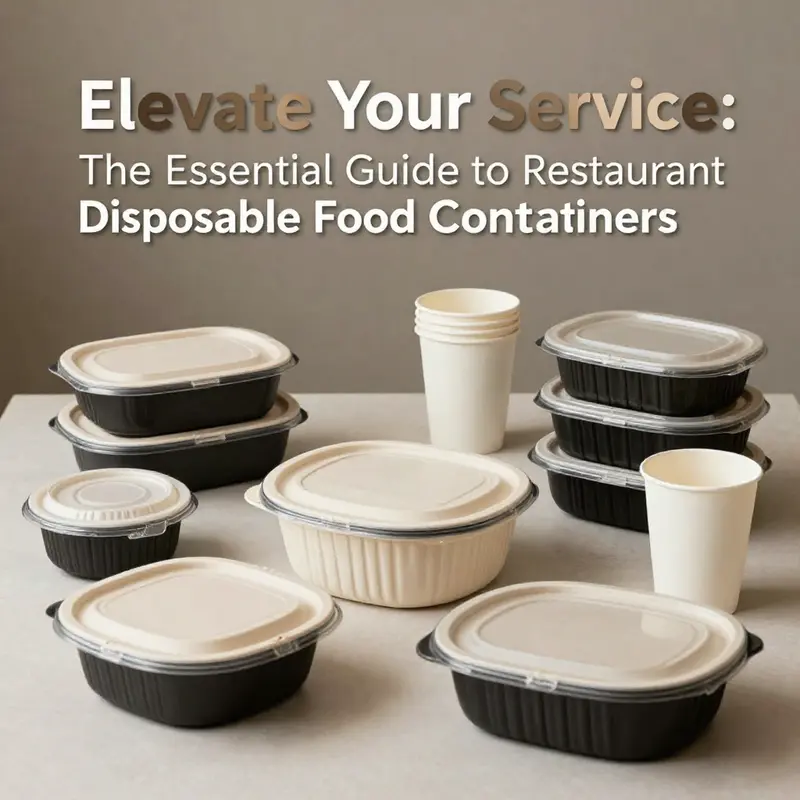
Designing disposable restaurant packaging is about more than making something that looks good on the shelf. It is about creating containers that protect food, support kitchen operations, and align with environmental responsibilities from manufacture to disposal.
Material selection sits at the heart of this discipline. Polypropylene PP offers heat tolerance and structural resilience; polystyrene PS provides light weight but limited heat resistance; paper based options with water and oil resistant coatings enable healthier appearances but require careful evaluation of microwave performance and disposal pathways. Bio based alternatives like PLA and PBAT bring compostability benefits in the right facilities, but their performance and end of life depend on local infrastructure.
Structural integrity and geometry matter. A robust bottom, reinforced corners, reliable lids, and appropriate sealing are essential to prevent leaks and damage during transit. Compartmentalized designs can keep flavors discrete and reduce sogginess; the geometry should balance capacity with material efficiency and stacking stability.
Environmental dimension: reduce material intensity, design for disassembly, enable recyclability, favor renewable feeds where infrastructure exists. However, compostable and biodegradable variants often require industrial facilities to perform as intended; in home composting or in places without dedicated waste streams, they may not behave as promised. Reusable systems offer a different path, with durable construction and simple cleaning, but require collection, sanitation, and return logistics.
User experience and branding: handles that are comfortable, lids that seal yet open easily, and a form that stacks securely. Branding should be legible on a container that remains hygienic and food safe. Inks and coatings must be food safe and compatible with the chosen printing method.
Regulatory and safety: compliance with food contact standards, certifications, and traceable supply chains help buyers and diners trust the product. The market fights counterfeit eco labels and suspicious laminates, so robust documentation is essential.
Design for service ecosystems: compatibility with drive through, curbside pickup, and delivery workflows. Lid design, compatibility with dipping cups, and compatibility with existing equipment influence speed and reliability.
Real world examples: the bento style concept with compartments demonstrates how geometry can organize meals while allowing choice of materials across markets and waste infra. When selecting packaging for a given market always consider local disposal options and consumer expectations.
Conclusion: packaging design is a long term capability that couples material science, geometry, and end-of-life realities. The best solutions meet safety, performance, and sustainability while supporting kitchen operations and brand values.
Final thoughts
As the food service industry continues to evolve, the right choice of disposable food containers can significantly elevate your brand’s reputation and enhance customer experience. By understanding material innovations, addressing environmental concerns, keeping pace with market trends, and focusing on thoughtful design, restaurants and catering services can not only optimize their operations but also align with consumer expectations for sustainability and quality. Making informed decisions about disposable packaging not only improves efficiency but appeals to an increasingly eco-conscious clientele. Embrace the opportunities presented by this dynamic aspect of your business to craft a memorable dining experience while supporting global sustainability.