
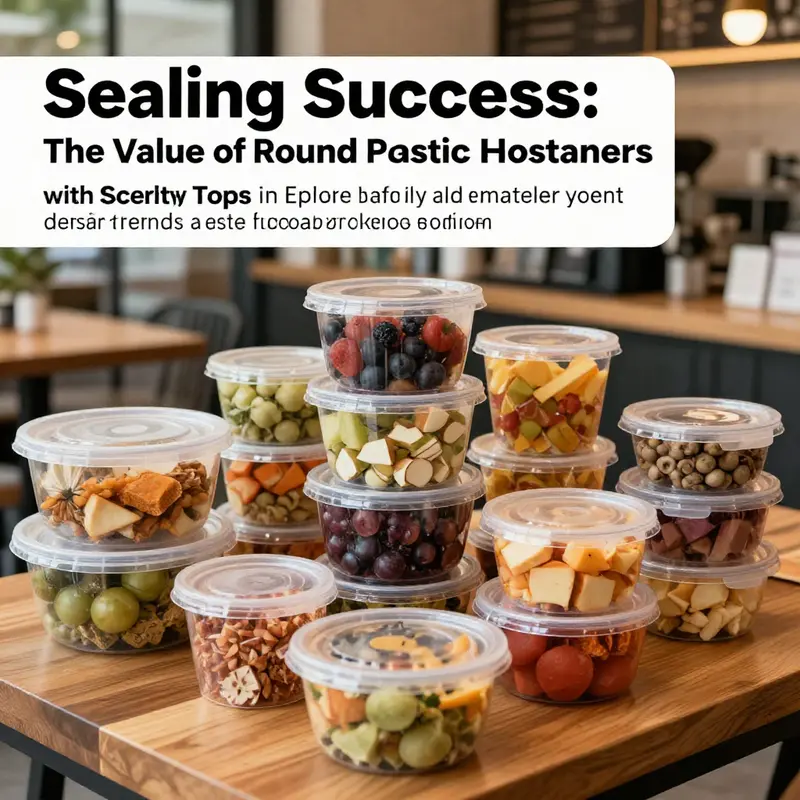
Round plastic food containers with screw tops have become indispensable across various sectors, including bubble tea shops, restaurants, food trucks, and catering services. These containers not only enhance food safety and organization but also comply with strict safety standards, ensuring that businesses prioritize their customers’ health. The first chapter delves into the materials used in these containers and the safety certifications they carry, which are crucial for food contact. Next, the second chapter explores the functional design and diverse applications of these containers, highlighting how they can be utilized to maintain the quality of food and beverages in different environments. Finally, the third chapter examines the current market trends and economic impact of round plastic food containers, emphasizing their importance in the modern food service industry.
From Clarity to Compliance: How Materials and Safety Standards Shape Round Plastic Food Containers with Screw-Top Lids
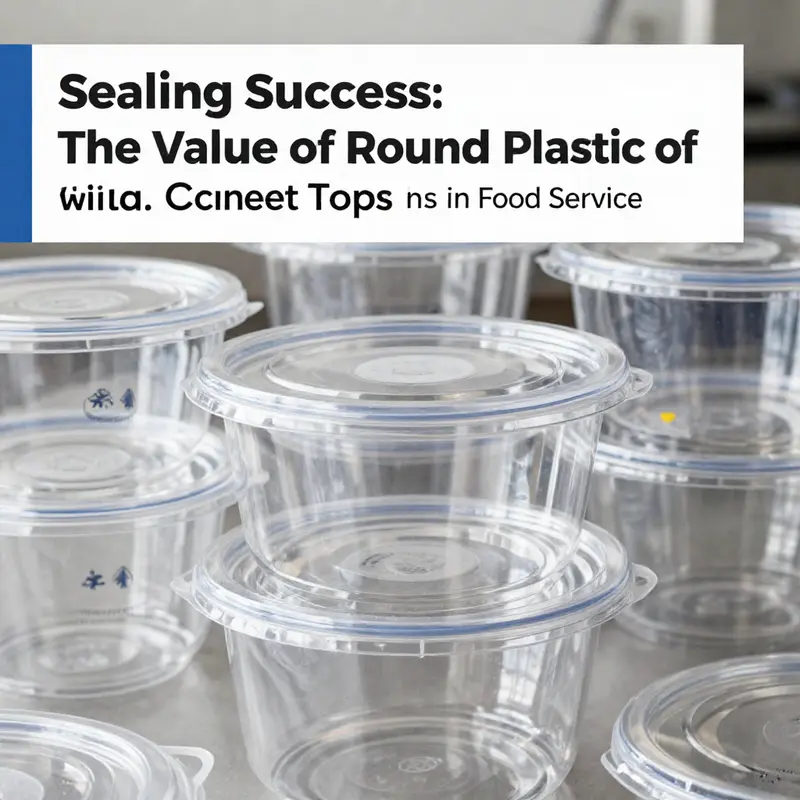
Round plastic food containers with screw-top lids occupy a quiet but essential intersection of everyday practicality and regulatory vigilance. They are the kind of product people reach for without a second thought—a sturdy, transparent vessel that keeps cookies crisp, spices fresh, or cosmetics stable, all while preventing leaks and spills. Yet beneath the everyday utility lies a careful balance of material science and safety frameworks that determine which plastics are chosen, how the lids perform, and what guarantees exist for consumers and professionals who rely on them in kitchens, laboratories, and warehouses alike. The story of these containers begins with material selection and ends with a system of standards that translate performance into trust. It is, at its best, a disciplined conversation between what a polymer can do, how a lid can seal, and how regulators ensure that what reaches a table or a workbench is safe for contact with food and cosmetics, even after months of storage or exposure to heat and light.
The most common materials used for these jars and lids are polypropylene (PP), polyethylene terephthalate (PET), and high-density polyethylene (HDPE). Each brings a distinct set of strengths that make it suitable for round, screw-top formats. PP is valued for its toughness and chemical resistance, a relatively high heat tolerance, and its ability to maintain shape under pressure. PET is prized for its exceptional clarity, making contents visible at a glance, along with good chemical resistance and UV stability. HDPE provides robust impact resistance and shatter resistance, with a slightly different feel and look that can influence stacking, handling, and the sense of durability a consumer experiences when picking up a container. In the right combination, these materials yield a cylinder that is light yet sturdy, transparent enough to identify contents without opening the seal, and resilient enough to endure routine refrigerator cold or warm room temperatures without deforming or leaking.
Material choice is never only about raw properties. It is also about the conditions under which the container will be used. Dry goods, powders, semi-solid ingredients, and small hardware components stored in a pantry or a lab cabinet all demand a lid that forms a tight, tamper-evident seal. The screw-top design, with its threaded interface and sealing lip, is the practical realization of that demand. It provides a secure barrier against leaks and contamination while remaining user-friendly, allowing quick opening and re-sealing. The cylindrical geometry often helps distribute heat evenly if a container is used in processes like pasteurization or short-temperature treatments in a commercial setting, though those uses depend on specific material capabilities and explicit manufacturer testing. The interplay of lid design, thread geometry, gasket material (where applicable), and surface finish determines how well a container performs in real-world conditions—whether the objective is to keep a delicate powder free from moisture or to preserve the integrity of a small cosmetic formulation.
In practice, material safety is defined not only by the polymer type but by how the material reacts in contact with food and cosmetics over time. Regulatory regimes across regions provide the guardrails that translate laboratory properties into consumer confidence. In a typical framework, products intended to contact food must comply with food-contact standards that limit the migration of substances from plastic into the contents. In the United States, this typically means alignment with FDA standards for food-contact materials and related testing protocols that assess migration under realistic storage conditions. In the European Union, compliance with EFSA guidelines and EU-wide regulations such as EC No 1935/2004 is central, with additional harmonized rules addressing specific substances, temperature exposure, and labeling requirements. The precise numbers cited in regulations—such as EU No 2020/1245 for certain packaging contexts or FDA references like 21 CFR 177.1630—represent the codified boundaries within which manufacturers work. These codes may seem abstract, but they map directly onto everyday concerns: Will a jar that stores warm spices impart a detectable taste? Will a container used for refrigerated products maintain its integrity after a week in a cold chain? Will a lid’s seal hold through a transfer from kitchen to pantry without leaking? The answers lie in consensus standards and robust testing regimes that measure both safety and performance across a range of realistic scenarios.
One practical implication of this standards-focused approach is that containers intended for hot-fill or microwave use must be explicitly labeled as such. The temperatures involved in hot-fill operations and occasional microwave reheating require plastics that can withstand elevated temperatures without warping, deforming, or releasing unwanted substances. Labels and documentation accompanying the product provide crucial guidance for manufacturers and users alike, clarifying whether a given container is appropriate for direct contact with hot contents or whether it should be reserved for cooler storage. This transparency reinforces consumer trust and reduces the risk of misuse that could compromise safety or quality.
The material properties themselves—clarity, rigidity, heat tolerance, chemical resistance—are not purely academic. They translate into tangible decisions about packaging design, production cost, and end-of-life considerations. PET’s clarity, for instance, makes it an especially popular choice for storage jars where visibility of the contents matters for inventory and consumer appeal. The same clarity can pose a challenge in terms of UV exposure and photo-oxidative degradation, so manufacturers often favor UV blockers or inert liners to preserve both aesthetics and safety over the product’s intended shelf life. PP brings a balance of clarity and toughness, with a more flexible price point and a higher heat tolerance than many other polymers, which can be advantageous for households and small-scale applications that require repeated opening and closing without performance loss. HDPE’s rugged surface and impact resistance can be particularly valuable for bulk storage and rugged handling environments; its opacity can also influence consumer perception, signaling durability and protection for contents that demand a less transparent presentation.
Another layer of complexity is added by the linchpin of safety standards: migration testing and materials certification. Migration testing evaluates whether trace amounts of process-related substances or additives could migrate into the contents under real-use conditions. This assessment mirrors real-world exposures—repeated opening, exposure to refrigerated or room temperatures, periodic contact with moisture, and potential interaction with food or cosmetic ingredients. Regulatory bodies expect such testing to be thorough and representative, addressing both short-term and long-term contact scenarios. The results of these tests inform labeling, recommended uses, and, when necessary, the substitution of materials or changes in processing to minimize risk. The conversation between performance, safety, and compliance is not a one-off calculation; it is an ongoing cycle of material selection, design iteration, and regulatory alignment that evolves with new scientific insights and updated guidelines.
From the standpoint of a manufacturer, the choice between PP, PET, and HDPE is then a matter of balancing several competing factors. Clarity and consumer appeal may push toward PET, while cost and rigidity in high-volume storage might favor PP or HDPE. Temperature exposure, whether from a refrigerator, freezer, or brief microwaving, dictates the suitability for each material. Compatibility with lubricants, seasonings, oils, or cosmetic bases requires careful assessment of chemical resistance. The lid system—threads, gasket materials, and the overall seal geometry—must align with the container body so that a secure seal is achievable without excessive torque or risk of cross-threading. The resulting product becomes a practical compromise among clarity, strength, safety, and manufacturability, optimized for its intended use context while still maintaining compliance with the necessary safety standards.
In the broader narrative of packaging sustainability, these round containers with screw-top lids also map onto end-of-life considerations. PET and PP are widely recyclables in many recycling streams, with PET typically enjoying particularly robust recycling channels due to high clarity and demand for food-contact PET products in regenerated form. HDPE, likewise, benefits from established recycling workflows. However, recyclability is not universal; it depends on local infrastructure, colorants, and any inks or labels that might complicate processing. In design terms, this means a preference for minimalist decoration and straightforward material combinations that can be effectively sorted and processed in typical recycling facilities. For end users, this translates into practical guidance: when in doubt, rinse contents, keep lids attached when possible to reduce lost components in the recycling stream, and consult local recycling guidelines to understand accepted materials and labeling cues. The overall sustainability equation therefore weighs the functional benefits of screw-top, round plastic containers against the realities of recycling ecosystems, waste streams, and evolving consumer expectations around material choices.
To connect these threads to a broader packaging ecosystem, it helps to view screw-top round containers as part of a continuum rather than a single, isolated solution. The same design logic that governs the close-fitting lid and the conical interior surface also informs how alternative packaging formats can perform in similar roles. For readers who are exploring packaging choices beyond plastics, there are examples of consumer-ready options in the same family of take-away and storage solutions—options designed to minimize environmental impact while preserving the reliability and ease-of-use that households and professionals rely on. For instance, some learners in the field consider sustainable substrates and designs that aim to reduce plastic use while maintaining the convenience and safety standards that consumers expect. This broader perspective helps frame the plastic containers not as an isolated artifact, but as a node in a network of packaging choices where safety, usability, and environmental responsibility intersect.
Within this chapter’s scope, an internal reference to a related packaging option can help illustrate the point about design flexibility and consumer expectations. For those curious about disposable options that emphasize portability and branding without sacrificing safety, consider this example of a disposable takeaway cup with a lid designed for custom logos and rapid production cycles. The linked resource offers a perspective on how packaging systems balance form, function, and branding under identical safety constraints that govern plastic round containers with screw tops: disposable-takeaway-paper-cup-custom-logo-kraft-coffee-cup-with-lid. While this is a paper-based alternative rather than a plastic container, the comparative lens sheds light on how packaging designers navigate similar questions—material compatibility with contents, customer perception, ease of use, and compliance with safety standards—across diverse substrates. By examining these parallels, readers gain a more nuanced understanding of both the strengths and the trade-offs involved in selecting round containers with screw tops for different applications.
The safety standards that govern these containers are ultimately about trust as much as they are about chemistry and geometry. When a consumer purchases a round plastic jar with a screw-top lid, they expect not only that the lid will seal and the contents remain dry, but that the container is manufactured from materials that have been rigorously evaluated for safety. They expect that if the product is designed for hot-fill or microwave use, this capability has been explicitly tested and clearly labeled. They expect that if the contents are sensitive to light or heat, the packaging will help shield them. They expect that the design will avoid unnecessary complexity in the recycling process and will minimize the risk of contaminating food or cosmetics through migration of substances. These expectations translate into a practical discipline for manufacturers: to document material choices, to perform migration and heat-resistance testing, to obtain appropriate certifications, and to communicate clearly with customers through labeling and documentation. The result is not merely a container that holds contents; it is a packaging system that upholds safety, preserves quality, and respects the consumer’s right to understand what touches their food and their skin.
In sum, the material choices—PP, PET, and HDPE—are more than technical specs. They are the core determinants of how these round containers perform under everyday use and under regulatory scrutiny. The screw-top lid is the physical embodiment of an essential safety principle: containment, protection, and peace of mind. The standards that govern contact with food and cosmetics convert those material realities into a predictable chain of compliance, from production lines to supermarket shelves to home pantries. And the labeling requirements for hot-fill and microwave use ensure that safety travels with the container through its lifecycle, from storage to reheating to disposal. When viewed together, these elements reveal a tightly coupled system—one in which material science, engineering design, consumer safety, and environmental stewardship cohere around a simple, everyday object that millions rely on every day.
External resource: For regulatory depth on food-contact materials and related safety standards, see the FDA’s official guidance on Food Contact Materials at https://www.fda.gov/food/food-contact-materials
Sealed Clarity: The Essential Design and Everyday Reach of Round Plastic Containers with Screw-Top Lids
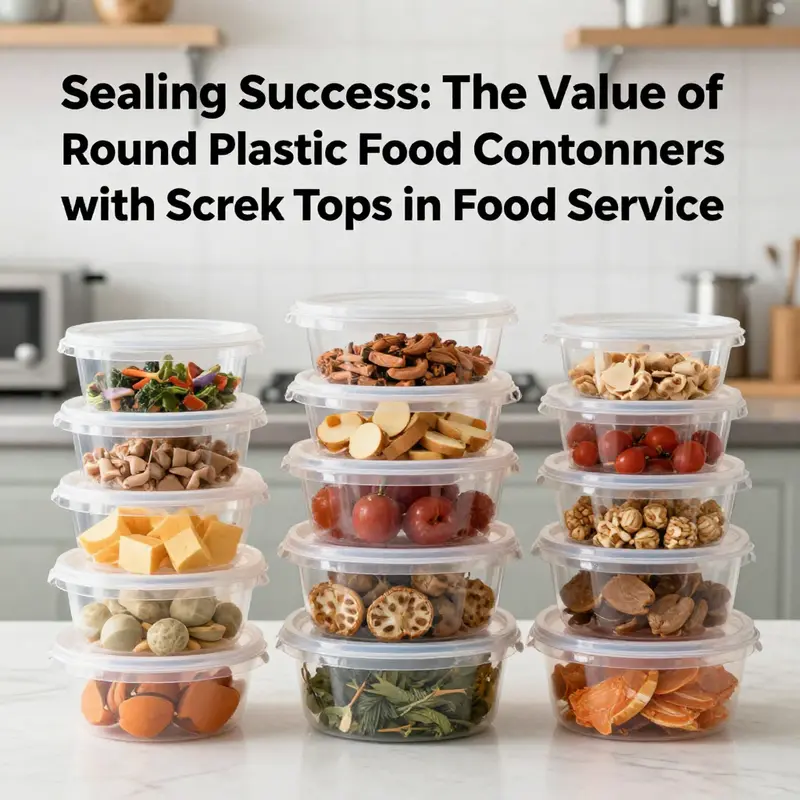
Round plastic food containers with screw-top lids appear simple at first glance, a neat combination of a round vessel and a threaded cap. Yet beneath that straightforward silhouette lies a design ethos that has evolved to meet the practical demands of diverse environments: kitchens, laboratories, crafts tables, grocery shelves, and even outdoor meal setups. The round form, paired with a screw-top closure, creates a predictable language of use. It signals secure containment, straightforward reusability, and transparent visibility—the three pillars that govern how these containers earn their place in both domestic routines and professional workflows. The journey from raw polymer to a user-ready container is a study in balancing performance, safety, and convenience, with the screw-top lid acting as a gatekeeper that preserves freshness, prevents spills, and guards against contamination across countless opening and closing cycles. In a world where food safety, supply chain efficiency, and consumer experience converge, these features are not merely desirable; they are foundational to the container’s value proposition and its ability to integrate into varied storage ecosystems.
Designers of round containers approach the form with a comprehensive eye for how shape influences handling, stackability, and all-important sealing performance. The circular geometry is more than aesthetic; it is a practical choice that uniformly distributes stress around the rim during handling and when subjected to pressure changes during transport or refrigeration. This uniformity supports durable threads and reliable seals over repeated use, a critical consideration for households that reuse containers, food service operations that cycle dozens of units daily, and industrial contexts where product integrity is non-negotiable. The screw-top lid, in turn, is a keyed feature. Its threads must mesh precisely with the container mouth, creating a seal that resists leaks while remaining easy to open for people of varied strength and dexterity. A well-designed seal also accommodates temperature fluctuations, which is essential for contents stored at chilling temperatures or briefly heated in the microwave or warm water baths before portioning or serving. The ergonomic interface between lid and body—thread form, gasket geometry, lid weight, and hinge or snap features if present—determines the perceived ease of use. A lid that binds or requires excessive torque can discourage proper usage, undermining the very reliability these containers promise. In contrast, a smoothly mating surface with consistent torque across units offers a tactile assurance that serves both home cooks and food professionals.
Material choice underpins nearly every performance attribute of these containers. Food-grade plastics such as PET and HDPE occupy the foreground because they deliver a blend of clarity, mechanical resilience, chemical stability, and light weight. PET’s optical clarity is prized in retail and kitchen contexts because it allows contents to be seen without opening the lid. This visibility reduces guesswork during sorting, meal planning, and inventory checks, a practical advantage for households organizing pantry staples or for retailers mounting product displays. HDPE contributes strength and chemical resistance, making it well-suited for contents with oils, spices, and viscous pastes. The material’s toughness helps containers survive the inevitable bumps of daily life, from crowded refrigerators to crowded shipping pallets. Together, PET and HDPE provide a spectrum of performance that covers both the everyday and the demanding. Beyond visibility and resilience, the materials’ chemical stability safeguards flavors and aromas, preventing migration of plastics-related compounds into foods, even when storage spans weeks or when containers are nested in warm ambient temperatures during transport in a vehicle or a marketplace backroom. These properties are reinforced by international safety standards, which ensure compatibility with food contact and, in some cases, cosmetics and laboratory use—standards that give manufacturers a common language for testing, certification, and ongoing quality control.
The practical benefits of these containers extend into the way they interact with the user’s daily routines. Lightweight yet robust, they are easy to grip, stack, and transport. The round shape minimizes corner stress and reduces the likelihood of breakage when containers are dropped or knocked from shelves. The smooth interior surfaces promote clean releases of sticky or dry contents, and the absence of sharp corners helps with scrubbing and sanitization, which is particularly important in settings that require frequent cleaning or autoclavable handling. In many configurations, the interiors can be treated with a light lubricant-like surface finish that eases pouring, scooping, and portioning—an attribute that is especially valuable in busy kitchens or laboratories where speed and precision matter. The circular vessel also supports consistent volume delineation. Graduated measurements printed or molded onto the outer wall enable quick checks of portion sizes—a convenience for meal-prepping families and for food-service operators who portion for dozens of customers. In addition, the transparency that many models offer means that contents’ color, texture, and moisture levels can be monitored at a glance, enabling operators to detect spoilage patterns or moisture migration before they become critical.
Functionality is further enhanced when the design integrates features that support organization and efficiency. Some round containers come with internal dividers or walled compartments, a thoughtful adaptation that enables users to separate different items within a single vessel. This is particularly valued in meal-prepping scenarios where a single container may hold a protein, a side, and a sauce without cross-contact. For households, this translates into neater pantry organization and less need for multiple containers for small, varied purchases. In professional circles, the internal organization minimizes cross-contamination risks and helps maintain consistent portioning across batches. The lid’s seal also benefits from thoughtful design choices such as gasket types that compress against the rim to maintain a tight seal even after exposure to cold storage and repeated opening. In some designs, a tamper-evident band or a safety ring communicates when a container has been opened, adding a simple but meaningful layer of security for refrigerated products and pre-packaged goods.
The application spectrum for round screw-top containers is broad and telling of their versatility. Home users reach for them to store leftovers, dry goods, snacks, and condiments where airtight storage helps extend shelf life and preserve flavor. In commercial kitchens, these containers support hygiene and efficiency. They are easy to sanitize, align neatly in stackable storage systems, and can be sterilized through approved methods when required. The ability to withstand autoclaving in some configurations makes these containers suitable for settings that demand stringent sterility protocols without sacrificing the convenience of modular, reusable packaging. Retail environments favor the clear, sturdy construction that showcases product quality while maintaining a professional, cohesive shelf presence. The uniform cylindrical shape creates a visually organized display, making it simpler for customers to compare sizes and contents at a glance. Outdoor enthusiasts and commuters also find value in leak-proof performance, which protects meals and ingredients during transit while still allowing for quick access when hunger strikes. The contemporary consumer expects packaging that not only protects but also communicates. Clear walls convey a sense of purity and simplicity, allowing iconic colors and textures of contents to attract attention without the need for elaborate external decoration.
From a manufacturing and supply-chain perspective, round plastic containers with screw-top lids benefit from standardized molding and threading processes that enable scale economies. The cylindrical form translates well to high-throughput production lines where molds are designed for consistent wall thickness, uniform base diameters, and repeatable thread forms. The predictable geometry reduces reject rates and ensures a reliable fit with lids produced to the same standards. When the seal is engineered correctly, it tolerates the minor variations that occur between batches of plastic resin, temperature fluctuations in the molding environment, and minor wear in sealing surfaces after repeated use. This compatibility between vessel and cap is central to user satisfaction, because a mismatch at the interface can produce leaks, reduced freshness, or a lid that jams. In business terms, the reliability of the seal translates into less product waste, lower customer support costs, and fewer returns—a small but meaningful impact on total cost of ownership for both households and institutions.
One must also consider the environmental footprint and end-of-life considerations associated with these containers. Modern practice increasingly embraces recyclability and responsible disposal, with many lines designed to be recyclable at end of life through established municipal streams. The choice of polymer and additives is aligned with regulatory expectations in different regions, supporting safe handling during recycling processing. The shatter-resistant nature of these plastics, while protective in use, also reduces loss due to breakage in transit and on shelving, which in turn contributes to better material utilization. Yet, sustainability conversations extend beyond the raw material and disposal pathways. They include the lifecycle trade-offs of reusability versus single-use convenience, the feasibility of reuse in food-service operations, and the balance between protecting product integrity and limiting packaging waste. In contexts where refill systems or standardized portioning are feasible, the round container with a screw-top lid can play a part in reducing waste by enabling longer storage times and by supporting batch-based production models that minimize over-packaging.
A critical dimension shaping adoption is safety compliance and performance validation. These containers, when produced with food-grade materials and tested for migration and heat resistance, help ensure that packaged foods remain safe during traditional storage timelines and under common domestic handling scenarios. Standards and certifications provide a framework within which manufacturers verify that materials intended for contact with food meet defined safety thresholds. This assurance matters not only for end consumers but also for food-service professionals and retailers who require documented evidence of conformity as part of supplier qualification programs. The interplay between material science, regulatory compliance, and practical usage creates a robust ecosystem around the humble round jar with a screw top. It is this ecosystem that supports not only everyday convenience but also the broader confidence that professionals rely upon when selecting packaging for sensitive contents, whether those contents are pantry staples, prepared meals, cosmetics, or tiny laboratory reagents stored under refrigeration.
In this ecosystem, the cost dynamics of production and purchase shape decisions for different market segments. Wholesale and bulk channels highlight the value of economies of scale, where price-per-unit declines with larger orders and standardized dimensions. For many users, the decision calculus includes not just upfront price but also total cost of ownership—how many cycles the lid’s threads can endure before replacement, how easily the interior surfaces hold up under regular cleaning, and how efficiently the container stacks in a given storage footprint. The round shape helps maximize the number of units that can be stored per shelf or per pallet, contributing to space efficiency in facilities where storage area is at a premium. It also translates into predictable packing density for shipping, enabling straightforward loading plans and minimizing risk of damage in transit.
In considering the broader packaging landscape, it is helpful to view round plastic containers with screw-top lids as a versatile bridge between home storage and professional packaging. They share a set of core requirements—reliability, safety, and ease of use—while allowing variations in wall thickness, lid geometry, and whether an inner divider or a gasket is included. This modularity is part of what makes them a practical default for a wide range of applications. The round form provides a baseline that supports consistent manufacturing, consumer familiarity, and straightforward integration with accessory lids, seals, and labeling systems. Labels can be applied to the exterior wall without occluding the contents’ visibility, and the clean geometry helps ensure legibility of printed instructions and nutrition information when needed. The importance of consistent standards across manufacturers cannot be overstated; the predictability of dimensions and sealing performance makes it feasible for retailers and service providers to implement uniform handling practices across locations and product lines.
As this design continues to evolve, ongoing improvements tend to emphasize enhanced sealing technologies, more efficient tooling, and better compatibility with sustainable materials. Innovations might include gasket materials that resist degradation after repeated exposure to cleaning agents or temperature cycling, thread profiles that optimize torque transmission and reduce wear on both lid and body, and interior coatings that promote easier cleaning without compromising safety. Through these incremental improvements, the essential character of the round container with a screw-top lid endures: a compact, reliable, transparent vessel designed to safeguard, display, and simplify. The continued synthesis of performance, safety, and ease of use ensures that this packaging format remains relevant as consumer preferences shift toward convenient, well-sealed storage solutions, while also meeting the stringent demands of regulated environments and wholesale distribution networks.
For readers who seek a deeper dive into the technical landscape behind screw-top clear plastic containers, the trade literature and supplier documentation frequently highlight technical details, material properties, and examples of industrial uses that mirror the themes explored here. These sources provide a grounded sense of how a simple closure system interacts with polymer science, manufacturing tolerances, and end-use conditions to deliver dependable performance in real-world settings. In many cases, the discussion emphasizes the interplay between clarity, seal integrity, and temperature tolerance, underscoring that even seemingly small tweaks in design can yield meaningful differences in user experience and product safety. The broader takeaway is that the success of a round container with a screw-top lid rests on the deliberate alignment of shape, material, sealing geometry, and manufacturing discipline, all guided by a shared commitment to keeping contents secure, visible, and ready for use across a spectrum of daily tasks and industrial processes.
In the spirit of practical adoption, consider how this design aligns with the needs of different users. A family that stores leftovers benefits from a container that can be nested with lids on, preserving freshness without occupying excessive shelf space. A chef or store display manager gains from a clear vessel that communicates quality at a glance and from a seal that minimizes leakage during transport between kitchen and dining area or road-side sales point. A laboratory tech or pharmacist looks for autoclavable options and robust resistance to chemical exposure, ensuring that procedures run smoothly without compromising containment. These scenarios reflect a shared expectation: a round container with a screw-top lid should perform reliably, without fuss, across routine tasks and occasional challenges alike. The packaging industry’s ongoing alignment with this expectation helps ensure that the vessels remain a mainstay of modern storage, whether for everyday pantry staples or specialized contents that demand careful handling and precise control over environmental exposure.
To connect this exploration with the broader packaging ecosystem, one can see how the round container dovetails with other packaging formats while maintaining its core advantages. Its legibility and clean lines offer a counterpoint to more ornate or irregular shapes, preserving a sense of order on crowded shelves and in busy workspaces. The screw-top lid’s effectiveness in maintaining a seal is complemented by standardized labeling, which helps ensure compliance with safety and handling guidelines in diverse markets. As designers and manufacturers continue to refine these elements, the resulting products become more than containers; they become trusted tools that support consistency, safety, and efficiency across kitchens, laboratories, retailers, and beyond. This continuity—from raw material to user-ready vessel—reflects a mature packaging solution that has earned its place by delivering predictable performance with every twist and turn of the lid.
Internal link reference: For a broader look at packaging ecosystems and your options beyond rigid round plastics, consider related Kraft paper bowls and take-away packaging formats that share the same aim of protecting contents while simplifying handling. See a representative example here: disposable 700ml kraft paper bowl take-out octagonal rectangle paper bowl.
External reference: For a technical overview of screw-top clear plastic containers and related material properties, see the detailed resource at https://www.benjaminross.com/screw-top-clear-plastic-containers-overview.
Clear, Secure, and Scalable: The Economic Pulse of Round Plastic Containers with Screw-Top Lids
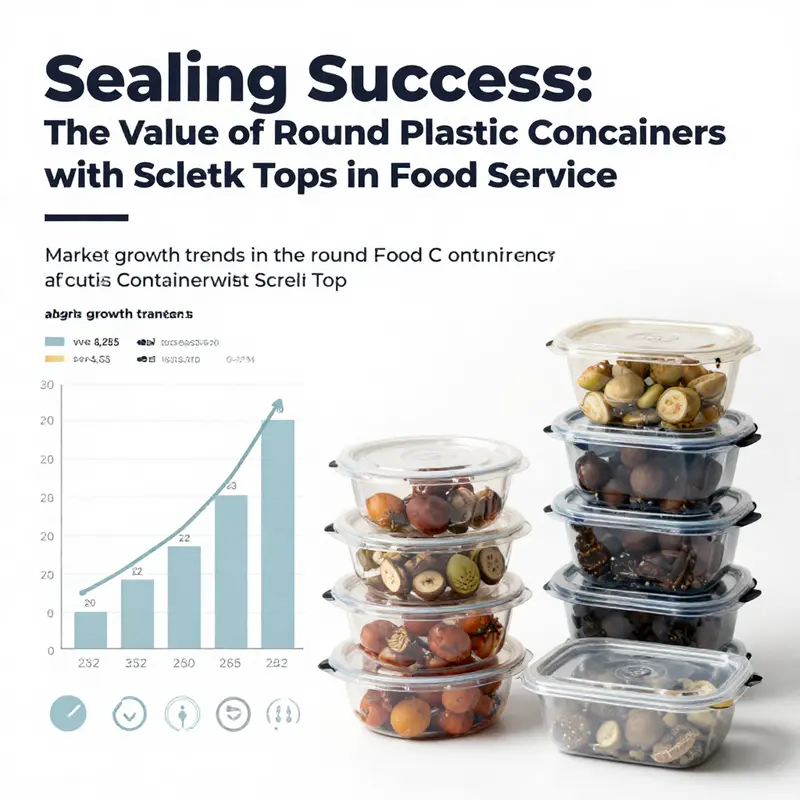
The round plastic container with a screw top is more than a simple storage solution. It is a functional instrument that translates everyday habits into a reliable system for preserving freshness, organizing space, and communicating cleanliness. In markets around the world, these containers have become a quiet workhorse of kitchens, laboratories, retail displays, and production lines. They embody a balance between visibility and containment, offering a transparent window into the contents while delivering a seal that keeps moisture, aromas, and contaminants at bay. This convergence of form and function is not incidental. It emerges from a carefully calibrated set of materials, manufacturing processes, and consumer expectations that together drive a durable, scalable, and increasingly sustainable packaging category. As urban living reshapes consumption patterns and as the pace of daily life accelerates, the appeal of a dependable, easy to handle, and hygienic container grows more compelling. In this sense, the screw top is not merely a closure but a performance feature that unlocks broader value across multiple sectors and channels. The market dynamics surrounding round plastic containers with screw tops are animated by a robust rate of growth that reflects both practical needs and strategic opportunities. Current forecasts place global plastic food storage container demand on a trajectory of about 12.8 percent compound annual growth from 2026 to 2033. This momentum is not a fleeting surge but a sustained shift driven by several interlocking forces. First, urbanization continues to reshape how households prepare, store, and transport meals. With kitchens in dense apartments and workplaces that leave little time for elaborate prep, compact, airtight jars support meal-prep routines and left-over reuse without sacrificing quality. Second, a rising emphasis on food safety and product integrity strengthens the case for containers that offer airtight closures and tamper resistance. The combination of a clear view of contents and a secure seal helps reduce waste and minimize cross-contamination, a concern that resonates across households and commercial operations alike. Third, the marketing and branding potential of a transparent vessel creates a practical synergy with retailers and food service providers who want visibility and trust on shelves or in cold cases. The net effect is a market that rewards durability, reliability, and the ability to convey product integrity at a glance. At the heart of this market strength are materials that strike a careful balance between clarity, strength, chemical resistance, and recyclability. PET and polypropylene emerge as the dominant choices for round containers with screw tops because they deliver a combination of essential properties. PET offers exceptional clarity that showcases the contents, a critical advantage in retail display and consumer perception. It also brings chemical resistance to a wide range of ingredients and, in many cases, UV stability that helps preserve appearance and quality during storage. Polypropylene contributes impact resistance and a higher heat tolerance, broadening the range of use cases from refrigerated to warm environments. The lightweight nature of these plastics reduces transportation costs and improves handling, both of which matter when volumes scale up. Collectors and recyclers also prize the recyclability of these materials, which aligns with ongoing sustainability commitments across industries. When a consumer can see the product inside while the container remains compatible with recycling streams, the perceived value grows. This combination of performance and end-of-life considerations positions PET and PP as foundational to the category’s durable growth. The screw-top lid is the other half of the equation. Its design is not just about sealing; it is about creating a reliable user experience that travels from the retailer’s shelf to the consumer kitchen, pantry, or workspace. A well engineered screw cap provides a leak-proof, airtight closure that preserves dryness, aroma, and texture. For dry goods like cookies, sugar, or grains, a secure seal translates into shelf life extension and reduced risk of cross-contamination. In semi-solid formulations or ingredients stored in refrigerators, the seal helps maintain freshness without the need for specialized devices. From a usability standpoint, a smooth thread alignment and a consistent locking mechanism reduce the chance of misalignment, broken closures, or user frustration. The result is a container that is not simply storeable but repeatedly dependable. This reliability is especially valuable for food service operations, where spill prevention, portion control, and smooth daily workflows can influence cost structures and customer satisfaction. The applications for round containers with screw tops extend well beyond the kitchen. In cosmetics and personal care, these jars offer a clear display of product while maintaining protection against moisture and air. In pharmaceuticals and laboratories, the same sealing and safety features help prevent contamination and preserve integrity of small quantities or sensitive materials. In consumer goods and retail, the clean, uniform form supports organized shelving, consistent branding, and efficient replenishment. The cylindrical shape and standardized thread pitch also support stacking and nesting, minimizing storage footprint both in manufacturing facilities and on retail floors. The universality of shape and seal means these containers can be employed across diverse product lines and seasonal packaging, a versatility that adds resilience to supply chains and inventory strategies. In this sense, the container becomes not just a container but a platform for product presentation and process optimization. A critical driver of industry momentum is the evolution of manufacturing practices that produce high quality seals and consistent threads at scale. Precision molding has become essential, enabling uniform thread alignment and predictable sealing performance across large production runs. Tolerances matter because even small deviations can compromise the airtight closure, particularly when filling volumes vary or when containers are subjected to temperature fluctuations during transport. Modern molding systems also facilitate innovations in barrier performance and transparency, allowing manufacturers to push for clearer, more robust jars without sacrificing rigidity. This manufacturing rigor translates into tangible cost benefits as well. Standardized components and repeatable processes reduce scrap, shorten cycle times, and lower maintenance costs in equipment. In environments where demand is accelerating, such efficiencies accumulate into meaningful total cost of ownership advantages. When combined with scalable raw material sourcing and the ability to adjust line speeds, the overall economic viability of screw-top round containers becomes a durable feature of the packaging landscape. The implications extend beyond the factory floor into the broader supply chain and retail strategy. The clear, airtight container supports linear flows from production to point of sale with fewer handling steps required to ensure product integrity. For retailers, the visibility of contents on shelf is not merely aesthetic; it is a practical driver of sales, enabling quicker decision making for shoppers and reducing the need for product specification labels that clutter display. For logistics planners, lighter weight and standardized dimensions improve palletization, reduce breakage risk, and streamline stock rotation. In branded packaging contexts, the see-through practicality of the container reinforces brand promises of quality, freshness, and honesty of labeling. These functional benefits dovetail with marketing imperatives, creating a compelling value proposition for producers and retailers seeking efficiency, reliability, and trust in a crowded marketplace. Sustainability considerations have grown from a backdrop concern to a central criterion in procurement and product development. The move toward recyclable materials is not a mere preference but a policy-driven expectation that aligns with corporate responsibility goals and consumer demand alike. Round containers made from PET or PP offer favorable recycling profiles compared to many alternatives, and ongoing improvements in resin technology continue to reduce footprint without compromising performance. Lightweighting initiatives further reduce energy consumption across transportation networks, contributing to lower overall emissions and improved lifecycle profiles. For many brands, the ability to claim recyclability and to demonstrate compliance with food contact safety standards adds a layer of credibility that supports consumer trust. This trust feeds into loyalty and willingness to pay for quality packaging that signals safe handling and ethical sourcing. The intersection of performance, sustainability, and scale is what keeps this container segment not just viable but essential in a modern packaging ecosystem. In parallel with material and process improvements, regulatory and safety considerations guide product development and market access. Food contact safety is non negotiable, with certifications and compliance frameworks that vary by region but share underlying principles. Where standards govern migration, contact with cosmetics, or permissible uses in various storage conditions, manufacturers design closures, liners, and threads to meet or exceed these expectations. This regulatory framework helps level the playing field and fosters consumer confidence, which in turn supports broader adoption across kitchens, labs, and storefronts. The ability to demonstrate compliance through traceable supply chains and auditable production records further strengthens market position. The result is a packaging category that can be scaled with confidence, supported by evidence of safety, quality, and performance rather than marketing promises. In this way, the economic momentum of screw-top round containers is sustained not only by demand but by a solid foundation of reliability and integrity. As the market scales, supplier ecosystems adapt to sustain growth while responding to sustainability pressures. Large- and small-scale producers compete by refining resin blends, improving mold tooling, and implementing data-driven quality control. These improvements enable tighter tolerances, better seal performance, and longer equipment lifespans. Suppliers increasingly emphasize end-to-end solutions, offering not just containers but a complete packaging package that includes lids, labeling, and recycling guidance. This ecosystem approach supports faster time to market for brands seeking to introduce or expand product lines with consistent quality. In addition, the ability to source from a broad network of manufacturers reduces supply risk and helps distributors meet regional demand fluctuations. The net effect is a packaging system that remains resilient in the face of seasonal spikes, raw material volatility, and shifting consumer preferences. Looking ahead, the convergence of consumer behavior, manufacturing precision, and sustainability imperatives suggests a continued expansion of round containers with screw tops across households, hospitality, and industry. The category benefits from a straightforward value proposition: a clear view of the product inside, a secure seal that preserves integrity, and a design that enables efficient handling and display. The challenge lies in balancing form with increasingly rigorous environmental expectations and evolving regulatory landscapes. Yet the trajectory remains positive because the fundamental needs—storage, protection, visibility, and ease of use—translate across contexts and cultures. When these containers are coupled with responsible sourcing, robust quality assurance, and transparent communication about safety and recyclability, they become more than functional tools. They become trusted enablers of everyday routines, brand stories, and sustainable practices across a global economy. For readers seeking direct, practical insight into supplier capabilities and market scope, external resources provide a window into how scale, efficiency, and innovation intersect in this space. External resource: https://www.alibaba.com/product-detail/Round-Plastic-Containers-Screw-Lids_1600547559488.html
Final thoughts
Round plastic food containers with screw tops are more than just a storage solution; they represent a harmonious blend of safety, practicality, and efficiency in food service. As the demand for sustainable and reliable packaging grows, understanding the materials and design benefits helps businesses adapt and thrive in a competitive landscape. By choosing these containers, food service providers not only comply with health standards but also enhance customer satisfaction through excellent organization and presentation.