
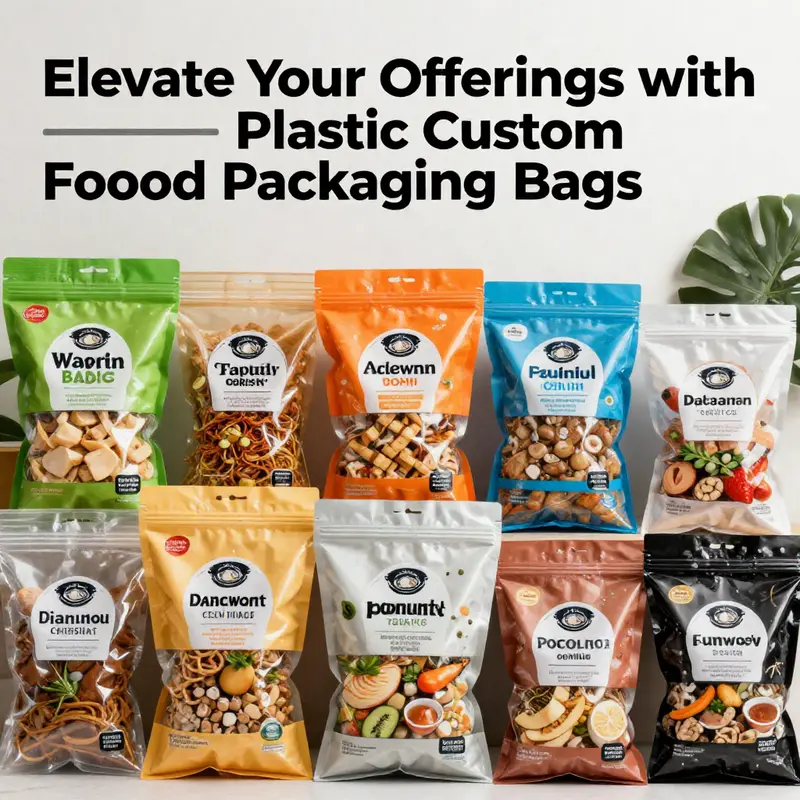
In a competitive marketplace, the choice of packaging can be pivotal for businesses, particularly in the food and beverage sectors. Plastic custom food packaging bags not only serve the functional purpose of protecting products but also offer significant advantages in branding and customer experience. This article will explore the key customization features, the materials used, and the versatile market applications of these packaging solutions. We will also present insights on choosing the right suppliers and procurement tips to ensure that your packaging meets both quality and regulatory standards.
null
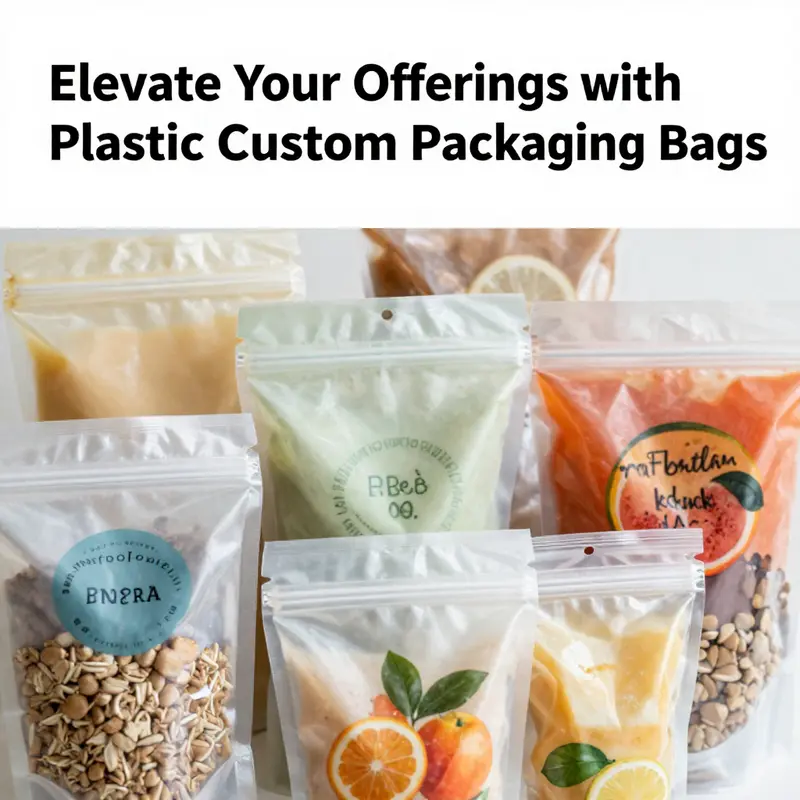
null
Guardians of Freshness: Material Choices and the Science Behind Plastic Custom Food Packaging Bags
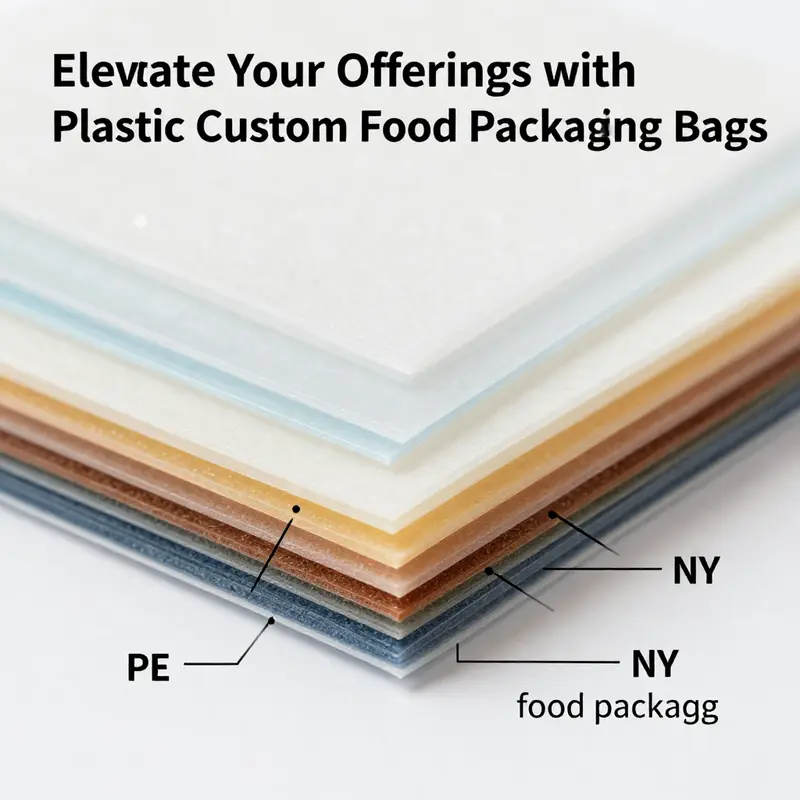
Material choice sits at the heart of every plastic custom food packaging bag. It is not merely a matter of keeping a product intact; it defines how long that product stays fresh, how clearly it shows on a shelf, how reliably it seals, and how easily the brand can demonstrate responsibility to customers and to regulators. The modern packaging landscape blends cost, performance, and sustainability into a single decision matrix. The material composition of these bags is therefore not a static list of plastics. It is a living system that responds to the needs of different foods, storage conditions, handling steps from producer to consumer, and evolving environmental standards. At the core, most protective packaging is built from polyolefin families, yet within those families there is a spectrum of choices that dramatically shifts the bag’s behavior when it meets moisture, air, fat, cold, heat, and light. The story begins with the two most common base resins: low-density polyethylene and high-density polyethylene. LDPE, with a density in the 0.910 to 0.940 g/cm³ range, is favored for its exceptional flexibility and toughness. It can absorb minor deformations without cracking, a quality that translates into bags that are forgiving during automated forming and hand handling. But more than flexibility, LDPE provides a moisture barrier that is surprisingly robust for many chilled or frozen applications. It remains semi-transparent, which is helpful when product visibility matters—consumers often rely on seeing the product through the bag, whether it is a row of frozen dumplings or a bag of crinkly snacks to be tasted while shopping. The barrier performance of LDPE is not absolute; it is a tradeoff: the material offers moisture resistance while keeping costs reasonable and enabling easy sealing with standard heat seal equipment. In short, LDPE bags are a pragmatic compromise for products where moisture control is essential but extreme light or oxygen barriers are not mandatory. HDPE, by contrast, provides superior strength and rigidity. Its density ranges from roughly 0.941 to 0.970 g/cm³, which translates into a stiffer film that can stand up to more demanding handling and transport demands. HDPE’s opacity also contributes to a more effective light barrier, a practical benefit for dry goods and items susceptible to photo-oxidation when exposed to ambient light during storage. The thicker, tougher film often performs exceptionally in long-shelf-life applications, where a product may be stored for extended periods or shipped across varying climates. Yet HDPE’s rigidity can limit some of the design opportunities that LDPE offers, such as ultra-clear visibility or a soft touch in consumer-facing packaging. It is here that advanced laminate structures come into play, elevating what even a simple bag can deliver. Laminated structures commonly combine OPP or PET layers with PE, and frequently insert aluminum-backed metallization within the stack. The aluminum backing acts as a formidable barrier against light, oxygen, and moisture. The result is a package that can extend shelf life by a meaningful margin—research and supplier experience indicate improvements that can be as high as fifty percent for particularly sensitive items like nuts, candies, and specialized baby foods. This is not merely about protection; it is about maintaining aroma, texture, and color, all of which drive consumer perceived freshness. The trade-off, of course, is cost and processing complexity. Multi-layer laminates require precise co-extrusion or lamination steps, careful control of interlayer adhesion, and compatible heat-seal properties across the entire stack. They also demand careful attention to the chosen barrier materials for compatibility with the product’s chemistry. In many cases, a supplier will propose a PE-based core with an aluminum or metallized backing, sometimes combined with a thin, oriented polypropylene (OPP) or PET layer to improve stiffness and surface quality. The combination delivers a package that balances barrier performance with formability and printability, enabling designers to harmonize graphics with performance criteria. It is this interplay between barrier requirements, seal strength, and printability that often drives the final bag specification. In parallel to polyethylene-based systems, another material commonly seen in these discussions is polypropylene. PP films are prized for their clarity and glossy finish, attributes that help products stand out on retail shelves. When a high degree of product visibility is needed, PP can be used as a top layer or as a stand-alone film in combination with other materials. Its crystallinity and heat resistance also support reliable sealing and heat-application compatibility in various packaging lines. Together, LDPE, HDPE, and PP serve as the core trio that packaging designers rely on for everyday, cost-conscious applications. But the story does not end there. As products diversify and consumer expectations shift, packaging engineers increasingly design laminated and multi-layer structures that push beyond what a single resin can achieve. The laminated approach enables tailored barrier profiles, combining light-blocking layers, oxygen barriers, and moisture barriers in precise sequences. In practice, this means choosing a laminated kind that fits the product’s moisture and fat content, the expected storage environment, and the length of shelf life required. For instance, nuts and cookies benefit from light- and oxygen-blocking layers to slow lipid oxidation and preserve crunch, while frozen vegetables demand robust moisture barriers to prevent freezer burn and ice crystal formation. The choice of layers also affects seal performance, which is crucial for sealed-at-household stability and food safety. A well-designed laminate stack ensures the seal remains intact through filling, packaging, distribution, and consumer use, even when bags are subjected to freezing temperatures, rough handling, or long transport routes. This is where the material science becomes less about a single resin and more about a system. The system must accommodate the product’s chemistry, the packaging process, and the consumer’s expectations for a clean opening, reliable resealability if a zipper is involved, and consistent visual appeal. The growing emphasis on sustainability introduces an additional layer of complexity. PLA-based films and other bioplastics are gaining traction as biodegradable or compostable options. These eco-conscious alternatives appeal to brands seeking to reduce environmental footprints and align with stricter regulatory expectations. PLA, derived from renewable resources such as corn starch, can achieve industrial compostability, dramatically reducing the bag’s end-of-life impact under controlled conditions. Yet there are important practical considerations. PLA generally exhibits different barrier properties, with moisture and heat resistance not always on par with traditional PE-based laminates. Its shelf life can be shorter for some products, and its performance in high-temperature applications may be limited. For this reason, many manufacturers use PLA as a surface layer or in a bi-layer arrangement to balance compostability with barrier performance. Similarly, other bioplastics and bio-based modifiers are explored to reduce reliance on fossil-fuel feedstocks while maintaining the functional demands of food packaging. The overarching goal in this eco-innovation is to preserve barrier integrity and seal reliability while offering a pathway to end-of-life options that satisfy growing consumer and regulatory expectations. However, it is essential to understand that not all products or markets can be served by biodegradable packaging alone. The regulatory framework surrounding food contact materials remains stringent, with a heavy emphasis on food-grade safety. Compliance often requires adherence to recognized standards and third-party audits, including ISO certifications and HACCP principles. In practice, this means choosing materials that have established food-contact approvals and traceable supply chains. It also means validating every packaging solution with robust testing: moisture uptake, oxygen transmission rate, seal strength, puncture resistance, and temperature performance are all critical metrics. The test results should reflect real-world conditions, including typical storage times, transit conditions, and the potential for dynamic mechanical stresses during distribution. Custom packaging designers must translate these technical results into practical packaging solutions. The final selection is rarely a single material decision; it is a configuration that integrates resin type, laminate structure, sealant layers, ink compatibility for printing, and closures. The closures themselves may range from simple heat seals to more advanced features such as reclosable zippers or multi-chamber configurations, each with its own material and processing requirements. The choice of materials, lengths, thicknesses, and film orientation will influence not only the barrier properties but also fatigue resistance during repeated handling and consumer use. For brands seeking to optimize cost and performance, a staged approach often proves effective. Start with a standard base bag that provides adequate moisture and light protection for the product, then incrementally introduce barrier enhancements or a laminated structure as the shelf-life goals demand. This incremental approach allows for a more precise alignment of material performance with product needs and production capabilities, minimizing waste and maximizing yield across scale-up. The supply landscape for plastic custom food packaging bags in markets with strong manufacturing ecosystems is diverse. Suppliers frequently emphasize not only material science but also adherence to certifications and the ability to support customization at various production scales—from small trial runs to large-volume campaigns. When evaluating suppliers, it is prudent to consider both the technical fit and the operational reliability. A bag designed to protect a delicate frozen dumpling must not only resist moisture and oxygen while on the shelf but also withstand the mechanical rigors of freezing and thawing cycles. A dry snack bag, on the other hand, must guard against moisture ingress yet remain flexible enough to yield to consumer handling and opening. In many cases, a single packaging program can accommodate a family of products by varying layers and thicknesses rather than adopting entirely different materials. The procurement journey for these materials often starts with a small lot for sampling and lab-scale testing. A reliable supplier will provide the right blend of design flexibility and quality assurance, including recognized third-party certifications and traceability across the supply chain. For producers seeking to align with broader sustainability goals, the conversation may expand to include specifications for recyclable, compostable, or reusable elements, and to assess the feasibility of end-of-life solutions. Importantly, even the most sophisticated material systems must map onto the practical realities of manufacturing. Co-extrusion lines, lamination equipment, anti-static considerations, and printability all influence the feasibility of a given design. The balance between barrier performance and process compatibility drives the final bag structure. In summary, the material composition of plastic custom food packaging bags is a nuanced spectrum that begins with the familiar LDPE and HDPE, expands into laminated and multi-layer architectures, and then broadens into eco-conscious options like PLA. The best solution is one that harmonizes barrier protection, seal integrity, product compatibility, and sustainability ambitions within the constraints of cost and production capability. It is a synthesis of chemistry, engineering, and strategic thinking, a kind of choreography that preserves freshness while still allowing brands to tell their stories on the shelf and in the hands of consumers. As packaging continues to evolve, the science behind these choices will likely become even more central to how products reach tables with dignity, safety, and minimal environmental impact. If you want a practical example of how a packaging program translates into broader design decisions, consider how a single material choice can ripple through the package’s appearance, its printability, and its performance under the cold, damp, and sometimes busy logistics of modern food distribution. For readers who want to explore related packaging formats that share design principles with plastic bags, a useful reference point can be found on a packaging product page that intersects with consumer-facing packaging while illustrating how similar material strategies apply across formats. See the linked page for a representative overview of materials and customization options that influence design and function across packaging platforms: [High-Quality Versatile Plastic Food Storage Bags]. External industry context can be further explored through a widely cited industry resource at this external link: https://www.alibaba.com/product-detail/High-Quality-Versatile-Plastic-Food-Storage_1600585323623.html?spm=a2700.11056164.0.0.3e6a1c1bXZrU1j
Breathing Life into Brand and Freshness: Market Applications of Plastic Custom Food Packaging Bags
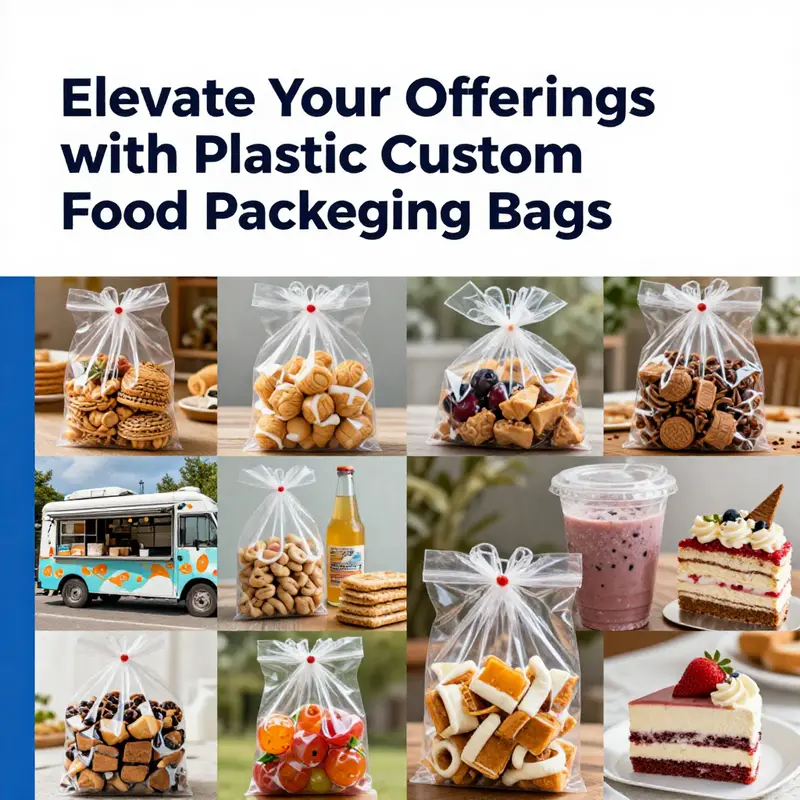
Custom plastic food packaging bags are not merely protective shells; they are strategic touchpoints where product safety, shelf presence, and consumer experience converge. In modern markets, brands increasingly treat bags as dynamic assets that do more than hold product. They carry messaging, demonstrate commitment to quality, and enable seamless logistics from production line to consumer hands. The market for plastic custom food packaging bags is driven by a need to balance three core demands: safeguard freshness, deliver clear brand storytelling, and provide user-friendly functionality. When these requirements align, packaging becomes a silent salesperson that reinforces trust, reduces waste, and accelerates the journey from store shelf to online unboxing. The narrative surrounding these bags runs beyond protection. It encompasses the versatility of design, the sophistication of material science, and the evolving ethos of sustainability that guides contemporary consumer choices. In practice, a single bag can be engineered to meet the precise needs of a broad spectrum of foods, from delicate greens to hearty snacks, from bakery items to frozen meals, each with its own set of performance criteria and consumer expectations. This integrated approach reshapes how products compete in crowded categories and how brands connect with shoppers at the moment of decision.
The market reality is that customization is no longer a luxury but a baseline expectation. Size, shape, and closure systems must reflect product form and use case. A back-sealed pouch may suit bulk dry goods that travel through warehouses with minimal handling, while a stand-up pouch with a resealable zipper can transform a snack or cereal into a convenient, on-the-go experience. Side-sealed configurations and flat pouches cater to bulk packaging needs or compact shelf layouts. Each structure brings distinct advantages for protection, display, and dispensing. Importantly, the choice of structure interacts with material selection. Multi-layer films often combine barrier performance with mechanical durability. A typical stack might pair a tough outer layer with a printable surface, a moisture barrier, and an oxygen barrier, wrapped around a core that resists puncture. The resulting chain of materials delivers both protection and printability, enabling brands to maximize on-shelf impact while maintaining the integrity of the contents through handling, transportation, and storage.
From a materials standpoint, the landscape features polyolefins like polyethylene (PE) and polyethylene terephthalate (PET), often in layered configurations with barrier films, aluminum foil, or nylon layers. The goal is to achieve a package that remains flexible at low temperatures for frozen foods, yet strong enough to prevent tearing during transit or consumer use. High-temperature sealing compatibility is another consideration for heat-treated or ready-to-eat products. For perishable or sensitive items, barrier properties against moisture, oxygen, and light are critical to slow down quality degradation and freezer burn. In some cases, the design includes an extra insulation layer or vacuum-sealing technology to extend shelf life. The science behind these choices is not purely about longevity. It is also about maintaining taste, aroma, color, and texture until the product reaches the consumer, which in turn supports brand integrity and reduces food waste across the supply chain.
Beyond performance, the packaging must align with evolving environmental expectations. A growing segment of brands seeks compostable or biodegradable film options, particularly for lines positioned as eco-friendly or sustainable. Materials like PLA-based films from renewable sources are gaining traction, though their compatibility with existing recycling streams and regulatory frameworks requires careful consideration. The most successful campaigns in this space do not sacrifice barrier performance or consumer convenience; they instead pair responsible material choices with intelligent design. For many products, this means offering a recyclable outer film paired with an interior food-contact layer, or providing clearly labeled disposal instructions to guide responsible end-of-life behavior. In parallel, some suppliers pilot fully compostable bags for select product lines, balancing production scale with environmental commitments. The outcome is a packaging ecosystem that supports brand narratives around sustainability while still delivering the performance customers expect in terms of freshness, reliability, and ease of use.
If we zoom into application domains, fresh produce and perishables present unique challenges and opportunities. Perforated or breathable bags are common for leafy greens, herbs, and other fresh goods because controlled airflow helps minimize moisture buildup that can hasten spoilage. The ability to view contents through a transparent or translucent film remains a strong consumer draw, so many designs incorporate clear windows without compromising barrier properties. Lightweight construction reduces shipping weight and material use, while built-in handles or ergonomic features improve convenience during transport. For producers, the emphasis is on preserving aroma and moisture balance, preventing condensation inside the bag that could lead to spoilage or degradation of texture. This is where barrier technology and material choice play pivotal roles, as even small differences in gas permeability can extend shelf life by days, a factor that translates into reduced waste and improved product flow on shelves and in cold storage.
Snacks and confectionery further illustrate how packaging doubles as a branding instrument. Here, the emphasis is on robust sealing, moisture control, and the ability to preserve crispness. Resealable or zip-lock closures extend product freshness after opening and support on-the-go consumption. High barrier properties help protect flavor and aroma against environmental exposure during transit. The visual impact of graphics becomes especially important in crowded shelves: bold colors, striking typography, and brand storytelling captured on the bag can convert shoppers at the critical moment of choice. Durable materials resist punctures and tears, a practical consideration given the rough handling that snack products may encounter in distribution and consumer environments. In many cases, the windowed designs showcase the product, inviting impulse purchases while still maintaining a secure and protective enclosure that keeps contents fresh. The balance of aesthetics, function, and protection defines the value proposition of these bags in the snacks sector.
Bakery goods represent another compelling use case. Bread, pastries, and cakes benefit from bags that maintain humidity balance and protect against staling while allowing customers to view the product’s quality. Transparent windows are a common feature, paired with a secure seal to preserve aroma and moisture after packaging. For bakery items, the materials are often chosen for flexibility, heat-seal reliability, and food safety. The packaging must accommodate seasonal variations in product formats, from artisanal loaves to delicate pastries, without compromising presentation or protection. In all, bakery applications demonstrate how packaging design can support a brand’s artisanal image while delivering practical performance during the product’s lifecycle.
Frozen and ready-to-eat meals demand especially robust construction. The bag must endure freezing conditions without cracking, while providing barriers against moisture vapor and oxygen that cause freezer burn and quality loss. In many cases, laminated or coextruded structures with specialized seal layers are employed to resist the stresses of freezing and thawing. Vacuum sealing and insulation layers are additional design options for brands seeking to maximize preservation during long-term storage and transport. The packaging must also avoid becoming brittle at low temperatures and should maintain integrity through microwaving or reheating processes if that is part of the product’s preparation workflow. The capacity to keep ready-to-eat meals fresh and appetizing, even after weeks in the freezer, makes this segment particularly sensitive to material science advances and process control.
Specifically, health foods and specialty products have driven a parallel emphasis on sustainability and traceability. Eco-conscious brands increasingly demand packaging that communicates their values through texture, color, and messaging. This resonates with consumers who want to understand the environmental footprint of the products they purchase. In response, suppliers offer films that support sub-brand stories about compostability, recyclability, or reduced plastic content. The ability to print high-definition branding on bags enhances product recognition and trust, reinforcing quality assurances and allergen disclosures essential to health-focused items. At the same time, tamper-evidence and strong sealing contribute to consumer confidence in product safety, a factor that can differentiate brands in crowded health-food aisles.
From a retail perspective, the bag serves as a direct extension of store branding and merchandising. Supermarkets, convenience stores, bakeries, and specialty shops use customized bags to reinforce identity, convey promotions, and improve recall. The design can be tailored to seasonal campaigns, with color palettes, messaging, and packaging shapes aligned with marketing strategies. The ability to deploy targeted designs quickly across multiple SKUs enables retailers to maintain a cohesive look while testing different consumer responses to new aesthetics or messaging. When used in e-commerce and direct-to-consumer channels, bags become part of the unboxing experience. Premium finishes, subtle texturing, and sophisticated printing can elevate perceived value and foster social sharing, turning packaging into a marketing asset rather than a mere protective layer.
The digital commerce trend amplifies the importance of packaging that supports efficient shipping and delightful unboxing. Stand-up pouches, square or rectangular shapes, and other innovative geometries expand the possibilities for packing density and display. Functional elements such as easy-open tabs, resealability, and tear strips contribute to user experience, while high-quality print finishes and color fidelity enhance brand perception. The combination of structural versatility and advanced printing allows brands to tell a richer story within the packaging itself, turning a simple bag into a canvas for communication about ingredients, sourcing, and sustainability commitments. In this sense, plastic custom food packaging bags are not passive carriers but active ambassadors that travel with the product from supplier to consumer, shaping perception at multiple touchpoints along the journey.
Procurement and supply chain considerations also shape market outcomes. For many buyers, the decision hinges on ability to customize at scale, lead times, and certifications that ensure safety and compliance. ISO, SGS, HACCP, and similar third-party attestations signal robust quality control and risk management. Small-batch trials are common; many suppliers provide sample services that let brands evaluate print quality, seal integrity, and barrier performance before committing to larger runs. When the product requires rapid response, some manufacturers promise expedited delivery within a specified window, which is especially valuable for promotions or seasonal demand spikes. In short, the market rewards flexibility and reliability as much as it rewards technical performance. The most successful partnerships balance cost with quality, speed with accuracy, and customization with scalable production capabilities.
An emergent theme across these applications is the integration of this packaging with broader brand and sustainability narratives. Companies are increasingly integrating lifecycle thinking into packaging decisions, choosing materials and structures that align with declared environmental goals while maintaining performance and safety. This alignment is not only about compliance; it is about building consumer trust through demonstrable responsibility. Customization supports this by enabling brands to encode sustainability messages into the design—through color cues, messaging about recyclability, or visual identifiers that communicate compostability or recycled content. In a market where consumers scrutinize the entire product journey, the packaging itself becomes a trusted signal of a brand’s values and commitments.
For readers who want to explore broader ecosystem examples of packaging choices beyond rigid plastic bags, a range of related packaging options can complement a plastic bag strategy. For instance, consider a disposable packaging option that demonstrates how a brand can balance convenience with sustainability while preserving product integrity. You can explore an example here: disposable-700ml-kraft-paper-bowl-take-out-octagonal-rectangle-paper-bowl. This linked example shows how packaging ecosystems often blend different materials and formats to meet consumer expectations and logistical realities, offering a practical context for thinking about plastics in a broader packaging strategy.
The path forward for plastic custom food packaging bags lies in ongoing collaboration among material scientists, packaging designers, brand strategists, and retailers. Innovations in barrier technology, multilayer film architectures, and printing capabilities will continue to push the envelope on what is possible. At the same time, regulatory developments and consumer expectations will drive smarter material choices and clearer labeling. Brands that succeed will be those that harmonize performance, aesthetics, and sustainability, creating packaging solutions that protect products, tell compelling stories, and contribute to a cleaner, more responsible packaging landscape. The market is moving toward more intelligent, adaptable packaging that can be tuned to specific product profiles, channel requirements, and consumer preferences without sacrificing safety or quality. As this chapter has explored, plastic custom food packaging bags are a flexible, powerful instrument in the modern food system—one that enables brands to deliver freshness, preserve trust, and engage consumers in ways that go far beyond the package’s physical boundaries.
External resource: For broader trends in packaging design and materials, see https://www.foodandbeverage.com/news/food-packaging-trends-2026-what-you-need-to-know.
From Specs to Shelf: Supplier Insights, Material Choices, and Procurement Tactics for Plastic Custom Food Packaging Bags

Choosing the right plastic custom food packaging bag is less about chasing the newest fancy feature and more about aligning supplier capability, material science, and procurement discipline with the realities of your product, your brand, and the market. The journey from concept to shelf involves a careful choreography of design flexibility, performance requirements, regulatory compliance, and cost control. When approached with a clear lens on supplier capabilities and material behavior, brands can reduce risk, accelerate time to market, and maintain a consistent supply chain even as demand swings. The core insight is that every choice—template, layer, closure, and seal—carries implications for shelf life, consumer experience, and sustainability. In this light, a practical, methodical approach to supplier selection and material specification becomes not only a guardrail against quality lapses but also a lever for differentiation in a crowded category.
At the center of this approach lies a set of non-negotiable truths. First, supplier credibility matters. In a market saturated with options, verified credentials act as a proxy for ongoing quality management, stability, and safe transaction practices. Platforms that visibly badge suppliers as Diamond Members, Audited Suppliers, or Secured Trading Service providers offer buyers a degree of assurance beyond a glossy product page. These indicators reflect a supplier’s investment in process controls, traceability, and secure payment ecosystems. When you read a product listing from a supplier with such badges, you are stepping into a relationship that is monitored, not just marketed. This is not a guarantee of flawless performance, but it is a meaningful signal that the supplier is aligned with standards that support food safety, packaging integrity, and repeatable outcomes over time. In practice, many buyers begin with a vetted supplier pool and then narrow the field through samples, process audits, and early trials. The goal is to move from “could work” to “is proven in practice for our specific product.”
Second, material choice is never abstract. The material stack you select determines barrier performance, compatibility with your product, and even how you handle logistics and sustainability. Conventional structures such as LDPE, LLDPE, HDPE, and PP offer a spectrum of properties. Low-density and linear-density polyethylene blends provide flexibility and cost advantages for snacks and dry goods, but they can struggle with high-temperature exposure or hot-fill processes. PET-based laminates, often combined with PE or aluminum layers, deliver superior barrier properties and mechanical durability, making them well suited to frozen foods and baked goods where moisture and oxygen control is critical. Mylar-based laminations bring outstanding moisture and oxygen barriers for coffee, nuts, and dried fruits, supporting longer shelf life but at a higher material and sealing complexity cost. In all cases, the precise laminate architecture matters as much as the base resin. A multi-layer film can include PET for stiffness, aluminum for barrier, and PE for sealability. The trade-offs are nuanced: higher barrier performance often comes with increased complexity in sealing equipment, compatibility concerns with existing packaging lines, and higher unit costs. The procurement decision then becomes a matter of matching the intended storage conditions, target shelf life, and value proposition of the product with the appropriate film stack.
Third, end-use performance and regulatory compliance must guide material decisions. Food-grade materials compatible with FDA or EU food safety rules are not a luxury but a baseline. Certifications such as ISO, SGS, HACCP, and BRC are more than checkboxes; they are evidence of a supplier’s commitment to quality management, traceability, and hazard analysis. In practice, buyers should request material safety documentation, test reports for migration and compatibility with their product, and, when relevant, certifications covering recyclability or compostability. The rise of sustainability considerations does not diminish the importance of safety and performance. Instead, it reframes the decision: can the brand meet its environmental goals while preserving product integrity and consumer safety? The landscape now includes recyclable laminated films and compostable options like PLA-based structures. While these choices may impose different sealing requirements or processing conditions, the market is evolving quickly, and many suppliers offer flexible options that balance sustainability with performance.
The practical path to selecting materials begins with a precise mapping of product conditions. What is the product form? What are the storage temperatures? Is the packaging exposed to moisture, oxygen, or UV light? Will the bag be frozen, heated, or microwaved? Each scenario narrows the field of viable structures. A common framework is to categorize bags into families based on their primary barriers and closures: stand-up pouches with resealable zippers for ongoing product freshness; back-seal or side-seal bags for bulk or bulk-inventory scenarios; and specialized options like spout bags for liquids or powders. Each family has a characteristic material stack and associated processing requirements. The buyer’s job is to translate product attributes into a film specification that a supplier can validate with samples, prototypes, and independent testing. The translation process often begins with a request for samples that tests not only appearance and print quality but also seal integrity, puncture resistance, and barrier performance under realistic usage conditions. When testing is done, a line item product specification—detailing the final film stack, heat-seal temperatures, and recommended sealing equipment—becomes the backbone of the supplier agreement.
Customization is the third pillar that transforms a generic bag into a brand’s ambassador on the shelf. Today’s packaging ecosystems increasingly emphasize design flexibility. Full-color, high-resolution printing can be integrated across multiple panels, with the ability to incorporate logos, nutritional labels, barcodes, and QR codes. The structure choice—whether a back-sealed bag, a top-gusset stand-up pouch, a zipped reclosable variant, or a spouted design—has to align with both the product and the brand’s logistics. The printing capability is not merely about aesthetics; it is a critical component of brand storytelling, on-shelf readability, and consumer trust. In addition, the feasibility of integrating logo and label information at scale, as well as the ability to maintain print durability under freezing or heat exposure, becomes a differentiating factor for suppliers. The most successful procurement partnerships treat customization as a collaboration rather than a one-off order. Design reviews, prepress proofs, and color-management standards help ensure that the final output matches the brand’s intent and regulatory constraints before mass production begins.
Beyond material science and printing, the procurement discipline whispers a quieter but equally important truth: costs scale with volumes, but the right supplier can bend the curve. Minimum order quantities (MOQs) vary widely. Some suppliers accommodate modest runs around ten thousand pieces; others require hundreds of thousands for certain high-barrier, multi-layer structures. Yet the economics of scale are not simply a function of unit price. Total cost of ownership matters: lead times, shipping, risk of obsolescence, and the ability to adapt to design changes mid-cycle. A robust supplier relationship can deliver value through co-development projects, flexible run lengths, and the ability to switch or mix materials as the product matures or regulatory requirements shift. Negotiating MOQs becomes a strategic exercise. It is not merely about the lowest piece price but about achieving the right balance of risk, speed to market, and future adaptability. OEM/ODM capabilities introduce another layer of flexibility, allowing a brand to iterate designs with less friction and to align the packaging with evolving product formulations or marketing campaigns.
A thread that runs through these considerations is sustainability. The market is increasingly informed by consumer expectations, regulatory scrutiny, and corporate responsibility commitments. Recyclable or compostable options are no longer “nice to have” but often a strategic requirement. Recyclability may depend on the end-user’s local recycling infrastructure and can involve selecting barrier layers that are compatible with recycling streams rather than adding unnecessary contamination risk. Biodegradable or compostable films appeal to brands pursuing a circular economy narrative, but they require careful alignment with logistics, shelf life, and consumer use, since some compostable materials need industrial facilities to decompose effectively. A credible supplier will provide transparent documentation showing compliance with environmental standards, tests for end-of-life behavior, and clear guidance on what is compatible with existing recycling or composting programs. The optimal choice reconciles consumer expectations with practical disposal realities and aligns with the brand’s longer-term sustainability strategy. It also helps future-proof the packaging against tightening environmental regulations in different markets.
To operationalize all of this, procurement teams rely on a disciplined process that begins with supplier screening and ends with a measurable supply performance. The screening framework prioritizes verified credentials, such as supplier audits and documented quality management systems. It also emphasizes the alignment of MOQs with the buyer’s production calendar, the availability of rapid sampling, and the presence of robust post-sale support, including replacement of defective batches and clear channels for issue resolution. Once a pool of credible suppliers is identified, the next phase centers on material testing and process compatibility. Buyers request samples that reflect the intended film stack and print design, then run a battery of tests that mirror real-world conditions: seal integrity after repeated opening and closing, puncture resistance during handling, and barrier performance after temperature cycling. Testing should be complemented by third-party certifications and, where applicable, regulatory documentation that demonstrates compliance with regional food-safety regimes.
The negotiation phase then translates these tests into concrete agreements. It is here that the choice of Incoterms—FOB, CIF, CFR, or others—becomes a strategic tool. Each term reallocates risk, cost, and responsibility between buyer and supplier, affecting not only the price but the reliability of supply and the predictability of delivery schedules. Buyers who optimize logistics early typically reduce last-minute costs and accelerate time to market. They also invest in transparent communication channels with their suppliers, enabling proactive adjustments when forecasts change or when raw material dynamics shift. In the modern packaging ecosystem, digital tools and real-time inquiry functions on supplier platforms play a growing role. They enable instantaneous price checks, up-to-date lead times, and quick responses to design changes, while also providing a structured path for submitting design files, color specifications, and print proofs. This digital layer complements the tactile testing and on-site audits, forming a more holistic picture of a supplier’s capability.
The practical outcome of this integrated approach is not only a reliable supply of bags but a strategic asset for brand differentiation. When a company aligns its packaging with its product architecture and consumer promise, the packaging becomes part of the storytelling rather than a mere container. The right material choice influences perceived freshness and quality, the right structure enhances user experience and convenience, and the right printing quality communicates brand values with clarity. The procurement process, properly executed, yields a balance among performance, cost, and risk that is durable across multiple product lines and market fluctuations. It also positions the brand to respond quickly to shifts in consumer preferences, regulatory changes, or disruptions in supply chains.
Throughout this narrative, one practical tip recurs: start with credible suppliers who offer free samples or pilot runs. A small, low-risk test with real product formulations can reveal compatibility gaps that are not obvious from a spec sheet. It is worth investing time in a print proof and a sealed sample subjected to your typical storage regime. Before committing to large volumes, you should collect and compare feedback from packaging, quality assurance, and operations teams. This multidisciplinary input helps ensure that the chosen film stack, seal technology, and closure mechanism will perform under real-world conditions. It also reduces the likelihood of costly mid-cycle adjustments that can derail timelines and inflate costs.
For teams seeking additional guidance on supplier selection and packaging bag design, a broader resource on how to evaluate custom packaging plastic bags provides a useful framework. This external resource offers a structured approach to material selection, supplier assessment, and procurement strategies that align with industry practices and regulatory expectations. You can explore it here: How To Choose Custom Packaging Plastic Bags – Alibaba.com. This discussion complements the practical insights in this chapter and helps bridge theory with hands-on execution.
Within the strict boundaries of best practice and realism, a single, pragmatic anchor can guide every decision: let the product’s demands determine the packaging architecture, and let the supplier’s capabilities determine the pace and reliability of execution. The best packaging programs are not built around a single feature—such as a fancy print or a marginally higher barrier—but around an integrated system that preserves product integrity, enhances consumer perception, and remains adaptable as the market evolves. When brands adopt this systems-thinking approach to plastic custom food packaging bags, they not only guard against risk but also unlock opportunities for faster launches, more consistent quality, and a stronger, more coherent brand narrative on every shelf.
To connect these ideas with practical steps, consider initiating a two-track plan: first, assemble a short list of vetted suppliers with credible certifications and the ability to provide samples; second, define a small family of packaging structures aligned to your cold chain, shelf-life, and consumer usage scenarios. Map each structure to a material stack with clearly defined barrier properties and sealing requirements. In parallel, outline sustainability goals and identify which materials satisfy both performance and environmental criteria. Finally, integrate a structured governance process that includes cross-functional review, standardized testing procedures, and a transparent method for capturing lessons learned from each sourcing cycle. This disciplined approach not only improves immediate outcomes but also builds a resilient framework for future product generations and packaging evolutions.
Internal link reference for further reading: eco-friendly take-away cup holder
External resource for broader context: https://www.alibaba.com/product-detail/How-To-Choose-Custom-Packaging-Plastic_1600757779173.html
Final thoughts
The choice of plastic custom food packaging bags is more than just a functional decision; it is about enhancing your customer’s experience while aligning with your brand’s values. With the right customization features, materials, and supplier partnerships in place, businesses can significantly optimize their packaging strategies. By prioritizing these aspects, your brand can stand out in a crowded marketplace and cater effectively to the evolving demands of consumers across various food service sectors.