
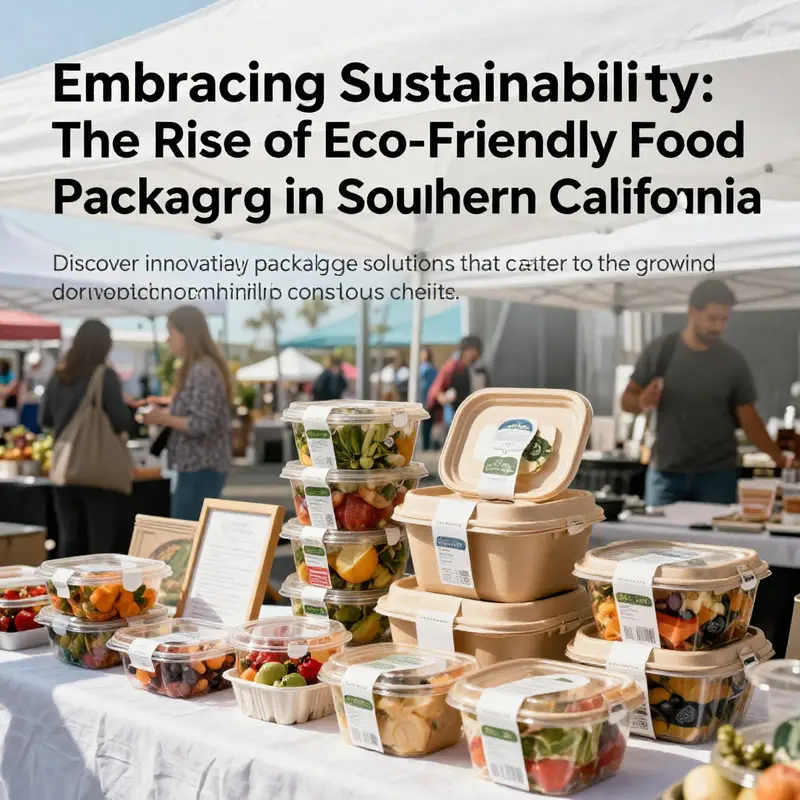
In Southern California, the focus on sustainability is transforming the food and beverage landscape, particularly through eco-friendly food packaging containers. As restaurants, bubble tea shops, food trucks, catering services, and corporate procurement teams seek greener alternatives, understanding the available materials, sourcing certifications, regulatory trends, and innovations is crucial. This article explores different types of eco-friendly packaging, essential qualifications for reliable suppliers, the latest regulations affecting packaging compliance, and the market trends driving innovation in environmentally responsible food containers.
From Trays to Trailblazing: The Eco-Friendly Food Packaging Landscape Steering Southern California’s Dining Culture
Southern California has long lived at the intersection of culinary innovation and environmental consciousness, a region where the pulse of food trends travels as fast as the traffic on the 405. Yet what makes the current moment distinctive is not merely the adoption of sustainable packaging, but the way it has become an integral part of business strategy, restaurant ethos, and consumer expectation. In a market neighbored by dense urban centers, coastal communities, and expansive agricultural regions, the packaging narrative has shifted from a niche concern to a visible sign of accountability. The shift is evident across the spectrum—from bustling street-food hubs and fine-dining concepts to the many middle-ground businesses that define the everyday food landscape. The goal is not only to replace conventional materials but to design a whole lifecycle story around each container: its origin, its performance in real-world conditions, its end-of-life fate, and the way it supports a brand’s broader commitment to the environment. In this sense, Southern California’s packaging evolution mirrors the region’s broader approach to sustainability, where innovation, regulation, supply chain maturity, and consumer values reinforce one another in a continuous feedback loop that shapes product design, vendor selection, and daily operation.
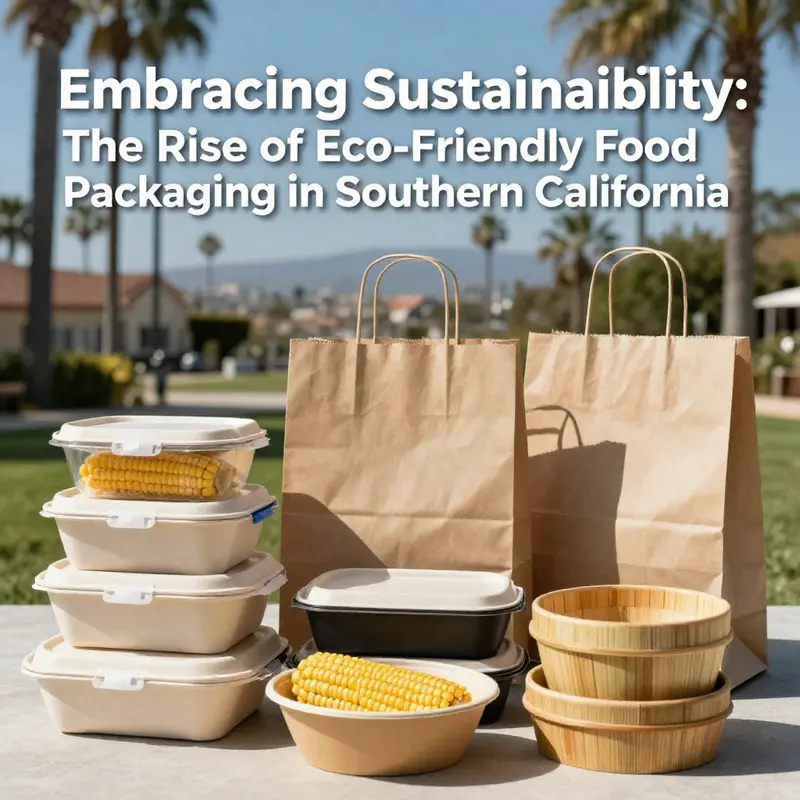
The core materials embraced by the local ecosystem reflect a clear preference for renewable feedstocks, recyclability, and compostability, balanced with practical performance for a bustling service economy. Cornstarch-based materials stand out as a prominent category in this landscape. These bioplastics, derived from renewable starch sources, are designed to be fully compostable in industrial facilities. They offer a tangible reduction in long-lived waste when compared with traditional polystyrene and other conventional takeaway containers. In practice, they are molded into a wide array of shapes, from single-use trays to rigid containers, and are frequently chosen for their ability to withstand typical takeout temperatures and moisture loads while remaining aligned with a circular economy framework. Yet their adoption also invites thoughtful planning around waste infrastructure. The whether-and-where of industrial composting facilities, regional acceptance of these streams, and the logistics of consistent supply all influence the degree to which cornstarch-based solutions realize their full environmental promise. The conversation thus shifts away from a simple “green” label toward a lifecycle-aware approach that evaluates feedstock renewability, manufacturing energy use, and end-of-life processing.
Beyond cornstarch, bagasse and bamboo appear as complementary strands in the region’s packaging weave. Bagasse—the fibrous byproduct of sugarcane processing—offers a natural, heat-tolerant option for hot foods and demanding service contexts. Its rugged character makes it a reliable substitute for more fragile paper products, particularly in high-heat applications where there is a premium on strength and rigidity. Bamboo, another renewable feedstock, provides both form and function. Bamboo-based packaging and utensils embody a fast-growing resource that can anchor a broader sustainability narrative through responsible forestry practices and long-lasting material performance. While bamboo containers can be pretty and practical, the real story is their compatibility with other green initiatives that restaurants may pursue, such as the use of 100% recycled paper for menus and vegetable-based inks in printing. The result is a coherent, multi-layered environmental program where packaging is not a standalone choice but a component of brand stewardship. The choice of bamboo or bagasse often comes with a preference for materials that convey natural aesthetics while delivering the necessary barrier properties and heat resistance for hot servings, soups, and ready-to-eat meals.
Equally important in this region is the portfolio of recyclable and compostable packaging solutions that respond to both retail and food-service needs. Recyclable paper and cardboard products, when designed for durability and efficient recycling streams, help establish a straightforward path for end-of-life processing. In parallel, advances in compostable films and biodegradable polymer alternatives create opportunities for downstream waste to be diverted from landfills. This is not merely about using a compostable liner or sleeve; it is about selecting options that align with the local waste management ecosystem and ensuring clear consumer guidance on disposal. For many operators, this means opting for packaging that is compatible with industrial composting facilities, or at least packaging that can be recycled with minimal contamination. In practice, Southern California’s supply base has evolved to offer a spectrum of services—from design assistance and small-batch pilot runs to full-scale production. Suppliers increasingly provide a turnkey experience that helps businesses transition to sustainable packaging without sacrificing speed, reliability, or cost competitiveness. This seamless integration—design, testing, production, and logistics—has become critical in a region where market demand shifts rapidly and the hospitality industry emphasizes both resilience and innovation.
The ethical and practical dimensions of procurement cannot be overstated. To ensure that materials perform as promised and deliver genuine environmental benefits, buyers are urged to favor suppliers who can deliver traceability for raw materials. This includes documentation that demonstrates sourcing from renewable or recycled streams, along with evidence of an environmental management system like ISO 14001. Another crucial criterion is compliance with consumer protection and advertising standards, such as statements aligned with the Federal Trade Commission’s guidance on green marketing. In an era of heightened scrutiny, the risk of greenwashing—where products are marketed as sustainable without substantiation—has pushed buyers to demand verifiable certifications and transparent supply chains. In response, many local suppliers in Southern California present a compelling package: robust environmental credentials, a track record of reliable performance under the region’s demanding service conditions, and a willingness to collaborate through every stage of the product’s lifecycle—from design through end-of-life recovery.
As with any systemic shift, particular attention must be paid to the interplay between packaging choices and broader waste-management infrastructure. The Southern California context features a mosaic of curbside programs, industrial composting facilities, and dedicated recycling streams. In areas where industrial composting is available, cornstarch-based and bagasse products can take full advantage of composting pathways, provided they are clearly labeled and consumer disposal instructions are straightforward. In other communities, where composting may be less accessible, robust recycling remains a critical driver of environmental impact reduction. The region’s packaging decisions are thus guided not only by what performs in a kitchen or a storefront, but also by how the waste stream can absorb and process these materials efficiently. This makes the education component essential: customers, drivers, and staff must understand which items are compostable or recyclable, how to prepare them for collection, and why these choices matter for local ecosystems. The result is a culture where sustainability is not a marketing line but a shared practice, observable in the way menus, supply chains, and storefronts are organized around waste prevention, reuse where feasible, and responsible end-of-life treatment.
In shaping the future, Southern California’s eco-packaging landscape is leaning toward deeper integration of material science with supply-chain logistics. Advances in barrier properties, heat resistance, and mechanical performance are driving the viability of sustainable options even for complex meals, long-distance deliveries, and high-volume events. At the same time, designers and operators are exploring ways to design for reuse and for disassembly, ensuring that containers are not only easy to recycle or compost, but also simple to separate and recover in mixed streams. The region’s innovators emphasize not just what a container is made of, but how it behaves during use, during transport, and after disposal. This perspective aligns with the broader aim of reducing lifecycle environmental footprints while preserving the dining experience people expect—convenience, hygiene, and reliability—across a dynamic market that demands both creativity and accountability.
To translate these principles into action, buyers should seek out suppliers that offer end-to-end support. This means not only providing materials and production capacity but also offering guidance on regulatory compliance, labeling, and post-consumer recovery strategies. The dialogue between buyers and suppliers should include discussions about traceable material streams, certifications, and the alignment of packaging choices with local composting and recycling infrastructure. It should also address practical considerations such as shelf stability, moisture management, and heat tolerance under real-world conditions, especially in a climate as varied as Southern California’s—from arid inland zones to humid coastal neighborhoods. The best partnerships in this space are those that recognize packaging as a strategic asset that touches branding, operations, and environmental stewardship equally. They work to harmonize design aesthetics with functional requirements while ensuring that the end-of-life story remains clear and achievable within the region’s waste management realities.
For readers seeking a deeper, more technical exploration of the materials and their industrial implementation, a comprehensive guide offers detailed explanations of how these eco-friendly options function at scale. This resource delves into the material science behind cornstarch-based formulations, the processing considerations for bagasse and bamboo fibers, and the practical aspects of integrating recyclable and compostable solutions into existing packaging lines. It also discusses the certification landscape, including how to verify biodegradability claims and how to avoid greenwashing through rigorous testing and third-party validation. This broader perspective helps connect local decisions in Southern California to global best practices, illustrating how regional momentum contributes to a worldwide shift toward responsible packaging in food service and retail.
Internal reference and practical examples can be found in local supplier catalogs and partner pages that showcase how sustainable packaging concepts translate into real-world options. For instance, an octagonal kraft paper box packaging option has become a popular choice for takeout presentations in multiple kitchens across the region, offering a balance of form, function, and responsible disposal. Such formats illustrate how a seemingly simple container can carry a brand’s sustainability promise while meeting the demands of speed, stackability, and durability during delivery. For designers and operators, the challenge remains to align packaging with the realities of a high-turnover environment, ensuring that each component—from the outer liner to the inner barrier layer—contributes to a coherent waste-management story and reinforces consumer trust in a brand that prioritizes the health of the planet alongside the health of its customers. To explore related concepts and practical design considerations, readers may consult relevant industry resources and case studies that illuminate how these materials perform in diverse service settings, as well as how they integrate with local recycling and composting streams.
In sum, Southern California’s eco-friendly food packaging scene represents more than a transition from one material to another. It embodies a holistic approach that connects supply chains, waste systems, consumer expectations, and regulatory signals into a cohesive strategy. The region’s leadership rests on the ability to pair renewable and recyclable materials with rigorous certification, transparent sourcing, and a shared commitment to reducing environmental footprints without compromising the dining experience. As restaurants, retailers, and delivery platforms continue to scale sustainable packaging across a broad spectrum of contexts, the lessons learned here can inform other markets seeking to harmonize innovation with accountability. The ongoing collaboration among chefs, designers, suppliers, and waste managers will determine how effectively this packaging revolution translates into cleaner streets, healthier ecosystems, and a more resilient food economy in Southern California and beyond. For practitioners, the path forward lies in choosing materials that perform under pressure, support clear consumer guidance, and demonstrate verifiable environmental benefits—while maintaining the agility required to respond to evolving tastes, seasonal shifts, and the region’s unique climate and infrastructure. One practical next step is to engage with suppliers who can provide measurable evidence of impact, traceability, and alignment with recognized standards, thereby turning packaging choices into a genuine competitive advantage and a durable commitment to the environment that customers can trust. Disposable Octagonal Kraft Paper Box Packaging. For readers seeking a structured deeper dive into the technical and industry-wide aspects, an external resource offers detailed explanations of newest eco-friendly food packaging, including technical details, features, and industrial implementation: https://www.greenpackaging.org/newest-eco-friendly-food-packaging-explained.
Sourcing with Certainty: Certifications, Supply Chains, and the Green Packaging Frontier in Southern California
In Southern California, the search for eco-friendly food packaging containers unfolds as a careful balance between local demand, logistics, and credible end-of-life pathways. The region’s dining landscape—a dense mix of restaurants, delivery platforms, and retailers—has made sustainability a routine procurement criterion. Yet the local market sits within a broader, highly integrated global network, so buyers must verify a traceable path from renewable or recycled feedstocks to disposal outcomes that align with recognized standards. This requires a disciplined sourcing mindset that foregrounds certifications, chain-of-custody data, and the realities of production, import, and waste management in a populated, climate-conscious corridor on the Pacific Rim.
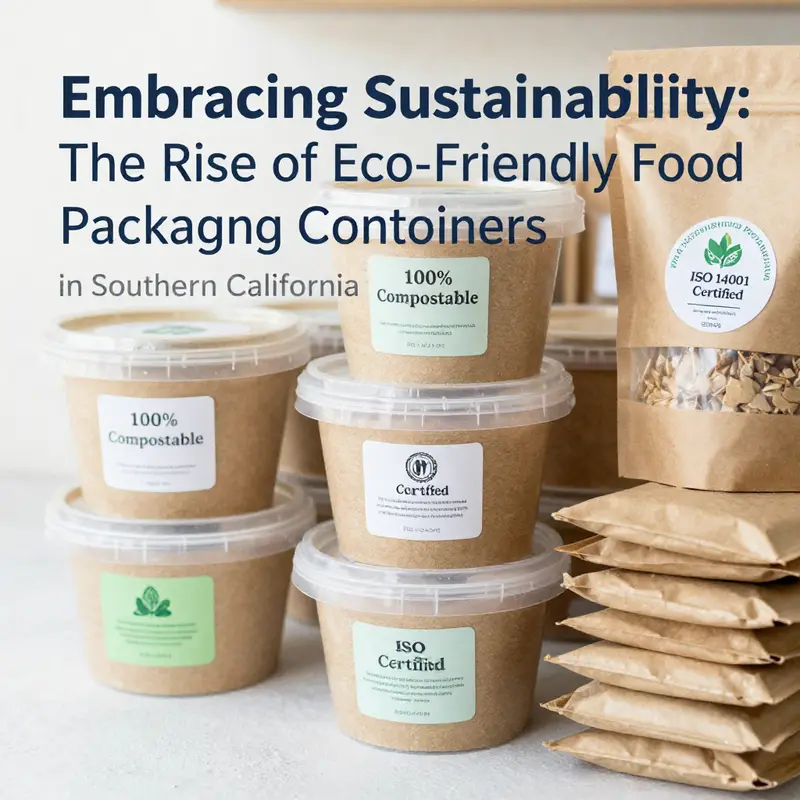
A central hinge is certification—external attestations that a material or product meets a defined environmental performance. For paper-based materials, Forest Stewardship Council (FSC) certification is a baseline indicator of responsibly managed forests and supply chains. For compostable or bio-based plastics, standards such as EN 13432 and ASTM D6400 become essential checkpoints. EN 13432 addresses industrial compostability, while ASTM D6400 provides a framework for disintegration in industrial facilities. The distinction between home and industrial composting matters; many facilities in California lack the infrastructure for rapid degradation unless materials are explicitly certified for industrial composting. Consequently, buyers should request documentation that demonstrates end-of-life compatibility with local waste-management programs. Clarity in certification documents—scope, testing conditions, and the intended disposal environment—becomes a strategic asset.
Southern California’s geographic and infrastructural advantages amplify reliability. Proximity to major ports reduces lead times and supports predictable import cycles for globally sourced packaging. Certified manufacturers often operate in regions with automated facilities that specialize in biodegradable, recycled, and molded pulp packaging. Local logistics enable faster sample approvals and shorter time-to-scale for new concepts, which matters for seasonal menus or evolving consumer expectations. While the region is not a manufacturing hub for everything, its role as a logistics and distribution hub—paired with a certification-driven procurement approach—helps bridge the gap between high-grade materials and timely delivery.
Production and delivery dynamics can be swift. With internal approval, volume production can begin rapidly, especially when suppliers have vertically integrated capacities and standardized quality controls. For large-volume orders, many certified facilities can deliver full production batches within roughly 15 to 30 days after design approval, provided material composition, finishes, coatings, or laminations are finalized. Sampling is often available within days, with rapid prototyping and digital design iterations accelerating the learning loop. Economies of scale bring cost advantages for tens of thousands of units, and sea freight with Less-than-Container Load (LCL) or Full Container Load (FCL) arrangements can sharpen price competitiveness. In this geography, cost delta versus domestic North American suppliers can be meaningful—potentially 15 to 25 percent for large-volume runs, provided everyone maintains rigorous certification compliance and predictable lead times.
Sustainability goes beyond price. Buyers should assess material composition, favoring plant-based resources, recycled cellulose, or fiber blends that reduce environmental footprint. End-of-life performance remains a critical test: how well the material biodegrades or composts in the intended stream, whether industrial composting is accessible, and whether the disposal pathway aligns with local programs. Documentation should reflect supply-chain transparency—verifiable evidence that raw materials originate from responsibly managed sources and that downstream processing mirrors those commitments. These criteria create a robust framework that helps Southern California buyers navigate a market with diverse distributors, regional manufacturers, and international producers.
Ongoing supplier assessment is essential. A buyer’s due diligence typically covers: (1) material composition, confirming renewable feedstocks such as sugarcane bagasse, corn-starch derivatives, or post-consumer recycled fibers; (2) end-of-life verification anchored in recognized certifications and independent test reports; (3) supplier responsiveness and scalability; and (4) chain-of-custody transparency enabling tracking from feedstock to finished container. Together, these criteria support a resilient supply chain, price stability, and faster time-to-market for credible eco-friendly packaging programs aligned with the region’s standards and expectations.
Manufacturing capabilities in this space support agile development while meeting food-contact safety and environmental performance. Digital die-cutting enables rapid iteration; CMYK printing supports branding; lamination and barrier coatings extend shelf life and withstand hot-fill or hot-food conditions. When coatings are needed, bio-based polymers such as PLA can be used in ways that preserve compostability where appropriate. Some suppliers offer expedited air freight for time-sensitive projects to shorten the bridge from design approval to samples. The trade-offs among cost, performance, and end-of-life fate should be discussed openly to ensure alignment with sustainability commitments and local waste realities.
In practice, successful sourcing combines global supply-chain efficiency with transparent, auditable credentials. Buyers should request documentation for all certifications and consider independent verification where appropriate. Site audits, supplier questionnaires, and ongoing performance reviews help verify that practices remain consistent with claims. This collaborative approach often yields a more resilient supply chain, price predictability, and faster time-to-market for eco-friendly packaging that meets the region’s standards and consumer expectations.
A practical look at the landscape can be found in an internal reference that showcases a take-out solution designed for compatible end-of-life pathways: a compostable vessel engineered for hot foods, constructed from plant-based or recycled materials, and certified for disposal streams aligned with the region’s waste infrastructure. As buyers navigate this landscape, they can rely on certifications, proximity to logistics hubs, and a collaborative supplier network to achieve credible, scalable packaging programs that meet current demand and anticipate future shifts in policy and stewardship.
In sum, sourcing eco-friendly food packaging in Southern California is disciplined diligence, not a casual choice. It requires a framework that integrates verifiable certifications, transparent supply chains, and realistic end-of-life knowledge. It calls for engagement with global manufacturers while leveraging the region’s logistical strengths for timely delivery. It demands ongoing supplier collaboration to sustain innovation, meet evolving regulatory expectations, and maintain consumer trust. When these elements come together, Southern California can continue to lead in adopting packaging that protects people, protects the environment, and raises the bar for responsible packaging in a dynamic, modern food economy.
Navigating the Green Gatekeepers: Regulatory Trends and Compliance for Eco-Friendly Food Packaging in Southern California
Southern California sits at a pivotal crossroads where environmental aspiration, public health standards, and a highly visible consumer culture converge around food packaging. The regulatory landscape in this region is not a mere backdrop; it is a dynamic force shaping what packaging materials are permissible, how products must be labeled, and who bears the responsibility for end-of-life processing. To understand the current and future direction of eco-friendly packaging in Southern California, it helps to see regulation as both a guardrail and an incentive—setting clear expectations while stimulating innovation in materials, design, and supply chains. The consequence for businesses, whether restaurants, grocers, or food delivery platforms, is a pressing need to anticipate shifts, document evidence, and demonstrate true environmental performance rather than relying on green claims alone.
At the local level, cities in the region have begun to tighten restrictions on single-use plastics. Los Angeles, San Diego, and surrounding jurisdictions have rolled out bans or targeted prohibitions on polystyrene foam containers and certain plastic bags. In practical terms, this translates into a mandatory shift for foodservice operators: switch from Styrofoam to compostable or recyclable alternatives, and ensure that packaging complies with certifiable standards rather than unverified claims. The regulatory requirements commonly hinge on third-party certifications. Certifications such as the Biodegradable Products Institute (BPI) and industrial compost certifications like OK Compost Industrial provide a framework for assessing whether a material actually degrades in the intended facility, within a realistic timeframe. These certifications help prevent the misperception that “green” equals “biodegradable” in all contexts, and they reduce the risk of noncompliance that could trigger fines or negative public scrutiny.
Beyond city ordinances, the state’s posture on plastics has grown more ambitious and far-reaching. California’s Circular Economy and Plastic Pollution Prevention Act, SB 54, enacted in 2022, introduced a set of sweeping requirements that define a path toward recycling and reuse that reaches across the entire lifecycle of packaging. A core provision envisions all plastic packaging as recyclable or reusable by 2032. This is not a mere target; it signals a fundamental shift in how products are designed, sourced, and managed after use. In practice, SB 54 nudges manufacturers toward Extended Producer Responsibility (EPR), a policy approach that asks brands and packaging producers to finance the collection and recycling of their packaging. The intent is twofold: to shoulder responsibility away from local governments and to create a robust incentive for manufacturers to make packaging easier to recycle, more reusable, and compati ble with existing recycling infrastructure.
The implications for Southern California operators are consequential. Businesses must evaluate the lifecycle of their packaging—from raw materials to end-of-life disposal—to ensure compliance with both local enforcement and state requirements. This involves not only material selection but also performance under real-world conditions, such as heat exposure in takeout meals or the rigors of curbside recycling streams. The pressure to conform is intensifying as municipalities align enforcement with statewide policy goals and as local environmental justice concerns push for equitable access to sustainable packaging options. Regulators watch not only for compliance but also for whether packaging choices actually reduce environmental burdens, which is why robust lifecycle assessments, credible supplier disclosures, and transparent testing become nonnegotiable.
Consumer demand continues to be a powerful driver of regulatory and industry evolution. Even as regulations tighten, many customers actively seek out plant-based, biodegradable, and reusable options. This consumer trend reinforces the need for materials that are genuinely compatible with the local waste management system. It also raises the importance of credible communications about what happens to packaging after use. The risk of greenwashing—claims that a product is environmentally friendly without substantiation—remains real and costly. California enforces false advertising and misleading claims through its False Advertising Law and Unfair Competition Law, holding businesses accountable for claims that cannot be demonstrated with verifiable evidence. For a packaging program, this means evidence of industrial compostability or recyclability, appropriate certifications, and clear usage guidance that aligns with actual facility capabilities. The upshot is a marketplace where honesty about capabilities is not just ethical but legally essential.
To help businesses navigate this evolving terrain, state agencies and industry coalitions provide practical resources and criteria. CalRecycle remains a central hub for guidance on approved materials and certification pathways. The agency’s Plastic Pollution Prevention Program offers insights into which materials are accepted in various recycling and composting streams and how to obtain the necessary certifications. This guidance helps businesses align their product design with the realities of the local and regional waste infrastructure, ensuring that the packaging remains functional while being end-of-life friendly. At the same time, industry bodies are developing benchmarks and best practices for communication, labeling, and traceability. The combined effect is a more predictable regulatory environment where responsible packaging choices are rewarded with smoother market access and consumer trust.
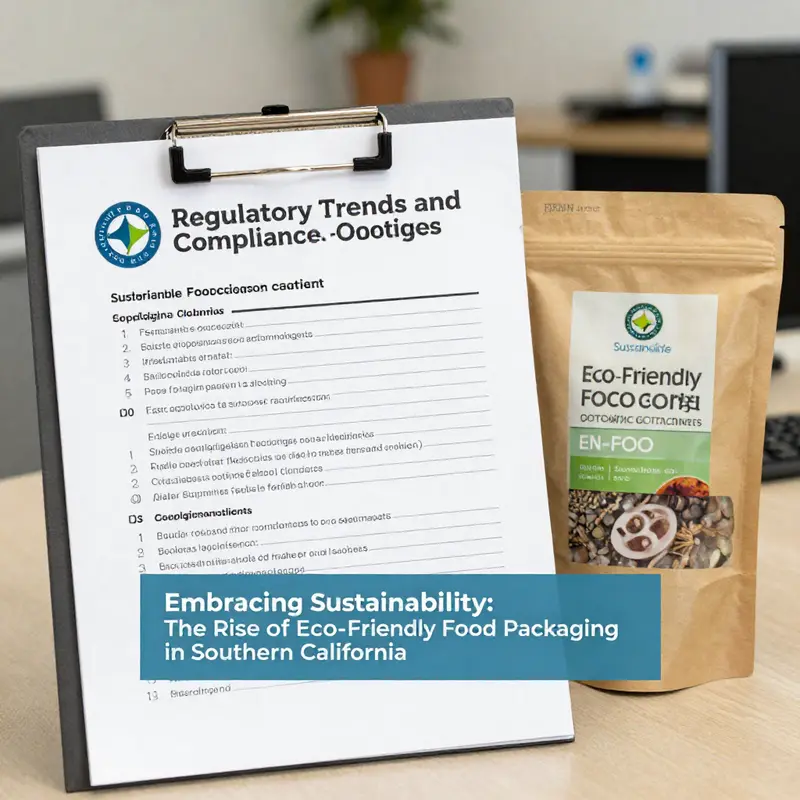
From a practical standpoint, Southern California businesses can reduce compliance risk by adopting a structured approach to material selection and supplier governance. First, traceability becomes essential. Being able to document the origin of raw materials and any additives is central to certifiable claims about environmental performance. This means working with suppliers who can provide clear supplier declarations, material safety data, and—if required—certificates of conformity. Second, ISO 14001 environmental management system certification signals that a company has a systematic approach to environmental management, including traceability, lifecycle thinking, and continuous improvement. Third, claims about a packaging’s environmental attributes should align with Federal Trade Commission guidance. When a producer asserts that a package is “compostable” or “recyclable,” the statement should be accompanied by test data and independent certification verifying that the packaging can perform as claimed under realistic industrial or home composting or recycling conditions.
The regulatory narrative in Southern California is also shaped by the broader supply chain ecosystem that supports eco-friendly options. Local suppliers increasingly offer end-to-end services, from design and prototyping to small-batch trials and scalable production. This is particularly valuable in a market that values rapid response to regulatory changes and evolving consumer preferences. For buyers, the ability to partner with suppliers who provide transparent materials sourcing, strong environmental management credentials, and clear quality assurances can shorten the path to compliance and reduce the risk of misrepresentation. In practical terms, this translates into a careful vendor evaluation process that prioritizes materials with verified certifications, traceability documentation, and alignment with lifecycle thinking. It also means building contingency plans in response to potential changes in waste management infrastructure or certification standards, ensuring that packaging remains compliant even as conditions shift.
One notable dynamic in the region is the opportunity to link policy expectations with design innovation. As SC county and city regulations increasingly favor materials that are compostable or recyclable, designers are guided to create packaging that integrates seamlessly with local facilities. This includes choosing materials that degrade within the timeframes and conditions of industrial composting or recycling streams available in Southern California. Materials such as cornstarch-based bioplastics, bagasse fibers derived from sugarcane waste, and recycled paper and cardboard are now part of the credible toolkit for compliant packaging. Each option requires a clear plan for end-of-life management, with certifications proving industrial compostability or recyclability and with attention to the infrastructure’s ability to accept them. The result is a packaging ecosystem that balances functional performance—holding hot foods, preserving freshness, resisting leaks—with environmental performance and regulatory compatibility.
In practice, addressing compliance means translating policy into process. Companies map packaging compounds to the appropriate certification pathways and then verify that certifications remain current as products or formulations change. It also means maintaining documentation that can be inspected by local authorities or at the point of sale. Businesses increasingly recognize that compliance is not a one-off effort but a continuous discipline—an ongoing dialogue among product development teams, procurement, regulatory affairs, and sustainability officers. The governance model thus expands beyond compliance checklists to include lifecycle cost assessments, supplier audits, and proactive engagement with regulators. This proactive posture helps reduce the risk of penalties and strengthens a brand’s credibility with eco-conscious consumers who increasingly scrutinize the provenance and fate of the packaging that accompanies their meals.
For organizations seeking tangible paths forward, several practical steps emerge. Start with material selection rooted in verified certifications and transparent supply chains. Prioritize materials that have demonstrated end-of-life compatibility with the region’s facility network, and seek suppliers who can provide clear declarations of conformity and traceability. Invest in lifecycle assessments to quantify reductions in environmental burden relative to baseline packaging options. Implement an internal claims review process to ensure all environmental statements are supported by data and aligned with FTC guidance. Build a supplier qualification program that assesses environmental management systems, such as ISO 14001, and requires ongoing monitoring of supplier performance. Finally, implement clear labeling and consumer guidance that accurately conveys compostability or recyclability under realistic conditions, avoiding vague or overstated claims.
Incorporating these practices helps Southern California businesses stay ahead of regulatory shifts and ready for market demand. A thoughtful approach to packaging that emphasizes true recyclability, genuine compostability, or reusability—and that demonstrates it with credible documentation—turns compliance into a competitive advantage. It signals to customers and regulators alike that a company is committed not only to reducing waste but to accelerating a circular economy in a region where environmental leadership is highly valued. In this context, a single packaging choice becomes part of a broader narrative about regional resilience, public health, and responsible consumption that resonates with diverse stakeholders—from restaurant operators and delivery platforms to consumers, policymakers, and environmental advocates.
For readers seeking concrete examples of how material choices align with regulatory intent and consumer expectations, consider the example of a typical takeout packaging component that can be sourced through established suppliers. The packaging option, designed for compatibility with industrial composting facilities and backed by credible certification, can be reviewed for material origin, certification status, and end-of-life pathways. For anyone exploring supplier options, one internal reference that demonstrates the type of packaging formats now common in the region is the disposable-700ml-kraft-paper-bowl-take-out-octagonal-rectangle-paper-bowl page. This page exemplifies a product category that meets several of the criteria regulators and civil society groups are emphasizing: clear materials declarations, trackable supply chains, and alignment with sustainability claims that can be substantiated through appropriate certification.
As the regulatory environment evolves, the most resilient packaging programs will harmonize compliance, product performance, and authentic environmental stewardship. They will choose materials with verified end-of-life pathways, maintain robust documentation to support marketing claims, and cultivate supplier partnerships that prioritize transparency and continuous improvement. Southern California’s ecosystem—comprising municipal regulators, state policy, consumer advocates, and industry innovators—will continue to reinforce a path toward packaging that is truly recyclable, reusable, or compostable in the regions’ existing waste networks. This is not merely a compliance exercise but a framework for sustainable growth in a market where ecologically minded consumers increasingly expect accountability, accuracy, and action from brands and businesses alike. External and internal stakeholders alike gain confidence when regulatory compliance and environmental performance advance in lockstep, turning policy into practice and practice into progress.
External resource: https://www.calrecycle.ca.gov/programs/plastic-pollution-prevention/
Internal reference example anchor (for supplier context): disposable-700ml-kraft-paper-bowl-take-out-octagonal-rectangle-paper-bowl
Rising Demand, Local Innovation, and the Craft of Sustainable Food Packaging in Southern California
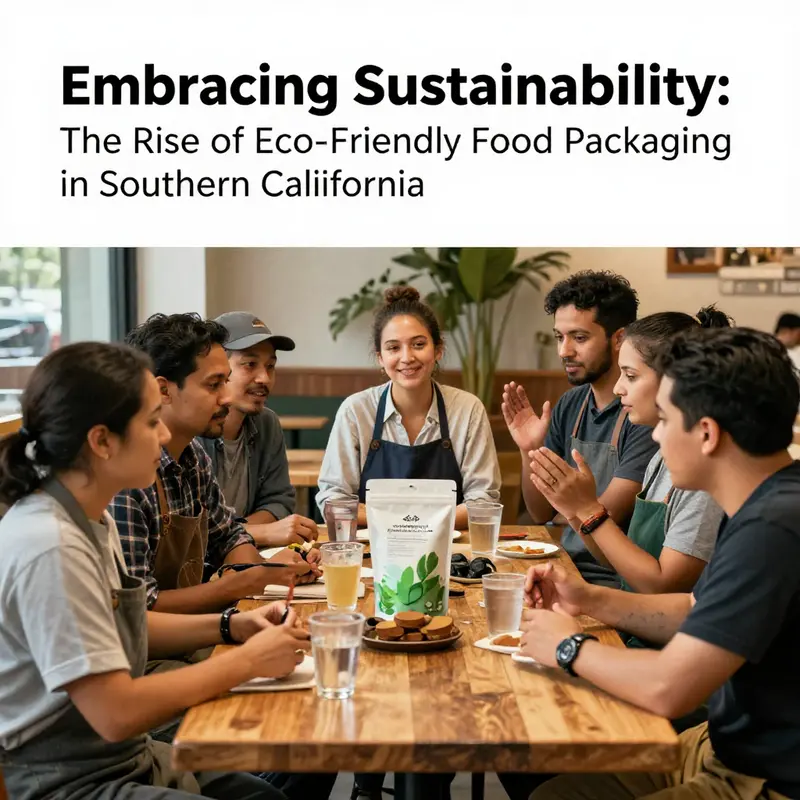
Southern California sits at the intersection of climate-conscious consumer culture, a dense and diverse food scene, and a regulatory environment that continually nudges the industry toward healthier, lower-impact choices. The region’s restaurants, food trucks, meal-delivery services, and retailers collectively shape a marketplace that rewards materials and designs capable of reducing waste without compromising safety or user experience. As consumer awareness about environmental issues grows, so does the pressure on manufacturers, distributors, and food service operators to adopt packaging that is not only functional and attractive but also verifiably sustainable. In this landscape, the market for eco-friendly food packaging containers is expanding with remarkable velocity, driven by a mix of local regulation, a robust supply chain, and a culture that values design and circularity. The trend is not merely a reaction to a ban on certain single-use plastics; it reflects a broader shift in how businesses and consumers conceive waste, value, and responsibility. The result is a regional ecosystem in which the demand for sustainable containers prompts continuous innovation, the formation of new supplier networks, and an evolving language of certification that helps prevent greenwashing while guiding practical decision-making for buyers and designers alike.
At the core of Southern California’s momentum is a converging set of strategic forces. First, consumer expectations in dynamic urban centers and coastal neighborhoods have grown more exacting. Patrons increasingly equate a brand’s image with its environmental footprint, and they expect packaging to align with ethical values—from the raw materials used to the end-of-life story. Second, local and state-level policies discourage or restrict the use of certain plastics and polystyrene, creating a practical impetus for restaurants and retailers to retool their packaging portfolios. Third, the region benefits from a thriving network of research institutions, startups, and established manufacturers that focus on renewable resources, industrial compostability, and advanced recycling pathways. This combination produces a market where supply is no longer a barrier to entry but a platform for experimentation, scale, and collaboration.
To understand the path forward, it helps to trace the material and design innovations fueling SoCal’s packaging options. Plant-based polymers, including polylactic acid (PLA) and various copolymers, have matured from niche offerings to mainstream choices for takeout containers, bags, and lids. These materials strive to recreate the user experience associated with conventional plastics—clear visibility of contents, moisture and grease resistance, and durability—while offering industrial compostability or enhanced recyclability as end-of-life outcomes. Yet the choice of material does not determine sustainability by itself. The environmental story must account for the energy inputs, water use, and transportation footprint associated with sourcing, processing, and transporting these materials to the local market. Indeed, a material that composts readily in an industrial facility may still entail a higher overall footprint if it requires long-haul shipping or energy-intensive processing. This nuance has sharpened the industry’s emphasis on life-cycle thinking and validated certifications that can verify performance within defined waste-management streams.
Bagasse—the fibrous remainder from sugarcane processing—emerges as another compelling option in the regional toolkit. Its natural strength, heat resistance, and biodegradability make bagasse-based containers especially suitable for hot foods, while its use signals a shift toward agricultural waste valorization. In Southern California, the preference for bagasse often sits alongside other renewable-material choices such as cornstarch-based products and recycled paper or cardboard. These options collectively illustrate a practical spectrum of solutions that differ in strength, heat tolerance, oil and moisture handling, and end-of-life infrastructure requirements. The practical takeaway for buyers is not a single “best” material but a well-matched portfolio: a mix of products that can handle diverse menu offerings, from quick-service bowls to heat-intensive takeout, while still aligning with industrial composting or recycling capabilities present in the region. For businesses seeking a tangible example of how such choices connect to design and branding without sacrificing sustainability, a look at the broader packaging family reveals a growing emphasis on consumer-friendly interfaces, reusability concepts, and streamlined logistics that reduce parceling waste and storage space. A practical reference point for this approach can be found in common packaging formats that balance efficiency with sustainability, such as octagonal kraft paper box packaging, which demonstrates how form, function, and environmental considerations can be harmonized in a single container. octagonal kraft paper box packaging.
From a design perspective, the challenge lies in preserving the sensory qualities of hot and greasy foods while keeping the packaging lightweight and cost-competitive. Coatings and barrier layers have evolved to meet this need, with new food-safe films and wax treatments applied to recycled paperboard containers to improve moisture management and grease resistance. These interventions aim to protect the package during transit and consumption, reducing the likelihood of leakage, sogginess, or compromised integrity—issues that often trigger early disposal and waste. Importantly, such coatings and films are subject to strict safety standards and environmental audits to ensure they do not undermine the recyclability or compostability of the base material. The broader design philosophy emphasizes modularity and compatibility with existing waste-stream infrastructure. If a container is designed for industrial composting, it must be clearly labeled and paired with facilities that can process it efficiently. If it is intended for recycling, it must avoid contamination by coatings or inks that interfere with recycling streams. These decisions are not abstract. They govern how a business communicates its sustainability story to customers, how regulators scrutinize the packaging, and how suppliers plan production and distribution.
Sourcing and supply chain considerations increasingly define the practical realities of acquiring eco-friendly containers in Southern California. Buyers, especially those in business-to-business contexts, benefit from suppliers who can provide clear material provenance, certifications, and consistent Batch-to-batch performance. A growing number of providers offer end-to-end services, from initial design and small-batch prototyping to scalable mass production, enabling brands to test new formats quickly and adapt to shifting consumer preferences without sacrificing quality or reliability. In this environment, certifications such as EN 13432 become critical references. They offer a robust framework to validate industrial compostability and help buyers avoid greenwashing by confirming that products will decompose within a defined timeframe in industrial facilities that meet standardized criteria. Additionally, adherence to ISO 14001 underscores a supplier’s commitment to environmental management systems, while declarations aligned with Federal Trade Commission green guides help ensure that sustainability claims are accurate and not misleading. For professionals evaluating suppliers, traceability of raw materials—whether the cellulose fibers in recycled paper or the agricultural residues used for bagasse—adds a layer of confidence that the environmental benefits are not merely theoretical but verifiable in practice. And because Southern California’s logistics network is highly integrated, buyers should look for suppliers who can support rapid response times, small-batch trials, and local or regional distribution strategies that minimize carbon-intensive transportation.
A crucial, often overlooked dimension is the end-of-life ecosystem. The most sustainable packaging is the one that can actually reach its intended waste stream. In a region with a vibrant recycling culture alongside industrial composting capacity, buyers must understand the local waste-management realities—what facilities exist, what materials they accept, and the infrastructure timelines for processing. This is where the conversation between supplier and buyer becomes practical and ongoing rather than theoretical. Suppliers who can articulate the practical pathways for their products—from cradle to grave—gain a competitive edge not just on performance, but on trust. In this sense, the messaging around sustainability becomes a service expectation: a clear statement about material provenance, processing pathways, and the expected end-of-life outcome. Such transparency reassures operators that their packaging choices align with their sustainability pledges to customers and regulators alike.
Finally, the regional energy of Southern California is fueling a broader reimagining of how packaging can support a circular economy. The convergence of regulatory incentives, consumer demand, and rapid material science advances is accelerating collaboration across the supply chain. Local universities and research consortia are partnering with packaging manufacturers to test new formulations, refine barrier technologies, and optimize production processes for lower energy use and waste. This collaborative culture helps reduce the time from concept to market and supports more resilient supply chains that can weather fluctuations in demand and global trade tensions. For buyers, this translates into a more resilient sourcing landscape: more suppliers who can deliver small runs for testing, more options for end-of-life pathways, and more opportunities to tailor packaging to the specific needs of menus and delivery formats common in Southern California streets, beaches, and neighborhoods. The outcome is a packaging ecosystem that not only serves today’s demand but also adapts to faster rotations of concepts and materials in the years to come.
Sourcing strategies and design decisions that resonate in Southern California are increasingly cross-disciplinary. They require input from operations, procurement, culinary development, sustainability reporting, and even marketing. Because the region’s consumers respond to both product performance and environmental narratives, packaging must deliver on two fronts: function and credibility. The most effective strategies balance performance criteria—heat tolerance, moisture control, strength, and shelf stability—with life-cycle transparency, verifiable certifications, and a clear plan for end-of-life management. In practice, this means choosing materials that align with available industrial composting or recycling streams, selecting formats that minimize packaging thickness without compromising user experience, and communicating sustainability claims with precision. It also means recognizing that some contexts might favor compostable solutions, while others benefit from recycled-content formats that leverage existing recycling infrastructure. The decision matrix is nuanced, but its outcome is consistent: packaging that helps food service operators meet regulatory expectations, satisfy informed customers, and maintain operational efficiency.
As the regional market evolves, the opportunities for smarter packaging design grow more compelling. The region’s supply base is maturing, with a growing suite of partners offering design services, test runs, and scalable production workflows that can accommodate both boutique concepts and larger operators. The knowledge base around material grades, composting requirements, and safety regulations continues to expand, enabling buyers to make more informed choices. In this context, sustainable packaging is less about chasing a single material solution and more about orchestrating a dependable ecosystem where materials, processes, and end-of-life options align with the city’s values and its people’s needs. For readers and professionals seeking practical direction, the path is to connect with suppliers who can articulate a transparent end-to-end story—how raw materials are sourced, how they perform under real-world conditions, and how the product participates in a waste-management system that is accessible to the community. This approach not only advances environmental performance but also builds trust with customers who increasingly expect accountability at every stage of a product’s life cycle. Industry-wide clarity on these points is essential if Southern California is to maintain its leadership in sustainable food packaging while supporting a thriving, diverse, and dynamic food economy.
External resource: Industry perspectives and regional insights are further summarized by the Sustainable Packaging Coalition’s South Coast California Initiative, which provides broader context on regulatory trends, market dynamics, and the evolving standards that shape packaging decisions in the region. https://www.sustainablepackaging.org/initiatives/south-coast-california
Final thoughts
As the food and beverage sector in Southern California continues to embrace sustainable practices, eco-friendly food packaging containers are at the forefront of transforming industry standards. The variety of materials available, backed by credible certifications and regulatory compliance, ensures that businesses can confidently support their sustainability goals. Keeping abreast of market innovations further empowers restaurants, food trucks, and catering services to meet consumer demands while contributing positively to the environment. Together, we can pave the way for a greener future in food service.