
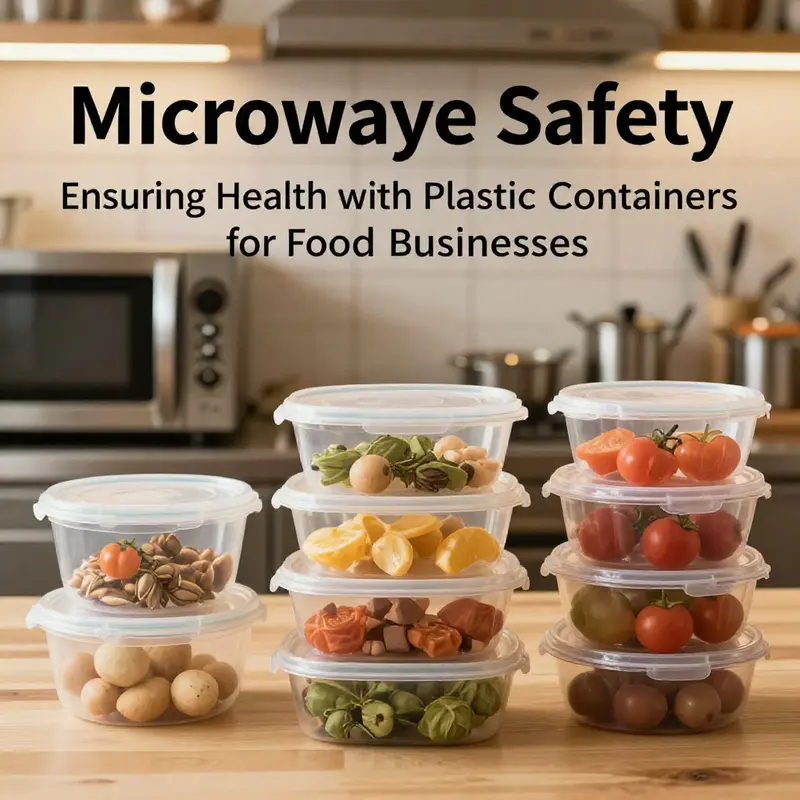
As the food and beverage industries continue to evolve, understanding the safety concerns surrounding plastic containers in microwaves becomes increasingly vital. For bubble tea shops, restaurants, and catering services alike, it’s essential to ensure that the food packaging utilized is not only convenient but also aligns with health standards. This article delves into the intricacies of selecting safe plastic containers, proper heating methods, potential risks, feasible alternatives, and health guidelines, emphasizing a holistic approach to microwave usage in food service environments. By acknowledging each chapter’s insights, business operators can make informed choices that prioritize both convenience and customer safety.
Understanding Microwave-Safe Plastics: How to Choose and Use Containers
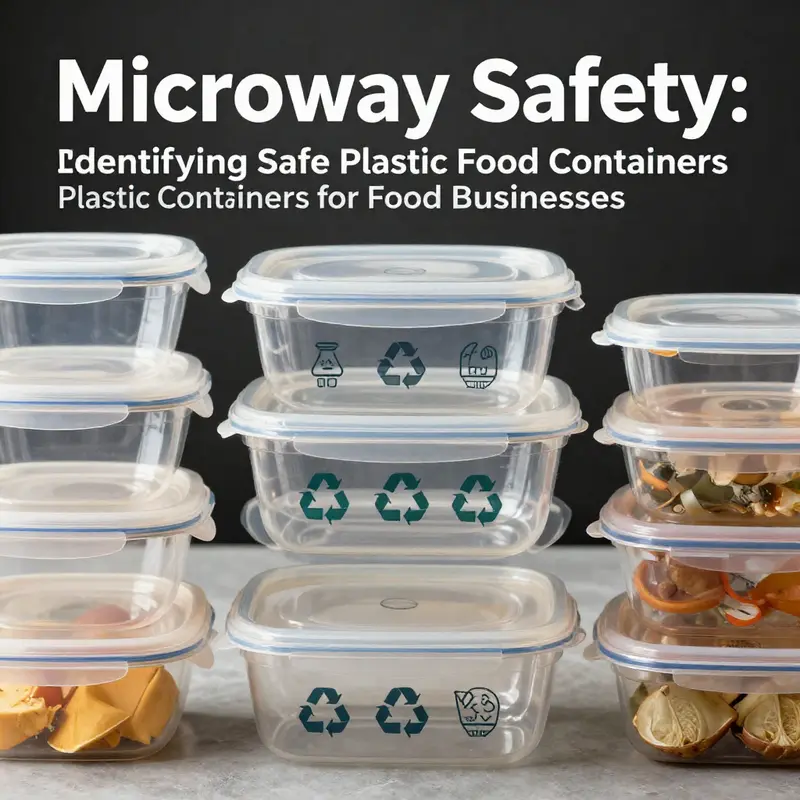
Safe microwaving starts with knowing the material. Read the resin identification code on the bottom of the container and look for the 5 within the recycling triangle, which indicates polypropylene. In general, 5 is considered microwave friendly because testing supports its stability at typical reheating temperatures. Labels that say Microwave Safe or carry a microwave wave icon should be understood as guidance, not a guarantee for every food or every heating scenario. Other plastics such as 1 PET, 3 PVC, 6 PS, and 7 PC can behave differently under heat, including softening, migration of additives, or odor development. Always vent lids, avoid overfilling, and heat in stages when possible to minimize hotspots and protect the container. If there is any doubt about the container’s integrity, switch to glass or ceramic. For plastic use, prefer a PP 5 container with a clear microwave safe designation, and verify that the lid and venting are compatible with microwave heating. Regular checks for warping, cracking, or strange odors help catch aging containers before use. For high-fat or high-sugar meals, consider using non plastic options whenever practical to further reduce migration risk. The goal is a mindful approach that balances convenience with food safety, rather than demonizing plastics.
Safe Heat, Smart Choice: Correct Procedures for Microwave-Ready Plastic Containers
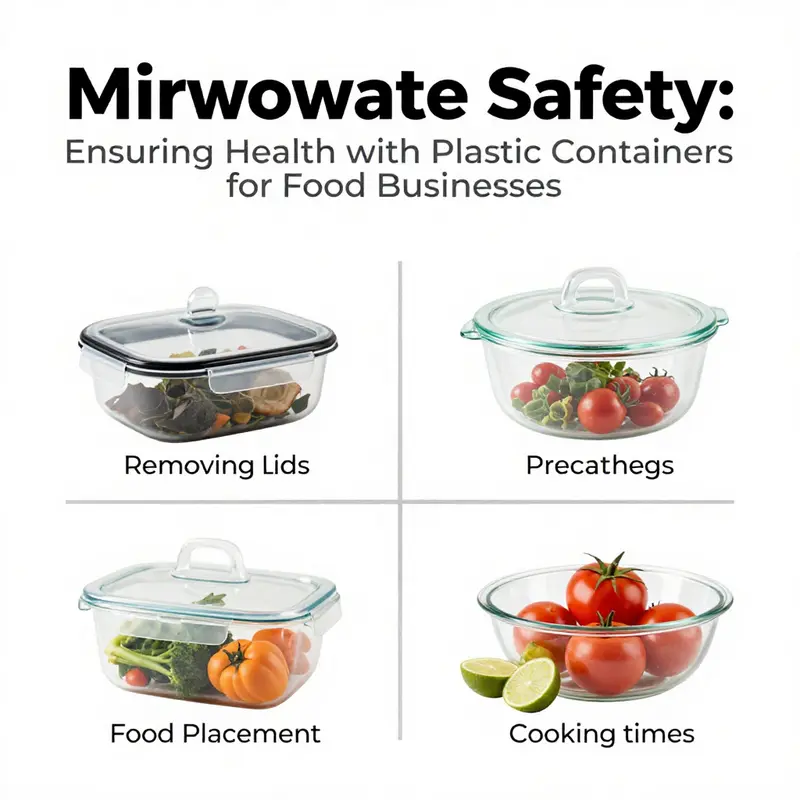
Every day, kitchens around the world hinge on a small, silent act: reheating leftovers or quick meals in the microwave. The convenience is undeniable, yet the practice carries subtle risks if the wrong materials are chosen or if heating is handled carelessly. The core of safe microwaving rests on two principles: selecting the right plastic material and following deliberate steps that prevent overheating, chemical migration, or mechanical failure of the container. When these principles align, ordinary meals become reliably warm without introducing unnecessary hazards. The heart of the matter lies in recognizing which containers are truly microwave-safe and understanding how to heat them properly so that convenience and health protection walk in step with each other. The truth is that not every plastic container can withstand the heat of a microwave, and even those labeled as safe demand respectful handling to protect family health over time.
The most critical first step is identifying a container’s material. The bottom of the plastic container carries the most telling information: a recycling symbol, often a triangle with a number inside. Among these numbers, the fifth option—polypropylene, or PP—remains the only widely accepted material for microwave use in consumer products. Containers marked with “5” or labeled with “PP” and often accompanied by the word “Microwave Safe” or a wave-like symbol are the ones most likely to perform reliably under heat. In contrast, materials such as PET (number 1) and PVC (number 3) pose greater risks because they can soften, warp, or shed chemicals when heated to higher temperatures. This distinction is not merely a matter of taste or tradition; it reflects established standards in food-contact plastics that caution against claiming microwave suitability for unlabeled or poorly tested products. In practical terms, if a container lacks a clear microwave-safe indication, it should be treated as inappropriate for microwave heating.
Even when a container is clearly marked as microwave-safe, users must adhere to precise heating practices. First, always remove the lid or vent the container before heating. Pressure from steam can build quickly, especially if a lid remains fully closed, potentially causing the container to deform or burst. Second, avoid overfilling—aim to keep the contents within about three-quarters of the container’s capacity. Overfilling can drive sudden boiling and spillover, which not only creates a mess but can accelerate overheating near the container’s walls, where polymer layers interact most with food and steam. Third, consider a staged approach to heating. A practical routine is to start with a short high-heat phase—about 90 seconds—followed by removing the container, stirring, and briefly reheating for an additional 60 seconds. This sequence promotes more even heat distribution, reducing the risk of localized overheating that could approach a material’s softening point. Finally, a precautionary, first-use test helps tailor the process to a specific product. Place a cleaned, dry container into the microwave on a medium setting (about 600 watts) for 30 seconds. If there is noticeable softening, warping, or any unfamiliar odor, the container should not be used for microwave heating. This test does not guarantee absolute safety, but it provides a meaningful early warning about a container’s real-world heat tolerance, which can vary by brand, thickness, and manufacturing quality.
Even with careful selection and cautious steps, certain meals demand more conservative treatment. Foods high in oil, sugar, or acidity can raise internal temperatures quickly, pushing past a container’s comfort zone. When the weather outside is cool or the appetite for crisp or richly coated dishes is strong, it can be tempting to push the heat a little further. Yet higher internal temperatures raise the risk of chemical migration or the softening of the plastic itself. In practice, this means that even a PP5 container might be used, but only within its safe operating range and for short durations. If in doubt, transferring the meal to a more inert vessel—such as borosilicate glass or a glazed ceramic dish—offers a robust safeguard. The more heat you add, the more you should respect the limits of the container and consider a safer alternative for the long term.
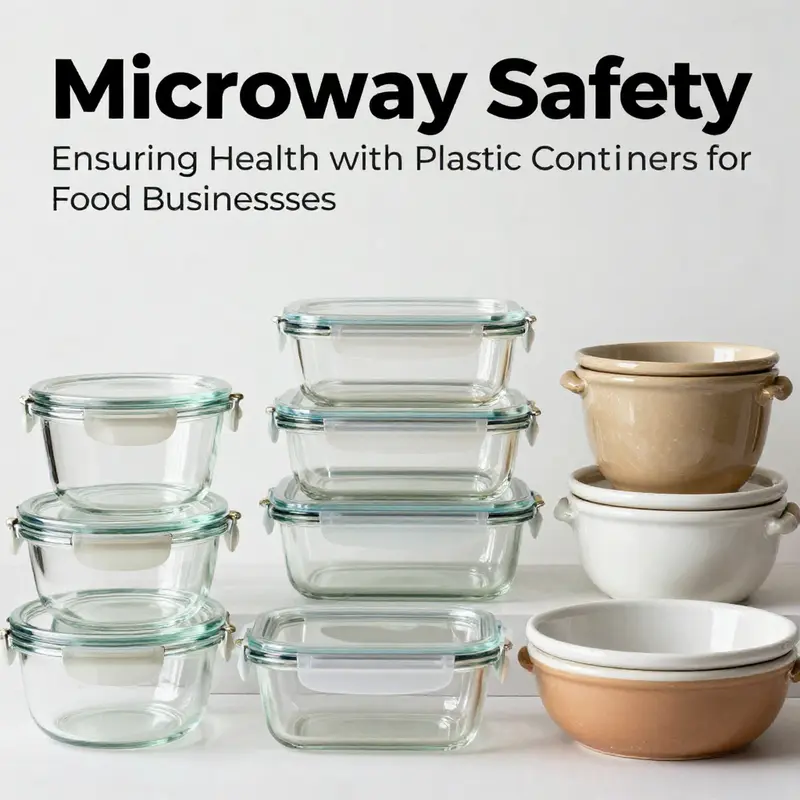
A practical mindset emerges from these observations: the most reliable approach is to use containers that are explicitly labeled as microwave-safe and to follow the operation guidelines closely. The reward is not only a properly heated meal but also reduced exposure to potential chemical migration, even if the risk is small for everyday reheating. For households that wish to pursue the highest level of caution, glass or ceramic options provide the strongest trace-free performance in the microwave. Glass, especially borosilicate, resists high heat without absorbing odors or releasing plastic-associated chemicals. Ceramic containers offer similar advantages when free of metallic decorations, and they tend to tolerate frequent use without the same degree of aging risk found in some plastics. When switching away from plastic, a simple habit—transferring food from a plastic container to glass or ceramic before reheating—can eliminate plastic-related concerns altogether and preserve flavors and textures more consistently. In the meantime, a well-chosen PP5 container combined with disciplined heating remains a sensible compromise for daily life, balancing convenience with a robust precautionary stance.
The conversation also extends beyond the kitchen into the lifecycle of containers themselves. Even the safest materials degrade with time. Scratches, yellowing, and brittle edges are more than cosmetic concerns; they can alter surface properties and increase the likelihood of chemical migration or mechanical failure. If a plastic container shows any of these aging signs, it should be retired from microwave use. This principle aligns with broader guidance, which recommends replacing plastic containers every one to two years, particularly if they have been subjected to repeated heating. The temptation to reuse disposable or single-use containers for reheating should be resisted, as their structural integrity is typically not designed for microwave cycles. And while the push for convenience remains strong, emerging data underscore that even microwave-safe plastics may shed microplastics or migrate trace amounts of additives under repeated exposure to heat, especially when the food is fatty or highly acidic. A recent study in Nature Food highlights that microplastics can be released during microwaving, particularly when meals are heated for several minutes under high heat. This evidence reinforces the caution around long, high-heat reheating and supports the broader recommendation to favor non-plastic options for frequent reheating, particularly for high-risk foods.
As a practical guide for households aiming to harmonize everyday use with long-term health protection, the following distilled approach can serve as a reliable baseline. First, check for a clear PP5 designation or explicit microwave-safe labeling. Second, select containers that are clear, undyed, and free of wear; avoid old or damaged plastics. Third, vent lids during heating, limit the time to a few minutes, and stir midway to encourage even warmth. Fourth, prefer non-fat, non-acidic foods when possible, or transfer to glass or ceramic if the meal is rich or likely to heat unevenly. Fifth, perform a simple first-use test and monitor any signs of deformation or odor during heating. Finally, consider non-plastic alternatives for regular reheating. If you need a moment to consider non-plastic serving options, curious readers might look into disposable kraft paper bowls as a temporary, non-plastic alternative for certain serving occasions—see the linked product page for more details on this option: disposable-takeaway-paper-kraft-bowl-take-away-kraft-paper-salad-bowl-with-pet-lid.
In sum, safe microwave heating of plastic containers rests on disciplined choices and consistent practices. The most secure path combines explicit microwave-safety labeling with careful handling—venting, measured heating, and timely transfers to non-plastic dishes when in doubt. This approach acknowledges the everyday practicality of plastic while respecting the potential health considerations. For households seeking additional reassurance, moving toward glass or ceramic for regular reheating remains the most protective option, complemented by mindful disposal and replacement routines for plastics. The balance between convenience and health becomes a practical science in the kitchen, where small decisions about materials and methods accumulate into meaningful protection for families over time.
External resource: https://www.nature.com/articles/s43016-023-00789-z
Heat, Hazard, and Harmony: A Practical Guide to Microwave-Safe Plastic Food Containers
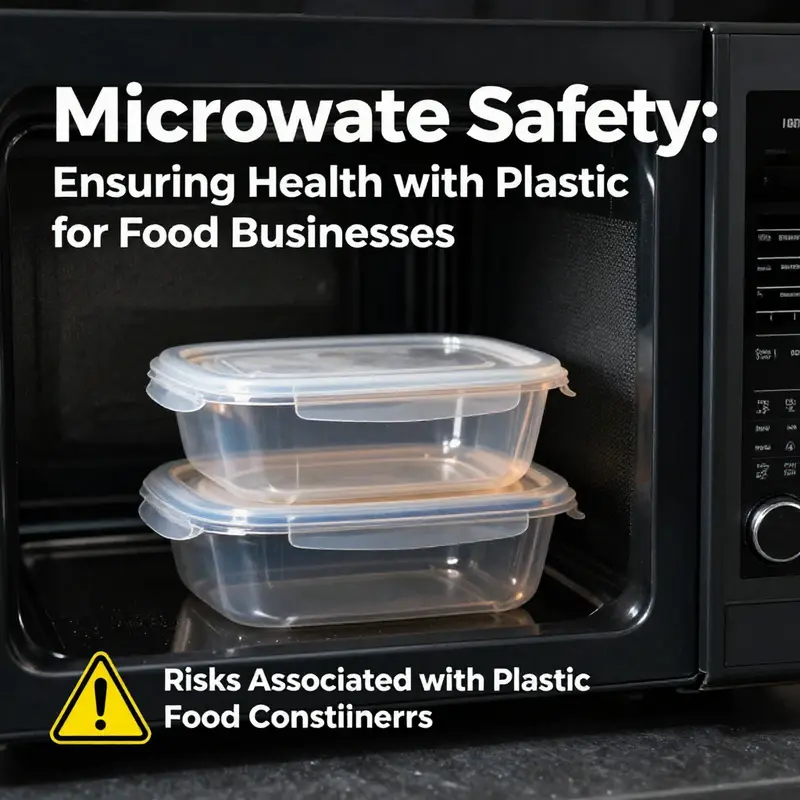
In everyday routines, the microwave stands as a quick substitute for the stove, a promise of speed and convenience. Yet behind that promise lies a web of questions about safety, especially when plastic containers meet heat. The science is clear enough: microwaving can drive chemical migration and even shed microplastics into food, but the risk is not uniform across all plastics. The key is understanding which materials can withstand the oven’s heat and how to use them properly. This is a chapter about balancing convenience with health, about making deliberate choices rather than relying on general labels alone. The core message centers on one simple, practical rule: when it comes to microwaving, not all plastic is created equal, and the safest path often lies in choosing the right material and following careful usage steps.
At the heart of identification is the bottom marking on a container. The tripwire is the recycling triangle that encircles a number, with five signaling polypropylene, or PP. Among the plastic families, PP #5 is the material most widely recognized as microwave-safe. Containers labeled with PP, or marked with a clear “Microwave Safe” declaration or a corresponding symbol, tend to hold up to typical reheating temperatures without releasing large amounts of harmful substances. Conversely, plastic types such as PET (#1) and PVC (#3) are not designed for high-heat environments, and the risks rise quickly when they are subjected to the temperatures generated by microwaves. Even the presence of a microwave-safe label is not a blanket approval; it must be paired with proper usage. In practice, that means reading labels carefully and avoiding containers that lack heat-related testing or that fail migration tests under conditions relevant to microwave heating.
Beyond material choices, correct operation is essential. A container labeled as microwave-safe does not justify sealing a meal under a tight lid and heating at top power. Steam must be able to escape; the lid or sealing film should be removed or vented to prevent pressure buildup that can cause cracking or sudden release of hot contents. Food volume matters too. A full container is not safer; in fact, heating a quantity that exceeds three-quarters of the container’s capacity risks boiling over and creating uneven heat distribution. The solution is intuitive: heat in stages. Start with a higher setting for a brief burst, then pause to stir and redistribute heat before continuing. A practical pattern—90 seconds on high, small stir, then an additional 60 seconds—helps reduce hot spots that push the plastic beyond its safe temperature. The first use should include a simple dry-run test: clean and dry the empty container, run a 30-second mid-power cycle, and check for softening, warping, or any off odors. This small step can reveal a container’s real resilience in your microwave and with your typical foods.
The safety landscape grows more complex when you consider the kind of foods being reheated. High-oil and high-sugar items exert particular stress on plastics. Even with a PP-based container, internal temperatures can push beyond 120°C, possibly approaching or exceeding the plastic’s softening threshold. In such cases, the risk of chemical migration increases, inviting substances that may alter the flavor, aroma, or, more importantly, the safety of the meal. The prudent response is to reserve glass or ceramic for high-fat or sugar-rich items and to save plastic for simpler reheats like plain grains, vegetables, or light sauces. When plastic is used for more demanding reheats, ensuring that the container remains in good condition is crucial. Visible scratches, yellowing, or a brittle edge signal aging and degradation that can accelerate the leaching of additives, even when the material originally carried a microwave-safe label.
The chapter’s more unsettling concern, however, centers on the broader quality of the plastics ecosystem in the microwave environment. While PP is relatively resistant to heat compared with other polymers, it is not an absolute shield. Some plastics contain additives or residual monomers that may migrate under heat, especially if the container is worn or used repeatedly. A more alarming possibility is the release of microplastics and nanoplastics into food during microwaving. Experimental studies have shown that microwaved interactions with plastic containers can markedly increase the shedding of tiny particles into meals. Reports estimate that the process can yield billions of nanoparticles and millions of microplastics per square centimeter of container surface under certain conditions. Although these figures vary with material and temperature, they underscore a simple reality: the safest path is to minimize reliance on plastics for reheating, particularly for vulnerable populations such as children or individuals with sensitivities.
Guidelines to navigate these risks are straightforward and actionable. First, seek containers that are explicitly labeled as microwave-safe and are made from polypropylene or other proven heat-resistant plastics. Avoid containers marked with PET (#1), PVC (#3), polystyrene (#6), or polycarbonate (#7) unless they carry explicit microwave-safety documentation. The broad rule remains firm: when in doubt, err on the side of safety and do not reuse single-use plastics under heat. Second, inspect containers regularly for wear. A scratched, cloudy, or warped surface is a signal that the plastic’s integrity has diminished and may contribute to greater chemical leaching or shedding of microplastics. Third, favor safer alternatives when possible. Glass—ideally borosilicate glass—and glazed ceramic containers do not contain the same risk of chemical migration or particle shedding and are inert in a microwave field. They remain excellent choices for reheating, especially for meals that include fats or sugary components that can push temperatures higher.
For those who do choose to use plastic, a refined approach can optimize safety. Ensure the container is vented, and avoid tight sealing during heating. Do not fill beyond three-quarters of the container’s capacity to leave room for steam and for even heat distribution. When heating is complete, allow meals to rest briefly; hot liquids can continue to transfer heat after the microwave stops, potentially increasing the risk of scalds or further overheating of the container. A small, disciplined routine—heat, pause, stir, repeat—helps maintain a safer thermal profile and reduces the chances that a container reaches a temperature at which migration accelerates. And to reduce reliance on plastic entirely, consider the practical option of plastics-free reheating workflows: transferring leftovers to a microwave-safe glass or ceramic dish before heating, then returning the warmed food to a preferred serving dish if needed.
In making these choices, the practical takeaway circles back to a single, workable recommendation. If you must use plastic, opt for a clearly labeled microwave-safe PP container, and adhere to the staged heating pattern, with lid venting and careful attention to the container’s condition. For broader safety, particularly with high-oil or high-sugar foods, prioritize glass or ceramic options. The balance of convenience and health is achieved not by a single sensational precaution but by a habit of mindful selection and disciplined use. To explore a practical packaging option that aligns with this cautious approach, you can consider a container such as this: disposable octagonal box for restaurant food kraft paper packaging. While it is not a microphone of miracle safety, it represents a move toward options that minimize direct heating of plastics while still serving practical needs.
Ultimately, the goal is to preserve the integrity of food, the safety of the household, and the time-saving benefits that microwaves offer. The science suggests a cautious path: allocate plastic use to situations with lower thermal stress, keep any plastic containers in good condition, and have glass or ceramic alternatives ready for meals that push the limits of heat or fat content. In the end, the most prudent practice is clear: microheat with purpose, and when in doubt, reach for materials designed to stay stable under heat. The safer choice—between efficiency and health—should favor glass or ceramic when possible, while recognizing that well-chosen, properly used plastic can be a convenient, low-risk option in everyday reheating routines.
For those seeking official safety guidance beyond personal judgment, authoritative food-safety resources offer practical, science-based guidance on microwave use and container compatibility. Further reading can be found at reputable health and regulatory sites that compile evidence and best practices for microwave safety and food-contact materials: https://www.fda.gov/food/food-safety-education/microwave-safety
null
null
null
null
Final thoughts
Navigating the landscape of microwave-safe plastic food containers is essential for food service providers committed to health and safety. By ensuring the use of appropriate materials, adhering to recommended heating practices, and recognizing the potential risks, businesses can protect both their customers and brand. Exploring alternative materials such as glass or ceramic can further enhance food safety while meeting operational needs. In this ever-evolving industry, knowledge is key; empowering your team with proper training and guidelines on safe microwave usage can foster a culture of responsibility and care in your establishment. Equip your food service operation with the best practices discussed here to elevate both service quality and consumer trust.