
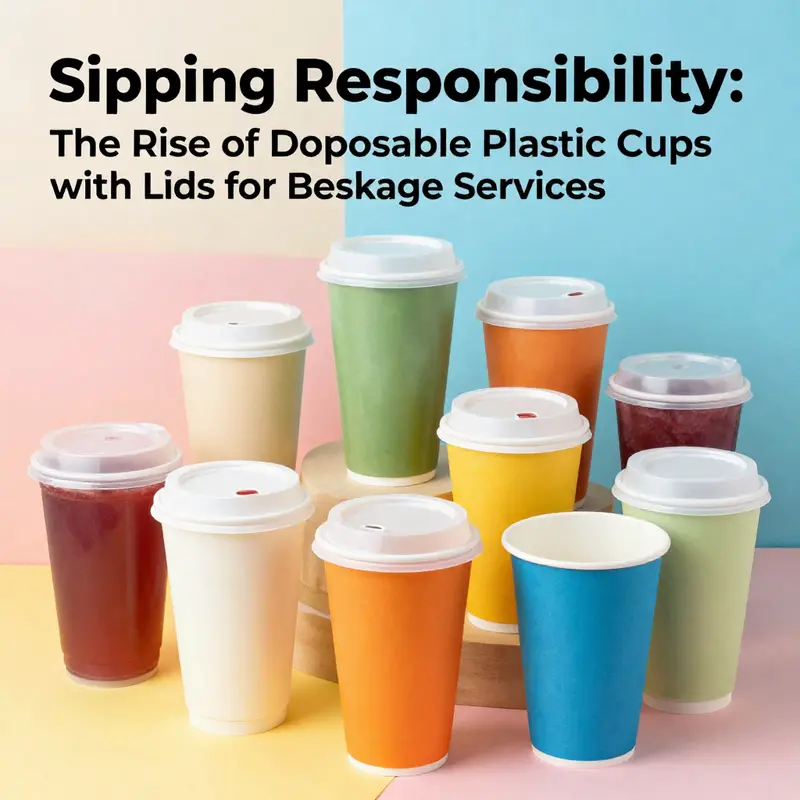
The ever-evolving landscape of food service and beverage solutions has seen a noteworthy shift towards disposable plastic cups with lids. These cups are not only essential for maintaining hygiene and convenience but are also crafted to meet diverse beverage needs across various industries—from bubble tea shops to catering services. Understanding their material composition, design features, and the environmental implications they carry is vital for any business aiming to maximize efficiency and sustainability. As we delve into the specifics of these cups, each chapter will uncover insights essential for making informed choices that align with operational demands and environmental responsibilities.
Inside the Cup: Material Choices, Safety, and Sustainability in Disposable Plastic Cups with Lids
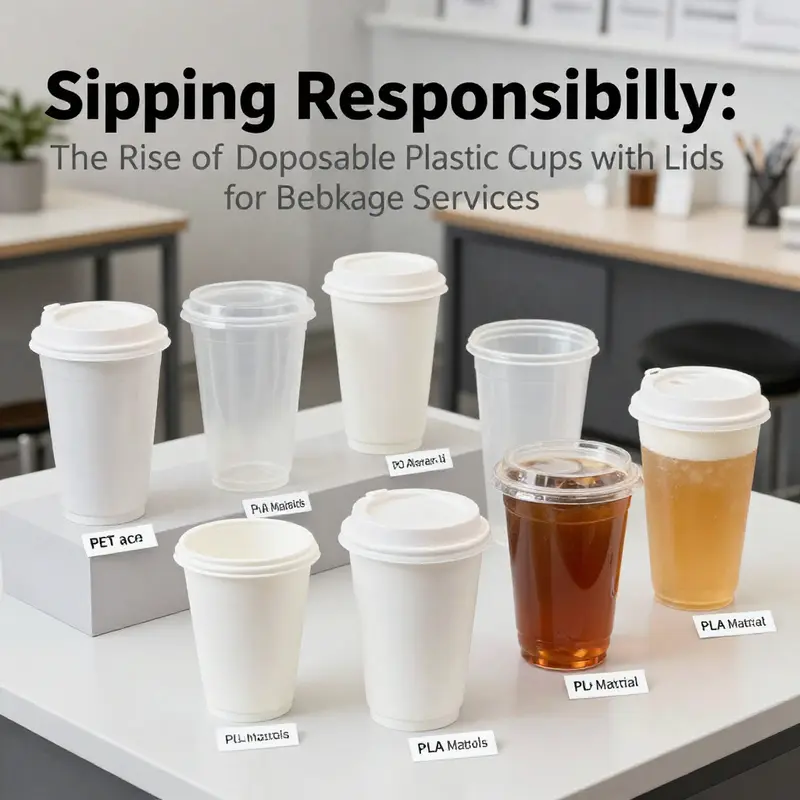
Every disposable cup with a lid is more than a container; it is a designed system that must balance performance, safety, and cost while meeting evolving expectations about environmental impact. When a beverage is poured, the cup and lid become a single, interacting interface that must withstand heat, guard against leaks, preserve flavor, and remain visually clear enough for consumer appeal. The chapter that follows dives into the material makeup behind this common, practical packaging solution. It traces the main polymers used in cups and lids, explains how each material fulfills or trades off key properties, and connects those choices to real-world operation in food service, catering, and events. It also threads in how certifications, regulations, and new bio-based options are reshaping what counts as acceptable, safe, and responsible for disposable drinkware. By understanding material composition, operators and designers can better predict performance, optimize costs, and make smarter choices about end-of-life scenarios without sacrificing the everyday convenience that makes disposable cups so pervasive.
Polypropylene (PP) is perhaps the most versatile workhorse in the disposable cup ecosystem. For both the cup body and the lid, PP offers high heat resistance, typically up to around 110–150°C, which translates to a safety margin when hot beverages are served and a reasonable degree of oven- or microwave-friendly handling in some use cases. This makes PP especially appealing for hot drinks like coffee and tea, where the cup is expected to perform under pressure, resist deformation, and avoid imparting off-tastes or odors to the beverage. In addition to heat tolerance, PP is considered safe for food contact and compatible with standard sealing technologies that ensure a reasonably tight barrier against spills. Its clarity can be adequate for certain transparent applications, but more importantly, PP is a robust platform for optimized lid geometries—domed tops that hold a sealing gasket, sip lids for controlled drinking, and designs tailored to minimize splashes during transport. The performance of PP often translates into reliable leakage resistance and a predictable user experience across varied service environments, from a fast-casual counter to a food truck window.
PET, or polyethylene terephthalate, plays a major role in many cold-beverage cups and corresponding lids. PET is prized for its light weight, high stiffness, and exceptional clarity, which makes the beverage visible and appealing. These attributes are highly valued in self-serve or to-go contexts where display and perceived freshness matter. PET’s barrier properties also help preserve carbonation and prevent moisture loss, contributing to a pleasant drinking experience. However, PET has limits: it performs best with cold liquids and is not generally recommended for hot beverages or prolonged exposure to high temperatures. This makes PET a natural fit for iced drinks, chilled smoothies, or water, while PP remains the safer option for hot drinks. PET’s recyclability in many recycling streams further supports its appeal, though actual recycling rates depend on local infrastructure and consumer participation. The material’s durability, light transparency, and compatibility with standard lid technologies explain why PET remains a cornerstone for many disposable cup systems that emphasize clear presentation and cost-effective cold-beverage service.
PLA, or polylactic acid, introduces a plant-based dimension to disposable cup design. PLA represents a meaningful step toward renewable feedstocks and compostability in certain regulatory contexts. As an eco-friendly option, PLA can appeal to brands and venues aiming to showcase a lower-woss environmental footprint. Yet, PLA is not a universal substitute for conventional plastics: it has lower heat resistance and tends to perform best with cold or room-temperature beverages. When exposed to heat, PLA can become pliable or lose stiffness more readily than PP or PET, which can affect lid sealing, leak resistance, and overall cup integrity. Compostability is a nuanced topic for PLA: many PLA products are certified compostable under industrial conditions, but home composting infrastructure is rarely reliable enough to guarantee end-of-life outcomes. This nuance matters in sustainability reporting and marketing, where clear communication about the specific composting standards, certifications, and disposal pathways is essential to avoid consumer confusion. The PLA pathway invites ongoing dialogue about soil health, lifecycle emissions, and the practical realities of composting facilities that can process PLA alongside other bio-based materials.
Beyond the primary cup materials, the lid is a separate design challenge. Lids often employ High-Density Polyethylene (HDPE) or Low-Density Polyethylene (LDPE) for rigidity, sealability, and chemical resistance. HDPE’s strength and chemical resistance support durable, shatter-resistant lids that retain their shape under pressure and resist interactions with beverage constituents. LDPE contributes flexibility that can improve seal integrity where a tighter or resealing fit is desirable, especially in flexible, disposable lid designs. The choice between HDPE and LDPE for lids often hinges on the balance between stiffness, leak resistance, and the manufacturing process, as well as compatibility with the cup material. In practice, a well-meshed combination—PP cups paired with HDPE or LDPE lids—delivers a reliable performance envelope for most hot and cold beverages encountered in everyday service.
To further enhance leak resistance and user experience, many lids incorporate additional components like sealing gaskets made from thermoplastic elastomers (TPEs) or SEBS (styrene-ethylene/butylene-styrene). These elastomeric additives provide resilience, flexibility, and a better seal against leaks without compromising food safety. They help absorb minor deformations during transport and create an effective barrier between the drink and the external environment. The interaction between the gasket material and the lid’s base polymer matters: overly rigid gaskets can create micro-leaks under rapid temperature changes, while overly soft elastomers might compress over time, potentially reducing resealability. In modern designs, the gasket is chosen to balance reusability for reseal scenarios, sanitary disposal, and safe compatibility with beverage temperatures.
From a consumer safety perspective, the resin identification codes stamped on the base of cups and lids guide users and manufacturers alike about the material family. The most common codes identify #1 PET for clear, single-use cups and lids; #2 HDPE for certain rigid lids and containers; #5 PP for hot beverages and many cup components; and #7 “Other” for a broader set of materials that may include polycarbonates. Polycarbonates have raised health concerns due to BPA content, leading to careful labeling and, in many cases, a shift toward BPA-free alternatives. The industry has increasingly leaned on BPA-free copolymers, such as TRITAN, a BPA-free material that combines clarity, toughness, and higher heat resistance in reusable or premium discourses of disposable systems. The resin code system thus functions as a practical shorthand for material families while also signaling regulatory and health considerations that shape product development and consumer acceptance.
Regulatory and safety frameworks add another layer of complexity to material choices. The U.S. Food and Drug Administration (FDA) provides guidelines for food-contact plastics that set the baseline for what is permissible in contact with food and beverages. These guidelines cover residues, migration limits, and the date- and context-specific safety testing that manufacturers must undertake. For brands seeking to ensure compliance, the FDA’s materials and packaging guidance helps align product development with safety expectations. The chapter’s emphasis on safety is not merely about avoiding toxins; it is also about ensuring that the chosen materials perform as intended under repeated exposure to heat, cold, acidic or sugary beverages, and mechanical stress during transport. In practice, this translates to rigorous testing regimes, clear labeling, and transparent communication with customers about what the cup and lid are made from and how they should be used.
What do these material choices imply for environmental stewardship? The environmental footprint of disposable cups is a function of material composition, manufacturing energy, transport efficiency, and end-of-life handling. PET’s recyclability is widely recognized, but real-world recycling rates depend on local facilities and consumer participation. HDPE and LDPE also offer recycling streams in many jurisdictions, though collection and processing realities vary widely. PLA’s compostability is most meaningful within regulated industrial composting infrastructures, which are not ubiquitously available in every market. Even with compostable designs, achievement of actual end-of-life benefits hinges on consumer behavior and infrastructure that directs PLA into appropriate composting streams rather than landfills. Certifications such as Biodegradable Products Institute (BPI) play a crucial role here, signaling that a product meets defined compostability standards, but certifications must be understood alongside local disposal realities. In practice, brands sometimes pursue a portfolio approach, offering a mix of materials to serve different segments, while communicating clearly about disposal options and operational realities to avoid creating confusion or greenwashing perceptions.
In addition to the end-of-life considerations, the design and material choices influence the operational efficiency of beverage service. Cups and lids are engineered not only for barrier performance and heat handling but also for manufacturability and cost. The ability to produce a tight seal quickly, the ease with which the cups can be stacked and stored, and the compatibility of lids with existing filling lines all play a role in a business’s bottom line. Operators weigh trade-offs between cost per unit and performance thresholds that avoid leaks and customer dissatisfaction. This balancing act is particularly acute in high-volume settings like festivals, food halls, or busy coffee shops where small improvements in leak resistance, thermal insulation, or stackability can translate into meaningful throughput gains and waste reduction.
From a materials science perspective, the evolution of disposable cup systems is moving toward enhanced combinations of properties. Manufacturers explore coatings and barrier layers that improve moisture resistance, help preserve flavor, and reduce absorption of oils and sugars that can degrade clarity or texture over time. They also consider nano-scale or micro-structured coatings that maintain transparency while providing barrier properties typically associated with more robust multilayer systems. These advances aim to deliver the same familiar user experience—clear cups, reliable lids, leak protection, and convenience—while pushing environmental performance to new levels. In some designs, researchers and engineers are testing bio-based or bio-inspired coatings that preserve safety and appearance without compromising recyclability or compostability. The result is a spectrum of options that support both consumer confidence and sustainability goals, even as the sounds of the global supply chain and regulatory expectations continue to shape what is feasible and prudent.
The practical implication of material composition is visible in everyday service decisions. A restaurant or event organizer who chooses PP bodies with HDPE or LDPE lids gains a predictable performance profile: strong heat resistance for hot drinks, reliable sealing against leaks, and straightforward manufacturing compatibility. When the beverage is cold, PET may be the preferred material for its clarity and lighter weight, contributing to a crisp presentation and efficient transport. If the operating philosophy emphasizes environmental sustainability and industrial composting equity, PLA might be deployed for specific cold-drink cups in markets with robust composting programs, albeit with clear messaging about temperature limitations and disposal pathways. The presence of elastomeric gaskets made from TPEs or SEBS further refines the feeling of security for the consumer, reducing spill risk during transit and ensuring a snug seal without excessive force when removing the lid. All of these design decisions ripple through the customer experience, affecting the perceived quality of service, the speed of service, and the ability to deliver beverages safely from the point of sale to the table or to the venue gate.
As a final consideration in this material-focused view, imagine the future of disposable drinkware as a layered ecosystem of polymers, coatings, and certifications that collectively raise the bar for safety, performance, and environmental responsibility. The push toward BPA-free plastics, cleaner labeling, and clearer disposal guidance is unlikely to retreat. Simultaneously, industrial-scale adoption of bio-based or recycled-content polymers could tilt cost considerations in ways that encourage broader implementation. The ideal future cup would preserve beverage integrity, remain affordable, and offer clear, reliable end-of-life pathways that align with regional infrastructure. In a world where consumers increasingly scrutinize packaging choices, the material composition of plastic cups with lids becomes a language through which brands communicate safety, trust, and responsibility. This language is not static; it evolves with science, regulation, and the pressures of everyday use, inviting continual refinement and thoughtful decision-making rather than simple preference.
For readers seeking a concrete example of how a disposable option with a lid fits into this material landscape, consider the broader ecosystem of lid and cup pairings. In practice, operators often evaluate plastic cups and lids as a matched system, rather than as independent components. A widely used approach prioritizes a reliable, heat-tolerant cup body paired with a sealing lid that resists leaks even when bumped or jostled during service. The material pairing is chosen not only for short-term performance but also for predictable behavior across varying temperatures and beverage types. This integrated view helps ensure that a beverage remains enjoyable from the moment it leaves the prep station to the moment it reaches the consumer, whether the setting is a crowded stadium stall or an intimate festival booth. It also emphasizes that material choice is a strategic decision, one that intersects with brand values, sustainability commitments, and the logistical realities of supply chain management.
In this discussion, it is important to acknowledge that real-world packaging decisions involve a matrix of considerations beyond the raw chemistry. Material composition intersects with manufacturing capabilities, supply chain reliability, consumer expectations, regulatory compliance, and end-of-life infrastructure. Brands that make informed choices can create product experiences that feel both high quality and responsible. They can also articulate these choices clearly to customers who value safety and environmental stewardship, even when the packaging is designed for single use. The message, then, is not just about what plastic is used but about how the chosen material performs in the field, how it aligns with disposal options, and how it fits within a broader strategy of responsible packaging.
If the reader wishes to explore a related disposable option that leverages paper-based cups with lids as a contrast to plastic, a representative example can be found here: disposable single-wall kraft coffee cup with lid. This link highlights how lid design and material choices extend beyond plastic, offering a sense of the options available for hot beverages when environmental considerations and disposal pathways are central to decision-making. While the focus of this chapter has been on plastic cups with lids, acknowledging these adjacent paths helps illuminate the broader packaging landscape and the spectrum of trade-offs that operators balance daily.
Ultimately, the material composition of disposable cups with lids is a story about matching function with responsibility. It is a story that requires ongoing attention to performance data, realistic end-of-life opportunities, and transparent communication with customers about what, exactly, the cup and lid are made from and how to dispose of them properly. As research advances and standards evolve, the best practice is to remain explicit about material choices, to measure performance in real service conditions, and to engage with the ecosystem of certification bodies and regulatory authorities to ensure ongoing safety, reliability, and environmental accountability. The cup, in all its simplicity, becomes a concise microcosm of the broader dialogue about how society uses, recycles, and rethinks disposable packaging in a way that respects both human needs and planetary limits.
External resource: For deeper regulatory context and detailed safety standards related to food-contact plastics, see FDA guidelines on food-contact materials and packaging: https://www.fda.gov/food/food-contact-materials/food-contact-materials-and-food-packaging
Sealed for Convenience: The Design and Everyday Functionality of Disposable Plastic Cups with Lids
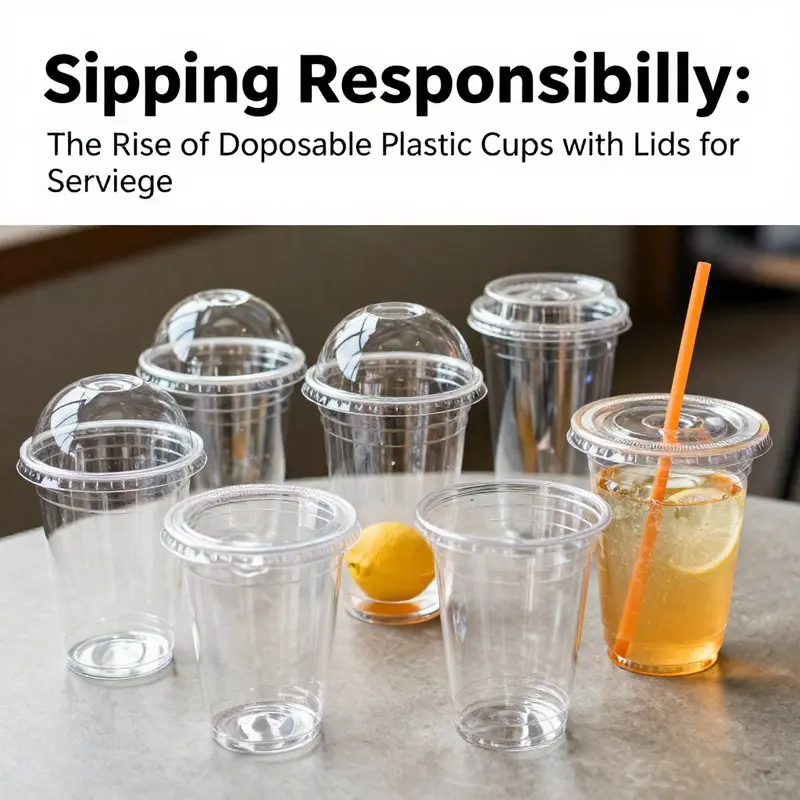
The design of disposable plastic cups with lids unfolds as a study in balancing speed, safety, and user experience. In environments that demand rapid service, the cup is not merely a container but a carefully engineered interface between beverage and consumer. The choice of materials, lid geometry, and tolerances all converge to deliver a single promise: that a drink can be carried, opened, sipped, and enjoyed with minimal mess and maximal confidence. Behind this promise lies a practical engineering logic that accounts for hot and cold beverages, the realities of take-out logistics, and the marketing impulse that turns a cup into a portable ambassador for a brand. The fundamental starting point is that these cups are designed for one-time use, a feature that lenders their lightweight construction and cost efficiency while raising questions about environmental impact. Yet even within the single-use paradigm, there is a spectrum of design choices that shape performance, temperature management, and user comfort. The result is a family of products that can be tuned to the beverage type, the service setting, and the operational tempo of a busy service point.
At the heart of the cup is its body, typically fashioned from polypropylene (PP) or polystyrene (PS). These polymers are selected for a combination of durability, cost-effectiveness, and resilience to temperature fluctuations. PP, in particular, is prized for its higher heat tolerance, a feature that makes it a practical option for hot beverages such as coffee and tea. The ability to withstand temperatures approaching or exceeding 130°C in some formulations opens doors to microwave reheating in certain contexts, a capability that can streamline service in locations where quick temperature adjustments are part of the workflow. PS, while often providing a clear, crystalline appearance that customers associate with product freshness, can offer similar strength in thinner walls, enabling crisp, economical packaging that still performs well during transport. PET, though commonly used for transparent cups with high clarity, also appears in some lid-compatible configurations where visibility of the beverage is a selling point. PLA, a biodegradable option, introduces a different set of trade-offs. It can align with sustainability goals when used in compostable streams and certified systems, but it may require specific processing environments to realize its end-of-life benefits. The material choices thus reflect a careful calculus: performance and cost must be balanced against the nuances of how the cup will be used, how long a drink will stay at a desired temperature, and how the packaging will be disposed of or processed after use.
The lid, as a counterpart to the cup body, is arguably where much of the real-world behavior is determined. A secure, snap-on lid is a standard for preventing leaks during transit, a critical feature for take-out beverages that travel in cars, bags, or crowded event spaces. The basic mechanism—a ribbed rim that engages with the cup shoulder—creates a reliable seal that resists accidental removal and reduces spill potential when the cup is jostled. Beyond the snap-fit concept, many lids integrate a built-in drinking hole or a venting aperture. This small vent can dramatically improve sipping comfort by equalizing pressure as the liquid moves, enabling a smoother flow without the need to tilt aggressively. A straw slot is another common feature, either integrated or designed to be removable, allowing customers to switch between a straw and a direct sip. The design intention here is clear: accommodate different beverage types while supporting one-handed use, often in a setting where customers queue, nod to a barista, and move on with their day.
Lid geometry also interacts with temperature management and condensation. A dome-shaped lid, sometimes described as a round-top design, adds structural rigidity and reduces the likelihood of condensate dripping down the cup’s side. In contrast, lids intended for colder beverages often tighten the seal to resist sloshing and minimize exterior condensation, which can complicate handling and reduce grip. The efficiency of heat transfer is tied not only to wall thickness but to how well the lid closes the system. For hot drinks, this means a thermal barrier that minimizes heat loss and shields fingers from direct contact with hot surfaces. For cold drinks, a well-sealed system minimizes ice melt within the cup and helps preserve the drink’s intended temperature for a longer period of time. In this sense, the lid is more than a cap; it is a heat management device, a spill barrier, and a user experience enhancer all in one.
The functional advantages of these cups extend well beyond containment. In the fast-paced world of cafes, fast-food counters, catering setups, and festival arenas, the combination of a durable body and a reliable lid supports a wide array of service models. For cold beverages like iced tea, smoothies, or soft drinks, the lid’s role in preserving chill and limiting external condensation ensures the beverage remains visually appealing and refreshing as it travels from server to consumer. For hot beverages, the lid helps maintain aroma and temperature while reducing the risk of burns or accidental spills during handling. The lid’s design also contributes to practicalities such as one-handed operation, enabling customers to sip on the move, hold a tray, or navigate through crowds with a drink safely in hand. In many settings, the lid features compatibility with straw-based consumption or with strawless sipping options, reflecting evolving consumer preferences while maintaining a reliable seal.
From a design standpoint, customization has become a central lever for brands and operators alike. The potential for branding across both the cup and the lid—whether through color, logo, or graphic printing—transforms a simple container into a mobile marketing asset. Customization programs often include options for OEM and ODM services, with minimum order quantities that scale from small promotional runs to large, season-long campaigns. This capability aligns with the broader trend of branded packaging increasing recognition and customer recall, turning disposable packaging into a touchpoint that reinforces identity and messaging. The practical implication for operators is straightforward: design choices that support brand differentiation can be integrated into the packaging strategy without compromising performance. The ability to print and color-match within the constraints of the chosen material and lid system enables a cohesive, on-brand experience that travels with the beverage.
Despite these strengths, the environmental question remains a persistent thread. Even as PP, PS, PET, and PLA each bring distinct advantages to the performance equation, the end-of-life reality of disposable cups must be addressed. PLA-based cups, for example, can be compostable under certified conditions, offering a path toward reduced landfill impact in the right waste streams. Certification bodies such as the Biodegradable Products Institute (BPI) provide the assurance that compostable packaging will behave as intended in appropriate facilities. Yet the real-world effectiveness of compostable plastics is contingent on consumer behavior, waste stream infrastructure, and robust collection systems. PET and PP offer robust recycling pathways in many regions, but the success of recycling hinges on clear labeling, consistent segregation, and the capacity of local facilities to process plastics into reusable materials. This systemic dependence means that the environmental profile of disposable cups is not just a function of material science but also of waste management policy, consumer participation, and corporate responsibility. In other words, design for disposability is inseparable from design for circularity, and manufacturers increasingly pursue a lifecycle perspective that accounts for sourcing, manufacturing energy, transport emissions, use phase performance, and end-of-life outcomes.
The interaction of design, material choice, and customer use also underscores a critical logistical consideration: the role of the cup in a high-throughput environment. The ability to assemble a complete dispensing system—cup, lid, and any required seals or venting components—must be reliable at pace. The manufacturing tolerances on cup wall thickness, the dimensional fit of the lid’s rim, and the geometry of the venting or straw features all contribute to a frictionless user experience. In practice, this means that a well-designed system minimizes the need for manual adjustments during service, reduces the likelihood of leaks during transit, and supports a predictable, repeatable consumer experience. The reward is clear: fewer customer complaints, faster service, and a more streamlined operation that can scale from a single storefront to a multi-site program. The design therefore serves as a bridge between the economics of mass production and the daily realities of consumer interaction, translating engineering precision into everyday ease.
As operators consider options, one practical path is to view the cup and lid as a modular pairing rather than a fixed package. The same cup body can be used with lids that vary in venting, straw compatibility, or dome shape to suit different beverage profiles and service contexts. In this modular mindset, the decision points shift from choosing a single, monolithic solution to selecting a combination that optimizes safety, temperature management, and branding for a given moment. The capacity to mix and match per-shift or per-menu item enables a flexible inventory strategy and reduces waste by aligning packaging with actual beverage formats. This approach also invites opportunities for environmental optimization, such as selecting a lid design that minimizes material use without compromising leak resistance or choosing a compostable lid variant where local facilities make sense. The net effect is a packaging ecosystem that remains robust under pressure while offering room to innovate around consumer expectations, waste streams, and sustainability objectives.
To connect these design ambitions with real-world practice, it helps to think of the cup as a small but mighty piece of a much larger system. Sourcing decisions—whether through bulk purchasing channels or direct supplier relationships—affect not just price but the availability of compatible lids, printing capabilities, and certification offerings. In a global marketplace, the ability to procure cups with the right material composition, the right lid geometry, and the right branding options is a competitive differentiator. For practitioners who want a targeted example of customization and scale, examples exist of bulk orders that begin with a standardized, transparent cup body and a selection of lid variants designed to handle different beverage types, temperatures, and service settings. The choice to pursue customization is not merely aesthetic; it supports operational efficiency, brand consistency, and a more coherent customer experience across channels and locations.
In summary, the design and functionality of disposable plastic cups with lids are a synthesis of material science, mechanical design, and user-centric considerations. The cups are built to perform across hot and cold beverages, to travel safely, and to present a branded presentation that resonates with customers. The lid is the crucial companion—its snap-fit, venting, and straw compatibility all contribute to the user’s sense of control and confidence. Customization turns packaging into a canvas for identity and marketing while preserving performance and cost-effectiveness. Environmental considerations add another layer of complexity, pressing designers and operators to account for end-of-life realities and to align packaging choices with waste-management capabilities. The result is a packaging system that remains essential to contemporary beverage service, balancing speed and safety with sustainability and style.
For further context on sourcing and certifications, readers can explore industry platforms that aggregate options across materials, sizes, and compliance standards. A widely used resource in this space provides listings with material specifications, temperature tolerances, and packaging configurations, enabling teams to compare options in a structured way. When evaluating suppliers, it is valuable to look for clear information on recyclability or compostability, as well as any certifications that attest to performance and environmental claims. Beyond technical performance, the packaging decision should reflect a brand’s promises and a business’s waste-management goals, acknowledging that even small packaging choices contribute to broader sustainability narratives. The interplay between design, usage, and end-of-life impacts makes the selection of disposable cups with lids a strategic consideration rather than a mere logistics choice. As service models evolve and consumer expectations shift toward convenient, responsible packaging, the discipline of cup design continues to adapt—refining materials, refining shapes, and refining the ways in which a single-use cup can be trusted to perform, delight, and align with a modern ethos of sustainability.
Internal link reference: customizable packaging solutions can extend through the cup and lid family, including options such as a customized take-away paper cup with lid, which supports branding while maintaining functional integrity. See for instance the related offering here: disposable take-away paper cup with lid.
External resource: for a broader look at sourcing, materials, and certifications in the disposable cup space, industry readers often consult global marketplaces and supplier directories such as the following: https://www.alibaba.com/trade/search?fsb=y&IndexArea=producten&CatId=&SearchText=disposable+plastic+cups+with+lids&CatId=&from=productlist_page
Beyond Convenience: Tracing the Environmental Footprint and the Pathways Toward Sustainable Use of Disposable Plastic Cups with Lids
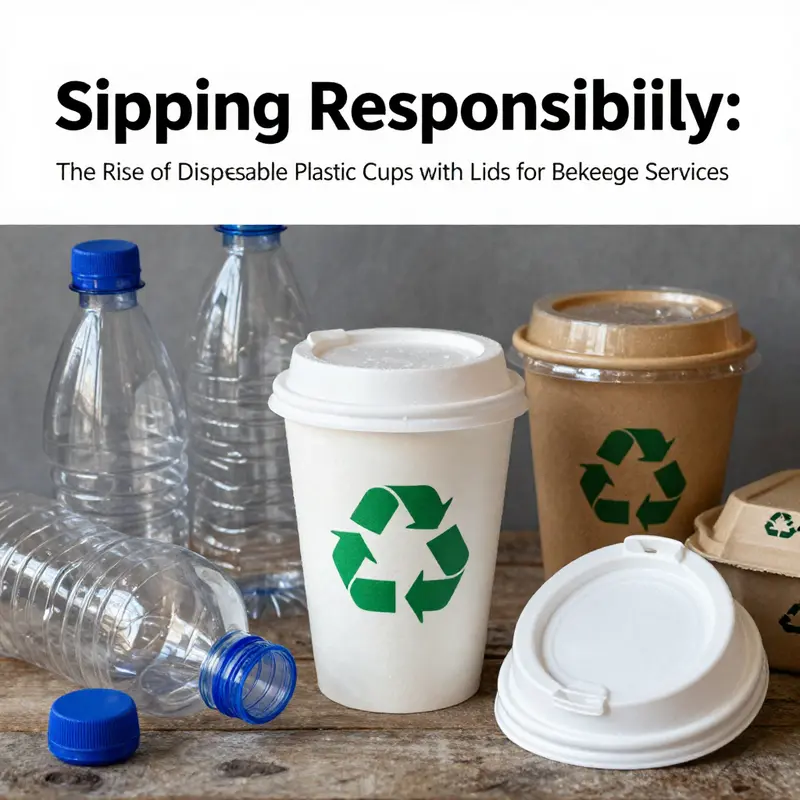
The everyday presence of disposable plastic cups with lids in kitchens, event spaces, and outdoor venues speaks to a paradox at the heart of modern consumption. These cups offer undeniable convenience: they keep beverages clean and portable, reduce handling, and suit fast service where timing matters. Yet the very traits that make them valuable—single-use practicality, seamless lid integration, and broad accessibility—also anchor a set of environmental consequences that ripple far beyond a single service point. To understand the full picture, it is essential to trace what these cups are made of, how they travel from production lines to landfills or recycling facilities, and how regional waste systems—and consumer behavior—shape their ultimate fate. The chapter that follows moves away from anecdotes about convenience toward a lifecycle perspective that foregrounds materials, energy use, waste streams, and the choices that communities, businesses, and policymakers face if they want to reconcile demand with planetary boundaries. The aim is not to condemn one technology or another but to illuminate where leverage points lie in reducing harm while maintaining the operational benefits that these cups have become known for in high-volume settings.
The core of the environmental conversation around disposable cups with lids centers on material choice and end-of-life pathways. In practice, many single-use cups and their lids are produced from common thermoplastics such as polypropylene and polystyrene. These materials are chosen for their clarity, rigidity, and ability to tolerate cold and hot beverages in a single-use context. However, the fact that these products are designed for one-off use means that the scale of production and disposal grows with demand. Each cup embodies a sequence of energy-intensive steps—from petrochemical feedstocks to resin formation, extrusion, mold or thermoforming, and finally lid attachment—that collectively contribute to greenhouse gas emissions. The production stage thus becomes a critical piece of the life cycle when assessing environmental impact. As the chapters of this broader article reveal, the footprint is not simply a matter of the cup in a consumer’s hand; it is a signal of the energy systems and material flows that feed a service economy built on rapid turnover and convenience.
One of the perennial questions in this conversation is whether there is a meaningful environmental difference between the two most common plastics used for these cups: polypropylene and polystyrene. The research landscape shows that polypropylene tends to offer a slightly lower energy demand in production than polystyrene, a difference that can matter when scaled to the tens or hundreds of millions of units circulated in a year. Yet the practical reality of end-of-life handling can erase some of those initial production advantages. Recycling rates for these cups are disappointingly low in many regions, and the reasons are not simply a matter of technology. Contamination from food residues, inconsistent collection streams, and the absence of dedicated infrastructure hamper effective reuse and recycling. In this light, even with technically recyclable materials, the actual environmental performance hinges on how well systems can separate and reintroduce plastic streams into new products. A single stream that combines dirty cups with other waste often ends up in landfills or is downcycled into lower-value applications, diminishing the circular potential that recyclers strive for. In short, the end-of-life phase can overshadow the differences observed in the production phase, especially in regions where waste management is underdeveloped or under-resourced.
In contrast to conventional plastics, there is a broader discourse around bioplastics, particularly polylactic acid, a polymer derived from renewable resources. The appeal of PLA lies in its potential to reduce fossil fuel intensity during production, offering a lower-carbon profile at the outset. But the story does not end there. PLA’s real-world performance depends heavily on the local waste-management ecosystem. It requires industrial composting facilities that can reach temperatures and residence times sufficient to decompose the material effectively. In places lacking accessible industrial composting infrastructure, PLA cups may still end up in landfills where they behave similarly to conventional plastics, albeit with different degradation dynamics that are not always beneficial in the long term. This nuance underscores a central theme: sustainability claims must be calibrated to the actual end-of-life options available to a given community. Without reliable composting or advanced recycling, the theoretical advantage of PLA diminishes, at least in the near term.
The linked challenge—end-of-life processing—highlights a stubborn gap in the circularity narrative. Although some jurisdictions strive to improve sorting and recycling facilities, real-world outcomes are tempered by contamination, mis-sorted streams, and the sheer complexity of separating different resin types from mixed municipal waste. Even when a cup is labeled as recyclable, the practical route to recycling depends on the presence of compatible processing plants, the feasibility of cleaning and preparing the material for recycling, and the market demand for recycled resin. In many settings, contamination from food residues makes the recycling of cups impractical or economically nonviable, causing facilities to rely on energy recovery or landfill disposal rather than material reclamation. The mismatch between the idealized recycling pathway and the on-the-ground realities is a core driver of the environmental burden associated with these cups. It also illustrates why improvements in consumer behavior—such as rinsing, proper disposal, and mindful selection of packaging—interact with system-level changes to determine the net environmental outcome.
A fair assessment of materials must also weigh the production footprint and the structural design of the cups themselves. The standard cup-lid configuration is optimized for leak resistance, beverage freshness, and stacking efficiency for storage and transport. In practice, the weight reduction of cups and the efficiency of lid designs can influence material use and transportation emissions. Lighter cups require less plastic per unit, which can reduce material-intensity and waste. Yet, lighter designs can also introduce a trade-off with durability and user experience, particularly in high-volume settings where spills and leaks have tangible costs in terms of waste and customer satisfaction. Designing for durability in disposal streams, rather than for reuse in a separate lifecycle, invites a careful balancing act between function and environmental impact. The conversation thus moves toward adopting designs that minimize material use while maintaining hygienic and practical attributes that customers expect from disposable products.
Beyond the technicalities of resin types and weights lies a broader conversation about waste governance and policy. Some regions are experimenting with extended producer responsibility schemes, bans on certain single-use items, and incentives for products designed for recyclability and reuse. These policy tools aim to shift the economics of packaging away from linear take-make-waste pathways toward more circular models. In practice, such shifts require alignment among manufacturers, waste-handling facilities, retailers, and consumers. The objective is to reduce generation at the source while expanding the capacity to recover value from spent cups and lids. In parallel, public education about disposal options and the meaning of certifications—such as compostable claims that depend on certified facilities—remains essential. Without clear, credible signaling about end-of-life expectations, even the most sustainable-looking claims can mislead consumers and complicate recycling or composting streams.
Technology and material science offer potential pathways to lower environmental footprints, but they must be coupled with system-level changes. Innovations such as alternative biopolymers, hybrid materials, or enhanced recycling technologies hold promise in theory. In practice, the transition to these options will hinge on cost, supply chains, and the availability of infrastructure capable of processing new materials at scale. The interdependencies are intricate: a more sustainable resin may require specialized sorting equipment; a new compostable formulation may demand community-level waste-stream separation that currently does not exist. This complexity explains why progress toward lower-impact disposable cups with lids is often incremental rather than revolutionary. It also argues for a holistic approach that combines material innovation with investments in waste management, consumer engagement, and policy alignment. The bottom line is that the environmental burden of disposable cup systems cannot be reduced by focusing on a single moment in the lifecycle. Real gains arise from synchronizing choices across production, distribution, use, and disposal.
In the broader landscape of sustainability research, comparative analyses between PP, PS, and PLA reveal a nuanced picture. While PLA can lower production emissions, its advantage hinges on the existence of industrial composting infrastructure that can deliver rapid and complete decomposition. Absent such facilities, PLA behaves much like conventional plastics in landfills. Conversely, traditional PP and PS cups, despite higher production emissions in some assessments, may enjoy relatively simple recycling streams where local programs exist, yet still face challenges from contamination and low recovery rates. The practical implication for businesses and policymakers is not to pursue a single material panacea but to tailor strategies to regional waste management realities. This means choosing packaging that aligns with local capabilities while exploring complementary approaches such as reuse programs, select substitutions to reduce overall packaging volume, and improved waste-collection logistics that minimize mixed streams and contamination. In many contexts, the combination of better design, clearer labeling, and enhanced collection can yield meaningful reductions, even if the material behind the cup remains, technically, the same class of plastics. The environmental ledger thus becomes a tapestry of interwoven decisions, rather than a straightforward accounting of one material’s superiority over another.
The environmental challenges associated with disposable cups with lids also intersect with consumer expectations and corporate responsibility. In many settings, these cups are preferred precisely because they simplify operations, reduce labor costs, and support fast service during busy periods. Yet as awareness of plastic pollution grows, customers increasingly expect brands and venues to adopt packaging that respects the environment. Companies are responding in diverse ways: some adopt clearly labeled compostable or recyclable options, others experiment with reusable systems for high-traffic venues, and many implement hybrid strategies that mix temporary measures with longer-term commitments to reduce waste. The tension between short-term operational clarity and long-term sustainability requires a careful calibration of business models, supply chains, and customer messaging. It also invites a reimagining of promotional practices: events and venues can reframe marketing to highlight responsible packaging choices, demonstrating that convenience and stewardship can coexist. The net effect is a moving target—progress depends on the alignment of product design, consumer behavior, and waste-management capacity, all of which evolve with policy landscapes, technological breakthroughs, and cultural shifts toward waste reduction.
As the chapter moves toward a closing reflection, the overarching message is simple in concept but complex in execution: to reduce the environmental impact of disposable cups with lids, attention must be paid to where systems can be strengthened—from the moment of resin formation to the final resting place of discarded cups. It is not enough to claim a lower footprint in a laboratory or to trumpet a certification in isolation. Real improvement requires a chain of accountability and collaboration across actors—from material suppliers and manufacturers to waste processors and municipalities, to the consumers who generate and sort waste. In practical terms, this means pursuing multiple, complementary pathways. Reducing the overall volume of packaging through thinner-walled designs where safe and feasible, expanding access to recycling and composting facilities, and educating consumers about proper disposal can all contribute to meaningful gains. Equally important is the ongoing exploration of alternative materials and end-of-life solutions that fit the local waste landscape. By embracing a holistic perspective that recognizes the uncertainties and regional variations inherent in waste management, stakeholders can chart a more sustainable course for disposable cups with lids while preserving the practical benefits that make them a mainstay of the modern service economy.
For readers seeking a deeper dive into the comparative environmental performance of PP and PLA in real-world disposal contexts, a detailed study in Sustainability provides a thorough analysis of littering and environmental impacts across these materials. The findings underscore how local waste-management realities shape outcomes and reinforce the message that sustainability claims cannot be divorced from the systems that handle waste after consumption. https://www.mdpi.com/2071-1050/14/8/4936. To explore practical pathways and case studies that align with these insights, consider examining related discussions on packaging formats that emphasize eco-friendly, recyclable, or compostable solutions in settings where waste streams and consumer behavior support higher rates of material recovery. In this regard, a useful入口 for broader context on disposable packaging and lid design, including considerations for eco-conscious operations, can be found at the following internal resource: eco-disposable paper lids for kraft coffee cups. This link provides a window into how packaging design choices at the intersection of practicality and sustainability are evolving in response to growing environmental expectations while maintaining the core functionality required by high-volume service environments. The chapter thereby invites readers to look beyond single-issue improvements and toward integrated, place-based strategies that honor both human needs and ecological limits.
Final thoughts
As the demand for efficient and environmentally-conscious solutions in the food and beverage sector continues to grow, understanding the triad of material composition, design functionality, and sustainability becomes imperative. Plastic cups with lids are revolutionizing how beverages are served while upholding hygiene standards and enriching user experience. By aligning with innovative materials like PLA and considering the environmental impact of disposable options, businesses can contribute positively to sustainability efforts while meeting operational needs. Embracing these insights will empower beverage service providers to make informed decisions that not only promote convenience but also protect our planet.