
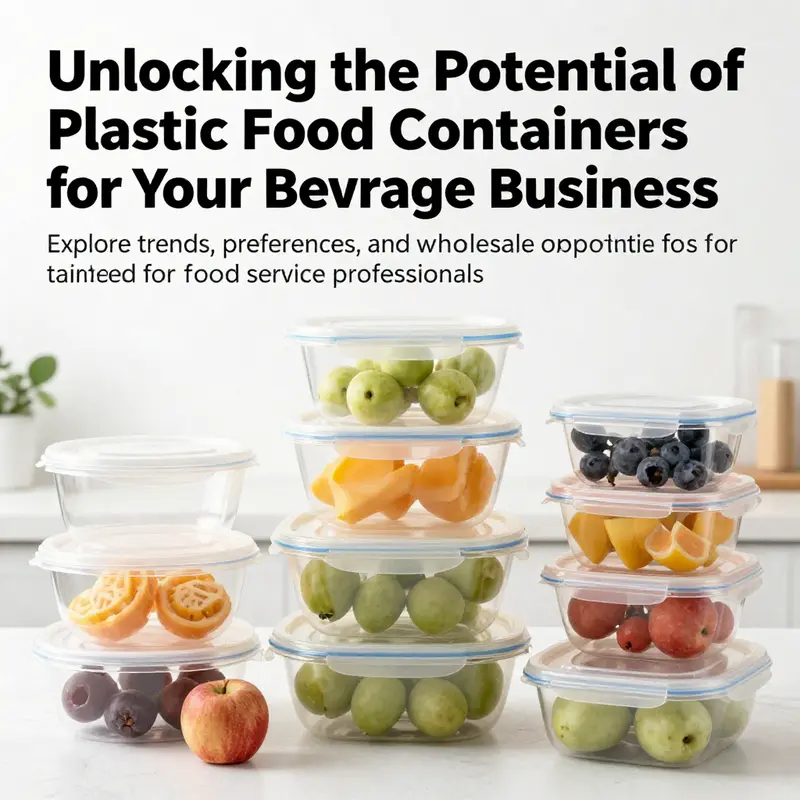
Plastic food containers have become indispensable in the food service industry, especially for bubble tea shops, restaurants, food trucks, and catering services. As consumer demand for convenience grows, so does the need for reliable and versatile packaging solutions. This article dives deep into the current market landscape, analyzing eBay sales, wholesale trends at Alibaba.com, retail patterns in Singapore, key manufacturers, and evolving consumer preferences. Each chapter provides actionable insights to help food service professionals optimize their packaging choices and drive efficiency in food management, aiming to equip your business with the knowledge to make informed procurement decisions.
From Online Aisles to Everyday Kitchens: The Compelling Rise of Plastic Food Containers on Sale
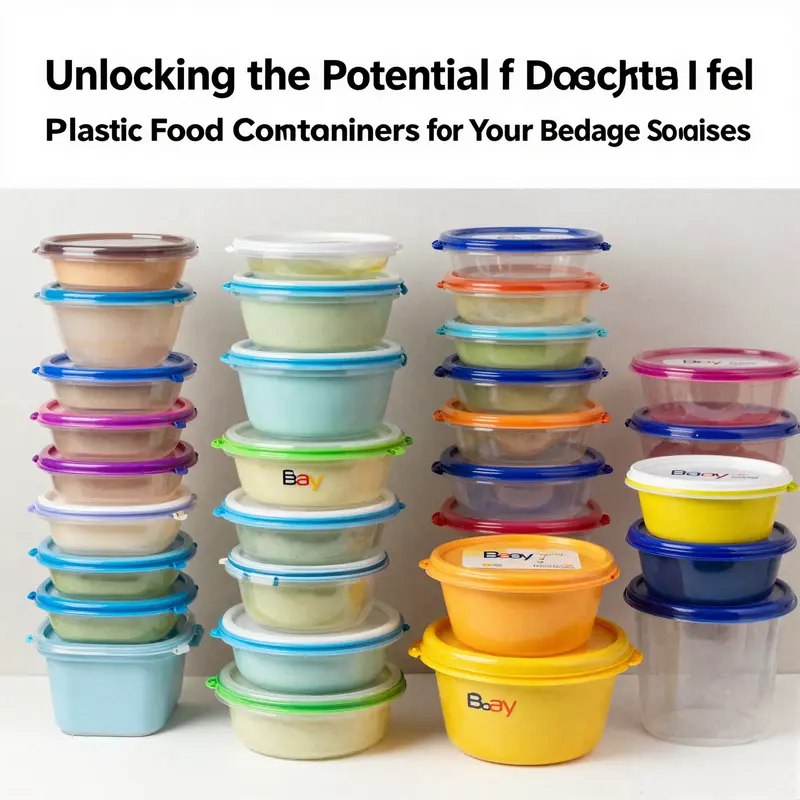
Online marketplaces have become the go-to stage where practical storage meets price-sensitive shoppers and small- to mid-size businesses seeking quick, predictable supplies. When you pull together the data from one of the world’s largest shopping platforms, you see a market that is diverse not only in price but in purpose. Plastic food containers no longer sit in the background of kitchen chores; they appear as multi-pack solutions, bulk storage, and meal-prep systems that promise efficiency, durability, and little friction at checkout. The core driver is simple: people want organization that fits their space and their routines, and they want options that scale—from an individual household to a deli-style operation.
Among the standout patterns is the popularity of stackable sets. The appeal is practical: space-saving design combined with predictable versatility. A typical listing offers a 6-piece set in five sizes at about $6.82, translating to roughly $1.14 per piece. The listing often features a substantial discount—around 72% in the example—along with further savings for new shoppers. This is not just a price tactic; it’s a reflection of how value is perceived in the market. Consumers are drawn to kits that reduce clutter and remove the guesswork about which container fits which lid. The economics are clear: a low upfront price, a unified set, and the convenience of many sizes in one purchase. For families reorganizing pantry shelves or office breakrooms that juggle large volumes of leftovers, the math adds up quickly. The appeal of multi-pack purchases extends beyond the household, as small eateries, catering prep stations, and event organizers look for predictable packaging kits that can cover a week or more of service without constant restocking.
Another visible strand is the demand for heavy‑duty, commercial-grade containers. These are the workhorses of storage, designed to hold substantial quantities of liquids, sauces, or deli-style portions. In the data, listings show cases of as many as 240 units, each at the 32-ounce scale, priced around $87.98 with free shipping. The economics here favor bulk buyers—cafeterias, small restaurants, or supply closets in offices—that want bulk pricing and the peace of mind that comes with guaranteed capacity, uniform dimensions, and a free‑shipping incentive that subsumes the subtle costs of handling. What makes these options appealing goes beyond raw durability. They are designed to be compatible with standard stacks and shelves, to tolerate frequent washing and refreezing, and to maintain clarity so staff can identify contents at a glance. This level of practicality is a decisive factor for anyone who treats storage as a workflow, not merely a container in a cupboard.
Style and function also cross paths in home settings. While many buyers prioritize utility, design matters when containers sit on counter displays or in open kitchen shelves. Aesthetic and functional options now include modern and retro-inspired shapes that echo trends in kitchen décor. Home users increasingly value containers that are not only dependable but also visually pleasing, because these items are visible parts of everyday routines. In the current listings, shoppers gravitate toward sets that present a calm, cohesive appearance—clear bodies that show contents, matching lids, and uniform heights that align across a rack. The effect is subtle but meaningful: when containers align neatly with a countertop, the act of storing becomes part of the kitchen’s design language rather than merely a task. This trend carries through to display variations aimed at meal-prep enthusiasts, who want equipment that looks as good as it holds, because the act of preparing food is itself a practice of care and organization.
Beyond the basics, the marketplace reflects a growing interest in specialized containers and modular systems tied to health-conscious lifestyles. Insulated, detachable fridge organizers, offered in multi-layer configurations, are marketed to households that plan ahead for weekly meals and who value separation by category—meats, cheeses, vegetables—within a compact footprint. This points to a broader shift: storage becomes part of a holistic approach to nutrition and time management. Rather than a single container for every need, buyers seek modularity that allows cells of the fridge to be rearranged as needs change. In practice, that means selecting pieces that interlock, seal securely, and resist leaks, so a busy weekday morning can proceed with fewer interruptions. The result is less waste and less scrambling through crowded shelves, a small but tangible improvement in daily routines.
From a market structure perspective, online platforms have matured into more than price‑comparison venues. They are ecosystems where supply, demand, and logistics intersect. Buyers arrive with different constraints: some want the lowest possible per-piece cost and are comfortable with bulk purchases; others prioritize speed, free shipping, and the assurance that their products will withstand repeated use in a shared kitchen. Sellers respond by carving the space into segments that mirror these constraints: budget-friendly stackables that address everyday needs; heavy-duty, bulk containers that suit commercial or semi-commercial use; and premium, branded, or specialty options that align with professional kitchens, meal-prep routines, or design-conscious households. On the supply side, the availability of bulk, multi-packs, and curated sets makes it easier for retailers to assemble inventory that covers a broad spectrum of consumer behavior. It also enables the testing of new configurations—perhaps a three-tiered system to accommodate different meal-prep tasks—without committing to large single-model inventories. For buyers, this translates into a predictable path from discovery to checkout: clear product descriptions, consistent sizing, and transparent discounting that rewards larger purchases. A key feature across the listings is free shipping on many items, which enhances perceived value and accelerates decision-making in a marketplace where the competition is intense and the options are numerous.
Navigating the landscape requires looking beyond price to the broader packaging ecosystem. The listings reveal a marketplace that increasingly values interoperability, durability, and ease of cleaning. Clear materials that resist staining and clouding are prized, lids that seal firmly to prevent leaks are non-negotiable for households storing liquids; and the ability to stack multiple units without wobble or tipping matters for shelves that must remain stable when crowded. In practice, shoppers assess not only the container itself but also the ecosystem: compatible lids, interchangeable lids across sizes, and the ease of maintenance. While bulk options may dominate the business end of the spectrum, the same principles apply to households that want longevity and reuse rather than a disposable approach. The longer a container can be used reliably, the better the total cost of ownership, even if the upfront price is higher. This logic underpins the appeal of premium or professional-grade containers in any market segment and is a quiet driver of brand loyalty, which tends to persist when products perform consistently over time.
To illustrate how this plays out for readers focused on procurement or packaging strategy, consider how a kitchen or office storage plan might leverage both ends of the spectrum. A small business could stock a handful of stackable, budget-friendly sets for everyday leftovers and a smaller rotation of heavy-duty, 32-ounce cases for bulk portions ready to go into the fridge or freezer. A home cook, meanwhile, might assemble a compact, aesthetically cohesive stack that fits neatly on a shelf and doubles as a visible reminder to store food responsibly. The choice is not simply about keeping food fresh; it is about shaping daily habits that reduce waste, simplify routines, and improve space efficiency. The online marketplace, with its mix of price points and configurations, mirrors the diversity of modern food storage needs: it is a mirror of how households, offices, and small businesses organize their days around meals, leftovers, and the practical realities of time management, all within the finite footprint of a kitchen or kitchenette.
These dynamics also hint at adjacent packaging formats that expand the conversation beyond plastics. For readers who want to explore alternatives that blend affordability with a simple design, consider packaging options in kraft paper that are positioned for easy take-out and organized serving. For example, a disposable kraft paper bowl in a compact, octagonal-rectangle design demonstrates how straightforward packaging can complement a kitchen’s workflow without leaning on plastic. See the example here: disposable-700ml-kraft-paper-bowl-take-out-octagonal-rectangle-paper-bowl. This reference point helps highlight that even as plastic storage remains dominant in many contexts, there are softer, more sustainable packaging icons that resonate with consumers seeking simplicity and sustainability.
Finally, as readers plan for future procurement or research projects, it helps to anchor expectations with a broader economic context. The same online marketplaces that carry bulk storage solutions also reflect shifting consumer attitudes toward reuse, durability, and the environmental footprint of everyday items. While the distribution of price bands may appear straightforward—low-cost stackables for daily use, midrange sets for families, and premium, professional-grade containers for specialized needs—the real dynamic is in the perceived value of reliability and organization. The stories behind these listings are not just about price; they are about time saved, space reclaimed, and the confidence that comes from selecting a system that holds up to daily wear. In a world where kitchens, break rooms, and storage cabinets are increasingly multifunctional, the containers that populate the shelves and the carts at checkout will continue to evolve. They will adapt to new cleaning technologies, new materials, and new patterns of consumption, while still serving the fundamental human impulse to bring order to the everyday act of storing, preserving, and transporting food.
External context: for a broader look at packaging sustainability and waste management, see https://www.epa.gov/smm/sustainable-management-materials-packaging
From Bulk Listings to Everyday Use: Wholesale Trends in Plastic Food Containers on a Global Platform
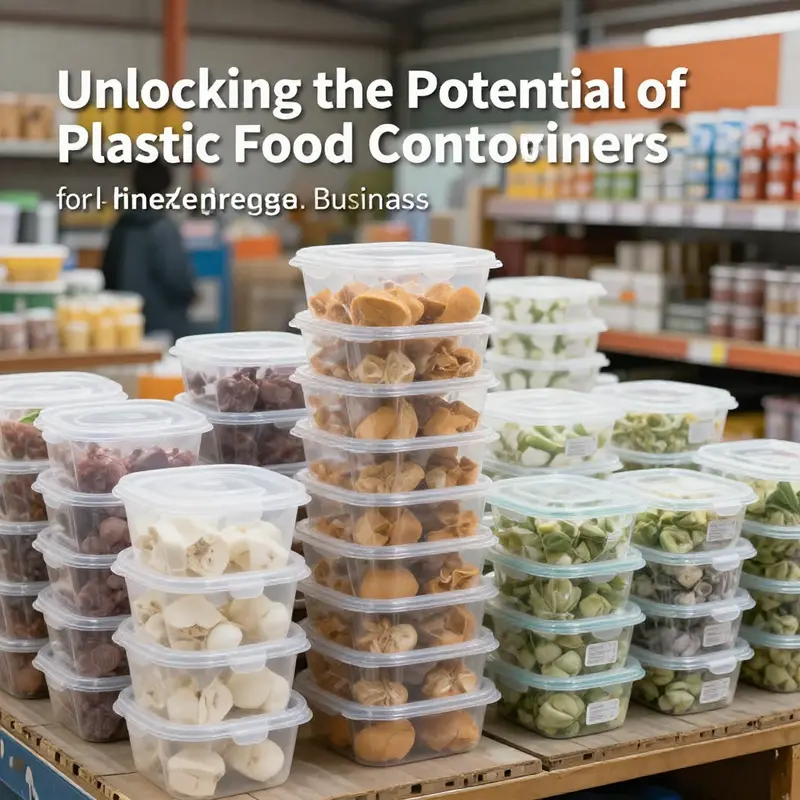
Across the globe, early 2026 revealed a clear pattern in the wholesale market for plastic food containers. Buyers at scale were looking for more than low prices; they wanted durability, reliability, and safety that could scale from a neighborhood cafe to a multinational catering operation. The catalogues on a leading global wholesale platform reflected this demand, prioritizing bigger, smarter choices: containers that handle busy kitchens, preserve freshness, and arrive with predictable lead times. In short, the modern wholesale landscape favors solutions that pair performance with practical ease, turning bulk listings into dependable everyday use.
Premium materials have moved from niche to norm. In many top lines, durability rides on materials that mimic the clarity of glass without its fragility. Think of materials that offer glass-like transparency, lightness, and high impact resistance. These choices are not merely about appearance; they translate into real-world benefits in busy prep rooms and storage areas. A container made from such material can withstand frequent handling, be used for a range of temperatures, and retain its shape under heavy use. Heat tolerance is particularly important as more kitchens rely on reheat and hot-pour workflows. A common benchmark is the ability to tolerate high temperatures without warping or deforming, which broadens the range of applications from cold storage to brief microwave reheating. Odor and stain resistance also matter, because containers cycle through sauces, oils, and spices. When a unit resists lingering smells or color transfer, it remains reliable after repeated cycles, reducing the need for replacement and keeping operating costs steady.
Sustainability and compliance have become core selling points. Buyers increasingly expect BPA-free construction, food-grade materials, and recyclability. These factors are not merely regulatory box-ticking; they affect shelf life, consumer trust, and corporate responsibility. Suppliers routinely highlight certifications and testing results in listings, offering a clearer basis for comparing safety, performance, and environmental impact. ISO and other quality-management credentials provide a framework that helps buyers navigate risk. In practice, this means a catalog that makes it easy to identify containers that meet stringent safety standards while still delivering the practical benefits needed in fast-paced settings. The emphasis on responsible packaging aligns with wider consumer expectations for products that perform well without compromising the planet.
Customization has shifted from luxury to accessibility, and it is reshaping how containers fit into branding and service models. What used to be a premium option—special shapes, decorative motifs, or custom labels—has become a standard feature in many wholesale lines. Some listings showcase unusual or aesthetically refined designs that still prioritize usability: sleek, modern shapes, subtle textures, or patterns inspired by luxury packaging concepts. More common are options for custom printing, labeling, or logo placement, paired with a wide range of sizes and lid configurations. Importantly, vendors advertise low minimums, sometimes enabling orders as small as five pieces. This lowers the barrier for startups, pop-up shops, and small eateries to test new containers, then scale up if the design proves popular. The result is a market where imaginative packaging can be developed quickly and cost-effectively, turning a basic storage bin into a recognizable brand element.
Versatility remains a central theme. The success of a container now hinges on its ability to cross use cases. Microwave-safe variants support meal prep and quick-service needs. Leak-proof designs ensure reliability during transport, catering events, and multi-stop deliveries. Airtight seals that extend shelf life appeal to retailers and food service operators alike, especially in markets with complex supply chains. Niche lines are thriving too, including specialized ice cream containers, honey dispensers, and bulk-portion systems. The overarching idea is to offer families of products that cover prep, storage, transport, and sale in a coherent ecosystem. Such versatility reduces the number of different packaging families a business must manage while enabling a consistent user experience across touchpoints.
Pricing dynamics in wholesale marketplaces reveal the scale advantages at work. The economics of bulk procurement can deliver both affordability and high performance. For standard storage sets, the per-unit price can be unusually low when large volumes are involved. A typical example shows prices around 0.22 to 0.24 dollars per unit for orders of 10,000 pieces or more. When items become more specialized or larger in capacity, unit costs rise in a wider range, from roughly 0.75 dollars to as much as 65 dollars per unit, reflecting differences in size, material choices, and the extent of customization. These figures illustrate how buyers can tailor procurement to match both budget and functional needs, leveraging volume discounts for everyday workhorse containers while reserving premium lines for high-end applications or branded experiences.
Beyond the numbers, the supply chain mechanics underpinning these listings matter as well. A long-standing manufacturing presence in southern China demonstrates how capacity and reliability support wholesale opportunities. A factory established in the early 2000s operates across plastics and paper packaging, producing a wide array of containers, lids, and related products. Such facilities handle food-grade materials including varied plastics and paper-based options, with substantial daily output that sustains large orders without sacrificing consistency. This scale enables predictable lead times and the ability to offer a broad catalog of sizes, shapes, and compatibility combinations. In practice, buyers can expect a robust ecosystem where different container families share compatible sealing systems, lids, and accessory parts, reducing friction when building a standardized kit for restaurants, meal-prep services, and retail outlets.
MOQs, pacing, and customization flexibility increasingly reflect the needs of a diverse buyer base. While large chefs and catering firms require deeply scaled orders, small businesses crave the chance to assemble a starter set or test a new line. The market responds with a spectrum of options: from very modest MOQs that let a cafe trial a compact line, to high-volume programs that deliver dependable supply for chain operations. Lead times are often advertised in ranges corresponding to order size and customization complexity. The ability to mix and match within a catalog—choosing a microwave-safe round container for prep, a leak-proof square container for takeout, and a matching lid—gives buyers practical tools to plan menus and packaging schemes with fewer suppliers.
Regional dynamics also shape how plastic containers travel from factory to storefront. Wholesale hubs in major trade corridors serve different market segments, from large urban kitchens to regional thrift stores and corporate cafeterias. Local distributors provide bulk sets that address both storage and service needs, while online catalogues offer global reach and multi-language support. This combination of regional access and global breadth helps buyers balance the cost benefits of bulk procurement with the logistics of delivery, customization, and compliance.
In discussing the landscape, it is worth noting how packaging ecosystems diversify alongside plastics. While plastic containers dominate many wholesale listings for reliability and cost efficiency, other materials appear alongside them as practical alternatives. The broader packaging conversation increasingly weighs the sustainability and usability of plastic against paper, composite, and recyclable options. Buyers who plan long term often adopt a mixed strategy, using plastic where performance and reuse matter most, and paper-based or compostable options where branding and end-of-life considerations are paramount. The catalogues reflect this adaptability, presenting an array of choices that fit varied business models and consumer expectations.
To illustrate a tangible path for readers seeking related packaging options, consider a widely accessible example of accessory packaging that aligns with the intention of practical, branded service. For instance, a line of disposable takeaway kraft paper cups with custom logos demonstrates how container ecosystems extend beyond plastic into branded, customer-facing packaging. This example embodies a broader principle: successful wholesale packaging strategies knit together function, branding, and sustainability across materials to support a cohesive customer experience. See the linked product page for a sense of how customization, short MOQs, and design versatility translate into market-ready packaging ideas. Disposable Takeaway Kraft Paper Coffee Cups with Custom Logo.
The wholesale wave in plastic food containers on a global platform involves not just the containers themselves but the expectations that buyers bring to the table. Quality control, traceability, and certifications become competitive differentiators. Suppliers who can provide test reports, batch traceability, and clear labeling win credibility with buyers who must manage dozens or hundreds of SKUs. In this climate, a successful wholesale offer is not simply a low sticker price; it is a reliable package that arrives on time, performs as described, and can be integrated into existing service models with minimal friction.
External resources provide broader context for how the wholesale landscape is evolving. A comprehensive search on a major wholesale platform highlights the wide variety of plastic food containers, their materials, and the array of configurations available to buyers worldwide. This external view helps readers compare options, assess supplier capabilities, and understand price bands in different segments of the market. External resource: https://www.alibaba.com/trade/search?catId=0&SearchText=plastic+food+containers&page=1
Singapore’s Plastic Food Containers on Sale: Retail Patterns Shaping Access, Choice, and Convenience
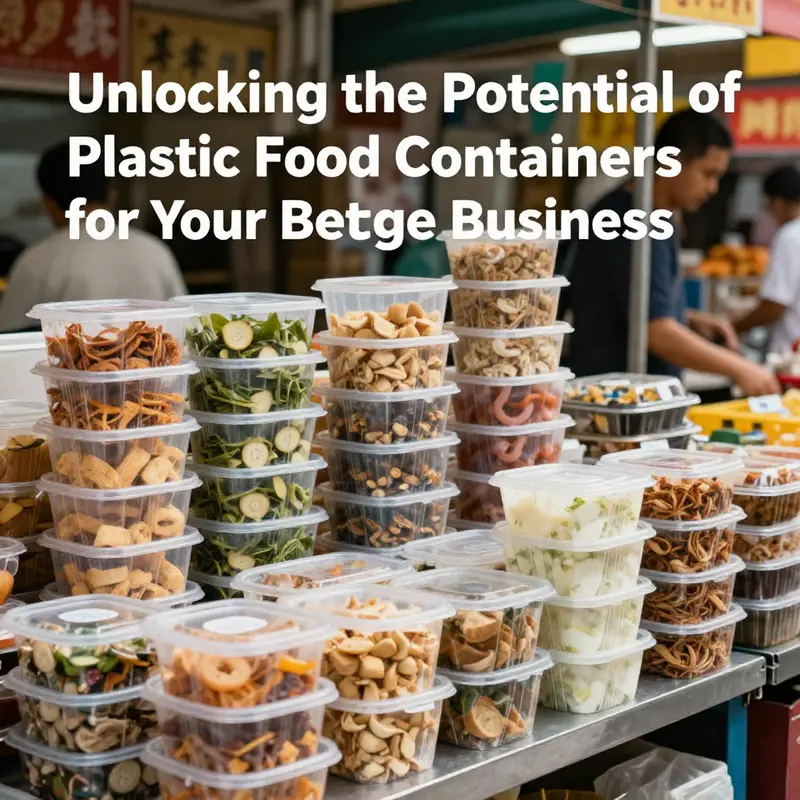
In Singapore, the retail environment for plastic food containers on sale unfolds as a living map of how city dwellers shop, store, and share meals. The market’s texture is not just about price tags or shelf color but about how a busy, delivery-driven, multi-tasking society translates need into accessible, reliable packaging options. Across the spectrum—from e-commerce storefronts to neighborhood wholesalers—the story is one of speed and certainty. Consumers reach for containers that promise clarity, security, and clean maintenance, while businesses—from small cafés to large catering outfits—seek steady supplies that can withstand high-frequency use. The pull factors are practical yet nuanced: convenience, hygiene, and the capacity to keep food fresh, organized, and portable. In this light, plastic food containers on sale in Singapore are more than disposable vessels; they are the quiet enablers of daily routines, the silent workhorses of meal prep, takeout, and home storage alike.
A major driver of recent retail patterns is the expansion of e-commerce and the corresponding uptick in food service and home-delivery demand. Clear plastic boxes and related storage solutions have become essential for packaging takeout meals, ready-to-eat dishes, and even grocery deliveries that require robust containment. The ease with which customers can compare sizes, see contents, and choose multi-piece sets online translates into higher turnover and more uniform expectations for what “value” looks like in a box. The online shelves mirror the real-world demand for modularity; shoppers want systems, not one-off containers. This is why multi-piece sets have become a dominant feature of the Singapore market. They offer a practical answer to the limited kitchen real estate common in high-density living environments and allow households to segment, label, and stack food with confidence. The design priorities—stackability, reinforced edges, interlocking bases—are not cosmetic; they pay off in daily use by reducing spill risk and freeing up cabinet space. Retailers highlight these attributes as part of a broader narrative about efficiency, which in turn resonates with busy families and office workers who appreciate predictable storage outcomes as much as price advantages.
Behind the scenes, media cues and consumer education play a crucial role. Packaging marketers emphasize materials that align with safety standards and hygiene expectations, a factor that Singaporeans weigh carefully. The market is attuned to food-grade materials and BPA-free assurances, a reassurance that has become a baseline for many consumers. The choice set is shaped by clear indications of quality and safety, as much as by aesthetics and price. In practice, this means shoppers often gravitate toward containers with reliable seals and screw-on lids when liquids or semi-solid foods are involved. Sauces, soups, dressings, and beverages require containers designed to perform under transport stress without leaking. The retail pattern, therefore, leans into a functional design ethos that values resilience in the kitchen and during transit as much as it does sleek appearance or transparency. The demand for liquid-tight solutions extends into small-scale foodservice operations where takeout packaging and portion control play critical roles in maintaining service quality and customer satisfaction.
Material choice is a key driver of consumer perception and practical performance. Retailers present a spectrum of plastic types that cater to different applications. PET, known for its crystal clarity and barrier properties, remains popular for seeing contents and maintaining freshness in ready-meal trays and salad containers. HDPE brings toughness and chemical resistance, a practical option for products that must endure repeated use or rough handling. PVC, though less common due to environmental concerns, appears in niche applications where particular sealing or rigidity is advantageous. These material distinctions influence pricing strategies and product positioning on the shelf. In tandem with material performance, sustainability has emerged as a selling point. Singapore’s sustainability goals shape consumer expectations; retailers increasingly spotlight 100% recyclable plastics and clearer end-of-life messaging. This alignment with wider environmental targets helps shoppers feel responsible about their purchases, even as they prioritize the functional needs of storage and transport. The convergence of performance and recyclability creates a compelling value proposition: containers that deliver dependable containment today while contributing to a more circular economy tomorrow.
Another prevailing pattern centers on size variety and packaging scope. Retailers stock a range—from compact, single-serving options for personal lunches to larger family-sized sets designed for bulk meal-prep and office catering. This breadth supports both individual needs and business-scale procurement, enabling bulk purchases that translate into economies of scale. The availability of diverse sizes also dovetails with the lifecycle of food storage and distribution: leftovers, meal-prepped ingredients, and pantry organization all benefit from adaptable packaging ecosystems. The modular approach is especially resonant in Singapore’s urban households, where space is at a premium and efficiency in the kitchen translates into tangible time savings. Consumers increasingly treat containers as an extension of their meal planning routines, rather than as mere afterthoughts, which reinforces the appeal of multi-piece sets and compatible lids that facilitate smooth stacking and quick retrieval.
The retail landscape is further shaped by the channels through which containers reach customers. Online marketplaces expand the reach of popular brands while enabling price transparency and rapid delivery. In parallel, local wholesalers and regional distributors offer bulk options that cater to small businesses, schools, and office kitchens. The synergy between online convenience and offline reliability creates a robust ecosystem in which prices remain competitive, ranges are broad, and stock levels are responsive to seasonal demand, promotions, and evolving consumer habits. This dual-channel dynamic supports the Singapore market’s appetite for both retail-grade and bulk-packaged solutions, ensuring that a wide cross-section of consumers and organizations can access appropriate packaging options without compromising on quality or function.
Within this complex web of supply and demand, the storytelling around packaging matters. Shoppers increasingly expect transparency about material safety and environmental impact. The emphasis on BPA-free playbooks into the broader consumer education narrative, where buyers seek reassurance that their chosen containers are suitable for food contact, do not impart unwanted flavors, and can be cleaned effectively. Beyond safety, the packaging narrative now includes resilience in transit, the ability to withstand repeated washing, and compatibility with dishwashers where relevant. This holistic view of performance—clarity, sealing integrity, durability, and sustainability—drives perceptions of value and informs buying decisions, especially for households managing meals and groceries within tight weekly schedules.
Retailers also navigate the delicate balance between sameness and novelty. A steady supply of dependable, well-sealing containers meets the everyday needs of storage and delivery, creating trust and routine. Yet shoppers occasionally seek innovations—improved lids with easier ergonomic grips, better interlocking features for stackability, or materials that offer higher clarity without sacrificing strength. The Singapore market, with its rapid pace of life and high expectations for service, rewards retailers who couple reliability with thoughtful design improvements. In practice, this means product assortments that blend classic, proven options with occasional, targeted upgrades that speak to evolving consumer preferences. The end result is a retail environment where customers can select from a coherent ecosystem of containers that covers the common needs of meal prep, leftovers, and beverage transport, while also having access to items that reflect progressive packaging trends.
From the standpoint of wholesale and bulk buyers, the Singapore retail pattern reveals a strategic emphasis on versatility and logistics efficiency. For offices and institutions that require predictable, high-volume packaging, multi-piece sets with standardized lids offer predictable inventory needs and reduced handling complexity. The modular nature of these sets allows for easy rotation and restocking, minimizing the risk of mismatched lids or incompatible bases. Store managers and procurement officers appreciate standardization for cost control, while end consumers gain from consistent performance across products. The wholesale perspective also highlights the importance of supplier reliability, delivery lead times, and after-sales support, which together underpin confidence in ongoing procurement relationships. In a market where timing matters as much as price, the ability to secure stable supplies during peak periods—festival seasons, promotional campaigns, or school terms—becomes a critical determinant of overall consumer satisfaction and retailer performance.
As Singapore continues to align consumer behavior with broader sustainability and circular economy goals, the conversation around plastic food containers on sale will increasingly foreground recyclability and responsible disposal. Retailers that foreground recyclability and provide clear guidance on end-of-life options help shape consumer perception and behavior. This trend dovetails with the growing consumer appetite for materials and packaging that can be re-integrated into the supply chain with minimal environmental impact. The result is a market that rewards packaging choices not just for their immediate function but for their contribution to long-term sustainability narratives. The combination of functional design, material performance, modular versatility, and responsible messaging defines the retail patterns now shaping how Singaporeans access, choose, and use plastic food containers on sale.
For readers seeking a broader framework on how plastic food containers fit into the global market dynamics, one external resource offers a comprehensive view of market drivers, consumer segments, and industry challenges. External resource: https://www.marketsandmarkets.com/Market-Reports/plastic-food-container-market-289567782.html. And for a sense of how packaging materials integrate with sustainability-informed retail, a related example from a regional packaging provider shows how kraft paper-based packaging can complement plastic options in a broader sustainability strategy. This internal example can be explored here: disposable-octagonal-box-restaurant-food-kraft-paper-packaging. (https://greendispopack.com/product/disposable-octagonal-box-restaurant-food-kraft-paper-packaging/). The juxtaposition of these packaging choices highlights a broader truth: retailers thrive when they can offer a credible mix of familiar, reliable plastics with responsible alternatives that meet evolving consumer values. The Singapore market, with its fast pace and high standards for hygiene and convenience, exemplifies how such a mix can translate into accessible, well-curated shelves that support daily life and business operations while keeping an eye on the future of sustainable packaging.
In this ongoing narrative, the chapter ahead will explore how these patterns intersect with price signals, supply chain resilience, and consumer education in the broader regional context. The goal is to illuminate not just what is on sale, but how the conversations around packaging choices—between plastic, paper-based, and hybrid solutions—shape the everyday acts of shopping, storing, and sharing food in Singapore and beyond.
From Factory Floors to Pantry Shelves: The Global Marketplace of Plastic Food Containers on Sale
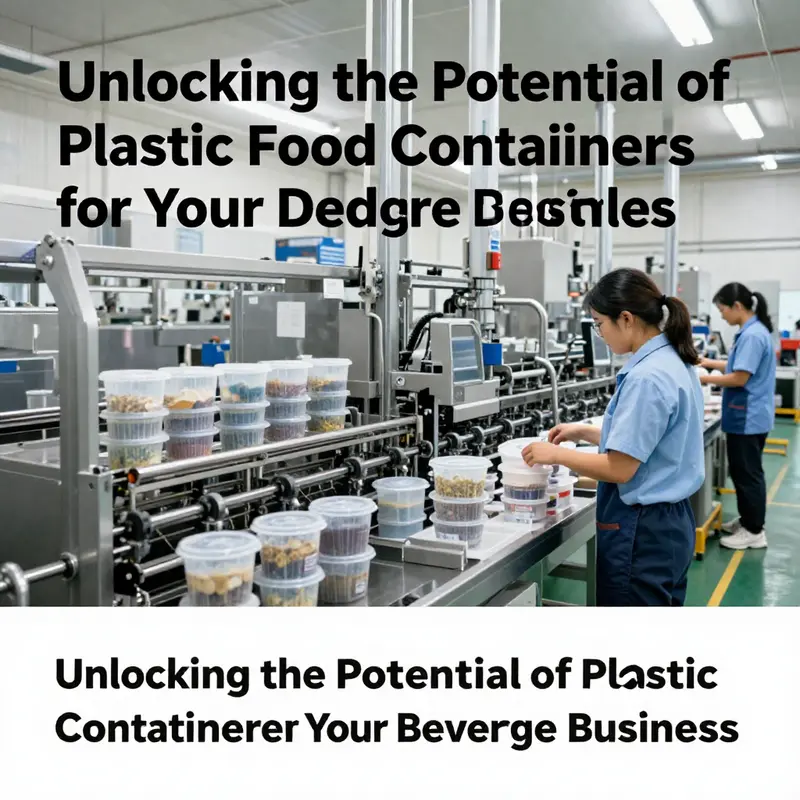
The journey of a plastic food container from an assembly line to a kitchen shelf unfolds as a study in scale, speed, and nuance. In today’s markets, a seemingly simple item—an airtight, stackable container—embodies a complex web of global logistics, material science, and consumer demand. The sale of these containers happens not only in the familiar aisles of retail stores but also through expansive online marketplaces, wholesale platforms, and regional distributors. To understand what buyers encounter, it helps to trace the path from raw materials to finished, ready-to-use products. On the front end, a shopper might search for a dependable storage solution that keeps leftovers fresh, seals liquids securely, and fits neatly into a cupboard or refrigerator. On the back end, producers balance durability, safety, and cost, while marketplaces translate those capabilities into options that range from bargain bundles to bulk contracts for offices or catering outfits. The result is a market where a basic household need becomes a strategic purchase, shaped by materials, design, and the distribution routes that connect factories to doorsteps.
A pervasive feature of this market is its bifurcation into consumer-facing channels and wholesale pipelines. Consumer platforms offer volume and variety in equal measure, enabling a shopping experience that combines brand familiarity with price competition. In many online spaces, buyers encounter a broad catalog that includes the most common storage formats—round and rectangular shapes, clear or opaque plastics, diverse lid styles, and a spectrum of capacities. The emphasis is on value, practical performance, and the ease with which a buyer can compare options. For household users, the appeal often lies in ready-made sets, leak-resistant seals, and the reassurance that the containers are food-grade and BPA-free. These are not merely convenience items; they are tools for reducing waste, organizing kitchens, and enabling meal-prep routines that promote healthier, more efficient daily life.
Wholesale channels, by contrast, tilt toward volume, customization, and long-term supply arrangements. The wholesale landscape is built to accommodate small restaurants, office break rooms, canteens, and institutions that require consistent quality at predictable prices. A key feature here is scale: the ability to source tens, hundreds, or thousands of containers with uniform lids, consistent material grades, and reliable delivery timelines. Suppliers in this space tout capacity and consistency, highlighting production lines that can run at high throughput without compromising food safety. In markets that are heavily dependent on imports, wholesalers may leverage regional hubs to reduce lead times and to offer mixed cartons that pair different sizes and shapes in a single order. The net effect is a marketplace where buyers can tailor purchases to exact need, whether it is a compact, everyday lunch box for a home office or a bulk solution for a catering service.
Several enduring platforms have become anchors in this ecosystem. Online marketplaces that emphasize broad selection and competitive pricing empower buyers to compare dozens of options quickly. Wholesale directories expand the reach beyond local supply chains, connecting buyers with manufacturers who maintain formal capacity statements, material certifications, and customization capabilities. The breadth of options is substantial. A typical wholesale listing will describe containers made from multiple food-grade plastics such as polypropylene, polystyrene, polyethylene terephthalate, and high-density polyethylene. It will also note safety attributes, like BPA-free formulations, and functional features, such as airtight seals, leak-proof designs, and compatibility with freezers or microwaves. For many buyers, the decision hinges on a balance among price, performance, and the availability of protective packaging that ensures containers arrive intact and ready for immediate use.
On the design and material fronts, the market favors versatility. Containers span a spectrum of use cases—from everyday meal prep to the packaging of sauces, soups, and beverages, where spill resistance and lid reliability are decisive. The emphasis on liquid and semi-solid storage has driven innovations in seal technology, venting mechanisms, and stackability, all crafted to maximize space efficiency in crowded pantries and cupboards. Materials are chosen not only for safety and durability but also for compatibility with common cleaning regimes. Reusability and ease of washing become as important as the initial purchase price. In a landscape where households, small offices, and food-service businesses all demand reliable performance, the objective remains the same: to deliver containers that preserve freshness, minimize waste, and withstand routine handling without compromising food safety.
The supply side of this market is anchored by manufacturers who convert raw polymers into finished containers at varying scales. Among the notable players operating from manufacturing hubs in Asia are several companies that specialize in plastic food storage solutions and related packaging. One prominent enterprise, based in a major industrial province, has built its production around a broad portfolio that includes sealed storage containers for snacks, grains, and other pantry staples, as well as transparent options designed to showcase contents while protecting them from moisture and contamination. This kind of production capability is essential for meeting consumer expectations around visibility, assortments, and the ability to monitor contents at a glance. The same facility often maintains the capability to adapt to custom orders, enabling clients to specify dimensions, lid styles, or even branding for private-label programs. Such flexibility is increasingly important as retailers and businesses seek differentiation through packaging while maintaining strict safety and quality standards.
Another manufacturer in the same region focuses on disposable plastic food packaging for fast-service contexts. Their product lines cover a wide array of containers used for takeaway meals, bowls, trays, cups, and related items. Materials in these lines typically include polypropylene, polystyrene, and PET, with some formulations incorporating additional additives that improve rigidity, heat resistance, or moisture barrier performance. The emphasis on disposable packaging does not diminish the priority of food-grade safety. Instead, it highlights the need for productions that can be scaled quickly, meet regulatory requirements, and deliver consistent results even under high-volume demand. This capacity is vital for sectors that respond rapidly to seasonal surges, promotions, or changing consumer habits, ensuring that supply remains aligned with demand.
A third company stems from a well-established industrial zone known for plastics processing. This supplier’s strengths lie in offering both standard and custom storage solutions, including sealed variants tailored for snack foods, grains, and household items. Their operations are designed to support private-label collaborations, making it feasible for retailers and distributors to offer exclusive packaging lines that reflect distinctive branding or targeted market positioning. In many cases, such collaborations hinge on precise tolerances, reproducible color and finish, and reliable lead times. The capacity to produce at scale while accommodating specific client requirements is a recurring theme across these suppliers and a key factor enabling broad availability of plastic containers on sale.
Further along the supply chain, another producer illustrates the importance of geographic clustering in the plastics industry. Situated in a commercial city known for wholesale markets, this company manufactures a diverse selection of food-grade containers, including those intended for liquids and semi solids. They emphasize durability and cost efficiency, aiming to provide products that withstand repeated washing and handling without degradation. Their catalog often reflects a mix of standard items and options for customization, which is critical for office settings, small eateries, and households that want to align packaging with their own color schemes or logos. The dialogue between these manufacturers and buyers—whether through online listings, direct outreach, or distributor networks—drives a steady flow of containers from factory floors into homes and workplaces around the world.
A fifth laboratory- or factory-based operation, located in a region famous for trade logistics, adds to the diversity of the market by offering a broad selection of small and large sealable containers. Their emphasis on multi-size assortments mirrors consumer needs for flexible storage solutions that can scale with family size or organizational needs. The capacity to provide varied containers within the same order helps retailers present cohesive merchandising options and supports consumers who want a modular approach to kitchen organization. Together, these five manufacturers illustrate how production capability, customization, and geographic proximity interact with global demand to shape the availability of plastic food containers on sale. They underscore a market that is not simply about finding a cheap box, but about sourcing reliable packaging that aligns with safety standards, performance expectations, and practical realities of daily life.
For buyers navigating this landscape, a practical approach emerges. Start with the basic questions: What will the containers store, and under what conditions will they be used? Will there be liquids, heat, cold, or freezer exposure? How important is visibility versus opacity? What about the seal—how robust must it be to prevent leaks during transport or in the fridge? Then consider scale and supply reliability. If you are purchasing for a home kitchen, a mix of everyday containers and specialized pieces might suffice. For a small business, a standardized set with private-label potential can offer both cost savings and branding opportunities. And for large operations, a preference for a limited range of trusted sizes, accompanied by formalized lead times and quality certifications, becomes essential to maintain service levels. In all cases, the market rewards clarity: a clear description of materials, safety assurances, and straightforward return or warranty terms are as valuable as the containers themselves.
The role of digital marketplaces cannot be overstated. They democratize access to the widest possible range of options, letting buyers compare materials, configurations, and price points across suppliers and regions with relative ease. Yet the abundance also raises the need for discernment. It matters not only that a container is inexpensive but also that it is certified for food contact, that it will perform under weekly cycles of washing and stacking, and that it can be sourced consistently over time. The best suppliers articulate their capabilities in terms of quality control, certifications, and transparent capacity figures, enabling buyers to forecast availability and budget with confidence. The consumer experience—whether a household shopper or a procurement officer for a catering outfit—benefits from this clarity, because it translates into dependable performance, reduced waste, and a smoother planning process across inventory, storage, and usage.
For those who want external perspectives beyond product descriptions and supplier profiles, one can explore industry summaries and company profiles that illuminate market scale and supplier breadth. A respected reference point is the profile of a major manufacturing group that operates across PET bottle preforms, bottles, jars, and film packaging, reflecting the breadth of packaging products that sometimes intersect with the broader category of plastic food containers. This reference illustrates how a single corporate ecosystem can influence availability, pricing structures, and the pace at which new container designs enter the market. External resources like these provide context for the choices buyers make when assembling storage systems that are durable, safe, and aligned with modern consumption patterns.
As the market continues to evolve, the tension between convenience and sustainability remains a guiding thread. Consumers increasingly weigh the benefits of reusable plastics against concerns about waste and end-of-life disposal. Manufacturers respond with durable, reusable designs and, in some cases, advocacy for recycling-friendly practices and material transparency. Buyers, in turn, can support responsible practices by selecting containers with clear safety credentials, opting for products that offer long life cycles, and favoring suppliers who maintain consistent quality and reliable delivery. The outcome is a marketplace where plastic food containers on sale come to represent not only a practical solution for storage and packaging but also a set of choices that reflect values around health, efficiency, and environmental responsibility.
External resource: https://www.alibaba.com/company/shanghai-zijiang-enterprise-group-co-ltd.html
Selling into a Conscious Market: Consumer Trends Redefining Plastic Food Containers On Sale
Plastic food containers on sale occupy a surprisingly rich crossroads of everyday practicality and shifting values. They are not merely vessels for leftovers; they are part of a broader conversation about convenience, health, and planetary responsibility. Today’s shoppers weigh more than price and capacity: they consider the story behind the package, including materials, durability, and end-of-life promises. In this sense, the market for plastic containers is a living map of how households and offices choose to store food in a world attentive to waste, chemical exposure, and energy use.
Material choices are increasingly tied to safety and performance. BPA-free labeling has become a baseline for many buyers who store meals at home or in the office. Polypropylene (PP) and polyethylene terephthalate (PET) remain popular for their balance of food-grade safety with strength. PP often tolerates heat well, supporting microwave-friendly use, while PET offers clarity and durability for visible contents. However, every material carries trade-offs; PS and foam insulation can be light and effective but raise environmental and health concerns.
The rise of eco-friendly and reusable options is another major driver. Buyers look for packaging that reduces plastic waste and supports recyclability or reuse. Markets respond with more durable, reusable containers, improved sealing, and designs that maximize stackability and ease of cleaning. Sustainability is no longer niche; it can influence even sale items and seasonal discounts, especially in wholesale and e-commerce ecosystems that surface thousands of bulk SKUs with clear safety assurances.
Reusability and microwave readiness shape the shopping list. Sets designed for cross-meal use, with vented lids and secure latches, help households save time while minimizing waste. Clear labeling and robust sealing remain critical to prevent leaks in offices or kitchens. In response, manufacturers push for products that perform across dishwashing cycles and tolerate frequent handling.
Market dynamics and regional supply networks also matter. On major online platforms, shelves show a spectrum from compact sets for apartment storage to large-volume options for wholesale or institutional use. Regional wholesalers can offer faster lead times and localized service, translating into easier access to bulk configurations and end-user support. All of these factors—scale, safety, regional service, and environmental stewardship—shape what ends up on a shopper’s countertop.
Ultimately, the sale of plastic containers is a lens on how societies balance daily convenience with responsibility. Buyers increasingly expect transparency about material composition and end-of-life options, and vendors respond with clearer disclosures, safer formulations, and better design. The future of plastic containers on sale will be defined by smarter materials, smarter designs, and smarter distribution that help households store food securely, sanitarily, and sustainably.
Final thoughts
Understanding the diverse landscape of plastic food containers is essential for food service professionals. From leveraging eBay’s extensive sales analysis to benefiting from wholesale options on Alibaba.com, each chapter sheds light on specific aspects of the market. Knowing which products to choose based on consumer preferences can set a business apart in a competitive environment. As you explore these insights, consider how they apply to your unique operations, ensuring you are always ahead of the curve in this evolving market.