
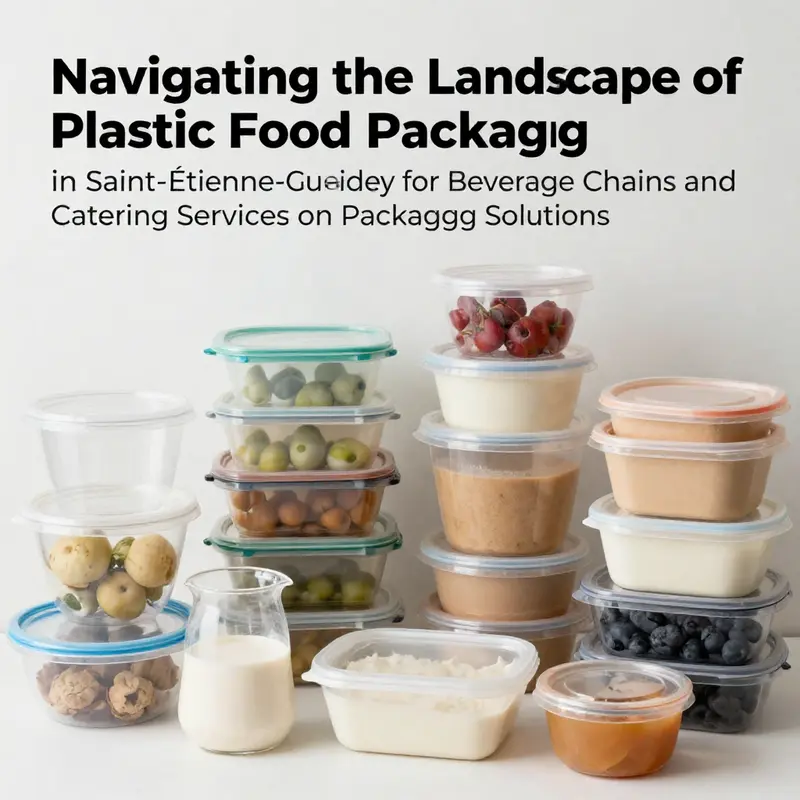
As businesses in Saint-Étienne-du-Rouvray, from bubble tea shops to catering services, seek effective packaging solutions, an understanding of local options becomes essential. Plastic food packaging containers play a significant role in maintaining food safety and presentation. In this guide, we will explore local suppliers, online platforms, and eco-friendly trends in packaging materials, while also highlighting official guidelines and future regulations impacting the packaging industry. This comprehensive examination sets the stage for making informed choices that align with both business needs and emerging sustainability practices.
Bridging Global Sourcing and Local Realities: Navigating Plastic Packaging Solutions in Saint-Étienne-du-Rouvray
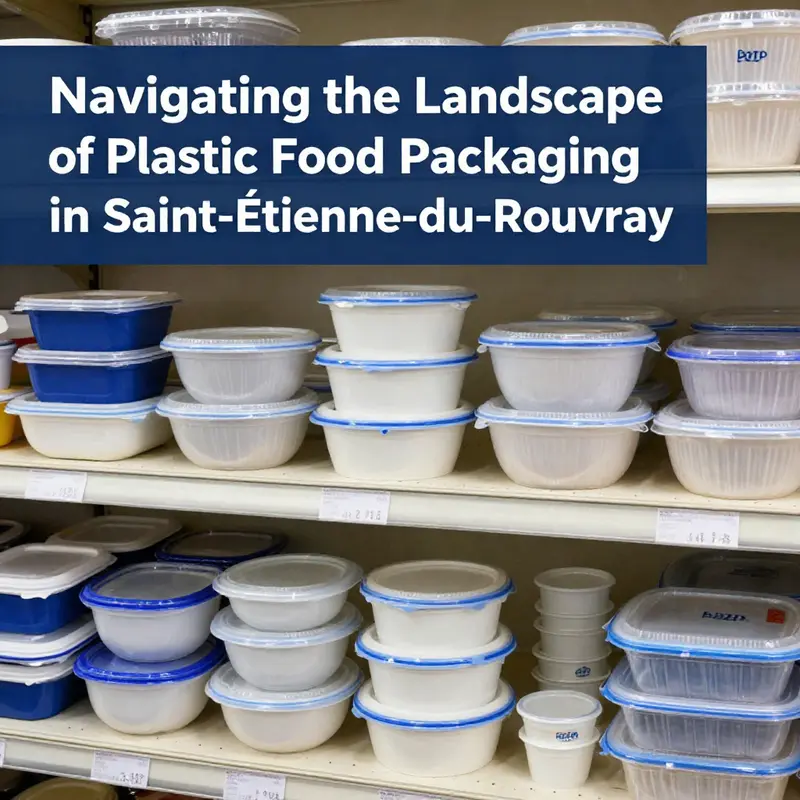
In the heart of France, particularly in the town of Saint-Étienne-du-Rouvray, businesses face a unique challenge as they endeavor to source the right plastic packaging food containers. The journey involves balancing the immediate need for functional, reliable packaging with the broader shift towards sustainable practices. Although detailed information about local suppliers may be limited, the narrative of sourcing in Saint-Étienne-du-Rouvray is shaped by both local industry nuances and global market realities.
Historically, local restaurants, small retailers, and food service providers in Saint-Étienne-du-Rouvray relied on well-known import groups and domestic distributors to meet their packaging needs. Over time, the demand for plastic food containers has surged, driven primarily by the fast-growing food takeaway sector. Many local businesses have traditionally turned to established catering supply companies and distributors who offered products that perfectly met the rigorous health and safety standards of the food industry. These entities typically provided a range of packaging options designed for the specific needs of meals on the go, such as trays, sealed containers, and multi-use packaging solutions.
However, as businesses looked for cost-effective, high-quality products, many found themselves caught between the convenience of established local suppliers and the attractive pricing available through bulk procurement from international sources. Detailed market research reveals that many well-known local names in the industry have maintained a focus on building long-term relationships with restaurants and food service outlets. Despite this, a notable gap has emerged: data specific to plastic packaging suppliers solely within Saint-Étienne-du-Rouvray is scarce. The available information often points toward broader European or even Chinese bulk procurement channels where the benefits of scale and low costs can be leveraged.
Local distributors and business associations in the region have made concerted efforts to ensure that local food businesses maintain access to necessary supplies. For instance, several local distribution networks advertise themselves under the umbrella of food service and catering supplies, working with both multinational companies and regional manufacturers. The challenge, however, is that direct references or detailed contact information for a supplier based strictly in Saint-Étienne-du-Rouvray is hard to come by. Instead, food businesses frequently rely on trusted national brands and extensive online platforms to source their daily needs. This dynamic illustrates a broader trend in the food service industry where traditional, locality-based supply chains are increasingly complemented by global sourcing strategies.
The transformation in the way packaging is sourced has been triggered largely by regulatory shifts and evolving consumer expectations. The European Union’s recent implementation of directives aimed at reducing single-use plastics, such as the Single-Use Plastics Directive enacted in April 2024, is steadily guiding the industry toward sustainable alternatives. While many local businesses continue to use standard plastic containers because of their durability and cost-effectiveness, there is growing enthusiasm for eco-friendly substitutes. Many local restaurateurs have started experimenting with biodegradable plastic options or even non-plastic materials such as paper or bamboo-based packaging.
This regulatory landscape presents both challenges and opportunities in Saint-Étienne-du-Rouvray. On one hand, businesses must navigate the complexities associated with upcoming bans that will restrict the use of certain types of plastic packaging, particularly those used for fruits, vegetables, and fast food condiments. On the other hand, these challenges have spurred innovation among local suppliers and distributors keen to meet new market demands. The push towards sustainable packaging solutions has encouraged several local enterprises to explore alternative materials that comply with both EU regulations and the evolving tastes of today’s conscientious consumers.
The interplay between local market limitations and global sourcing is further magnified by the strong international presence that characterizes the modern supply chain. Numerous international e-commerce platforms offer an array of products designed for the fast-paced world of food packaging. For example, Chinese manufacturers are renowned for supplying recyclable plastic takeaway food boxes complete with secure lids at competitive prices. While these products are appealing due to their scalability and cost efficiency, they do come with a set of potential complications such as extended delivery times and the need to ensure compliance with stringent European safety standards. Consequently, while local businesses in Saint-Étienne-du-Rouvray might be tempted by the economic advantages of bulk international orders, the balancing act between quality, compliance, and prompt delivery often necessitates a cautious approach.
For businesses operating in the region, one viable strategy is to combine the strengths of both local and international sourcing. By leveraging local distributors who maintain robust networks with domestic manufacturers and coupling these partnerships with the competitive pricing available through global suppliers, restaurants and retail outlets can strike a balance that meets both operational and regulatory needs. In this light, the pursuit of plastic packaging food containers becomes a dual exercise: one of practical procurement and one of adaptation to evolving regulatory frameworks.
In practice, the process might involve using trusted online platforms to order supplies in bulk while also engaging with local catering supply companies for faster replenishment and quality assurance. A closer look at the situation reveals that many local suppliers, although not exclusively focused on plastic packaging containers, maintain broader product portfolios that include sustainable alternatives such as eco-friendly paper bowls and compostable packaging options. This hybrid approach not only ensures that immediate needs are met but also opens up pathways for a smoother transition towards compliance with future regulations that favor environmentally friendly solutions. For instance, a local distributor might offer a product range that includes items such as a disposable kraft paper bowl for food packaging, demonstrating how local trends are evolving to align with global sustainability demands.
Moreover, this approach is supported by a concerted effort from regulatory bodies and industry experts to streamline the transition to sustainable packaging across France and the broader European region. Local businesses have been encouraged to adopt products that are not only efficient in handling and storage but are also designed with future legislative changes in mind. These guidelines have prompted significant investments in research and development, ensuring that innovative packaging solutions are not only environmentally sound but also cost-effective for the consumer. The local marketplace is slowly adapting, with early adopters already making significant strides towards integrating biodegradable materials into their product lines. Such shifts are not only a reflection of compliance with emerging laws but also a response to the growing consumer preference for sustainable products, wherein local reputation and environmental stewardship play a pivotal role in shaping business success.
The narrative of sourcing within Saint-Étienne-du-Rouvray is emblematic of a global trend where local challenges are increasingly intertwined with international market forces. The dynamics of supply and demand in this context are influenced by multiple factors: the economic imperatives of cost reduction, the regulatory pressures that demand sustainable practices, and the competitive advantage that comes from rapid and reliable supply chains. While the direct traceability of local suppliers for plastic containers may be elusive, it is clear that the fabric of the local supply chain is woven from both indigenous distribution networks and transnational trade channels. This duality ensures that businesses are never confined solely to local options but can always benefit from the efficiencies and innovations available on a global scale.
In addition to the economic and regulatory narratives, it is essential to recognize the role of community and regional collaboration in addressing these sourcing challenges. Saint-Étienne-du-Rouvray, like many French towns, has seen its local business networks evolve over the years. Informal trading relationships and community-driven supply initiatives have emerged, wherein local businesses share resources and information to collectively navigate the complexities of modern supply chains. Such informal networks reinforce the formal structures provided by national distributors and open the door to creative, collaborative endeavors. For instance, local entrepreneurs have begun participating in cooperative purchasing agreements, thereby reducing costs while improving supply reliability. These initiatives not only assist in minimizing risks associated with delayed shipments but also foster a sense of local solidarity in an increasingly globalized market.
Furthermore, the experience of local businesses in Saint-Étienne-du-Rouvray indicates that the shift towards sustainable packaging doesn’t have to happen overnight. Even as EU policies drive a gradual transition from single-use plastics, the current market offers a wide selection of products that allow businesses to experiment with different materials. The integration of environmentally sound packaging solutions is becoming more of a continuous journey rather than a binary choice. As local enterprises begin to adjust their inventory to include both conventional plastic and innovative eco-friendly options, the market is witnessing a transitional phase where traditional products are gradually phased out in favor of more sustainable alternatives. This transition is not only about meeting regulatory requirements but is also a response to a broader shift in consumer behavior—one that values ecological responsibility as much as it does practicality and cost-effectiveness.
It is also important to acknowledge the challenges that come with this evolving landscape. The reliance on bulk producers from countries such as China brings inherent challenges of managing supply chain logistics from distant sources and navigating varying standards of quality control. Local businesses must be proactive in ensuring that every product they source adheres to the relevant health and safety regulations. In many cases, establishing robust quality assurance practices is as important as negotiating favorable prices. Businesses in Saint-Étienne-du-Rouvray are thus encouraged to establish close working relationships with suppliers and to conduct regular audits. This way, they can balance the economic advantages of international sourcing with the reliability and immediacy of local distribution networks.
Across these challenges and opportunities, one theme remains constant: the need for adaptability. The narrative in Saint-Étienne-du-Rouvray is a reminder of how businesses can thrive by embracing a hybrid sourcing strategy that leverages both local expertise and global competitive pressures. By carefully selecting suppliers based on quality, reliability, and compliance with emerging environmental policies, local food businesses can remain competitive and responsible. The future of plastic packaging food containers in the region will likely see a gradual pivot towards an integrated model—one that not only meets the immediate economic demands of the local market but also aligns with the broader global push for sustainability.
As business owners and procurement managers continue to analyze market trends, the outlook for plastic packaging in Saint-Étienne-du-Rouvray is one of cautious optimism. The region stands at the crossroads of innovation and tradition. Local companies are increasingly aware of the benefits of tapping into established global networks while nurturing home-grown partnerships. This dual approach not only secures a steady supply of essential products but also ensures that the best practices of sustainable packaging are gradually disseminated throughout the local economy.
For those interested in delving deeper into the regulatory aspects and sustainable practices that shape this evolving landscape, additional information is available on the official website of the European Commission, where comprehensive guidelines on plastics and environmental directives are provided: https://ec.europa.eu/environment/waste/plastics/index_en.htm
In essence, while specific data on purely local suppliers of plastic food packaging containers in Saint-Étienne-du-Rouvray might be limited, the broader narrative reveals a vibrant, multifaceted approach to sourcing in the region. Local distributors, international bulk suppliers, and the emerging trend towards sustainable alternatives all converge to create a dynamic and adaptive marketplace. The lessons are clear: businesses must continually assess their supply chains, embrace both local and global partnerships, and prepare for a future where sustainability is not just an option but a competitive necessity. The continued dialogue among stakeholders—regulators, suppliers, and businesses alike—promises to foster an ecosystem where innovation meets tradition, ensuring that the needs of today are met while paving the way for a greener, more sustainable tomorrow.
Navigating Digital Marketplaces: A Comprehensive Guide to Plastic Packaging Solutions in Saint-Étienne-du-Rouvray
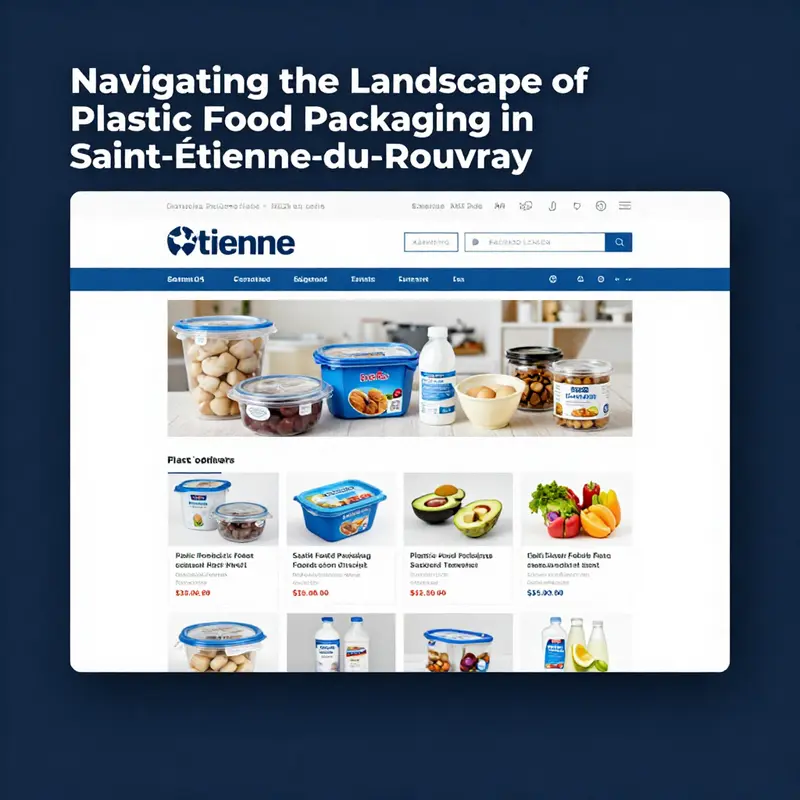
In the heart of Saint-Étienne-du-Rouvray, where local businesses and food establishments continuously seek reliable and efficient solutions for their packaging needs, digital marketplaces have become key conduits connecting suppliers and end users. This chapter explores how online platforms have developed into essential tools for businesses in need of plastic food packaging containers, delving into the convenience, variety, and nuances of these digital networks. Over time, such platforms have not only increased access to a wide range of products but have also allowed for a level of transparency and efficiency that traditional brick-and-mortar supply chains struggle to match.
The rise of e-commerce has reshaped the way business operators source everyday materials. For many local restaurants, takeaways, and retail outlets in Saint-Étienne-du-Rouvray, the need for plastic packaging is dictated by functionality—products must be reliable, cost-effective, and compatible with regulatory standards. Traditional supply channels have gradually been complemented by robust online marketplaces that cater to these exact needs, thus streamlining procurement while reducing overhead costs. Platforms like Amazon.fr and Cdiscount.com have paved the way in offering not only extensive product catalogs but also the versatility to compare product specifications, read customer reviews, and ensure compliance with industry standards.
Amazon.fr stands out as a prime example of an online marketplace that has effectively bridged the gap between international suppliers and local businesses. Offering a range of plastic food containers that vary in size, design, and durability, the platform enables business owners to make informed purchasing decisions. With the assurance of nationwide delivery throughout France, these online platforms ensure that even businesses in smaller towns like Saint-Étienne-du-Rouvray can access high-quality packaging solutions quickly and reliably. The user experience on such platforms is designed to be straightforward, ensuring that both first-time and frequent buyers can easily navigate product categories and avail themselves of detailed product descriptions and specifications. Moreover, the integration of customer reviews further builds trust among buyers, aiding them in selecting the best products that meet their precise needs.
Cdiscount.com and similar general retail sites further enrich the marketplace landscape by providing specialized sections for kitchenware and storage solutions. These platforms contribute to a competitive environment where suppliers are incentivized to maintain high standards in quality and service. In the broader context of business operations, leveraging these online resources translates into improved operational efficiency and contributes significantly to sustainable business practices by reducing the time and energy lower-volume retailers must expend when sourcing materials. Boulanger.fr and Fnac.com, typically known for a broad spectrum of household goods, have also entered this niche by including plastic food packaging options, thereby offering an integrated shopping experience that crosses product categories. These platforms’ diversification reflects a growing recognition that modern consumers and businesses favor one-stop solutions for varied operational needs.
For local businesses, while the big e-commerce players offer convenience and variety, the allure of local or specialized suppliers remains strong. Regional distributors based in or near Saint-Étienne-du-Rouvray stand as valuable partners who are more intimately acquainted with local market demands and can often provide tailored advice and urgent delivery options. Local directories and trade networks provide additional channels for businesses to source packaging not just for routine supplies but also for unique, custom packaging orders. These specialized suppliers frequently have an in-depth knowledge of local regulatory norms and can guide buyers in adhering to the latest environmental standards.
An emerging trend that significantly influences the present market scenario is the shift toward sustainable alternatives. Driven largely by environmental considerations and reinforced by stringent regulation, many businesses are beginning to migrate away from traditional plastic packaging in favor of eco-friendly options. The European Union’s concerted efforts to reduce single-use plastics have led to an upward surge in the availability and popularity of biodegradable alternatives, such as containers made from PLA (polylactic acid), paper, bamboo, or wood. Although plastic packaging remains prevalent due to its durability and low cost, the evolving landscape is gently nudging consumers and businesses alike toward more sustainable choices.
This transformation is evident in digital marketplaces, where platforms have started to carve out sections dedicated to green packaging alternatives. A quick search on eco-specialized websites, for instance, reveals innovative products designed not only for preservation and safety of food items but also for environmental responsibility. Retailers such as Eco-solutions.fr and GreenMarket.fr are now competing in the same digital space, highlighting products that meet stringent ecological criteria while still maintaining the convenience and cost-effectiveness of plastic options. In this context, embracing digital marketplaces becomes more than a matter of acquiring a product—it’s about aligning with a future-forward approach that balances operational efficiency with sustainability.
Another relevant factor driving the online sourcing strategies in Saint-Étienne-du-Rouvray is the evolving regulatory landscape. As the European Union takes further steps toward enforcing restrictions on single-use plastics, business owners must remain vigilant and proactive in adapting their procurement strategies. New directives and standards are slowly permeating every level of supply chain management, compelling even small and medium-sized enterprises to reconsider their packaging solutions. Staying informed of these changes is crucial for businesses, as non-compliance can lead to both legal repercussions and diminished customer trust. Digital platforms, in addition to offering products, have begun to serve an important informational role by providing insights into compliance, safety standards, and sustainable packaging trends. Through product descriptions, FAQs, and sometimes dedicated sections on regulatory compliance, these sites help buyers ensure that their selected products align with the latest legal requirements and sustainability goals.
A critical aspect of utilizing online platforms effectively lies in making informed, data-driven decisions. As businesses increasingly leverage analytics and customer feedback, sourcing strategies are becoming more sophisticated. Most online marketplaces now offer detailed insights into product performance and longevity, allowing businesses to gauge potential cost efficiencies over time. This level of transparency is particularly beneficial in sectors where large quantity purchases are common—an area where cost-saving, quality assurance, and regulatory compliance must all be balanced delicately. Detailed product descriptions and specifications allow buyers to select items that not only meet immediate packaging needs but also reduce risk in areas such as contamination and durability under varying storage conditions.
The digital evolution of procurement has also fostered a culture of continuous improvement and innovation among suppliers. Facing vigorous competition, manufacturers and distributors are constantly refining their offerings. This competitive edge pushes providers to enhance logistics and inventory management, ensuring faster delivery times and improved customer service. Moreover, the ease of accessing multiple suppliers via a single digital portal simplifies the process of comparing prices, shipping options, and return policies, thus offering significant advantages to businesses that rely on the prompt turnover of packaging materials. It is not uncommon for businesses to engage in negotiations or bulk order arrangements directly through these platforms, thereby reducing overhead costs and strengthening long-term supplier relationships.
Innovation in the online space is also giving rise to digital tools that can further streamline the procurement process. For instance, some platforms offer integrated tracking systems that monitor order status in real time, enabling businesses to forecast inventory needs more accurately and reduce instances of supply shortages. These digital innovations not only enhance operational efficiency but also contribute to a more agile supply chain that can quickly respond to fluctuations in demand. By integrating these tools into regular procurement practices, companies can achieve a higher degree of control over their inventory and maintain a competitive edge in a dynamic market.
Furthermore, the emphasis on sustainability within the digital marketplace is steadily influencing consumer behavior. When reliable online resources showcase clear comparisons between traditional plastic packaging and greener alternatives, the shift towards more eco-friendly products becomes more feasible. This is particularly relevant for businesses in Saint-Étienne-du-Rouvray, where local awareness of environmental issues often translates into consumer preference for sustainable practices. The interplay between online retail options and evolving environmental legislation creates a synergy that gradually transforms the supply chain landscape, making it increasingly favorable for environmentally conscious businesses.
As the global market moves towards sustainability, there is also a concurrent focus on the circular economy. In digital marketplaces, the conversation is not merely about replacing one material with another but about embracing a holistic approach to product life cycles. This involves considering product reuse, recycling, and even the possibility of refund systems such as deposit returns. The digital sphere is rapidly evolving to accommodate these trends, with information on recycling programs, product refurbishing, and eco-friendly disposal methods becoming more accessible to users. Online platforms thus serve a dual role: they act as sources of supply and as educational hubs that promote a circular approach to resource management.
Managing the transition from conventional to sustainable packaging requires a proactive stance from businesses. In addition to monitoring policy changes, companies must invest in understanding emerging market trends and consumer expectations. Being active on digital platforms can provide business owners with critical insights into these trends. For those looking to add sustainable products to their inventory, many e-commerce platforms now feature not only traditional plastic packaging but also a growing assortment of biodegradable options. These alternative products are clearly marked, enabling consumers to make choices that resonate with their environmental objectives. A noteworthy resource in this regard is an article on innovative paper packaging solutions, where the evolving technology behind eco-friendly alternatives is explored in depth innovative paper bowl alternatives. This integration of traditional and sustainable products epitomizes the ongoing evolution within the industry.
As digital platforms continue to reshape the logistics of plastic packaging food containers in Saint-Étienne-du-Rouvray, the impact on local businesses is profound. The advantages extend beyond mere convenience; they encapsulate enhanced transparency, increased access to diverse product ranges, and the vital ability to adapt rapidly to regulatory and environmental changes. By leveraging these digital marketplaces, businesses not only secure a steady supply chain for their current operations but also position themselves at the forefront of a transition towards more sustainable and resilient practices. This transformation is a reflection of a broader shift in the global market, one where technology and sustainability converge to redefine how businesses operate in an increasingly interconnected world.
Ultimately, the convergence of digital marketplaces with traditional business practices in Saint-Étienne-du-Rouvray symbolizes a pivotal moment in the evolution of the food packaging industry. The ease of access, combined with an ever-expanding range of products, enables businesses to stay agile and competitive even in a rapidly changing regulatory environment. While plastic remains an important material for food containers, the expansion of online platforms has also accelerated the adoption of greener alternatives. In this way, digital marketplaces are not only serving as catalysts for operational efficiency but are also fostering a culture of responsibility and innovation that will drive the industry forward for years to come.
For business operators in Saint-Étienne-du-Rouvray and beyond, the benefits of embracing online procurement are clear. By staying informed about market trends, regulatory changes, and the emerging demand for sustainable materials, companies can ensure their packaging practices are both modern and compliant with future directives. This approach not only builds customer trust but also opens up opportunities for cost savings and improved operational resilience. To explore further details on the regulatory framework and the continued evolution of packaging standards, readers can consult the comprehensive overview provided by the EU at EU plastics policy overview.
Embracing Sustainable Shifts: The Evolution of Eco-Friendly Food Packaging in Saint-Étienne-du-Rouvray
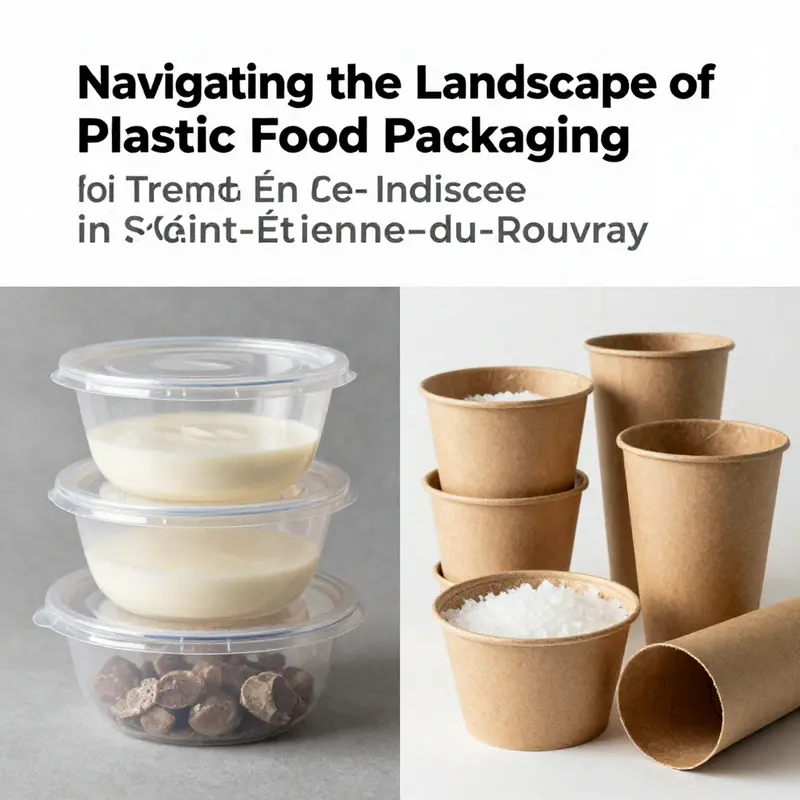
In Saint-Étienne-du-Rouvray, a transformation is underway in the food packaging industry. The trend toward eco-friendly solutions has cemented itself as a necessary evolution. Local businesses, households, and restaurants are reconsidering their packaging choices. The shift is both a response to environmental concerns and a movement driven by regulatory pressures.
Recent years have seen an increased demand for packaging that meets higher ecological standards. In this vibrant community, traditional plastic containers are slowly being replaced by alternatives that offer safety and sustainability. Residents are beginning to understand that the choices they make can lead to lasting benefits for their health and the environment. The change is visible in neighborhoods and commercial centers alike.
One of the most notable shifts is the growing popularity of glass food storage containers. These containers offer a non-porous surface that does not absorb food odors or stains. They perform well in microwaves, ovens, dishwashers, and even freezers. Their durability makes them a preferred choice for those who are cautious about the chemicals that may leach from plastics during prolonged usage or heating. Glass containers have earned a reputation as being among the safest packaging options available today.
Local consumer behavior has changed dramatically over the past few years. Families, in particular, are gravitating toward options that promise long-term health benefits. A glass container guarantees that food remains uncontaminated by the potential chemical residues found in many plastics. Over time, these benefits have contributed to glass replacing certain single-use plastics. The community recognizes that this change is not only about preserving food quality but also about minimizing health risks.
Equally important is the emergence of reusable containers with excellent sealing capabilities. Many local retailers and eco-friendly stores have stocked up on containers made from durable materials such as stainless steel or reinforced glass. These containers often feature high-quality silicone seals that prevent leaks and maintain freshness. Their effectiveness is measured not only by initial performance but also by their long-term reliability. Recent evaluations state that packaging must offer practical sealing and durability to be considered truly eco-friendly.
This transition to sustainable packaging is also rolling out gradually in commercial operations. Restaurant owners and local takeout services are shifting from disposable plastics to reusable alternatives. They are adapting to new consumer expectations and emerging regulatory frameworks. This transition ensures that packaging aligns with both the brand’s image and environmental commitments. In many instances, the new options present a better seal and durability while reducing environmental footprints.
At the same time, the market for biodegradable, plant-based packaging materials is witnessing steady growth in Saint-Étienne-du-Rouvray. Manufacturers are increasingly investing in items made from corn starch, sugarcane fiber, or molded pulp derived from wood. These alternatives decompose quickly under industrial composting conditions. Their environmental impact is considerably lower than that of conventional plastics. The evolution of these materials has been welcomed by both consumers and policy makers.
Some local food services are already experimenting with these biodegradable materials. For example, certain community canteens and takeaway establishments have introduced single-use containers crafted from plant-based compounds. These containers are designed to break down faster than their plastic counterparts, dramatically reducing landfill waste. The commitment to innovation is further highlighted by the community’s collaboration with academic institutions that support further research on sustainable materials.
The drive for sustainable alternatives in the region is also influenced by broader regulations. The European Union’s policies on single-use plastics have set a timeline that many local businesses now consider real. The recent European directives signal that traditional plastics are on a path to obsolescence. In 2030, regulations will restrict the use of certain plastic items, including packaging for fast foods and fresh produce. These changes encourage businesses to prioritize solutions that adhere to forthcoming standards. As businesses adapt, they also contribute to a growing collective awareness about environmental stewardship.
Another significant factor in the shift away from plastic packaging is the increased public awareness about microplastics. Scientific studies have shown that plastics can degrade into tiny particles that may eventually enter the food chain. In fact, research has indicated that even safe-seeming plastic containers can, over time and under high temperatures, release microplastics. This discovery has alarmed many residents of Saint-Étienne-du-Rouvray. Families are increasingly opting for non-plastic alternatives to reduce their exposure to these potential contaminants.
In response, there has been a surge of interest in innovative alternatives such as containers made from natural fibers and biodegradable composites. Some entrepreneurs have introduced packaging solutions that use materials like bamboo and wood. These containers are not only biodegradable but are also aesthetically appealing. They reflect a commitment to maintaining the traditional charm of the community while embracing modern environmental responsibility.
Parallel to the interest in reusable and biodegradable options is a push for packaging derived from recycled materials. Local manufacturers have started to use recycled paper and pulp to produce packaging that meets both functional and environmental standards. These products have found their place in local markets and even in demand among eco-conscious restaurants and takeout services. The recycled packaging supports both the reduction of new resource use and the reprocessing of materials that would otherwise add to landfill waste.
Every step in this transformation is driven by a combination of market forces and consumer expectations. In a dynamic marketplace, sustainability has become synonymous with smart business practices. Local enterprises that choose to invest in green packaging not only comply with future regulatory requirements but also build a reputation for environmental responsibility. They navigate the challenges of modernization while maintaining high standards of food safety and quality.
The evolution of packaging in Saint-Étienne-du-Rouvray is a clear sign that local stakeholders are ready to embrace sustainable practices. The community is slowly dismantling the infrastructure built around disposable plastic use. It is a process that involves suppliers, food service operators, manufacturers, and consumers. Together, they are creating new market conditions that favor longevity and environmental safety over short-term convenience.
While the journey to full sustainability will take time, early results are promising. Many local businesses report a positive response to the new packaging options. Consumers appreciate the taste, safety, and aesthetic values of eco-friendly alternatives. In this context, even traditional paper-based products have gained new recognition. For instance, some local outlets have introduced innovative products like the eco-friendly paper packaging alternatives that meet evolving needs in style and practicality. These offerings underline the community’s commitment to reducing dependency on plastics.
The economic implications of this transformation are equally significant. Entrepreneurs are finding new business opportunities in the supply of sustainable packaging products. This shift has opened a market where innovation and tradition merge, allowing small companies to thrive. As businesses explore diversified product lines, the local market is gradually building its own ecosystem of sustainable manufacturing and distribution. This localized network promises to boost job opportunities and foster a culture of eco-conscious entrepreneurship.
Consumers have also begun playing an active role in this transformation. Public forums, local councils, and community organizations have all actively discussed and promoted the merits of eco-friendly packaging. These dialogues have aligned consumer expectations with market standards and legislative directions. Rising awareness about the environmental impact of single-use plastics has resonated with citizens. It has inspired many to seek alternatives that reduce waste and preserve natural resources. As a result, the community has witnessed measurable changes in buying habits and consumer loyalty.
The tangible benefits of eco-friendly packaging extend beyond environmental preservation. Changing consumer perceptions brings mental and social benefits as well. Many residents feel a sense of pride knowing they are contributing to a more sustainable future. This positive psychological impact reinforces the drive towards a cleaner, healthier environment. The communal spirit in Saint-Étienne-du-Rouvray has become a vital catalyst in pushing forward these new standards.
In addition to benefits at the individual and community levels, local governments are also playing a supportive role. Policy-makers have been quick to consult with industry leaders and environmental experts as they develop guidelines that encourage sustainable practices. Their goal is not only to enforce compliance but also to educate and foster innovation. These policies are designed to help businesses transition smoothly to eco-friendly alternatives. They ensure that the region stays ahead of the regulatory curve and builds a resilient economy centered around sustainable practices.
Furthermore, research institutions in the area have begun to collaborate with local businesses to explore further advancements in eco-friendly packaging. Joint studies have highlighted the possibilities of integrating smart technologies into packaging. These technologies could enhance the functionality of containers while maintaining low environmental impact. For example, some initiatives include developing containers that monitor freshness and temperature. Such features could eliminate waste and ensure that food remains safe for longer periods.
The journey of transformation is not devoid of challenges. Transitioning from a well-established infrastructure based on plastic packaging to eco-friendly alternatives requires significant investment in time, education, and capital. There are obstacles in terms of cost and scalability that businesses must overcome. However, the community of Saint-Étienne-du-Rouvray has consistently demonstrated resilience. Stakeholders are willing to invest in research and development to tailor packaging solutions that meet both environmental requirements and market demands.
The combined pressure of environmental necessity, consumer advocacy, and regulatory foresight has created a framework in which sustainable packaging is not just an option but a mandate for future success. With continued innovation, the region sets an example for other communities confronting similar challenges. The transformation of packaging practices in Saint-Étienne-du-Rouvray stands as a beacon of progress, merging tradition with innovation. It shows that a commitment to sustainability can drive economic growth while protecting the planet.
In conclusion, the evolution of food packaging in Saint-Étienne-du-Rouvray represents more than a simple change in materials. It signifies a broader cultural shift—a collective embrace of sustainability and precaution against environmental hazards. As consumers shift their preferences, support swells for alternatives that respect both health and nature. The emphasis on glass, reusable containers with robust sealing, plant-based biodegradable options, and recycled materials illustrates the depth of this commitment. Each component of this transition is interconnected and nurtures a healthier, more sustainable ecosystem.
For further insight on the ongoing shift in packaging practices and regulatory details, please refer to the European Commission’s comprehensive guidelines on single-use plastics: EU Single-Use Plastics Regulations.
Navigating EU Regulations: The New Era of Sustainable Plastic Food Packaging in Saint-Étienne-du-Rouvray
In Saint-Étienne-du-Rouvray, a vibrant commune in France, the landscape for plastic food packaging is rapidly evolving in response to cutting-edge European Union regulations and a growing commitment to sustainability. The city, home to bustling local restaurants and a myriad of food retailers, now finds itself at the crossroads of tradition and innovation as local businesses, regulators, and suppliers adjust to the regulatory framework laid out by the European Union’s Packaging and Packaging Waste Regulation (PPWR). This regulation, which will become binding in the near future, represents more than just a set of rules—it signals a determined move toward reducing environmental impact and encouraging industries to adopt materials and practices that are responsible, recyclable, and ultimately, more attuned to public health concerns.
At the heart of these changes is a series of mandates aimed at curbing the proliferation of single-use plastic packaging. Starting January 1, 2030, the use of certain single-use plastics will be forbidden. This ban, which includes packaging designed specifically for fresh fruits and vegetables as well as takeaway food containers, is a response to mounting evidence that these plastics contribute significantly to both environmental pollution and waste management challenges. The regulations also impose strict limitations on the use of per- and polyfluoroalkyl substances (PFAS), known in the public sphere as “forever chemicals” due to their persistence in nature. These substances, once prized for their grease- and water-resistant properties, have now drawn the attention of both scientists and legislators due to their potential health hazards.
Local businesses in Saint-Étienne-du-Rouvray are no strangers to the challenges of adapting to regulatory shifts. Traditionally, many local food service operations relied heavily on cost-effective plastic packaging that, while efficient, frequently fell afoul of emerging environmental standards. With the new mandates, companies must contend not only with the logistical hurdles of sourcing alternative materials but also with the necessity of aligning their supply chains to incorporate a mandated minimum amount of recycled plastic. The directive requires that by 2030, an exact percentage of recycled content be present in all plastic packaging. The ambition behind this measure is to stimulate a circular economic model where recycled materials are used repeatedly, reducing reliance on virgin plastics and decreasing the overall environmental footprint.
Moreover, the new targets extend beyond mere recycled content. An equally significant aspect of the regulation is the emphasis on reusable packaging. The goal is to have at least 10% of products—particularly non-alcoholic beverages and other specific consumer items—available in reusable packaging formats by the designated deadline. For many businesses in Saint-Étienne-du-Rouvray, this has meant re-evaluating their current packaging strategies and exploring innovative solutions that can meet consumer expectations while also adhering to the new legal requirements. For instance, some local restaurants are beginning to test out commercially available, biodegradable containers and other sustainable alternatives. These alternatives are frequently offered by dedicated eco-friendly packaging suppliers, some of which can be found referenced in local trade networks and online platforms. One example is represented by suppliers who have diversified their portfolios to include sustainable packaging options, as seen on platforms like this resource, where products are designed to reduce waste while still maintaining functionality and ease of service.
The drive toward sustainability is evident in the broader retail and food service sectors across the European Union. Saint-Étienne-du-Rouvray serves as a microcosm of this change, reflecting a wider shift in both consumer expectations and government oversight. The city’s local authorities are increasingly collaborating with environmental health experts to ensure that local businesses are well-informed about regulatory deadlines and that they have access to the most current information on eco-friendly materials and packaging trends. It is not uncommon to see local culinary enterprises experimenting with bioplastics such as PLA (polylactic acid), as well as alternatives that rely on paper, bamboo, or wood. These materials are particularly attractive because they offer a balance between the traditional utility of plastic and the new environmental criteria that regulators are enforcing.
In addition to material innovations, the regulatory framework emphasizes the importance of transparent labeling and consistent compliance. Businesses are now expected to maintain detailed logistical records that document the mix of recycled and virgin materials used, as well as to track the lifecycle of the packaging products themselves. This transparency not only serves as a measure to ensure compliance with the new standards but also supports the city’s growing movement toward sustainable commerce. Companies that invest in these improvements find that they can often market themselves as pioneers in sustainability, attracting environmentally conscious consumers. This stratagem, while beneficial from a PR perspective, is also economically sound as it mitigates potential penalties associated with non-compliance and prepares the business for future regulatory changes.
The ongoing transformation in Saint-Étienne-du-Rouvray is a clear indicator that the traditional view of plastic packaging is being overhauled. As local suppliers and manufacturers adjust to the stringent requirements, they are also dealing with market pressures that demand rapid innovation and adaptation. This includes investing in new production technologies that are capable of processing recycled materials more efficiently and exploring novel packaging formats that are not only sustainable but also convenient for everyday use. For instance, research and development efforts in the field of polymer science are yielding breakthroughs that promise to extend the life of recycled plastics, making them just as effective as their newly produced counterparts. With these scientific advancements, it is conceivable that even the most consumer-dependent products, from takeaway meals to convenience store snacks, will soon be packaged in materials that significantly reduce environmental harm.
One of the more nuanced challenges comes from the logistics and supply chain adjustments required by these new directives. Businesses in Saint-Étienne-du-Rouvray must not only source compliant products but also integrate these products into a distribution network that has its own set of challenges. The increased emphasis on reusable packaging, for example, means that local vendors need to invest in reverse logistics systems—an organizational shift that ensures packaging can be returned, cleaned, and recirculated into the market with minimal additional expense. Such changes require careful planning and a commitment to long-term sustainability that often involves significant upfront investments. However, these investments are forecasted to yield dividends in terms of both cost savings and improved brand reputation over time. The push toward sustainability is seen not as an impediment to business growth but as an opportunity to innovate and lead in a platform of renewed consumer trust.
A particularly interesting aspect of this evolution is the interplay between legislation and consumer behavior. As consumers become more environmentally aware, their purchase decisions are increasingly influenced by the footprint of the products they choose to buy. This has led many small businesses and large enterprises alike to adopt a more transparent stance regarding the composition and sourcing of their packaging. In some cases, local businesses have even begun to offer incentives for customers who choose reusable packaging, thereby creating a community-driven approach to sustainability. As local residents in Saint-Étienne-du-Rouvray become more engaged with these practices, there is a tangible shift in market dynamics where quality, sustainability, and performance are all valued in tandem.
Another factor that is reshaping the industry in this region is the importance of staying ahead of regulatory trends. As the European Union continues to refine and implement its directives, businesses that are proactive in updating their operational models will likely find themselves enjoying a competitive advantage. This emphasis on foresight not only supports a smoother transition but also helps to minimize disruptions that could arise from an abrupt regulatory overhaul. In the case of Saint-Étienne-du-Rouvray, training initiatives and workshops organized by local industrial bodies are playing a key role in equipping business owners with the necessary insights to navigate the shifting regulatory landscape. By staying updated on upcoming changes, companies can ensure that they are both compliant and competitive well into the future.
Furthermore, the transformation driven by these regulations creates an invitation for collaboration between the public and private sectors. Municipal authorities, local business associations, and environmental organizations are joining forces to create forums where industry actors can share best practices and innovations in sustainable packaging. These collaborations are essential in smoothing the transition process, ensuring that no single stakeholder is left behind. Moreover, by pooling resources and expertise, these groups can collectively invest in research, infrastructure, and technology needed to support the regulatory changes. This multi-stakeholder approach fosters a sense of unity and shared purpose, reinforcing the notion that sustainability is a community effort rather than an isolated business challenge.
At its core, the shift away from conventional plastic food packaging in Saint-Étienne-du-Rouvray reflects a broader global trend driven by environmental necessity and economic pragmatism. Businesses are now finding themselves at the forefront of a competitive marketplace not just in terms of price or quality, but in their ability to offer sustainable solutions that resonate with modern consumers. The proactive efforts of local suppliers in transitioning to alternative materials highlight a willingness to innovate, often at the risk of short-term disruptions for long-term benefits. As the regulatory timeline draws nearer, every stakeholder in the supply chain—from raw material producers to end retailers—must accelerate their adaptation processes to guarantee a market that aligns with future standards.
In this dynamic environment, it is also critical for businesses to maintain clear and accessible communication channels with regulators and customers alike. Transparent dialogue not only builds trust but also facilitates a smoother handover during periods of significant change. Business leaders in Saint-Étienne-du-Rouvray are increasingly engaging in public consultations and industry associations to stay informed and contribute to the policy-making process. This two-way street of information sharing ensures that the practical challenges faced on the ground are reflected in regulatory updates, ultimately resulting in more realistic and achievable standards for all parties involved.
As the city moves toward an era defined by eco-conscious regulations and innovative packaging solutions, it is important to note that the journey is as significant as the destination. The transformation is multifaceted—encompassing regulatory compliance, market adaptation, scientific innovation, and community engagement. This holistic approach not only prepares the local market for imminent changes but also paves the way for a more resilient and sustainable economic model that could serve as a benchmark for other regions in France and beyond. The evolution observed in Saint-Étienne-du-Rouvray is a tangible reminder that environmental stewardship and economic progress are not mutually exclusive; rather, they can coalesce to foster a future in which businesses thrive while the planet is respected.
For further clarification on how these sweeping changes are set to impact the industry, stakeholders are encouraged to consult the comprehensive guidelines provided by the European Commission on the matter. Detailed insights and legal provisions can be found in the official resource on the Packaging and Packaging Waste Regulation available at EU Packaging and Packaging Waste Regulation official guidelines. This external link provides an authoritative overview of the regulations and is an invaluable reference for anyone involved in the sector.
In summary, the evolving regulatory scene for plastic packaging food containers in Saint-Étienne-du-Rouvray is emblematic of a larger shift towards sustainability within the European Union. The new measures, centered on banning specific single-use plastics, enforcing recycled content thresholds, and promoting reusable packaging, are compelling local businesses to innovate and modernize. With strong support from both local authorities and the community, the transition may be challenging, yet it is an essential step toward a more sustainable future. The integrated efforts of businesses, regulators, and consumers highlight the potential of collaborative change—one that promises environmental benefits and simultaneously drives economic advancement in this historically rich and industrious French locality.
Charting a Sustainable Future: Evolving Regulations and Innovations in Plastic Packaging for Food in Saint-Étienne-du-Rouvray

In Saint-Étienne-du-Rouvray, a town with deep industrial roots and a forward-thinking environmental vision, the dialogue around plastic packaging for food containers is evolving. The focus is shifting from traditional plastics towards sustainable practices that reflect both regulatory mandates and the community’s commitment to environmental stewardship. This evolution is the outcome of decades of industrial innovation, local leadership, and a keen awareness of future challenges and opportunities.
The town is no stranger to large-scale sustainable projects. Since 1958, when collective heating systems powered by innovative waste-to-energy technologies took shape through local initiatives such as BETURE, Saint-Étienne-du-Rouvray has demonstrated a remarkable ability to adapt and transform its industrial practices. The history of investing in sustainable infrastructure has provided the necessary foundation for its ongoing efforts to reform plastic packaging usage. Today, the shift in practices and policies regarding food containers is not merely a matter of regulatory compliance, but a proactive pursuit of a cleaner, greener future.
Local authorities are increasingly aware of the pressing need to adapt to changing EU policies and national legislation while protecting the town’s economic and environmental interests. With the implementation of broader European Union strategies designed to reduce the use of single-use plastics, local regulations in Saint-Étienne-du-Rouvray are aligning themselves with directives that aim to encourage more responsible waste management practices. One of the central elements guiding these changes is the alignment with EU directives, such as those outlined in the EU single-use plastics regulation. These directives set timeframes for phasing out plastics that are difficult to recycle and create incentives for the adoption of sustainable and compostable alternatives.
The future regulatory landscape in Saint-Étienne-du-Rouvray is expected to introduce bans on non-recyclable plastics while promoting the use of materials that are both compostable and recyclable. These new regulations are designed to drive businesses to make environmentally responsible choices without compromising the quality or safety of food packaging. The direction is clear: a systematic move away from traditional, disposable plastics towards packaging solutions that are not only more eco-friendly by design but also better integrated into waste management systems. As technologies improve and recycling infrastructure is modernized, the community envisions a future where the economic and environmental benefits of these changes will be mutually reinforcing.
This transition is being guided by multiple stakeholders working in concert. Local government bodies, businesses, and environmental groups are engaging in dialogue to clarify the challenges associated with the present system as well as the opportunities that lie ahead. Collaboration with regional agencies and complementary sectors ensures that the measures adopted are practical, forward-thinking, and tailored to meet both regulatory requirements and the immediate needs of the local economy. The comprehensive regulatory framework envisioned for Saint-Étienne-du-Rouvray includes mandates that require businesses to transition to containers that are either recyclable or compostable. In parallel, incentives are being designed to support companies that invest in reusable container systems.
A cornerstone of this strategy is not only the restriction of certain materials but also the creation of a vibrant alternative market. Businesses are beginning to explore new material technologies that have the potential to redefine food packaging entirely. One promising avenue involves the use of biodegradable materials and eco-friendly designs. For example, innovations in bio-based plastics, such as Polylactic Acid (PLA), and alternative packaging options made from recycled paper or even bamboo are gaining attention. These alternatives promise similar durability and safety for food packaging while reducing dependency on fossil-fuel-based polymers. This integrated approach is seen as key to meeting both EU targets and the local community’s environmental goals.
Interestingly, the drive toward these innovative alternatives is also influencing consumer behavior. Public awareness campaigns, often coordinated by local environmental agencies, are educating residents and businesses alike about the importance of reducing plastic waste. These initiatives emphasize not only the long-term benefits of adopting sustainable materials but also the immediate advantages, such as reduced waste management costs and improved local environmental quality. Increased public awareness helps create a market that is more receptive to sustainable alternatives, thereby bolstering the economic viability of transitioning away from traditional plastic packaging.
In response to these evolving realities, local businesses in the foodservice sector are experimenting with novel packaging concepts. For instance, several restaurants and catering companies have already begun to introduce reusables and compostable packaging into their operations. These initiatives help foster a circular economy in which the life-cycle of packaging materials is extended through recycling and material recovery processes. The concept of a circular economy is transforming how communities like Saint-Étienne-du-Rouvray view waste. Instead of seeing discarded packaging as a burden, waste is now considered a resource that can be effectively reintegrated into the production cycle. This represents a profound paradigm shift that simultaneously enhances ecological sustainability and supports local industry innovation.
Moreover, this transition is supported by technological advances in waste collection and recycling processes. Efforts are underway to deploy smart waste collection systems that harness the power of data and real-time monitoring. These systems ensure that recyclable materials are efficiently sorted, collected, and processed, thereby maximizing the overall efficacy of recycling initiatives. The use of smart technology not only improves the operational aspects of waste management but also provides valuable data that can inform policy adjustments and further industrial innovations. Efficient recycling infrastructure is expected to reduce environmental contamination and bolster the economic aspects of material reuse.
Parallel to these technological and regulatory efforts, partnerships between local businesses and material innovators are rapidly gaining momentum. One demonstration of such collaboration is the integration of biodegradable and eco-friendly packaging steps into existing supply chains. For example, several local distributors are experimenting with packaging alternatives that seamlessly integrate into established logistics networks, proving that sustainable solutions can be economically viable without significant overhaul of existing systems. As the market for sustainable packaging grows, manufacturers are also investing heavily in research and development, seeking to further reduce production costs and refine material properties. The outcome is a synergistic cycle where regulatory, technological, and market forces converge to create more resilient and adaptable business practices.
From a broader perspective, municipal action in Saint-Étienne-du-Rouvray reflects national trends. France’s national anti-plastic policies, such as the 2020 law banning certain types of single-use plastics, provide additional impetus for local action. These legislative efforts include extended producer responsibility (EPR) schemes, where producers are mandated to manage the waste generated from their products. This regulatory approach ensures that the cost of waste management is embedded in the overall production and supply chain, encouraging companies to develop more sustainable packaging solutions right from the design stage.
This shift in regulatory philosophy is not merely punitive; it is supportive and designed to foster innovation. Local and national agencies are collaborating to offer financial incentives, tax breaks, and technical assistance to businesses willing to transition to sustainable alternatives. The transition is gradual, allowing companies to adapt without risking sudden disruptions to their operations. As a result, the change is seen less as an imposition and more as a gradual evolution that can benefit all stakeholders. This balanced approach acknowledges the economic realities of small businesses while firmly directing the future of packaging toward a sustainable model.
Amid these regulatory and technological developments, business practices are also evolving. The focus is steadily shifting from single-use systems to reusable and refillable models. The adoption of reusable container systems not only minimizes waste but can also reduce long-term costs for businesses adopting a closed-loop model. In this model, containers are collected, sanitized, and reused, making the entire process more environmentally and economically beneficial. Innovations in container design now emphasize durability and modularity, features that promote the adoption of these systems even in a fast-paced food service environment. Such strategies pave the way for industry-wide changes that have long-lasting implications for waste reduction and resource conservation.
The intertwined challenges and opportunities of the coming years are prompting a revolution in how plastic packaging is viewed and managed. On one hand, evolving environmental policies and tighter regulatory frameworks create a robust system of accountability and support for sustainable practices. On the other, growing consumer demand for eco-friendly products is fueling market innovations and driving a transition to materials that are fundamentally different from traditional polymers. Many businesses are now exploring partnerships with manufacturers of biodegradable products, such as a range that features a biodegradable and eco-friendly takeaway bowl, indicative of the ongoing shift toward sustainable packaging solutions.
The journey is not without its challenges. Transitioning to sustainable alternatives requires significant investment in new technologies, a re-education of staff and consumers, and the gradual phasing out of familiar but environmentally harmful materials. Nonetheless, the long-term benefits – reduced waste management costs, enhanced reputation among increasingly eco-conscious consumers, and compliance with fast-evolving legislation – provide sufficient motivation for businesses to adapt. The economic rationale is clear: investing in sustainable practices today can pave the way for a more resilient industry tomorrow. For local stakeholders, the challenge is to ensure that these transitions happen smoothly and inclusively, so that no segment of the community is left behind.
As the regulatory framework matures, it is expected to be supplemented by initiatives designed to enhance recycling infrastructure further. Investments in modernizing recycling facilities, combined with innovations in collection and sorting technology, will ensure that even as demand for sustainable food packaging increases, any packaging that does end up being disposed of is processed in an environmentally friendly manner. The continuous improvement of these facilities will also serve to raise public confidence in the sustainability roadmap laid out by local authorities.
Moreover, education remains a critical component of the transition. Efforts to promote environmental literacy across the community include workshops, public lectures, and outreach initiatives that inform both businesses and residents of the benefits of sustainable practices. Through these efforts, the town is building a culture where green practices are not seen as additional burdens but as integral parts of a modern, forward-thinking lifestyle. Community engagement ensures that everyone from local shopkeepers to school children understands the important role each person plays in a sustainable economy.
In light of these developments, Saint-Étienne-du-Rouvray stands as a microcosm of the broader changes sweeping across the European packaging industry. The combined initiatives of technological innovation, regulatory reform, and community engagement represent a holistic approach to environmental challenges. This comprehensive strategy not only addresses the immediate issues posed by plastic waste but also sets the stage for a future in which sustainability is at the heart of every decision. Local authorities, businesses, and citizens alike are taking active steps that will eventually transform the landscape of food packaging.
For those interested in further details on the environmental policies and regulatory measures that will shape this transformation, an in-depth discussion is available at the European Commission’s environmental portal: EU Single-use Plastics Regulation. This resource provides an authoritative overview of the policies that are influencing local changes and inspiring sustainable practices throughout the continent.
In summary, the future of plastic packaging for food containers in Saint-Étienne-du-Rouvray is at a critical juncture. With a robust regulatory framework in development, significant investments in sustainable alternatives, and ongoing technological advancements in recycling and waste management, the town is poised to lead by example. The journey towards a more sustainable and circular economy is well underway, promising to enhance local industry competitiveness while delivering tangible benefits to the environment and community at large. This integration of policy, technology, and market innovation lays a strong foundation for continuous improvement in the way food packaging is designed, used, and managed in Saint-Étienne-du-Rouvray.
Final thoughts
In conclusion, navigating the realm of plastic food packaging in Saint-Étienne-du-Rouvray involves a blend of local resources, online procurement options, and a shift towards eco-friendly materials. Organizations must stay informed about regulations and trends to remain competitive and responsible. As businesses capitalize on the available packaging solutions, they also contribute to a sustainable future, enhancing their brand reputation and ensuring compliance with evolving legislative landscapes. Choosing the right packaging today is not merely about maintaining quality but also about setting the path for environmentally conscious practices.