
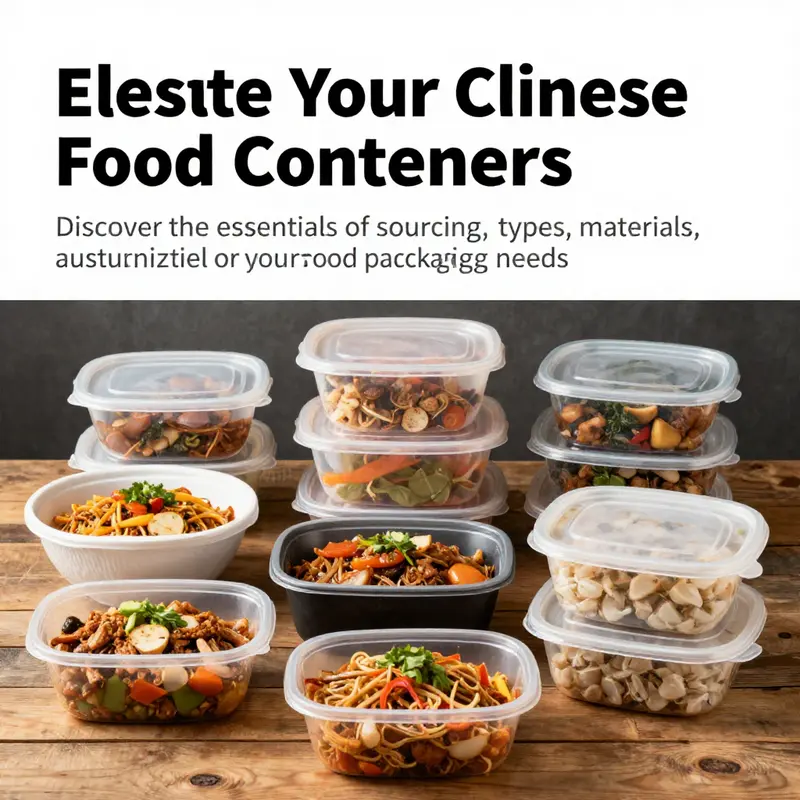
Plastic Chinese food containers are not just a packaging solution; they’re pivotal in managing services efficiently across various sectors such as bubble tea shops, restaurants, food trucks, and event planning. As food and beverage establishments increasingly focus on providing quality service and ensuring product integrity, understanding the diverse types of containers available, their material considerations, and significant suppliers becomes essential. This article will guide you through major suppliers offering valuable options and features, varied container types, materials safety, and purchasing best practices, helping you make informed decisions for optimal service delivery.
Between Molds and Markets: The Global Life of Plastic Chinese Takeout Containers
Across the bustling arteries of global cuisine, plastic Chinese food containers are the unglamorous workhorses that keep meals intact from kitchen to customer. They sit in a quiet, high-output ecosystem where polymer chemists, toolmakers, molding technicians, and logistics professionals collaborate across time zones to produce packaging that is efficient, safe, and scalable. This chapter follows the arc from raw materials to the shelves of foodservice buyers, tracing how a single container can travel from a Chinese factory floor to restaurants, street stalls, and homes around the world. The narrative is not about a single design or a single market, but about a family of container solutions that share a common goal: to preserve flavor, texture, and temperature while minimizing leakage, waste, and cost. It is a story of balance—between strength and lightness, between heat resistance and microwave caution, between customization and standardization—and of how a global supply chain translates local manufacturing capability into a universal convenience.
The core of the story lies in the production hubs where plastic takes shape. In coastal and inland clusters across the country, large-scale facilities knit together three essential capabilities: polymer sourcing, molding precision, and efficient packaging logistics. The first piece of the puzzle is the raw materials themselves—food-grade plastics that can endure the rigors of hot contents, sauces, and steam without compromising safety. The second is the engineering behind the containers. Automated injection molding and thermoforming lines transform resin into shapes designed for specific functions. General-purpose takeout containers emphasize leak-proof lids and multi-compartment layouts, while specialized designs address steam, dumplings, or soups with tight seals and ventilation where necessary. The third piece is the capacity to scale. Facilities that run hundreds of thousands to millions of units every month can offer both reliability and competitive pricing, particularly when demand patterns favor batch production and long-lived tooling. The net effect is a supply chain that can flex between small runs for local menus and mass production for international buyers.
Geography matters in this ecosystem because proximity to ports and to industrial clusters reduces transfer times and freight costs. Coastal provinces host vast networks of suppliers who have built integrated ecosystems around resin suppliers, mold makers, printing capabilities, and downstream distributors. The result is a cluster effect: a city or region that can absorb raw materials, convert them into finished containers, and dispatch them with a speed that keeps feast times aligned with customer expectations. Buyers who plan large orders often benefit from this proximity, as shorter lead times translate into more predictable shelf life and faster replenishment. The practical implication is that the same container design can be produced at scale while still allowing for regional customization—branding, size variants, or feature adjustments that respond to local sanitary requirements or menu formats. This is where the murmur of a global industry becomes a chorus loud enough to support a wide range of foodservice operations, from high-volume takeout chains to niche caterers who want to maintain presentation integrity across dozens of dishes.
Within this landscape the material choices are more than a technical detail. They define how a container behaves in the kitchen and at the table. Polypropylene, polystyrene, and PET top the list as the most common food-contact plastics, chosen for a mix of heat resistance, stiffness, and clarity where needed. Each material carries its own set of temperaments: a container made from polypropylene can handle a hot beverage or soup with less deformation, while polystyrene variants might shed weight and cost but require careful handling when microwaved for extended periods. PET offers transparency and a more robust barrier against moisture transfer, which can be a benefit when a dish relies on visual appeal. Yet even as these materials provide practical advantages, they come with caveats. Heat resistance is not uniform across all designs, and many containers are not intended for microwave use, especially when printed decorations or venting features are involved. The rule of thumb is simple: understand the intended use before stacking contents inside and before placing the container in a microwave or oven. Defensive design—such as secure, leak-proof lids, precise fit, and vented options for steamed foods—plays a crucial role in maintaining texture and temperature, ensuring that a dumpling remains juicy and a noodle dish stays together rather than becoming a smeared composite of sauce and starch.
The range of designs spans from the familiar to the specialized. General-purpose takeout containers are lightweight, durable, and inexpensive; they excel in stacking and space-saving storage, and their lid designs are engineered to resist leaks from liquids and sauces. Multi-compartment configurations allow a customer to receive different dishes without cross-mingling flavors, which is a subtle but crucial feature for a successful takeout experience. On the other end of the spectrum sit specialized shapes, such as round steamer-type dumpling containers, which incorporate ventilation holes or steaming racks to preserve texture and moisture during transport. Cylindrical three-piece containers—comprising a body, an inner seal, and a lid—are favored for soups, sauces, or small side dishes because they favor strong sealing and controlled leakage. The choice between these designs is not merely a matter of aesthetics; it is a function of menu complexity, peak-hour throughput, and the physical realities of delivery routes where bumpy rides and variable temperatures test packaging resilience.
From a buyer’s point of view, the decision calculus extends beyond unit price. The best suppliers balance cost with reliability, quality consistency, and regulatory compliance. In a global market, adherence to international food-contact standards is a nonnegotiable baseline. Buyers look for partners who can demonstrate consistent quality over time, clear communication, and predictable scheduling. They seek manufacturers who can scale, who can offer flexible quantities from pilot runs to large-volume contracts, and who can support customization—printing logos, adjusting sizes, or adding features such as microwave resistance for certain designs. The capacity to print or decorate the containers without sacrificing performance is a value-add that can distinguish a supplier in a crowded field. And because the packaging must travel far and endure long supply chains, buyers also weigh the reliability of export logistics, including packaging integrity for sea or air shipment, and the ability to meet delivery deadlines that align with restaurant openings, seasonal promotions, or event catering.
In the face of a growing emphasis on sustainability and waste reduction, even plastic containers are not exempt from scrutiny. The argument for choosing plastic must be balanced against environmental considerations. Many buyers wander through options that emphasize recyclability, reuse potential, and reduced environmental footprint, yet still require the protective performance that plastic excels at. In many cases the decision comes down to lifecycle thinking: what storage and transportation advantages does plastic offer, how does it perform in terms of shelf life, and can the packaging be efficiently recycled or repurposed at the end of its use? Manufacturers respond with a spectrum of strategies, from optimizing resin blends for higher recyclability to exploring designs that simplify separation of components for recycling streams. They also acknowledge the practical realities that heat tolerance and steam ventilation can complicate recycling workflows, and thus work to design containers that balance user experience with end-of-life considerations. The dialogue between performance and sustainability is ongoing, shaping how new container options emerge, how they are marketed, and how buyers assess value beyond the sticker price.
Even as the design language evolves, the buying journey often follows familiar paths that savvy buyers understand well. Large-scale buyers appreciate the economies of scale that come with long-term supply agreements, where a single supplier can manage both raw materials and printing, providing a one-stop service that reduces procurement friction. Flexible customization options become a strategic advantage; the ability to print logos or branding directly on the container can streamline packaging workflows for foodservice operators who want to maintain a cohesive brand presence from kitchen to curbside pickup. The tradeoff is typically a higher upfront tooling or setup cost, balanced against lower unit costs for high-volume orders. In this ecosystem, it is not unusual for a factory to convert from generic production to customized lines, depending on demand signals and the durability of long-term partnerships. The adaptability of suppliers to shift between standard shapes and purpose-built designs demonstrates a mature industry capable of delivering both breadth and depth in its product offerings.
For readers who are exploring packaging alternatives or seeking to understand how packaging decisions influence operational efficiency, a constructive tangent is to examine related packaging formats. This broader view helps illuminate why certain shapes and materials endure in the market and how they respond to evolving consumer expectations. A practical example is the emergence of paper-based and other fiber-reinforced options that compete on sustainability, cost, and performance while maintaining the convenience that customers expect. To illustrate how these packaging formats relate in practice, consider the example of a disposable takeaway paper cup with a branded lid. This reference point shows how packaging ecosystems balance branding, function, and logistics in ways that resonate across multiple materials. For readers curious about such alternatives, a concrete example can be explored here: Disposable takeaway paper cup with custom logo kraft coffee cup with lid.
The overarching takeaway is that plastic Chinese food containers for sale occupy a central position in a sophisticated supply chain that must deliver reliability, safety, and flexibility at scale. The best suppliers stand out not only because they can produce large quantities at a low unit price, but also because they can partner with buyers to tailor products to specific menu needs, dietary considerations, and regional regulations. The strongest relationships are built on open communication, transparent quality assurance, and a shared understanding of the complexities involved in transporting hot, saucy, or steamy contents without compromise. In practice, this means agreements that cover not only the initial order but also ongoing quality checks, lead-time commitments, and contingency planning for demand spikes caused by holidays or promotions. It also means staying informed about evolving regulatory expectations and the ongoing push toward more sustainable packaging solutions that still satisfy practical requirements like leak resistance, heat retention, and stackability.
As with any sector deeply embedded in global commerce, the narrative of plastic containers is as much about people as it is about polymers. It is about the engineers who design better seals, the technicians who tune molding processes for consistency, and the logistics teams who coordinate ships, warehouses, and distribution networks with a precision that keeps food moving in a world of tight timelines. It is about the buyers who weigh myriad trade-offs and the suppliers who respond with continuous improvement, offering new shapes, new materials, and new ways to minimize waste while maximizing performance. The result is a market that can deliver practical packaging solutions that meet diverse needs—from a bustling metropolitan takeout window to a small-town caterer serving a festival. In that sense, plastic Chinese food containers for sale are not simply products; they are a vital, dynamic layer of the global food system that enables people to eat well, safely, and conveniently wherever they are.
External resource for further context: https://www.alibaba.com/product-detail/Disposable-Plastic-Chinese-Containers-for-Takeout_1600547114377.html
Beyond the Takeout Box: A Thorough Look at the Types and Benefits of Plastic Chinese Food Containers for Sale
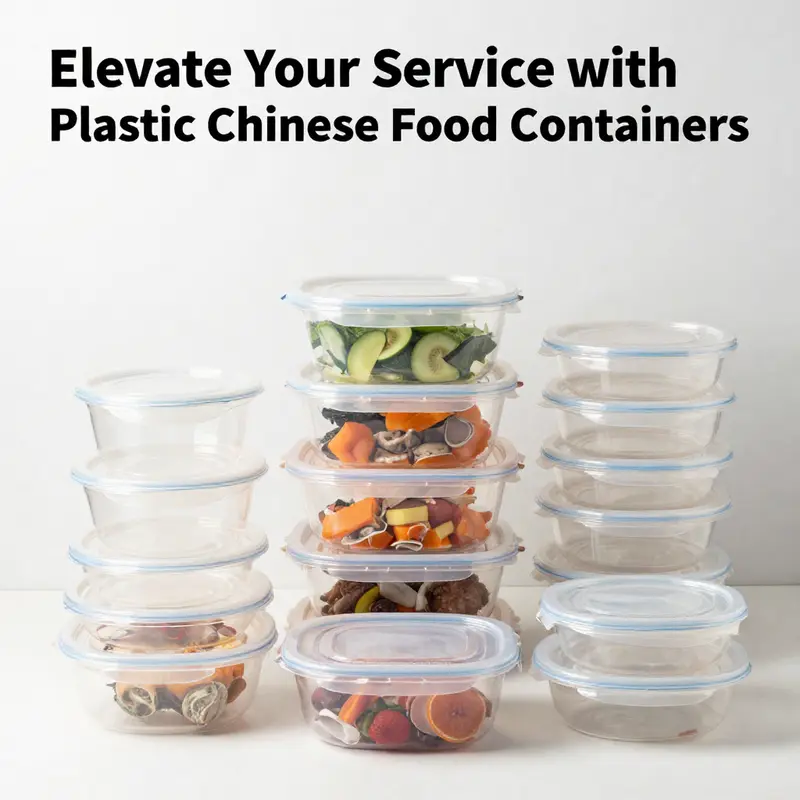
In the bustling ecosystem of takeout and meal preparation, the container that carries a dish can influence a customer’s first impression as much as the aroma that escapes from the bag. Plastic Chinese food containers, in their many forms, play a pivotal role in how food is perceived, heated, stored, and transported. They are chosen not only for their price and availability but for a balance of safety, performance, and practicality that meets the demands of kitchens, delivery drivers, and diners. The landscape is complex, but it is anchored by a few core materials and designs that have proven reliable across a wide range of cuisines and occasions. As buyers search for containers that align with heat needs, portion sizes, branding, and environmental considerations, it helps to understand the main types, their strengths, and the practical rules that govern their use. The decision is rarely about a single factor—it’s about how well a container integrates with the food, the service model, and the expectations of customers on the receiving end.
At the heart of most purchasing decisions lies a straightforward truth: hot foods demand materials that resist heat without warping or leaking. This is where polypropylene shines. As a durable, lightweight thermoplastic, polypropylene containers stand out for their heat resistance and versatility. They tolerate temperatures high enough to allow boiling water sterilization and short bursts in the microwave, making them the most trusted option for hot meals, reheating leftovers, and even for some light, serviceable reuse. The material’s resistance to oils and acids further safeguards foods like soups, fried rice, and saucy entrees, where a robust barrier against degradation helps maintain texture and flavor. In addition to performance, PP’s relatively clear and smooth surface lends itself to clean presentation, which matters in a market where first impressions are often formed in a packing area or at the doorstep.
Another material long associated with single-use convenience is polystyrene. Historically, PS containers offered lightweight insulation and cost efficiency that appealed to high-volume takeaway services. However, a practical constraint limits their appeal: heat tolerance. PS is best suited for cold or room-temperature items and for short-term storage, as prolonged exposure to heat can cause deformation and risk the migration of additives. In recent years, policy shifts have accelerated the shift away from this material in many markets, with stricter regulations reducing the availability of EPS-based containers for new products. For buyers who are prioritizing microwave use and hot-dish integrity, PS is increasingly a secondary choice that is often avoided for new lines.
A third material in the mix is polyethylene terephthalate. PET excels in clarity, rigidity, and barrier properties. It is especially common for cold dishes, salads, and beverages, where visibility helps customers identify contents at a glance. Yet PET’s heat tolerance is more limited than PP’s, typically allowing up to moderate warmth but not heavy microwaving. For hot soups or meals that require reheating in the microwave, PET’s deformation risk and chemical resistance concerns mean it is less favored. PET’s strengths—transparency, lightness, and robust barrier properties—make it a go-to for cold-chain packaging or single-serve cold items where consumer appeal matters.
A broader family, polyethylene, also appears in certain container configurations. PE offers flexibility, tough moisture resistance, and good chemical safety for food contact. Its heat resistance tends to be lower than PP, which can limit its use for hot foods or extended microwave exposure. Yet when used as liners, inner layers, or for specialized three-piece sets, PE contributes to versatility without compromising safety. The key takeaway is that each material has a niche: PP for hot meals and microwave-ready options; PET for clarity and cold or room-temperature items; PS for affordability in low-heat contexts or legacy lines; and PE as a flexible complement in layered packaging systems.
Beyond the raw materials, the functional design of plastic Chinese food containers matters as much as the material selection. General-purpose takeout containers have earned their place through a blend of lightness, durability, and practical features. A dependable leak-proof lid is essential in preventing spills during transport, especially for saucy entrees and soups. Multi-compartment configurations, which separate dishes like rice, vegetables, and sauces, help preserve texture and flavor while limiting cross-contact. Stackability is another practical feature that reduces storage space both in restaurant back rooms and in customers’ kitchens or cars. The more a container can be compactly stacked when empty, the more efficient a service operation becomes, particularly in high-volume scenarios where every inch of shelving or shelf space counts.
Specialized containers expand the repertoire for particular foods and service contexts. Dumplings and dumpling-like items benefit from steamer-type designs that emphasize round shapes and ventilation. Some configurations incorporate ventilation holes or steaming racks, which help preserve moisture, texture, and temperature while preventing the food from drying out or becoming overly soft. For soups and sauces or small sides, cylindrical three-piece containers offer a snug fit with a tight lid, enhancing sealing performance and reducing the risk of leakage. This range of designs demonstrates how a single food category can demand tailored packaging to maintain quality from kitchen to customer home.
A critical component of any packaging decision is the interaction between container and food type. Heat resistance is not the only criterion; chemical compatibility, barrier properties, and even the potential for oil migration play roles in determining how well a container preserves flavor and prevents staining or fragrance transfer. For example, hot dishes must not degrade the container’s integrity, or the lid could loosen and allow spills. Oils and fats can warping or compromising structural stability if the chosen material isn’t resistant enough. For cold dishes, a container with robust clarity can enhance product appeal, enabling customers to recognize contents without removing the lid. In all cases, the design should support a straightforward and reliable user experience—from lid opening to portion control and recycling after use.
Another layer to this conversation is the practical reality of sourcing and procurement. Buyers today frequently pursue a comprehensive supplier network that can deliver not only raw containers but also customization options. The capacity to print logos or branding on containers can be critical for restaurant identity and marketing strategy, especially for businesses that rely on takeout or delivery as a core channel. The most successful sourcing relationships combine reliable manufacturing capacity with the ability to tailor specifications—such as lid tightness, locking mechanisms, or precise dimensions—to fit a particular menu or service model. In many markets, this kind of flexibility is achieved through direct relationships with manufacturers who can manage the full cycle—from raw materials through printing and packaging to delivery. While the specifics of supplier names and platforms are constantly evolving, the underlying principle remains: a trusted partner who can provide consistent quality, scalable quantities, and clear lead times will reduce disruptions and help a business maintain a steady takeaway operation.
This is where the broader ecosystem of packaging platforms and trade channels can matter. For buyers aiming to scale, it is prudent to seek suppliers with a solid reputation for reliability and integrity, and to evaluate the total cost of ownership rather than the unit price alone. Factors like minimum order quantities, lead times, and the feasibility of customization should be weighed against the business’s projected demand and seasonal fluctuations. A well-chosen supplier will not only deliver containers but also support services such as pre-printing, color matching, or branding options that align with a company’s visual identity. The ability to integrate printing, packaging, and even co-packing services under one roof can streamline operations and reduce friction in the supply chain. These considerations are especially important for operations that aim to maintain a cohesive brand experience across multiple channels, from physical storefronts to online ordering platforms.
From a safety and usage perspective, practical guidelines help prevent misapplications and maintain food integrity. For hot foods, the recommendation is to favor PP-based containers, given their heat tolerance and compatibility with short-term microwaving. It is important to avoid microwaving non-PP containers for extended periods, as the risk of deformation and chemical exposure can increase. For cold or room-temperature items, PET or certain PE configurations can offer excellent performance, particularly when appearance and clarity are valued for consumer appeal. Customers who reheated in conventional microwaves should always monitor for any signs of stress or leakage and discard containers if they show cracks, warping, or unusual odors. The packaging decision becomes a matter of balancing safety, performance, and purchase economics, with a clear eye toward the specific menu items, service model, and customer expectations.
One more dimension worth noting is the environmental and regulatory context. While plastic containers deliver undeniable convenience and performance, there is a growing emphasis on reducing environmental impact and exploring alternatives. The packaging mix for a given operation may evolve to incorporate more paper-based solutions or more recyclable plastic configurations, depending on local regulations, consumer expectations, and corporate sustainability goals. In practice, this means buyers should stay informed about recyclability codes and the compatibility of used containers with local waste streams. Checking the recycling or composting options available in a given area can help ensure that packaging choices align with responsible disposal practices. In the same vein, some markets have tightened restrictions on certain foam or single-use plastics, which further pushes operators to evaluate alternatives and redesign strategies for takeout packaging. Even when plastics remain a practical choice for many meals, a thoughtful, future-oriented procurement approach can help prevent obsolescence and support a smoother transition if policy or consumer demand shifts.
To facilitate informed decisions, buyers often explore a spectrum of channels that can accommodate both bulk manufacturing orders and smaller runs. For large-scale operations, the ability to place substantial orders with efficient fulfillment and the option to customize at scale can translate into significant cost savings and tighter control over branding. For smaller businesses or seasonal pop-ups, more flexible terms and shorter lead times may be prioritized. The overarching goal is to identify a supplier network that provides consistent quality, reliable delivery, and a collaborative approach to problem solving. A successful partnership hinges on clear communication about dimensions, lid design, and compatibility with a company’s equipment and workflows, as well as a shared commitment to safety, sanitation, and customer satisfaction.
As buyers map out the available options, a balanced perspective helps. There is no one-size-fits-all container, and the choice should reflect the menu, the service model, and the target consumer experience. The practical reality is that the vast majority of operations benefit from using a reliable PP-based general-purpose container for hot dishes and a PET or PE alternative for cold items or visual appeal where heat is not a concern. Specialized designs—such as dumpling steamer configurations or cylindrical bowls for soups—offer targeted advantages for particular dishes, preserving texture, aroma, and temperature in transit. The decision also benefits from considering branding and packaging integration, with the possibility of co-designing logos or labels that reinforce a restaurant’s identity while ensuring compatibility with production lines and storage spaces. In short, the best choice aligns material properties, product design, service model, and sustainability goals in a way that supports consistent quality, efficient operations, and a positive consumer experience.
For readers who want a practical touchpoint in their search, consider the broader packaging landscape as a reference point. Even as plastic containers offer distinct advantages for performance and cost, the packaging ecosystem includes a wide range of paper-based and hybrid options that address different consumer expectations and regulatory contexts. A quick way to gauge packaging options is to compare how a given container performs across several key dimensions: heat tolerance, sealing reliability, chemical compatibility, barrier properties, clarity (where visibility matters), stackability, and the ease of recycling or disposal. Because these containers are often handled by multiple hands—from kitchen staff to delivery partners to customers at home—their reliability under real-world conditions is essential. The more robust the design in terms of seal integrity, edge durability, and lid fit, the lower the risk of leaks, spills, or compromised food safety on the move. In practice, this means ongoing testing, quality assurance, and feedback loops with suppliers to ensure containers meet evolving standards and expectations.
In close, the universe of plastic Chinese food containers for sale is defined by a core set of materials and designs that balance safety, heat performance, and convenience. Polypropylene proves its usefulness for hot foods and reheating, while PET and PE extend the range of cold or visually appealing applications. Specialized round steamer-type and cylindrical three-piece configurations illustrate how packaging can be tailored to preserve the texture and temperature of specific dishes. The design choices—lid tightness, compartment layout, and stacking efficiency—carry real implications for service efficiency, order accuracy, and customer satisfaction. As markets evolve and environmental considerations shape procurement strategies, buyers benefit from engaging with manufacturers who can provide not only containers but also branding, customization, and reliable lead times. The result is a more cohesive, resilient takeaway operation that can scale with demand while maintaining quality and safety across the entire food-to-table journey.
To deepen practical sourcing and design considerations, readers may explore related packaging content that highlights paper-based packaging alternatives and their packaging design implications. This provides a useful contrast and helps buyers weigh the trade-offs between different packaging families. For further reference on packaging design choices and to explore related discussion on disposable paper solutions, you can explore this related resource: disposable octagonal box restaurant food kraft paper packaging.
External resource for further reading: https://www.alibaba.com/product-detail/Disposable-Plastic-Chinese-Containers-for-Takeout_1600547114377.html
Material Matters in Takeout Packaging: Safely Sourcing Plastic Chinese Food Containers for Takeout and Catering
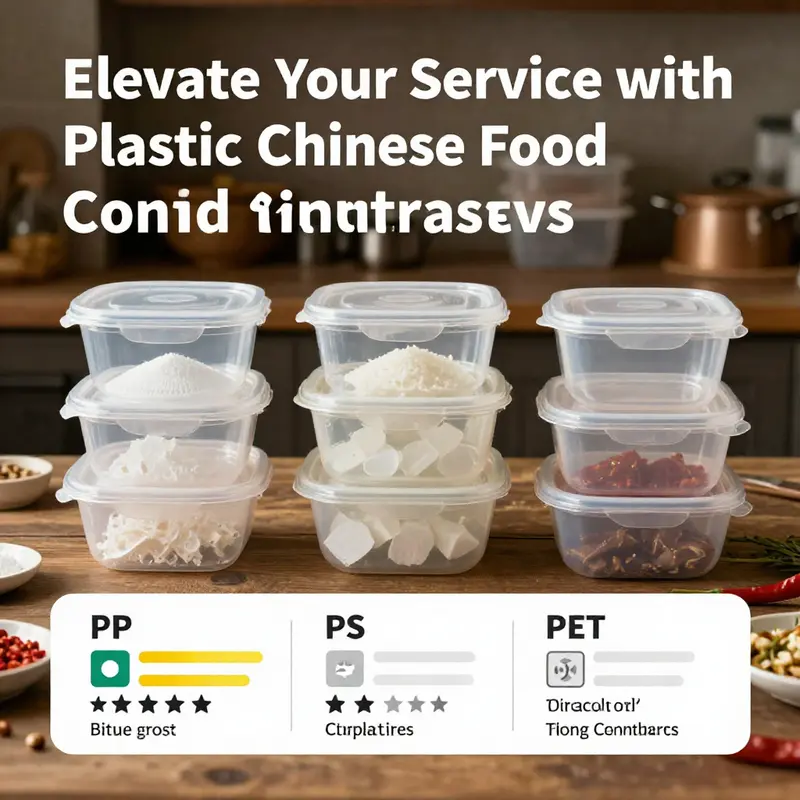
Choosing plastic Chinese food containers for sale is more than a matter of price or style. It sits at the crossroads of food safety, product performance, and the practical realities of daily operations in kitchens and service counters. The containers must keep food at the right temperature, prevent leaks, and endure the rigors of transport, while also aligning with regulatory expectations and consumer concerns about materials and chemicals. A well-considered material choice can help a restaurant or catering operation deliver a consistent experience to customers, reduce waste from damaged packaging, and build trust through transparent safety practices. This chapter unpacks the core material considerations and safety standards that buyers should weigh when selecting plastic containers for takeout and similar food-service applications, while weaving in the practical realities of sourcing in a market with a robust manufacturing base and diverse quality levels.
At the heart of material decisions are three commonly used plastics for food-contact containers: polypropylene (PP), polystyrene (PS), and polyethylene terephthalate (PET). Each has distinct behaviors that influence safety, usability, and compliance. PP stands out as a workhorse for hot meals and reheating, with a heat tolerance generally cited in the 100–120°C range without warping or releasing concerning substances. In everyday use, PP-based containers can handle the heat of freshly prepared, hot takeout dishes and then be stored in refrigerated or lightly heated environments. This makes PP a frequent default choice for general-purpose takeout containers that must perform reliably across a range of dishes, including those with sauces and gravies. A key safety note with PP is to ensure that the specific product is labeled food-grade and BPA-free, and that it carries appropriate certifications indicating compliance with relevant food-contact regulations.
PS, especially in the form of foam, is a cheaper option that has historically dominated certain segments of disposable packaging. However, when hot foods, acidic foods, or long exposure times are involved, PS can degrade and potentially release chemicals such as styrene into food. This raises safety and regulatory concerns, particularly for frequent use in hot or high-acid contexts. For buyers, the takeaway is straightforward: while PS-based containers may still be encountered, their suitability for hot or acidic foods should be carefully evaluated, and they should be clearly labeled for limited-use scenarios rather than for prolonged microwaving or prolonged contact with hot liquids.
PET is prized for its clarity, rigidity, and barrier properties, which can be advantageous for products that need to showcase contents or extend shelf life. PET is commonly used for containers that require strong sealing and low moisture transfer, but it is not universally suitable for very hot foods unless the specific formulation is rated for higher temperatures. In any PET application, it is essential to verify that the material is certified as food-grade and that the lid and seal components contribute to a leakproof, heat-stable assembly. For all materials, the chain of custody matters. Containers should be traceable to suppliers who can provide material safety data sheets (MSDS), certificates of compliance, and third-party test results that demonstrate safe use under defined conditions.
A practical nuance often overlooked by buyers is how heat resistance intersects with conduct during actual service. A container may claim microwave safety, but the user should verify the combination of the container, lid, and any venting components. Ventilation is particularly important for foods that release steam, such as dumplings, noodles, or other steam-rich dishes. Containers designed with appropriate venting or ridged ventilation holes can help maintain texture and prevent condensation from soaking into other compartments. Conversely, long-term exposure to hot liquids or sauces in some less-resilient plastics can lead to deformation, which compromises seal integrity and, over time, raises safety concerns. Purchasers should look beyond the mere label and assess performance through practical use scenarios, including reheating times and typical serving temperatures.
Beyond raw materials, the safety profile of plastic containers hinges on how well they align with regulatory expectations and consumer safety standards. BPA, or bisphenol A, has long been a focal point in discussions of food-contact plastics. While many manufacturers have moved away from BPA-based formulations, it remains important to verify that containers are BPA-free and explicitly marketed as food-grade. Certifications from reputable authorities—such as indications of FDA compliance or adherence to EU food-contact regulations—are essential signals that a product has undergone appropriate testing and verification. The emphasis on BPA-free labeling is not merely a marketing cue; it reflects a precautionary approach to minimizing endocrine-disrupting concerns while ensuring that the packaging remains safe for repeat use in a takeout context. In this regard, buyers should request documentation that substantiates claims of BPA-free status and food-grade certification, ideally supported by periodic third-party testing.
Performance specifications carry equal weight to material composition. A container’s primary function is to protect the food it carries, prevent leaks, and maintain temperature as much as possible within the constraints of disposable packaging. Leaktight lids, secure locking mechanisms, and well-fitting seals all contribute to this goal. For hot foods, heat resistance must be paired with a durable lid that won’t warp or uncouple under steam pressure. For cold or refrigerated items, freezer stability and insulation properties matter to minimize frost damage and preserve texture. If a container is intended for repeated heating or extended shelf life, dishwasher-safe or microwave-safe claims need to be substantiated with testing data that demonstrates resilience under typical cycles. The small print—care instructions, maximum heating times, and recommended holding temperatures—becomes critical in avoiding damage to containers and, more importantly, to food safety.
From a purchasing perspective, the landscape in which these containers are bought matters as much as the plastic itself. China remains a central hub for container manufacturing, offering a wide spectrum of suppliers and production capabilities. For business buyers, it often makes sense to engage with manufacturers that offer a one-stop service—from raw materials selection and production to printing and packaging. This is not just about cost; it’s about consistency, traceability, and the ability to customize packaging to support branding while maintaining safety standards. When negotiating terms, buyers should consider minimum order quantities, lead times, and the flexibility to adapt materials or designs as market needs evolve. A reputable supplier will be able to provide sample options, a clear bill of materials, and verifiable certificates that reassure buyers of the container’s safety profile. They should also be responsive in sharing information about testing results, quality control processes, and any recalls or compliance notices that reflect ongoing safety vigilance.
A crucial, practical dimension of safe sourcing is supplier verification. In the era of global supply chains, due diligence cannot be optional. Buyers should request documentation that demonstrates compliance with food-safety standards and material safety. This includes, at minimum, material certifications, food-grade labeling, and records of third-party testing where available. It is prudent to review the supplier’s capacity and quality management systems, including their ability to achieve consistent batch-to-batch quality, manage potential contaminants, and maintain clear traceability from raw materials through finished packaging. The ability to customize, including branding and labeling, can be an added value, but it should never come at the cost of safety or compliance. A strong sourcing approach combines transparent communication, documented safety assurances, and a willingness to provide evidence of conformity to applicable standards.
Guidance from established safety authorities also informs prudent decisions. For buyers seeking to align with best practices, consulting official guidelines that link material selection to temperature, acidity, and fat content can reduce missteps. The Hong Kong Food Safety Centre’s guidelines, for instance, offer detailed perspectives on how to match container materials to the type of food, to temperature ranges, and to expected storage conditions. Following such guidance helps ensure that the packaging you select not only protects the food but also supports safe handling and consumer confidence. For a quick reference, see the official guidance portal of the Hong Kong Food Safety Centre, which remains a reputable touchstone for food-contact safety expectations.
As with any packaging decision, the ecosystem of options also includes sustainability considerations. While plastic containers are widely used for their strength, light weight, and cost-effectiveness, there is growing interest in reducing environmental impact. Buyers increasingly evaluate whether a container is compatible with recycling streams, whether it uses recycled content, and whether its design supports efficient end-of-life processing. The market also presents alternatives, such as paper-based or composite packaging with improved environmental profiles. When weighing these factors, it is valuable to consider not just the material itself but the entire lifecycle: from production emissions and material sourcing to end-of-life disposal and potential reuse pathways. In some cases, a combination approach—using highly safe plastics for hot meals, paired with compostable or recyclable exterior packaging for other items—may offer a balanced path that satisfies safety, cost, and sustainability goals.
For readers who want to glimpse how packaging choices can complement broader product strategies, consider looking at related packaging formats that exist in the same ecosystem. For example, in the same marketplace you will find disposable paper bowls and lids designed for takeout contexts, paired with a wide range of sleeve options and accessories. These materials are not direct substitutes for plastic containers, but they illuminate how buyers balance safety, aesthetics, and functionality across different packaging channels. If you are exploring these alternatives, you may find useful context in the following resource that discusses practical, eco-conscious takeout packaging options: Disposable 700ml Kraft Paper Bowl Take-Out. This reference illustrates how packaging design can support brand communication and consumer experience even as you evaluate plastic options. Disposable 700ml Kraft Paper Bowl Take-Out.
In the broader sourcing process, it is worthwhile to keep a checklist that emphasizes safety verifications. Confirm that the container material is clearly identified and that any included adhesives or printing inks are food-safe. Verify that all claims of heat resistance, microwave compatibility, and freezer stability are backed by data. Request copies of MSDS and third-party test reports that demonstrate the container’s performance under defined usage scenarios. If your operation includes high-volume or continuous-use scenarios, you should seek containers that have undergone more extensive testing, including repeated heating cycles and long-term liquid contact scenarios, to ensure durability and safety are sustained over time. This diligence not only protects customers but also protects the business from safety incidents and potential regulatory concerns.
The conversation surrounding material choice also has practical implications for cost and supply stability. While a bulk order can unlock favorable pricing, it should not come at the expense of safety compliance or performance reliability. The most dependable paths involve integrating safety verification into procurement workflows, embedding quality-control checks into production lines, and building relationships with suppliers who can provide transparent documentation and timely updates on compliance status. An informed buyer understands that the cheapest option may carry hidden costs in terms of regulatory risk, product recalls, or customer dissatisfaction stemming from leaks or poor food quality. Conversely, a thoughtful, safety-centered approach can yield durable packaging that supports brand trust, reduces waste through reliable performance, and aligns with evolving regulatory expectations.
The material story behind plastic Chinese food containers for sale is thus a story of balance. It is a balance among heat resistance and leakproof performance, among BPA-free and food-grade assurances, and among cost, supplier reliability, and the ability to scale. It is also a balance between what is technically feasible in a factory setting and what is practically deliverable in a bustling kitchen or takeaway counter. For buyers, the most successful path is to view containers not as isolated components but as integral elements of a safety-forward, customer-focused service proposition. When you invest in materials with verified safety credentials, compatible performance characteristics, and clear documentation, you lay a foundation for consistent quality across orders and a reliable consumer experience from the first bite to the last sip.
External resource for safety and regulatory context remains essential in guiding careful decision-making. For further, authoritative guidelines on how to navigate food-contact materials and ensure appropriate use, consult the Hong Kong Food Safety Centre and its related resources: https://www.foodsafety.gov.hk/.
From Factory Floors to Brand Shelves: Navigating Purchasing and Customization of Plastic Chinese Food Containers
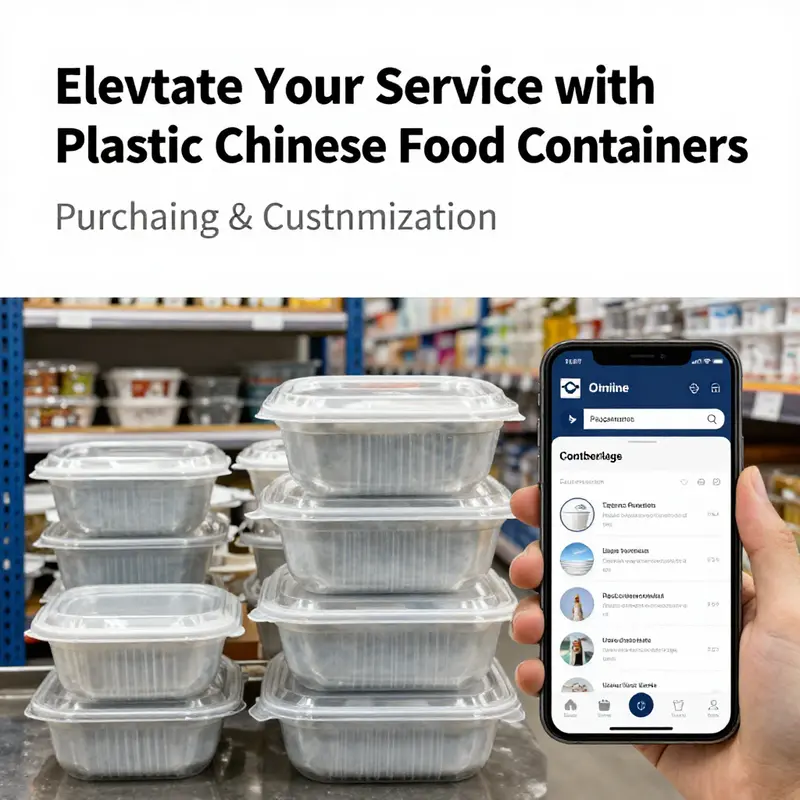
Choosing plastic containers for Chinese takeout and other prepared foods is more than a matter of stacking lids and sealing boxes. It is a lifecycle decision that begins with understanding the manufacturing landscape in which plastic food containers are produced, moves through the channels that connect buyers to reliable suppliers, and ends with a packaging solution that supports branding, efficiency, and safety in real world service. The core of this journey lies in recognizing that plastic Chinese food containers are not merely packaging; they are a conduit for texture preservation, temperature management, and the subtle psychology of customer perception. A well designed container can reinforce that a brand takes care in every dish, that the meal will travel intact, and that the consumer can heat and repurpose what they receive with confidence. In practice this means looking beyond price and material to the full spectrum of features that impact performance from kitchen to consumer hands.
China has long stood as a central hub for the manufacturing of disposable and reusable plastic food containers. The value chain is dense and interconnected, with a wide array of factories offering options that range from simple general purpose takeout boxes to specialized vessels tailored for dumplings, soups, or sauces. This ecosystem enables buyers to not only source standard items in bulk but also to pursue customization that aligns packaging with brand identity and service model. When a business evaluates potential suppliers, the considerations go well beyond the container itself. They encompass production capacity, quality control procedures, responsiveness to design changes, and the ability to scale from sample runs to tens of millions of units if demand requires. In practice, a capable supplier can walk a buyer from early concept through to finished product that bears a logo, a color scheme, and a packaging aesthetic that signals reliability and care.
The most meaningful sourcing conversations often occur on platforms that connect buyers with verified manufacturers. These marketplaces frame the options in terms of standard catalogs and bespoke capabilities, enabling a shop floor to be visualized as a series of choices rather than a single box. For buyers, the allure lies in the breadth of options: general purpose containers that are lightweight, economical, and robust enough to withstand daily use; or multipiece sets designed for precise portion control and long term storage. The general purpose takeout container, with its leak proof lid and multi compartment design, exemplifies everyday efficiency. It is engineered to minimize spills and to separate different dishes within a single unit. Moreover, its stackable form helps operators maximize storage while preserving the integrity of meals during transit. These attributes matter as much in a bustling restaurant kitchen as they do in a delivery-focused operation that handles large volumes of orders daily.
In addition to the workhorse models, there is a spectrum of specialized containers that address particular culinary needs and temperature management requirements. Steamer type dumpling containers, often round and vented, are designed to maintain the delicate textures of steamed items while allowing steam to escape in a controlled way. The goal is to prevent drying while preserving heat, fragrance, and mouthfeel. Cylindrical three piece containers, which feature a tall body and a tight lid, are especially suited for soups, sauces, or small sides that benefit from a strong seal. In each case the design intent centers on translating kitchen technique into packaging behavior. The container should not only hold the food but also support its presentation and palatability until it reaches the consumer’s table or doorstep.
The material choices commonly used in these containers reflect a balance between safety, performance, and cost. Food grade plastics such as polypropylene PP, polystyrene PS, and polyethylene terephthalate PET dominate the landscape because they offer good heat resistance, light weight, and reliable safety when used as food contact materials. PP, in particular, is favored for its heat resilience, which makes it a strong candidate for microwave friendly options and for reusable or semi reusable configurations. Yet even this common family of plastics has caveats. Some containers are not suitable for prolonged microwave use or for oven heating, so clear guidance on heating times and conditions is essential for both operators and customers. Buyers should demand transparent specifications from suppliers and verify that materials meet recognized safety standards before committing to large scale orders.
From the design perspective, customization opportunities are a decisive factor for many brands. Suppliers typically offer a spectrum of branding options, including logo printing, color choices, and even bespoke container shapes. The potential to align packaging with a restaurant identity or a catering service promise means that the packaging becomes a touchpoint that reinforces trust. For businesses that intend to scale, the ability to produce customized runs at reasonable unit costs is a crucial advantage. The right supplier can provide a one stop service that covers raw materials sourcing, printing, and packaging assembly. This streamlines the supply chain and reduces the friction that often accompanies multi vendor coordination. A key element of customization is the capacity to implement branding while maintaining functional integrity such as leak resistance, tamper evidence, and appropriate seal performance. The process typically begins with a design discussion that translates brand visuals into printable areas on lids or bodies, followed by a physical sample that must pass a battery of tests for fit, seal strength, and material safety.
The procurement path can also accommodate bulk purchasing that makes long term cost management more predictable. For business buyers who prepare meals for catering services or large delivery networks, bulk pricing and flexible MOQs become central considerations. A factory with robust production capacity and strong quality control can offer favorable unit costs at scale, particularly when the buyer plans to run sustained volumes. In these arrangements it is common to negotiate terms that reflect not only the price per unit but also lead times, packaging specifications, and the possibility of additional services such as on site printing or integrated labeling. The ability to review samples before committing to a full run is a standard and prudent step. It gives a tangible sense of how the final product will perform in a real world setting, including its ability to withstand shipping and stacking, its resistance to leaks under pressure, and its compatibility with the intended heating or cooling workflow.
Quality assurance and safety certification play a decisive role in the sourcing equation. Buyers increasingly expect to see formal attestations that container materials are compliant with food contact regulations. Certifications such as FDA compliance or liability aligned standards such as LFGB provide a framework for evaluating whether a given container is suitable for use with foods that may be heated and stored. While the regulatory environment varies across markets, the general expectation remains consistent: the packaging must be produced under controlled conditions, the resin and additives should be well characterized, and end products should pass basic safety tests before large scale distribution begins. It is common for trusted suppliers to present certificates and to offer sample testing as part of the onboarding process. This practice helps to minimize risk and accelerates the move from concept to production.
Beyond the straightforward attributes of material and design, the packaging system must also address practical realities of usage. Leak proof lids matter because they reduce the hazards of transit and spill related complaints. The multi compartment arrangement supports a balanced presentation of different dishes, preserving individual flavors and textures while giving the customer convenient access. The stacking behavior contributes to efficient storage in both kitchen and delivery contexts. These functional features become a competitive advantage when they are coupled with reliable manufacturing practices and strong customer service. A decisive factor for many buyers is the supplier’s willingness to tailor the packaging to the clients operational needs, whether that means adjusting the dimensions for a particular car trunk layout or aligning the lid geometry with a chosen sealing method.
From a procurement perspective, the recommended approach is to engage with a reputable supplier on a well managed global sourcing platform that emphasizes verification, product specifications, and transparent communication. A capable partner will present clear data about material grades, heat resistance windows, and applicable certifications. They will also articulate the production lead times, packaging options for bulk orders, and the feasibility of logo printing or color customization. The ability to understand and align with a buyer s branding strategy while maintaining strict performance standards is a hallmark of a mature supplier relationship. In such a partnership, the buyer feels confident that the container not only carries the meal but also carries the brand promise of quality and reliability.
In terms of practical next steps, buyers should begin with a needs assessment that catalogs the expected volumes, the typical shelf life of meals, and the heating or cooling paths the containers will experience. This informs the material choice and lid design, ensuring compatibility with the planned processes in kitchens, delivery fleets, and consumer reheating. A flexible MOQ structure can help align early stage testing with later scale up. The buyer should then identify a small set of potential suppliers who demonstrate not only product capability but also a track record of responsive service, clear communication, and supply chain stability. A preliminary evaluation should include a review of product specifications, a request for samples, and a conversation about certifications and testing processes. If the samples meet safety and performance criteria, the buyer can negotiate a pilot run that yields enough units for field testing in a limited market. If that stage proves successful, the relationship can mature into a long term contract with well defined SLAs, quality audits, and ongoing design support for future packaging iterations.
Branding through packaging is not an afterthought but an extension of the customer experience. The right combination of container design, material choice, and customization can communicate care and consistency even before the first bite. The more seamlessly packaging reflects a brand story, the more confident customers will feel about ordering again. This alignment is especially important in a market where delivery speed and product form factor can tilt the balance between repeat orders and a shopper who moves on to a rival. The purchasing path is therefore as much about narrative alignment as it is about technical fit. It requires buyers to balance cost and brand ambition, to negotiate lead times and print runs, and to verify that every element of the final package supports safe handling and a positive consumer experience.
For readers seeking additional references on standard offerings and supplier capabilities, a leading global sourcing marketplace remains a practical starting point for discovering verified suppliers, detailed product specifications, and a pathway to samples and certifications. This resource offers a structured window into the kinds of containers described here, and provides a sense of how manufacturers present their capabilities to buyers around the world. External reference: https://www.alibaba.com/product-detail/High-Quality-Plastic-Chinese-Food-Containers_1600749238573.html
As a final note on integration, many packaging programs benefit from looking at the broader packaging ecosystem. While plastic containers provide essential protection and convenience, complementary options such as kraft paper based packaging can support branding narratives and sustainability goals. For example, a business might pair sturdy plastic takeout containers with a kraft paper outer sleeve or with paper bowls for certain menu lines, creating a cohesive and attractive packaging system. This kind of integration can reinforce brand storytelling, help manage customer expectations about reuse and recycling, and open pathways to cross sell or menu diversification. One practical way to explore these possibilities is to examine related packaging formats and how they might align with the plastic containers in use. For readers who want to investigate another packaging channel that dovetails with plastic takeout packaging, consider a visit to packaging resources focused on kraft paper options and related accessories. For example, the disposable octagonal box packaging page offers insight into how non plastic formats can complement the overall packaging strategy. Internal link to explore this option: disposable-octagonal-box-restaurant-food-kraft-paper-packaging.
Final thoughts
Choosing the right plastic Chinese food containers is a strategic decision that impacts service quality, customer satisfaction, and operational efficiency. Recognizing the major suppliers available, understanding the types and inherent benefits of the containers, and ensuring you prioritize food-safe materials will set your business apart. Moreover, exploring customization options can elevate brand recognition and enhance customer loyalty. By investing in quality packaging solutions, food service businesses can ensure their products arrive at the intended destinations safely and appealingly, ultimately benefiting the bottom line. Always stay informed and proactive about your sourcing options.