
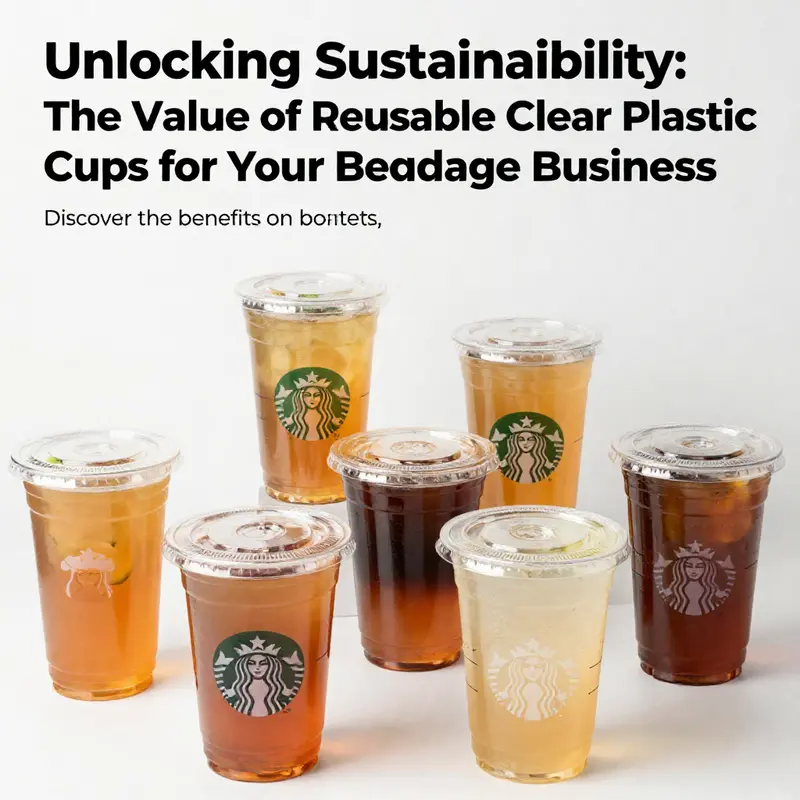
Clear plastic cups with lids have become an essential item for bubble tea shops, restaurants, and catering services. Their material properties, predominantly from polypropylene (PP) and polyethylene terephthalate (PET), offer durability and heat resistance, making them ideal for various cold beverages. This article will explore several chapters that delve into the materials and characteristics of reusable cups, their design versatility and functional advantages, suitable market placements, purchasing channels with real-life examples, and the potential for environmental benefits and future trends. Together, these insights will provide a comprehensive understanding of why investing in reusable clear plastic cups is a smart move for your business.
Transparent Durability: Materials and Real-World Performance Behind Reusable Clear Cups with Lids
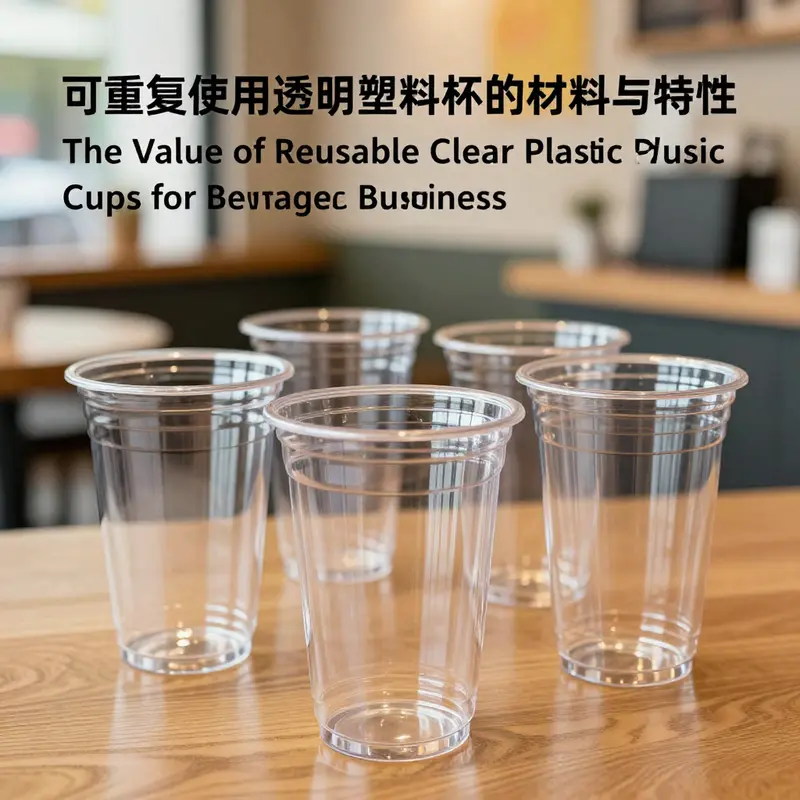
In the landscape of personal hydration and take-away service, reusable clear cups with lids sit at the intersection of function, safety, and sustainability. The clarity of the cup is more than cosmetic; it signals the beverage’s integrity, and the material used to achieve that clarity also dictates how confidently a consumer can reuse the container day after day. The central questions are straightforward: which polymer can tolerate heat without leaching, which can endure repeated washing without clouding, and which design choices ultimately reduce waste without compromising everyday practicality? The answers converge on a short list of materials that have proven their merit across kitchens, offices, and coffee bars: polypropylene, Tritan Renew-like copolymers, and, in some contexts, biobased candidates. Each brings a distinct profile of benefits and limitations, shaping how a cup can perform when faced with hot tea, cold brew, or a splash of citrus, under the pressures of busy service and consumer use at home.
Polypropylene has earned its place as the workhorse of reusable cups. Its chemical stability means that common beverages, including those that contain sugars or acidic components, do not instantly corrode the container. The material is inherently food-safe, and its thermal performance allows it to withstand brief heating cycles and a broad range of ambient temperatures. In practice, this translates into cups that feel sturdy in the hand, resist scuffs, and clean up easily with standard dishware detergents. The practical benefit is a cup that can see dozens of cycles with minimal change to its physical profile. It remains lightweight and economical, offering a favorable balance between performance and cost, which is crucial for both household adoption and commercial deployment. The physics of PP also helps with shatter resistance; a thicker-walled PP cup can resist impact from minor bumps, a common occurrence in a busy office or a crowded event. Yet this same balance is a double-edged sword. If the wall thickness is too thin, or if the cup carries decorative paints or coatings, the heat and wash processes can degrade finishes or compromise the seal with the lid. In a well-made product, however, the mid-range wall thickness and clean materials yield a cup that keeps beverages cooler, tastes truer, and lasts longer than most disposable variants.
Tritan Renew and similar copolymers represent a different philosophy. These materials are formulated to deliver exceptional clarity alongside impressive toughness, aiming to resist the kinds of micro-scratches that accumulate on daily wear. Importantly, their safety profile emphasizes absence of problematic additives such as BPA and BPS, addressing consumer demand for non-toxic containers even when liquids are stored warm. In practice, cups made from these materials often exhibit extraordinary resilience during repeated dishwasher cycles, where the mechanical action and heat are at their most intense. The result is a cup that remains transparent, free from hazy film or clouding, over many months of use. The material’s resilience also makes it well suited for travel or catering environments where objects collide or slide on metal shelves. In applications such as airline service and industrial kitchens, where durability is non-negotiable, Tritan Renew has established a reputation for reliability. The downside tends to be cost and supply chain considerations; copolyester cups can be pricier, and their presence in consumer products can hinge on supplier relationships and certifications. Nevertheless, for devices used daily and subjected to frequent cleaning, the payoff is clear: a crystal-clear cup that remains robust and safe over many cycles, with the assurance that no harmful leachables creep into the drink even under high-temperature use.
Biobased plastics, notably PLA, add an ecological dimension to the decision matrix. PLA’s roots in renewable feedstocks align with goals to reduce fossil energy use. The optical properties of PLA—high transparency and a smooth surface—make it visually appealing for cold drinks and light beverages. However, the material’s heat tolerance and mechanical longevity do not always align with the demands of frequent reuse. When hot liquids are involved, PLA can soften or deform, and when subjected to repetitive cleaning at higher temperatures, the polymer can exhibit stability challenges. For users prioritizing compostability, PLA’s appeal is strongest in contexts where industrial composting infrastructure exists to accept the used cups. Without such infrastructure, the environmental benefits become less straightforward, and the plastic’s end-of-life path may still lead to landfill. In spite of these limitations, PLA remains part of a broader conversation about sustainable design, especially in products that aim to combine clarity with reduced life-cycle environmental impact, but it is less likely to serve as the long-haul solution for hot-beverage reuse.
PET, a familiar workhorse for many clear plastic items, enters the conversation with a caveat. PET’s transparency is superb, and its rigidity contributes to a satisfying feel in hand. Yet for a reusable cup that will endure repeated heating, washing, and mechanical use, PET can present compatibility concerns. Heat can accelerate degradation and alter the material’s properties, while wear and tear may enable micro-cracks to form. The risk of substance migration also becomes a factor under repeated exposure to hot liquids or aggressive cleaning regimes. As a result, while PET is a cornerstone of many disposable packaging solutions, it is less commonly positioned as the best choice for durable, long-term reuse in the cup format, unless the product is specifically engineered for repeated contact with hot liquids and meets stringent safety tests.
In addition to material selection, the practical design of the cup and its lid shapes user experience. Consumers expect a straightforward, dependable experience: a cup that remains clear after weeks of daily use, a lid that seals securely, and a profile that fits easily into cup holders and racks. The 16-ounce standard is a natural default because it accommodates a broad spectrum of beverages—from iced coffee to fruit-infused water—without feeling bulky or unwieldy. The ability to rewarm a beverage gently, or at least to avoid the discomfort of extended cooling, hinges on both the container and its lid. A well-sealed lid helps prevent spills during transport and makes the cup resilient to jostling in transit. At the same time, a lid that is difficult to operate, or one that requires disassembly to clean, undermines the practical sustainability argument by increasing maintenance friction. Therefore, the best designs marry an ergonomic lid with a body that resists distortion and retains clarity through multiple cycles.
For those who study or build reusable plastic cups, the labeling and documentation supply a trustworthy signal about performance. When a cup states that it is BPA-free, or when a copolyester is identified with a specific, consumer-facing material name, the claim translates into a meaningful expectation about safety and longevity. The presence of a clear recycling symbol and a numeral indicator helps both households and facilities identify the appropriate end-of-life path. In parallel with the material choice, the manufacturing process—mold design, wall thickness, and surface finish—dictates how resistant the cup will be to scuffing, staining, and residual odors from repeated use. The combined effect of these factors is a product that remains visually appealing, functional, and safe through a sequence of daily routines.
From a sustainability perspective, reuse hinges on more than raw materials. It depends on durability, correct cleaning, and the avoidance of misuse that could shorten life expectancy. A reusable cup that survives a year of daily use is a far more meaningful intervention in waste reduction than a handful of cheaper cups that fail after a month. This means that buyers should weigh not only the theoretical lifespan implied by the material but also real-world usage patterns. For households, this means choosing a cup that aligns with how often they wash, how hot the beverages get, and whether a dishwasher is available. For offices and cafes, it means balancing durability with the practicality of staff handling and the logistical realities of restocking and cleaning. In the end, the story is about choice—selecting a cup whose materials and design harmonize with the user’s routines while offering a credible alternative to single-use plastics.
In making this selection, it can be helpful to consider a few practical cues. Look for explicit bake-in features like “dishwasher-safe” and “microwave-safe” where relevant, and beware of coatings or prints that could oxidize or rub off with repeated washing. A clear cup that maintains its sheen after several cycles is often a better environmental investment than a lower-cost option that clouds within weeks. The material, the seal, and the construct of the lid together define how the cup behaves in motion and at rest. A robust cup reduces the friction of daily use; it lowers the odds of leaks, and it increases the likelihood that a consumer will reach for reuse rather than a disposable alternative. This behavioral shift—driven by design excellence and material integrity—yields tangible environmental dividends over time. A cup designed with thoughtful tolerances and a well-engineered lid can become a trusted companion in meals, commutes, meetings, and outdoor picnics, where a clear view of the beverage and a confident seal matter as much as the drink itself.
Internal link: disposable-single-wall-paper-cup-12oz-16oz-kraft-coffee-cup-with-lid
External resource: https://greendispoppack.com/product/disposable-single-wall-paper-cup-12oz-16oz-kraft-coffee-cup-with-lid/
null
null
Clear by Design: The Market Positioning and Everyday Use of Reusable Transparent Cups with Lids
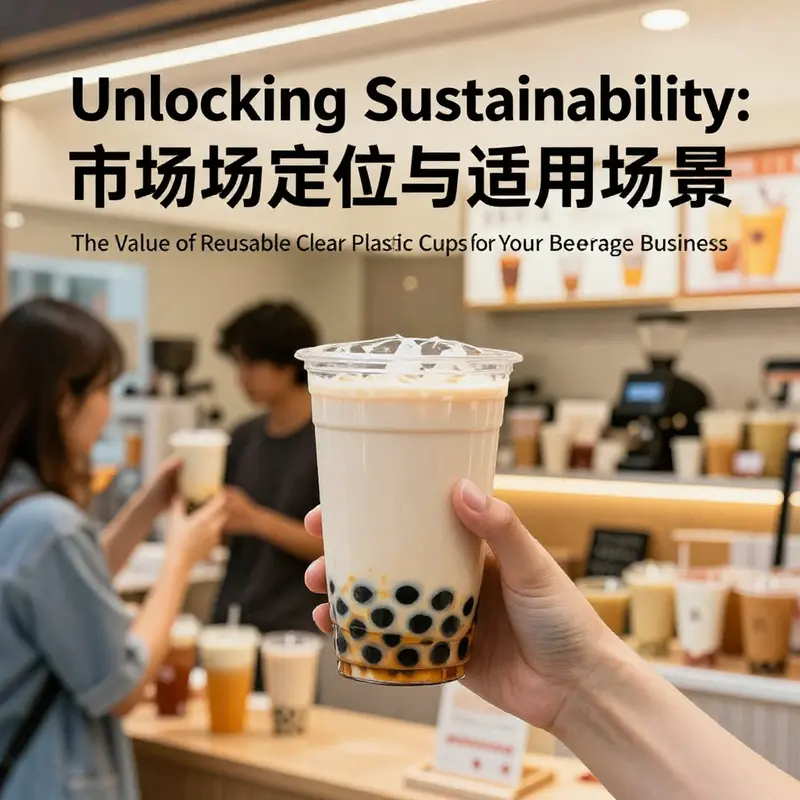
Clear plastic cups with lids that are designed for reuse sit at an important juncture where environmental intention, everyday practicality, and evolving consumer identities converge. They are not merely containers but a form of behavioral signaling—a tactile emblem of a lifestyle that prioritizes health, efficiency, and responsibility. The materials commonly favored for these cups, notably polypropylene (PP) and polyethylene terephthalate (PET), are chosen for reasons that go beyond mere clarity. PP, in particular, offers high heat resistance, impact durability, and chemical stability, which translates into a practical user experience: a cup that can be washed, reused, and, in many designs, even withstands microwave heating without compromising safety. In homes, offices, fitness centers, and cafes, the transparent cup becomes a familiar object—one that holds a cold drink with a lid that keeps spills at bay and enables a seamless, on‑the‑go routine. The environmental narrative around these cups remains central: if a single reusable cup is used more than twice, its overall environmental footprint is smaller than that of a disposable cup, a finding that anchors their appeal as part of a broader move toward waste reduction and resource efficiency. This practical truth undergirds a market positioning that blends sustainability with everyday utility, a mix that resonates with consumers who want both to feel responsible and to enjoy convenience without compromise.
From a health perspective, transparency and material safety are vital. Modern reusable cups are perceived as safer choices for daily hydration because they are typically BPA‑free and constructed from food‑grade PP or PET. The transparency is not just about aesthetics; it is about visibility of cleanliness, ensuring that users can readily inspect the cup for residues and cleanliness after washing. The design language of these cups also supports a simple and confident user experience: clear walls that reveal beverage contents, secure lids that prevent leaks, and mouth openings sized for easy sipping. The practicalities—dishwasher compatibility, microwave suitability in some designs, and a leak‑resistant seal—are the everyday benefits that convince a broad audience to adopt these cups as part of their routine.
Economics and durability further sharpen the market position. While the upfront cost of a reusable clear cup may exceed that of a disposable alternative, the long‑term savings accumulate through repeated use and fewer purchases of disposable containers. The durability of PP and PET translates into a cup that can handle repeated wash cycles without significant wear, while its modular design—lids, seals, and sometimes stacking features—maximizes convenience and minimizes time spent on maintenance. In households and workplaces, these attributes translate into a practical calculus: once a cup becomes part of daily life, it reduces the friction associated with buying beverages in disposable packaging, and the savings compound as usage scales across family members or colleagues.
Brand value and expressive potential also shape the market psyche. Many brands position reusable clear cups as more than a tool; they become a platform for personal style and corporate responsibility. The visual appeal of a perfectly clear cup, the possibility of color‑fast branding through printed logos, and the option of functional add‑ons—such as light insulation, removable sleeves, or built‑in features for hydration reminders—help these vessels communicate a lifestyle value. In this sense, the cup evolves into a small but meaningful medium for identity signaling: it tells others that the user values a practical, refillable approach to drinking and appreciates a product that aligns with contemporary sustainability norms.
The design language of these cups must accommodate a spectrum of usage scenarios, and the 16‑ounce capacity is a common point of reference in many markets. That size strikes a balance between portability and beverage capacity, making it ideal for cold drinks, smoothies, or iced coffee. Yet the appeal extends beyond capacity. The ability to maintain clarity even after repeated use, the ease with which the cup is cleaned, and the confidence that a secure lid provides against leaks are attributes that combine to create a holistic user experience. Across households, offices, gyms, and education environments, the cup becomes a practical staple: a familiar shape, a reliable seal, and a surface that is easy to wipe down or put through a dishwasher. The result is a product that supports a habitual shift—from disposable consumption to a reusable routine—without sacrificing convenience or style.
Market positioning for reusable clear cups thus rests on a layered proposition. It is about environmental stewardship, yes, but also about everyday health, about long‑term cost efficiency, and about the small, everyday design choices that reinforce a broader value system. The cups become not only containers but also catalysts for behavior change. They encourage a reduction in single‑use plastics at the source and invite users to participate in a circular mindset where cleansing, refilling, and returning become routine. In this light, the cups serve as a bridge between policy‑driven imperatives and individual consumer preferences. Policies that promote reductions in plastic waste and carbon footprints create a favorable external environment, while the cups’ usability and aesthetic appeal translate those macro goals into personal lived experience. The shift is gradual, but the trajectory is clear: a product that started as a pragmatic alternative matures into a statement of daily responsibility.
The practical implications for use scenarios are telling. In personal daily life, a reusable transparent cup with a lid offers reliability in homes, offices, schools, and on commutes. It is light enough to carry, robust enough to withstand the bumps of daily transport, and easy to clean—three characteristics that matter when a cup accompanies a person through a busy day. For fitness enthusiasts and outdoor enthusiasts, the cup’s resilience and leak‑resistant design address a specific need: access to fluids during workouts or travels without worrying about spills. In a workplace setting, employers are increasingly adopting refillable cups as part of wellness and sustainability programs, signaling corporate responsibility and care for employee health. And in a service or hospitality context, the potential for a circular model emerges. The idea of a “circulation cup” system—deposit, return, and standardized cleaning—suggests a future in which cafes, quick‑service restaurants, and large venues can offer beverages in reusable cups at scale, reducing waste while maintaining service speed and guest satisfaction. The concept of a circular model is not merely theoretical; it has begun to appear in pilot projects that emphasize a closed, standardized process for cleaning and reusing cups, with clear incentives for customers to participate.
In practice, branding can be integrated with function to reinforce the overall value proposition. A transparent cup with a crisp lid offers a canvas for customization and storytelling. A simple, elegant form can carry subtle branding or seasonal design accents without compromising readability or the visual appeal of the drink inside. The cup also functions as a vehicle for consumer education about reuse and waste reduction, because its clarity makes it easy to observe cleanliness and maintenance. This transparency aligns with consumer expectations that the products they use daily are durable, safe, and designed with environmental accountability in mind. The result is a market that rewards products that marry form and function: a reliable vessel that communicates a commitment to sustainable living while delivering everyday convenience.
For readers who want to explore practical examples of how a reusable cup can integrate into broader circular economy concepts, note a relevant case in eco‑friendly packaging discussions. In the broader industry conversation around circular service models and branding, a real‑world reference helps illuminate the potential path forward. See the concept described in eco-friendly-printed-logo-cold-beverage-cup-with-lid for a tangible illustration of how design, branding, and reuse logistics can align to support a circular system without compromising user experience. This type of case underscores how the recurring use of a well‑designed cup can become a microcosm of a citywide or nationwide shift toward more sustainable consumption patterns.
Looking ahead, the trajectory for reusable transparent cups with lids is likely to include further design innovations that expand functional boundaries without sacrificing simplicity. Beyond basic durability and safety, manufacturers may explore insulation enhancements, smarter lids with hydration reminders, and even integrated filtration or flavor‑enhancing features that appeal to a broad range of users. The emphasis on health, cleanliness, and ease of maintenance will continue to shape public perception, while the economic and environmental incentives will keep the market dynamic. In sum, reusable clear cups with lids are becoming a central instrument in the choreography of modern living, bringing together environmental goals, personal well‑being, and everyday practicality in a single, clear vessel. This convergence explains why the market is embracing them not just as substitutes for disposables but as expressive, value‑driven tools that help people live in a more intentional, sustainable way.
External reference: https://www.un.org/sustainabledevelopment/sustainable-development-goals/
From Clarity to Compliance: Navigating Channels and Case Studies in Reusable Clear Plastic Cups with Lids
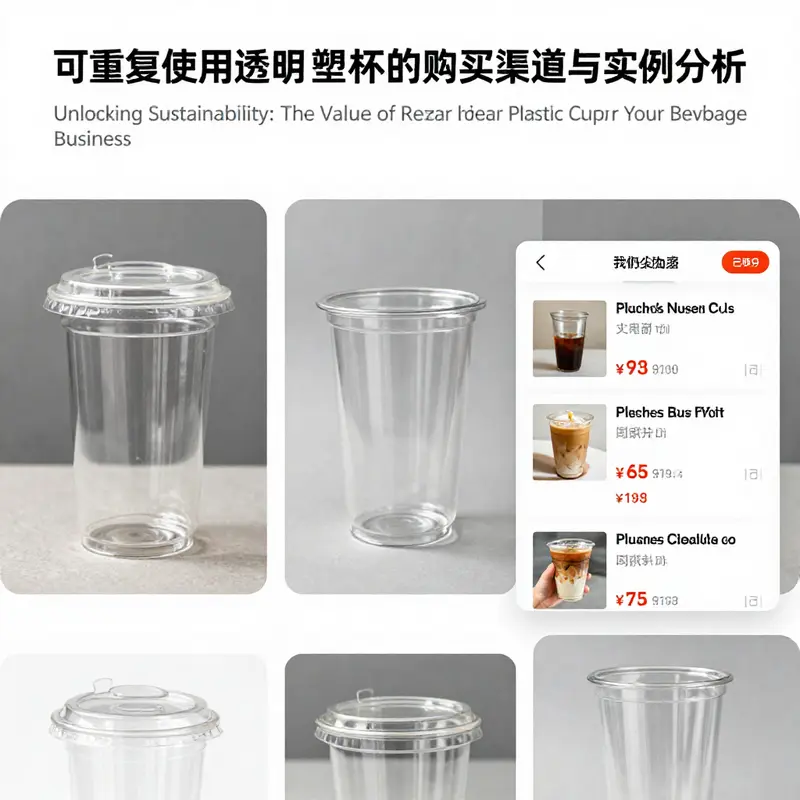
Clear plastic cups with lids that are designed for repeated use sit at an interesting crossroads between everyday practicality and environmental responsibility. The first thing many readers notice is the clarity of the material, which is typically a food-grade plastic such as polypropylene (PP) or PET. These materials offer a blend that rendezvous with daily life: high transparency to showcase beverages, resilience against temperature changes, and a level of chemical stability that makes them suitable for repeated washing cycles. The choice between PP and PET often comes down to the thermal demands of the intended use. PP shines where hot liquids or near-boiling beverages are involved, thanks to its superior heat resistance and impact strength. PET, meanwhile, provides exceptional clarity and rigidity, which makes it ideal for products intended to present a premium, glass-like appearance while still remaining light and durable. When these cups are labeled as BPA-free, a crucial assurance follows: the consumer can have confidence that the product aligns with contemporary health and safety expectations while preserving the visual appeal that drives consumer choices in hospitality, catering, or home use. In practice, this mix of material properties translates into a cup that holds up under frequent handling, resists breakage, remains aesthetically appealing, and tolerates the cleaning routines that a café, office, or household will impose on it. The lids complete the design, sealing the cup against leaks and offering a secure fit that travels from counter to car to conference room. The integration of leak-proof features often hinges on a precise molding process and a well-designed lip profile, which together prevent spillage even when the cup is tipped at modest angles or carried on the move. The result is a reusable container that not only preserves the beverage’s integrity but also reduces the daily waste associated with disposable cups. In environments that rely on rapid service and frequent refills, the ability to reuse cups without compromising hygiene is a persuasive advantage, and the microwavable capability of many PP-based designs further broadens their utility. Clear cups with lids thus emerge as practical, safety-conscious tools that bridge the gap between everyday convenience and responsible consumption, encouraging a shift from single-use solutions to more sustainable routines without sacrificing the user experience.
The story of how these products are sourced, however, is just as important as the materials themselves. On the procurement side, a global business-to-business (B2B) platform serves as the primary conduit for bulk purchases and customization. Such platforms host a wide range of offerings, from compact 16-ounce models to larger 32-ounce options, and they categorize products by capacity, material, and safety certifications to help buyers compare across dozens of suppliers in a single session. The perceived value of these platforms lies not only in the breadth of product lines but in the ability to verify material safety at scale, confirm food-grade status, and verify that items are BPA-free. For decision-makers in restaurants and hospitality groups, this level of assurance supports branding efforts and consistent consumer messaging about health and safety.
Beyond the base materials and safety attributes, a broader trend shapes purchasing decisions: sustainable materials and end-of-life considerations. While reusable cups themselves reduce disposable waste, a subset of options on these platforms explores alternatives such as polylactic acid (PLA) or other biodegradable polymers for single-use contexts. PLA cups, derived from renewable feedstocks like corn starch, are presented as compostable only under specific industrial conditions, which means buyers should tailor choices to their operational realities. The trade-off is clear: a PLA option can align with sustainability goals in a food-service environment that has access to industrial composting, but it does not always offer the same universal recyclability or reuse potential as PP or PET. In practical terms, this means buyers must weigh their operational footprint, cleaning capabilities, and local infrastructure when deciding between reusable PP or PET cups and any compostable alternatives. The overarching takeaway is that the market is increasingly attentive to environmental outcomes, and suppliers frequently highlight not just product performance but also the lifecycle implications of their offerings.
Another dimension of the purchasing landscape is the opportunity for customization. For corporate clients or established food-service brands, the ability to align the cup’s surface with a logo, color scheme, or branding motif is a powerful differentiator. OEM and ODM services enable bespoke packaging, imprinting, and even lid designs that reflect a company’s identity. The capacity for customization supports broader marketing campaigns and enables businesses to extend their brand experience beyond the beverage itself. In practice, this can translate into cups that carry a company logo, a seasonal message, or a distinctive pattern that reinforces brand recall during promotions, catering events, or trade shows. The combination of durable material performance and flexible customization options makes reusable clear cups a versatile vehicle for both daily use and targeted marketing.
To illustrate how these factors play out in real-world contexts, consider two archetypal scenarios. First, a high-quality, health- and image-conscious restaurant chain seeks to reinforce its commitment to sustainability while preserving a premium presentation. The decision-maker evaluates multiple suppliers for cups that are crystal clear, robust through repeated wash cycles, and equipped with leak-resistant lids. They prioritize options that are BPA-free and sold under food-safety certifications. The chosen solution emphasizes high-clarity visibility of the beverage, a snug lid that minimizes spills, and a clean, modern aesthetic that supports the chain’s brand narrative. The cups are offered in a standard size suitable for both iced beverages and cold brews, enabling a consistent customer experience across locations. The second scenario involves a growing startup preparing for industry events. In this case, the company leans into customization as a core strategy. They select a vendor capable of delivering a large batch with an imprint of their logo, and they choose a cap design that seals reliably but remains easy to open in a crowded trade-show environment. The emphasis here is not just on utility but on creating a memorable, usable, and brand-forward token for attendees—an object that doubles as a quality, reusable reminder of the company long after the event ends.
From a design perspective, the interplay between clarity, capacity, and user experience matters more than ever. The cups must be transparent enough to showcase the beverage, yet rugged enough to withstand repeated cleaning. The lids should feature reliable seals that prevent leakage during transport, while remaining user-friendly for quick access during busy service periods. Aesthetics matter too: the visual purity of the cup contributes to the perceived quality of the beverage, and the ability to stack or nest cups efficiently reduces warehousing and logistics costs for large operations. For households, the same design principles translate into added convenience, with sturdy lids that prevent accidental spills and clear walls that allow people to gauge remaining liquid quickly. In sum, the product development equation for reusable clear cups with lids balances performance, safety, branding potential, and lifecycle considerations. Buyers navigate this equation by cross-referencing material certifications, cleaning compatibility, and the ability to meet demand through scalable suppliers who can accommodate both routine orders and higher-volume campaigns without compromising on the core attributes that define the product’s value.
The environmental dimension of this category deserves particular emphasis. Because these cups are intended for repeated use, their environmental impact is strongly influenced by durability, cleanability, and end-of-life options. Durable PP and PET cups can dramatically reduce per-use waste when they are integrated into daily routines, provided households and businesses commit to regular washing and careful handling. The sustainable message is reinforced when suppliers provide clear information about material safety, recyclability, and, where appropriate, compatibility with recycling streams. This transparency helps buyers communicate a credible sustainability narrative to customers and employees alike. Moreover, the market’s growing interest in eco-conscious options—such as clear lids with reduced material thickness, reduced weight, or reverse-engineered recycling pathways—suggests a broader shift toward products that optimize performance while minimizing environmental residuals. For operators, this translates into a straightforward calculation: higher upfront costs may be offset by longer service life, lower waste disposal costs, and an improved consumer perception of the brand’s environmental stewardship.
Looking forward, the category will continue to evolve as material science, recycling technologies, and consumer expectations converge. Innovations may include even higher heat tolerance for PP-based cups, enhanced scratch resistance of the clear surfaces, and improved lid designs that further reduce the risk of leaks during transport. Buyers will increasingly seek documentation that validates food safety, demonstrates lifecycle benefits, and provides assurance that the product remains reliable across a broad range of conditions. The story of reusable clear cups with lids is thus not simply about a container for beverages; it is a narrative about how design, materials, and procurement practices can align to produce a tool that is not only practical and attractive but also faithful to a responsible, forward-looking approach to consumption. This alignment matters for both the present-day consumer and the business that serves them, shaping everyday choices and larger strategic decisions alike.
For readers who wish to deepen their understanding of health considerations surrounding plastic materials and food-contact substances, reputable external guidance is available. See the relevant health-and-safety resources that discuss BPA and BPA-free products for a grounded perspective on how those terms translate into real-world use and safety.
Clear, Reusable, and Resilient: The Environmental Case for Transparent Plastic Cups with Lids
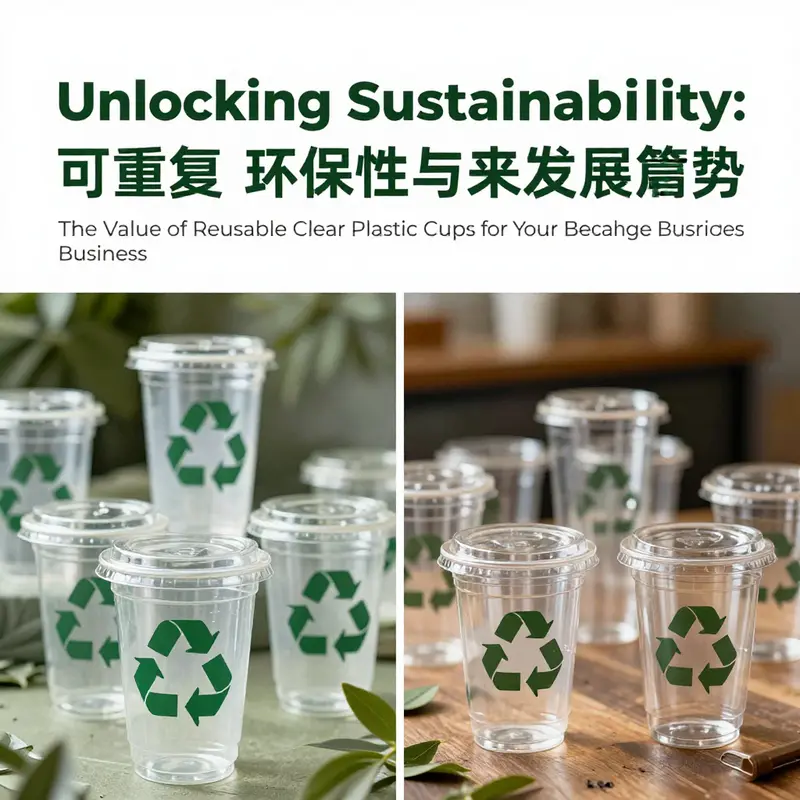
Technological and design innovations strengthen these environmental benefits. Beyond the base materials, cups are being engineered for optimized thermal tolerance, leak resistance, and ease of cleaning. A thicker wall design, for example, improves heat distribution and tactile feel, while carefully chosen grades of PP maintain clarity and resist clouding after many wash cycles. The lids, often made to snap on securely and seal through a snug fit, minimize spill risk during transport and in high-traffic environments. In some configurations, the cups are microwave-safe when used with specific lid designs and material grades; this expands practical usage scenarios while preserving the integrity of the reuse cycle. The result is a product that can perform in a café setting, at a workplace, or on-the-go, all while remaining compatible with conventional cleaning equipment and domestic dishwashers where permitted. This suitability for diverse environments matters because it lowers the friction for individuals and organizations to participate in reuse programs. When a cup can be integrated into existing cleaning infrastructures without demanding bespoke processes, it is more likely to become a habit rather than a project.
A central element of the current trajectory is the move toward closed-loop systems that connect deposit, borrow, reverse logistics, cleaning, and re-distribution into a single, digitized workflow. In practice, this means consumers can borrow or return a cup at designated points, the cup is transported back to a centralized facility, cleaned to rigorous hygienic standards, and then reissued with minimal downtime. Digital management platforms track each cup’s lifecycle, ensuring traceability and accountability from capture to reuse. By removing ambiguity around the cup’s status, such systems reduce the perceived risk of contamination and encourage broader participation. The emphasis on standardization within these systems is also noteworthy. When cups and lids conform to common specifications, they can be interoperable across brands and venues, simplifying the process for users and operators alike. The mechanical reliability of standard interfaces helps ensure consistent performance in diverse settings, from a family kitchen to a crowded festival arena.
The future development of clear, reusable cups is likely to be shaped by three intertwined forces: policy, business model innovation, and expanding application contexts. Policy frameworks around waste and packaging are gradually embracing reuse as a core strategy. Initiatives that advance circular packaging—whether through city-level waste reduction goals or national standards—create incentives for manufacturers and retailers to invest in durable, reusable options. A growing array of rental or lease models illustrates this shift. Rather than purchasing cups outright, restaurants and event organizers can participate in deposit-based or subscription-based programs that defer ownership while ensuring continuous lifecycle management. This approach aligns the cost structure with the value of long-term use, encouraging more aggressive maintenance and return rates. In parallel, the scene is widening beyond traditional cafés to include a broader set of applications. Reusable cups are finding appeal in workplaces, hotels, travel hubs, and large-scale events where logistics and environmental commitments demand scalable, hygienic solutions. The ability to recycle or repurpose cups at the end of their life, when appropriate, remains a key consideration, but the emphasis is on extending use and reducing waste rather than simply discarding at the end of a single cycle.
Public perception has evolved alongside these capabilities. Early skepticism around hygiene and convenience has gradually given way to growing trust in professional cleaning systems and transparent lifecycle reporting. As consumers witness cups that remain clear, sturdy, and leak-free after multiple uses, their willingness to adopt reuse programs increases. The social dimension of reuse—integrating into daily routines as a standard practice—depends on visible proof of cleanliness, reliability, and convenience. When cups are designed to perform without demanding extra steps and when return logistics are straightforward, the environmental argument becomes a personal choice rather than a logistical compromise. In this sense, the clear, reusable cup becomes more than a product; it functions as a habit-forming instrument that can influence broader attitudes toward consumption, packaging, and waste.
The chapter’s synthesis points to a practical vision of the future: clear plastic cups with lids that are robust enough to withstand hundreds of cleaning cycles, transparent enough to convey quality, and reliable enough to prevent leaks in all ordinary contexts. The combination of PP’s heat and impact resistance with the aesthetic and functional clarity of PET and high-performance engineering polymers provides a durable platform for reuse. When integrated into deposit-return and closed-loop systems, these cups can transform waste streams from a persistent problem into a managed, value-generating flow. As policy, industry, and consumer behavior converge, the reuse model gains legitimacy and momentum. The result is a more sustainable drinking culture that preserves the convenience and clarity users expect while dramatically reducing the environmental footprint associated with single-use cups.
For a practical example of a scalable sustainability solution in cup packaging, explore this page about eco-friendly recyclable pulp cups and takeaway cup holders: eco-friendly recyclable pulp cups and takeaway cup holder.
External reference: https://www.36kr.com/p/20958925576355
Final thoughts
Reusable clear plastic cups are not just a trend but a sustainable solution to meet the demands of modern beverage service. Their unmatched durability, diverse designs, and eco-friendly advantages make them an essential investment for any beverage business. By understanding the materials and market dynamics, operators can significantly improve their operational efficacy and contribute to sustainability efforts. As consumer preferences shift towards more environmentally conscious choices, the future of these cups looks promising. Adopting them now positions your business favorably both in terms of operational success and brand trust.