
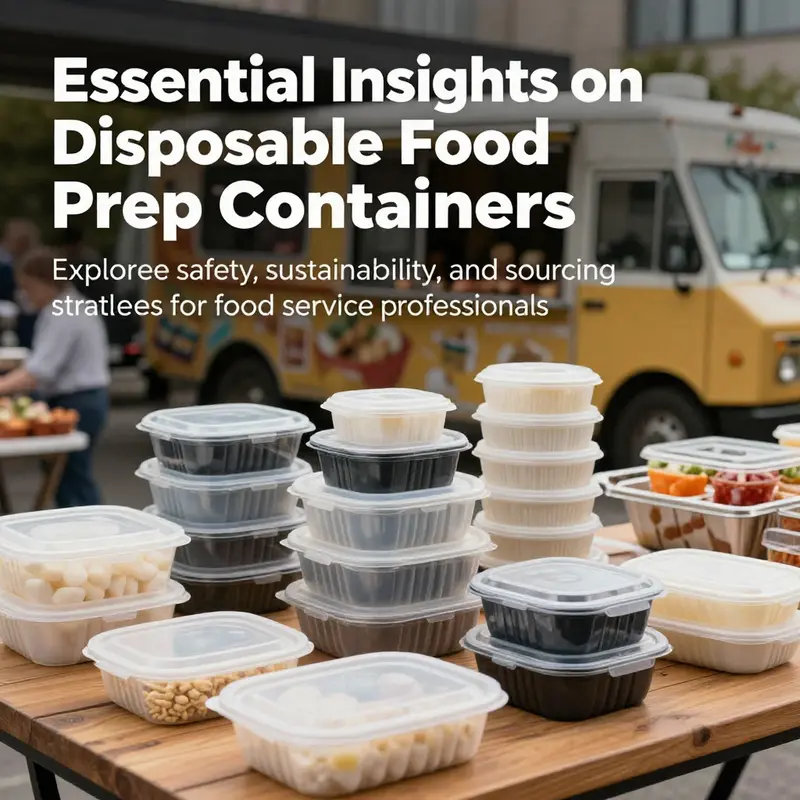
In today’s fast-evolving food service industry, disposable food prep containers play a vital role in ensuring convenience, safety, and sustainability. Whether you’re a bubble tea shop, a restaurant, or an event planner, understanding the types of materials and their safety standards can help you make informed choices for your packaging needs. This knowledge will not only enhance your brand image but also cater to the increasing consumer demand for eco-friendly options. As we delve into the key features and benefits of these containers, along with global sourcing trends, you’ll discover how each aspect contributes to the broader narrative of effective food service operations.
null
null
Sealed for Freshness: The Core Features and Real-World Benefits of Disposable Food Prep Containers
In the crowded landscape of food service packaging, the true value of disposable food prep containers rests not merely in their ability to hold contents but in a delicate balance of performance, safety, and brand storytelling. They are more than vessels; they are the first touchpoint of a customer’s culinary experience, a link between kitchen discipline and consumer perception, and a logistics conduit that can either smooth or snag the journey from prep station to plate. When a container achieves the trifecta of reliability, convenience, and responsibility, it does more than protect a meal. It helps a business scale—supporting precise portioning in meal kits, maintaining the integrity of sauces and oils in takeout, and reinforcing a brand’s commitment to quality with every lid click and every stacked shipment. The most successful designs synchronize material science with practical use, converting everyday packaging into a tool for consistency across the entire supply chain.
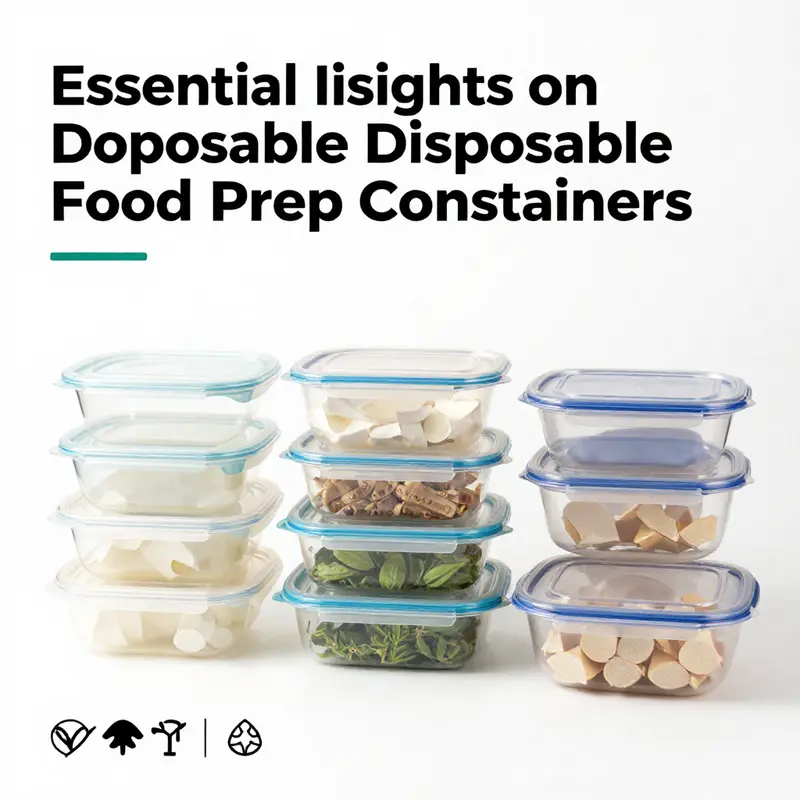
At the heart of this synchrony is material choice. A spectrum runs from heat-tolerant plastics such as polypropylene to transparent, cold-ready PET, to foam variants that excel at insulation and cost efficiency. Each material brings a different performance profile to the table. Polypropylene, with its resistance to high temperatures, is a mainstay for hot foods and reheating in microwaves, often certified as food-grade and engineered to withstand repeated opening and closing without warping. This resilience matters because a container must survive not just the moment it is filled, but the hours of transport, the shuffle aboard delivery vehicles, and the sometimes long interval before consumption. By contrast, polystyrene and its expanded form offer lightness and cost advantages but can falter when pushed near boiling points. They are often chosen for low-cost, cold-to-room-temperature applications where extreme heat is not a factor.
Other materials complete the palette. PET’s clarity and moisture resistance make it ideal for cold foods and beverages where visibility of the product is a real value-add for inventory management and customer appeal. Yet, heat resistance remains a limitation. For brands seeking compostable or plant-based options, the rise of biodegradable pulp and other eco-friendly fibers offers a pathway that aligns with broader sustainability goals. These pulp- or paper-based solutions can be crafted into sturdy, leak-resistant forms with linings that preserve moisture without sacrificing compostability. The trend toward environmental stewardship has sharpened the focus on materials that balance performance with end-of-life outcomes, encouraging more brands to design for recyclability or compostability where feasible.
Alongside the material spectrum, the geometry and construction of the container play a pivotal role in performance. A multi-compartment design—often in three parts: a base tray, one or more inserts, and a secure lid—provides a practical framework for portion control and item separation. This configuration is particularly advantageous for meal kits and school or office lunch programs, where a single package can accommodate main courses, vegetables, and sauces without cross-contamination. The partitions also facilitate efficient stacking and organization in the kitchen and during transit, reducing the likelihood of muddled meals and simplifying inventory checks when the bags or cartons are sorted upon receipt.
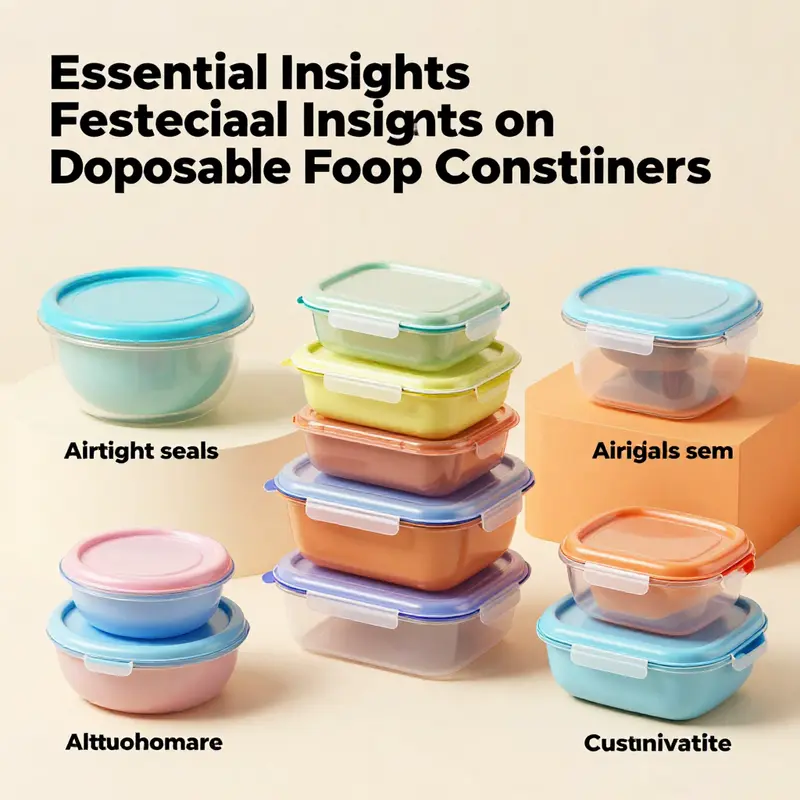
But design is not only about compartments. The most trusted containers feature airtight and leak-proof seals that are built into the lid’s architecture. Precision-fit lids with locking mechanisms—whether notch, snap-lock, or tamper-evident seals—keep liquids contained even when bottles, cups, and other items jostle in transit. The effectiveness of these seals hinges on tolerances: consistent molding, clean edge finishes, and materials that respond predictably to temperature fluctuations. When seals perform reliably, sauces remain where they belong, soups stay warm, and the integrity of a meal’s texture is preserved. Consumers experience this as a sense of trust in the product; they know that what arrives on the doorstep will look and taste as intended, which reinforces brand confidence and reduces the need for costly customer service interventions.
Temperature resistance is another cornerstone of performance. For hot foods, containers must not soften, warp, or release unwanted flavors into the meal. PP-based containers commonly withstand higher temperatures and maintain structural integrity through reheating cycles. For cold and frozen items, durability against condensation and micro-cracking becomes essential. The ability to perform across a spectrum—from freezer to microwave, and from refrigerated storage to hot service—makes a container versatile enough to support diverse menu offerings and seasonal promotions. The capacity to tolerate oils and sauces without compromising barrier properties is equally critical. The lipid-rich nature of many sauces can challenge some plastics, but modern formulations address this by incorporating barrier layers or coatings that minimize permeation and maintain food quality.
One practical benefit that often translates directly into cost savings is transparency. Clear or semi-clear containers allow operators to inspect contents quickly without opening lids, which speeds up packing lines, reduces handling time, and minimizes the risk of cross-contamination during inspections. For brands that present premium meals, a transparent element also enhances the visual appeal of the food, enabling customers to assess portion size and freshness at a glance. This visibility, combined with the ability to print branding or color-coded lids, helps distinguish products in a crowded market and supports a streamlined customer experience from the moment the package is picked up to the moment it is enjoyed.
Sustainability, now a central axis in packaging decisions, threads through every choice—from the base material to the end-of-life narrative. The growing demand for compostable or recyclable options has pushed manufacturers to rethink liners, coatings, and adhesives to avoid contaminating recyclables. Plant-based pulps and biodegradable laminates are increasingly featured as credible eco-friendly alternatives, particularly for containers used in contexts where waste streams can be managed responsibly. It is not only about reducing plastic usage but about enabling a circular workflow in which packaging can be diverted from landfills into composting streams or recycling loops. While compostable options often come with trade-offs in barrier performance or cost, they provide meaningful opportunities for brands seeking to align packaging with sustainability commitments. In practice, this means selecting a container that can perform its primary function—safely storing and transporting meals—while also fitting within a defined sustainability strategy, whether that means choosing a fully compostable lining for a cold soup or selecting a primarily cardboard-based system for dry foods.
Customization expands the functional benefits beyond protection and practicality. Suppliers recognize that a container is also a canvas for brand storytelling. Printing logos, color schemes, and brand graphics on lids or bodies reinforces identity and can influence perceived value. The ability to tailor shapes, sizes, and compartment configurations means a single packaging platform can accommodate multiple menu formats, seasonal offerings, and co-branding opportunities. A well-executed customization program elevates the packaging from mere utility to a marketing channel, creating a tactile connection with customers that complements digital engagement and in-store experiences. In practice, this means packaging that not only preserves and presents a meal but also communicates care for the customer, signals quality, and reinforces the supplier’s or retailer’s environmental stance. As consumer expectations evolve, the capacity to adapt packaging to reflect cuisine type, portion size, and service model becomes a differentiator in a competitive market.
The practical implications of these features extend across a wide array of use cases. For meal kits, consistent portioning and reliable seals support the logistics of complex assembly lines and curb the risk of leakage during last-mile delivery. For schools and offices, durability and stackability translate into reduced breakage and more efficient meal distribution. Outdoor events and catering scenarios depend on insulation and leak resistance to perform over longer transport windows and in variable weather. In e-commerce and direct-to-consumer platforms, the unboxing experience matters; users associate the container’s quality with the brand and the perceived freshness of the product. Additionally, the choice of fiber-based alternatives can align with shoppers who prioritize sustainability, while still meeting the safety and convenience needs of busy families or professionals.
From a sourcing perspective, the landscape is now characterized by global, scalable supply networks that can adapt to demand while maintaining consistent quality. A well-managed supply chain emphasizes certifications, compliance, and traceability to ensure that materials meet safety standards and consumer expectations. While the specifics of suppliers and manufacturing hubs can be flavorful in industry reports, the essential point for buyers is clarity: select containers with clear documentation of food-grade status, temperature tolerance, and leakage performance. Quality control processes, including sampling programs and third-party verifications, help protect the integrity of the product from factory floor to consumer table. And because many buyers operate at scale, the ability to customize and manufacture in high volume—without sacrificing uniform performance—becomes a core capability rather than a luxury.
As a practical reminder of real-world constraints, it is important to match container material to the food type and the planned handling conditions. A hot, acidic, or oily dish may demand a PP-based or specially coated barrier system to prevent degradation or seepage. A cold salad with a light dressing might be well-suited to a clear PET container that showcases the product’s freshness. A soup or stew may benefit from a pulp-based or reinforced paper solution with a moisture-resistant lining to balance sustainability with performance. These decisions are rarely about a single property in isolation; they require evaluating heat, moisture, oil content, acidity, and the anticipated duration between packing and consumption. In this context, the value of a multi-disciplinary approach becomes clear: packaging designers, food safety professionals, and brand strategists must collaborate to ensure that the container’s features align with the cuisine, the service model, and the customer promise.
To illustrate the tangible ways these features converge in practice, consider a scenario where a meal prep service aims to maintain freshness and portion integrity across a nationwide delivery network. The team would select a base material that stands up to reheating while avoiding flavor transfer. They would opt for a three-compartment design that keeps proteins separate from starches and from sauces, reducing the cross-talk between components. The lid would incorporate a snug, tamper-evident seal that preserves moisture inside the container while preventing leaks during transit. The outer packaging would leverage branding opportunities through printed logos and color-coded lids to help dispatchers recognize meal types at a glance. The selection would also reflect a sustainability stance, perhaps favoring a packaging family that offers a compostable lining or a recyclable carton sleeve to minimize the environmental footprint while delivering on performance. The packaging solution, in this case, becomes a cohesive system rather than a collection of parts.
From an accessibility and education perspective, buyers should demand clarity on disposal and recycling guidance. A container that is technically recyclable but practically challenging to recycle in many communities can create confusion and contamination in recycling streams. Suppliers are increasingly providing clear disposal guidance, sometimes including simple icons or labeling that helps consumers understand how to handle the package after use. In parallel, retailers are leveraging consumer education to promote responsible disposal, reinforcing a holistic sustainability strategy that extends beyond the product to the end user. This alignment—between what is technically feasible in a factory and what is practical for consumers to implement in daily life—often defines the long-term success of a packaging program.
An important dimension of this narrative is the role of market expectations. Consumers are increasingly sensitive to packaging that signals environmental stewardship without compromising convenience. They welcome functional proof of performance—reliable leak resistance, clear visibility, and consistent temperature control—alongside a transparent life-cycle story. The best containers do not force trade-offs; they enable a seamless experience: a meal that remains intact, a brand that communicates quality, and a disposal decision that aligns with local waste streams. When these elements coalesce, the container ceases to be a disposable item and becomes an ongoing part of the consumer relationship with the brand, a repeated micro-interaction that reinforces trust and loyalty.
For brands curious about practical options that balance aesthetics, function, and sustainability, one approach is to explore packaging platforms that offer customized configurations while maintaining consistent performance standards. A packaging solution that can adapt to multiple sizes and shapes—such as round, square, or rectangular footprints—helps a business respond to changing menus and seasonal promotions without duplicating tooling or incurring prohibitive costs. In addition, a robust selection of lids, liners, and coatings can extend the shelf life of meals and enhance customer satisfaction by preserving texture and flavor. While the marketplace evolves quickly, the core principle remains timeless: a well-designed container is a conduit for safety, efficiency, and brand promise. It is the quiet workhorse behind many of the moments when a customer first perceives value, whether through the crisp seal upon opening a door-delivered meal or the neat alignment of components in a prepared kit that travels across town or across the country.
In practical terms, this means buyers should seek a holistic package when evaluating options. Look for clear statements about microwave safety, heat tolerance, and oil resistance. Look for evidence of leak-proof performance through standardized tests or third-party certifications. Look for the ability to customize without sacrificing reliability. And finally, consider the supplier’s capacity to support growth—whether that means scalable production capacity, consistent lead times, or flexible terms that accommodate seasonal spikes in demand. These attributes transform packaging selection from a tactical purchase into a strategic advantage that supports operational excellence, customer satisfaction, and sustainable growth. For readers who want to see how a design philosophy translates into concrete product examples, a compact reference point can be found in packaging options that emphasize a kraft paper aesthetic paired with careful moisture management and lid design. This approach marries the warmth and earthiness of kraft with the rigorous performance demands of modern food service, delivering a container that looks and behaves like a premium option while offering the practical benefits of disposability.
For those who wish to explore real-world packaging choices further, a compact example can be found in this packaging option that combines a kraft paper aesthetic with a multi-compartment design and a secure lid. It demonstrates how a single container family can address multiple cuisine formats, preserve freshness, and present a cohesive brand message. You can learn more about this approach here: disposable-octagonal-box-restaurant-food-kraft-paper-packaging. As you consider the next purchasing decision, keep in mind that the strongest solutions will align performance, cost, and sustainability in a way that supports the full lifecycle of a meal—from preparation through delivery to the consumer’s table.
Ultimately, the features and benefits of disposable food prep containers are inseparably linked to the broader goals of food safety, operational efficiency, and customer experience. The best designs reduce risk, simplify tasks, and amplify brand value. They help kitchens scale, fleets deliver more reliably, and consumers feel confident about both the product and the planet it inhabits. The story of packaging—once a backend concern—has become a central thread in the narrative of modern food service, one that blends science, design, and business strategy into a single, tangible asset. As the market continues to evolve, the capacity to innovate around material science, sealing technologies, and end-of-life options will shape not only how meals are prepared and delivered but how brands connect with people who care about convenience, safety, and responsibility. The result is packaging that earns its keep with every use and every mile traveled, a quiet but powerful enabler of better meals and better business.
External reference for further context on regulatory and safety considerations, as well as a snapshot of third-party verifications in the market: https://www.alibaba.com/product-detail/Disposable-Food-Containers-200ml-Capacity-CE_1600734889329.html
Borderless Packaging: Navigating the Global Sourcing Frontier for Disposable Food Prep Containers
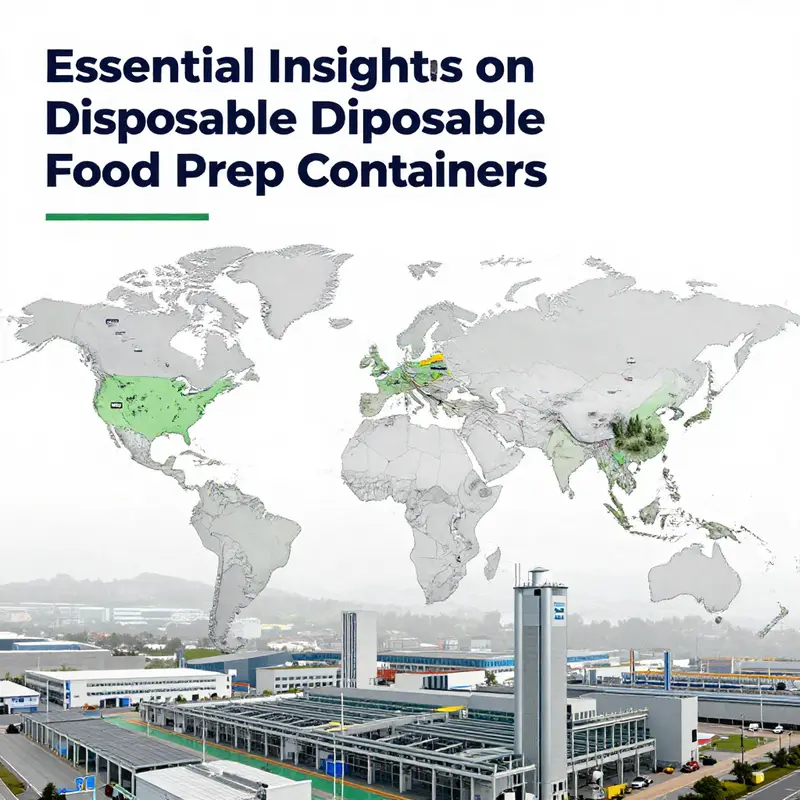
Across borders and batches, packaging decisions shape not only product cost but the consumer experience. The rise of meal kits, online groceries, and corporate catering has elevated disposable containers from a simple line item to a strategic lever in multi-region supply chains. Sourcing today is about aligning materials, manufacturing capabilities, regulatory compliance, and sustainability commitments across a network that spans continents.
At the heart of this system is a manufacturing core rooted in Guangdong Province and the Pearl River Delta, where plastic processing, injection molding, and high-speed lines enable tens of millions of units per month. The materials palette includes polypropylene for heat and microwave tolerance, PET for clarity and lightness, and polystyrene or EPS for cost-sensitive segments. Brands are increasingly testing plant-based bioplastics and paper-based formats like bagasse and PLA-lined laminates to improve end-of-life outcomes while preserving barrier and performance. The region’s tooling networks and packaging converters shorten concept-to-scale cycles and enable rapid pivots between product families.
Glass has a growing niche in Shandong and nearby areas, offering high-borosilicate solutions for oven-safe or premium reuse concepts. Hybrid configurations—such as a durable plastic base with a glass lid—allow brands to balance performance with speed and scale without sacrificing supply chain resilience.
Sustainability and compliance sit at the core of modern sourcing. Buyers expect transparent declarations of material composition and alignment with frameworks such as FDA 21 CFR for plastics and relevant EU restrictions, along with clear heat tolerance and barrier data. End-of-life pathways, compostability, and recycling compatibility increasingly guide supplier selection and brand acceptance. A triad of product compliance, operational capacity, and transaction reliability anchors governance and risk management across regions and currencies.
The logistics landscape rewards co-located lines, mold workshops, and proximate export terminals, with lead times often compressing to two-to-four weeks for standard orders and faster options for pilot runs. Effective sourcing blends design-for-manufacture intelligence, forecast accuracy, and supplier calendar alignment to avoid stockouts and last-minute delays.
Economics go beyond unit prices. Scale lowers per-piece costs through amortized tooling and certification investments, while diversification across regions mitigates shocks such as port congestion or regulatory shifts. A well-structured supplier network couples performance data, audits, and continuous improvement loops with long-run contracts that balance price protection and service levels.
Ultimately, the strongest sourcing programs couple collaboration with data-driven governance. The dominant base remains China (notably Guangdong), complemented by adjacent regions such as Shandong for glass and other centers for specialized materials, enabling a truly multi-material, multi-market strategy. Digital procurement platforms, verified supplier networks, and traceable testing protocols accelerate design iterations without sacrificing QA.
For procurement teams, the playbook is practical: map exact requirements (temperature, barrier, mechanical stresses, end-of-life pathways), shortlist pre-qualified suppliers, and run staged qualification with certification checks, prototypes, and controlled pilots before full-scale production. Consider packaging design as a brand and sustainability signal—distinctive shapes paired with responsibly sourced materials can support premium positioning while preserving safety and performance. The octagonal kraft-paper option is a representative example of packaging that is memorable, recyclable, and compatible with modern distribution.
In sum, global sourcing for disposable food prep containers has matured into an ecosystem that rewards collaboration, data-backed decision making, and responsible stewardship as much as volume. The future favors suppliers who demonstrate compliant capacity, transparent communication, and a track record of continuous improvement across markets. A disciplined, cross-functional approach—bridging procurement, compliance, operations, and sustainability—will enable brands to deliver reliable meals at scale while honoring environmental and social expectations.
Final thoughts
As your food service business navigates the intricate landscape of disposable food prep containers, understanding key materials, features, and sourcing trends will empower you to make informed decisions. By prioritizing safety and sustainability, you can enhance your brand’s reputation while meeting growing consumer expectations. Whether you’re a café owner seeking eco-friendly options or an event planner needing reliable packaging solutions, the insights provided will guide your choices effectively, ensuring your products are both appealing and responsible.