
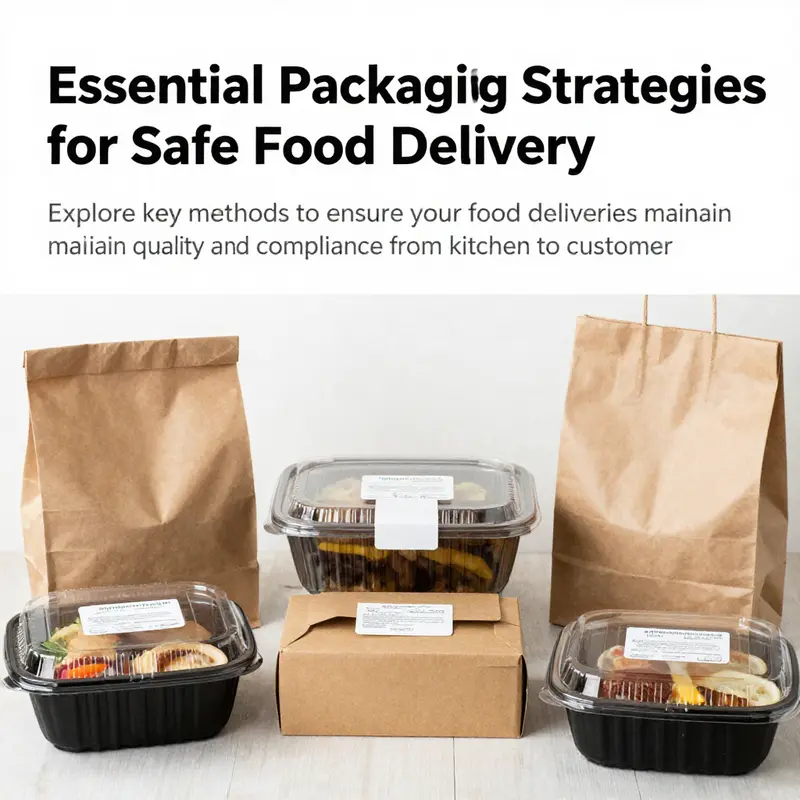
As food delivery continues to rise in popularity, the importance of effective packaging cannot be overstated. Restaurants, bubble tea shops, food trucks, and catering services need to consider several critical aspects when packaging their products for delivery. Ensuring food safety, maintaining freshness, and achieving compliance with regulations are essential for keeping customers satisfied and protecting your brand. In this comprehensive guide, each chapter will delve into unique packaging solutions tailored to specific food types. The first chapter discusses the necessity of temperature-controlled packaging for perishable items, ensuring that delicate foods remain safe and fresh during transit. The second chapter focuses on moisture-proof and crush-resistant packages, which are vital for protecting dry and fragile products. The final chapter highlights sustainability and regulatory compliance, emphasizing how eco-friendly practices can support your business goals while adhering to industry standards.
Choreographing Temperature: The Quiet Engine of Safe, Fresh Delivery Through Smart Packaging
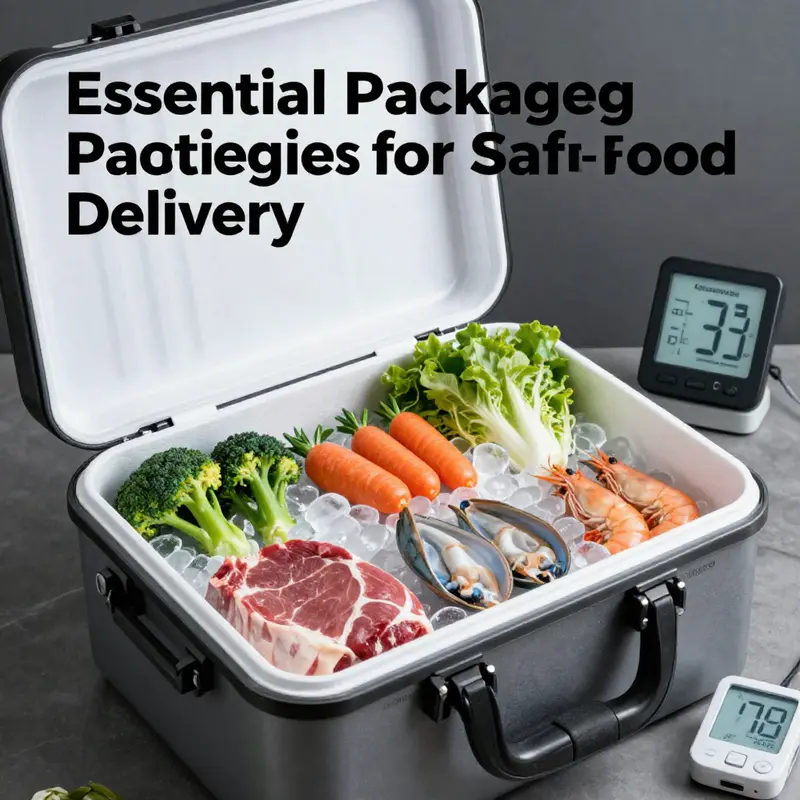
Temperature-controlled packaging is not a luxury in the delivery ecosystem; it is the quiet engine that turns a hopeful order into a reliable, safe, and satisfying consumer experience. When food travels from kitchen to doorstep, it confronts a field of hazards: heat, cold, moisture, vibration, and the unpredictable tempo of transit. The purpose of temperature-controlled packaging is to tame that volatility, preserving both safety and quality from the moment the first packing seal is closed to the moment the container is opened. In practical terms, this means designing a system that keeps perishables within safe boundaries, minimizes the risk of contamination, and ensures that the product arrives in a state that consumers expect. It also means recognizing that packaging must respond to the realities of delivery networks, where routes, weather, and handling all influence the thermal journey. The stakes are high: a single deviation can compromise safety, reduce shelf life, and erode trust. The benefit, when done well, is enduring reliability that reinforces the value proposition of delivery as a service rather than a mere convenience.
The core objective remains simple on paper, complex in practice: maintain the correct temperature range for the food throughout transit. For dairy, meat, seafood, and fresh produce, that usually means a consistent cold chain. For hot meals, it means preserving serving temperatures until the consumer unseals the package. Each category brings its own physics, materials, and operational constraints. The actionable truth is that the packaging system must be engineered to resist heat gain or loss, dampen physical shocks, and protect against humidity intrusion, all while remaining cost-effective and scalable. This balance is the thread that weaves through every decision—material selection, packaging geometry, and the integration of monitoring and logistics data. The aim is not to produce a heavier, more elaborate box, but to deliver a smarter packaging solution that aligns with how food is cooked, packed, transported, and served.
The materials and mechanisms used in temperature-controlled packaging are diverse, and their synergy matters as much as their individual properties. Insulating materials, for instance, slow the transfer of heat. They reduce the rate at which a cold payload warms and a hot payload cools, giving carriers more patience to navigate traffic and weather without compromising safety. Yet insulation alone cannot guarantee safety. It sits beside phase-change materials (PCMs), which can absorb or release latent heat as they change state. PCMs are particularly valuable because they actively moderate temperature fluctuations within a specified band. In some configurations, PCMs work with gel packs or solid coolants to extend the window of safe temperatures without excessive cooling or freezing. Gel packs, which are frozen before shipment, offer a predictable and user-friendly way to maintain chill, while dry ice provides a more aggressive cooling option for items that require temperatures near or below freezing. Each option has trade-offs in safety, regulatory compliance, cost, and environmental impact, and the best solutions often blend several approaches to address the food’s unique profile and the transit envelope.
To see how these components come to life in real-world delivery, consider a typical cold-chain setup for a perishable entrée. A insulated outer container is chosen for its high barrier properties and low thermal conductivity. Inside, a carefully selected PCM is paired with gel packs tuned to the product’s refrigeration requirements, ensuring the core stays near 4°C for as long as needed. If the shipment must endure longer than a standard route allows, a controlled-dissipation design can prevent temperature spikes during layovers or handoffs. In some cases, dry ice becomes the temperature anchor, especially when the product needs to stay frozen or near-freezing for an extended period. The choreography between these components is not merely about keeping food cold; it is about controlling the energy exchange with the environment while maintaining structural integrity and ease of handling. For fragile items, the packaging must also shelter the contents from jostling and vibration—hence the integration of cushioning materials that work in concert with the insulation to mitigate physical damage.
Beyond the cold or heat, the packaging system must manage moisture risk. Dry environments protect against condensation that can promote microbial growth or cause packaging materials to degrade. Yet moisture control is a moving target, influenced by transport humidity, the duration of transit, and how goods are stacked in a vehicle. As such, moisture-proof barriers and proper sealing are essential. Vacuum sealing and moisture-barrier films are often used for dry or semi-dry items to prevent staling and maintain texture. For baked goods and chocolates, rigid outer boxes with foam inserts or bubble wrap help to absorb shocks and reduce breakage, while also providing a buffer against rapid temperature changes that could compromise the product’s integrity. This careful layering maintains not just temperature, but the finish, texture, and aroma that define consumer satisfaction.
A critical design principle in temperature-controlled packaging is the alignment of the packaging strategy with the food’s specific temperature requirements. Not all foods demand the same approach. Refrigerated products typically target about 4°C (39°F) to slow pathogenic growth while preserving sensory attributes. Frozen items require temperatures below -18°C (0°F) to prevent freezer burn and preserve cellular structure. The packaging solution must hold these targets not only during the primary transport leg but also during any handoffs at distribution centers, during last-mile delivery, and during short-term storage at the consumer’s doorstep. Real-time or near-real-time temperature monitoring has emerged as a powerful tool in this regard. Sensors attached to or embedded within packaging can provide continuous visibility into whether the shipment remains within a safe corridor, enabling proactive responses when deviations occur. The value of such monitoring extends beyond compliance: it builds consumer trust by guaranteeing transparency and accountability in the journey from kitchen to table.
To translate these principles into practical outcomes, logistics teams increasingly adopt a layered approach that combines materials science with route optimization and process discipline. High-performance insulation reduces energy exchange, while PCMs act as autonomous temperature regulators. Gel packs are sized to the payload, ensuring even cooling without creating hotspots. Dry ice provides a precise chilling effect where required, with careful attention to regulatory constraints on sublimation and venting. The design must also consider handling instructions and readability. Labels that clearly communicate how to keep the product safe, whether to keep refrigerated, or to avoid stacking, help ensure that every actor in the chain, from couriers to warehouse workers, contributes to maintaining the cold chain. Any misstep can undermine the entire system, so instructions on handling become a shared language across the delivery network.
The practical implementation of temperature-controlled packaging also requires a nuanced appreciation for the realities of delivery networks. Dynamic route planning, real-time traffic data, and dwell times at pickup points all affect how long a shipment sits inside a cooled or heated container. Even with exemplary packaging, delays or improper handoffs can erode the temperature margin. For this reason, the packaging strategy must be integrated with a broader logistics plan that anticipates variability and provides contingencies. In some scenarios, the outer box itself is designed to signal or accommodate those contingencies. For example, modular packaging can allow operators to adjust insulation or cooling capacity mid-transit by swapping in additional gel packs or shifting PCM modules as needed. This flexibility helps to protect the product without requiring a wholesale redesign of the packaging around every route variant.
The importance of monitoring in this ecosystem cannot be overstated. Real-time temperature data complements traditional quality controls by offering continuous assurance. Temperature data can be logged and reviewed post-delivery to verify the product’s thermal history and confirm that safety thresholds were never breached. This data-driven approach supports compliance with safety regulations, traceability requirements, and consumer expectations for transparency. In regulated markets, accurate temperature logs can be critical during audits or investigations into any product that fails to meet safety standards. The integration of sensors, data capture, and alert mechanisms reduces the risk of spoilage and enhances the ability to respond quickly to anomalies. As such, temperature-controlled packaging is not simply a passive container; it is a safety-enabled, information-rich interface between the kitchen, the dispatcher, and the recipient.
Labeling and documentation play a central role in maintaining safety and traceability. Clear handling instructions like “Keep Refrigerated,” “Do Not Stack,” and “Handle with Care” guide couriers to treat the package appropriately. Product information, expiration dates, and origin are essential, particularly for international shipments where customs and import regulations apply. Accurate declarations minimize delays and prevent costly misplacements. A well-documented packaging approach reduces confusion and friction at every leg of the journey, from the moment the food leaves the kitchen to the moment the consumer unpacks it. In a world where regulatory scrutiny grows more stringent, aligning packaging practices with documentation requirements protects both the sender and the recipient. The result is a smoother flow of goods across regional and national boundaries while maintaining the integrity of the product and the trust of consumers.
From a sustainability perspective, the temperature-controlled packaging conversation must also include environmental stewardship. Consumers increasingly expect packaging to be recyclable, biodegradable, or reusable, and regulators are signaling a preference for reduced waste without compromising safety. This creates a paradox: the most effective cold-chain solution in the short term can involve materials or practices with higher environmental footprints if not carefully managed. The challenge is to identify materials that deliver performance without creating disproportionate waste streams. For instance, high-barrier films, while excellent at keeping out moisture and air, must be compatible with recycling streams or designed with compostable or reusable alternatives. Likewise, insulation materials should be chosen with lifecycle impacts in mind, favoring options that can be recovered or repurposed rather than discarded. The pursuit of sustainability thus becomes a design constraint and a market differentiator, shaping choices about packaging architecture, reuse programs, and end-of-life management. In practical terms, this means selecting components that balance performance with recyclability and investing in systems that support return, reuse, or responsible disposal without eroding the cold chain’s effectiveness.
The labeling, documentation, and packaging decisions must also reflect regulatory realities that vary across jurisdictions. Cross-border shipments intensify the need for precise declarations of contents, value, and origin, to facilitate smooth customs clearance and minimize delays. Misrepresentation or incomplete documentation can trigger inspections, fines, or confiscation, as seen in cross-border food deliveries to certain destinations where authorities take import rules seriously. Therefore, packaging engineers and compliance teams work in tandem to ensure that the entire packet—from the outer carton to the innermost inserts—meets both safety standards and legal obligations. This collaboration helps ensure that the packaging system remains robust against regulatory scrutiny while continuing to deliver quality experiences to customers.
Informed by official guidelines such as the Food Delivery Service Specification issued by the appropriate national authority, the field has begun to codify best practices for hygiene, packaging integrity, and traceability throughout the supply chain. These guidelines reinforce the view that temperature-controlled packaging is not an isolated device but a node in a broader system of safety, transparency, and accountability. They encourage manufacturers, distributors, and retailers to adopt standardized approaches to temperature control, monitoring, and documentation, enabling more predictable performance and easier verification across partners. The practical upshot is not simply compliance, but a more resilient delivery ecosystem that can respond to disruptions—whether caused by weather, traffic, or unforeseen spikes in demand—without sacrificing product safety or consumer trust.
To connect the theory with tangible choices, consider the practical design implications of a cold-chain program. A thoughtful selection of insulation helps keep energy use in check while preserving temperature stability. The PCM choice should be matched to the target temperature range and the expected transit duration, with an eye toward the energy envelope of the courier network. Gel packs offer a flexible, scalable solution for many products, but their sizing and placement must be optimized to avoid hotspots or overcooling. Dry ice remains a powerful option for longer journeys or for items requiring sub-freezing conditions, but it demands careful handling, venting, and regulatory awareness to prevent safety hazards in various environments. When combined with robust outer packaging and clear handling labels, the system becomes a reliable shield that preserves quality and safety from kitchen to consumer.
Finally, the journey of temperature-controlled packaging into the broader delivery landscape is about balancing speed, safety, and sustainability. It requires ongoing assessment of performance, not a one-off set of specifications. Companies that invest in testing, monitoring, and data-driven adjustments can fine-tune their packaging systems to reduce waste, improve conditions during peak volumes, and respond to evolving consumer and regulatory expectations. The goal is not to create a perfect system in perpetuity but to foster a culture of continuous improvement, where lessons learned at one delivery lane inform refinements across the network. When readers encounter a hot soup that remains comforting at the door, a chilled dessert that stays pristine, or a ready-to-reheat meal that arrives with the right texture, they experience the outcome of a temperature-controlled packaging strategy that has been thoughtfully designed, carefully executed, and continually improved. It is this integrated approach that elevates packaging from a logistical necessity to a decisive differentiator in the competitive arena of food delivery.
For practitioners looking to translate these ideas into concrete procurement and operations choices, a few practical touchpoints can guide decisions. Start by mapping the transit profile for your most common perishable items—the typical travel time, the number of stops, and the average ambient conditions the shipment might encounter. Use this profile to determine the minimum insulation level, the PCM capacity, and the gel-pack count required to maintain safe temperatures throughout. Build a modular packaging framework that allows adjustments for shorter or longer routes without redesigning the entire container. Pair packaging with a temperature-monitoring plan that offers real-time or near-real-time visibility and a robust incident workflow for deviations. Finally, align the packaging approach with a sustainability strategy that considers material recyclability, end-of-life options, and a plan for minimizing waste while preserving safety.
In this way, temperature-controlled packaging becomes a strategic asset rather than a mere tactical measure. It underpins brand reliability, supports compliance, and enhances the consumer experience by delivering safety, freshness, and consistency at scale. The chapter that follows will further connect these packaging choices to broader considerations in labeling, documentation, and cross-border considerations, but the thread remains clear: the integrity of perishable food in delivery hinges on a well-conceived, well-executed temperature-control strategy that respects safety, efficiency, and responsibility throughout the entire journey.
Internal resource for further reading: For a practical example of take-out packaging components that can integrate with temperature control, see disposable 700ml Kraft paper bowl for take-out, which demonstrates how packaging surfaces and formats can align with insulation strategies and handling guidelines. disposable 700ml Kraft paper bowl for take-out.
External resource: The Complete Guide To Safely Sending Food Through The Mail Tips And Best Practices — https://www.foodsafety.gov/blog/safely-sending-food-through-mail-tips-best-practices
Guardians of Freshness: Designing Moisture-Proof and Crush-Resistant Packaging for Delivery
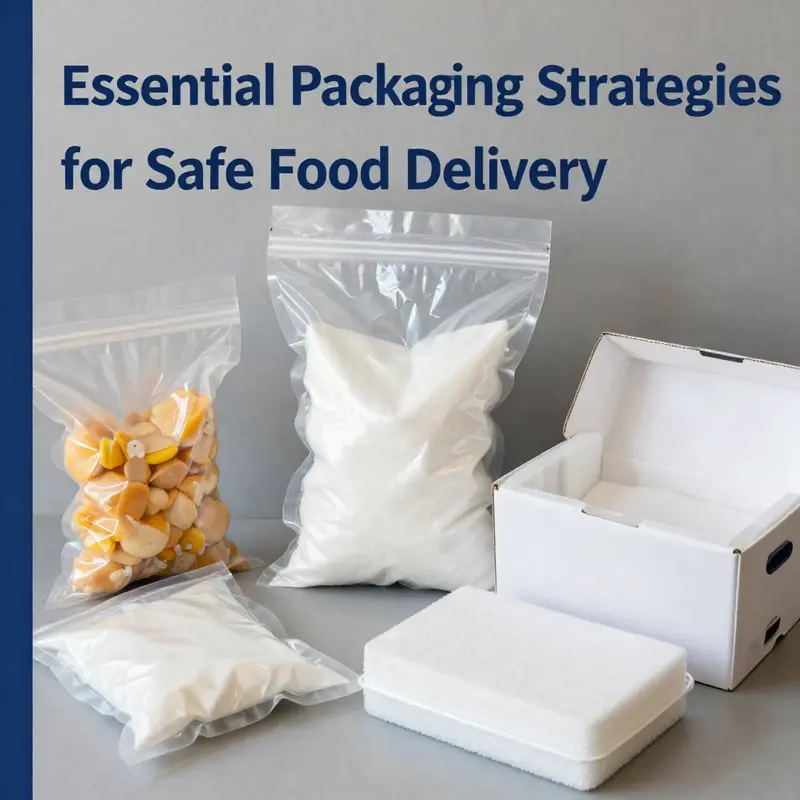
Every link in the delivery chain adds risk to a warm meal or a crisp snack. From cooking to doorstep, moisture and pressure are the two twin forces that most often degrade quality, compromise safety, and inflate costs. The challenge is not merely to wrap food but to engineer a packaging system that acts as a dependable ally in transit. It must seal out humidity, withstand stacking and shifting in warehouses, endure vibration on trucks, and still be landable in a customer’s kitchen with minimal waste. In other words, moisture-proof and crush-resistant packaging is not an afterthought; it is a core capability of a modern food delivery program.
Moisture is a stealth adversary. Food that carries moisture into or out of its packaging loses texture, scent, and appeal. Bakery items can become soft and stale; chips and snacks can lose crunch; moist goods may experience condensation, which invites bloom, odor development, and microbial growth in rare cases. The practical response is to choose barrier materials and sealing strategies that sharply reduce water vapor transmission. Barrier films built around high-density layers, metalized films, or laminated foils provide the backbone of moisture control. In many robust solutions, an outer rigid container shields the inner barrier, while an inner seal prevents leakage and gas exchange that could hasten spoilage. The result is a stack of layers working in harmony to keep moisture at bay across a range of temperatures and transport conditions.
A widely used approach leverages multi-layer structures that combine rigidity with impermeability. An outer carton, often formed from reinforced corrugated board, gives mechanical strength to resist crushing and scuffing when pallets are moved or cargo is re-stacked. Inside, a moisture-barrier layer—such as a laminated film with aluminum foil or metalized film—acts as a moisture shield. The inner surface can be a clear polyolefin or a heat-sealed pouch that reduces direct air contact with the food. The concept is protective but also precise: each layer has a specific job, and their collective performance sustains product integrity over long transit times and in varied climates. For items requiring longer shelf life or exposure to humid environments, the barrier performance grows more sophisticated, with deeper moisture resistance and careful control of headspace gases inside the package.
The real-world application of these principles often hinges on smart material choices and a disciplined design process. For perishable or semi-perishable items, the barrier must withstand not just ambient humidity but the humidity generated by the food itself as it changes temperature. A product that is sealed at one temperature might condense if moved into a warmer environment. That condensation can form droplets on the inside of the packaging, inviting surface wetting, flavor alteration, and microbial risk if the conditions persist. Designers address this by selecting films with low moisture transmission rates, ensuring absorption capacity without swelling, and selecting seals and closures that remain intact under temperature swings. In practice, this means testing under end-to-end conditions: climate-controlled storage, loading and unloading, transit vibro-impacts, and final mile handling. The goal is to engineer a predictable performance envelope where the packaging and the product remain within safe limits from kitchen to consumer.
Crush resistance adds another essential dimension. Food delivery often involves stacking in delivery vehicles, palletized storage, and multi-item loads. Packages that are too soft or under-supported can collapse under weight, crack, or deform, leading to leaking contents or compromised barrier seals. The antidote is a combination of rigid outer shells and protective interior structures. Rigid cartons or boxes constructed from robust cardboard or lightweight plastics provide the primary shield against compression. Inside, cushioning materials—such as foam inserts, air cushions, or a lattice of honeycomb cardboard—absorb shocks and create a standoff that prevents content contact with the outer wall. The geometry matters: a well-designed package distributes forces evenly, avoiding pinpoint pressure points that could pierce the barrier or compress a portion of the contents. This is particularly critical for fragile items like baked goods or crispy snacks, where even minor deformations can ruin texture and presentation.
Integrated design is the art here. The most durable packaging often employs a layered, cohesive system rather than a single material. An outer rigid shell provides harnessed support; a moisture-barrier layer guards against condensation; a inner moisture barrier protects the product from any contact with the inner surfaces; and a cushioning network dampens impacts. This integrated approach can also support sustainability objectives. When it is possible to design the system around fewer, well-chosen materials that are recyclable or reusable, a brand can achieve lower total environmental impact while still meeting performance targets. The aim is to reduce waste and complexity without sacrificing the protective properties that keep food safe and appealing during delivery.
In practice, the choice of materials is guided by the type of product and the expected transit scenario. Dry, crispy items such as crackers, cookies, or dehydrated snacks often require moisture-proof packaging to prevent staling while maintaining structural integrity in stacks. Vacuum sealing or high-barrier film envelopes can be employed to lock out humidity and to maintain freshness during storage and transport. Fragile items demand stiff outer packaging and well-engineered inserts to suppress vibrations and distribute forces. Perishable items, particularly those that are temperature-sensitive, rely on additional features like polyfoam or paper-based cushioning with temperature-control inserts to maintain cold or heat as needed. The synergy of barrier, rigidity, and cushioning becomes the deciding factor in reducing returns due to damage and keeping costs predictable for retailers and consumers alike.
A practical application of these principles can be seen in the way some packaging systems combine an outer protective shell with a moisture barrier layer inside. For instance, a typical high-performance solution may feature an outer box with a robust corrugated board, a middle moisture-barrier film laminated to a rigid inner panel, and an inner sealing layer that creates a sealed environment around the food. This configuration reduces water ingress while preserving a rigid core that resists pressure. The result is a package that can be stacked, shipped, and stored with far less risk of moisture-related quality loss or content damage. In addition, the packaging system can be designed to support efficient warehouse handling, with standardized dimensions that optimize palletization and minimize the chances of crushing during loading and unloading.
The sustainability angle is not merely about choosing recyclable materials; it is about designing for recyclability without compromising performance. Some well-considered designs minimize the use of plastics in favor of paper-based composites that still deliver moisture barriers and cushioning. When plastics are necessary, they can be selected for recyclability and compatibility with existing waste streams. The overarching principle is simplicity through intelligent material selection and integration. This reduces the chance of misalignment between the packaging and the supply chain’s waste management practices, helping to ensure that a package can be processed smoothly at end-of-life.
Beyond materials, labeling and handling instructions play a supporting role in moisture and crush protection. Clear directions—such as “Keep Refrigerated,” “Do Not Stack,” or “Handle with Care”—help ensure the package experiences minimal unnecessary compression or exposure to adverse temperatures. Accurate labeling of contents and storage requirements also guides warehouse staff and couriers to position and manage packages in ways that preserve their protective envelopes. In international shipments, where customs and import rules add another layer of complexity, precise declarations reduce delays and protect the integrity of the transit conditions by avoiding unnecessary handling or repackaging steps.
The path from concept to practice involves rigorous testing. Designers simulate real-world handling, including stacking pressure tests, drop tests, and vibration assessments that mimic the bumpy roads and cabinet-level tremors of urban logistics. Moisture tests subject the packages to controlled humidity and condensation cycles to observe how barriers perform under potential worst-case scenarios. These tests yield actionable data about where a packaging system might fail—whether at the seal, the barrier layer, or the cushioning interface—and guide iterative improvements. The goal is not merely to meet a specification but to create a robust, repeatable performance that lowers waste, protects product quality, and enhances the customer experience.
Even with sophisticated materials and engineering, the human factor remains crucial. Delivery personnel must understand the importance of proper handling. Training that emphasizes the need to avoid stacking beyond safe limits, to store cold items separately when required, and to inspect packaging for signs of damage can prevent quality issues before they reach a consumer. On the consumer end, intuitive packaging design that communicates freshness status, storage directions, and safe handling can reinforce trust and reduce post-delivery waste. The best packaging solutions marry rigorous engineering with thoughtful user experience so that when a box arrives, it feels like a carefully managed extension of the kitchen rather than a throwaway container.
In the broader narrative of food delivery, moisture-proof and crush-resistant packaging is a cornerstone, not a luxury. It is the difference between a shipment that preserves its intended textures and temperatures and one that betrays them in transit. It also intersects with regulatory expectations around food safety and environmental responsibility. Packaging that protects the product supports compliance with hygiene and traceability requirements, while designs that favor recyclability align with growing consumer demand for sustainable solutions. The most successful programs treat packaging as an investment in quality, a safeguard against waste, and a strategic differentiator in a crowded market.
As the field advances, new materials and design methodologies will continue to push the envelope. Researchers and practitioners are exploring multi-layer composites that pair barrier performance with mechanical resilience without adding excessive weight. They are experimenting with recyclable composites and barrier-enhanced papers that offer both moisture control and environmental benefits. They are also refining interface geometries—how inserts, dividers, and cushioning pieces connect with outer shells—to maximize energy absorption while minimizing material usage. The trajectory is clear: more capable, more sustainable, and more cost-effective packaging solutions that maintain product integrity from the kitchen to the customer’s door.
For readers seeking a consolidated reference on the broader standards and best practices that shape these designs, consider exploring industry guidelines and standards that emphasize hygiene, packaging integrity, and traceability throughout the supply chain. External resources that address these topics provide a useful backdrop for evaluating packaging strategies and aligning them with regulatory expectations. ISO 22000, for example, offers a framework for food safety management systems that complements packaging innovations by ensuring that safer packaging practices are part of a broader risk management program. This alignment helps organizations integrate packaging design with overarching food safety goals and supply chain transparency.
Internal reference for further material examples and implementation ideas can be found through example packaging solutions that emphasize moisture resistance and protective structure. For instance, a representative take-out packaging component page demonstrates how a rugged outer shell and an internal barrier can work together to impede moisture ingress while providing reliable stacking stability. See the product page for a practical illustration of the multi-layer approach described here: disposable-700ml kraft paper bowl take out octagonal rectangle paper bowl. This example highlights how a seemingly simple element—a kraft paper bowl with a lid—can be integrated into a broader system designed to resist moisture and crushing in real-world delivery scenarios. It is a glimpse of how packaging designers translate theory into tangible, scalable solutions that align with environmental objectives and consumer expectations.
From a policy perspective, enforcing moisture and crush-resistance requirements across diverse product categories requires a balanced approach. Standards should be precise enough to prevent quality degradation, yet flexible enough to accommodate innovations in materials and design. Compliance programs that combine performance testing, material certification, and end-to-end traceability can provide the confidence needed by manufacturers, distributors, and retailers to invest in more protective packaging without incurring unsustainable costs. In this sense, packaging becomes an operational discipline—a disciplined practice that underwrites food safety, minimizes waste, and preserves the sensory attributes that shape consumer satisfaction.
In summary, moisture-proof and crush-resistant packaging is the backbone of reliable food delivery. It represents a strategic blend of barrier science, mechanical design, and user-focused thinking. By coordinating barrier layers, rigid outer structures, and cushioning networks, practitioners can build packaging systems that endure the rigors of transit while maintaining product quality and safety. The continuous evolution of materials and design methods promises greater resilience, improved sustainability, and lower total cost of ownership for food-delivery operations. As weather patterns shift and logistics networks grow more complex, the importance of this integrated packaging discipline will only rise, underscoring why careful, coordinated design matters so deeply to the food that arrives at our doors.
External resource for deeper standards context: ISO 22000 is a widely recognized framework that complements packaging innovations by embedding packaging safety considerations within a broader food-safety management system. See: https://www.iso.org/iso-22000-food-safety-management.html
Safeguarding Freshness, Meeting Mandates: A Sustainable Path Through Delivery Packaging
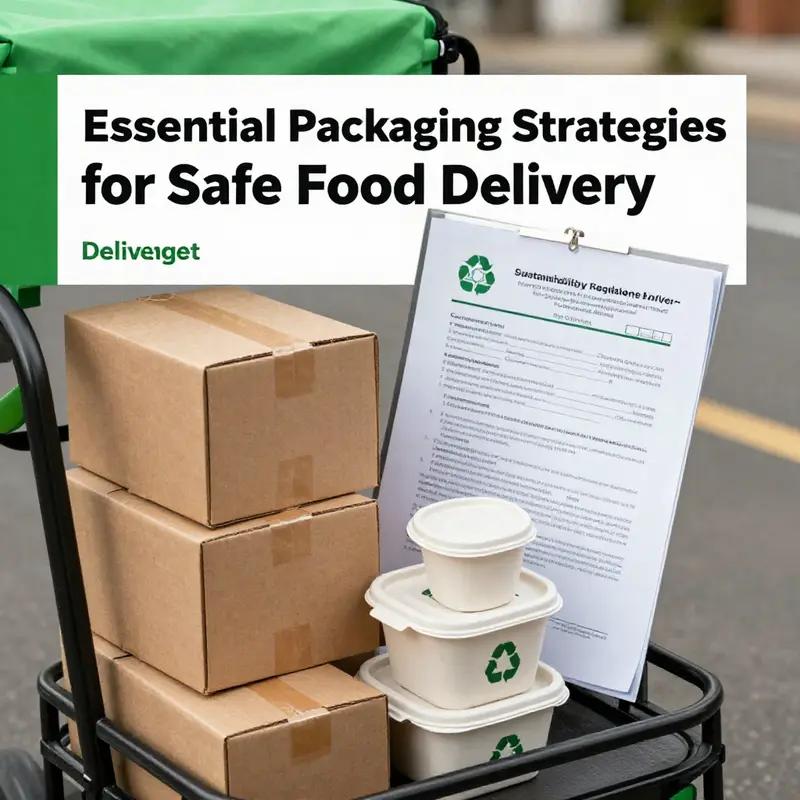
Packaging food for delivery sits at the intersection of safety, sustainability, and regulation, a confluence that is reshaping how brands design, source, and document every package that crosses a loading dock. The goal is simple in appearance—arrive intact, safe, and appealing—yet the path to that goal is intricate. The journey from kitchen to doorstep involves shielding against physical damage, temperature shifts, moisture, and contamination, while also honoring laws, consumer expectations, and the broader obligation to reduce environmental impact. In this chapter we explore how sustainability and regulatory compliance evolve from mere compliance checks into strategic differentiators. When done well, packaging becomes a system that preserves freshness, communicates essential information clearly, and reinforces a brand’s commitment to stewardship without compromising efficiency or cost. The emphasis is not only on what is inside the container, but on how the container itself participates in safety, traceability, and end‑of‑life decisions across the entire delivery ecosystem.
Regulatory landscapes are increasingly intricate and globally variegated, but the throughline is consistent. Governments are tightening rules around material sourcing, packaging integrity, labeling, and end‑of‑life disposal. In some regions, rules extend beyond waste management to require lifecycle assessments that quantify carbon footprints and resource use. The consequence for food suppliers and delivery platforms is not a luxury but a necessity: achieve compliance to maintain market access, to protect consumers, and to preserve brand credibility in a world that scrutinizes every packaging choice. This means that decisions about packaging materials cannot be made in isolation. They must consider how a material behaves in transit, whether it enables or complicates recycling, and how it communicates information that helps handlers and customers make safe, informed choices. When combined with robust traceability, these decisions translate into a delivery system that is not only efficient but trustworthy.
A focal point of contemporary packaging decisions is the shift away from non‑biodegradable plastics toward materials that can be recycled, composted, or reused. The impetus comes from a blend of environmental awareness, public policy, and consumer demand for transparency. The European Union’s move to curb single‑use plastics has accelerated the adoption of plant‑based bioplastics, recycled paperboard, and mushroom‑based alternatives, while many jurisdictions around the world implement or tighten mandates on end‑of‑life options and disclosure. This regulatory push aligns with a broader strategic objective: design packaging that preserves product safety and quality while remaining compatible with circular economy principles. The result is a matrix of choices where the objective is no longer simply to deter moisture or heat damage but to enable users to sort, recycle, or reuse packaging with minimal friction and high confidence.
From a product design perspective, sustainability must be married to functional performance. For perishable foods such as meat, seafood, or fresh produce, temperature‑controlled packaging remains essential. Insulated containers, validated ice packs, or solid dry ice (where permitted) uphold the cold chain and protect against bacterial growth and quality degradation. Yet even within cold chain solutions, there is room for improvement. High‑barrier packaging that minimizes gas exchange can extend shelf life, while lightweight, molded options can reduce transport emissions without compromising barrier properties. For hot meals, heat retention is achieved through insulated bags and reflective, low‑loss materials that keep food safe and appetizing without requiring excessive energy or bulky packaging. The aim is to strike a balance: sturdy enough to withstand handling, light enough to reduce transportation emissions, and designed to be compatible with end‑of‑life options available in the customer’s region.
Dry or solid foods introduce a different set of design priorities. Snacks, baked goods, and dried ingredients demand moisture control, crush resistance, and tamper‑evidence without overburdening the supply chain with excessive packaging weight. Vacuum sealing or airtight bags help maintain freshness and protect against contamination, but they must also be compatible with recycling streams. For fragile items such as chocolate or pastries, rigid outer boxes with cushioning materials—the kind of thoughtfulness that prevents breakage during multiple carrier handoffs—becomes essential. In all cases, packaging must carry clear handling instructions to guide delivery personnel and customers alike. Even simple indicators such as keep refrigerated, do not stack, or handle with care can prevent mishaps that compromise safety or quality. Labels should include product name, expiration date, and origin, especially for cross‑border shipments where customs and import regulations add another layer of complexity.
The cross‑border element highlights how regulatory compliance and sustainability intersect in the most challenging contexts. When products cross national borders, misdeclaration or insufficient documentation can trigger delays, fines, or confiscation. The broader lesson is that accurate declaration of contents, value, and origin is not merely bureaucratic. It is a critical enabler of smooth customs clearance and a signal of a brand’s commitment to integrity. As cross‑border deliveries to regions with stringent import controls show, misrepresentations can derail even well‑timed shipments and erode consumer trust. To avoid these pitfalls, many operators invest in standardized, machine‑readable documentation and adopt packaging that clearly communicates contents without increasing the risk of misinterpretation or non‑compliance. In practice, this means harmonizing labeling with regional requirements, maintaining accurate records of suppliers and materials, and integrating packaging traceability into the broader supply chain system. The payoff is not only compliance but resilience: a route that remains predictable even when regulatory moods shift or new policies come into effect.
Suppliers and manufacturers are responding to these pressures with innovative materials that demonstrate performance while reducing environmental footprints. Plant‑based bioplastics, such as polylactic acid derived from corn, are among the most visible shifts, offering a path toward compostability under appropriate conditions. Recycled paperboard reduces the demand for virgin fibers and, when combined with clear labeling, helps consumers sort packaging correctly at the end of its life. Mushroom‑based packaging, a newer frontier, promises cushioning and barrier properties with a potentially lower environmental impact. At the same time, transparent rigid containers made from PET or PP remain popular in bakery and coffee channels because they support product visibility and reuse programs, provided that end‑of‑life strategies align with local recycling streams. The objective is to safeguard product integrity while enabling a viable, scalable path to recovery and reuse. This is not a single‑material race; it is a system improvement—one that benefits from lifecycle thinking, supplier diligence, and clear consumer communication.
Strategic integration of sustainability into packaging requires more than material substitution. It demands a holistic approach that evaluates the entire lifecycle of the packaging—from production and transportation to use, disposal, and potential reuse. Full lifecycle assessments quantify environmental impacts, including energy use, water consumption, emissions, and waste generation. These assessments inform supplier vetting and help brands choose materials that meet sustainability standards without compromising safety or incurring prohibitive costs. Clear labeling about recyclability and compostability empowers consumers and waste handlers to act correctly, closing the loop in the lifecycle and reinforcing the credibility of sustainability claims. Adherence to evolving global standards then becomes a dynamic capability: a brand can anticipate regulatory changes, adjust sourcing strategies, and maintain compliance while continuing to offer compelling packaging experiences. The result is a packaging program that aligns operational realities with environmental responsibilities and brand promises.
Operational realities in delivery systems also drive sustainability. A well‑designed packaging strategy minimizes waste by enabling reuse or return programs, supporting deduced packaging footprints through optimized sizes, and choosing materials compatible with widely accepted recycling processes. It also considers how packaging interacts with routing, vehicle load optimization, and temperature control. Temperature‑controlled packaging is not only about keeping things cold or hot; it is about integrating insulation, phase change materials, and packaging geometry that reduce energy consumption in transit. This can translate into tangible benefits: lighter boxes that still provide adequate protection, fewer cartons per shipment, and more reliable performance across seasons and geographies. In practice, this means close coordination with logistics teams to verify that the chosen packaging works across different climates, with different carriers, and in multi‑stop delivery scenarios. It means testing under realistic conditions to validate barrier properties, thermal performance, and mechanical durability. It also means being mindful of the real world: how drivers handle packages, how warehouses stack pallets, and how last‑mile networks influence exposure to heat, cold, moisture, and rough handling.
In this evolving landscape, the role of the packaging designer becomes increasingly strategic. Beyond ensuring product safety, designers now shape the consumer experience and the brand narrative around sustainability. Design decisions influence not just how well a product travels, but how readily the packaging can be recycled or repurposed by end users. Materials are chosen with an eye toward compatibility with local waste streams and consumer capabilities, while also considering cost and supply risk. This requires a delicate balance: the need for barrier properties and mechanical strength cannot be achieved at the expense of recyclability or the feasibility of reuse programs. The most successful packaging solutions are those that blend performance with accessibility, enabling households to participate in responsible waste management without the friction that often accompanies complex, multi‑layer, or proprietary packaging formats.
A practical thread running through these considerations is the emphasis on clear, actionable guidance for those who handle and receive these packages. Handling instructions, when implemented consistently, reduce the likelihood of damage and spoilage during transit. Labels should clearly communicate the product name, expiration date, and origin, with additional data where required for regulatory compliance. For international shipments, accurate declarations about contents and value are essential, and systems should be in place to trace the packaging materials back to their sources in case a claim or audit arises. In doing so, a delivery program preserves not only the product but also the integrity of regulatory disclosures, which can have reputational implications. For businesses seeking practical pathways to sustainability, a phased approach often works best: begin with material substitutions that improve recyclability, expand to lifecycle thinking that informs supplier selection and design, and layer in robust labeling and traceability to support compliance across markets. The cumulative effect is a resilient, responsible packaging framework that supports safe delivery while advancing environmental stewardship.
One tangible example of how sustainability considerations intersect with supplier ecosystems is the availability of eco‑friendly, recyclable packaging options that maintain performance at scale. A representative option is a recyclable pulp take‑away cup holder designed to support both heat resistance and easy disposal. Such options illustrate how clean, simple design choices can reduce overall environmental impact without sacrificing usability or protection. Incorporating these materials into a delivery program requires coordination with procurement, production, and logistics to ensure compatibility with existing workflows, cost targets, and waste management infrastructure. When brands partner with suppliers that emphasize sustainable materials and transparent labeling, they gain a strategic advantage: a packaging stack that is easier to sort, cleaner to recycle, and more aligned with consumer expectations for responsible consumption. Moreover, this alignment can support marketing and communications efforts that highlight a brand’s commitment to sustainability without triggering unnecessary cost or complexity for customers and handlers. For readers who want to explore practical purchasing options, a relevant example is available through a supplier page that showcases eco‑friendly, recyclable pulp take‑away options. eco-friendly-recyclable-pulp-2-4-cups-coffee-take-away-cup-holder.
Yet material innovation alone does not guarantee success. It must be paired with rigorous supplier vetting processes, clear communication about end‑of‑life options, and transparent reporting on environmental performance. A robust supplier assessment considers not only the material’s technical properties but also its provenance, manufacturing energy intensity, and potential for responsibly sourced inputs. This extends to supply chain transparency, where traceability of packaging materials—from raw inputs to finished goods—supports both regulatory compliance and consumer confidence. The lifecycle perspective thus informs procurement decisions, ensuring that suppliers share a commitment to sustainability that extends beyond a single product. When a brand can demonstrate cradle‑to‑grave accountability, it reduces risk across the chain and strengthens its credibility with retailers, regulators, and customers alike.
The packaging industry is not static, and neither are the standards that govern it. In the context of China’s regulatory environment, for example, specific guidelines emphasize hygiene, packaging integrity, and traceability across the supply chain. The formal guidance outlines expectations that packaging must protect product safety during transit, be traceable to source materials, and support efficient clearance in any cross‑border contexts. While the details of these standards differ from region to region, the underlying discipline is universal: packaging should enable safe delivery while facilitating oversight and accountability throughout the lifecycle. For practitioners, the takeaway is clear. Build a packaging program that is adaptable, measurable, and communicative. Invest in materials and systems that support waste reduction without compromising safety. Invest in labeling, documentation, and data capture that simplify compliance and improve transparency for every stakeholder in the delivery ecosystem. The result is a delivery packaging program that not only protects the product but also elevates the standards by which the industry operates.
Looking forward, the future of delivery packaging lies in balancing functions, cost, and ecological responsibility. The challenges of global supply chains, evolving regulatory expectations, and shifting consumer attitudes demand a proactive, integrated approach. Brands that treat packaging as a strategic asset—one that integrates material science, lifecycle thinking, regulatory compliance, and consumer communication—will be better positioned to innovate with confidence and compete more effectively. The path includes embracing recycling programs, embracing reusable packaging pilots where feasible, and designing for repair, return, or repurposing where the business case supports it. It also means nurturing partnerships with suppliers who share a commitment to sustainability and accountability, and investing in data systems that track performance across the lifecycle. In doing so, delivery packaging becomes more than a protective wrapper; it becomes a platform for responsible consumption, a driver of operational resilience, and a tangible expression of a brand’s values.
In the end, the core objective remains clear: ensure products reach customers safely, while upholding rigorous safety standards and honoring the planet. The intersection of sustainability and regulatory compliance is where operational excellence meets ethical stewardship. The packaging decisions made today ripple through the delivery network, influencing not just the fate of a single shipment but the broader trajectory of how food travels from kitchen to table in a world that increasingly demands safety, transparency, and responsibility. By embracing lifecycle thinking, rigorous compliance, and pragmatic material choices, businesses can deliver more than meals; they can deliver trust, value, and a healthier relationship with the environment.
External resource for further reading: https://www.mdpi.com/2073-4395/14/4/678
Final thoughts
The significance of effective packaging in food delivery cannot be ignored. From maintaining the appropriate temperature for perishables to ensuring that dry items remain unscathed, each aspect plays a crucial role in customer satisfaction and brand reputation. Moreover, adopting sustainable practices not only aligns with consumer expectations but also ensures compliance with regulations. By integrating these three core packaging strategies, your food business can enhance its delivery experience while contributing positively to environmental efforts. Remember, careful selection and implementation of packaging solutions are vital in ensuring your culinary creations reach customers in the best condition possible.