
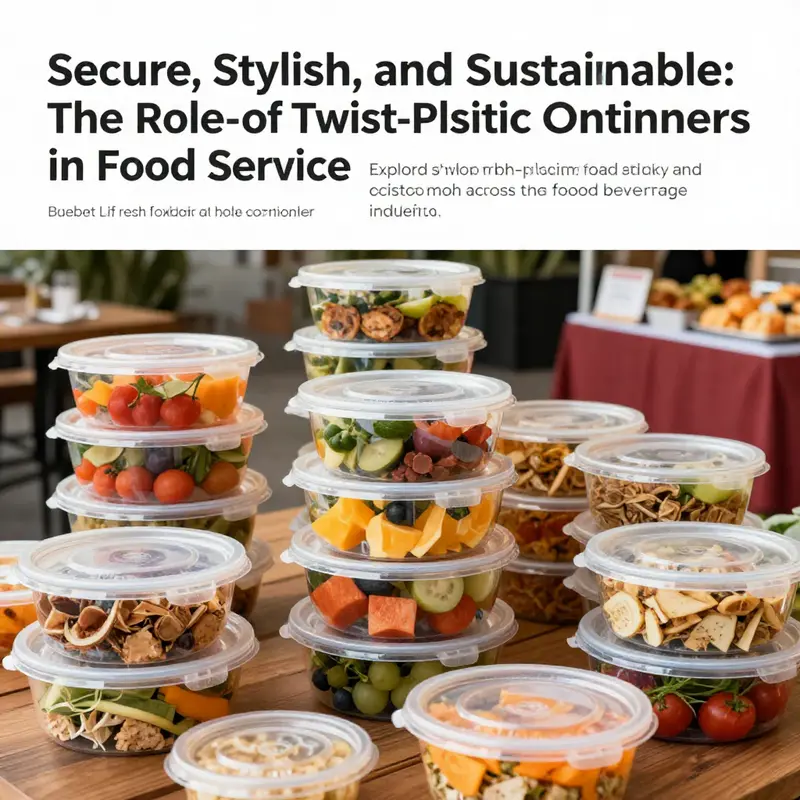
Plastic food containers with twist lids have emerged as a staple across various sectors, including bubble tea shops, restaurants, food trucks, and catering services. Their airtight seal and convenient design ensure food safety and freshness, making them ideal for a fast-paced environment. This article delves into the nitty-gritty of material analysis, various applications in the food industry, and the environmental challenges associated with plastic use. Each chapter intimately ties back to the overall relevance and practicality of these containers, helping businesses make informed decisions that dominate the marketplace while being mindful of the ecological impact.
Material Alchemy Behind Twist-Lid Containers: Performance, Safety, and Sustainability in Polymer Choices
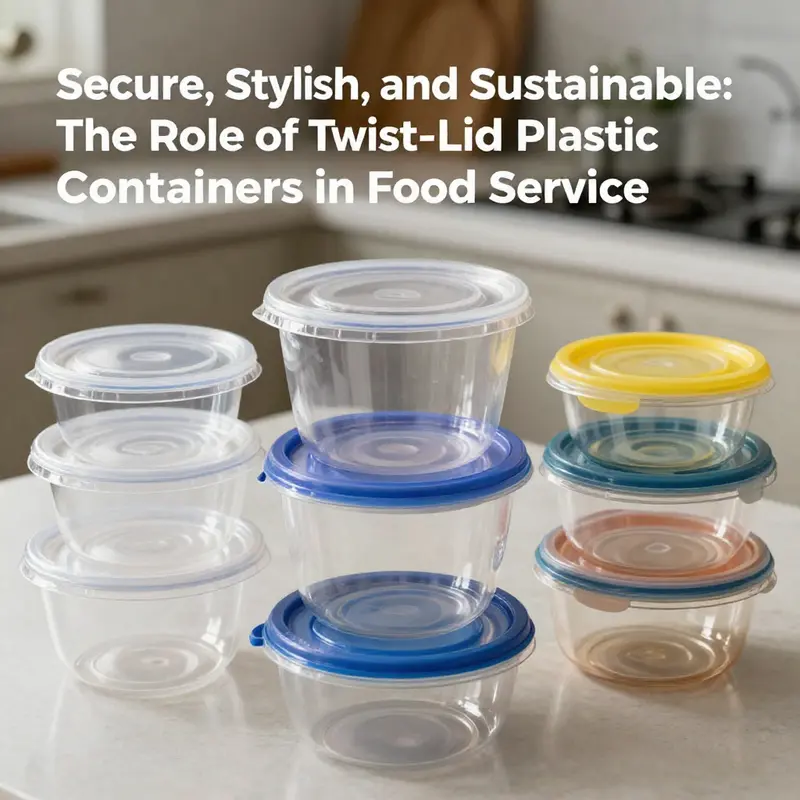
The twist lid is more than a simple closure; it is the final act in a carefully choreographed material story. In the everyday ritual of opening and resealing a container, a web of material science, processing methods, and design decisions converges to deliver a seal that is at once secure, convenient, and safe for food contact. When readers think about plastic food containers with twist lids, they often picture the lid snapping shut with a reassuring click and the contents staying fresh through weeks of meal prep or months of freezer storage. What lies beneath this practical certainty is a spectrum of polymers, each chosen for a precise balance of properties. The choice of material influences not only how well the lid grips the vessel’s threads, but also how the container behaves under heat, how it resists odors and stains, how it endures repeated cycles of freezing and thawing, and how the package finally returns to the recycling stream. In turn, this material logic informs every consumer experience, from whether reheating in a microwave is permissible to whether the packaging remains visually appealing after multiple uses. The decision matrix, though hidden from view, is central to the container’s usefulness and longevity.
Among the most common materials used for twist-lid, reusable food containers is polypropylene, or PP. PP occupies a sweet spot in the polymer universe: it is light yet sturdy, flexible enough to resist cracking when dropped yet rigid enough to support stable stacking, and it maintains performance across several temperature regimes. For containers designed for daily use—meal-prep boxes, lunch portions, and containers intended for freezer storage—PP’s compatibility with repeated thermal cycling is a critical advantage. The material’s heat resistance makes it suitable for brief microwave reheating and dishwasher cycles, provided the design keeps the lid and base within the safe temperature window. In practice, this means that a twist-lid container built from PP can be opened, heated for a short interval, and resealed without a material response that compromises the seal or introduces safety concerns. A key health-related virtue attributed to many PP products is their BPA-free status, which helps reassure consumers who worry about potential chemical migration.
The chemical resistance of PP also plays a pivotal role in preserving both the flavor and the integrity of stored foods. PP resists staining and odor absorption more effectively than many other polymers, a factor that helps maintain a container’s clean, fresh appearance over repeated uses. This is particularly important for households that store tomato-based sauces, curry oils, or other aromatic foods where odors can cling to packaging and transfer to future contents. The low likelihood of odor retention in PP improves user experience by reducing the need for aggressive cleaning between uses. Yet the very properties that make PP versatile also constrain its application envelope. While PP tolerates cold and moderate heat well, it does not offer the same degree of rigidity and impact resistance as some thicker HDPE or PC variants. For some designs, especially where the lid must withstand repeated torque during opening and closing, an insufficiently rigid lid thread can wear prematurely, creating a loose seal that lets air seep in and compromise freshness. In practice, engineers compensate for this by tuning wall thickness, thread geometry, and the lid’s sealing interface to align PP’s properties with real-world use patterns.
HDPE, or high-density polyethylene, brings a different set of strengths to twist-lid packaging. Known for its rigidity and exceptional chemical resistance, HDPE provides a robust barrier against moisture transfer and gas permeation. This makes HDPE an excellent choice for containers intended to keep the contents fresh over long periods or through temperature fluctuations. For dairy or liquid products, HDPE’s barrier properties help reduce leakage and preserve product quality. In the vocabulary of packaging sustainability, HDPE is frequently highlighted for its recyclability, commonly carrying a recycling code that signals its compatibility with established recycling streams. The resilience of HDPE under mechanical stress and its resistance to impact are assets when containers are subjected to rough handling during transit or in busy kitchen environments.
However, HDPE carries its own caveats. Its higher rigidity compared with PP means that lid threading must be carefully engineered to prevent wear over time. If the thread geometry is not well-matched to the material’s creep and deformation characteristics, repeated twisting can produce micro-slips or galling that weakens the seal. Additionally, HDPE’s heat resistance, while robust, does not always extend to sustained high-temperature exposures found in certain sterilization or cleaning cycles. In practical terms, this sometimes limits the suitability of HDPE for microwave reheating, depending on lid design and the presence of any decorative or adhesive layers that may not tolerate heat as well as PP. Yet these limitations do not overshadow the fact that HDPE’s stiffness and barrier performance make it a reliable option for containers that must hold liquids securely and resist deformation from external pressure, such as when stacking or during freezing.
Next comes LDPE, or low-density polyethylene, a material prized for its softness and flexibility. This combination of properties makes LDPE ideal for squeezable containers, flexible interior linings, and certain lid seals where a gentle, forgiving closure is advantageous. LDPE’s ductility helps absorb minor misalignments between the lid and the bottle neck, allowing a more forgiving user experience when the twists become a little hand-tight rather than perfectly aligned. For oils and fatty substances, LDPE can offer satisfactory performance in the short to medium term, though its barrier properties generally lag behind those of HDPE and PP for long-term storage. In twist-lid configurations, LDPE can enable smoother torque transfer and reduce the likelihood of cracking in the lid or base under repeated use. Its relatively low stiffness means that designers must account for long-term creep and potential deformation of the sealing interface, ensuring that the seal remains robust over the expected lifetime of the container.
Polycarbonate, or PC, represents a higher-performance tier in the material hierarchy. PC is celebrated for its exceptional clarity and impact resistance, which makes it a preferred choice for premium or retail-ready packaging where clear visibility of the contents is a selling point. In twist-lid designs, PC’s rigidity and dimensional stability enable precise threading and stable sealing, even after multiple cycles of opening and closing. The aesthetic appeal of PC—its glass-like transparency—contributes to consumer perception of quality and freshness, a factor that can be crucial for desserts, layered parfaits, or showcase packaging in retail displays. Yet PC’s advantages have to be weighed against health-value considerations. Historical concerns about BPA exposure have brought scrutiny to PC-based food containers, prompting the development and adoption of BPA-free PC variants or alternative materials in many markets. When BPA-free PC is used, the material’s performance remains strong, but each formulation needs rigorous verification to confirm long-term safety under repeated heat and cleaning cycles.
Designing a twist-lid container around a chosen material is not a matter of picking one polymer and calling it a day. The interface between the lid and the container is where material science meets mechanical engineering. Thread geometry, lid geometry, and the sealing mechanism all interact with the polymer’s creep behavior, surface energy, and wear resistance. A translucent PP lid might be paired with a rigid HDPE body to achieve both a tight seal and a light, finger-friendly twist. A PC lid can take advantage of its stiffness to maintain precise alignment even after years of use, while a PP body can tolerate heat exposure during reheating without warping. Each combination aims to minimize air ingress, maintain moisture barriers, and ensure that the container remains convenient to use across a spectrum of environments—from a busy kitchen drawer to a commercial kitchen’s prep station. In practice, this means that the material choice is never a stand-alone decision. It is part of a holistic approach that considers how the container will be cleaned, how it will be stored, how it will be transported, and how it will be recycled when its life ends.
From a safety and regulatory perspective, the material framework is more than just a list of properties. It is a commitment to food contact compliance, a gatekeeper of consumer trust. Most PP-based containers marketed for direct food contact emphasize BPA-free formulations. For PC, the narrative often shifts toward the availability of BPA-free variants and careful testing to ensure migration levels remain beneath regulatory thresholds. HDPE and LDPE containers are typically promoted for strong chemical resistance and food safety compliance, with attention to surface quality, odor resistance, and the potential for permeation of certain substances over extended storage periods. These concerns are not merely theoretical. They translate into practical decision points about how containers should be cleaned, how many times they can be reused, and how they should be disposed of or recycled. In settings where commercial kitchens rely on high-volume, multi-use packaging, the stability of the material across cycles becomes a determinant of overall hygiene, cost-per-use, and environmental footprint.
In addition to the material properties and regulatory considerations, the lifecycle of twist-lid containers highlights a divergent path toward sustainability. Recyclability figures prominently in the material narrative. HDPE, with its high recyclability, often functions as a bridge material, enabling durable reuse while still aligning with recycling streams. PP, too, is generally accepted in many recycling systems, albeit with varying processing requirements that depend on local facilities and end-use markets. LDPE, while recyclable in many regions, tends to be more challenging due to its high flexibility and lower stiffness, which can complicate downstream sorting and processing in some facilities. PC is more polarizing; while its durability is attractive, its end-of-life processing is often more complex, especially in markets where BPA-free variants still require special handling or where the glass-like clarity of PC is offset by concerns about recyclability. The overarching narrative is not simply about material performance in isolation, but about how each material contributes to a container’s durability, reuse potential, and ultimate fate in a world increasingly oriented toward circular economy principles. In this context, the twist-lid design becomes a practical litmus test for sustainability: can the chosen material survive repeated use, retain its seal integrity, and still participate effectively in recycling streams after the container reaches the end of its useful life?
When we compare the different materials along the axes of performance, safety, and sustainability, a nuanced picture emerges. PP frequently emerges as the most versatile all-around choice for consumer-focused, reusable twist-lid containers. Its combination of heat resistance, chemical resistance, and relative affordability makes it well suited to everyday meal-prep and portable storage. HDPE’s rigid, protective qualities suit it for storage of liquids and highly perishable contents, often with an emphasis on durability and barrier performance in freezer environments. LDPE’s flexibility provides an edge for squeezeable or soft-sided containers, offering benefits in terms of impact resistance and user-friendly sealing. PC’s transparency and structural integrity give it an edge in premium packaging where visibility is valued and reuse cycles are expected to be significant, provided concerns about migration are addressed through BPA-free formulations. Yet the ultimate choice is seldom black-and-white. It is guided by anticipated use patterns, cleaning regimes, regulatory requirements, and the recycling infrastructure available in a given region. The material analysis thus serves as a compass for designers and decision-makers, helping them align product attributes with consumer expectations while steering packaging toward safer and more sustainable outcomes.
The broader purpose of this material-focused lens is to illuminate how a seemingly simple feature—the twist lid—depends on a sophisticated collaboration of chemistry, physics, and engineering. The lid’s threads must engage with a substrate that will endure repeated mechanical action, thermal cycling, and occasionally aggressive cleaning. The sealing surface must resist air and moisture infiltration without sacrificing user convenience. The container must communicate safety and quality through its behavior, not just its appearance. And across the product’s life—from manufacture to consumer use to end-of-life processing—the material choice must support a responsible ecological footprint. In an era where food safety standards are becoming more stringent and consumer expectations for sustainability rise in tandem, manufacturers are increasingly attentive to how pure material properties translate into real-world outcomes. The twist lid becomes, then, a tangible embodiment of how sophisticated polymer science translates into everyday reliability. The consumer does not need to know the exact chain structure of polypropylene or the nuances of melt flow indices to benefit from it; yet behind the apparent simplicity lies a robust framework of research, testing, and standards that ensures the containers perform as promised under diverse conditions.
To round out this material-centric view, it is helpful to acknowledge the role of standards and testing in validating what seems intuitively right. Industry guidelines and regulatory frameworks guide manufacturers in qualifying materials for food contact and in evaluating performance across use-case scenarios. These standards cover aspects from chemical resistance and thermal stability to migration limits and recyclability criteria. The rigorous testing protocols ensure that when a twist lid is twisted closed, the interlock remains tight even after repeated heating, washing, and stacking. The standardization process thus reduces uncertainty for designers, suppliers, and consumers alike. It also supports a shared language across supply chains, enabling clear communication about material behavior, compatibility with foods, and environmental considerations. Consumers benefit from this rigor through products that consistently meet safety expectations and deliver predictable performance over time.
Looking forward, the material analysis of twist-lid containers suggests directions for innovation that could further empower sustainability without compromising ease of use. Developments might include advances in polymer blends that combine the best attributes of PP’s heat resistance with HDPE’s barrier properties, or the refinement of PC formulations to minimize any migration concerns while preserving clarity and strength. Surface engineering and seal technology continue to be fertile ground for improvements that reduce wear on threads and extend the usable life of both lids and containers. The ongoing refinement of recycling technologies and collection systems will also influence how aggressively the industry can push for designs that maximize reuse and minimize waste. In practice, manufacturers will increasingly consider not only the immediate performance of a container but its end-of-life scenario, seeking to harmonize product design with circular economy principles. Such an approach requires collaboration across materials science, packaging engineering, regulatory science, and waste management—an intersection where the humble twist lid becomes a gateway to more sustainable packaging futures.
In sum, the material analysis of plastic food containers with twist lids reveals a nuanced ecosystem where polymer choice, processing methods, design geometry, and lifecycle considerations converge. PP, HDPE, LDPE, and PC each bring distinct advantages that translate into practical benefits for households and industries alike. The right material choice enables a secure seal, reliable performance under a wide range of conditions, and a meaningful contribution to safety and sustainability goals. The twist lid, once opened, reveals a small but telling narrative about how modern packaging integrates chemistry, engineering, and consumer care. As the field evolves, the challenge remains: to keep the seal tight, the food safe, the container easy to clean and reuse, and the packaging waste minimized—without asking consumers to compromise on convenience or reliability. The journey from polymer’s molecular structure to a user’s everyday experience with a twist-lid container is a reminder that packaging is, at its core, an applied science designed to support nourishment, trust, and responsible consumption.
External resource: For a detailed overview of standards and testing related to plastic packaging materials, see ASTM International’s standards on plastic packaging materials: https://www.astm.org/Standards/F2547.htm
Twist-Lid Versatility: How Plastic Food Containers Shape Efficiency Across Industries
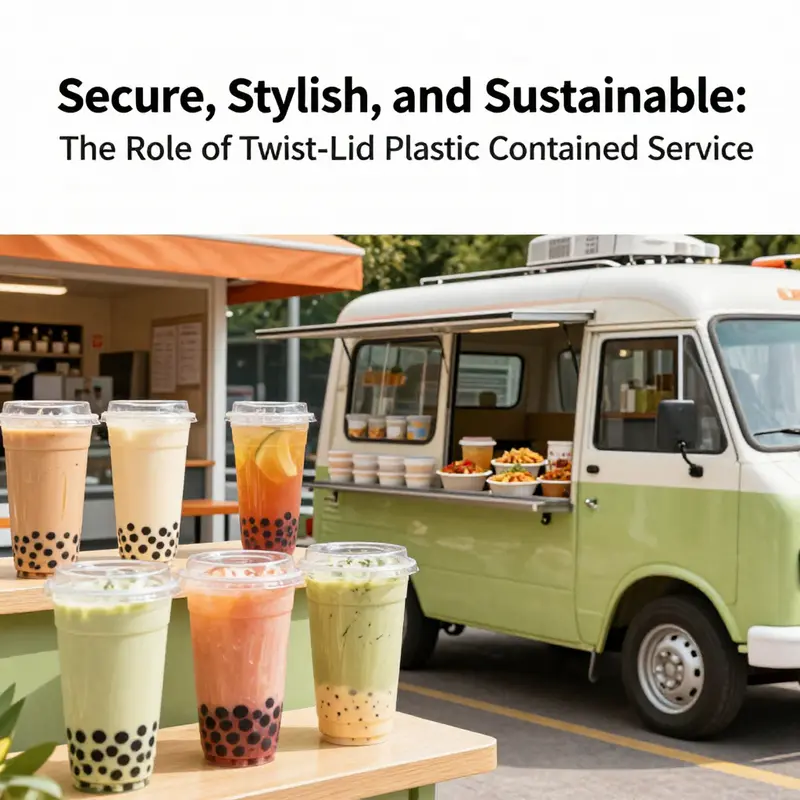
The twist lid is more than a simple closure; it is a design decision that governs how products move, store, and deliver value across a spectrum of industries. When a container seals with a turn of the wrist, it locks in not only contents but also time, temperature, and trust. The enduring utility of plastic food containers with twist lids rests on a trio of core capabilities: a reliable seal, compatibility with diverse storage environments, and the adaptability to scale from a kitchen shelf to a multinational logistics network. At the heart of these capabilities are the materials and engineering choices that give twist lids their edge. Polypropylene, with its chemical resistance, rigidity when needed, and respectable performance at low temperatures, is a mainstay for reusable containers. It resists cracking when frozen and holds its shape under the pressures of everyday use. Low-density polyethylene offers a softer, more flexible alternative that can absorb impact without immediate failure, making it well suited for squeezeable or highly flexible designs while still preserving a sanitary barrier against moisture and air. For heavier-duty applications and environments where liquids or aggressive contents demand extra resilience, high-impact polystyrene and opaque, high-strength plastics provide the durability and resistance that industrial settings require. Across this spectrum, a key ethical and practical anchor remains: many twist-lid containers are BPA-free, a feature that aligns with growing consumer expectations for safe food contact materials while preserving the performance and longevity of the packaging itself. The functional story of twist lids is thus a story of compatibility—compatibility with cold stacks in a warehouse, with microwaves in a bustling kitchen, with freezers in a distribution center, and with brand promises that rely on consistency and trust. The twist lid’s ability to form an airtight or near-airtight seal is central here. It prevents air and moisture from entering, which slows the onset of freezer burn, reduces oxidation, and minimizes the rapid growth of spoilage-inducing microbes. In practical terms, this means a single container can transition from home fridge to office break room to a refrigerated warehouse with minimal risk to the product. The real-world implications of this capability ripple through operations, enabling more predictable inventory, less waste, and smoother handoffs in multi-step supply chains. The design is also engineered with hygiene in mind. A screw-on or twist-top lid minimizes the opportunities for cross-contamination during handling, packaging, transport, and stacking. Tamper-evident features, where present, add a layer of safety for transport and distribution, reinforcing consumer confidence in data that is often hard to observe until the moment of use. The interplay between lid design and container material also informs how these products behave under the kinds of stress they encounter outside controlled lab environments. In cold storage, for instance, the chosen plastic resists embrittlement and maintains a tight seal even as temperatures swing toward the extremes. In humid or heat-intensive settings, the materials resist deformation and preserve closure integrity, reducing the likelihood of leaks or contamination. This resilience matters not only to the consumer who opens a container at home, but to caterers who transport dozens, even hundreds, of portions daily, to manufacturers who pre-pack meals for schools or theaters, and to logisticians who manage pallets stacked high in insulated trailers and cold rooms. A twist lid’s value proposition thus expands beyond preservation. It intersects with operational efficiency, branding, and sustainability. For professionals in catering and food service, the ability to batch and portion ingredients, sauces, spices, and condiments into uniform, leak-proof jars and tubs means faster service, less misdosed product, and cleaner workstations. The lid’s secure closure reduces accidental spills during pick-up and delivery, a practical advantage when containers are moved across kitchens, catering trucks, and event venues. In retail packaging and the broad consumer goods ecosystem, twist lids enable branded, portion-controlled packaging that travels well on automated lines. Multi-compartment designs—where present—may incorporate nested or adjacent lids that preserve separate ingredients while still fitting into a single, space-efficient footprint. For the retailer, these configurations can streamline shelf presentation, support efficient inventory management, and facilitate stacking without compromising closure integrity. The consumer experience hinges on predictable usability: a lid that threads smoothly, aligns with minimal effort, and returns to closed with consistent torque. This tactile reliability conveys a sense of quality and safety, reinforcing consumer trust the moment a shopper reaches for a product on a crowded shelf. In logistics and warehousing, the twist lid’s advantages extend into transport efficiency and cold-chain reliability. Containers designed for cold storage are typically lighter yet sturdy, enabling easier handling and reduced shipping weight without sacrificing performance. Pressure-equalizing vents, when included, mitigate the risk of cracking or lid loosening during rapid temperature changes, a scenario common in freezer-to-kitchen workflows. This is not just about protecting contents; it is about maintaining system integrity across a cold chain that demands predictable, repeatable performance. The ability to withstand repeated cycles of washing, sanitizing, and re-filling is particularly valuable in the reuse-oriented segments of the supply chain. Reusable containers, when cared for properly, can achieve long service lives, amortizing the initial material and production costs over many cycles while reducing waste. Yet, the life of a twist lid is finite. Frequent use, harsh cleaning methods, or aggressive mechanical stress can wear threads, deform seals, or compromise tamper-evident features. These realities shape how organizations approach procurement, maintenance, and end-of-life management. A robust packaging strategy often integrates a plan for lid replacement, container refurbishment, and, where feasible, repurposing or recycling to minimize environmental impact. The sustainability narrative around twist lids cannot ignore the broader systems in which they operate. Recyclability is a function of the polymer and the ecosystem that accepts, processes, and reconstitutes it. While many containers are designed to be recycled, the practicality of recycling depends on local infrastructure, consumer participation, and the presence of compatible sorting and processing streams. Reuse remains a critical pathway to extend life and reduce waste, but it requires appropriate cleaning regimens and careful handling to preserve seal integrity across cycles. In some industrial contexts, opaque, high-strength plastics are chosen precisely for their durability, enabling products to survive harsh storage conditions, chemical exposure, and long-term containment without compromising the safety of the contents or the operator. In others, the emphasis shifts toward lighter-weight, cost-effective solutions that support high-volume distribution where the efficiency of every gram matters. Across these varied applications, the interplay between performance, cost, and sustainability guides decisions. It also frames how designers approach customization and branding. For businesses that use containers as silent ambassadors of their identity, there is value in branding opportunities that do not compromise performance. Logo printing, color-coding, and specialized shapes can differentiate products, aid in inventory control, and communicate contents at a glance. The twist-lid system supports these ambitions by accommodating a range of lid geometries and seal-on features without disrupting the essential function of the closure. In many industries, the ability to customize packaging at scale translates into competitive advantage. The same foundational twist-lid concept can be adapted to meet regulatory requirements, whether the priority is chemical compatibility for industrial uses, microwave safety for consumer meals, or freeze-thaw resilience for packaged ingredients designed to live in a freezer. The cross-industry versatility of twist lids underscored here extends beyond mere utility; it touches the rhythms of production, distribution, and consumption that define modern food packaging. For example, in food service and catering, where speed and hygiene are paramount, a twist lid system can streamline service flows, enable batch preparation, and reduce the risk of cross-contamination. In the packaging and retail sectors, the same system supports pre-portioned products that reduce waste and enhance consumer convenience, while maintaining the integrity of the product through transport and on-shelf display. In logistics, it contributes to safer handling and predictable performance in transit, key elements of a robust cold chain and efficient warehousing. In industrial and chemical contexts, the materials and closures safeguard sensitive contents while offering the practical benefits of one-piece construction and leak resistance. The common thread across these scenarios is the reliability of the closure paired with the resilience of the material. When well-executed, twist lids provide a bridge between the simplicity of a home kitchen and the complexity of a global supply network, enabling a continuum of use that supports freshness, safety, and efficiency from first seal to final consumption. The chapter’s broader takeaway is not merely about a container and a lid, but about how a seemingly small design choice reverberates through processes, logistics, and consumer experiences. The choice of material, the articulation of the seal, and the consideration of end-of-life strategy collectively shape outcomes for operators, brands, and end users alike. In practical terms, this means that stakeholders—from product designers and procurement teams to kitchen managers and warehouse supervisors—benefit from aligning the twist-lid specification with real-world workflows. It means asking questions about how contents will be stored, how containers will be transported, what cleaning regimes will be used, and how the packaging will be sorted at the end of life. It also means recognizing the tradeoffs between rigidity and flexibility, between transparency and opacity, between cost and durability. Each decision influences not only performance in isolation but the cumulative impact on efficiency, safety, and sustainability across the entire lifecycle of the packaging system. As the industry continues to evolve, the twist lid remains a focal point for innovation. Advances in polymer science, improvements in sealing geometries, and smarter integration with automation can further push the boundaries of what this simple closure can achieve. The result is a packaging platform that is not only practical and reliable but also adaptable enough to meet emerging needs—from high-volume, low-wodium convenience products to specialized storage solutions that must endure extreme conditions. For practitioners across sectors, the lesson is clear: the twist lid is a hinge point where quality, performance, and responsibility converge. Decisions made at the design phase reverberate through cost control, operational efficiency, and environmental stewardship. The containers and lids that travel through production lines, warehouses, and consumer kitchens are modern artifacts of careful engineering, intended to keep contents fresh, secure, and ready for use. They reflect a balance of durability and recyclability, of easy handling and robust protection, of branding potential and practical limits. In the end, the twist lid does more than seal; it anchors a system of storage and transport that supports a wide range of industries in delivering safe, dependable packaging to the people who rely on it every day. For those seeking a broader perspective on how venting and related lid design influence performance in plastic food containers, a comprehensive external resource offers deeper insight into specifications, types, and applications. External reference: https://www.plasticpro.com.au/blog/plastic-food-container-with-vent-hole/
Twists, Trade-offs, and the Circular Challenge: Rethinking Plastic Food Containers with Twist Lids
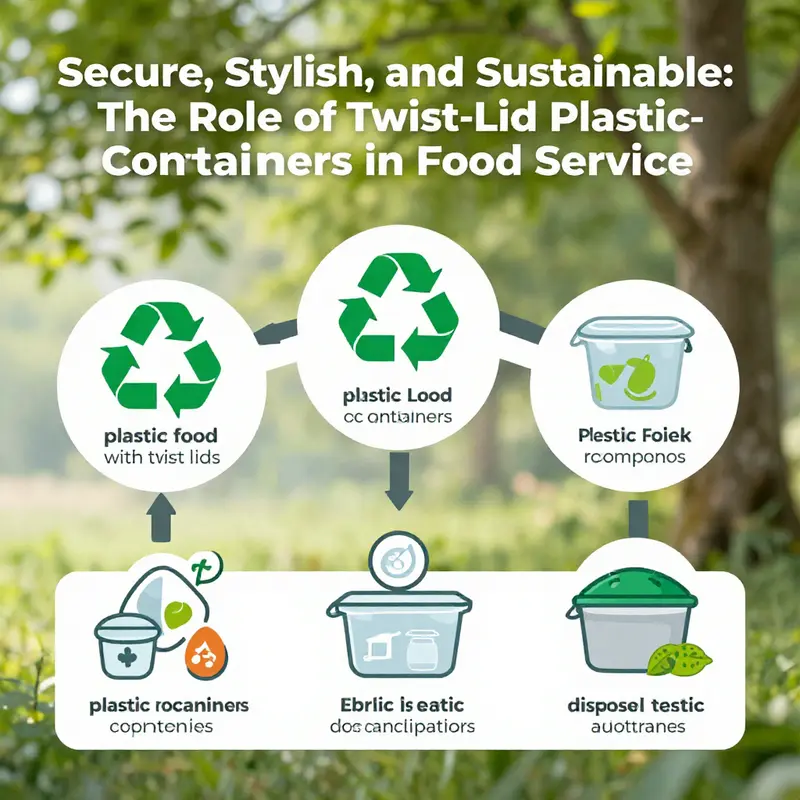
The twist lid is a small feature with outsized consequences. In kitchens and factories alike, the screw-on closure promises a tight seal, shielding contents from air and moisture. It keeps soups from spilling during transport and preserves the texture of leftovers in the fridge. It also signals a standard that is durable, reusable, and relatively lightweight. Yet beneath that everyday practicality lies a broader set of questions about sustainability, lifecycle performance, and how design choices echo through the environment. When you pick up a plastic container with a twist lid, you are choosing not just a convenient vessel, but a link in a system whose environmental footprint extends far beyond one meal. The dialogue around these containers is not only about how well they keep food fresh, but about how we manage resources, how we dispose of them, and how the materials behave long after they leave the kitchen. The story of twist lids is a story of trade-offs, and understanding those trade-offs requires looking at materials, durability, and end-of-life realities in a single, integrated view.
At the heart of the environmental conversation is material selection. Polypropylene, or PP, is widely used for its chemical resistance, toughness, and stability across a range of temperatures. It tolerates freezing and microwaving and remains relatively resilient to everyday wear. Low-density polyethylene, LDPE, offers flexibility and resilience against cracks, which suits squeezeable or soft-sided designs. For more demanding uses, higher-strength plastics like high-impact polystyrene, or HIPS, step into emphasis on rigidity and liquid resistance. These materials, while well suited to their jobs, carry with them implications for recycling streams. They are often designed to be dishwasher- and microwave-safe, which is a strong consumer value, but it does not automatically translate into a simple end-of-life path. The twist lid itself adds a second material boundary to the container, and the combination can complicate separation in recycling facilities. When a container is made from multiple plastics, or when residues cling to the inside, those factors can derail recycling efforts. The end result is a spectrum of outcomes: many containers are technically recyclable in theory, yet in practice end up in landfills or the environment because contamination or complex material mixes disrupt the recycling loop. This disjunction between capability and practice is a fundamental tension in the twist-lid packaging story.
The environmental footprint of these containers extends beyond their immediate use. They rely on fossil fuels during their production, and the energy required to manufacture plastics is substantial. Even when recycling is possible, the process consumes significant water and energy, and it often shortens the material’s performance. Each cycle tends to degrade quality, a phenomenon known as downcycling, rather than achieving a closed-loop restoration to the original material state. The implication is clear: even with robust recycling programs, the system rarely returns plastics to a pure, high-grade state suitable for the same applications. This reality pushes the discussion toward the broader concept of circularity, where reuse, repair, and redesign can help stretch the value of plastics while limiting waste. It raises questions about how to balance the convenience of twist-lid containers with the longer-term goals of resource stewardship and waste reduction.
The durability that makes twist lids appealing is in some respects their sustainability ally. A well-made container can withstand repeated use, rough handling in commercial kitchens, and the freeze-thaw cycles of home storage. Yet durability is a double-edged sword. When a container remains in circulation for a long time, it may also persist in the environment if it escapes the waste stream. The same stubborn resilience that prevents leaks can translate into persistence in ecosystems, where microplastics and fragmented particles pose risks to wildlife and potentially to human health through the food chain. The durability of polypropylene and related plastics is not inherently salutary; it becomes prudent only when coupled with effective end-of-life management. Time and again, the question arises: how do we keep these containers out of the environment while retaining their practical benefits in day-to-day use? The tension is not merely technical; it touches the values and infrastructure of modern consumption.
The heat resistance and safety considerations associated with PP and other plastics also intersect with environmental concerns. PP offers good heat resistance and is widely deemed safe for microwave use, provided the product is labeled for such use. However, exposure to high temperatures over extended periods can cause warping, degradation, or even changes in material behavior. Chemical leaching is a risk if containers are not explicitly labeled as food-safe or BPA-free, particularly when used for hot liquids or fatty foods. These safety concerns influence consumer choices and brand decisions, and they shape how quickly or slowly plastic packaging is adopted for new uses. In practice, many households reuse containers for a variety of foods, from soups to leftovers, which helps extend life but complicates the recyclability calculus. When residues remain inside, cleaning becomes essential, yet too aggressive cleaning methods can wear down lids and threads, accelerating wear and tear. The cumulative effect is that a portion of the population ends up buying into an efficient, reusable system that nonetheless requires careful maintenance and mindful disposal.
Odor retention and staining represent another practical challenge. Some lower-grade or non-food-grade plastics can absorb odors from strong spices, sauces, or oils. Over time, lingering smells can affect the perceived quality of food stored within, prompting more frequent replacement. Odor and stain resistance depend on the polymer type, the additives used, and the presence of any coatings or liners. These factors can undermine long-term reuse, particularly in catering settings where high turnover and strict sanitation are essential. The repeated washing cycles, typically in dishwashers, amplify wear on the lid threads and sealing surfaces. This is an important reality for foodservice operators who rely on bulk storage and ease of transport. The twist-lid mechanism must stand up to frequent opening and closing while maintaining a dependable seal. In practice, the best-performing containers in high-use environments are designed with robust threads, high-quality gaskets, and materials that resist chemical attack from a broad range of foods. Yet even the best designs require attention to cleaning methods and careful handling to preserve performance over time.
From a production perspective, the use of PP and HDPE and, in some cases, polystyrene, anchors the energy and resource demands of these products. The lifecycle energy profile is shaped by raw material extraction, polymerization, shaping, assembly of the lid and body, and finishing processes. Each stage offers opportunities for efficiency gains, but it also highlights the dependence on fossil fuels. The recycling stage, though potentially transformative, often involves energy-intensive sorting, washing, and reprocessing. While the theory of recycling is straightforward—recover the material, reprocess it, and reuse—it almost always encounters practical hurdles: contaminated streams, mixed materials, color separation, and limited infrastructure in certain places. In regions where collection systems and sorting facilities are underdeveloped, the actual recovery rate plummets. The result is a patchwork of outcomes, where some communities reap meaningful recycling benefits and others struggle to manage waste effectively. The reality is that the environmental performance of twist-lid containers varies widely by geography, infrastructure, and consumer behavior, which means improvements must be pursued at multiple levels—design, policy, and practice in households and facilities alike.
Within this complex landscape, some attempts to align convenience with sustainability focus on materials innovation. Biodegradable and compostable plastics attract attention, as do bio-based polymers that claim lower fossil-fuel footprints. Yet these approaches come with caveats. Biodegradable plastics require specific conditions—industrial composting facilities or particular environmental contexts—to break down effectively. In the absence of those conditions, they behave similarly to conventional plastics, persisting in the environment or in landfills. Moreover, the decomposition process for many alternatives can release greenhouse gases if not properly managed. The market also confronts issues of performance: some bio-based plastics may not achieve the same heat resistance or chemical stability as PP or HDPE, which can limit their applicability in microwave-safe or freezer-safe scenarios. The result is that while new materials hold promise, they must demonstrate true end-to-end benefits, not just theoretical advantages, to gain broad adoption in both households and industrial settings. The design challenge is thus to balance performance, safety, and sustainability in a way that remains practical for everyday use.
Another axis of change concerns the system around disposal and reuse. A container that lasts longer may reduce the total number of units entering the waste stream, but only if it is consistently reused and eventually recycled. Conversely, a shorter-lived container that is widely recycled quickly can also lower the environmental burden, depending on the energy intensity of the recycling process and the quality of recovered material. This reality fuels a growing emphasis on circular economy strategies: design for longevity, design for disassembly, and design for recyclability. In practice, this means simpler material compositions, easier separation of lids and bodies, and standardized dimensions that facilitate compatibility across products and recycling streams. It also means labeling that clearly communicates safe reuse and disposal, clear guidelines about heat exposure, and packaging that supports consumer habits toward washing, refilling, and returning containers rather than discarding them after a single use. The idea is not to reject efficiency but to embed it within a system that recognizes and mitigates the environmental costs at every stage.
The social dimension of these issues cannot be ignored. Consumer expectations for convenience are high, and supply chains respond accordingly. In the catering and bulk storage sectors, the ability to move large quantities of food with reliable, leak-proof containers is essential. Yet the same consumers who value convenience are increasingly aware of environmental stewardship. This tension prompts a broader conversation about responsible consumption: how to maximize reuse, how to minimize waste, and how to ensure that every container in circulation has a clear and feasible path back to reuse or recycling. Businesses can respond with design choices that extend life, reduce cleaning damage, and optimize compatibility with recycling infrastructure. They can also invest in consumer education, helping households understand the best ways to wash, store, and repurpose containers while minimizing contamination. This is not merely a technical problem; it is a behavioral one as well, requiring a partnership between manufacturers, retailers, communities, and regulators to support sustainable habits without eroding the practical benefits that twist lids provide.
To illustrate a practical path, it helps to consider the broader packaging ecosystem. The twist-lid container remains a common solution due to its versatility, lightweight nature, and reliability. It is well suited to both home kitchens and industrial storage, and it persists in a rapidly changing landscape where consumers and businesses demand safer, more sustainable options. The path forward, then, is not a single silver bullet but a portfolio of strategies that blend design refinement, material science, improved waste management, and consumer education. On the design side, that includes seeking monomaterial solutions or simpler multi-material assemblies that can be effectively sorted and processed in recycling streams. In manufacturing, it means reducing energy intensity, exploring recycled-content inputs where feasible, and improving quality control to reduce waste during production. In waste management, it means expanding and modernizing collection and sorting infrastructure, promoting separate streams for plastics, and investing in advanced recycling technologies that can recover a broader range of polymer grades. And in consumer engagement, it means clearly communicating safe-use guidelines, offering practical reuse options, and encouraging return or refill programs where economics and logistics permit.
Across regions and sectors, policy frameworks can reinforce the most sustainable pathways. Standards that emphasize recyclability, labeling for heat and chemical safety, and guidelines for end-of-life management can align incentives for manufacturers and consumers alike. While policy alone cannot solve the full spectrum of challenges, it can create predictable conditions that encourage investment in better materials, improved processing, and more effective reuse models. In turn, those improvements can accelerate the transition toward a packaging ecosystem where twist lids no longer symbolize a one-way pathway from kitchen to waste, but rather a loop that consistently returns value to the system. The promise is not in immediate transformation but in gradual, iterative progress. By weaving together design excellence, responsible production, and shareable, practical reuse and recycling practices, the industry can relieve pressure on landfills and ecosystems while preserving the practical benefits that twist lids provide for food storage and transport.
In the end, the twist lid remains an emblem of modern convenience whose environmental implications demand a thoughtful, sustained response. The choice between performance and sustainability is not solved by any single material or disruptive technology. It is the product of coordinated action: better design to facilitate disassembly and recycling, smarter material selections that balance durability with end-of-life recovery, and robust waste-management infrastructure that can translate the theoretical recyclability of plastics into real-world outcomes. Consumers, for their part, can contribute by washing, sorting, and reusing where possible, and by recognizing that the containers they choose are part of a broader system with social and environmental consequences. The interplay of these decisions—how often a container is reused, how effectively it is cleaned, how reliably it is recycled or repurposed—collectively shapes the true sustainability of twist-lid plastic food containers. As designers and policymakers weigh options, the overarching aim remains constant: to retain the benefits of a practical, leak-resistant storage solution while closing the loop so that bottles, lids, and bodies do not end up as waste, but as materials that continue to serve and to renew.
Within this broader narrative, a useful marker of progress is the degree to which packaging designs become culturally and structurally aligned with reuse and recycling realities. When a lid and body are designed to be easily separated, when color coding and labeling clarify reuse opportunities, and when facilities can effectively recover and reprocess the material, the system moves closer to circularity. The conversation moves beyond the dichotomy of “plastic is good” versus “plastic is bad.” It becomes a nuanced negotiation about how humans use resources and how systems can be engineered to minimize harm while preserving everyday conveniences. This is the core challenge and opportunity of plastic food containers with twist lids: to honor the practical needs of storage and transport while committing to a future in which those containers contribute less environmental burden and more circular value.
For readers seeking a more technical deep dive into standards, properties, and performance analyses of container technologies, a detailed study by industry researchers offers comprehensive insights into the standards, material behavior, and performance metrics that underlie these packaging solutions. The report synthesizes experimental data, material science principles, and practical testing results that can inform design decisions, regulatory considerations, and end-of-life planning. External knowledge from this research supports the argument that transparent, evidence-based assessment is essential to advancing both safety and sustainability in packaging design and waste management. External resource: https://www.plasticsindustryinsights.com/inside-plastic-containers-with-handle-screw-lids
Final thoughts
The endeavor to streamline food services with plastic food containers featuring twist lids reflects a commitment to both convenience and food safety. As explored throughout each chapter, these containers not only cater to the immediate needs of various industries—from meal prep to vibrant beverage offerings—but also call attention to the ecological considerations of their use. By selecting the right materials and recycling practices, businesses can enjoy the benefits of these practical solutions while taking steps toward environmental responsibility, ensuring longevity in both service and sustainability.