
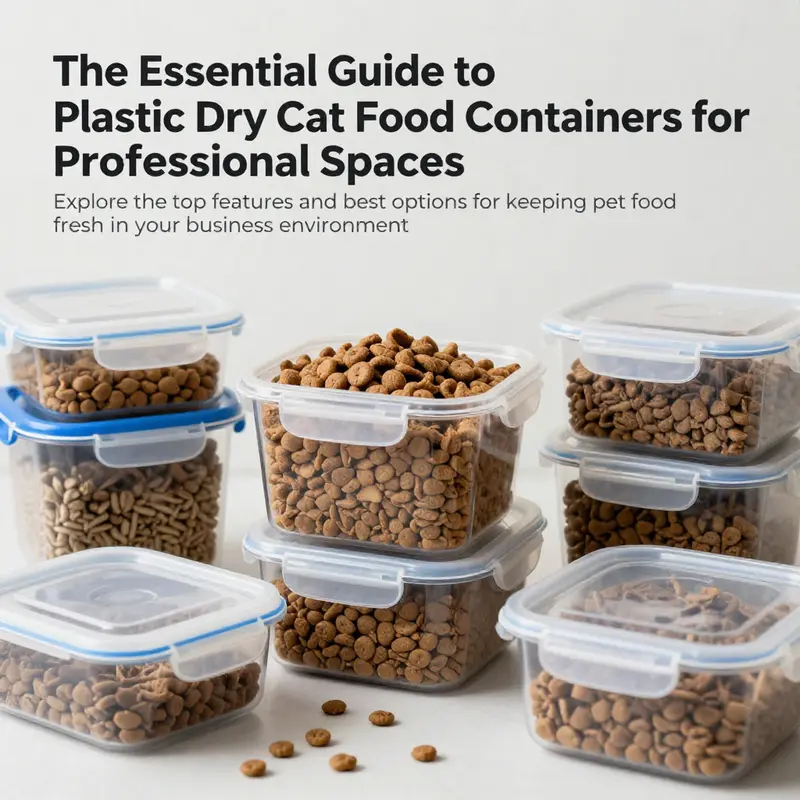
Plastic dry cat food containers are essential storage solutions that can significantly impact food quality and safety in businesses like bubble tea shops, restaurants, and catering services. A reliable storage container not only ensures freshness and protects against pests but also reflects a commitment to food safety and sustainability. This article delves into the top features that make these containers indispensable, highlights the best options available on the market, and examines commercial solutions tailored for high-volume usage. By understanding these aspects, business owners can make informed choices that elevate their service and enhance operational efficiency.
Preserving Kibble, Protecting Health: The Quiet Power of Plastic Dry Cat Food Containers
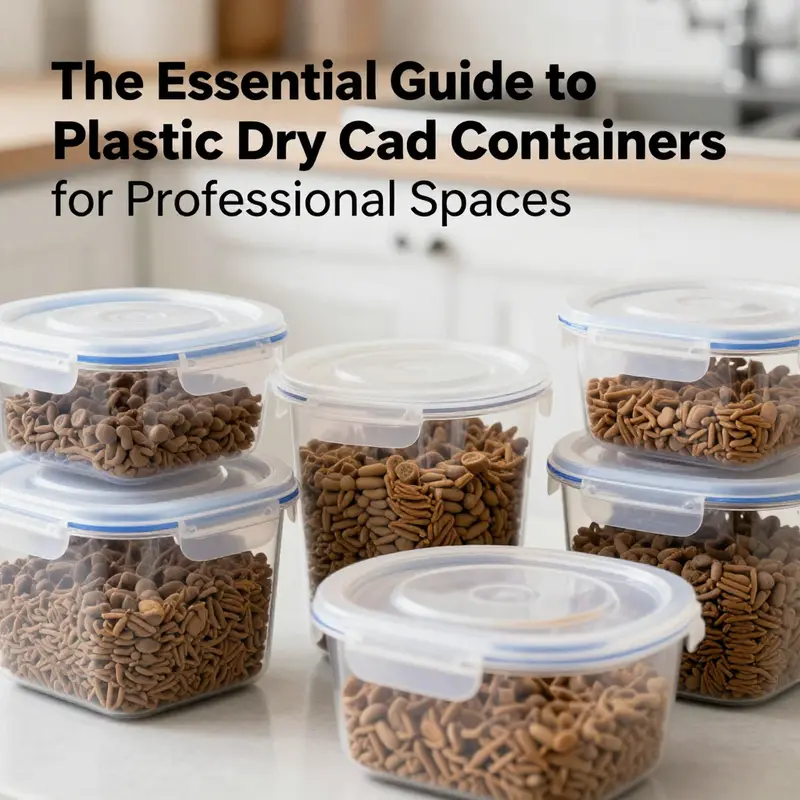
A well-chosen plastic dry cat food container does more than keep kibble neat. It acts as a quiet guardian of texture, aroma, and nutrition, the kind of practical gear that supports a cat’s daily wellbeing without demanding attention. In many homes, the daily ritual of feeding hinges not only on what is served but on how it is stored. The container sits on a pantry shelf or under a kitchen island, often out of sight but never out of reach for the cat who tests every new scent with curiosity. The science behind these containers is simple and enduring: keep the contents dry, shield them from air and pests, and make the access point easy to use for humans while still making refills straightforward for the pet’s guardians. The result is a storage solution that blends material science with human convenience, delivering a reliable barrier against moisture, odors, and contamination so the cat’s food stays fresh and inviting for longer periods.
At the heart of the best plastic dry cat food containers is a careful balance among five features: airtight sealing, materials safety, capacity, durability, and ease of use. Each plays a distinct role in maintaining the kibble’s nutritional quality and protecting it from the world outside the bag. Airtight sealing is not merely a selling point; it is the line of defense against moisture and air, both of which accelerate spoilage and can invite pests. A robust seal also curbs the diffusion of strong odors, which is important in homes with multiple animals or households that entertain frequent guests. Materials safety is the other critical pillar. Containers fabricated from food-grade plastics, particularly polypropylene, are engineered to minimize the transfer of substances into dry foods. These materials are chosen for their resistance to fats and moisture, their cleanliness in manufacturing, and their compatibility with high-volume use. A third pillar, capacity, speaks to the practical realities of modern homes. Large households or multi-cat households benefit from generous capacities, measured in liters or kilograms, allowing for long stretches between refills without sacrificing freshness. Durability matters too: the container should withstand daily handling, occasional drops, and the rigors of a busy kitchen. Finally, ease of use threads through every touchpoint—from the way the lid opens to the clarity of the seal, from the accessible scoop to the dimension that fits neatly on a shelf. This quartet of features transforms a simple box into a reliable ally for pet care, balancing health, convenience, and efficiency in one compact package.
To illustrate how these features translate into real-world utility, imagine a large-capacity container designed to hold a substantial amount of kibble. A practical 40-liter model is a commonly encountered benchmark, offering ample room for up to around 15 kilograms of dry food, with some variants able to accommodate even larger volumes. This scale suits households with multiple cats or households that like to stock reserves, ensuring you can maintain a consistent feeding routine without frequent trips to the store. Such a size generally pairs with a rigid, moisture-resistant body and a lid that closes with an audible assurance, signaling that the seal is secure. In addition, these larger units tend to be built with reinforced edges and a robust handle, making it easier to maneuver them around a crowded kitchen or pantry. The material chosen for this class of containers is typically a food-grade plastic, often polypropylene, which is celebrated for its balance of light weight, toughness, and chemical resistance. The choice of PP reflects a deliberate trade-off: it is sturdy enough to survive daily handling and stacking while remaining relatively inert in contact with dry kibble. The result is a container that is not just a receptacle but a protective environment that preserves the integrity of the food over weeks and even months, depending on the storage conditions and the cat’s feeding habits.
Material safety sits at the core of trust in any storage solution. Food-grade polypropylene, BPA-free construction, and secure seals are more than marketing phrases; they are concrete assurances about what touches the kibble and how that contact remains safe over time. A modern plastic container designed for pet food often features a hinge-and-lid system that creates an airtight seal when closed. Silicone or rubber seals under the lid further enhance this airtightness, occupying the space between the lid and the body with a high-gasket density that reduces the entrance of warm air, humidity, and small pests. When the seal is intact, the door to the container becomes a barrier against the world beyond the lid: it blocks the infiltration of moisture that can cause staling, clumping, or mold growth, and it reduces the risk of odor migration that can deter pets from eating or attract curious household insects.
The safety profile of these containers also hinges on how well they resist chemical interactions with kibble fats. Some plastics can interact with the fats in dry cat food, slowly releasing compounds that are undesirable if the contact is prolonged. This is why choosing a container explicitly labeled as food-grade and designed for long-term contact with dry pet food matters. In practice, this means sticking with PP or similarly rated plastics that have undergone testing for stability under storage conditions typical of a pantry or kitchen. A container engineered with this attention to safety is more than a simple shell; it becomes a controlled storage environment that respects the kibble’s nutritional profile and a cat’s health. As a guardian of a pet’s dietary intake, you want to minimize any potential risk, ensuring that the food remains free of off-notes or questionable residues that could disrupt a cat’s appetite or digestion. The overall goal is straightforward: a secure, non-reactive environment that preserves the integrity of the food from bag to bowl.
The sealing mechanism is one of the most visible indicators of a container’s quality. Yet it is not only about keeping air out; it is about how easily a caregiver can access the food without compromising the seal with repeated openings. In practice, the best designs integrate accessible, intuitive lid mechanisms with confidence-inspiring closures. Some lids operate with a press-to-open system that provides a quick, one-handed entry for busy mornings, while others rely on a traditional flip-top approach reinforced by a tight-fit rim and a secondary snap-lock or locking feature. The choice between these options often comes down to lifestyle and household routine: busy homes may benefit from the simplicity of a one-handed action, while households that prioritize spill-prevention might prefer a deeper, more secure locking arrangement that remains reliable over months of use.
Ventilation is another design consideration that deserves attention, especially for humid environments. A sealed design that minimizes ventilation helps prevent moisture from entering the container, a crucial factor for mold prevention in damp climates. However, this approach is not without its trade-offs. Reduced ventilation can make tactile checks and refilling a bit more deliberate, and some users worry about the potential for condensation to form inside the container if temperatures swing dramatically. The best solutions balance these concerns by using gaskets that maintain airtightness while allowing a controlled exchange of air during opening and closing, or by employing lids that are easy to re-tighten after refilling. In practical terms, a well-sealed container lowers the risk of insect intrusion and keeps odors more contained, which is especially valuable in compact living spaces where aroma control matters to both human residents and animals with sensitive noses.
Ease of use extends beyond the lid. Inner design details—such as a removable or dishwasher-safe inner bin, a built-in scoop, and clear measurement marks—contribute to everyday efficiency. A removable inner bin makes cleaning straightforward, which is particularly helpful for households with high turnover or frequent multi-cat meals. A dishwasher-safe interior reduces the time required to maintain hygiene, while an included scoop supports accurate portion control and helps prevent overfeeding, a concern for cats prone to obesity. Clear measurement cues enable caregivers to portion kibble with confidence, preserving consistent nutrition and aiding in the management of weight across a household. The larger containers often feature generous opening diameters, which simplifies adding kibble or refilling from the bag. The overall user experience is smoother when the design anticipates routine tasks, turning storage into a simple, repeatable habit rather than a chore.
Aesthetics may seem incidental, but the appearance of a container can influence how readily it is used and maintained. Plastic storage options come in a spectrum of colors and shapes, from translucent bodies that reveal remaining food quantity to opaque, solid-hued designs that blend with kitchen decor. The visual cues matter because they affect how often caregivers rotate stock, check freshness, and decide when a refill is due. In homes where the pantry doubles as a showcase for practical gear, a container with a clean silhouette and unobtrusive hardware can reduce the temptation to replace it with a newer model than necessary. The practical takeaway is simple: pick a design that suits your space and routine, and you are more likely to maintain good storage habits over time.
With all these considerations in mind, the question becomes how to apply them to real-life decisions. A family with multiple cats might opt for a 40-liter class container that holds approximately 15 kilograms of dry food, a size that balances the need for less frequent refills against the burden of moving something sizable. A single-cat household with a careful refill schedule might find a mid-range option more economical while still offering a moisture barrier and a dependable seal. In each case, the emphasis remains on materials safety, airtight sealing, and practical design. It is not about chasing the largest or cheapest option, but about selecting a storage system that reliably preserves freshness, minimizes waste, and fits comfortably into daily routines. As the kibble sits calmly within its vessel, the real impact is felt in the consistency of the cat’s meals and the peace of mind that comes from knowing the food on every plate has been protected from the elements that threaten its quality.
When it comes to maintenance, consistency matters as much as the initial purchase. Regular cleaning of the container—including the lid, seal, and any removable inner components—keeps the environment sanitary and reduces the risk of residual odors that can deter a cat from eating. After each refill or cleaning cycle, thoroughly dry all components before reassembling to avoid trapped moisture that could foster mold or bacterial growth. Inspect the seal periodically; a degraded gasket can compromise airtightness, undermining the purpose of the container. If you notice cracks, warping, or a loose fit, consider replacing the affected components or the entire unit. Routine checks like these extend the life of the container and help maintain the integrity of the kibble inside.
A broader point to keep in view is sustainability. While plastic remains a practical choice for many households due to its lightness and cost, there is ongoing conversation about recyclability and lifecycle impact. The best options are built from recyclable, food-grade plastics and designed for durability so that they endure daily use for years rather than months. Recyclability is an essential consideration for environmentally conscious buyers: a container that travels from pantry to curb with ease at the end of its life delivers a more responsible solution than a product that requires frequent replacement and ends up as waste. In this sense, the container is not merely a vessel for food; it is part of a responsible approach to how households manage resources and plan for long-term care of both pets and the planet.
As you finalize a choice, remember that the goal is to preserve freshness, protect health, and simplify daily routines. An airtight, food-grade plastic container with a thoughtful lid mechanism, ample capacity, ease of cleaning, and a design that fits your space will serve a household well for years. It is a tool that supports good feeding practices, helps prevent spoilage, and reduces the risk of pests and contamination. For those who want to explore further examples of storage options in related domains, consider a practical, visually monitorable option such as disposable kraft paper bowls, which you can view here: disposable kraft paper bowls.
For additional context on the safety standards governing food-contact packaging materials, you can consult external guidance from food-safety authorities. This resource offers a grounded overview of how plastics interact with dry foods and what to look for when selecting packaging intended to come into contact with edible products: FDA guidance on food-contact packaging materials.
Keeping Kibble Fresh and Safe: A Deep Dive into Plastic Dry Cat Food Containers
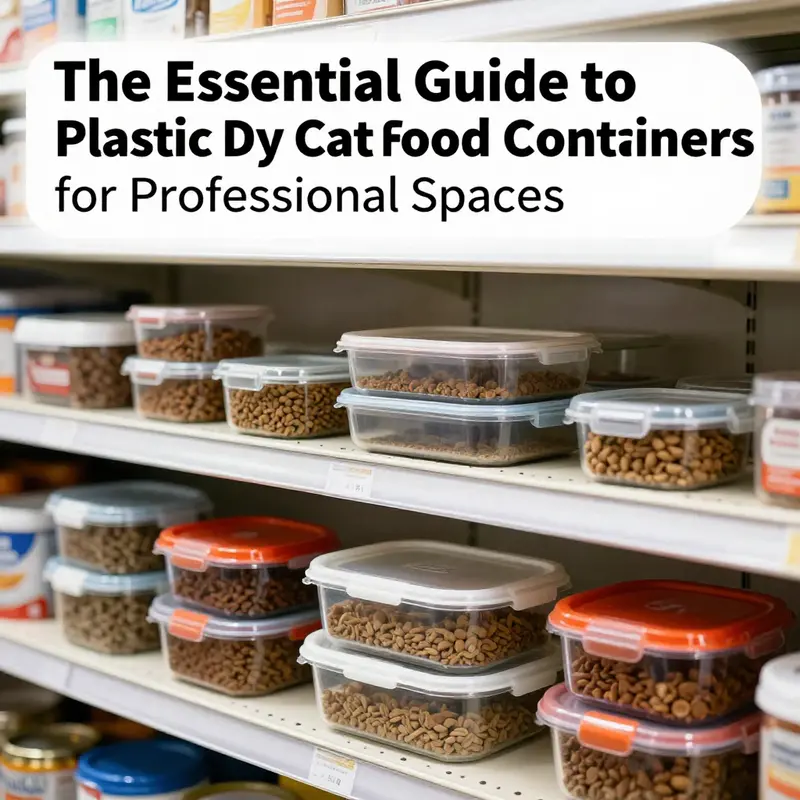
Choosing the right plastic dry cat food container is about more than just keeping kibble out of sight. It is about protecting the nutrition your cat relies on, preserving flavor and texture, and simplifying daily routines in a way that fits real life. In a world where moisture, pests, and fluctuating temperatures can quietly erode the quality of dry food, a well-designed container becomes as essential as the food itself. When you approach storage with a clear set of criteria—airtight sealing, durability, appropriate capacity, material safety, and ease of use—the path to a practical, long-lasting solution becomes noticeable rather than opaque. This chapter blends practical observations with the material we gathered about current market offerings, translating those insights into a cohesive guide you can translate into action in your own home or facility. It is not a catalog of brands; it is a framework for evaluating form and function so you can choose the right container for your needs and space, while ensuring your cat’s food remains fresh, safe, and appealing over time. At the heart of any good cat food storage choice is airtight sealing. Dry cat foods are designed to stay dry and stable when exposed to air—yet that air can also carry moisture, odors, and even tiny pest intrusions. A top-tier design uses a combination of an inner seal and a secure lid to create a robust barrier against air exchange. The most effective solutions employ dual sealing approaches: a gasket or silicone seal that provides an initial line of defense against air infiltration, paired with a lid mechanism that locks into place, maintaining that seal even after repeated openings for refilling or scooping. In practice, this means a container that not only seals tightly when closed but also remains easy to open and close on a daily basis. For households with multiple cats or larger volumes of dry food, this airtight performance matters more than anything, because it directly correlates with how long kibble stays fresh and how well it resists the growth of odors and the encroachment of moisture. Durability is the second pillar. A plastic dry cat food container must withstand the everyday realities of a busy household: curious paws, the occasional knock from a cabinet door, and the weight of a full bag being poured into it. Materials commonly used in high-quality containers include food-grade polypropylene and other robust plastics designed to resist impact, chipping, and chemical exposure from cleaners. The overall wall thickness and the integrity of joints and seams also determine long-term performance. A container that flexes under pressure or warps with temperature changes can compromise the seal or misalign the lid, creating opportunities for moisture ingress and pests. In a real-world context, durability translates into fewer dips in food safety, less maintenance, and a more predictable storage environment that your cat’s system can rely on day after day. Capacity matters, too, but not as a simple arithmetic exercise. The right size depends on your household dynamics: the number of cats, how often you buy or refill, and whether you prefer to stock a larger batch for cost efficiency or keep smaller amounts for frequent rotation. Large homes with multiple cats or feral-adjacent feeding situations may benefit from containers around the 40-liter mark or larger, which can accommodate substantial quantities of kibble—often enough to prevent frequent refills for weeks at a time. Conversely, single-cat households or small apartments may prefer medium to mid-large capacities that balance fewer fill-ups with easier handling. The practical takeaway is that capacity should be chosen with your refilling cadence in mind, not merely the maximum volume a container can hold. This reduces the temptation to leave kibble uninspected for long periods, which in turn helps prevent the quiet slide into stale flavor, rancidity, or compromised texture. Material safety and sustainability cannot be afterthoughts. Food-grade plastics that are BPA-free and certified for health and environmental safety are essential. Look for containers built from materials designed to minimize chemical leaching and that are fully recyclable at the end of their life. Certifications and adherence to international standards provide a level of confidence that the product has undergone appropriate evaluation. In addition to safety, sustainability mirrors responsibility. A container that is lightweight yet durable, easy to disassemble for cleaning, and recyclable at the end of its life aligns with a broader effort to minimize waste while maintaining the welfare of the animal you care for. The end result is a storage solution that supports the health and well-being of your cat, reduces waste, and simplifies the daily ritual of feeding. The ease of use is the final dimension that completes the trio of airtightness, durability, and capacity. A container should fit naturally into your kitchen or pantry workflow. A hinged lid that stays open when you refill or scoop makes daily routines smoother. An inner scoop or a measuring feature helps you monitor portions, reducing waste and supporting consistent feeding. A transparent or semi-transparent body is often appreciated because it allows you to gauge remaining quantity without opening the lid, which preserves the seal and reduces unnecessary exposure to air. A good design also considers odor control; even with a strong seal, a few decisive design features—such as a wide opening that facilitates quick scooping and a lip arrangement that prevents residue buildup—can make a meaningful difference in cleanliness and hygiene over time. In practical terms, these design principles come to life in several common configurations. A large-volume model with a 40-liter capacity represents a balance point where you can store a substantial amount of kibble while retaining manageable weight and a straightforward refilling process. It is typically constructed from food-grade PP plastic, a material recognized for its durability, moisture resistance, and recyclability. The lid commonly features a hinged mechanism to keep the top accessible for refilling, while a tight seal blocks out dust, odors, and pests. Importantly, some models adopt a ventless design to defeat mold growth in humid climates, as ventilation can introduce moisture into the container. This approach helps prevent mold by maintaining a stable internal environment and minimizing the introduction of humid air during opening and closing. Certification for eco-friendliness and food safety reinforces the idea that the container is designed with both health and environmental standards in mind. Smaller yet popular household options often prioritise a robust dual-seal system. A container in the 11.3-kilogram range—roughly 25 pounds—may be constructed from high-density polyethylene (HDPE), chosen for impact resistance and durability. Its dual-seal approach can include an inner silicone gasket plus a lockable rotating lid, which together deliver strong airtight performance. The practical benefits are clear: longer freshness, reduced odor leakage, and minimal air exchange that preserves the kibble’s texture and aroma. The design may also emphasize a wide mouth for easy scooping, with a transparent wall to monitor remaining food at a glance. While such models excel for families with several pets or a steady feeding schedule, they can vary in features like built-in scoops and whether the lid is hinged or detachable. Here again, the consumer’s daily habits drive the best choice. If you refill often and value quick access, a hinge and an integrated scoop can save minutes across the week; if you prefer a compact footprint and visual monitoring, a transparent barrel with a sturdy lid may be more appealing. Smart and tech-forward storage solutions add another layer of capability for those who want a higher degree of control. A subset of containers incorporates automatic sealing and monitoring features that engage after opening, sealing again to reestablish the protective barrier. Some versions offer companion applications to log feeding times or monitor intake, enabling careful oversight for households that track consumption or manage multi-cat diets. While these advanced features are compelling, they concentrate in smaller capacity ranges and carry a premium price. The underlying value remains intact: automation and remote oversight deliver peace of mind, especially when schedules are busy or when you want to confirm whether a particular cat has consumed a specific portion. For most households, the essentials of airtight sealing, durable construction, and appropriate capacity will deliver the most practical payoff, with smart features serving as a thoughtful upgrade for those who want to blend convenience with supervision. A broader market trend worth noting is the availability of bulk storage solutions for commercial or semi-commercial contexts. Pet stores, breeders, and kennels often require larger containers, sometimes up to 53 liters, capable of holding significant quantities of dry food with room for branded customization or bulk labeling. These large-format options are built to withstand heavy use and sometimes include options for logo printing or other branding. While these bulk solutions are less common in everyday homes, they illustrate the spectrum of design philosophy: the goal remains the same—keep food dry, safe, pest-free, and accessible—yet the scale and ancillary features diverge to meet different usage patterns and business needs. In all cases, the choice hinges on balancing safety, convenience, and practicality within the constraints of your space and routine. An important nuance in material and design is the interaction between climate and storage approach. In humid environments, some argue that eliminating ventilation helps suppress mold risk by limiting moisture ingress that can occur when air moves in and out during opening. In dryer climates, vented designs may be more forgiving, allowing minor moisture to escape and reducing condensation inside the container. The right choice often comes down to a careful assessment of local humidity, how quickly you refilled, and how you clean the storage area. Regardless of climate, cleanliness remains a non-negotiable factor: even the best-sealed container will falter if it is not regularly cleaned, sanitized, and kept free of kibble dust that can attract pests or mold spores. Regular inspection of the seal, smooth interior surfaces, and a dry, cool storage area will extend the container’s effective life and preserve your cat’s nutrition. From a consumer perspective, the best plastic dry cat food container is not a single best model but the best fit for your household. For some, a high-capacity, tightly sealed, hinge-lid model offers the right balance of space and ease of use. For others, a mid-sized container with a dual-seal system and a transparent wall delivers daily simplicity and reliable freshness without excess weight. For households seeking a modern, tech-enabled workflow, a smart container with automated sealing and remote monitoring adds value that can translate into real-time dietary oversight, especially where multiple cats or specific feeding plans are involved. What remains constant across these scenarios is the core principle: the container must protect the food from moisture, odors, and pests while making it easy to refill, measure, and monitor. In practice, this means prioritizing materials that are food-grade and durable, opting for sealing mechanisms that can stand up to regular use, and selecting a size that aligns with your refilling cadence and storage space. The end result is a storage solution that supports the health and well-being of your cat, reduces waste, and simplifies the daily ritual of feeding. To illustrate how these principles translate into real-world choices, consider the marketplace’s broad spectrum of offerings. A notably robust, large-volume option exists in a 40-liter polypropylene container designed to store up to roughly 15 kilograms of dry pet food. This type of container emphasizes a hinged, airtight lid that keeps out dust, pests, and odors while still allowing easy refilling access. The no-vent design helps limit mold growth in humid climates, strengthening its suitability for regions where humidity fluctuates. It is widely recognized for being lightweight, moisture and chemical resistant, and fully recyclable, meeting international standards for health and environmental compliance. While such a model is sizable, its capacity and design make it a practical anchor for households with greater storage needs or multi-cat arrangements. On the other end of the spectrum, consumer-ready solutions often feature a dual-seal system with a large opening for scooping, a transparent wall to track remaining kibble, and optional built-in scoops for convenience. These models balance daily ease of use with reliable preservation, making them appealing for families who want straightforward maintenance without compromising freshness. Beyond individual households, the market also reflects demand for store-grade packaging and branding. Some large containers offer customizable logo printing or labeling suitable for pet stores and kennels. When considering this path, it is essential to weigh the marketing value against the practical realities of daily handling, cleaning, and the potential need for frequent refills. Branded storage can reinforce a store’s or breeder’s identity, but it should never come at the expense of safety or user-friendliness. In sum, the best plastic dry cat food container is not a fixed product but a thoughtfully chosen tool that integrates into your home’s rhythm while safeguarding your cat’s nutrition. For readers who want to explore related packaging concepts that influence consumer choices beyond pet food, there is a relevant resource that discusses disposable packaging design and function in a broader context. This reference helps illuminate how design considerations—seal integrity, material safety, and ease of use—are universal across many food storage applications. It can provide a helpful perspective when weighing the trade-offs between airtight performance, ease of cleaning, and visual monitoring capabilities in a plastic container intended for dry cat food. disposable kraft paper bowls In conclusion, the best plastic dry cat food container is defined by a balance of airtight sealing, durability, capacity, material safety, and everyday practicality. The Alibaba-derived 40-liter polypropylene option stands out for its performance-to-value ratio in many homes and aligns with the core goals of safeguarding freshness, blocking moisture and odors, and resisting pests. For daily use, a mid-sized, dual-seal model with a transparent body and a user-friendly lid often hits the sweet spot between usability and protection. The small yet feature-rich smart containers offer a glimpse into the future of storage where automation and remote monitoring complement traditional features. And for bulk users, larger, customizable options provide scalable storage that can support business needs while maintaining the same safety-aligned philosophy. Whichever path you choose, ensure that the container adheres to food-safe standards, avoids non-recyclable plastics where possible, and fits your space and routine so that you can keep your cat’s dry food fresh, pest-free, and ready for every meal. External resources can provide additional context on product configurations and certification benchmarks: https://www.walmart.com/ip/Gamma2-Vittles-Vault-Outback-Pawprint-Plastic-Dry-Pet-Food-Storage-Container-for-Dogs-Gray-25-Pound-Capacity/115782195
Bulk-Ready and Home-Friendly: Navigating Commercial-Grade Plastic Dry Cat Food Containers for Kitchens, Kennels, and Clinics
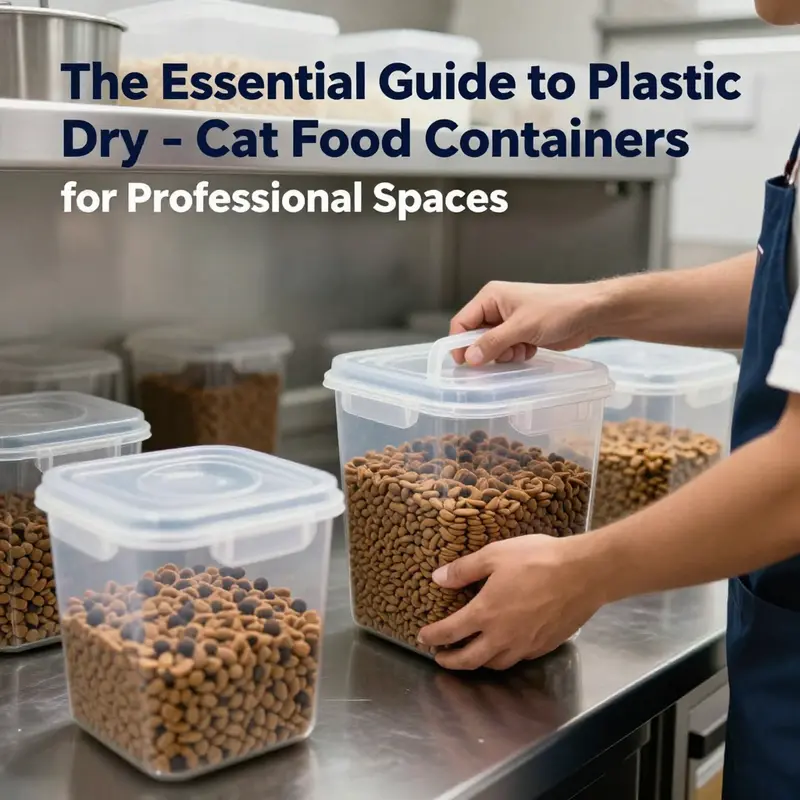
Storage for dry cat food has moved beyond a simple plastic box with a lid. For households that feed multiple cats, or for spaces that operate on a larger scale—such as kennels, boarding facilities, veterinary clinics, or small pet-retail setups—the stakes are higher. Freshness, pest prevention, moisture control, and ease of handling all converge in a single piece of equipment. When you choose a container designed with commercial intent, you gain not just capacity but a set of practical advantages that improve daily operations, reduce waste, and protect nutritional quality over time. The core attributes—airtight sealing, robust materials, generous capacity, user-friendly design, and sustainability—are the hallmarks of containers that perform reliably in busy environments. A 40-liter polypropylene option, for instance, represents a class of storage designed to balance heft and mobility, offering enough volume to store up to substantial quantities of dry food while remaining portable enough to move between storage, prep, and dispensing areas. In commercial terms, capacity matters because it translates into fewer refills and less frequent exposure of dry food to air, dust, and pests. For homes with many animals or for facilities that handle large volumes, a container that can hold 25 kilograms or more—roughly 53 liters in practical terms—becomes a sensible baseline. Such models are not only about scale; they embody design ideas that help keep food safe and organized across shifts and days. A container of this type is typically constructed from food-grade plastics like polypropylene (PP) or high-density polyethylene (HDPE). Those materials have earned broad acceptance in the food storage sector because they resist moisture and chemical interaction, maintain structural integrity under repeated handling, and, importantly, can be recycled at the end of their life cycle. PP and HDPE are also favored for being lightweight relative to their volume, which matters when staff must lift and maneuver containers during refilling, cleaning, and refilling workflows. In the professional world, the choice of material carries implications for safety standards and regulatory compliance. Food-grade plastics are designed to minimize the risk of any leaching or contamination, and many options in the commercial tier are labeled as BPA-free and certified to meet international health and environmental guidelines. Those assurances become meaningful when your operation depends on consistent, uninterrupted feeding routines and when the containers sit in spaces where pets and owners may have regular contact. The utility of a large-capacity container, however, is not limited to bulk storage. A transparent or semi-transparent design is common in commercial-grade models because it simplifies inventory management. Being able to glance at the level of food remaining without prying open a lid saves time, reduces the frequency of exposure to air, and helps staff anticipate refills before a shortage occurs. Yet there is a caveat: some commercial designs intentionally reduce ventilation to protect contents from moisture and odors in humid climates. This approach can prevent mold growth by limiting air exchange, a feature particularly valuable in regions with high humidity. The result is a storage solution that not only keeps food dry but also minimizes mold risk and odor seepage, which can be a frequent complaint in pet-owner households and in busy facilities alike. The practical upshot is a container that supports a more predictable feeding schedule, fewer pests in the pantry, and a more orderly storage area. It is not just about keeping the food edible; it is about preserving sensory quality, such as aroma and texture, for longer periods. In a commercial setting, these cues matter. They influence how long the food remains appealing to pets and how easily staff can manage multiple diets or brands within the same facility. A well-chosen container supports classification and segregation of different formulations or weights, which helps reduce cross-contamination risks and potential allergen exposure in clinics or kennels. A thoughtful design also considers cleanliness. Commercial models are built for easier washing and thorough dry-through drying, reducing the chance of residual moisture that can foster bacteria or mold. The exterior may be textured to improve grip and reduce slips during handling, while interior corners are shaped to minimize crevices where crumbs can accumulate. Durability is another non-negotiable attribute in high-usage environments. A container built to withstand frequent handling, stacking, and transfer between storage and feeding stations should offer reinforced rims, robust hinge mechanisms, and secure sealing systems. Double sealing protection is a common feature in premium lines: an airtight seal paired with a secondary locking mechanism or a full-path sealing strip. This layered approach helps block moisture and serves as a deterrent against pests such as pantry moths, which can be a persistent challenge in any space where pet food is stored. For large operations, the ability to stack containers efficiently maximizes space in pantries, supply rooms, or loading areas. Stackability reduces the footprint of storage and allows more flexible arrangement, which is especially important when inventory cycles depend on restocking from bulk suppliers or when space is at a premium. Aesthetics and branding also enter the conversation in commercial contexts. In veterinary clinics or pet-retail facilities, a container can be a platform for branding through customizable logo printing on the exterior. While logos do not affect the food’s safety, they reflect the business’s commitment to clean processes and professional standards. This feature becomes a practical advantage when facilities host tours for clients or when shared spaces require clear, professional cues about where and how food is stored. The breadth of options in the commercial space extends beyond the core features of sealing, capacity, and material quality. It encompasses a spectrum of accessories and design details that make the day-to-day operation smoother. Some models come with built-in measuring scoops or cups, which can streamline portion control and reduce the risk of contamination by minimizing repeated lid openings. Others may offer interior measurement markings or modular dividers to accommodate different formulations within a single facility. Such conveniences are not mere niceties; they translate into tangible time savings for staff and quieter workflows in busy clinics or busy households that still demand precise dietary management for several cats. When shopping at scale, price points in bulk can become an important factor. Wholesale listings sometimes present strikingly low per-unit costs, underscoring the emphasis on durability and mass production in the commercial segment. It is common to encounter price ranges that reflect the economies of scale: the more units bought, the lower the per-unit cost. For some bulk options, listings suggest a per-unit price that is surprisingly economical, illustrating that high-volume storage can be accessible to smaller operations as well as large distributors. Yet price should never be the sole decision criterion. The stability of the container’s core features—airtightness, material safety, and structural integrity under repeated use—must be validated through certifications and vendor assurances. In evaluating options, buyers should seek confirmation that the container is made from food-grade plastics and complies with international health and environmental standards. Certifications and labeling matter because they provide reassurance that the material has been vetted for safe contact with food, and that the supply chain adheres to responsible manufacturing practices. Sustainability, increasingly central to procurement decisions, often accompanies these commercial-grade options. Recyclability of the container at the end of its life cycle is a practical consideration for clinics and stores that aim to minimize waste. Reusable, recyclable plastics reduce the environmental footprint of daily operations and align with broader corporate social responsibility goals. The interplay between durability and recyclability is not a trade-off when the right material choices are made and proper end-of-life handling is planned. In some regions, suppliers further support sustainability by offering containers made from recycled feedstock or by enabling take-back programs for used containers. Beyond the raw material choices, the logistics of obtaining and maintaining large containers matter too. When you are responsible for stocking a facility or coordinating with a supplier, you weigh not only the unit price but also lead times, bulk shipment costs, and after-sales support. A robust supplier network can provide replacement seals, latches, or interior components without requiring a full container replacement, which contributes to lower long-term owning costs. In practice, a practical approach to selecting a commercial-grade plastic dry cat food container begins with aligning the container’s attributes with the intended use. For a home with several cats, a model that offers both a sizeable capacity and easy access for refilling, while still being manageable for daily routine, may be ideal. For kennels, boarding facilities, or clinics, the emphasis shifts toward durability, ease of cleaning, and space optimization. A transparent viewing window minimizes the need to open the lid in order to assess stock, but a fully sealed option may be preferable where humidity or odor control is a priority. The choice between a hinged lid and a snap-lock lid has operational implications. Hinged lids provide quick access and a tidy seal that remains attached to the container, reducing the chance of misplacing a lid during busy hours. Snap-lock lids, meanwhile, can offer a more secure, moisture-impervious seal, which can be particularly valuable in climates with fluctuating humidity or in storage spaces where temperature and moisture are common variables. The design of the interior, including whether the container uses a single, continuous interior cavity or offers optional dividers, affects how easily different foods can be managed within the same storage unit. If a facility handles multiple formulations or brands, the ability to segregate contents by using inner dividers or separate compartments within the same outer shell can minimize cross-contamination and simplify inventory. It is also prudent to consider how the container will be cleaned. Containers that are easy to disassemble or have smooth interior corners without complex seams tend to be easier to sanitize. In environments where cleaning protocols are part of routine compliance, this factor can influence both the speed of turnover and the consistency of hygiene across shifts. As the inventory and storage contexts evolve, the container’s adaptability remains a crucial asset. A model that accommodates a range of capacities, from several kilograms up to tens of kilograms, can serve both a growing household and a developing business. The ability to adapt to different feeding regimes—whether that means stocking up for multi-cat households during winter months or maintaining separate stocks for different dietary needs in a clinic—makes such an option particularly valuable. The commercial landscape for plastic dry cat food containers thus emphasizes a balance between performance and practicality. The best offerings provide a reliable barrier against moisture and pests, maintain the integrity of the food, and offer ergonomic benefits to staff and pet owners alike. They are built to endure the demands of daily use, assist with inventory control, support branding and professional presentation, and align with ethical sustainability practices. In sum, for most home users who have embraced bulk storage as a core part of their feeding strategy, a 25-kilogram or larger container with a robust airtight seal, durable construction, and thoughtful design represents a prudent investment. For larger facilities that must manage recurring volumes, the economics of bulk purchase, the resilience of the materials, and the efficiency of the storage footprint combine to deliver a solution that is not merely convenient but essential for reliable daily care. The commercial tier therefore stands as a practical bridge between simple household storage and a scalable, professional approach to pet food management. As markets continue to offer improvements in materials, sealing technologies, and customization options, owners and operators can expect storage solutions that not only protect the food but also enhance the way food is managed across spaces and schedules. External resource for further reading on commercial-grade options and material choices can be found here: https://www.alibaba.com/product-detail/High-Graded-Plastic-Airtight-Cat-Dry-Food-Container_1600785291369.html
Final thoughts
Choosing the right plastic dry cat food container can significantly impact the efficiency and safety of food handling in your business. Whether you’re seeking to maintain freshness in a small cafe or require bulk storage for a catering service, understanding the essential features and market options available will guide your purchasing decisions. By investing in high-quality containers, businesses not only ensure the well-being of the pets they cater to but also reinforce their commitment to safety and sustainability. Elevate your operations today with the right storage solutions.