
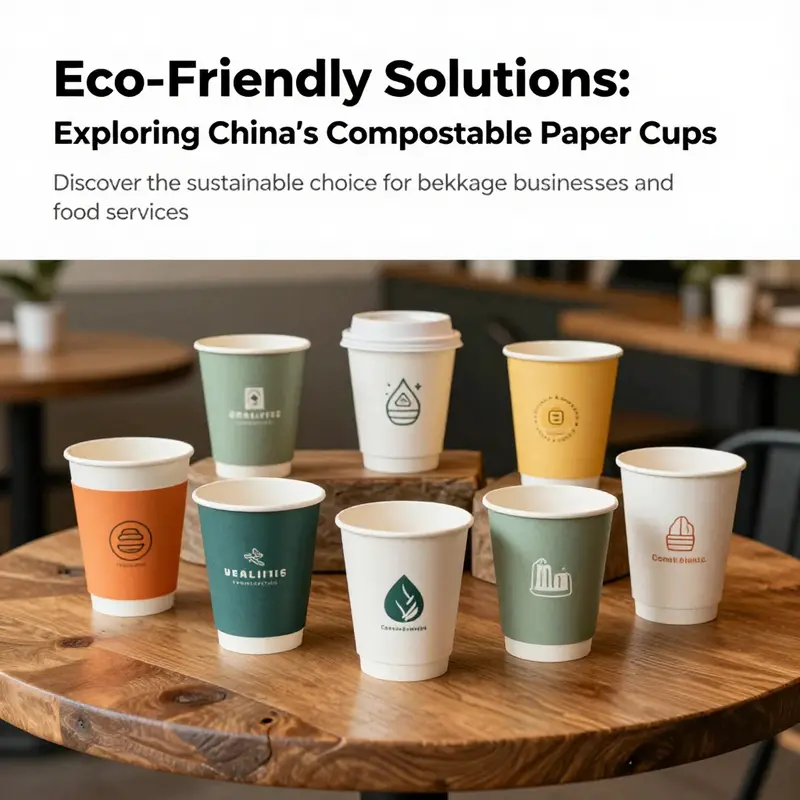
In today’s world, sustainability is a growing concern, especially for businesses like bubble tea shops, restaurants, and catering services. As the demand for environmentally friendly products increases, compostable paper cups have emerged as a leading alternative to traditional disposable options. Originating from the innovative manufacturing hubs of China, these cups not only meet high standards of functionality and design but also reflect a commitment to reducing plastic waste. The following chapters will delve into the market landscape of compostable paper cups in China, explore the manufacturing processes and environmental standards associated with these products, and examine the global trade dynamics that influence their availability and procurement strategies. Each aspect is essential for understanding how these products can benefit your business while aligning with sustainability goals.
Turning Green into Value: Navigating China’s Market for Compostable Paper Cups in Global Sales
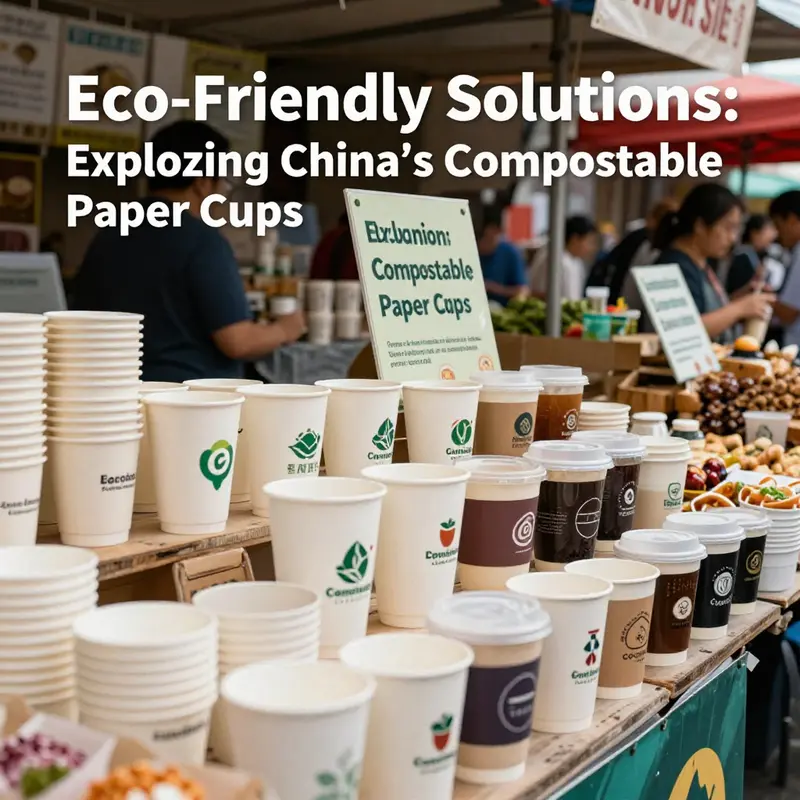
The shift away from disposable plastics has accelerated the emergence of compostable paper cups as a practical and marketable solution for the foodservice and packaging sectors. In China, this shift is reflected not only in regulatory tone but also in the breadth of manufacturing capacity, the sophistication of coating technologies, and the breadth of markets that are willing to embrace compostable disposables. The narrative is less about a single product and more about a robust ecosystem that links raw material innovation, processing know-how, standardized testing, dependable logistics, and global demand for sustainable packaging. When viewed through this lens, China’s compostable paper cup sector appears less as a niche industry and more as a strategic node in the worldwide transition toward circular packaging models. The macro drivers are clear: increasing environmental awareness among consumers, rising regulatory pressure to curb single-use plastics, and the growing maturity of industrial composting infrastructure in many regions. Together, these forces shape a market that rewards reliability, consistency, and the capacity to deliver on tailored sustainability promises at scale. In this larger frame, the Chinese market for compostable paper cups has evolved into a credible conduit between green design ambitions and practical, on-the-ground procurement for global buyers who want to align procurement with environmental commitments without sacrificing performance, cost efficiency, or supply chain resilience.
At the heart of this market lies a manufacturing landscape that has positioned itself at the forefront of eco-friendly packaging solutions. The cups themselves are typically built from responsibly sourced paper pulp and finished with coatings that render the interior 100% compostable under industrial conditions. The most common coating approaches center on polylactic acid (PLA) and water-based systems. PLA, a biopolymer derived from renewable resources, serves as a barrier coating that enables hot and cold beverage applications while remaining compatible with composting streams in facilities designed for industrial processing. Water-based coatings, in turn, offer a different performance profile—often emphasizing smoother printability, lower odor risk, and compatibility with a broader range of downstream printing and labeling processes. In practice, producers blend these coating strategies to produce cups suitable for a wide spectrum of uses: hot beverages like coffee and tea, cold drinks, yogurt and ice cream tubs, and even packaging solutions for light medical or pharmaceutical applications where a clean, inert barrier is desirable.
These technical choices are not idle; they shape the multi-item catalog that suppliers across China offer to international buyers. Hot and cold beverage cups, for example, form a core segment, with variants engineered to optimize heat retention and user comfort. Ripple-wall or double-wall designs are common, and they illustrate how material science meets user experience: the inner barrier reduces heat transfer, while the outer structure provides grip, insulation, and a sense of sturdiness. This is more than functional design; it is a strategic response to the needs of operators who manage high volumes and demand consistent performance across many service environments. In addition to beverages, compostable cup formats have extended into dessert applications—ice cream cups and yogurt cups—and into packaging for snacks or light foods where a single-use vessel must maintain form and a clean presentation through service and transport. Even in fields such as pharmaceutical packaging or gift packaging, the same coating and paper technologies are repurposed or re-engineered to meet stringent packaging aesthetics and safety expectations, underscoring the versatility of the Chinese manufacturing base in this space.
The supplier landscape in China is characterized by an efficient and mature B2B environment. Buyers frequently source through widely used marketplaces and direct manufacturer channels, taking advantage of pricing structures and customization options that are designed to support both high-volume contracts and brand-focused, lower-volume runs. A notable feature in this ecosystem is the capacity to offer bulk pricing that can begin at remarkably low unit costs for very large orders, accompanied by volume-based incentives and flexible logistics arrangements. The implication is clear: for buyers who think in terms of container loads rather than cartons, the economics of scale can be compelling, enabling a lower delivered price per cup while still delivering on environmental promises. Beyond raw price, the ability to customize is a major competitive lever. Suppliers readily offer logo placements, brand motifs, and packaging styles that reflect corporate identities or marketing campaigns. This OEM/ODM capability makes compostable cups a strategic touchpoint for brands seeking to communicate a sustainability narrative, not just a functional purchase. The integration of customization with eco-credentials supports a broader value proposition: sustainable branding that aligns with consumer expectations for responsible packaging while maintaining a competitive cost structure.
In contemplating production capacity, the market’s strength becomes most evident when one considers the speed and scale at which suppliers can operate. Lead times for sampling in particular are typically short—often five to seven days—reflecting streamlined prototyping, rapid iteration, and a well-developed supplier network accustomed to responding to international demand. This agility matters because it enables buyers to validate performance, test printing and branding options, and confirm compostability credentials before committing to large-scale purchases. It also feeds into a reliable cycle of development where new sizes, coatings, or design features can be introduced with minimal disruption to ongoing supply. The availability of advanced cup designs, such as double-wall and ripple-wall formats, underscores how the market blends comfort with practicality. Double-wall cups provide enhanced insulation while ripple-wall designs balance insulation with a tactile grip, meeting consumer expectations for comfort during extended service periods in busy venues. For operators who seek to serve both domestic and overseas markets, these options help reconcile diverse needs—from users who value hot beverage experience to customers who prioritize a crisp, clean presentation for cold items or desserts.
Global demand trends amplify the importance of this production ecosystem. The shift toward sustainable packaging is not a temporary trend but a structural transformation that has become central to corporate procurement policies and brand strategies. In many markets, regulations restricting single-use plastics are becoming more stringent, and a growing number of jurisdictions now favor compostable or otherwise recyclable alternatives for foodservice disposables. This policy context interacts with consumer sentiment—an increasing emphasis on environmental stewardship, especially among younger demographics, and a willingness to pay a modest premium for products that align with sustainable values. For manufacturers in China, this confluence of policy and preference translates into a robust export trajectory. The base of demand is broad: markets that require rigorous product safety for food contact, markets that demand reliable supply chains for large events, and markets that insist on consistent performance in hot and cold usage scenarios. Taken together, these forces produce a world where Chinese producers of compostable cups can position themselves as cost-efficient, quality-conscious suppliers capable of meeting both scale and specificity.
A key consideration for buyers is the life cycle story of compostable cups. The compostability claim is meaningful only if the product actually participates in a composting stream under appropriate conditions. The expectation is not that a cup will degrade in a home compost heap but that it will break down in an industrial facility designed to handle compostable biopolymers. This distinction matters for procurement strategies and for the credibility of environmental claims. In practice, buyers must verify that the cups meet recognized industrial composting standards and that their end-of-life systems exist where intended. That due diligence extends to the adhesives, printing inks, and any decorative elements that accompany the cup, to ensure that every component contributes to a clean, efficient composting process rather than introducing contaminants into the stream. The reliability of the supply chain—both in terms of sustained material quality and in the consistency of coating performance across lots—becomes an important factor in long-term sourcing decisions. In organizations with formal sustainability goals, the procurement process often includes supplier audits, third-party certifications, and ongoing validation tests that track how the products perform in real-world programs and how well they meet compostability criteria over time.
From a design and packaging perspective, the potential for customization is a vital strategic advantage. Brand positioning often hinges on the visual identity that accompanies a compostable cup, as well as on the practical messaging about environmental responsibility. Suppliers can accommodate a range of sizes, colors, and print patterns, and some can deliver multiple SKUs under a single contract to support a diversified portfolio of products. This flexibility is especially valuable for operators seeking to harmonize their packaging with other sustainable initiatives, such as recyclable lids, compostable sleeve components, or compostable secondary packaging that communicates a complete, end-to-end sustainability promise. In parallel, there is a quiet but important emphasis on the downstream integration of packaging ecosystems. Efficient packaging and labeling processes, compatible lids and sleeve solutions, and a consistent supply of related components all contribute to a smoother service experience for end users. This ecosystem approach reduces the friction that can otherwise undermine sustainability efforts when a brand attempts to scale its eco-friendly packaging across multiple markets.
The procurement journey for compostable cups in China thus involves multiple converging streams: materials science that enables compostability and performance, manufacturing excellence that can scale to international orders, and a market framework that rewards customization and reliability. It also requires buyers to engage with a careful, evidence-based due diligence process. Because the environmental claim rests on the interplay between material choices and end-of-life infrastructure, buyers should seek documentation that confirms compostability under industrial conditions, including any third-party verification or certification that supports the claim. This verification becomes a practical compass for risk management in a global supply chain where regulatory expectations differ by jurisdiction and where the true sustainability impact hinges on the ease and effectiveness of composting or correct diversion of the product at the end of its life. In a field where every shipment represents a decision about environmental impact, the ability to align procurement with both corporate sustainability goals and practical disposal realities becomes a defining capability for buyers who want durable, scalable solutions.
For those who explore supplier options with an eye toward cost efficiency and customization, it is helpful to note the existence of dedicated options that foreground affordability without compromising environmental intent. A representative example of the market’s breadth is the availability of low unit costs for high-volume runs, coupled with customization opportunities that let brands imprint logos, designs, and messaging on the cups themselves. The combination of low per-unit pricing and branding flexibility means that compostable cups can be integrated into campaigns where visual identity reinforces environmental storytelling while also delivering consistent product performance across service environments. This convergence of price, performance, and brand alignment is precisely what makes the Chinese compostable cup sector appealing to a wide spectrum of buyers—from small cafes to large foodservice networks and from nimbly branded pop-up concepts to global retailers seeking scalable sustainability commitments. The practical reality is that suppliers are not merely offering a commodity; they are providing a platform upon which buyers can build credible, end-to-end sustainability programs that span product design, manufacturing discipline, and responsible end-of-life management.
In the end, the market for compostable cups in China is best understood as a system with interlocking parts: coating technology that enables compostability and durability; a manufacturing base that can respond quickly to large orders and customization requests; and a global demand wave that rewards traceable sustainability credentials, reliable delivery, and cost effectiveness at scale. Buyers who want to participate effectively in this market should plan for careful supplier evaluation, seek verification of compostability claims, and build procurement strategies that acknowledge the realities of industrial composting infrastructure in their target markets. The result is a procurement path that not only reduces plastic waste but also strengthens brand integrity through transparent, verifiable environmental performance. As markets continue to evolve and as more regions expand their composting capabilities, China’s role as a cost-efficient hub for compostable paper cups is likely to deepen, reinforcing the link between environmental governance, manufacturing sophistication, and the global appetite for responsible packaging.
For readers seeking practical access points within this ecosystem, consider exploring options that combine affordability with branding flexibility. A representative example in the supplier landscape demonstrates how a single SKU can meet both cost and customization needs, reinforcing the idea that compostable cups can be a core element of a broader sustainability program rather than a one-off procurement item. Such options illustrate how modern packaging supply chains can be designed to support rapid deployment of eco-friendly campaigns, while still delivering on performance expectations across diverse consumer settings. This approach matters because it puts buyers in a position to scale responsibly as environmental policies become stricter and consumer demand for sustainable packaging continues to rise. In other words, the market is not merely about selling a compostable cup; it is about delivering a turnkey capability for sustainable packaging programs that can be executed at scale with confidence and traceability. That is the core value proposition of China’s compostable cup segment in the current global marketplace, and it signals a durable opportunity for buyers who want to align procurement decisions with long-term environmental and business objectives.
Internal link for practical sourcing insights: Best price 8oz double plastic-free single-wall paper cup. This reference illustrates how cost-effective options can be combined with branding flexibility within a compostable-cup program, enabling buyers to test a range of configurations while maintaining environmental commitments. While this chapter focuses on market dynamics and supply-chain attributes, such concrete examples help anchor the discussion in real-world procurement realities and demonstrate how the ecosystem supports scalable, sustainable packaging strategies across global markets.
As the chapter closes, the larger narrative remains clear: China’s compostable paper cup sector is not a passing trend but a structured, scalable platform that integrates material science, manufacturing discipline, and global demand for responsible packaging. Buyers who engage with this ecosystem thoughtfully—verifying compostability claims, assessing end-of-life infrastructure, and coordinating branding and packaging requirements—can realize a sustainable procurement model that reduces environmental impact without sacrificing performance or reliability. The next chapters will continue to map the broader context, including logistical considerations, certification landscapes, and case studies of how brands have woven compostable cups into comprehensive sustainability programs. External factors such as shipping costs, currency volatility, and regional waste-management capabilities will be examined to provide a holistic view of the long-term viability and strategic value of sourcing compostable cups from China. External resource: https://www.alibaba.com/product-detail/Compostable-Cup-Suppliers-from-China-Verified_1600534899415.html
Fibre, Standards, and Global Reach: Navigating China’s Compostable Paper Cups for a Cleaner Takeaway
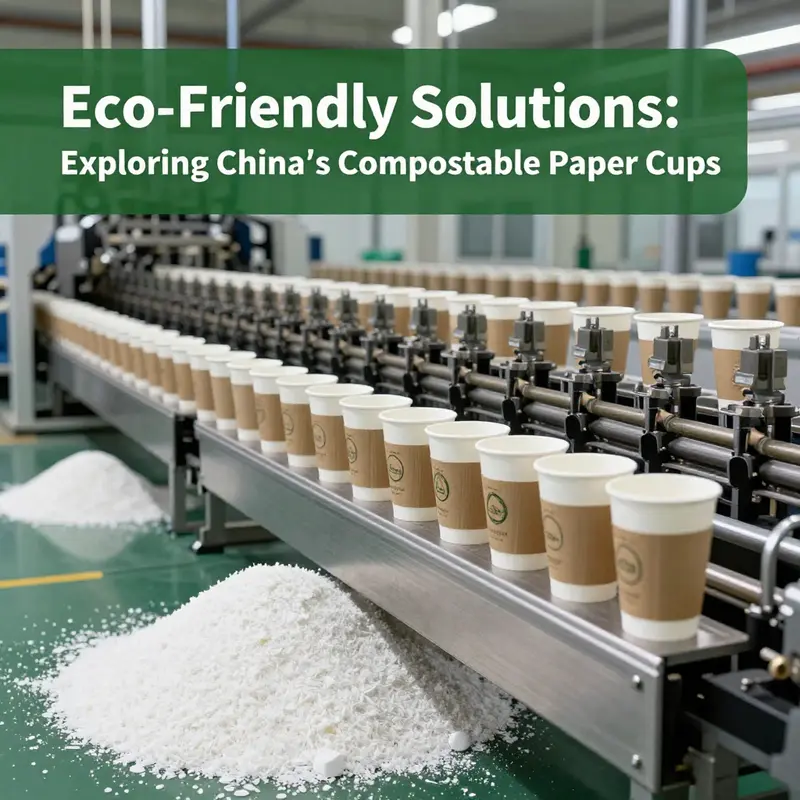
The emergence of compostable paper cups in China has unfolded as a quiet revolution within the country’s vast packaging ecosystem. What began as a response to mounting concerns about plastic waste and microplastics has evolved into a coordinated pursuit of materials, processes, and standards that align with international expectations for food safety and end-of-life stewardship. In practice, these cups are far more than simple vessels for coffee or juice. They are a case study in how a national manufacturing landscape adapts to global pressures for sustainability while maintaining the practical demands of a bustling, service-driven economy. The journey from raw plant fibers to a finished cup that can be composted under industrial conditions involves a chain of decisions about fiber sources, coatings, heat resistance, moisture control, and the means by which a company demonstrates compliance to buyers who are increasingly wary of greenwashing. Across China, producers have leaned into 100% renewable fiber bases—often kraft paper made from unbleached pulp—as the backbone of compostable cups. This choice reduces reliance on petrochemical feedstocks and creates a substrate that, in principle, can re-enter the organic cycle after use. Yet the fiber choice is only part of the equation. The coating strategy, most commonly a thin layer of a biobased polymer such as polylactic acid (PLA), substitutes for traditional, oil-derived PE coatings. The PLA layer serves multiple critical roles: it imparts moisture resistance, preserves the cup’s barrier properties during short-term hot or cold beverage contact, and, crucially, remains amenable to biological breakdown under the right composting conditions. The shift from petroleum-based coatings to plant-derived coatings is a foundational change in the lifecycle of a disposable cup. It signals a broader intention to align with standards that govern how quickly a product can break down and what residues it might leave behind. The adoption of PLA or similar biopolymers aims to eliminate microplastic shedding during disposal and to minimize the presence of persistent plastics in soil and waterways. In theory, a compostable cup coated with a biobased layer should degrade along with the organic matter in a properly managed industrial composting stream, especially when the cup is designed to disintegrate within a defined window, typically around 90 to 180 days depending on the composting facility and the material formulation. The practical implications of this alignment are profound. A consumer who deposits a used cup into the correct waste stream expects that the cup will contribute to a composting process rather than persisting as litter. A municipal waste manager seeking effective ways to divert organics from landfills expects to receive a material that reduces contamination and supports a stable compost product. For manufacturers, the challenge is to certify that their products truly perform as claimed under real-world conditions, not merely in a laboratory. In this respect, the regulatory and certification landscape in China has been steadily harmonizing with international norms. A dominant thread in this landscape is adherence to widely recognized compostability standards, notably EN 13432 in the European Union and ASTM D6400 in the United States. These standards specify that a product must, under industrial composting conditions, break down within a defined period (typically 180 days) and leave no toxic or persistent residues. The practical implication for producers is that their product must be tested in accredited facilities to demonstrate compostability, while the packaging itself must carry labeling that communicates its end-of-life expectations to buyers and waste operators. Alongside these procedural benchmarks, Chinese manufacturers often emphasize the use of food-contact compliant paper stock and coatings that meet food-grade safety requirements. The emphasis on food-grade paper ensures that the cup does not contribute unwanted contaminants to the contents, an essential consideration for both hot beverages and cold drinks that might have acidity or sugar content. The combination of food-grade material and a compostable coating also helps to address consumer concerns about safety when beverage temperatures rise and the cup is residents of a consumer’s hands for several minutes. The result is a product with dual claims: it should perform as a barrier to leaks and heat transfer during use, and it should break down after disposal in a manner consistent with organic waste streams. The production lines behind these cups are designed to support customization. Many suppliers offer a range of sizes—from small eight-ounce cups intended for espresso and hot beverages to larger capacity options suited for cold drinks or soup. In addition to size flexibility, manufacturers often provide options for graphic customization and branding, with the goal of enabling restaurants, cafes, and event organizers to maintain visual identity even as they choose a more sustainable packaging alternative. The customization dimension is closely linked to the broader story of procurement in today’s hospitality economy. In a market where take-out and delivery have become essential services, brands want packaging that reinforces their environmental commitments without sacrificing performance or printability. The capacity to offer OEM/ODM solutions—designing packaging with a client’s branding in mind—extends the reach of these Chinese producers into global markets. It also fosters a high level of trust with buyers who demand traceability across the supply chain. The raw materials and coatings themselves are not without scrutiny. While PLA-coated papers are a popular option, there is growing interest in alternatives such as starch-based or other biobased coatings that may offer different performance characteristics, compostability timelines, or end-of-life options. The choice of coating affects several performance dimensions: barrier protection against oil and moisture, adhesion to the paper substrate, thermal resistance to hot beverages, and the rate at which the material can break down in a composting facility. In practice, the PLA layer is designed to be thin and uniform, a balance between functional protection and the speed of biodegradation. The manufacturing workflow begins with the preparation of the paper stock, which is typically sourced from renewable fibers and processed to meet both food-safety and mechanical strength criteria. The next stage is application of the coating. The coating process must ensure a uniform layer that does not crack when the cup is formed, filled, and handled. The curing process that follows helps to establish a stable, food-safe surface that resists moisture long enough to protect the contents during transport, then allows for decomposition when the cup enters the compost stream. Quality control at each step is essential. Non-destructive testing, surface energy measurements, and leak tests ensure that the cup maintains its integrity during use. Compliance testing confirms that the coating and paper meet regulatory and consumer expectations for safety and environmental performance. The end-of-life narrative is as important as the use phase. Industrial composting facilities operate under controlled temperature, moisture, and microbial conditions designed to accelerate the degradation of compostable plastics and biobased materials. In well-operated facilities, a compostable cup coated with PLA can disappear within the 180-day window, converting to water, carbon dioxide, and organic matter. But this outcome depends on the presence of appropriate processing infrastructure and clear waste separation by consumers. When these elements are missing or misapplied, compostable cups may end up in mixed municipal waste streams, where the absence of ideal conditions can slow or prevent complete degradation. This reality underscores the need for robust public information campaigns and waste sorting programs that guide consumers toward proper disposal. It also highlights a key area where policy and industry must collaborate: the development of standardized labeling that communicates end-of-life expectations in ways that are actionable for households and businesses. Beyond the technical and regulatory layers, there is a broader environmental context in which Chinese compostable cups operate. Lifecycle assessments conducted by researchers in recent years consistently show that the carbon footprint of these cups is lower than that of conventional plastic cups when produced, transported, used, and disposed of under appropriate conditions. The reduction in carbon intensity stems from several sources: the substitution of fossil-based materials with renewable plant-based inputs, the lower energy intensity of certain production steps, and the potential for the cups to contribute to a more circular waste system when correctly sorted. Still, the life-cycle benefits hinge on real-world disposal outcomes. If compostability is promised but the post-consumer path remains unclear, the environmental advantage can be undermined. This is why the industry is increasingly promoting integrated solutions that pair packaging with composting services or waste management programs, strengthening the chain from production to end-of-life. Field observations from facilities that process compostable cups indicate that the end-of-life advantage multiplies when facilities are designed with compostable plastics in mind and when waste sorting is aligned with the feedstock requirements of those facilities. In other words, the environmental gains multiply when there is synergy between material selection, processing infrastructure, and consumer behavior. The broader implications for global trade are equally meaningful. As Chinese producers scale up and refine their processes, they become more capable of meeting international demand for green, compliant packaging. Buyers in other regions, seeking to replace conventional single-use cups with compostable alternatives, look for suppliers who can demonstrate consistent product quality, reliable certifications, and robust supply chain governance. In this context, the capacity to provide transparent documentation—ranging from material sources to testing results and end-of-life labeling—becomes a core competitive advantage. The market dynamics, however, are not entirely uniform. Regional differences in composting infrastructure, waste management norms, and regulatory expectations shape how these products are received. In places with sophisticated organics programs, compostable cups with PLA coatings may be embraced as a natural fit, provided labels and waste streams are clear. In areas where industrial composting remains limited or where home composting is the common expectation, buyers may seek products that offer flexibility, such as coatings that degrade effectively under home composting conditions or alternative materials that align with existing waste-processing capabilities. The Chinese manufacturing community has responded by developing a spectrum of products and services that address these diverse needs. Some producers emphasize lightweight, single-use cups designed for fast-moving consumer settings, while others invest in more robust formulations that maintain performance under a variety of temperatures and handling conditions. The customization capacity reflects a nuanced understanding that packaging choices are often intertwined with brand strategy, market position, and distribution realities. The production ecosystem has also integrated quality assurance and traceability mechanisms that help reassure buyers about product integrity and safety. Documentation can include batch-level testing results, material certifications, and compliance statements that align with international standards. In practice, this means that buyers can verify that a given cup meets specific performance criteria, including heat resistance for hot beverages, leak resistance for both hot and cold liquids, and a clearly defined end-of-life pathway. The conversation around standards is not static. It evolves with new research, better testing methodologies, and evolving policy landscapes in multiple jurisdictions. For Chinese manufacturers and their global partners, the path forward lies in continuous improvement: refining coating formulations to optimize compostability without sacrificing barrier properties; expanding access to accredited testing facilities; and participating in cross-border certification programs that validate the product’s performance in a wide range of environmental conditions. One practical takeaway for procurement professionals is to view compostable cups not as a single product but as an ecosystem. The fiber quality, coating choice, manufacturing controls, labeling, and end-of-life practices must be considered together to achieve the desired environmental and safety outcomes. In conversations with suppliers, buyers often learn to assess the completeness of a supplier’s environmental program, from raw material sourcing to factory waste management and energy efficiency measures. The most credible partners disclose their testing results, provide traceable material data, and participate in recognized certification schemes. The result is a market where companies can confidently purchase compostable cups that meet both performance and environmental expectations, while still offering the customization and scalability demanded by busy foodservice operations. While the narrative of China’s compostable paper cups centers on standards and lifecycle performance, it also reflects a broader industrial trend: the shift from passive compliance to active stewardship. Companies are increasingly considering the downstream effects of their packaging, including how waste streams are managed, how consumers understand disposal options, and how the packaging integrates into a circular economy. In this sense, the story of China’s compostable cups is not just about a product line; it is about an approach to packaging that seeks to harmonize efficiency, safety, and environmental responsibility. The practical implications for the global market are clear. Buyers seeking sustainable packaging solutions can expect a continuously improving supply side that delivers high-quality, compliant, and customizable options at scale. For the countries and cities investing in robust organics programs, these cups offer a potential alignment with existing waste management practices and a feasible route to reducing the footprint of takeout services. The challenge remains ensuring that the benefits are realized through proper disposal and that the packaging does not become a source of contamination in compost streams. To this end, ongoing collaboration among manufacturers, waste management operators, policymakers, and consumers remains essential. As the market matures, the emphasis on transparency—clear labeling, accessible documentation, and verifiable testing—will help sustain trust and drive broader adoption. For researchers and industry observers, the Chinese compostable cup sector offers a compact model of how manufacturing excellence, environmental stewardship, and cross-border commerce can converge. A material that began as a simple wrapper now embodies a system of standards, facilities, and behaviors that collectively address some of the most pressing questions about modern consumption: How can we enjoy a hot drink without compromising a future for the planet? How can we ensure that everyday packaging moves from a disposable interrupt to a constructive part of the circular economy? In pursuing these questions, Chinese producers continue to adapt, refine, and verify—their products increasingly designed to meet the demands of global buyers who are vigilant about end-of-life outcomes, safety, and performance. For readers seeking more detailed, technical context on the standards and applications governing China’s compostable cups, a recent synthesis provides a comprehensive overview of specifications, grades, and practical applications. This resource helps to illuminate how a country’s manufacturing capabilities translate into tangible environmental benefits, and it underscores the importance of rigorous testing and credible labeling in a market that values both reliability and responsibility. External reference will offer avenues for deeper exploration of the standards landscape and the performance expectations that buyers in multiple regions seek as they evaluate compostable cup offerings. A parallel thread worth following involves the user-facing dimension of product differentiation. The opportunity to customize—through color, print, and branding—coexists with the obligation to communicate compostability clearly and accurately. Buyers need packaging that not only performs in use but also clearly indicates how to dispose of it so that the end-of-life process actually happens as intended. When these components align, the result is a packaging solution that supports both brand storytelling and environmental outcomes. In practice, the most successful programs highlight a coherent narrative—from the fiber source and coating chemistry to the logistics of waste sorting and the economics of local composting facilities. The chapters of this story are not isolated: they form an interconnected system where material science, regulatory rigor, and consumer behavior converge. The rising tide of compostable cups in China is thus less about a single product category than about a holistic approach to packaging that respects safety standards, environmental limits, and the realities of a global supply chain. As the sector evolves, stakeholders should remain attentive to three practical imperatives. First, ensure that certification and labeling reflect actual performance, with third-party verification where possible. Second, strengthen the alignment between product specifications and the availability of appropriate end-of-life infrastructure in target markets. Third, nurture transparency in sourcing, processing, and testing to support informed procurement decisions. Taken together, these commitments can help sustain the momentum of a sector that stands at the intersection of everyday convenience and long-term stewardship. With ongoing investment in materials science, process optimization, and waste-management integration, China’s compostable paper cup industry is well-positioned to contribute meaningfully to a less wasteful, more circulatory form of takeout packaging—one that aligns the rhythms of a dynamic economy with the pace of environmental responsibility.
From Factory Floors to Global Tables: The Trade Pulse of China’s Compostable Paper Cups
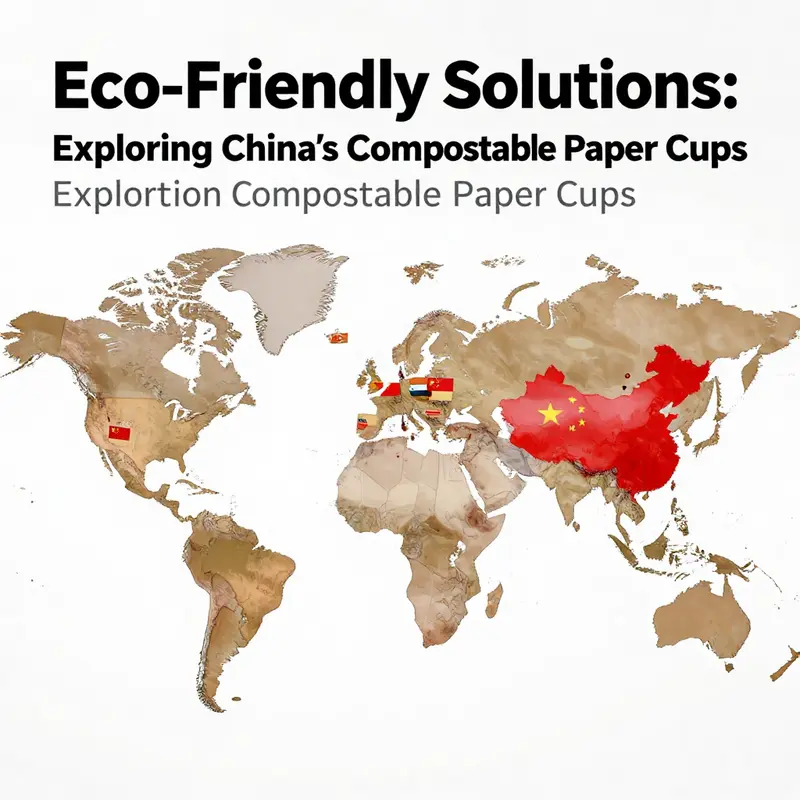
Across the modern packaging landscape, compostable paper cups produced in China have become a pivotal driver in global sustainability.
This chapter traces production halls, ports, and procurement desks to reveal how a manufacturing backbone supports a global shift to greener disposables.
The discussion highlights how policy, regional ecosystems, and buyer expectations interact with scale, customization, and end-of-life considerations.
Coastal clusters enable export throughput, while inland nodes support material sourcing and innovation.
Customization allows brands to maintain consistent visuals across markets, balancing performance with environmental goals.
Materials such as PLA coatings and renewable fibers underpin compostability, with standards and traceability ensuring credible claims.
International sourcing platforms provide visibility into supplier capabilities, MOQs, and pricing at scale.
The export network offers reliable delivery, risk management, and predictable lead times.
Market dynamics respond to regulatory developments and evolving consumer demand for sustainable packaging, with investors and auditors increasingly demanding data on lifecycle benefits.
Looking ahead, continued maturation of compostable materials and waste-management infrastructure will shape supplier strategies and procurement decisions.
Buyers are urged to evaluate end-of-life pathways, certifications, and the ability to scale with seasonality, while suppliers pursue process standardization and transparency to build trust.
Final thoughts
Compostable paper cups represent a vital step towards sustainable practices for bubble tea shops, restaurants, catering services, and more. By embracing these eco-friendly solutions, businesses can not only contribute positively to the environment but also appeal to conscientious consumers who prioritize sustainability. As illuminated in this exploration of China’s market, manufacturing standards, and global trade dynamics, investing in compostable cups is not just beneficial—it’s essential for future business success and ecological responsibility. The shift towards a more sustainable future starts with informed choices.