
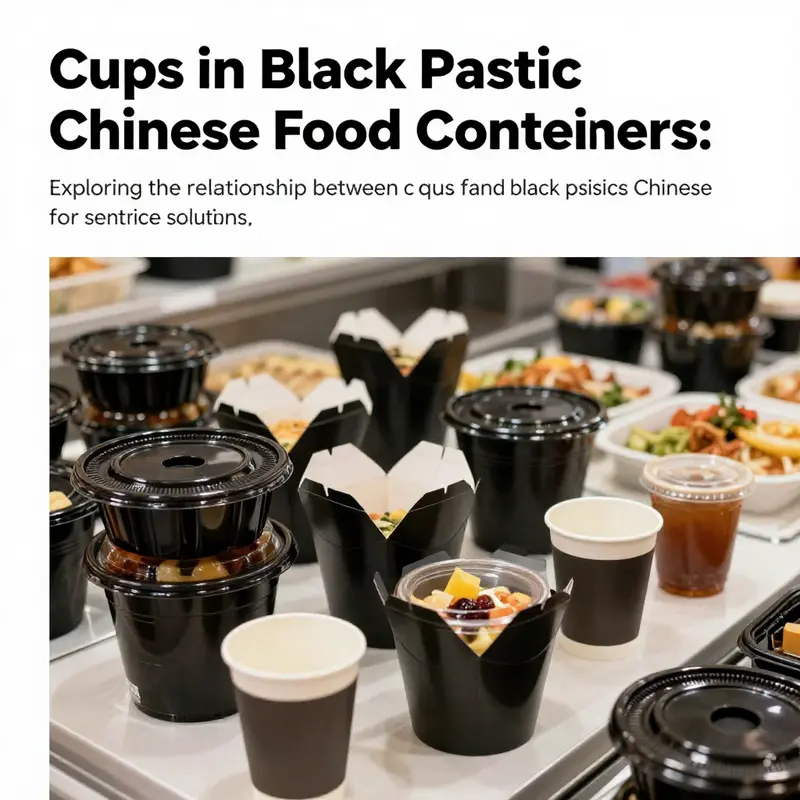
In the evolving landscape of food service, understanding the role of disposable containers is essential, especially in establishments like bubble tea shops, restaurants, and catering services. While black plastic Chinese food containers are primarily recognized for holding meals, they also raise interesting discussions around the inclusion of cups and their functional capacities. This article delves into the specifications of these containers, their intended functions, and the alternatives available for beverage service. Furthermore, we analyze market trends as well as the environmental implications to understand how these elements coalesce in contemporary food and beverage businesses. Each chapter will build a comprehensive picture of how cups interact with these containers and what this means for your operations, enhancing your decision-making processes.
What Holds the Takeout: Demystifying Cups, Lids, and the Black Plastic Chinese Food Container
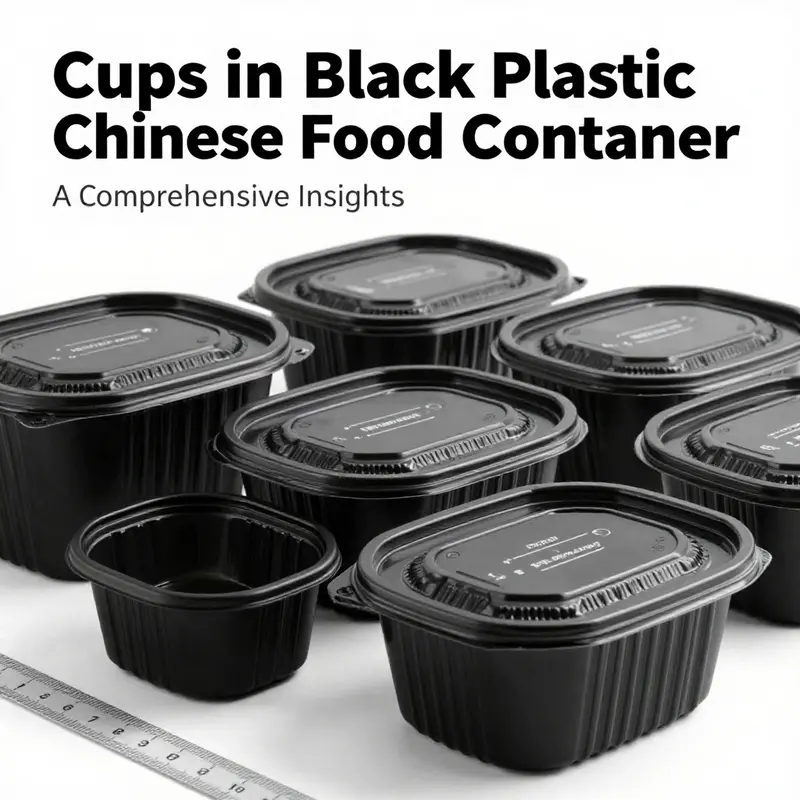
The familiar black plastic takeout container instantly marks a meal for many diners. Its glossy lid snaps shut with a solid click, signaling a clean, minimalist aesthetic that vendors use to project consistency across menus and locations. Yet beneath that uniform exterior lies a practical logic: a container designed to carry a complete meal securely from kitchen to customer, not a box built to cradle a beverage system. The idea that the box might shelter cups is tempting, often prompted by how kitchens bundle sauce, noodles, rice, a side, and sometimes a beverage into a compact package. When we look at product specifications for black plastic Chinese takeout containers, the conclusion is clear: these containers are not designed to include cups. They are single, self-contained vessels built to hold food, with a lid that preserves warmth and minimizes leakage during transit. The typical dimensions are generous enough for a main dish and sides, with capacities that support both small meals and larger combos. In practical terms, a standard box in this category can hold roughly 30 ounces, translating to a substantial amount of food. The geometry emphasizes stability: flat bottoms for stacking, straight sides to maximize usable space, and a lid that seals rather than vents. The design prioritizes reliability in high-volume settings where meals are prepared quickly, loaded in bulk, and transported through a system that values speed and predictability over novelty.
Material wise, most black takeout boxes are made from food-grade polypropylene, chosen for rigidity and resilience. Polypropylene tolerates typical kitchen temperatures and remains cost-effective at scale. The tradeoff is that while polypropylene handles hot foods, it is not universally microwave-safe and can warp if overheated or unevenly heated without proper designation. The lid is engineered to minimize spills during transit, a key requirement of delivery and catering. The result is a packaging solution that excels at transporting meals rather than housing beverages.
Capacity ranges in the field from small eight-ounce boxes to larger thirty-two-ounce formats. This spread reflects the dual needs of light lunches and heartier meals with sides. When beverages are part of an order, they are usually carried in a separate cup designed for liquids, not inside the main container itself. The box remains a reliable, food-only vessel, while beverage cups and their lids handle liquids in a dedicated path through the packaging ecosystem.
Across the broader packaging landscape, you will find modular add-ons such as condiment cups or small dessert cups that complement the main box without forcing it to do everything. This modular approach supports speed and efficiency, and helps operators tailor packaging to the menu without overcomplicating the core container. From a sustainability angle, black plastics can complicate recycling streams in some facilities, which shapes how operators think about end-of-life strategies and local recycling capabilities.
In short, a black plastic Chinese takeout container is not designed to house cups as a built-in feature. It is optimized to carry meals securely, with a seal that preserves warmth and minimizes leaks. When a drink is included, it travels in a separate cup designed for liquids, keeping the roles of food container and beverage packaging distinct. This modular division supports reliable performance, simplified disposal, and a smoother customer experience from order to enjoyment.
External note: packaging ecosystems continue to evolve toward sustainable options and modular designs, with many operators exploring Kraft paper or other recyclable formats for combined meals, sauces, and beverages.
The Hidden Cup: Reimagining Beverage Mapping and Presentation within Black Plastic Chinese Takeout Containers
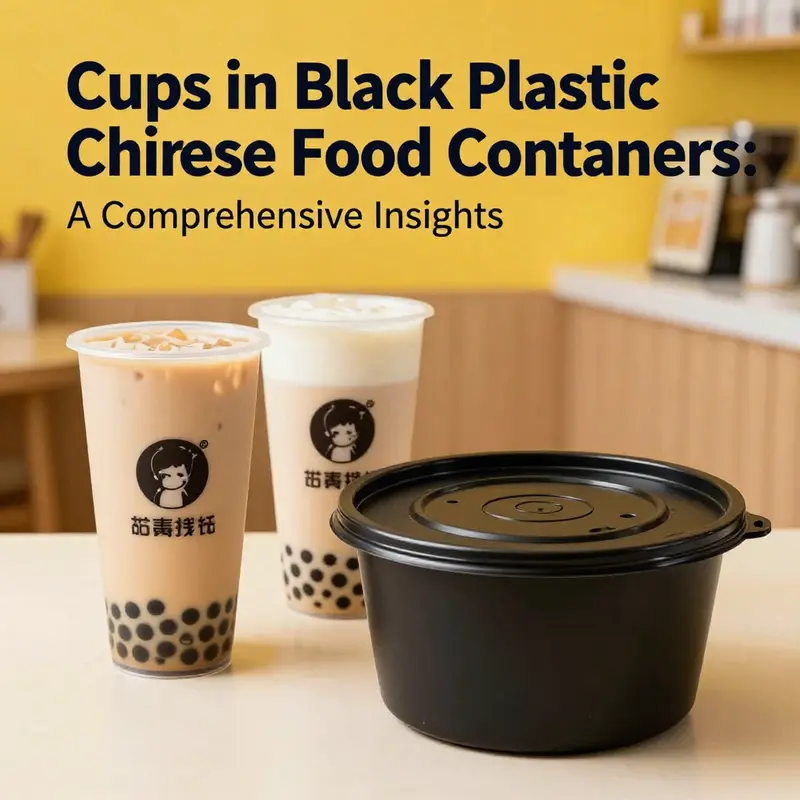
A black plastic takeout container, with its matte exterior and hinged lid, occupies a peculiar niche in ready-to-eat meals. It is designed to carry a complete meal in a compact form. Its design is practical and efficient, and in many markets almost invisible in daily life. The container typically holds main dishes and sides together, a tidy bundle that travels from counter to curb to table. It is not, by default, a vessel for beverages. Yet the question of how cups or beverage compartments relate to this container offers a revealing lens on how packaging is engineered to balance presentation, safety, and efficiency in high-volume service.
The positioning of cups speaks to a broader philosophy of packaging design. Presentation matters. When a consumer glances at a takeout box, the exterior matters: perceived cleanliness, compactness, and premium feel. The color black can mask residue and smudges, producing a cleaner baseline that can elevate perceived quality. In Chinese contexts, visual appeal and color harmony influence perceived freshness and taste, and the packaging design operates in dialogue with the food’s presentation. A black exterior can serve as a stage on which the meal appears refined, whether contents are congee, dumplings, noodles, or sauces that demand careful handling.
Inside this stage, cups occupy a paradoxical place. If beverages must be kept separate, the instinct is to add a cup or a dedicated container. However, the standard black takeout box is designed as a single unit. It emphasizes containment and disposal. An internal cup is not a flaw but a design choice that aligns with efficiency and hygiene. When cups are needed, operators may use a separate beverage cup system or a secondary package that travels with the main order. Thus the functional positioning of cups becomes about synchronizing packaging components to meet the needs of customers, drivers, and kitchens.
From a materials perspective, the black container is typically molded from a sturdy, food-grade polymer such as polypropylene or polystyrene. These materials offer moisture resistance, temperature tolerance, and the lightness needed for high-volume handling. The design supports both hot and cold foods, with a lid that snaps into place to resist spills. While these properties are essential for the container’s primary role, they also influence how beverage items are managed. A beverage that travels with a meal must be isolated from the main dish to preserve taste. The modular approach—holding beverages in a separate cup system rather than forcing a cup into the main container—preserves the integrity of the meal while keeping the lid-to-lid sealing system intact.
This arrangement has implications for efficiency in the kitchen and in the field. For kitchen staff, the box’s straightforward geometry simplifies filling, sealing, and labeling. A single-compartment box means fewer assembly steps and faster throughput during peak hours. For delivery personnel, compact packaging reduces the risk of spills in transit. The absence of an internal cup is one less item to secure and less risk of leakage in a moving vehicle. Yet the desire to offer beverages persists. Many operators adopt a two-pronged strategy: provide beverage cups as an ancillary component at pickup, or rely on separate packaging that complements the meal’s footprint without compromising the box’s integrity.
The design choices around cups can also be read as signals about sustainability. A black plastic container emphasizes a disposable model, but the industry is increasingly mindful of environmental impact. Some circles consider recyclable or compostable materials, or reusable packaging programs that reduce waste. Even when the container remains non-reusable, substituting beverage solutions with more sustainable options—such as recyclable cups and lids—becomes part of a larger design conversation. The goal is to minimize waste while maintaining the user experience: a complete, satisfying meal that travels well from stove to street to home.
If one looks at the operational logic behind cups in this context, several threads emerge. Heat management is important: beverage containers are designed to be comfortable to hold while maintaining temperature. In a box designed for solid foods, a separate cup system can be paired with a snug lid that prevents heat transfer and spills. Ergonomic handling matters: a separate cup, especially with a sleeve, becomes a manageable add-on rather than a complicating factor inside the main container. In peak times, standardizing and separating components can streamline workflow. A universal takeout box works with a family of disposable beverage solutions rather than demanding a bespoke integration of cups inside each box.
For readers seeking practical packaging options, the conversation moves beyond the single black container toward a family of formats designed to work in harmony. Modular components can be combined or separated as needed, supporting seasonal menus and varying expectations while preserving efficiency. The result is a resilient system in which the beverage component is not an afterthought but a well-integrated element of the meal experience.
Beyond the Takeout Box: Reimagining Beverages, Safety, and Sustainability in the Black Plastic Container
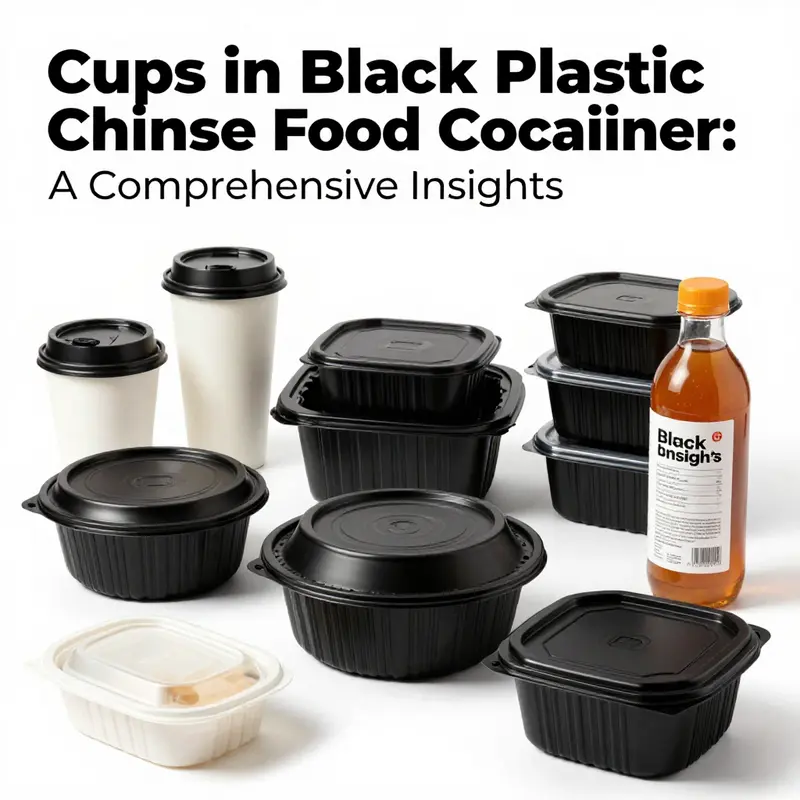
The black plastic takeout box most people recognize is designed as a single, cohesive vessel, a hinged rectangle that folds shut with the expectation of delivering a complete meal. It is built to cradle heat, keep sauces contained, and present a convenient disposal path after a meal is finished. This design does not include cups or built-in beverage compartments. Its interior is tuned for main dishes and sides, not drinks, and its lid is meant to seal in heat and grease rather than to cradle a separate beverage vessel. Yet in practice, customers often end up carrying a drink in a separate cup, a separate lid, and a separate sleeve or sleeve-less straw, all of which increase the number of components a consumer must juggle and dispose of. The takeout box, by its very form, invites a certain simplicity: a compact box that holds a complete meal with minimal parts. When the aim is speed, efficiency, and cost savings, adding a cup would complicate the package rather than streamline it. The result is a packaging ecosystem in which beverages and meals live in distinct, sometimes incongruent worlds, each with its own disposal path, temperature considerations, and waste footprint.
In weighing the realities of the box, one must consider the practicalities of serving beverages alongside hot, oily, or saucy meals. The box’s ridges, folds, and tight seal support the containment of solid foods and their sauces, but they do not provide the structural or hygienic requirements typical of a dedicated drink container. A separate cup would need its own lid, its own insulation, and its own leak protection—especially important when beverages are hot or carbonated. For many food-service operators, the decision to avoid built-in cups reduces the risk of spillage during transit and lowers the risk of cross-contamination between foods and drinks. It also simplifies the supply chain: one kind of container, one lid, one closure method, one disposal stream. In this sense, the black plastic box functions as a focused tool for one purpose—delivering a hot or cold meal in a compact format—without the complexity of a beverage system.
Despite its efficiency, the box also carries a set of health and safety questions that resonate beyond the dining table. When heated, plastics can interact with food in several ways. Some plastics have been shown to leach additives into fatty or hot foods, and even if a container is marketed for microwave use, the long-term health implications of repeated reheating and exposure remain a concern for researchers and health advocates. The conversation expands further when chemicals associated with certain plastics—such as those sometimes referred to as BPA or PFAS in broad discussions—are considered. While regulations and formulations vary, the underlying message is clear: the materials we choose for food storage and takeaway influence what ends up on the plate, and in the plate, over time. The black takeout box embodies a conventional approach to food packaging, one that favors convenience and economy but invites scrutiny about what is happening at the interface between heat, fats, and plastic. In this moment, consumers and operators alike are increasingly asking for clarity about safety, reusability, and environmental impact.
The narrative around safety naturally leads to a broader question: what are viable, safer alternatives that still honor the practical realities of takeout cuisine? One clear path is to step away from plastic altogether and turn to materials that perform well in the kitchen, are easier to clean, and pose fewer questions about chemical transfer. Glass, long celebrated for its inertness and durability, stands out as a robust option for storage and reheating in many homes and some professional settings. Glass containers with lids provide a non-porous surface that resists staining and odors, and they are often designed to be compatible with microwaves, ovens, and dishwashers, depending on the model. The payoff is a container that can be reused countless times, reducing waste and the cumulative chemical exposure associated with single-use plastics. Lids that are made of BPA-free materials and that seal tightly add another layer of safety, offering reliable containment for hot meals and preventing drips during transport.
If glass isn’t practical for some operators—due to weight, cost, or heat management considerations—silicone storage solutions offer a compelling middle ground. Silicone bags and trays combine flexibility with high heat resistance, easy cleaning, and reusability. They can handle a range of temperatures, from freezing to reheating, and they tend to resist odors and stains better than many other plastics. Silicone is not entirely inert, and debates about additives and long-term exposure persist, but many users appreciate its durability and reusability. In the world of takeout packaging, silicone can serve as a practical vessel for sauces, sides, and even beverages when used in conjunction with appropriate lids or closures. It represents a shift from a disposable mindset to a reusable one, a change that aligns with broader environmental goals and the rising demand for more sustainable restaurant practices.
Beyond glass and silicone, there is a growing interest in paper-based or pulp products that are designed for single use yet carry a smaller ecological footprint. Kraft paper bowls and similar vessels have been developed to hold soups, stews, and brothy sauces without the heaviness of glass, and some are engineered with lids to minimize spills. The idea is to preserve the familiar convenience of takeaway packaging while eliminating the need for a separate cup, at least in cases where a heat-stable, spill-resistant design can be achieved. When considering such options, it is essential to evaluate the balance between leak resistance, insulation, and the end-of-life story for the packaging. The most meaningful gains come when packaging is designed for recyclability or compostability, paired with a system that supports responsible material choices and consumer education about disposal.
For readers who are exploring practical ways to reduce reliance on plastic cups without sacrificing takeout convenience, there is a tangible pathway. Consider a disposable kraft paper bowl with a lid for soups or sides that would otherwise require a cup, paired with a sturdy, reusable container for the main dish. This approach creates a modular system in which beverages and liquids are contained separately, reducing the risks of cross-contamination and leakage while preserving the compact, all-in-one ethos that customers value in a takeout order. Such a setup also invites a conversation about end-of-life options for each component, encouraging customers to recycle or compost where available and to choose products designed for safe, repeated use when feasible. In practice, a simple, reusable container for cold drinks and a paper-based, lid-equipped vessel for hot liquids can streamline service, improve safety, and cut down on plastic waste over time. A practical example of this shift is to consider disposal-ready, paper-based alternatives for beverages inside a broader packaging strategy that keeps meals self-contained and transport-ready.
For readers who want to explore practical, disposable paper options as part of this modular approach, there are takeaway solutions designed to optimize portability and service. A disposable octagonal kraft paper bowl with a lid, for example, can offer a leak-resistant option where a separate cup would otherwise be used for sauces or dips. This kind of vessel can be integrated into a broader packaging system that keeps everything compact while reducing the reliance on plastic cups. The idea is not to force a single solution but to illuminate a family of viable options that can be customized to fit a restaurant’s menu, service pace, and environmental commitments. To learn more about these kraft-based alternatives and how they might fit into a larger packaging strategy, one can explore resources that showcase disposable, lid-equipped paper bowls as part of a sustainable takeaway ecosystem. Disposable Octagonal Kraft Paper Bowl.
As this discussion evolves, it becomes evident that the decision to omit built-in cups in a black plastic takeout container is not merely about cost or convenience. It is a statement about how a business views safety, waste, and the customer experience. It invites a reexamination of what “one-box convenience” really means in a world increasingly attentive to health and the environment. The boxed meal remains a durable symbol of fast, efficient service, but the demands of modern consumers push packaging designers and food-service operators to reimagine the box as a platform for safer materials, longer reuse cycles, and smarter disposal. In this reimagined framework, beverages become part of a broader system that emphasizes separation when it improves safety, while exploring safe, alternative vessels that maintain the integrity and portability of the meal. The end goal is a packaging landscape where the single-container model does not preclude the use of safer materials, the promotion of reuse, and the reduction of overall waste, all while preserving the straightforward, user-friendly experience that diners expect when they order takeout.
For those who want to dig deeper into safety and material choices, credible resources exist that detail how food-contact materials behave under heat and over time. They reinforce the idea that safer packaging comes from thoughtful design and from a willingness to shift away from certain plastics when the potential for chemical transfer is a concern. In practice, this means choosing containers and lids made from materials with well-documented safety profiles, selecting options that are compatible with reheating when necessary, and prioritizing products that support reuse or recycling wherever possible. It also means recognizing the role of consumer education in reducing waste and encouraging better disposal habits. The dialogue around cups in a black plastic takeout container is, at its core, part of a larger conversation about how to deliver nourishment responsibly in a fast-moving food industry.
External resources offer further guidance on food-contact materials, safety, and regulatory considerations. For a foundational overview of safety practices and the kinds of materials commonly used in food packaging, consult trusted health and regulatory sources that explain how plastics interact with food and what requirements govern those interactions. These resources help readers understand the choices behind packaging designs and the trade-offs between convenience, safety, and sustainability.
Beyond the Takeout Box: Market Realities and the Silent Absence of Cups in Black Plastic Chinese Food Containers
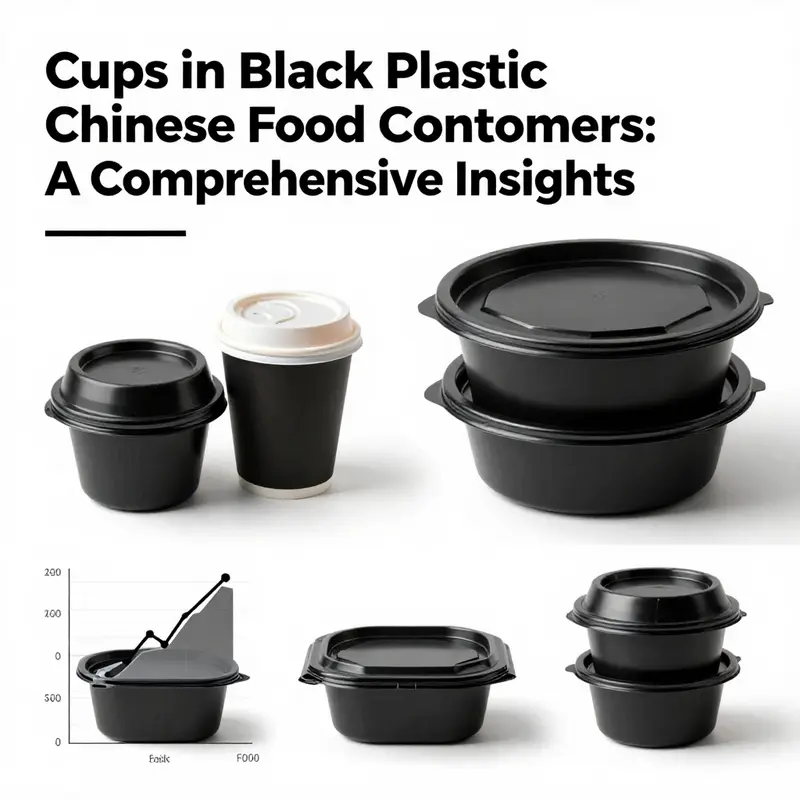
The image of a black plastic takeout box is instantly recognizable to millions of diners and delivery workers: a hinged, glossy rectangle that holds a steaming mix of noodles, vegetables, or braised protein. Yet beneath the familiar exterior lies a practical truth about what this container is designed to do—and what it is not. In the market landscape surrounding these black plastic takeout containers, cups simply do not ride along inside the box. The standard dual-ambition packaging—durability for hot foods, a lid that seals in moisture and heat—does not incorporate cup compartments or beverage vessels. This absence, however, is not just a footnote in a product spec sheet. It reflects broader dynamics at the intersection of design intent, supply chains, consumer expectations, and regulatory pressures that shape the broader packaging ecosystem.
At its core, the black plastic takeout container is a single, integrated system. The most common forms in this category are three-part containers with a cylindrical interior shape or a modular, multi-compartment tray designed to keep sauces and sides from migrating into the main dish. The materials most often chosen—polypropylene or polystyrene—are selected for heat resistance, lightness, and the ability to be molded into consistent shapes at scale. The color black, in particular, has become a strategic choice. It hides minor staining and residue, giving a visually cleaner impression even after hours in transit. This is not mere aesthetics; it is a practical response to the realities of high-volume food service where speed, perceived cleanliness, and efficient stacking are crucial for kitchen and delivery workflows.
From a market perspective, the appeal of these containers lies in their reliability and cost efficiency. They are designed to perform across a range of hot and cold foods, to resist leakage with saucy dishes when properly housed, and to stack neatly in warehouse and vehicle environments. The economics of scale in manufacturing these boxes—often produced through thermoforming and injection molding in high-volume facilities—enable competitive pricing that supports busy takeout and delivery channels. In markets where food service is a fast-moving segment, such containers become a backbone of daily operations.
Yet despite their robustness, the technology behind these boxes is not without limits. The same tri-part or multi-compartment designs that expertly separate items can constrain capacity per compartment, limiting the ability to serve larger or more complex meals in a single container. Leakage becomes a concern when saucier components are packed close to the lid’s edge or when the contents shift during transit. For operators, this means balancing portion sizes, sauce ratios, and lid security to minimize returns, complaints, or spills that can erode customer trust. The lid is a seal, yes, but it is also a hinge on a larger question: how well does a single box handle the diverse textures and temperatures of today’s takeout menus?
In the broader supply chain, China remains a central hub for plastic food container manufacturing. The country’s extensive thermoforming and injection molding capabilities support rapid production at scale, enabling suppliers to offer a spectrum of shapes, sizes, and thicknesses to fit different culinary styles. This manufacturing capability helps explain why the black plastic takeout container has become a ubiquitous choice across many markets. It is not simply about a popular color or a fashionable shape; it is about reliable mass production that aligns with the pace of online ordering, same-day delivery, and the need for consistent, predictable performance.
Material safety remains a foundational concern. Regulatory frameworks in many regions require compliance with food contact standards. The choices of PP or PS are not casual; they reflect a need to balance heat resistance with safety margins, while also considering the lifecycle of the product. As consumers demand more sustainable packaging options, a new layer of scrutiny has emerged around the use of recycled or post-consumer recycled plastics. The push toward PCR materials corresponds to broader environmental and regulatory trends, including transparency about sourcing and the stability of recycled resins in hot-food environments. The challenges are not minor: ensuring consistent quality, avoiding contamination, and maintaining the mechanical properties that protect contents during transit are all part of a delicate equation.
The consumer and business applications broaden the story beyond the restaurant or the street corner. Fast food chains, takeout operations, and catering services all rely on these containers to convey meals reliably. The rise of e-commerce and home delivery has amplified the demand for designs that resist leakage, are easily stackable for efficient logistics, and are compatible with microwave or reheating protocols where appropriate. Yet even as black containers dominate in many takeout contexts, they face mounting scrutiny over recyclability and microplastic concerns. This has accelerated interest in biodegradable alternatives and innovations in recycling infrastructure, even as the immediate economics of black plastic remain favorable for many operators.
In this environment, the market continually contends with a simple but consequential question: should beverages be integrated into the same container that carries a meal, or should they be offered as a separate, purpose-built beverage container? The consensus among many operators and designers is pragmatic rather than dogmatic. If a dining experience requires a cold drink or a hot beverage alongside a main course, a separate beverage vessel is typically preferred. This approach minimizes leakage risks, preserves the integrity of the meal’s compartments, and maintains the user experience across a delivery chain that can include multiple touchpoints—from the kitchen to the rider to the doorstep. The separation also signals a broader design philosophy: one container for food, and a different, purpose-built solution for drinks. This philosophy aligns with the functional constraints of a single-issue packaging product and with the evolving expectations of customers who value reliability in transit as much as price.
As the packaging landscape evolves, designers and operators increasingly weigh the trade-offs between traditional black plastic boxes and alternative materials. Kraft paper bowls, bio-based composites, or compostable liners offer attractive sustainability profiles but come with their own sets of performance challenges. Heat retention can be stronger with certain plastics, while moisture management or leak resistance may be enhanced by different materials or configurations. The market’s shift toward more sustainable packaging does not necessarily displace the central role of the black plastic container; rather, it adds a new axis of choice for buyers who must balance cost, performance, and environmental responsibility.
To those evaluating options for a bustling operation, the key takeaway is not merely the presence or absence of cups inside a box. It is the recognition that packaging choices are embedded in a broader system. The container’s geometry, material, and lid design interact with food types, delivery routes, and consumer expectations. A box that seals well with a saucy dish will still fail if it cannot stand up to a long ride in a warm vehicle. Conversely, a design that emphasizes leak resistance and heat retention can improve the perceived quality of service, even if it means higher initial costs. In markets where margins are tight, the ability to reliably deliver a hot meal without leakage can translate into repeat business and a stronger brand impression.
From an end-user perspective, the absence of built-in cups within the black plastic box is rarely a source of confusion. Diners understand that beverages are typically acquired separately—whether through a drink cup with lid, a straw, or a dedicated beverage container—especially when ordering in bulk for catering or office deliveries. This separation aligns with practical workflow realities of kitchens and delivery networks, where a single container must accommodate food, sauces, and sides without complicating the packaging. For consumers, what matters most is the predictable performance—the box holds up, the lid stays on, and the contents remain appetizing from kitchen to doorstep.
In assessing the market, it is also important to consider the practical implications for procurement and sustainability teams. The availability of multiple container formats, the ability to customize with branding, and the compatibility of containers with standard reheating or storage practices all influence purchasing decisions. As the eco-conscious segment grows, buyers increasingly demand transparency around material sourcing, recyclability, and end-of-life outcomes. The packaging ecosystem is gradually moving toward more sustainable supply chains, with recycled content and improved recycling streams taking on a larger role. Yet the cost and performance calculus remains central; brands and operators must balance responsible packaging with the realities of a price-sensitive market and the need to keep meals appealing and safe during transit.
For readers exploring practical alternatives and cross-category comparisons, consider how one might pair the familiar black plastic box with complementary packaging options. A ready-made or custom-designed kraft paper bowl can serve as a lidless or semi-closed option for certain applications, while a separate, eco-friendly beverage container can house drinks without compromising the integrity of the main dish. Such configurations underscore a flexible, two-track approach: one track that preserves the trusted performance of the black container for primary dishes, and another that leverages environmentally friendlier or more specialized vessels for beverages. The choice is not about replacing the box wholesale but about optimizing the overall packaging system for safety, efficiency, and sustainability.
For designers and strategists, the practical takeaway from this market analysis is clear: cups do not belong inside the standard black plastic Chinese takeout container, and this design reality reflects a set of deliberate choices that balance performance with cost, logistics, and regulatory expectations. When evaluating packaging ecosystems, it is essential to view containers, lids, and any beverage solutions as a coordinated system rather than as isolated components. The strength of the black container lies in its reliability as a food carrier, and the broader packaging strategy should leverage that reliability while embracing innovations that address environmental concerns and evolving consumer preferences. This holistic perspective helps explain why the market continues to favor simplicity and efficiency in core takeout packaging, even as the conversation around sustainability pushes for thoughtful evolution across the entire packaging stack.
For readers seeking a broader context on standards, types, and industry performance in the plastics cup and container sector, a comprehensive analysis from a leading packaging source provides further depth and cross-market comparisons. This external resource offers a detailed look at regulatory considerations, material choices, and production technologies that shape the behavior of cups and their containers in diverse markets. Access to this kind of external information complements the internal industry narrative and helps illuminate where the market might move next. https://www.alibaba.com/showroom/cup-moldings-china-plastic.html
Internal link note: for discussions on alternative packaging formats that pair with black containers, see discussions around disposable kraft packaging options. In particular, you can explore how a disposable octagonal box for kraft paper packaging can complement a meal-focused packaging system by providing a distinct, eco-friendly container alternative for components that don’t require the integrity of a sealed food box. This cross-reference helps illustrate how different packaging formats can work together to meet a range of dining scenarios while maintaining efficiency across the supply chain.
External resource: Cup moldings in China plastic. https://www.alibaba.com/showroom/cup-moldings-china-plastic.html
Beyond the Takeout Box: Unraveling the Environmental Footprint of Cups and Black Plastic Chinese Takeout Containers
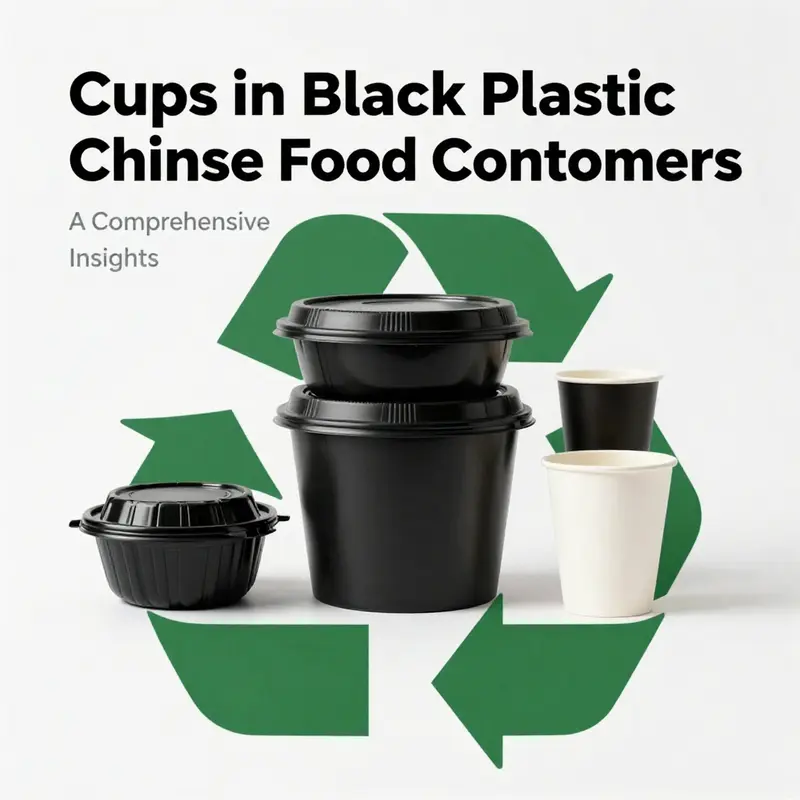
A single takeout box is more than a convenient vessel for a meal; it is a node in a complex chain of materials, manufacturing choices, and disposal pathways that together shape the environment. When we think about cups and black plastic Chinese takeout containers, we are really looking at two distinct, yet intertwined, streams of waste, each with its own set of challenges and potential solutions. The broader story is not about choosing one packaging option over another in isolation, but about understanding how design, consumer behavior, and waste management infrastructure interact to determine outcomes in the real world. This chapter surveys that intertwined landscape, focusing on the environmental implications of disposable cups and the black plastic containers that often accompany or substitute them in takeaway contexts. It also highlights how design decisions—often subtle and technical—either obstruct or enable recycling, and how those decisions ripple through the economy of waste and the health of ecosystems. In doing so, it threads the discussion back to the overarching topic: the role of cups within the packaging system that accompanies hot and cold meals in a takeout culture that prizes speed, convenience, and low upfront cost, yet faces escalating environmental costs if those habits persist unchecked.
The materials and production routes behind disposable cups and black plastic containers are, in many respects, a mirror of our consumption patterns. Disposable paper cups are typically designed to resist leakage with a thin, plastic-like liner. That liner, while functionally essential for performance, complicates recycling in many municipal facilities. The liner’s chemistry does not always align with standard paper recycling streams, and in practice, many facilities are not equipped to separate or reprocess the coated layers. The result is a paradox: a product branded as recyclable can end up diverted to landfills simply because the local infrastructure cannot process it. When millions of cups are discarded daily, the cumulative impact grows quickly. A clear thread runs through recent studies: the environmental burden of single-use beverage cups is not solely in the material or the energy used to produce them; it is amplified by the reuse barrier that makes the throughput of recycling low and disposal rates high.
In the realm of black plastic containers used for Chinese-style takeout, the recycling challenge takes a different shape. These containers are often made with dark pigments that are not easily recognized by infrared sorting systems in many recycling plants. Sorting technology relies on color and chemical detection to separate plastics by type and resin, and pigment-heavy, dark plastics can slip through the cracks. The consequence is a far greater likelihood of these containers being landfilled or incinerated rather than being reinjected into a recycling loop. Add to that the reality that many of these containers may be used for both hot and cold foods, sometimes with oils and sauces that complicate cleaning, and the end-of-life process becomes even more uncertain. The net effect is a packaging niche with relatively high environmental risk, precisely because the default end-of-life pathway—landfill—remains dominant for the very items designed to hold the meals that feed millions of people each day.
Despite those challenges, there is not a one-size-fits-all verdict on whether a cup or a black plastic container is the greener choice. A robust body of life-cycle analysis shows that the environmental cost of the use stage dominates the footprint of many single-use items. For disposable cups, the use stage encompasses the consumer’s behavior: how many times the cup is used, whether it is reused at all, and the energy and water embedded in cleaning reusable cups if those are adopted instead of disposables. In the United States, research conducted up to 2026 indicates that more than 80 percent of a cup’s total carbon footprint is tied to its use and end-of-life phases rather than its production. In plain terms, a single-use cup’s ultimate environmental story hinges on what happens after the consumer receives the drink: does the cup end up in a landfill promptly, or is it redirected into a recycling stream that can reclaim some of its embodied energy and materials?
When we pivot to black plastic takeaway containers, the dynamic shifts but the underlying logic remains consistent: the system’s performance is determined by how well the packaging can be captured, separated, and reprocessed rather than simply by the amount of plastic in the container. Black pigments can actively hinder recycling by making it harder for sorting systems to identify the resin type. This is not just a technical hurdle; it translates into real-world consequences—fewer containers are reclaimed, and more ends up in disposal. The environmental tax from virgin plastic production—fossil fuel extraction, polymerization, and energy-intensive manufacturing—adds a heavy burden to an already stressed waste stream. Even when these containers incorporate recycled content, the presence of complex additives and contaminants often undermines the purity required for clean recycling, which can lead to a higher overall environmental cost than anticipated.
A meaningful contrast emerges when we compare these disposable options with reusable alternatives. The initial environmental cost of producing durable, reusable cups or other containers can be high, due to energy inputs and material extraction. For example, a stainless steel or glass cup carries a sizable upfront carbon footprint. Yet, studies consistently show that once a reusable item is used many times—often dozens or even hundreds—the cumulative impact per use drops well below that of a disposable option. The critical threshold lies in the usage rate: if a reusable cup is used enough times to offset its initial environmental price, it becomes a better choice over the lifetime of the cup. This insight points to a broader policy and consumer behavior implication: to tilt the balance toward sustainability, the system must support durable, reusable options and ensure they are convenient, hygienic, and affordable enough to replace disposables in everyday practice.
The environmental burden of packaging extends beyond the materials and end-of-life dynamics; it threads into the economic and social fabric of food service. When restaurants rely on single-use packaging, they incur waste management costs that eventually touch consumers—whether through municipal pricing, higher disposal fees, or the broader societal costs of pollution. Packaging design that emphasizes recyclability, avoids problematic pigments, and favors materials that can be widely reused or composted in appropriate facilities shifts the calculus in a meaningful way. In practice, this means moving toward lighter, simpler, and more consistently recyclable packaging, coupled with a robust collection and processing infrastructure. It also means embracing the reality that some packaging will be compostable only if there are dedicated industrial facilities to handle composting and if municipalities collect and process compostable streams separately from general waste.
From a consumer perspective, the most practical takeaway is to prioritize choices that align with a known recycling or composting pathway, and to be mindful of the realities of local waste management capabilities. Bringing a personal reusable cup for beverages is a straightforward step that, if adopted widely, can dramatically reduce the footprint of the use stage. For those who prefer disposables, selecting packaging designed with end-of-life realities in mind—such as materials that are widely accepted in local curbside recycling or that are compostable in industrial facilities—can help. Sometimes this means trading off a bit of convenience for a packaging solution that closes the loop more effectively. The decisions can be smaller and incremental, yet collectively they add up to meaningful environmental benefits.
The design community and policymakers also have a pivotal role. Packaging designers can avoid optically challenging pigments that disrupt sorting systems, or at least make the pigment choice compatible with current recycling streams. They can favor materials that are easier to separate, reuse, or recycle and can partner with waste-owned and waste-collection ecosystems to pilot closed-loop programs. To the extent that dark plastics remain necessary for performance reasons in certain products, the industry can invest in advanced sorting technologies or alternative separation methods that improve recovery rates. In parallel, public policy and municipal programs can incentivize or require packaging that is broadly recyclable and clearly labeled for end-of-life steps. In combination, these design and policy shifts can unlock a more circular economy where cups and containers are reclaimed, refurbished, or repurposed rather than discarded.
A practical example of how design can influence outcomes is the availability of beverages and foods in alternative packaging formats that minimize recycling friction. For instance, packaging built around readily recyclable paper-based systems with simple coatings reduces the complexity of the waste stream. There is growing demand for packaging that uses fewer dyes, clearer labeling, and designs that enable straightforward separation of materials. Even small changes in packaging structure—such as eliminating multiple layers or reducing the need for additional liners—can cascade into substantial improvements in recycling rates and overall environmental impact. For consumers and businesses, adopting such improvements often requires a change in habits and a rethinking of what “convenient” means in a takeout context. Instead of a single-use habit that ends in waste, convenience can be recast as a choice that prioritizes waste reduction and environmental responsibility.
Within this evolving landscape, there is also a recognition that not all waste streams will be perfectly clean or perfectly recyclable in every municipality. The goal then becomes resilience: designing packaging that performs well under imperfect conditions, and building waste management systems that can recover value even when streams are not perfectly separated. In practice, this means combining packaging choices that favor recyclability with robust consumer education, better labeling, and improved collection of recyclables and compostables. It also means local and regional authorities investing in sorting capabilities that can identify and divert more packaging from landfills, including the challenging black plastics where possible. The ultimate objective is to reduce the overall environmental burden of meals that arrive in fast, convenient packaging, while preserving the essential services that food businesses provide to consumers.
For readers who want a concrete reference to broaden their understanding of food packaging and its environmental footprint, a comprehensive external resource offers a wide lens on the topic. External resource: https://www.epa.gov/sustainable-management-waste/food-packaging-and-its-environmental-impact
Internal linkage note: as you explore more sustainable packaging options, you may come across several practical alternatives described in our catalog of eco-friendly takeout solutions. For example, the option described under eco-friendly recyclable pulp cup holder can illustrate a pathway to reducing recycling friction by using more widely accepted materials that fit current sorting systems. This approach, while not a wholesale replacement for all packaging needs, demonstrates how a small shift in material choice can align with broader environmental goals and support a more circular lifecycle for cups and containers. eco-friendly recyclable pulp cup holder
Final thoughts
As we have explored throughout this article, black plastic Chinese food containers are designed as complete meal boxes and do not include cups for beverages. Understanding their specifications and functional positionings can guide businesses in selecting complementary beverage containers. By examining market trends and environmental impacts, it becomes clear that while these food containers serve a crucial purpose, the careful selection of disposable products is paramount for sustainability and customer satisfaction. In today’s food service environment, balancing functionality with ecological responsibility is more important than ever for effective operation.